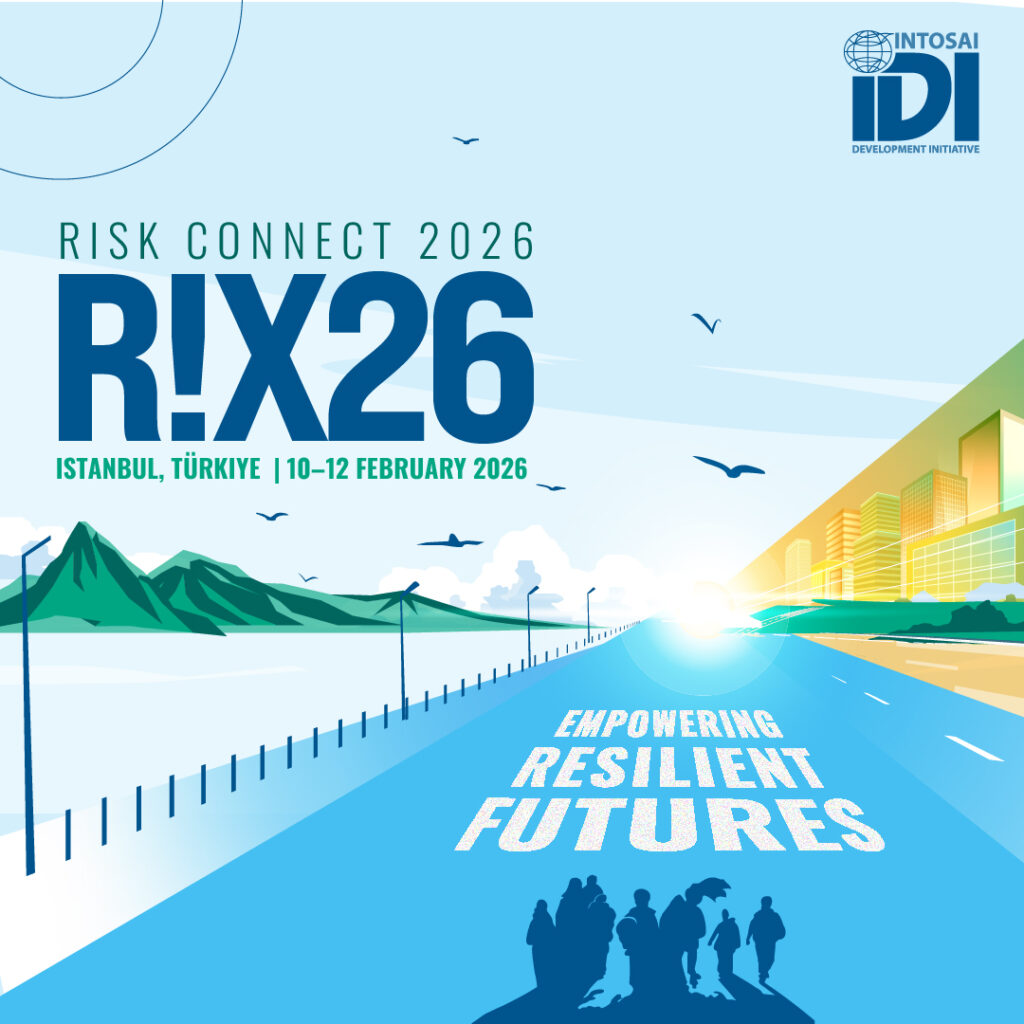
Risk Connect 2026 (R!X26) is a global forum dedicated to advancing dialogue and practical solutions on organizational risk management in Supreme Audit Institutions (SAIs).
The forum brings together experts and practitioners to explore how SAIs can strengthen risk-resilient, future-ready practices that support value generation, institutional performance, and public trust.
R!X26 will showcase and connect key INTOSAI Development Initiative (IDI) initiatives that address risks across the SAI portfolio, including:
The ambition of Risk Connect 2026 is to support SAIs in navigating an increasingly complex risk environment by promoting integrated, forward-looking, and resilient risk practices.
The forum will convene participants from a diverse range of sectors, including Supreme Audit Institutions, international organisations, and external risk and assurance stakeholders, such as Interpol, the telecommunications and banking sectors, the OECD, and academia (including ISACA). This multi-stakeholder perspective will enrich discussions and foster cross-sector learning on emerging and systemic risks.
Date: 10-12 February 2026
Place: Istanbul, Turkey
Language: English
The legal roots and constitutional framework for SAI independence is a principle affirmed in the Lima and Mexico Declarations.
SAI legal teams stand behind this principle. They are the quiet champions who provide legal advice for audits, guide institutional decisions, and advocate for autonomy.
Recognising their vital role, the INTOSAI Development Initiative (IDI) launched the LEG SAI initiative. Through careful design, LEG SAI set out to strengthen SAIs’ legal capacities and position them as proactive defenders of independence.
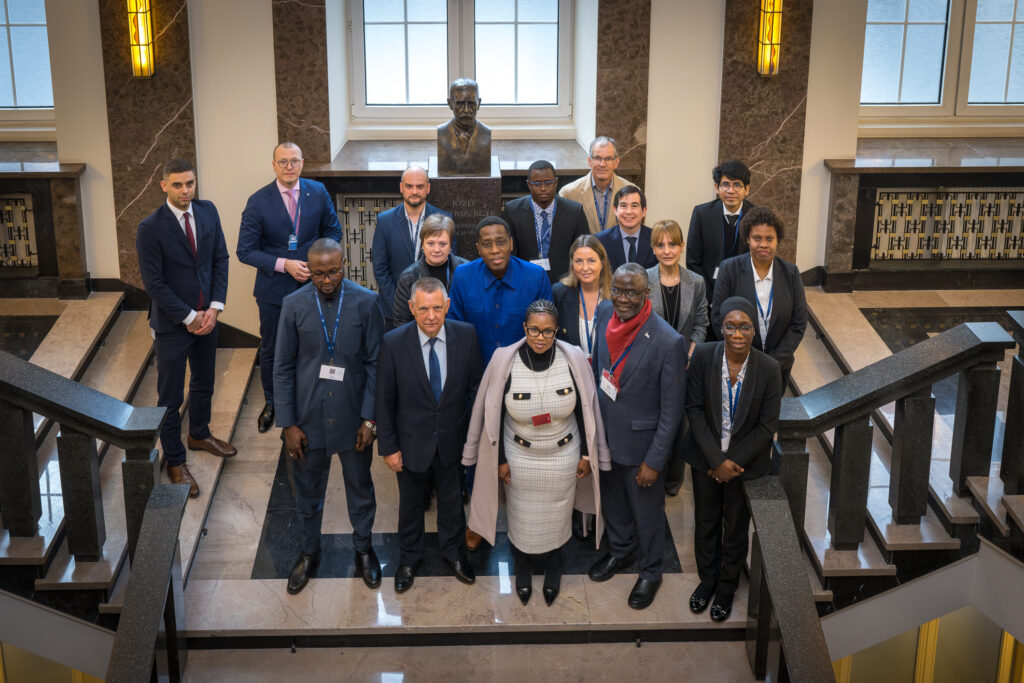
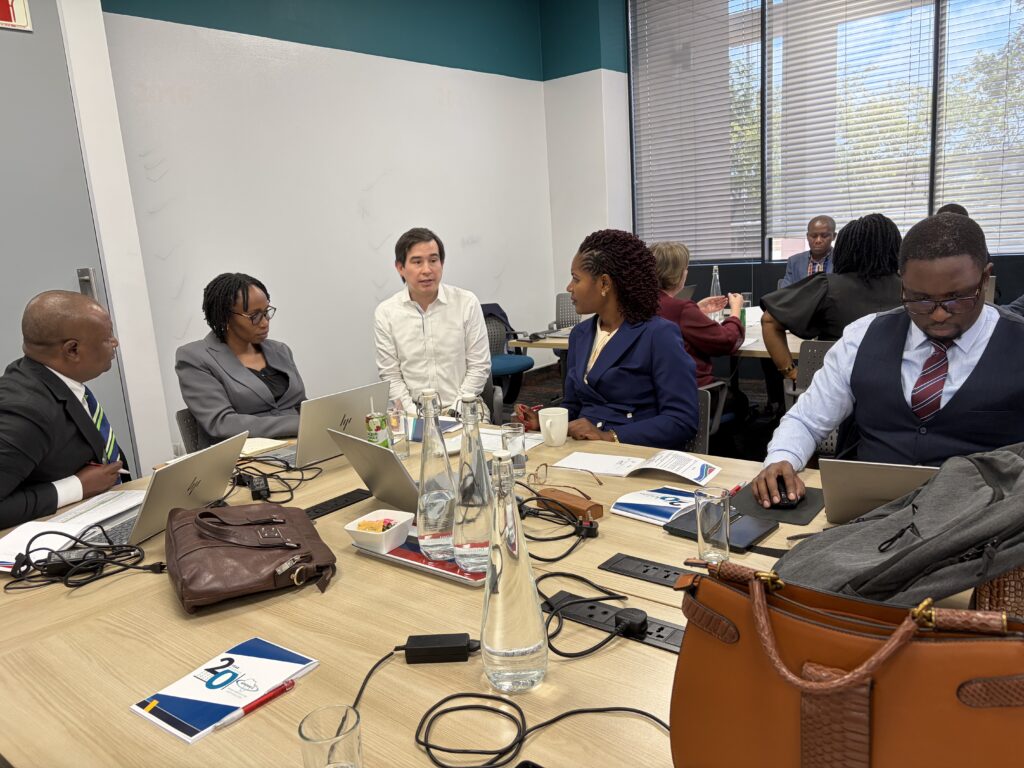
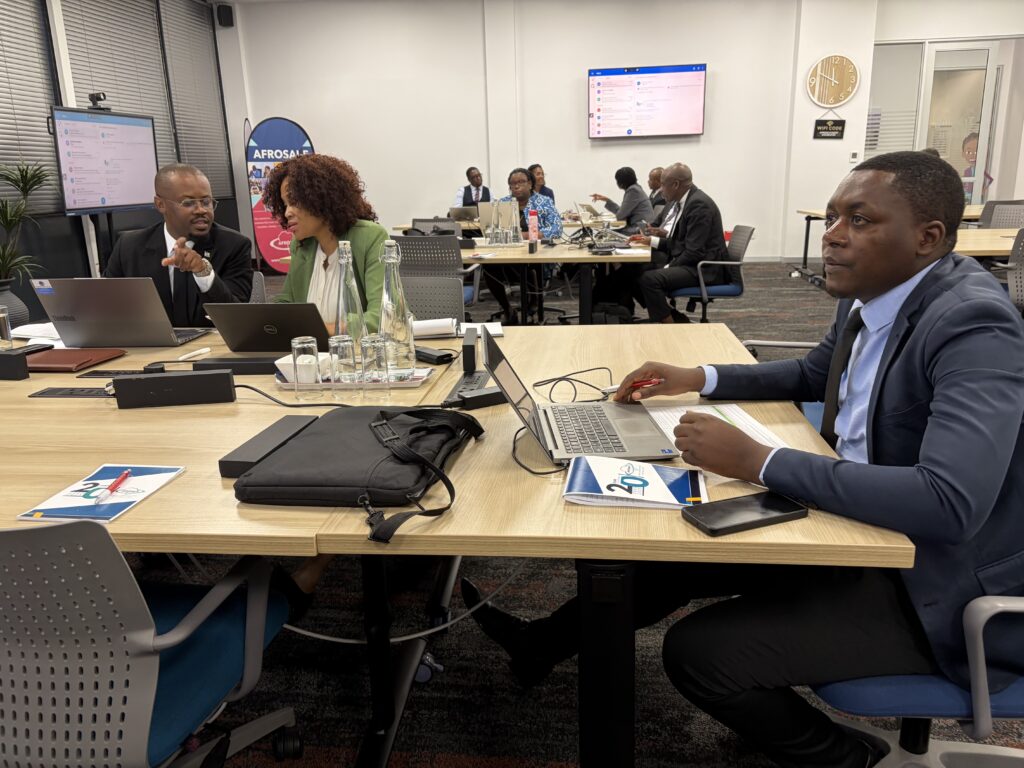
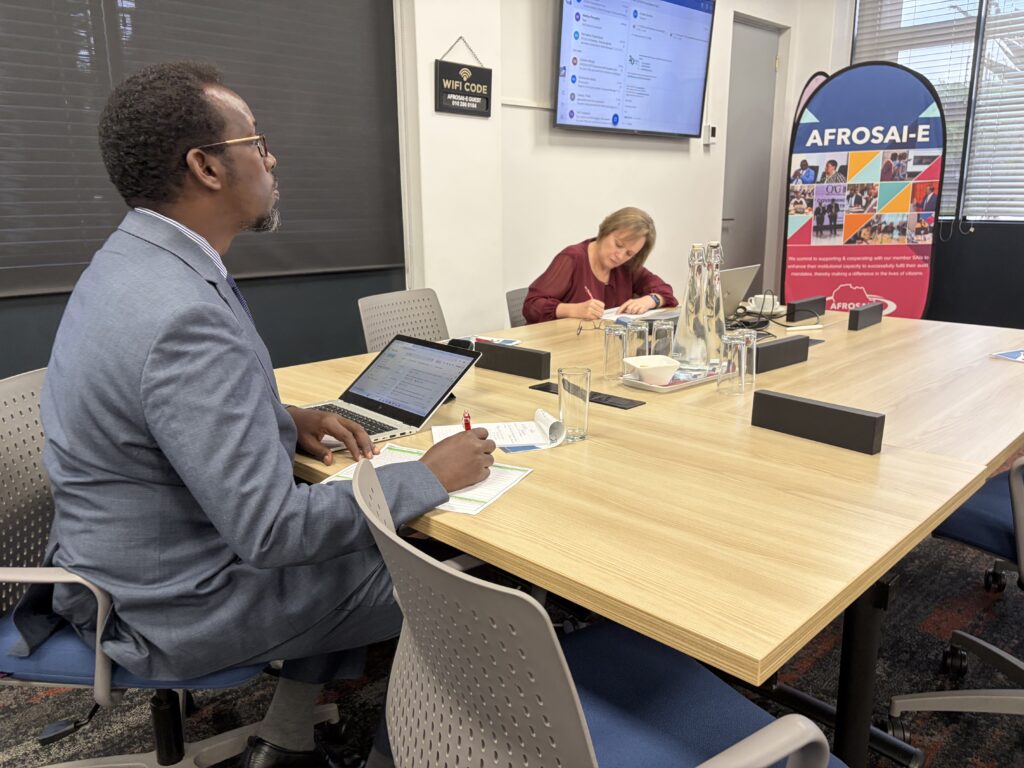
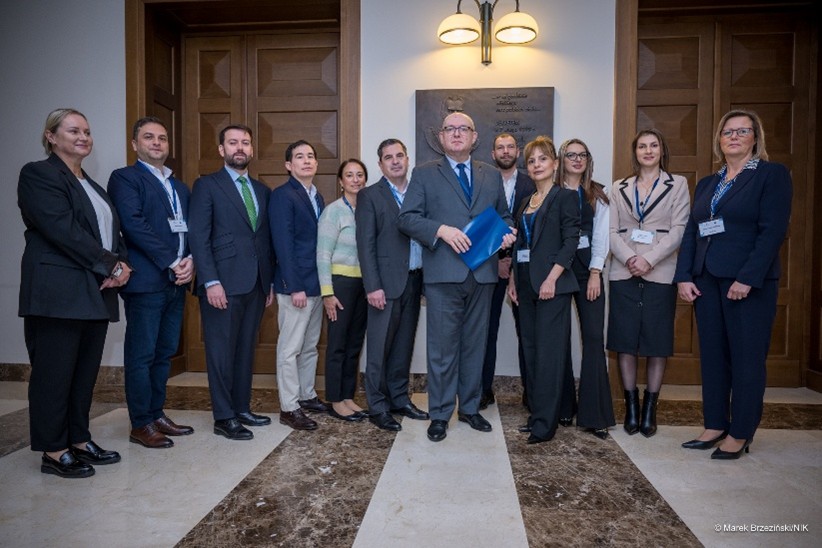
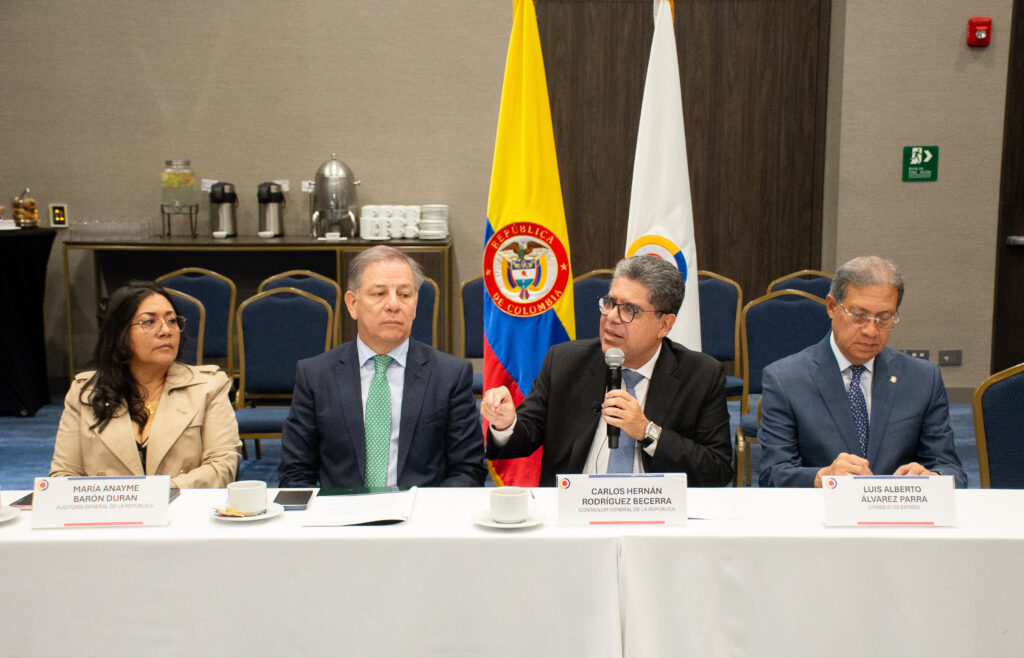
In the last quarter of 2025, LEG SAI brought together legal experts from EUROSAI, OLACEFS, and AFROSAI-E in three regional workshops held in Warsaw, Bogotá, and Pretoria. These collaborative spaces enabled participants to share best practices, discuss challenges, and explore strategies to safeguard institutional independence. Participants discussed ways to enhance and monitor legal frameworks and engage effectively with the judiciary for protecting SAI’s mandate.
The insights gathered through this participatory approach are shaping the next steps of LEG SAI and its key deliverables.
Learn more about the LEG SAI initiative and how IDI is working to protect SAI independence.
AFROSAI-E


EUROSAI

OLACEFS

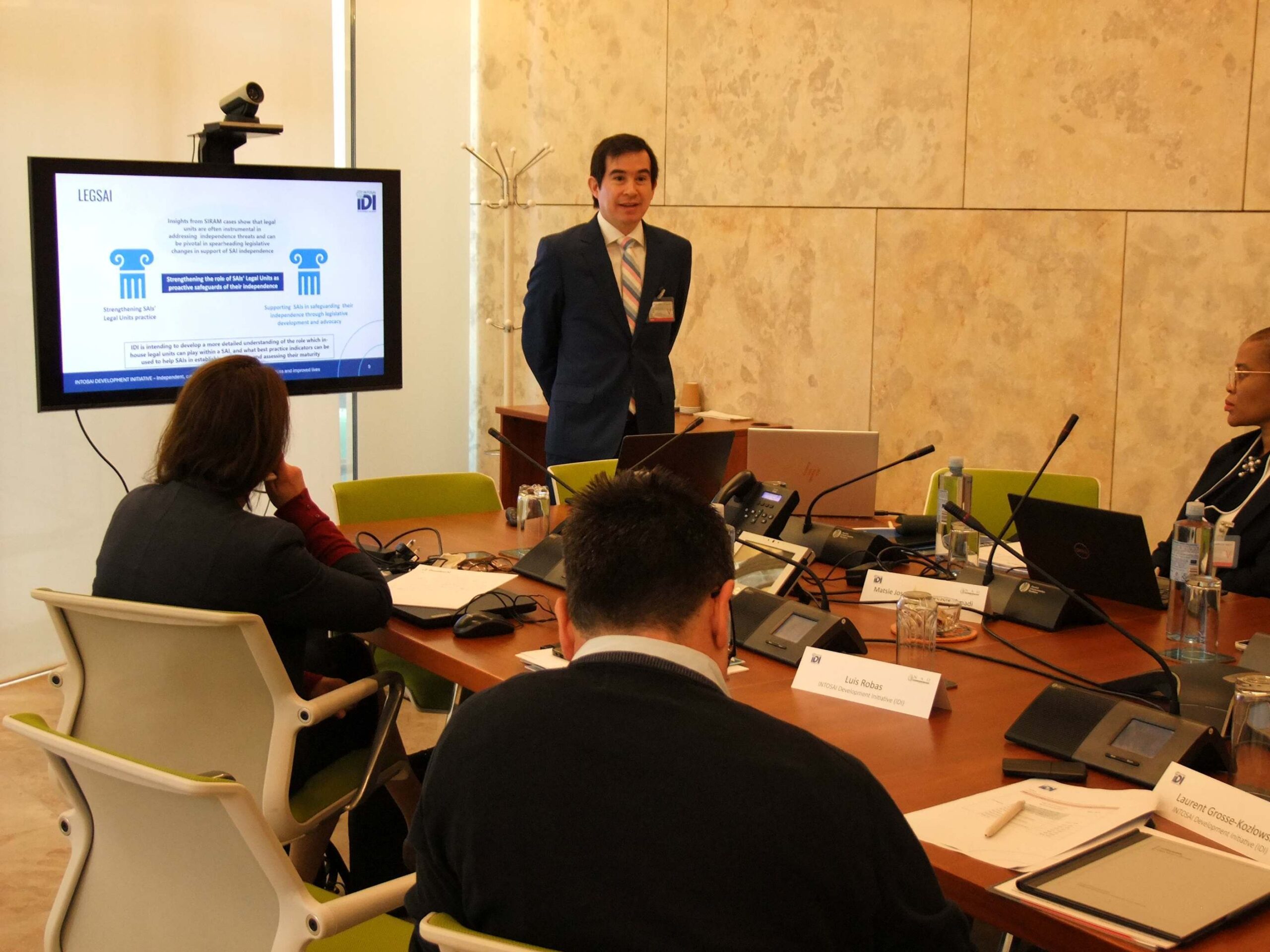
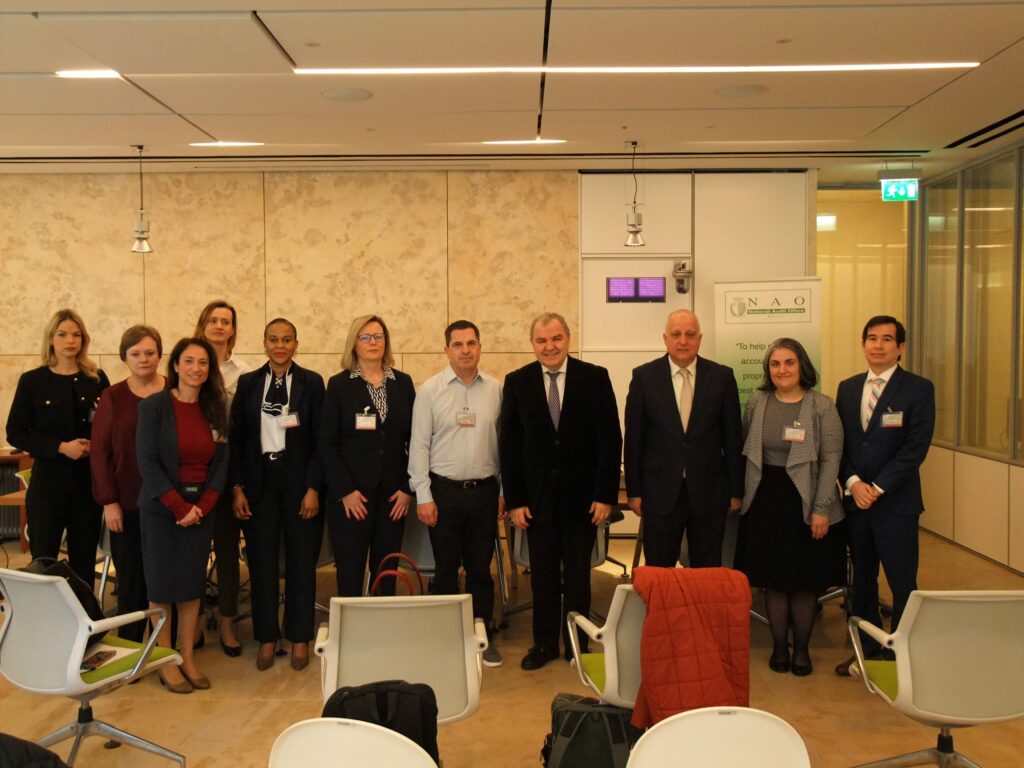
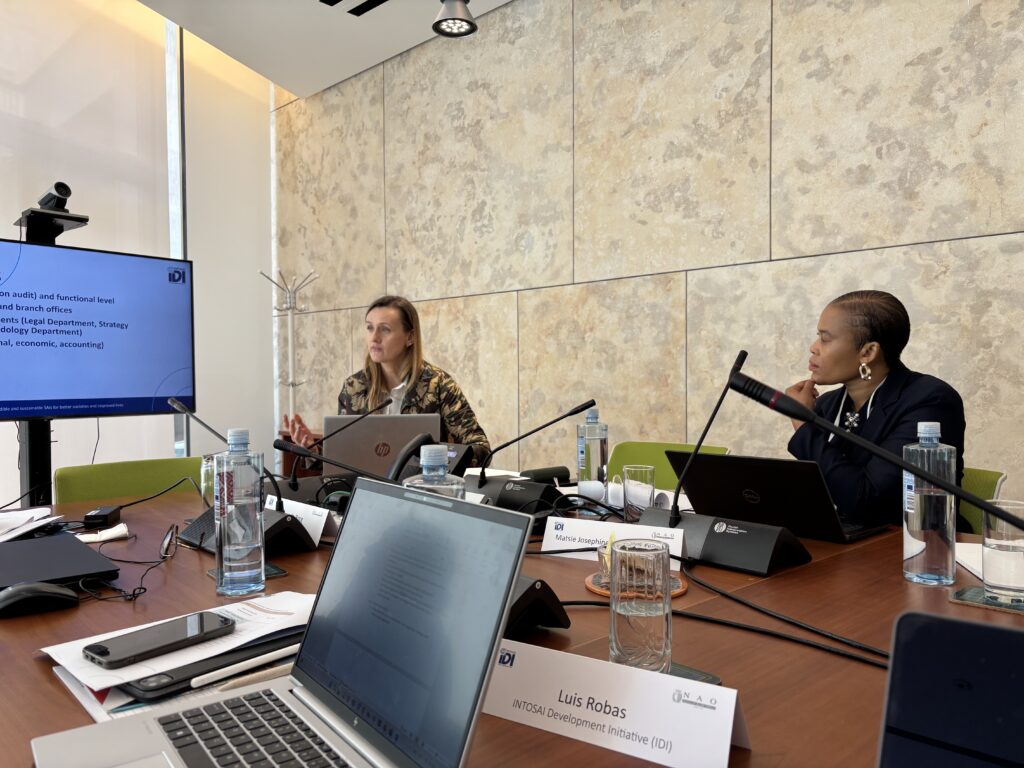
Last week, legal experts and Supreme Audit Institution (SAI) representatives gathered in Malta for the third Legal Experts’ Meeting under the INTOSAI Development Initiative (IDI) LEG SAI programme. Hosted by the National Audit Office of Malta (NAO), the workshop was a key step in advancing legal capacity within SAIs and reinforcing their independence.
Bringing together legal professionals from the SAIs of Czechia, Lesotho, Malta, Poland, and South Africa, the event focused on addressing key legal risks, best practices, and strategies to strengthen SAIs’ legal frameworks. The discussions highlighted the importance of legal expertise in safeguarding SAI independence, ensuring their ability to conduct audits without external interference and hold governments to account.

A major milestone from this meeting was the agreement on the structure and content of a Maturity Model. This tool will allow SAIs to assess their capacity to independently handle legal issues—both in conducting audits and in managing their operations. A more mature SAI will be better equipped to anticipate and respond to independence challenges, ensuring robust and legally sound decision-making that enhances institutional performance.
The group also agreed to develop a repository of good practices, which will serve as a key tool for knowledge-sharing among SAIs’ legal advisers, regardless of their specific national contexts. This resource will help legal professionals exchange experiences and strengthen legal functions that support SAI independence and accountability.

A dedicated session for NAO officials provided an opportunity for local and international experts to exchange insights on legal risks, independence principles, and ongoing global challenges affecting SAIs. IDI’s Luis Alonso Robas led an engaging discussion on the evolving legal landscape for SAIs, offering practical strategies to address threats to independence.
Beyond the formal discussions, the event fostered stronger professional networks, with participants engaging in informal exchanges while experiencing Malta’s rich history and hospitality.
IDI extends its gratitude to the National Audit Office Malta for hosting this important event and to all the participating SAIs and experts for their contributions. By continuing to strengthen legal frameworks and share best practices, we reinforce the foundations of independent, accountable, and effective Supreme Audit Institutions worldwide.
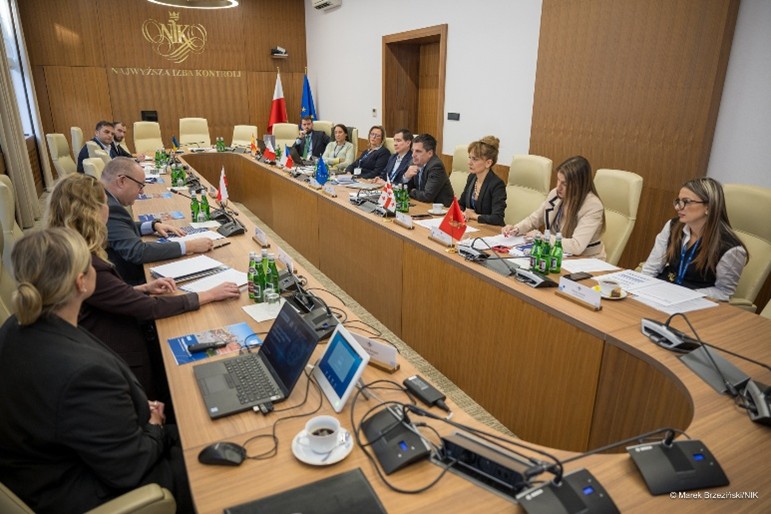
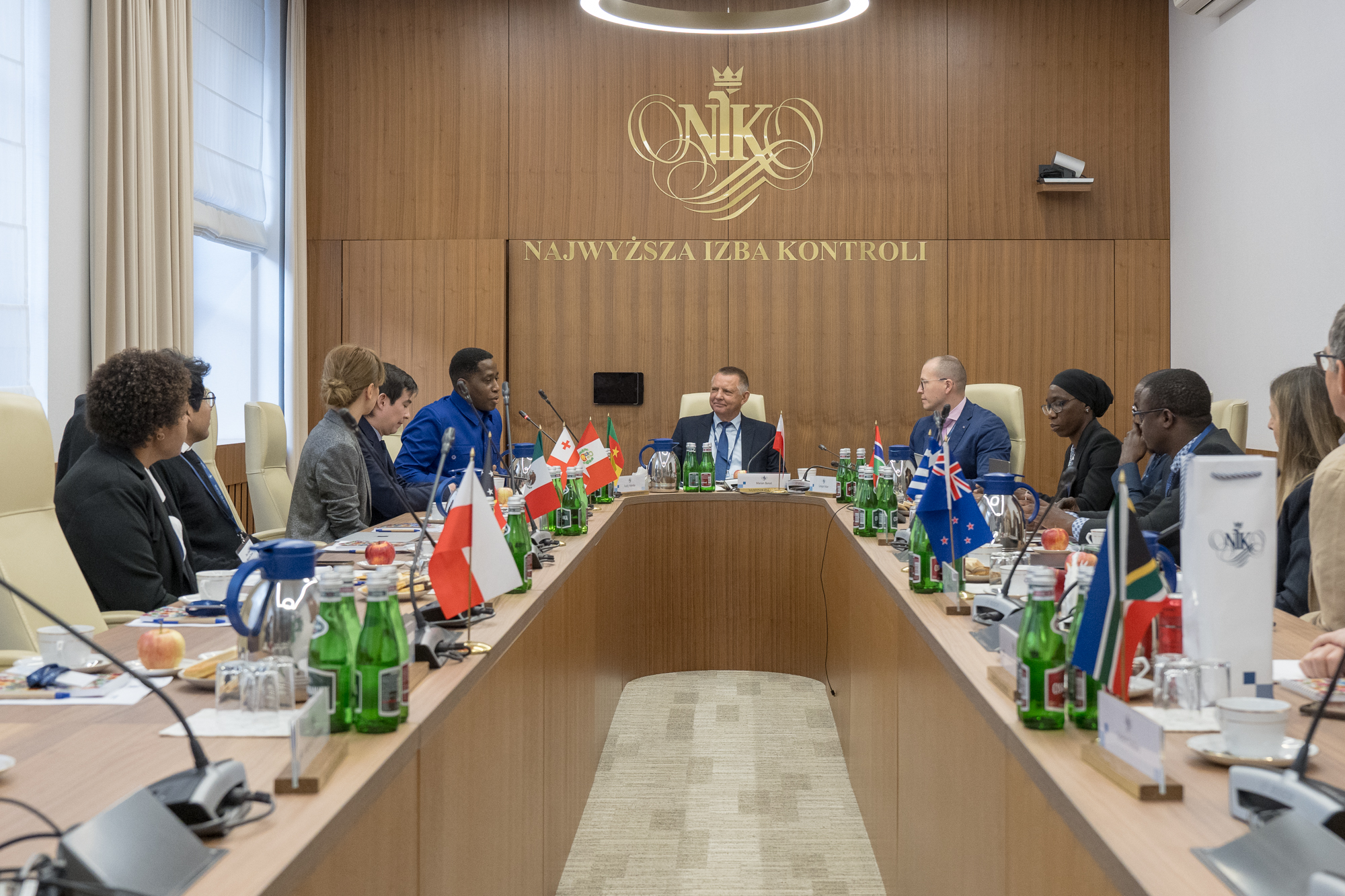
Supreme Audit Institutions (SAIs) are cornerstones of accountability, operating within legal and constitutional frameworks that define their mandates. Yet, maintaining their independence in an ever-evolving governance landscape requires robust legal support and innovative solutions. The 2nd LEGSAI Initiative Meeting of Experts, hosted by SAI Poland (NIK) and the INTOSAI Development Initiative (IDI), in Warsaw, Poland from 26–29 November 2024, brought together global experts to advance this critical agenda.
The workshop opened with remarks by the Auditor General of SAI Poland, who emphasized the integral role of legal frameworks in upholding SAI independence. Against the historic backdrop of Warsaw, participants embarked on a four-day journey of shared learning, addressing challenges and strategies to strengthen the “independence immune system” of SAIs through their legal units.
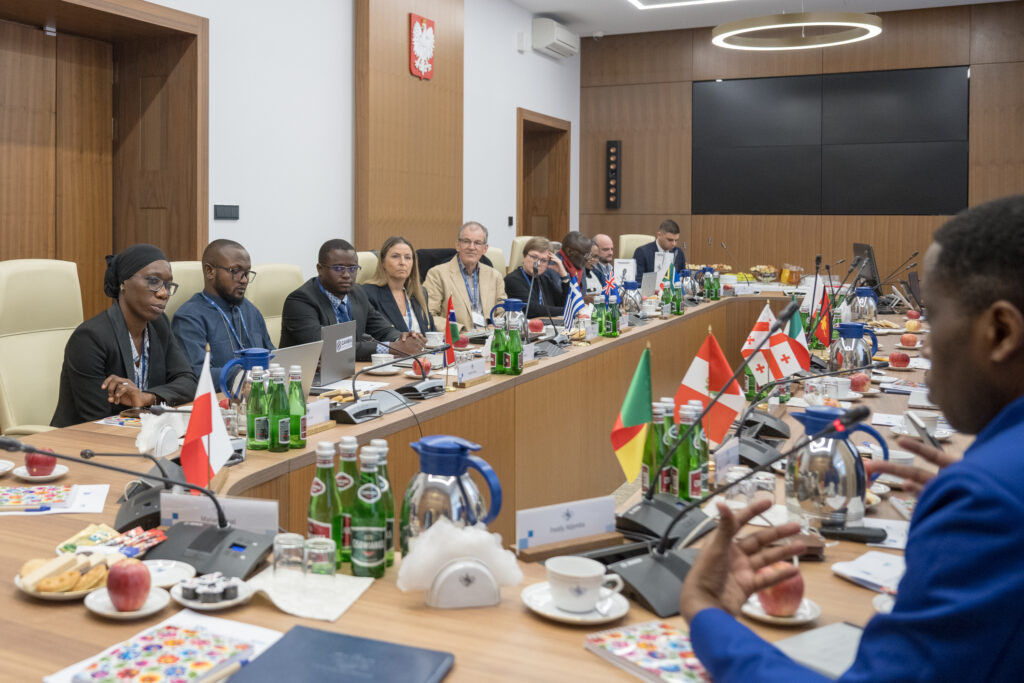
The sessions covered a range of timely and impactful topics, including:
1. Strengthening Legal Frameworks
Experts from regions including EUROSAI, AFROSAI-E, PASAI, and OLACEFS highlighted the importance of monitoring legislative developments and proactively enhancing legal frameworks. Insights from New Zealand and Poland showcased innovative approaches to integrating legal services into SAIs’ operational strategies.
2. Navigating Legal Reforms
Participants examined the art and science of conducting legislative reforms in complex environments. Case studies from South Africa and Georgia illustrated how consensus-building and model provisions can serve as tools for progress.
3. Engaging with the Judiciary
Discussions turned to the judiciary’s pivotal role in protecting SAI mandates. Experts outlined strategies for leveraging legal remedies to resolve institutional conflicts and secure financial autonomy, drawing on examples from Papua New Guinea, The Gambia, and South Africa.
4. Overcoming Barriers to Information Access
In the digital age, unrestricted access to information remains a fundamental right for SAIs. Participants debated the challenges posed by e-governance systems and shared emerging trends on how legal expertise can mitigate these barriers.
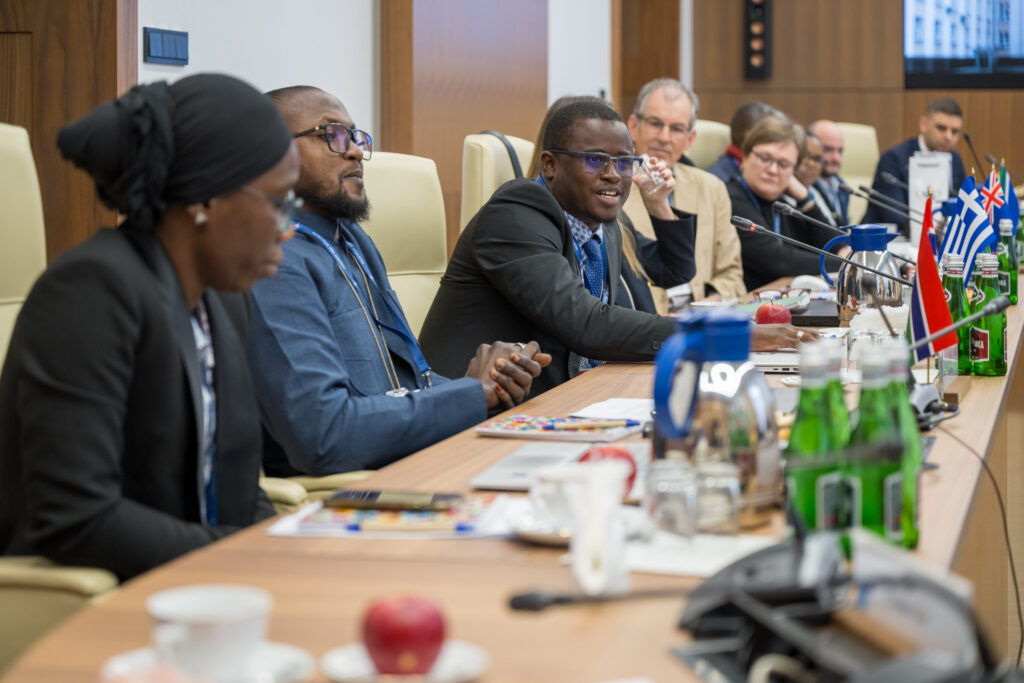
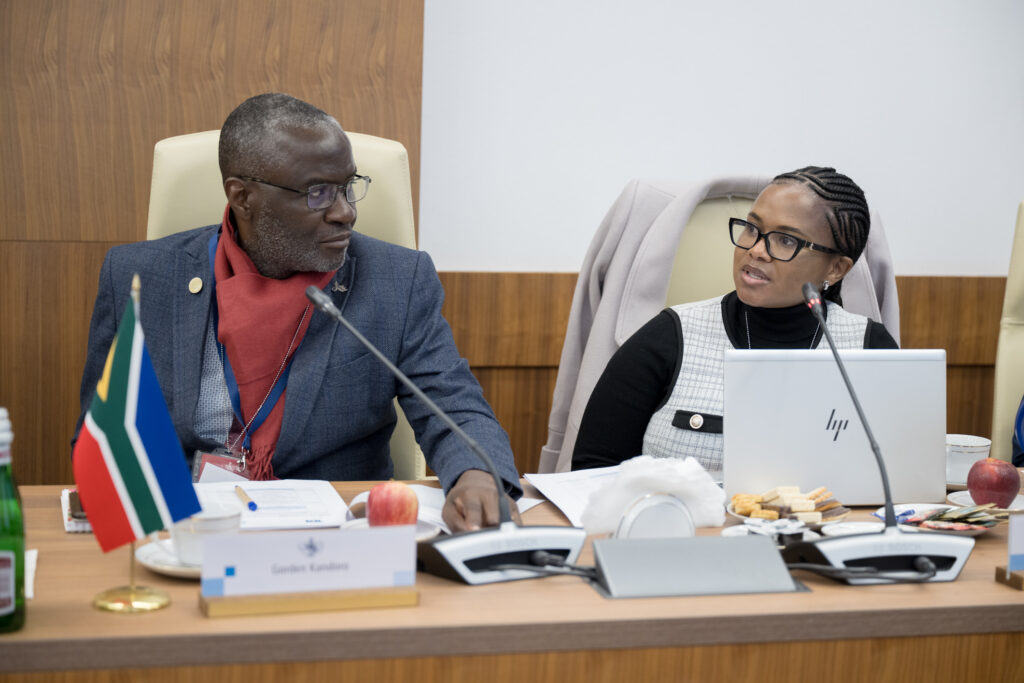
The workshop fostered a collaborative spirit, with participants engaging in group discussions to synthesise insights and chart a path forward. Some of the key outcomes included:

As part of the broader LEGSAI Initiative, this workshop revisited the essential role of legal units as proactive defenders of independence. By equipping SAIs with the tools and expertise to navigate legal complexities, the LEGSAI initiative aims to fortify the foundations of accountability worldwide.Our heartfelt thanks go to NIK for its hospitality and leadership, as well as to the dedicated experts who contributed to this event. As we continue this journey, we invite SAIs, donors, and stakeholders to join us in advancing this important work on proactive advocacy for SAI independence.
Stay tuned for more updates and resources from the LEG SAI Initiative as we continue to build resilient and independent institutions together.