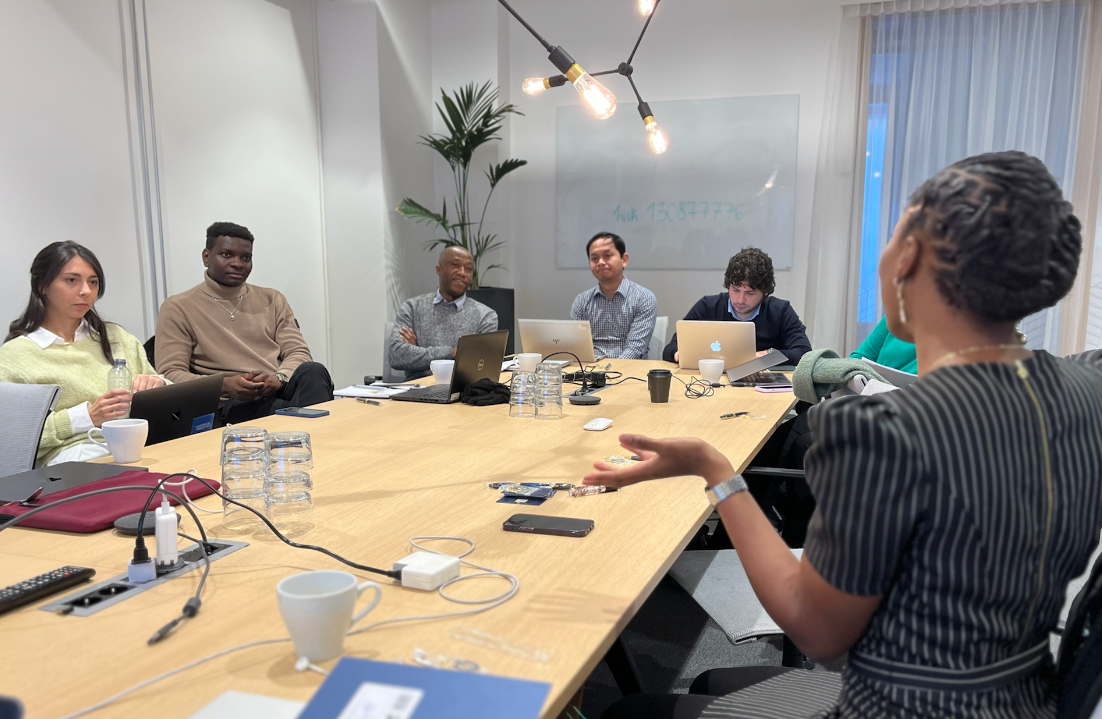
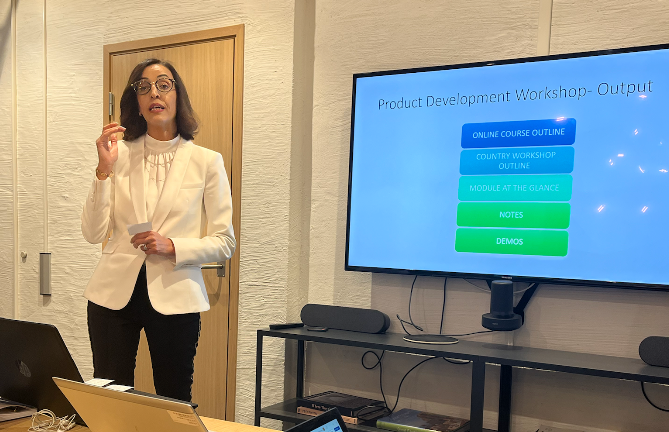
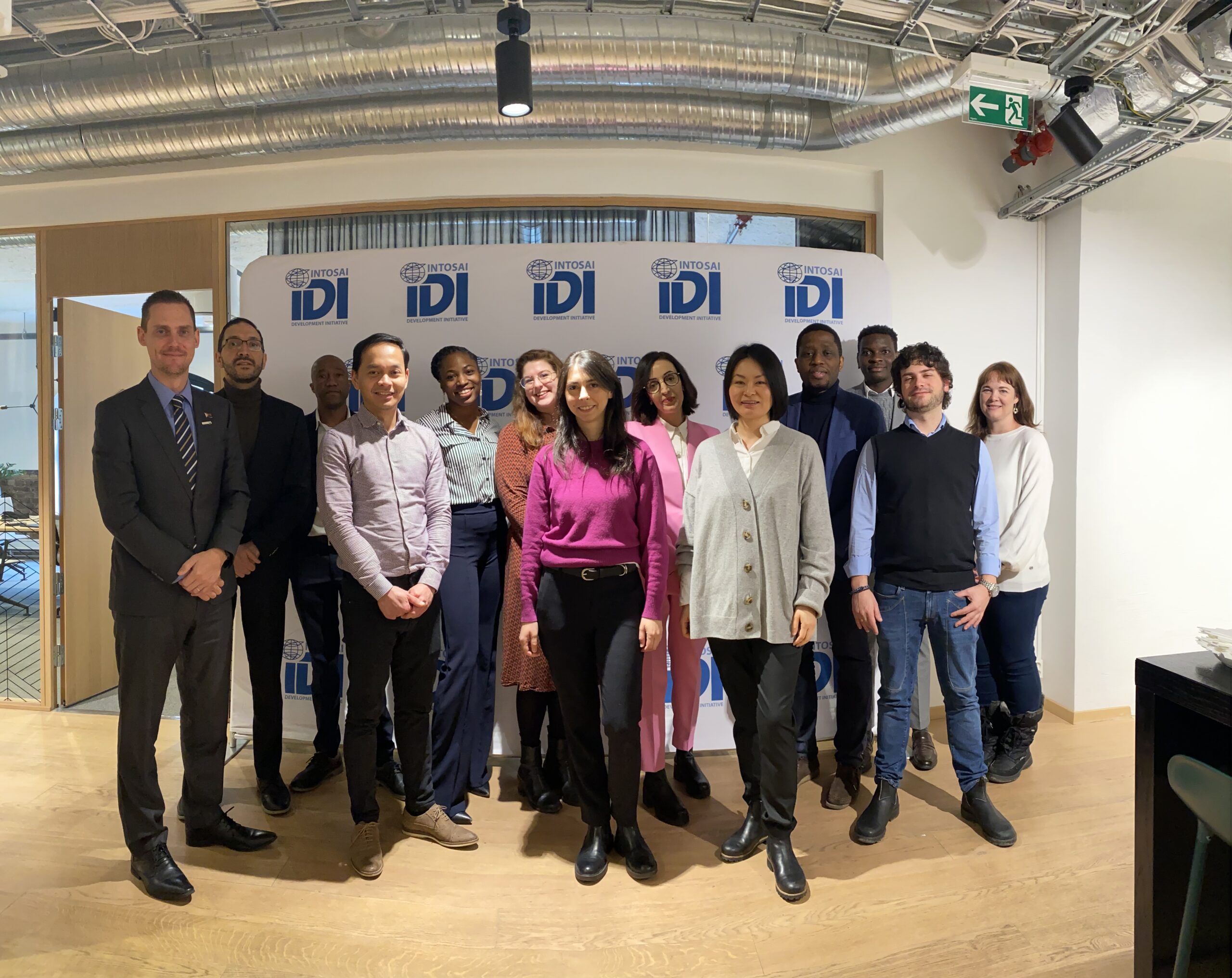
In the dynamic city of Oslo, during spring 2023, a pivotal meeting unfolded, gathering experts in transparency, government accountability, and financial literacy. Hosted by INTOSAI Development Initiative (IDI), this event was more than just a meeting—it was a strategic exercise, led by subject matter experts, to revolutionize how Supreme Audit Institutions (SAIs) build partnerships that safeguard independence via collaboration and learning from a myriad of stakeholders and partners.
A standout feature of this meeting was the adoption of a startup-inspired collaboration and sprint process. Departing from traditional methods, the aim was to co-build a tangible prototype of products such as an interactive online environment and a complimentary country-level workshop framework by the end of the week. The room buzzed with energy as global partners from across the accountability ecosystem actively participated, representing diverse perspectives from around the world.
A convergence of influential partners and organizations, this gathering wasn’t just about exchanging ideas. The five-day workshop convened subject-matter experts from Transparency International, Open Government Partnership, AFROSAI-E, CAROSAI, and FOLA Financial, among others, to create a comprehensive resource and suite of teaching materials focused on enhancing collaboration between integrity institutions and the broader accountability ecosystem.
IDI Senior Manager, Mr. George Phiri, who led a guiding and informative presentation on learning and session design, said “Partnering with high-level organizations in transparency and accountability was key to fostering positive outcomes through diverse insights. Collaborating with these stakeholders was enriching, which allowed for effective brainstorming.”
Key points from the program included laying the conceptual groundwork for understanding adult learning methodologies and implementation strategies—with subsequent days dedicated to the development of deliverables and peer-review sessions culminating in a presentation of the conceptualized product and high-level discussion on the way forward.
Integral to the meeting was the emphasis on building financial literacy as a prerequisite for meaningful interaction. FOLA Financial played a crucial role in stressing the importance of financial literacy in the context of the product being developed for those with more limited contexts of public auditing or accounting systems, such as civil society actors. This input, as well as dialogue driven by other top voices present, ensured the final product created not only informed but also empowered users’ agency to engage meaningfully in the accountability ecosystem.
Initiated as a follow up to the release of the SAI-CSO Resource Kit, jointly authored by INTOSAI Development Initiative and Transparency International, the Oslo Product Development Meeting’s outcomes have been set to build the curriculum and content of IDI’s latest workshop series on safeguarding the independence of SAIs. Stay tuned for more information– coming soon!
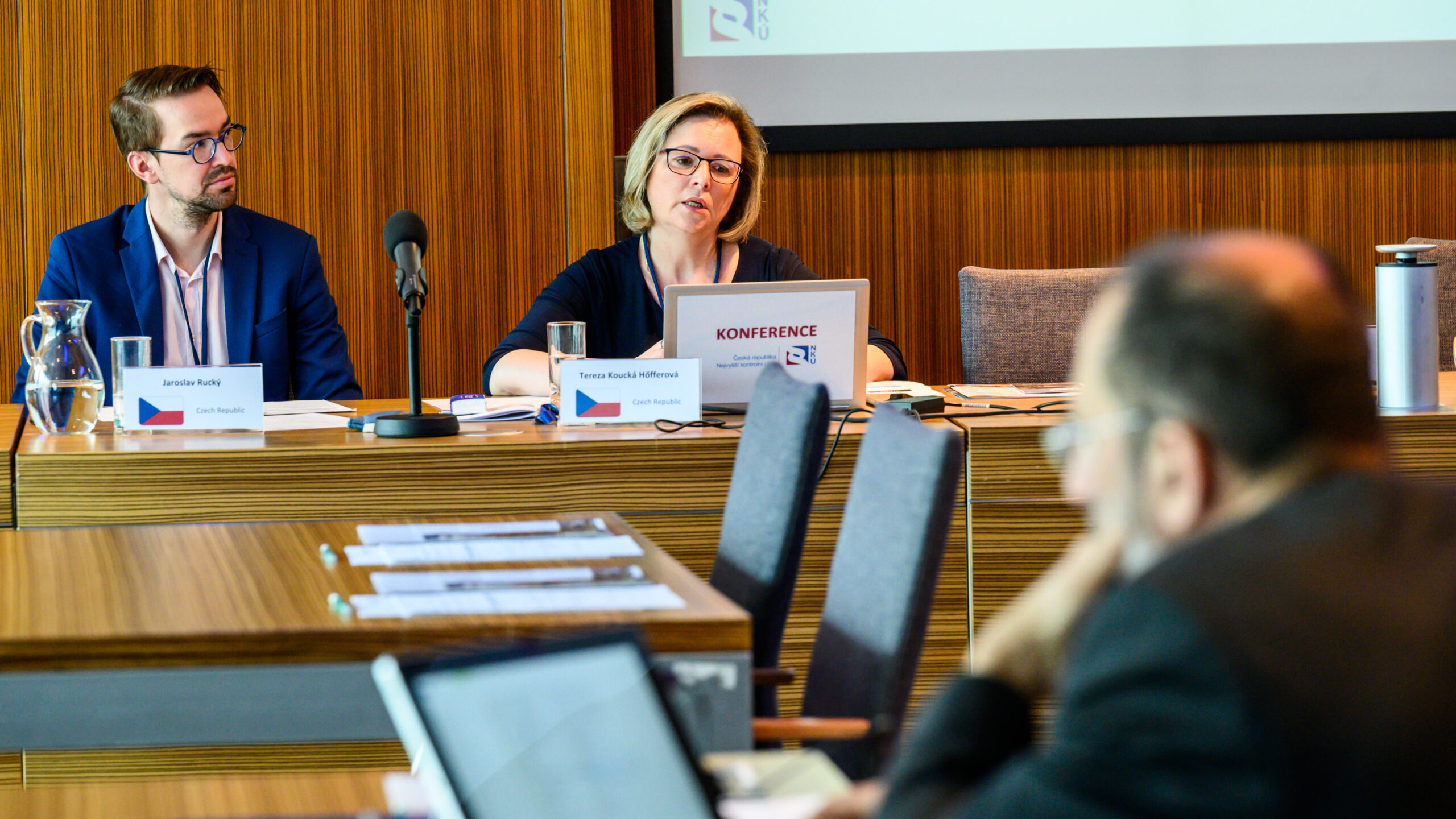
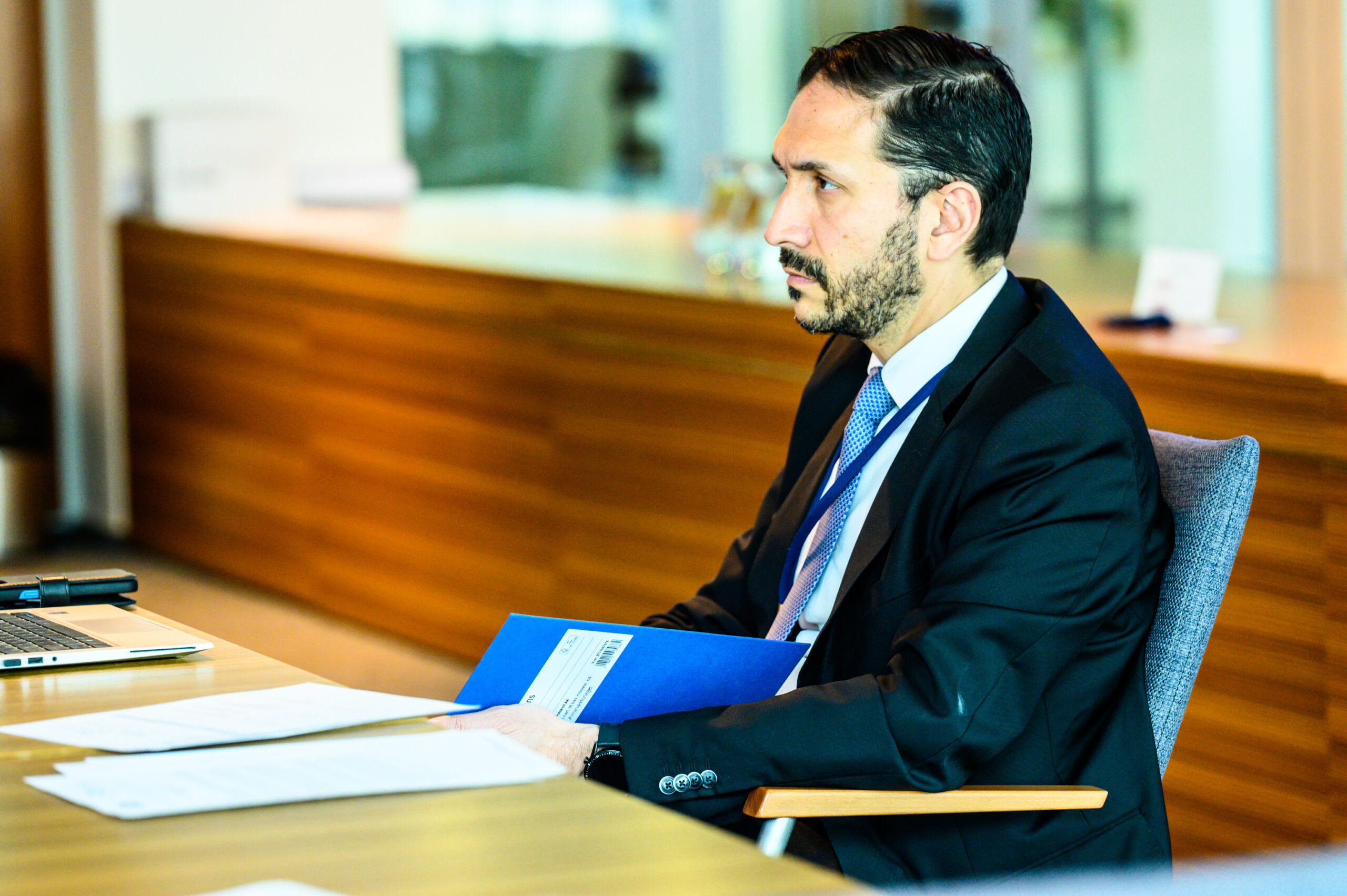
Prague, Czech Republic— From April 24-28, 2023, INTOSAI Development Initiative (IDI) held a meeting with members of the European Organization of Supreme Audit Institutions (EUROSAI). The meeting featured discussions focused on IDI’s strategies to advocate for the independence of Supreme Audit Institutions (SAIs) in the region, including through the establishment of a proactive advocacy approach.
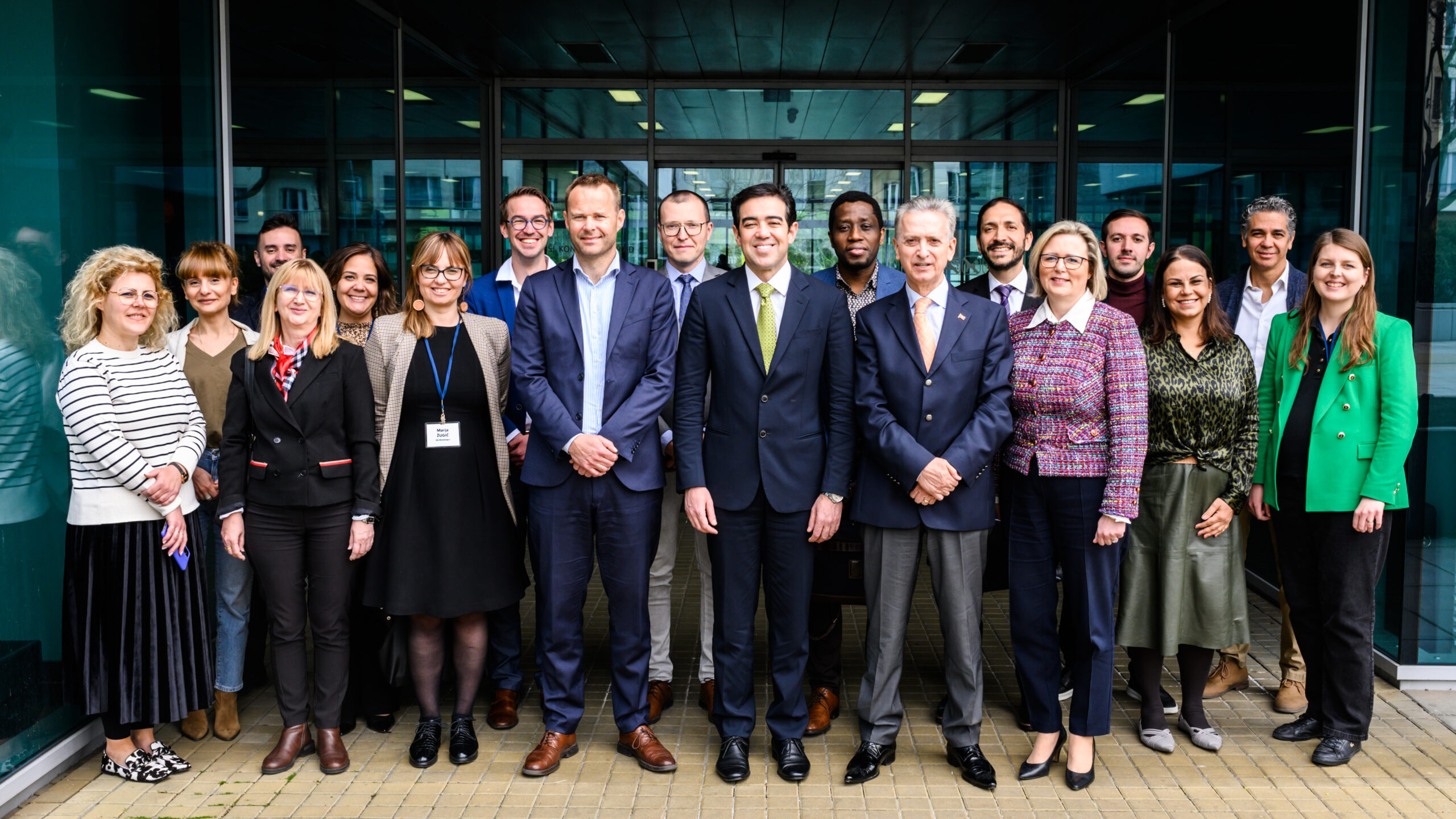
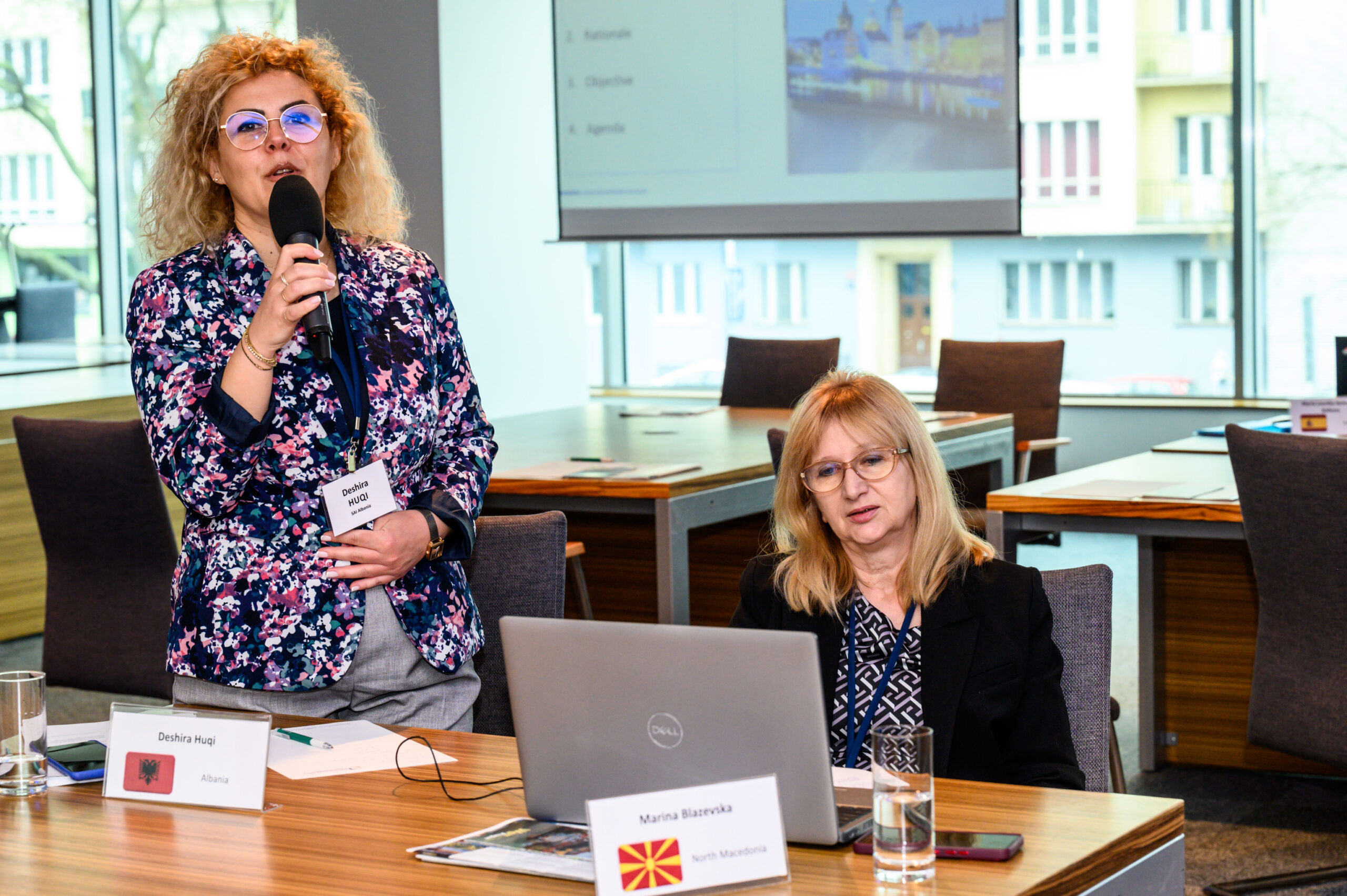
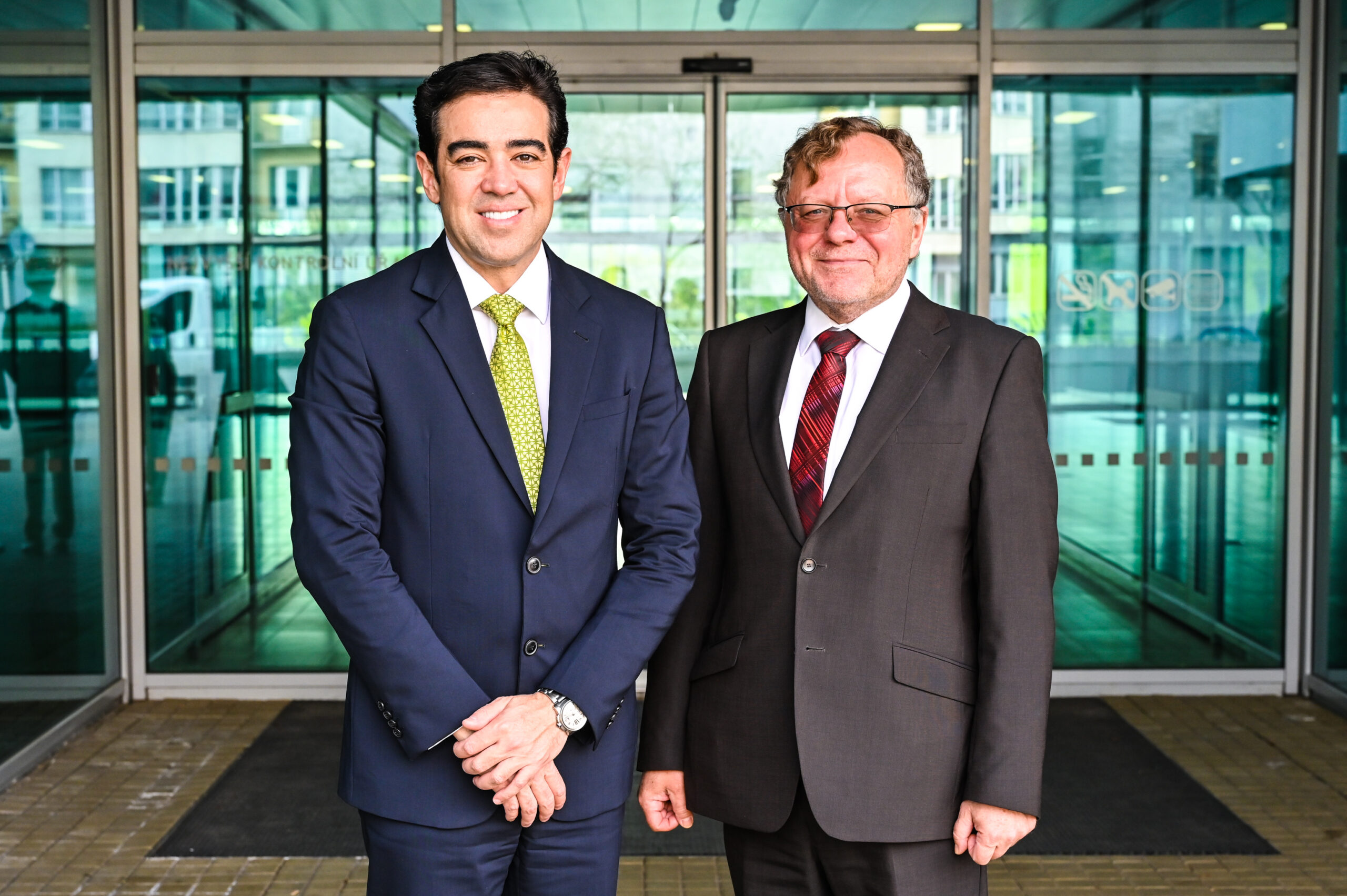
Attended by nine supreme audit institutions from EUROSAI, as well as the World Justice Project, the meeting gathered important advocates from civil society and oversight institutions to advance discussion. Representatives from SAI Albania, SAI Armenia, SAI Cyprus, SAI Czech Republic, SAI Georgia, SAI Montenegro, SAI North Macedonia, SAI Poland and SAI Romania were present, as well as the current Chair of the INTOSAI Governing Board and President of SAI Brazil, Mr. Bruno Dantas. Additionally, the current President of EUROSAI and the SAI of the Czech Republic, Mr. Miloslav Kala, were also in attendance for the event’s programming.
Here’s a closer look at the key takeaways from the event as it unfolded:
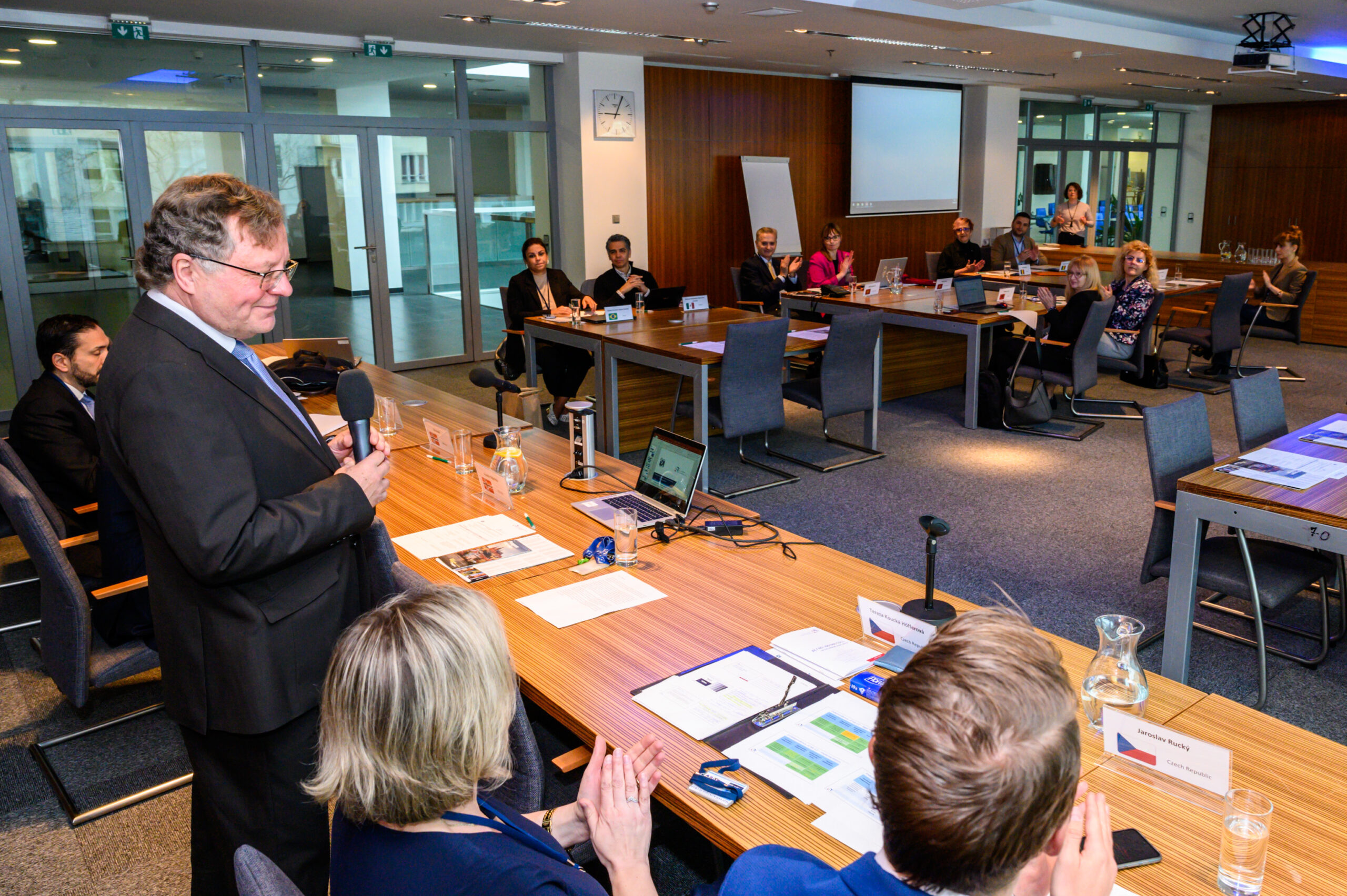
The meeting commenced with opening remarks from Mr. Miloslav Kala, who underscored the crucial role of independence for SAIs in carrying out their tasks objectively and effectively. He emphasized that without autonomy and protection from external influence, SAIs cannot serve as reliable public spending watchdogs.
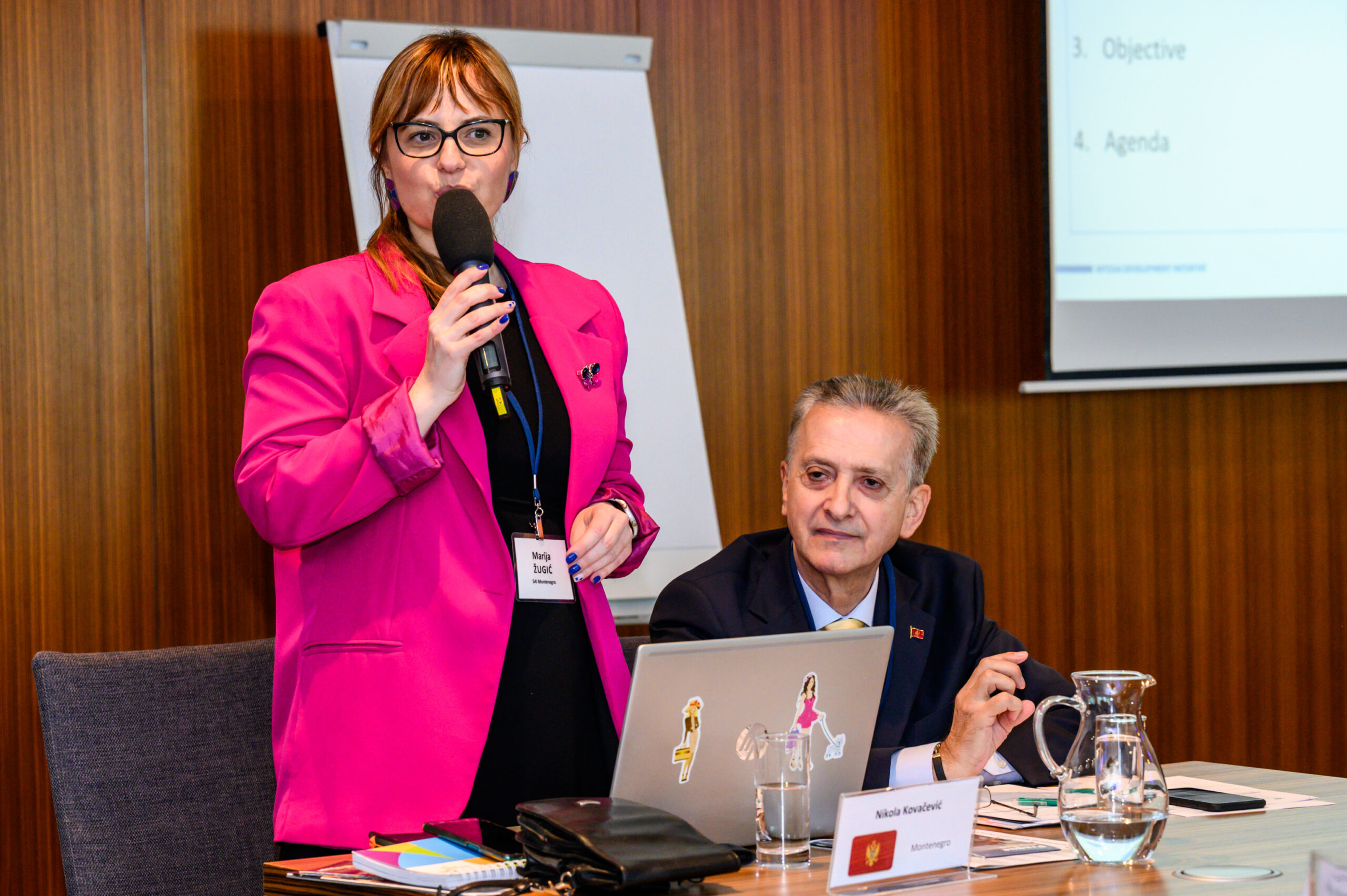
The agenda of the meeting was designed to enable thought leaders and subject matter experts to dialogue about proactive advocacy strategies, particularly to enrich the accountability community’s understanding of such strategies’ value towards improving the independence of SAIs. As such, proactive advocacy can be classified into two thematic groups: reactive and proactive. Regarding advancement of the reactive approach, IDI has established the SAI Independence Rapid Advocacy Mechanism (SIRAM)—a tool that supports SAIs facing independence threats requiring a response. Due to their previous engagement with the SIRAM tool, SAI Cyprus, SAI Montenegro, SAI North Macedonia and SAI Poland gave presentations showcasing their experiences with IDI’s seminal advocacy process designed to address SAI Independence. Conclusively, presenters shared that the SIRAM process had had a positive effect on the institutional environment of the SAIs and had an effect towards ensuring the independence of their SAIs going forward.
Then, participants held discussions to identify potential improvements in the implementation of the SIRAM tool. From the participants’ discussions the need became clear, to create impactful advocacy for SAI Independence more awareness-raising must be done about SIRAM in the INTOSAI community, in addition to integrating newer elements in SIRAM’s methodology which make it more fit-for-purpose for today’s independence threats. Finally, representatives also proposed increasing the use of resources from the INTOSAI community’s capacities, both in terms of expertise on legal matters and analysis on institutional context, to contribute to broader implementation of the SIRAM process by IDI.
Later, sessions shifted to addressing developments within the proactive advocacy approach. Presenting their cross-institutional collaboration, speakers from the World Justice Project and IDI presented their joint project centered on generating qualitative and quantitative information on the role and impact of SAIs within their accountability ecosystems. This informative presentation was complemented further by the presentation of the upcoming joint IDI-OECD project, which aims to facilitate the design and implementation of INTOSAI’s Independence Principles for practitioners with a context specific- approach.
With these inputs in mind, the convening participants agreed to support IDI’s and partners’ efforts to develop and mainstream a methodology that identify weaknesses and vulnerabilities in the legal frameworks of SAIs. As an essential element of IDI’s proactive approach to advocate for the independence of SAIs, enhancing gaps in the legal dimensions of SAI Independence will be of great help to SAIs currently under threat, and other institutions who stand at risk of weakened oversight due to the growing trend of democratic backsliding worldwide. Importantly, this stance to address legal frameworks beyond the analysis of the Constitution and the Audit Act means that regulations related to the role of SAIs as actors in the accountability ecosystem will also be taken into account and meaningfully strengthened.
The meeting was concluded with remarks given by the Mr. Bruno Dantas, serving as Chair of the INTOSAI Governing Board, who indicated that the pattern of independence challenges is one being faced by SAIs at global level. Due to these increasing infringements to institutional oversight, it is imperative for SAIs to continue demonstrating their value to democracy and to the improvement of the lives of citizens at the country level. In this context, he underscored that relevance and saliency of consolidating IDI’s strategies to advocate for the independence of SAIs, keeping this issue at the top of the priority list of INTOSAI’s agenda.
Democratic backsliding poses a significant threat to the stability of SAIs. This challenging scenario makes it necessary to join capacities and efforts to defend and support the independence of SAIs. Stressing the importance of collaborative efforts, IDI Deputy Director General, Mr. Ola Hoem, hinted at future collaborations between IDI and EUROSAI in the ongoing journey to safeguard and support SAI independence. Providing a platform for fruitful discussions, innovative initiatives, and a shared commitment to fortifying the role of Supreme Audit Institutions in upholding accountability and transparency, the Prague Meeting on Proactive Advocacy looks to have been a critical convening for progress towards legal enhancement SAI Independence and oversight as a whole.
#SAIindependence #AuditIndependence #EUROSAI #INTOSAI #AdvocacyInAction #BlogAlert #AccountabilityMatters 🌐✨
One of the masterclass’s central discussions revolved around the SAI Independence Rapid Advocacy Mechanism (SIRAM), a powerful tool crafted by the INTOSAI Development Initiative. Perspectives from recently completed SIRAM cases were presented the Supreme Audit Institution of Poland and the Supreme Audit Institution of Cyprus, which participants and guest speakers alike found enriching and informative. From the feedback received, the consensus is clear: SIRAM is an effective champion for the independence of Supreme Audit Institutions and those who work within them to safeguard SAI Independence and protect the role oversight institutions play in the accountability ecosystem. In a world marked by democratic challenges, SIRAM’s continued sustainability and effectiveness will be crucial for the future.
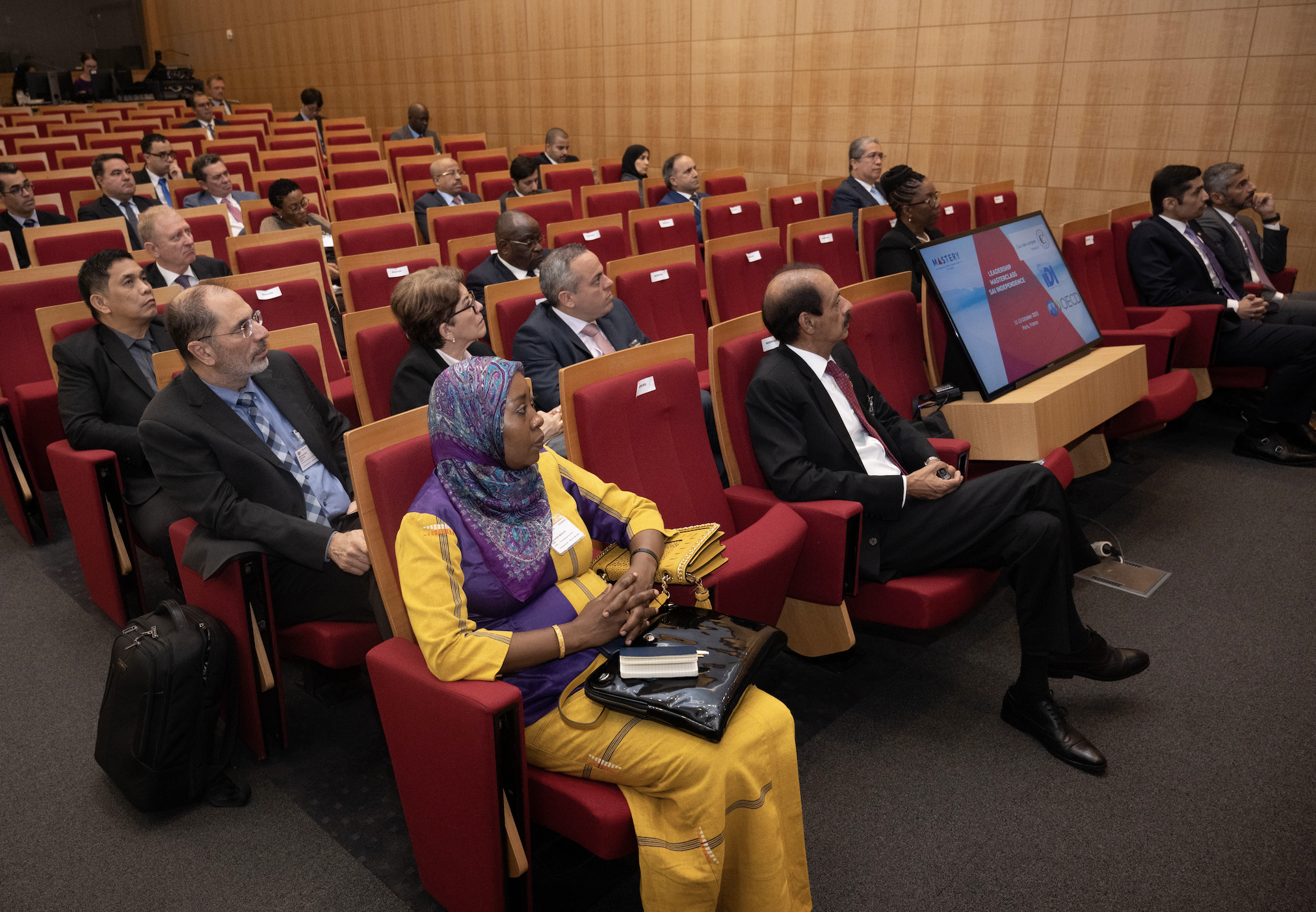
The parallels between Supreme Audit Institutions and other oversight institutions were also explored in a thought-provoking panel session. Annegret Groebel, President of the Council of European Energy Regulators (BNetzA, Germany), and Soledad Lamas from the ECIIA- European Confederation of Institutes of Internal Auditing shared their perspectives on SAI independence. While the approaches and practiced differed between the speakers on how to address challenges, a shared need for protection from external interference was evident. The exchange of global experiences from the many expert speakers present provided valuable insights for Supreme Audit Institutions leaders on defending their autonomy and independence.
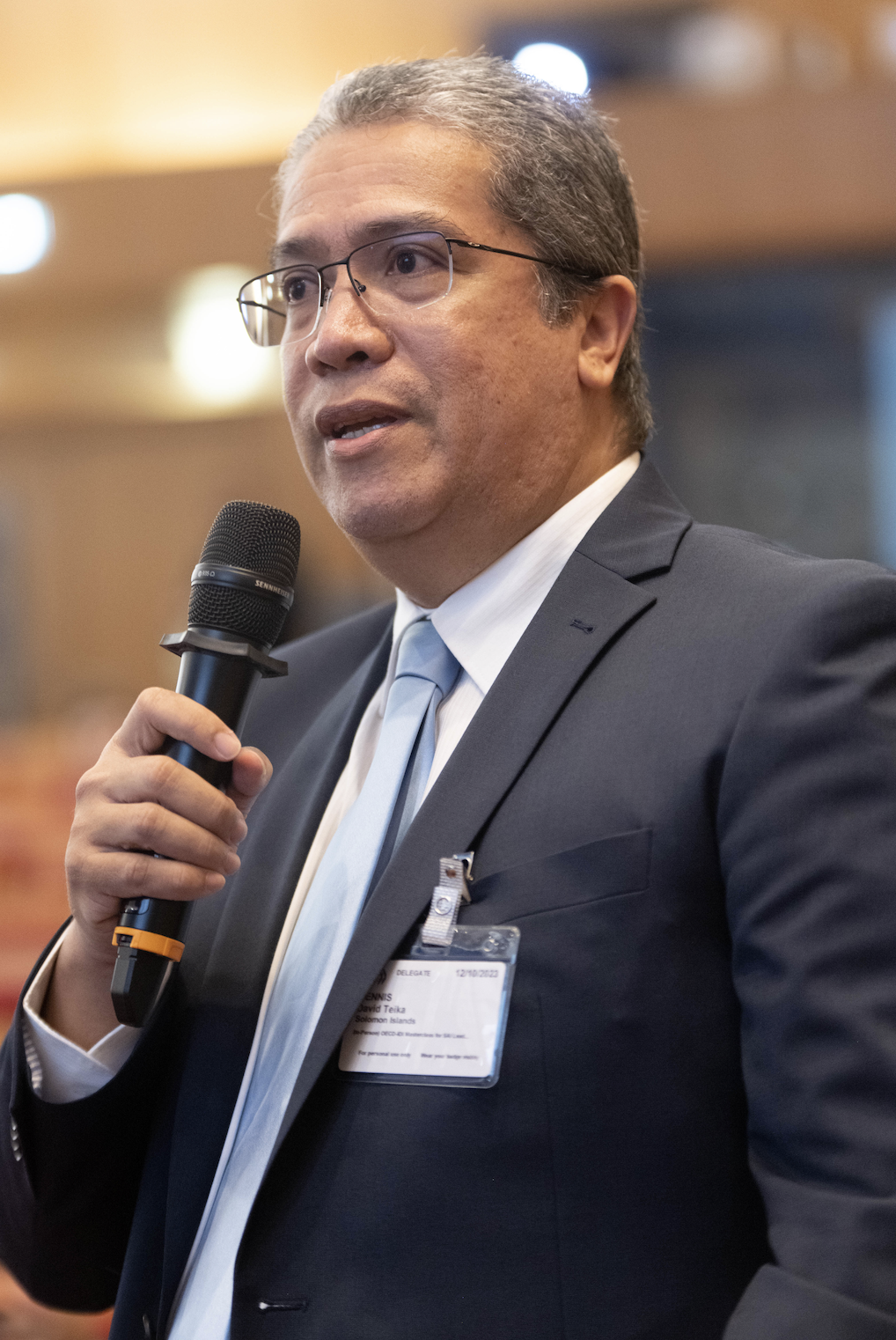
🤝 A Heartfelt Thanks to Our Development Partners
The masterclass was pleased to host distinguished development partners who play a pivotal role in fortifying SAI independence. Laura Gores, Advisor of the Public Financial Management Division at the International Monetary Fund, emphasised the critical role of Supreme Audit Institutions in promoting good governance through fiscal transparency. Dorothea Malloy, Senior Advisor to the Chief Financial Officer at USAID, underscored the vital connection between the agency’s anti-corruption strategy and strengthening institutions, not least Supreme Audit Institutions.
In the spirit of co-operation and our shared vision, IDI would like to extend its sincere thanks to all who contributed to this illuminating masterclass. Together, we’re making strides in preserving the integrity and independence of Supreme Audit Institutions worldwide. 🌏💪
Stay tuned for more updates, as well as a deep-dive interview with some of Mastery: SAI Independence’s world-class speakers on their mission to safeguard accountability and transparency- coming to the SAI Independence Resource Centre blog soon!
#SAIMasterclass #AccountabilityMatters #TransparencyChampions #IDI #OECD .
Check out highlights and key moments at Masterclass: SAI Independence.
Watch the summary video➡️
Doha, Qatar— In an era marked by growing demands for transparency and accountability, the 1st IDI–ARABOSAI Symposium on SAI Independence, held 23-24 May 2023, provided a crucial platform for dialogue and collaboration for the region. Under the theme “Strengthening Relationships with Parliament,” the symposium aimed to enhance the independence of Supreme Audit Institutions (SAIs) and underscore the vital role they play in the broader accountability ecosystem, with programming aimed at underscoring the enhanced role parliamentarians play in ensuring strong, lasting institutions.
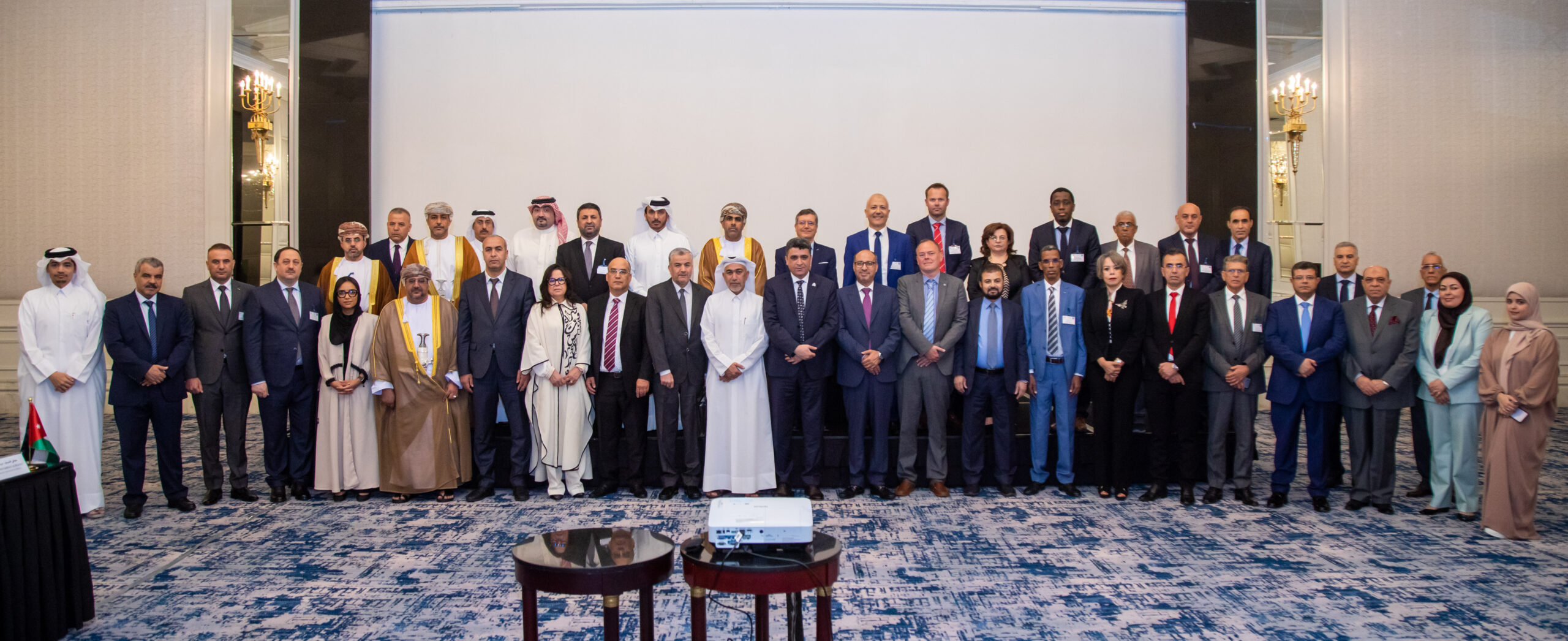
The symposium centered collaboration and showcased examples and best practices for fostering an environment supporting independence at both the country and regional level. Convening leaders and representatives from 20 countries, the symposium began with an opening ceremony, setting the stage for two days of insightful discussions on independence initiatives and lessons learned. The symposium, hosted by SAI Qatar and INTOSAI Development Initiative (IDI), presented a comprehensive agenda that delved into the intricate web of relationships involved in upholding accountability—not least between SAIs and Parliament.
The meeting’s introductory session, led by IDI, informed the audience of developing trends in SAI Independence at the global level. Through its presentation, IDI shed light on the challenges and opportunities faced by SAIs worldwide, providing valuable insights that could inform regional strategies. Then, the World Bank presented the Supreme Audit Institutions Independence Index—a valuable tool focused on understanding regional trends, while ARABOSAI outlined its strategic plan, aligning regional efforts with global best practices. Both sessions highlighted the need for a concerted effort to strengthen regional accountability institutions, particularly concerning recent trends in democratic backsliding and the unique challenges such institutions face in conducting their work.
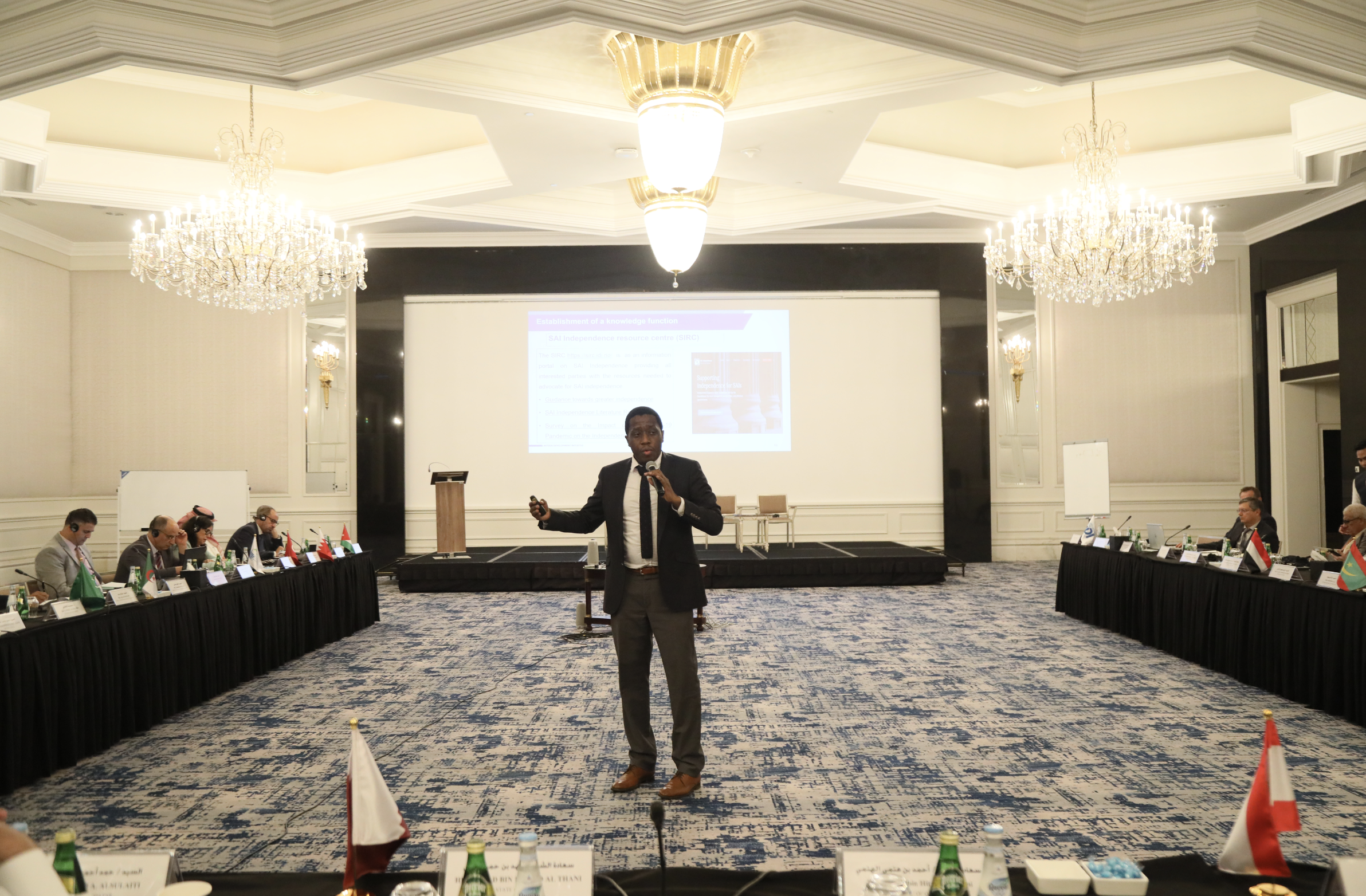
The following day, Transparency International led a session that explored the evolving landscape of accountability from the perspective of civil society organizations involved on-the-ground. Emphasizing the symbiotic relationship between SAIs and Parliament, guest presenter Kinda Hattar outlined the importance of building collaborative approaches to enhance the effectiveness of institutions and contribute to better governance in practice. Following this a panel discussion featuring representatives from SAIs, the Inter-Parliamentary Union (IPU), and TI took place, where speakers shared additional experiences from their work with SAI-Parliament collaboration. A key takeaway: listening to and learning from each other’s expertise can bolster and strengthen stakeholders and their institutions.
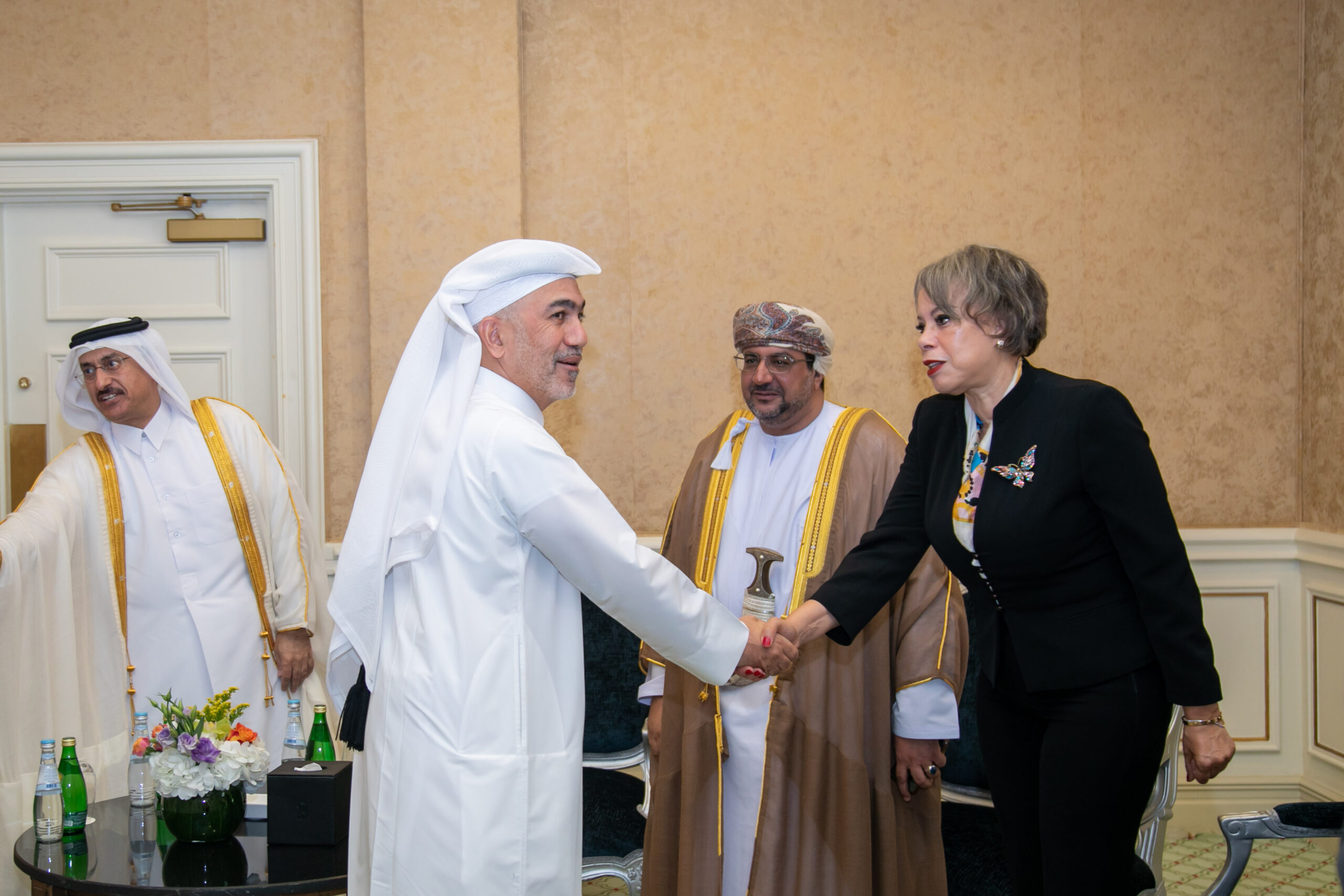
Throughout the two-day symposium, sessions provided participants with a glimpse into the broader ongoing efforts that complement regional initiatives, creating a robust framework for collaboration and support through conversational exchange. During workshops and interactive dialogues, participants engaged in discussions on real-world challenges, exchanged best practices, and explored ways to implement facilitative strategies effectively between SAIs and Parliament.
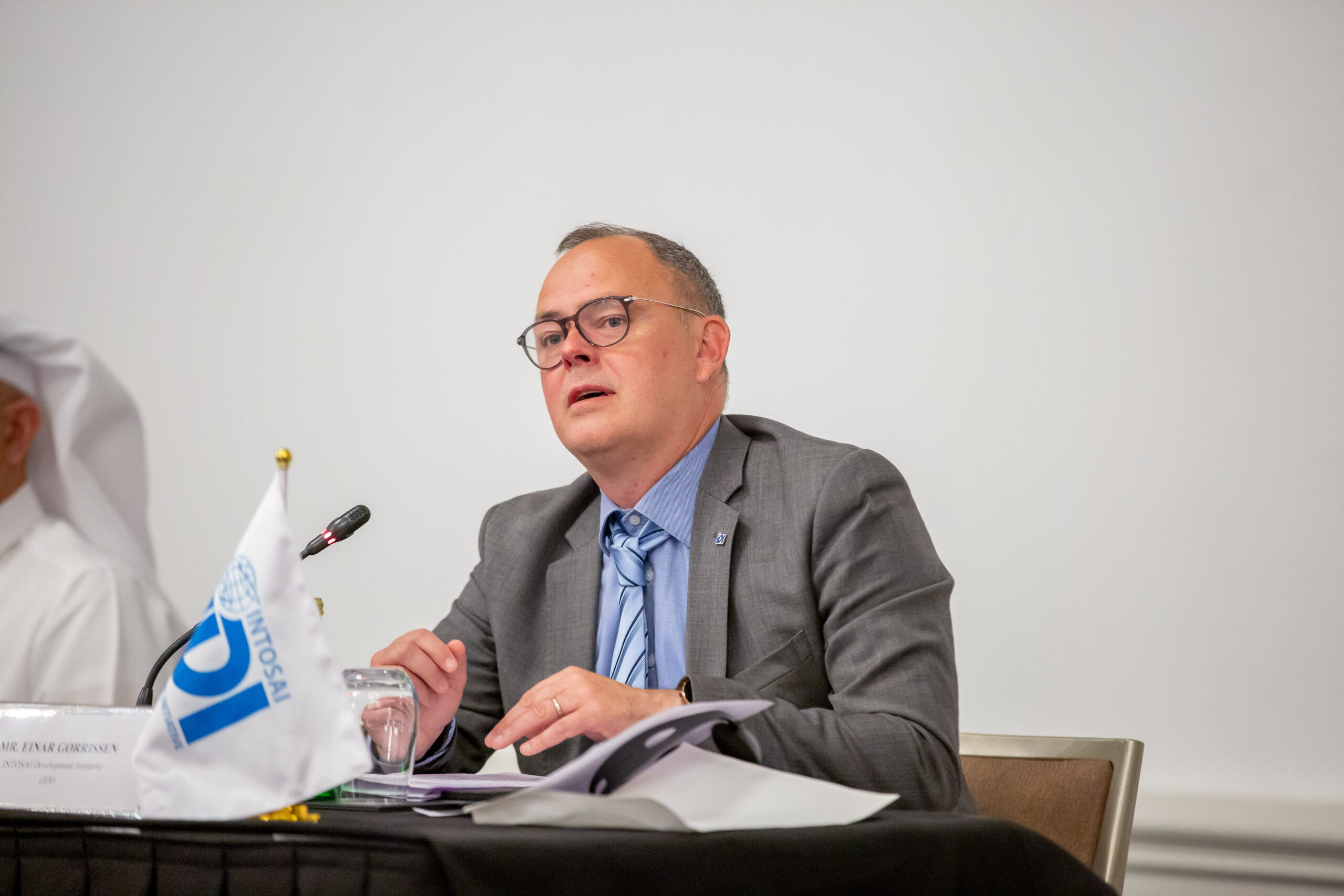
The most crucial initiative of the event was the introduction of the Doha Action Plan. Proposed by IDI, this comprehensive plan aims to strengthen the interaction between SAIs and Parliament in the ARABOSAI region and beyond. The plan outlined strategic steps, including data collection, practical guidance development, capacity building, and support for country-level implementation; stressing the practical aspects of collaboration and the benefits it can add towards improving accountability. Recognizing that empowered institutions have the potential to contribute more significantly to the broader accountability ecosystem, the symposium emphasized the importance of investing in building core competencies in needed skills and knowledge so that stakeholders could improve relationships between SAIs and Parliament.
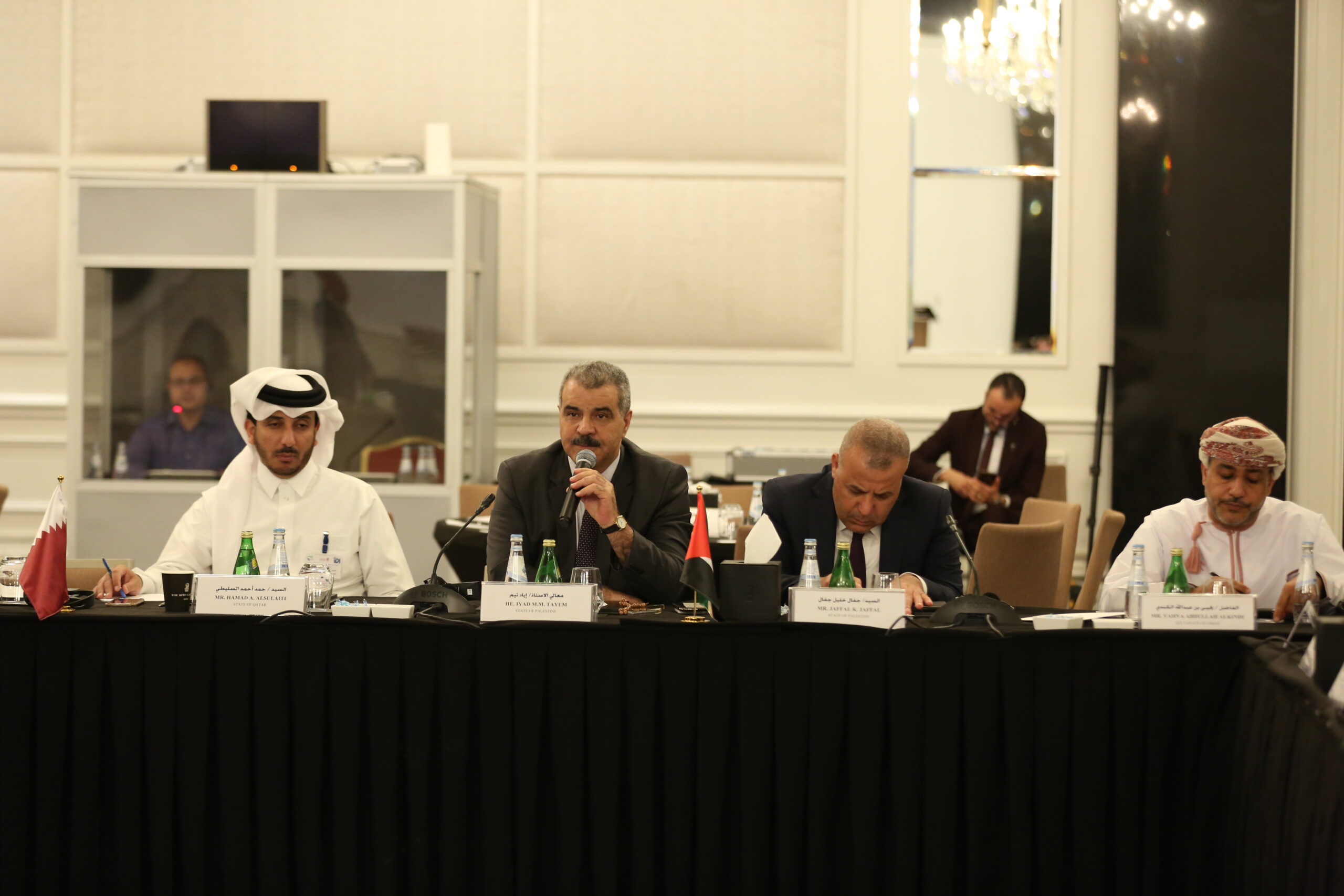
In an age where citizens demand increased openness and responsibility, the collaboration between SAIs and Parliament stands out as a pillar of good governance. The symposium not only recognized the evolving global landscape for SAIs, but also provided practical solutions to address the challenges faced by SAIs and other regional institutions. As the symposium neared its conclusion, concluding focus was given to monitoring and evaluating the effectiveness of SAI-Parliament collaboration. Participants discussed the importance of establishing mechanisms to assess the impact of joint initiatives, and pledged to ensure continuous improvement and sustainability.
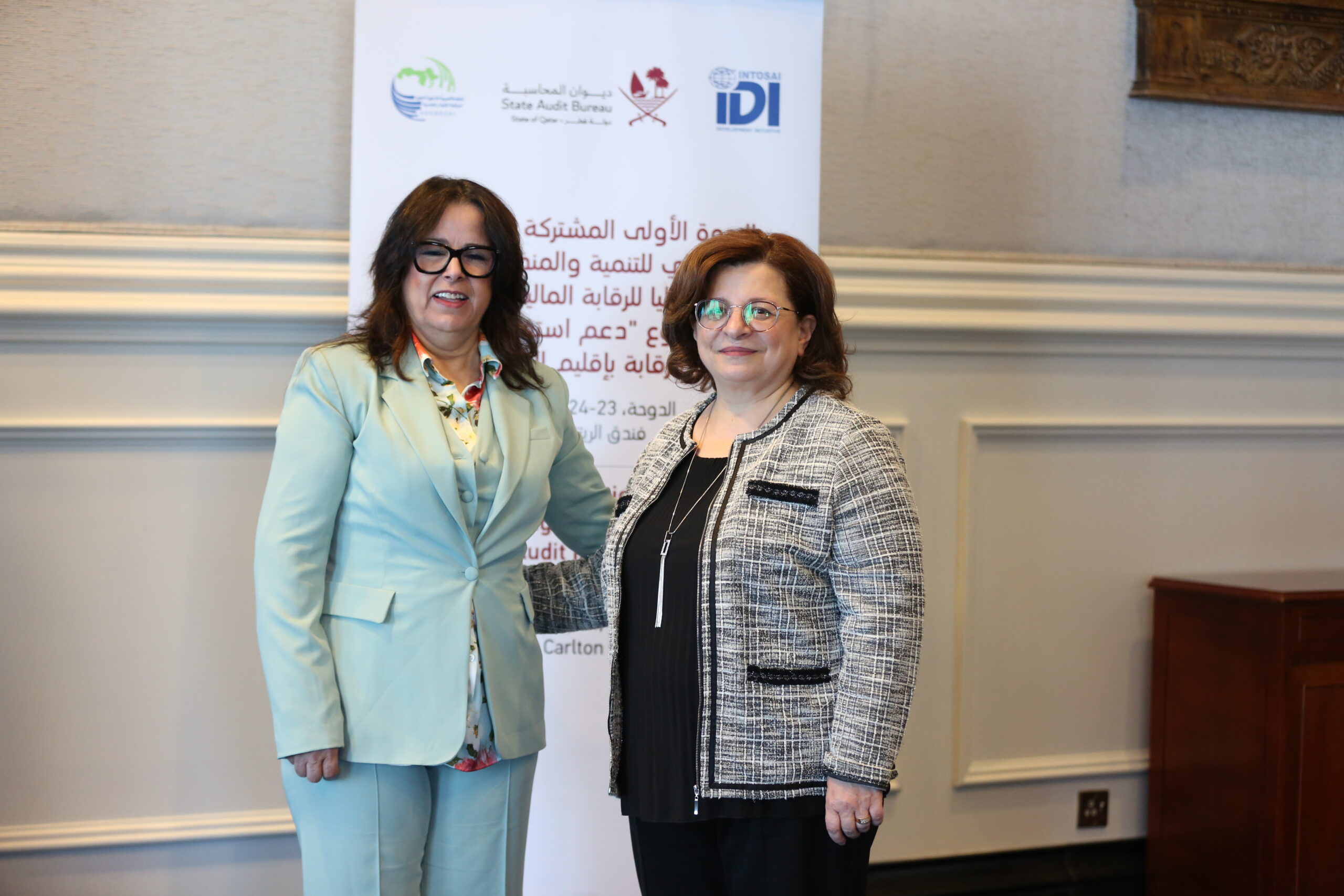
Representing a core branch of government, parliamentarians play a pivotal role in shaping the accountability ecosystem. Their legislative responsibilities, oversight functions, and engagement with the public make them key stakeholders in ensuring the effectiveness and independence of SAIs. By raising the profile and potential of this role, the symposium emphasized the interconnectedness of these institutions, outlining the need for strengthened relationships between key stakeholders to achieve shared goals.
Certainly, the inception of the IDI–ARABOSAI Symposium on SAI Independence served as a blueprint for strengthening SAI-Parliament interactions. By focusing on collaboration between these accountability actors, the event provided not only a theoretical framework but also practical steps to be implemented at regional and country levels. As demand increases for transparency in the use and management of public resources, events like these pave the way for stronger, more accountable institutions and, ultimately, better governance.
#SAIindependence #AccountabilityMatters #TransparencyChampions #Governance #IDI #ARABOSAI