Home / SAI Story

Chad

Chamber of Accounts of Chad

Demonstrating SAI’s resilience through leadership’s commitment for enhanced strategic management, in a particularly challenged context.

An unstable political and institutional context: a starting challenge for the SAI
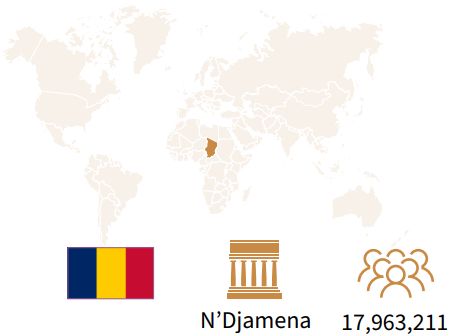
The last few years have not been a bed of roses for the SAI of Chad, particularly from an institutional point of view. Following the resolutions of a National Inclusive Dialogue earlier in 2018, constitutional reform relegated the young Court of Accounts established in 2013 to the rank of a chamber within the Supreme Court, along with other institutions inherited from the 1996 constitution such as the constitutional council. Among other things, this process of institutional adjustments was intended to bring about the reforms necessary to strengthen democracy and the rule of law, through rationalising the public institutions’ landscape. In effect, however, it limited the possibilities of an independent and effective external oversight of public management, firstly by downgrading the positioning of the SAI, and then by significantly limiting its room to maneuver, given increased constraints in human, material, and financial resources.

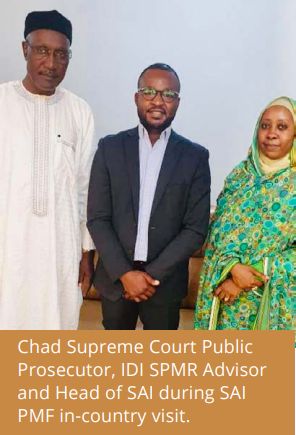
In a national environment characterised by chronic institutional instability and increasing insecurity since the accession of the country to national sovereignty from a French colony in 1960, and especially over recent years with the terrorist threat, it might have seemed extremely ambitious to expect a strong response from the SAI. However, this was without considering the will and the fortitude of the Head of the SAI, Mrs. Zara Brahim Mahamat Itno. Thanks to a strategic approach to mobilising the SAI’ stakeholders, and despite the institution’s lowlier status and unfavorable circumstances, she was able to uphold the SAI’s cause among the Chadian institutions that make themselves heard among different groups of interested stakeholders both nationally and internationally, and whose voices count.


 

We are conscious of expectations on our SAI in terms of work to be carried out. For this, an efficient implementation and monitoring of the new strategic plan developed under the SPMR Initiative, will be necessary.


Mrs Zara Brahim Mahamat Itno, President of SAI of Chad

We are conscious of expectations on our SAI in terms of work to be carried out. For this, an efficient implementation and monitoring of the new strategic plan developed under the SPMR Initiative, will be necessary.

Mrs Zara Brahim Mahamat Itno, President of SAI of Chad


A first action which demonstrated SAI’s leadership engagement for greater independence was the Chamber’s adherence to the process initiated in August 2018 and endorsed by the IDI Board chair. The process was to develop and issue the Statement of Concern, inviting Chadian authorities in this new institutional scheme to pay necessary attention to preserving the independence of the SAI to enable it to contribute effectively to public sector accountability, as well as democratic and governance progress of the country. This declaration, the first of its kind, was a precursor to formalising the IDI SAI Independence Rapid Advocacy Mechanism (SIRAM).


Based on this declaration and continuing in the same vein, the head of SAI then took advantage of the Stakeholder Engagement Strategy developed under the previous IDI ‘SAIs Engaging with Stakeholders initiative (SES)’ in 2019, to mobilise and unite the SAI’s technical partners, donors, and civil society supporters around a shared interest: a strong and independent SAI endowed with the necessary resources for effective external control of public finance management.

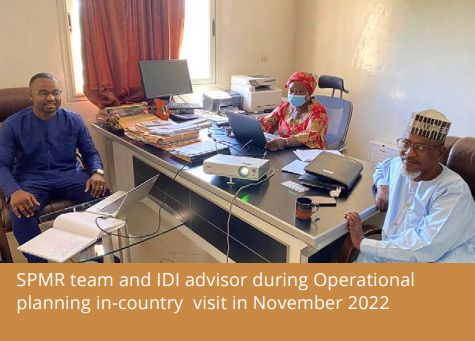
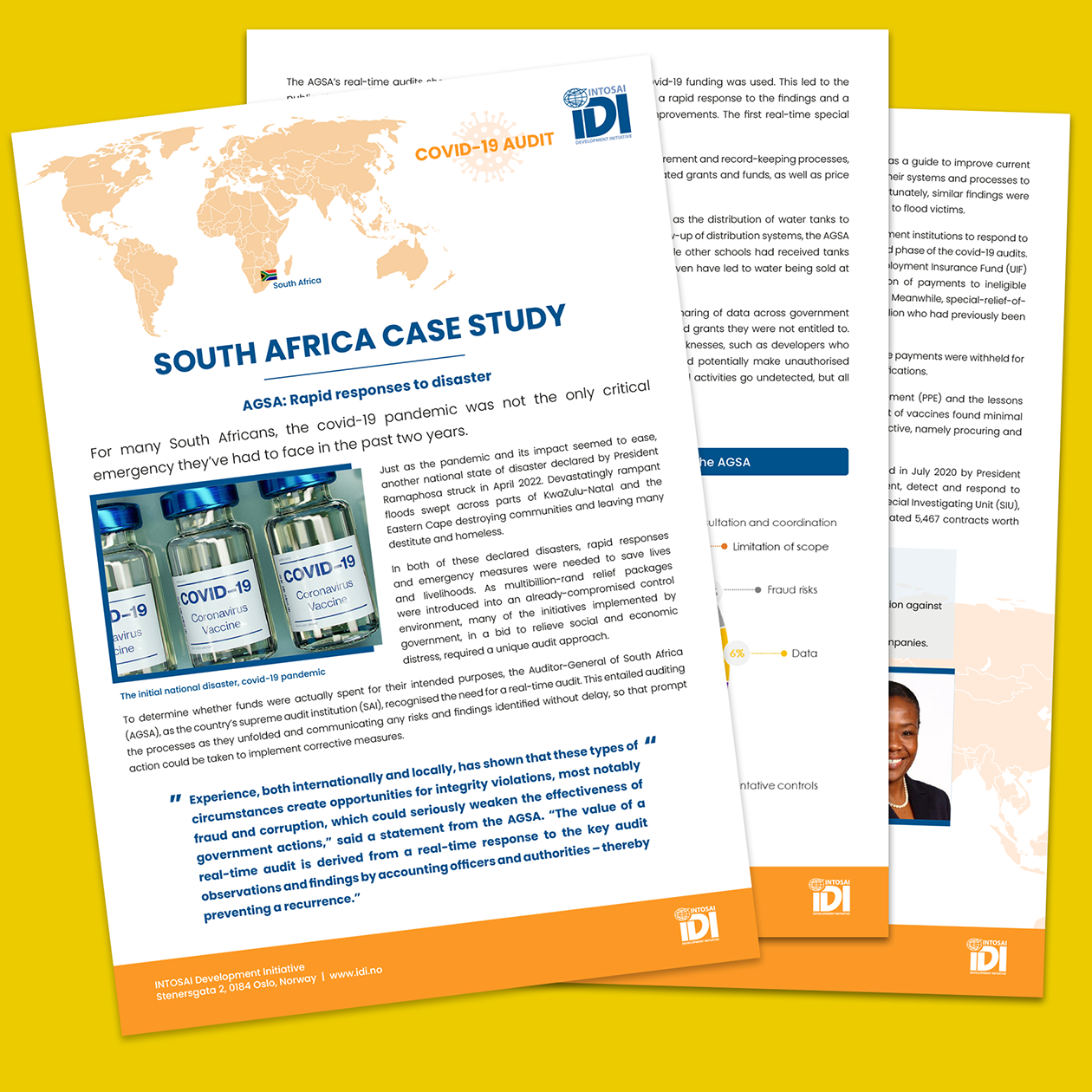
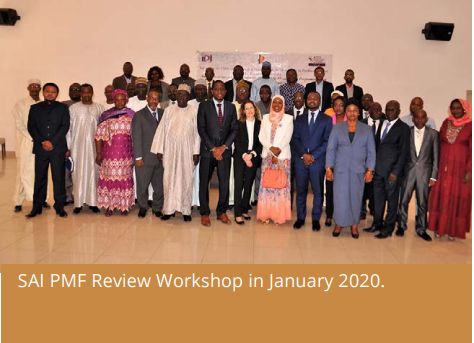
It was in this context that SAI of Chad embarked on the SPMR Initiative from 2020. SPMR provided an additional opportunity to boost the development efforts from SAI leadership to achieve a sustainable transformation of the organisation. After the diagnosis of the current state of the SAI was established using the SAI PMF (Performance Measurement Framework), based on international standards and good practices (first step of the SPMR process), the results of the assessment were used to inform the development of the SAI’s new strategic plan.


This process had hardly been launched when the SAI was plunged back into a period of uncertainty, following the sudden passing away of the Head of State in tragic conditions in April 2020. This led to the establishment of the current Military National Transition Council and to the opening of a new National Dialogue looking towards new institutional reforms. One of the important resolutions to emerge from the reform will be the reversion of the SAI to its previous status of ‘Court of Accounts.’


Seizing this new opportunity, the SAI will relaunch its strategic planning process, which so far has remained dependent on clarifying the legal and Institutional status of the SAI. With this clarification completed in the return to being the Court of Accounts, the SAI’s strategic management process – supported by the IDI – has finally led during the year 2022 to the finalisation of the 2023-2027 Strategic plan, together with the development of the first annual operational plan.
A strategic management process with ambitions adapted to the context of the SAI – meeting current and future challenges in a sustainable manner
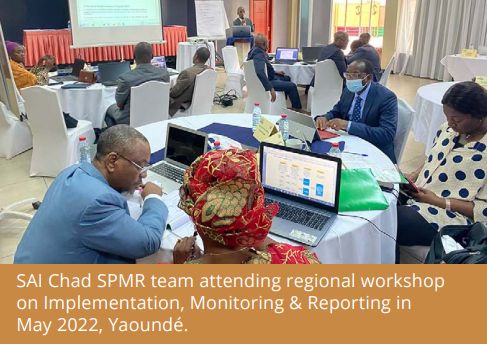
To meet the challenges and achieve the desired change, the SAI developed a strategic plan for 2023 – 2027 with realistic ambitions that include results to be achieved based on five strategic priorities. Strategic priority 1 is about upgrading the legal and institutional framework of the SAI to provide it with full legal means for effectively fulfilling its mandate, which was expanded after the last reform with the extractive sector. Priority 2 aims to enable the SAI to ensure the fullness of its mandate. Priorities 3, 4 and 5 should contribute respectively to the qualitative and quantitative improvement of staffing, to the enhancement of internal governance practices including ethics, as well as to a more effective collaboration with stakeholders. Thanks to the SAI’s first annual operational plan that was recently developed, implementation of the new strategic plan has already started.


All other things being equal, if SAI Chad pursues its efforts in the same vein, it should then be able to position itself in a sustainable manner in the accountability ecosystem of the country as a credible audit institution which pays due attention and respond effectively to the increasing demand for public sector accountability from its stakeholders, including citizens. To this end, continued support from technical and financial partners and peers will remain crucial, beyond the participation of the SAI to the SPMR and to other IDI interventions and the positive results they can contribute to.

AUTHOR

columnAlain Memvuh is a Manager SAI Governance at the IDI. He is the IDI regional manager for CREFIAF sub-region, which is the INTOSAI sub-regional group of French speaking SAIs in Sub-Saharan Africa. As such, he is part of the IDI team in charge of the SPMR initiative in the region since 2019.
Chamber of Accounts of Chad

Initiative

SPMR – Strategy, Performance Measurement and Reporting.

Topics

SAI Story
SAI Story

Brazil

14/09/2025
Home / SAI Story
SAI Story

Belize

14/09/2025

Strengthening SAI Belize through Peer-to-Peer Collaboration with SAI India

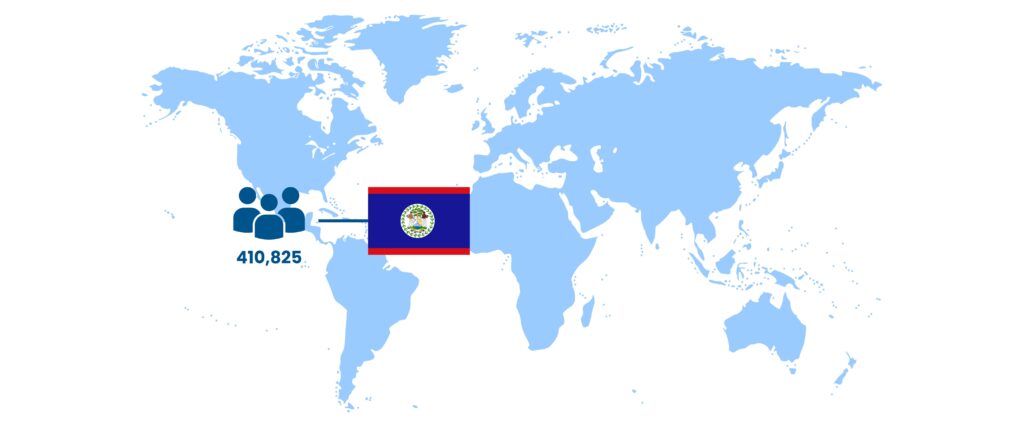
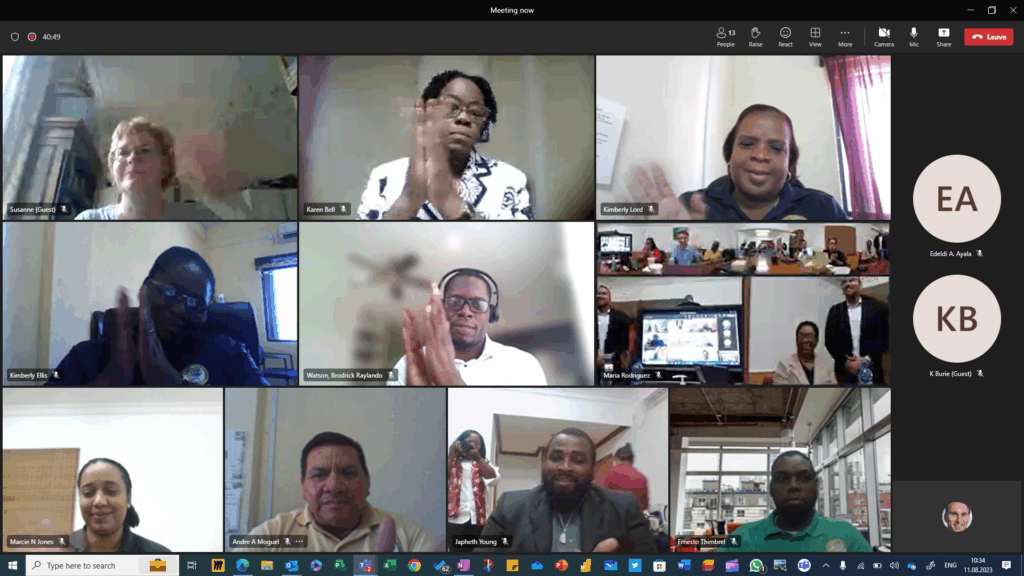
The Office of the Auditor General of Belize (SAI Belize) and the Office of the Comptroller and Auditor General of India (SAI India) have forged a dynamic partnership under the Global SAI Accountability Initiative (GSAI). Funded by the European Union and managed by IDI, this peer-to-peer support development project is designed to support SAI Belize’s strategic priorities, including the digitalisation of audit and HR processes, enhancing SAI independence and its legal framework, and improving stakeholder engagement.

A Journey of synergy and collaboration

The partnership started in January 2023 through a series of virtual introductory meetings between the two institutions. During this early phase, the SAIs set up a collaboration mechanism and determined key areas of focus for the collaboration.

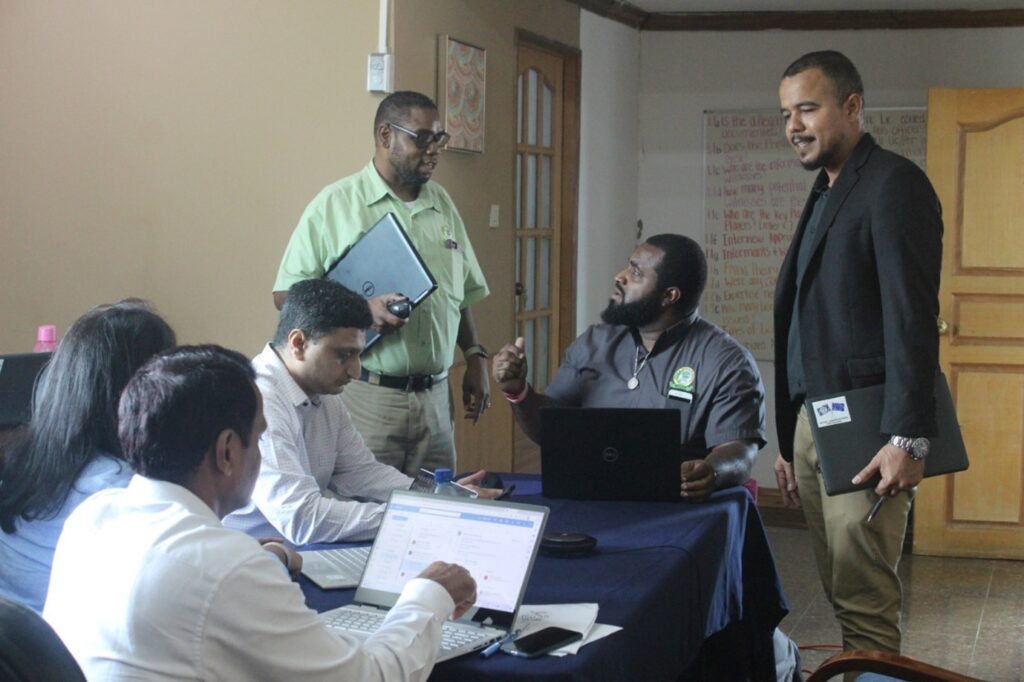
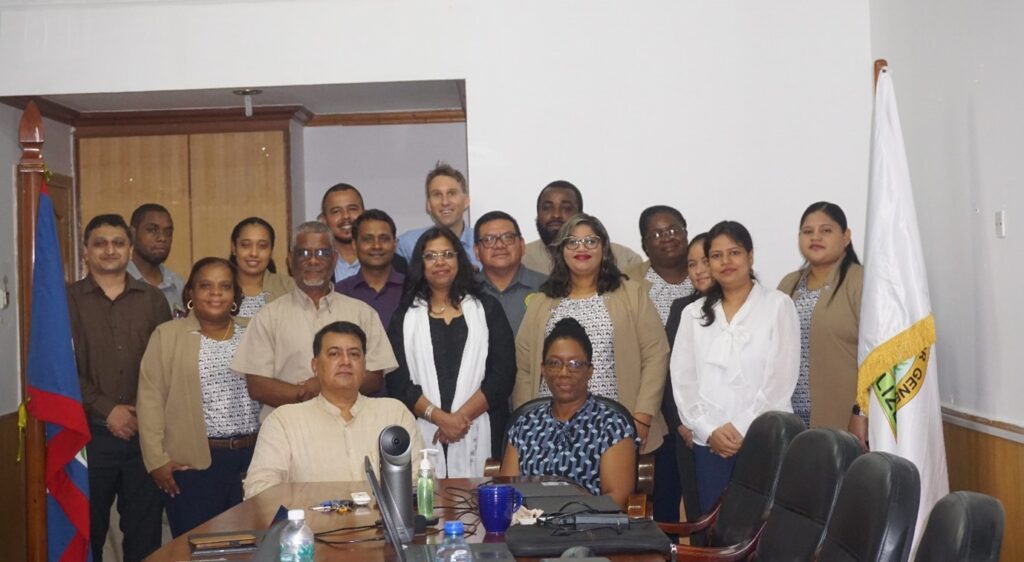
The collaboration took a significant leap forward in August 2023, when the Comptroller and Auditor General of India visited the Office of the Auditor General in Belize. This visit aimed to refine the cooperation agreement and provide technical support to SAI Belize. The week-long engagement featured:

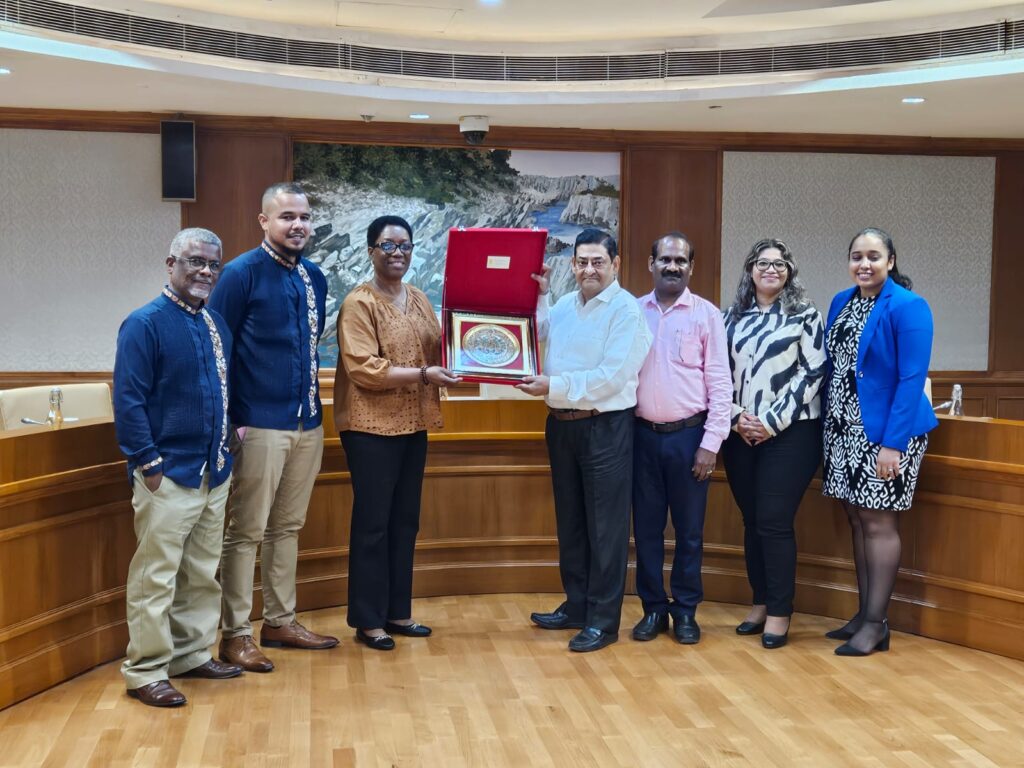
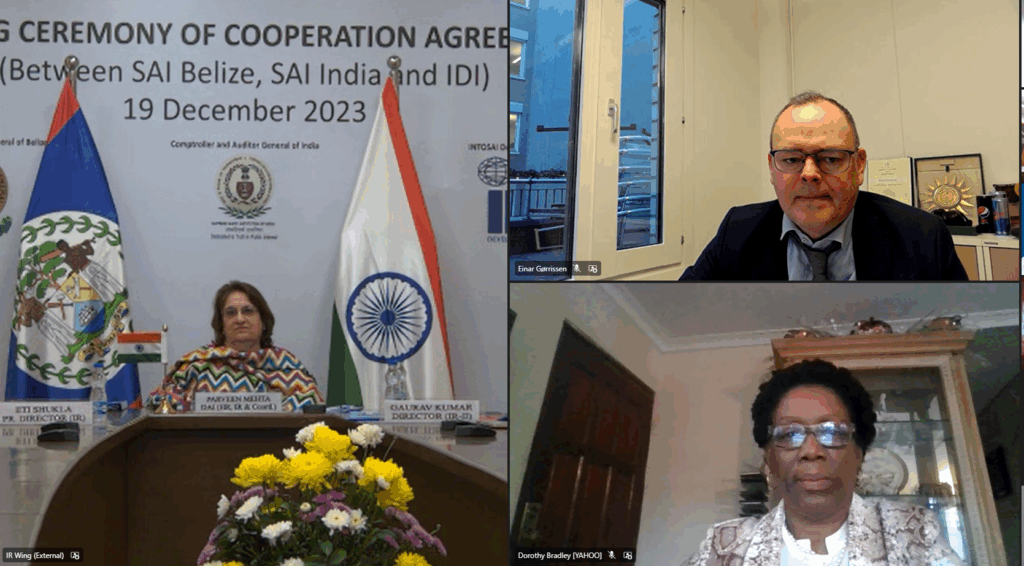
This milestone visit culminated in the finalization of the GSAI Master Plan for SAI Belize, providing a roadmap for the journey ahead. On December 19, 2023, the Cooperation Agreement between SAI Belize and SAI India was officially signed, marking the start of SAI Belize’s transformation journey.

Achievements and milestones in 2024

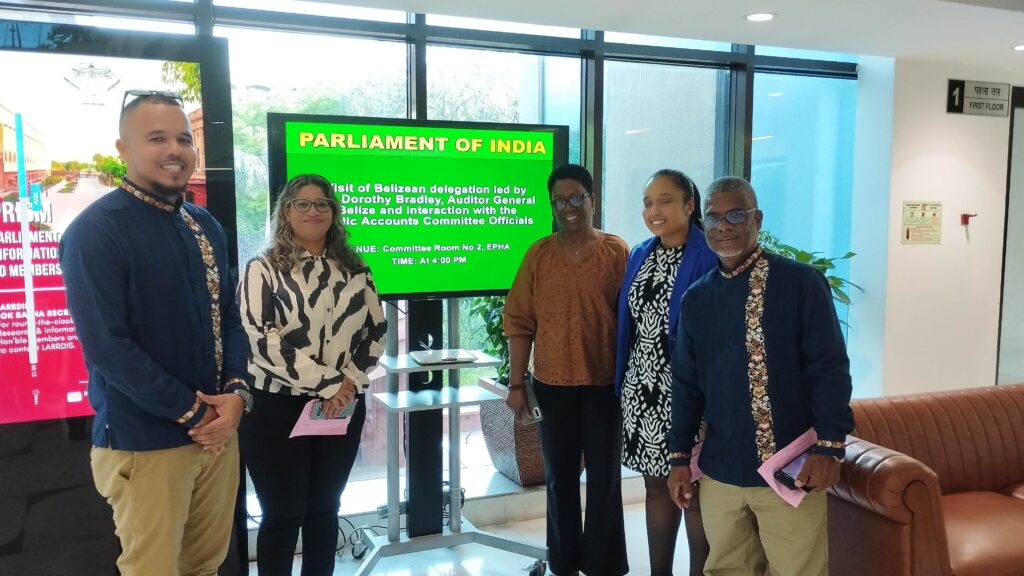
In 2024, the partnership achieved remarkable progress, underscored by the achievements of key milestones. While on a visit to SAI India in August, SAI Belize had the opportunity to observe SAI India’s operations firsthand and collaborate on achieving critical milestones. Key milestones achieved during this period include:

The Road Ahead

The partnership will continue into 2025 with a primary focus on digital transformation. Key objectives include completing the audit manual, implementing the digitalization of the audit process, and streamlining the digital management of staff records. Currently, SAI Belize is expected to receive grants from donor agencies to supply the essential IT infrastructure required to initiate the digitalization process.

This collaboration exemplifies the power of partnership in driving meaningful change. The continued exchange of expertise between SAI Belize and SAI India highlights the value of peer-to-peer support in achieving transformative results. As the Auditor General of SAI Belize (2023-2024) Ms. Dorothy Bradley stated, “Intentional collaboration uniting audit expertise can foster accountability excellence.” This synergistic partnership has created opportunities and pathways for SAI Belize to enhance not only its technical capacities but also its institutional capabilities.

Initiative

GSAI – Global SAI Accountability Initiative

Topics

Digitalisation
Download
Download
Download
Download
Download
Download
Home / SAI Story
SAI Story

Tajikistan

09/10/2024
Tajikistan Success Story

Accounts Chamber of the Republic of Tajikistan: Advancing Milestones within the GSAI Project

The Accounts Chamber of the Republic of Tajikistan (ACRT) is confidently moving toward achieving its objectives within the GSAI project by developing a new strategic plan, modernizing its audit system, and building new partnerships. While 2023 focused on planning, 2024 has proven to be a year of significant milestones and results. All project activities were implemented as planned, with three key highlights standing out as points of pride for the ACRT

Strategic Development Plan for 2024–2028

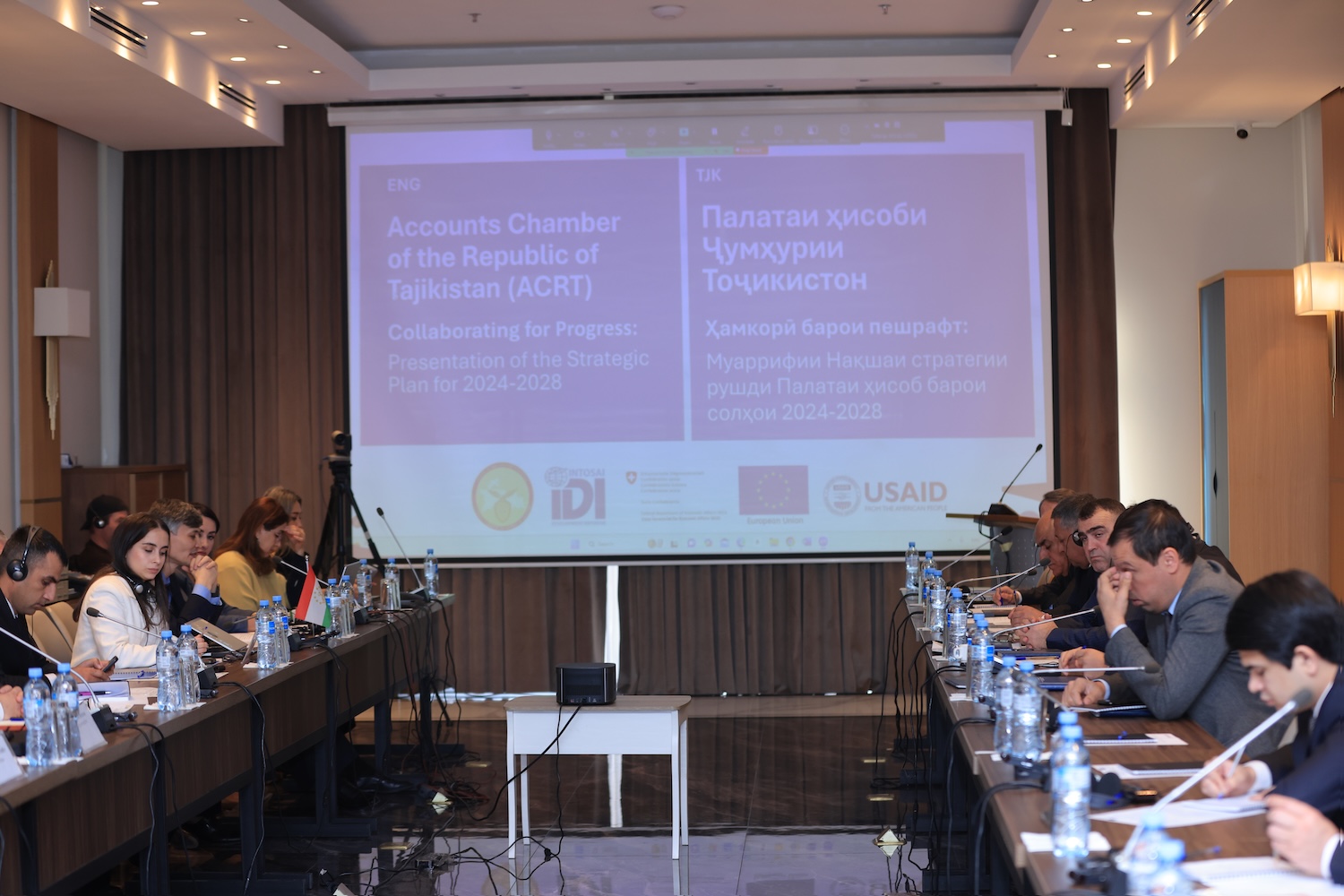
During 2023 and 2024, the Accounts Chamber focused on developing its new Strategic Development Plan for 2024–2028. The foundation for this plan was laid through the evaluation of the previous strategic plan, a SAI PMF conducted for the first time in the Accounts Chamber by their peer partner, SAI Azerbaijan, and a stakeholder analysis, also conducted for the first time, with support from IDI.

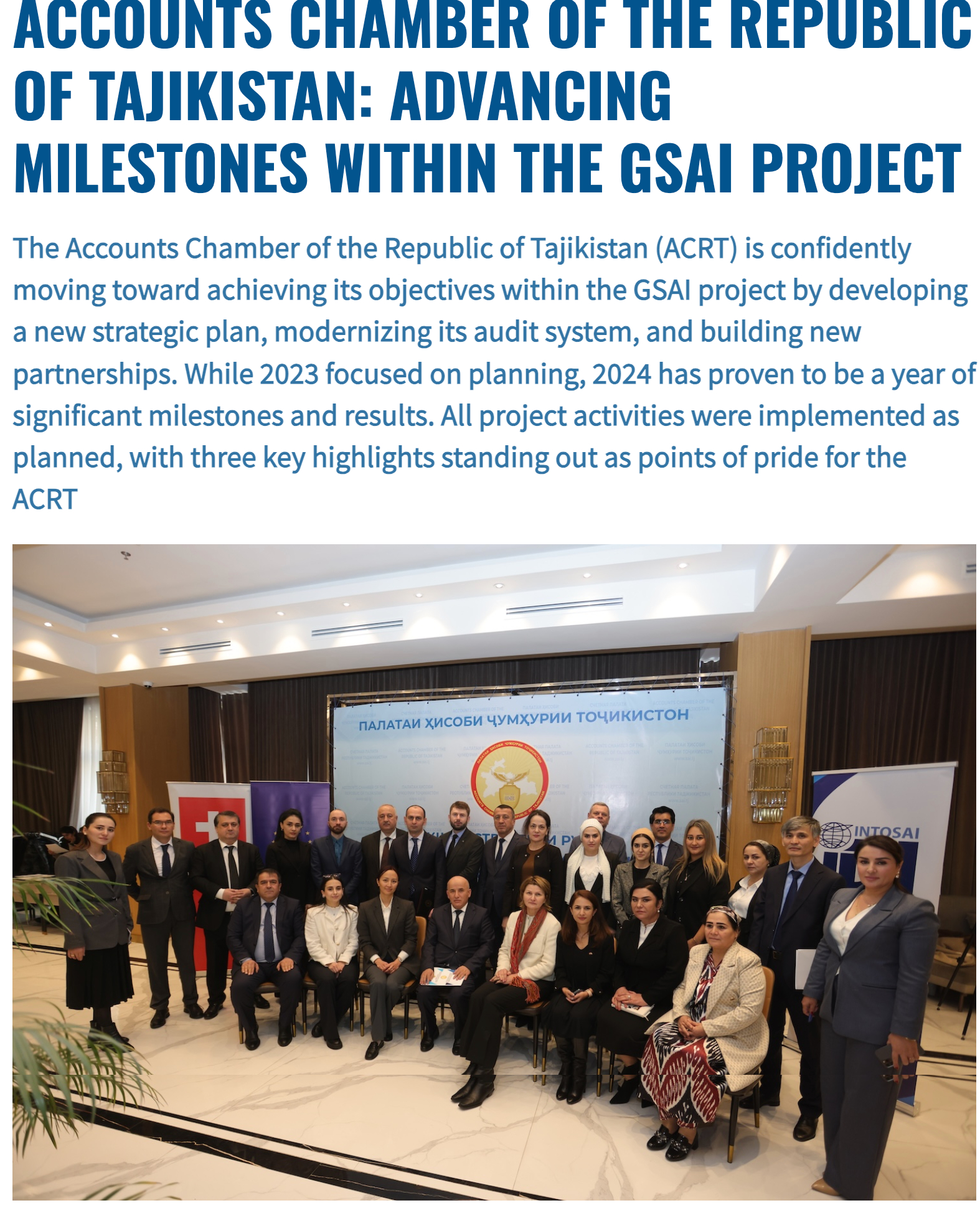
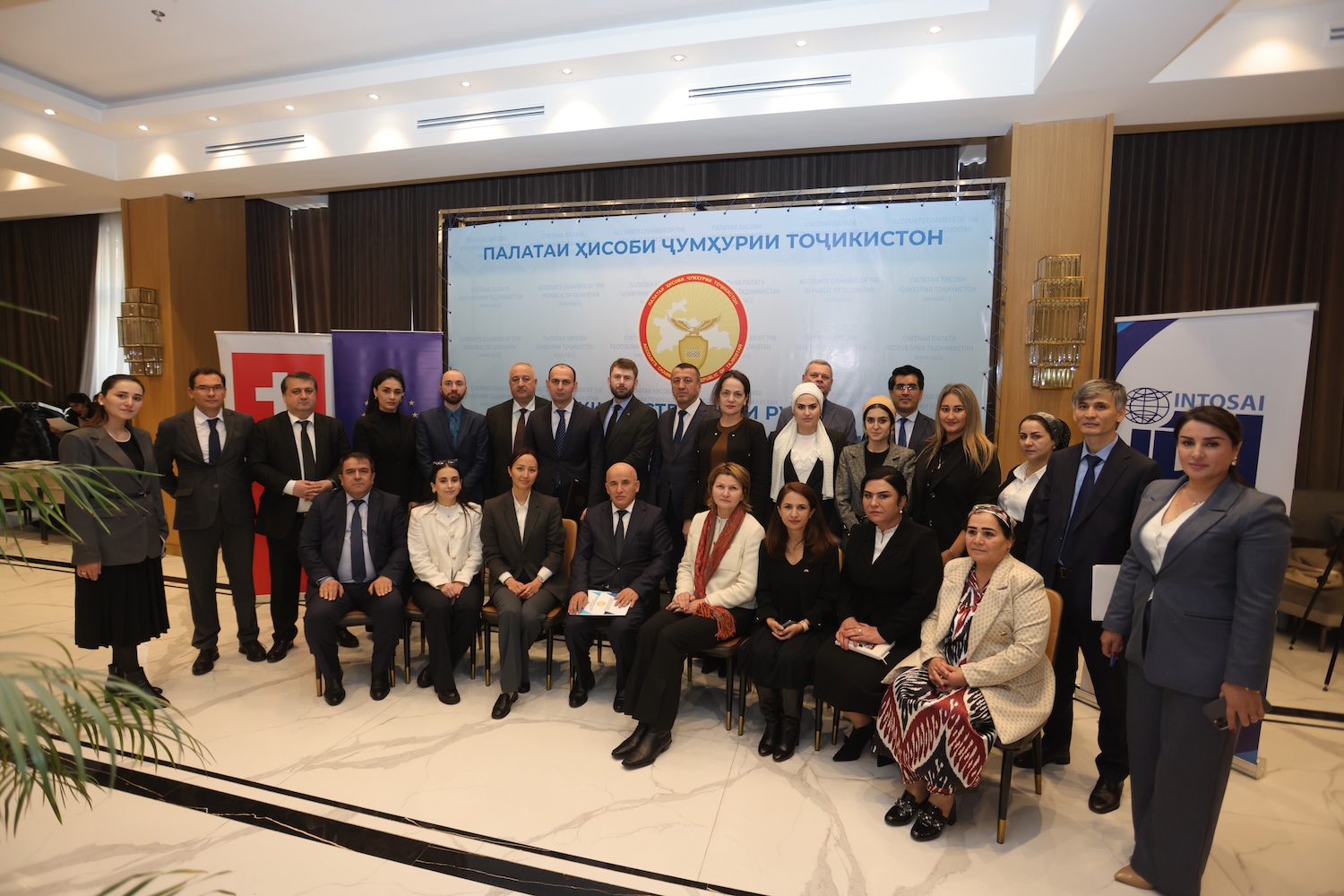
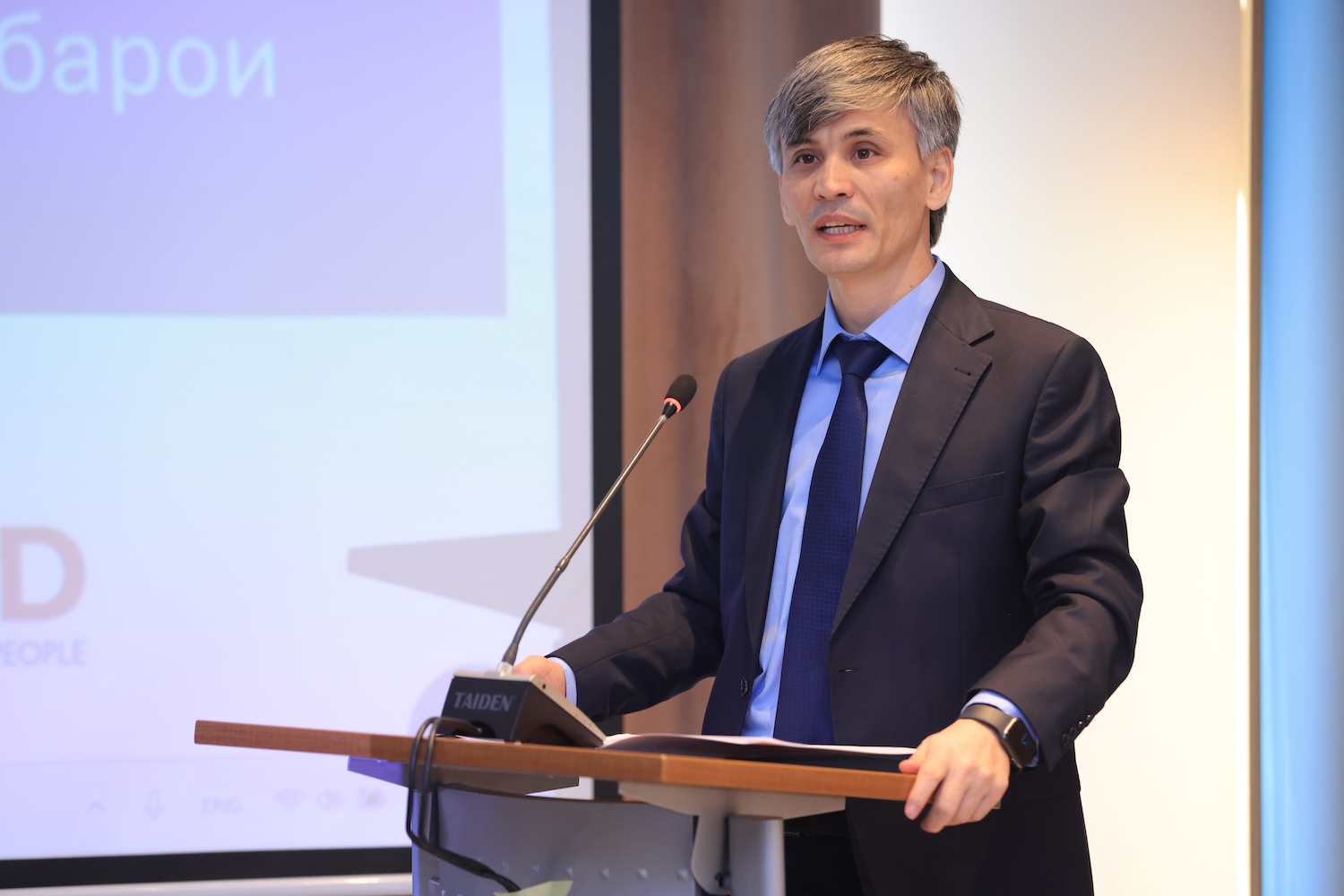
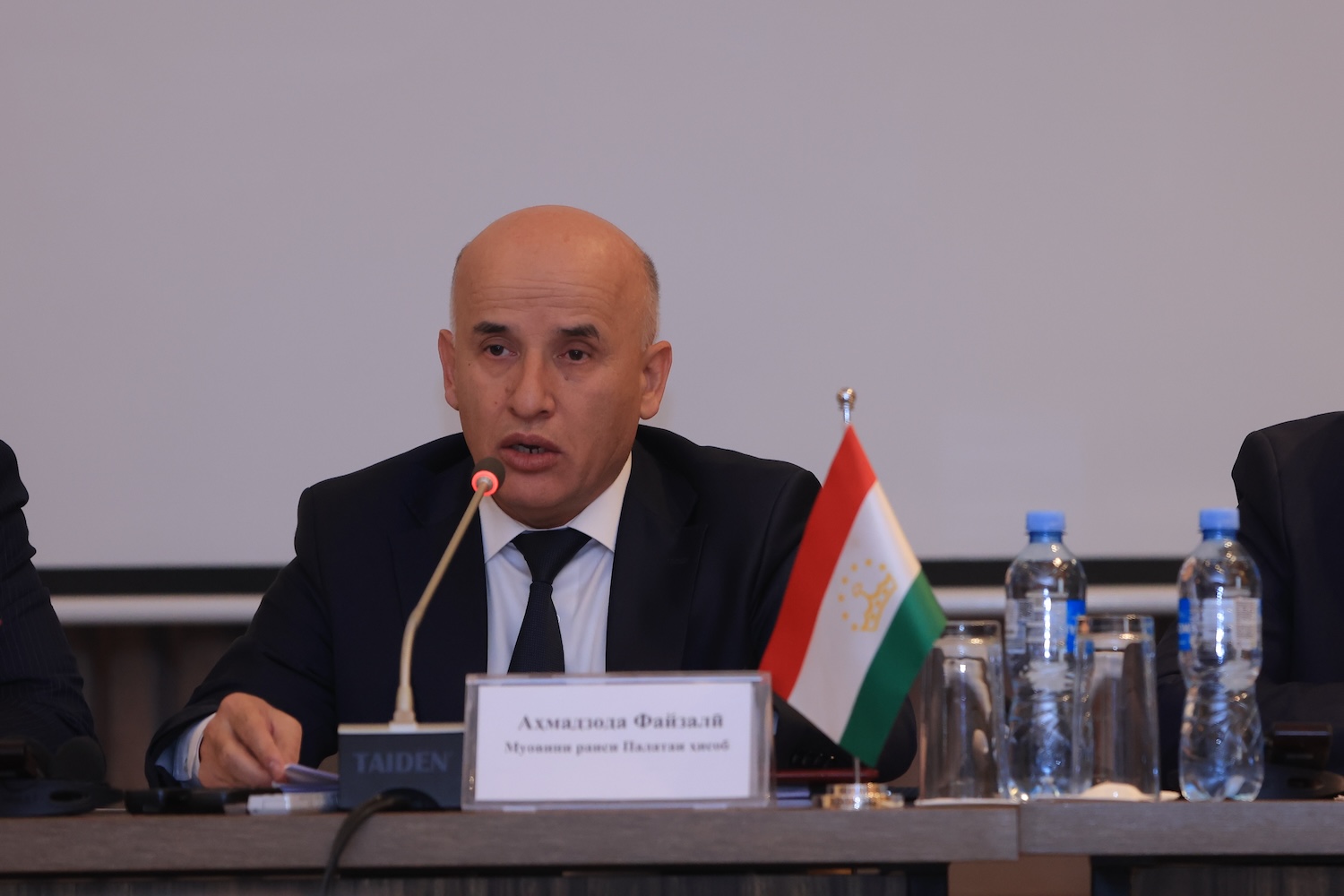
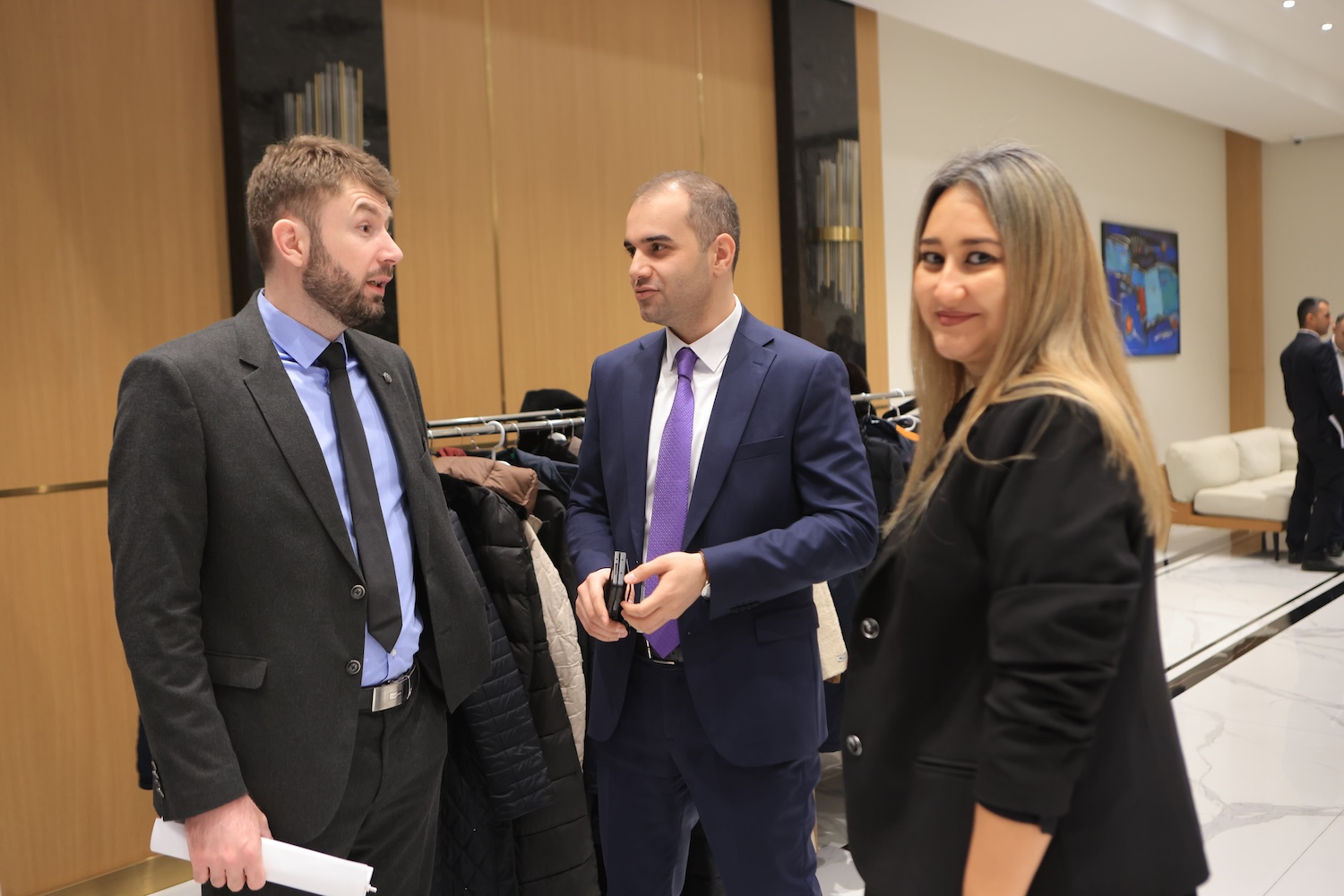
On December 11, 2024, the Accounts Chamber held a major multi-stakeholder event under the framework of IDI’s SPMR ACT and GSAI initiatives during which the Accounts Chamber presented its 2024–2028 Strategic Development Plan, outlining its mission and key objectives for the next five years. The presentation was followed by a discussion on opportunities for enhanced collaboration with key stakeholders, including representatives from the Parliament of the Republic of Tajikistan, ministries, government agencies, mass media, and civil society organizations. Peer partners from SAI Azerbaijan and SAI Georgia, along with development partners, also attended the event, extending their support.

The main objective of the event was to foster trust and strengthen cooperation between the Accounts Chamber and its stakeholders. The Accounts Chamber views this initiative as a significant step toward improving collaboration with key stakeholders and intends to continue such practices in the future.


Image
Image

Modernizing the Audit Management System (AMS)

The modernization of the Audit Management System (AMS) represents another significant milestone. AMS used to support comprehensive audit processes, including financial, performance, and compliance audits, as well as human resource management. In 2024, critical updates to AMS introduced functionalities such as tracking violations, implementing recommendations, and generating quality reports. These enhancements, supported by the GSAI initiative, have elevated the system’s efficiency. Moving forward, the ACRT aims to train its auditors comprehensively to leverage AMS’s full potential.

As part of its Strategic Development Plan for 2024–2028, the ACRT also plans to expand AMS integration with key government systems and agencies. This will improve data accessibility, elevate audit quality, and facilitate the preparation of detailed reports for the President and Parliament of Tajikistan, aligning the ACRT with global standards.


Building Peer Partnerships with SAI Georgia

Bilateral cooperation with the State Audit Office of Georgia (SAOG) has emerged as a pivotal aspect of the project. Drawing from SAOG’s positive experience in transitioning to international audit and strategic management standards, the ACRT has established a robust peer partnership with the Georgian SAI.

In 2024, SAOG joined the GSAI Tajikistan as a technical partner, contributing expertise to the “Audit Methodology, Quality, and Reporting” and “Stakeholder Engagement” components. Training seminars in April and September 2024 focused on audit activities, the implementation of audit recommendations, and stakeholder engagement, offering invaluable insights for the ACRT’s ongoing transition to international standards.

This collaboration is set to deepen, with SAOG’s expressed commitment to support the Chamber in the planned next phase of the GSAI. By learning from Georgia’s best practices and fostering this partnership, the ACRT aims to further strengthen its institutional capacities and promote a culture of excellence in public accountability.

As the Accounts Chamber of Tajikistan reflects on its progress, it remains steadfast in its commitment to advancing transparency, accountability, and effective public resource management. These achievements represent more than just milestones; they are stepping stones toward a stronger, more effective Supreme Audit Institution. By embracing modernization, fostering peer partnerships, and prioritizing stakeholder engagement, the ACRT is well on its way to setting new benchmarks for excellence. The Chamber is confident that through sustained effort, collaboration, and innovation, it will continue to build trust and deliver value for the citizens of Tajikistan.

Image
Image

Initiative

GSAI – Global SAI Accountability Initiative

Topics