Venue: Belize
Language: English
Venue: Poland
Language: English
Venue: South Africa
Language: English
05-06 November 2025, Mexico City, Mexico
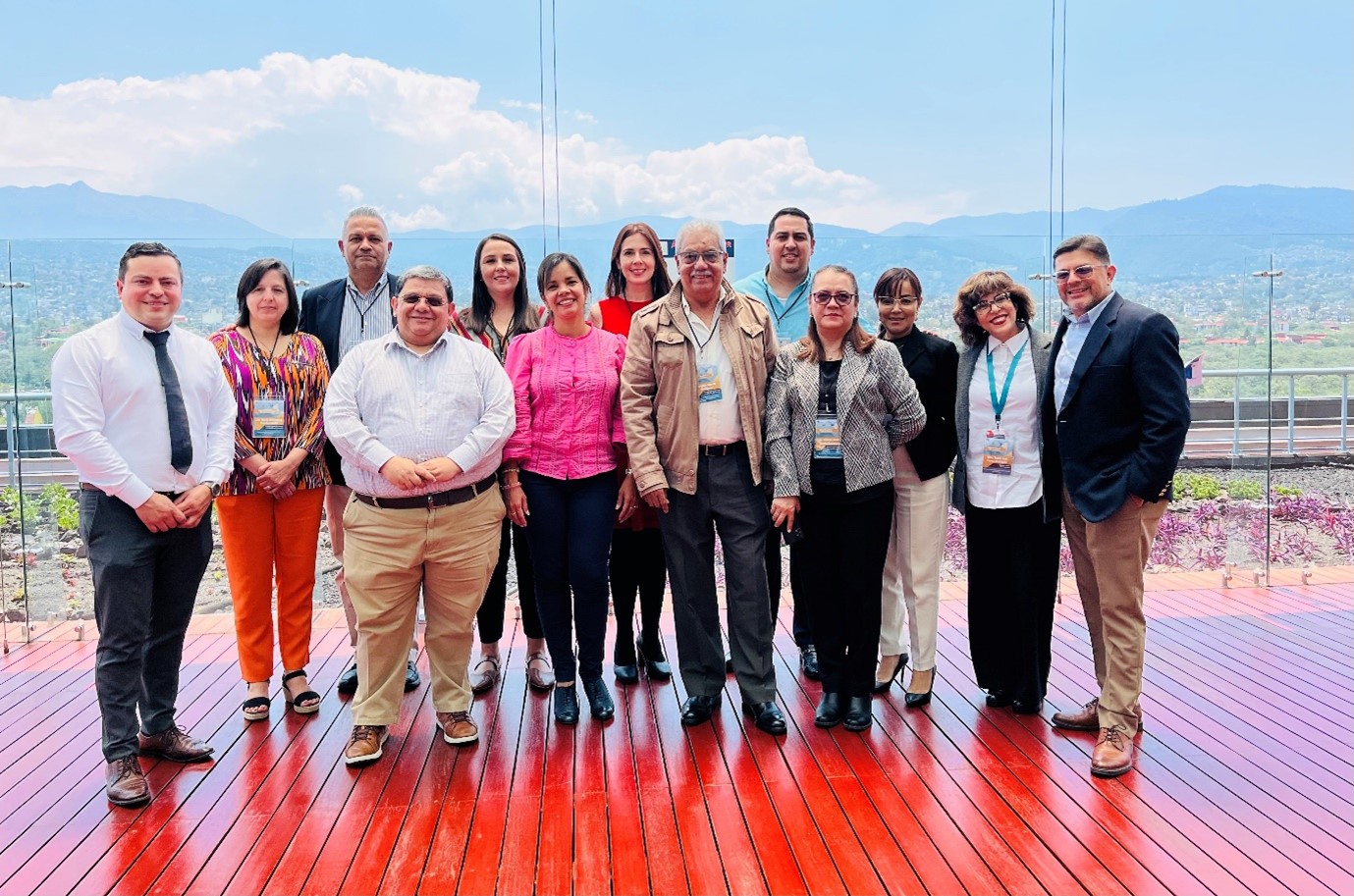
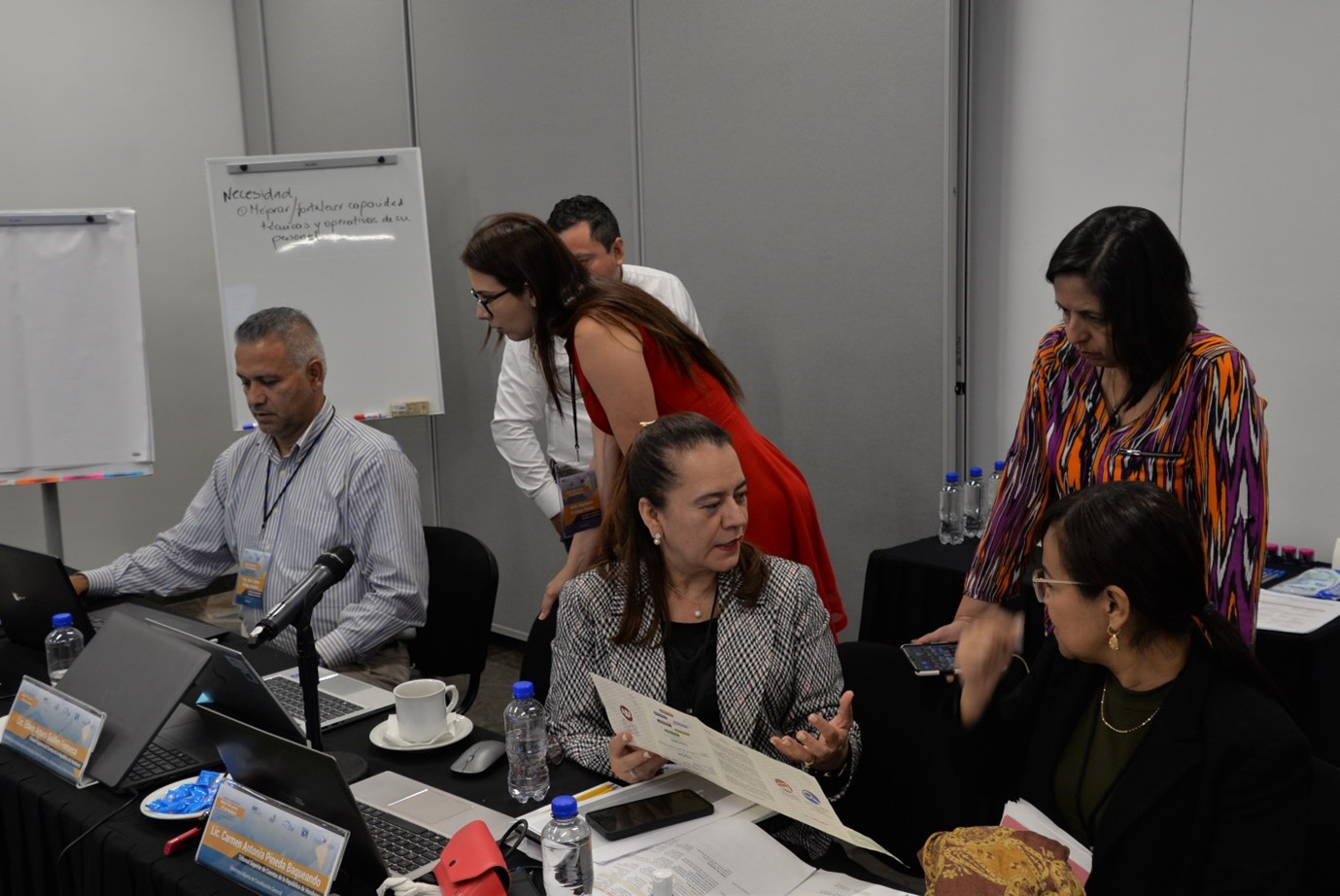
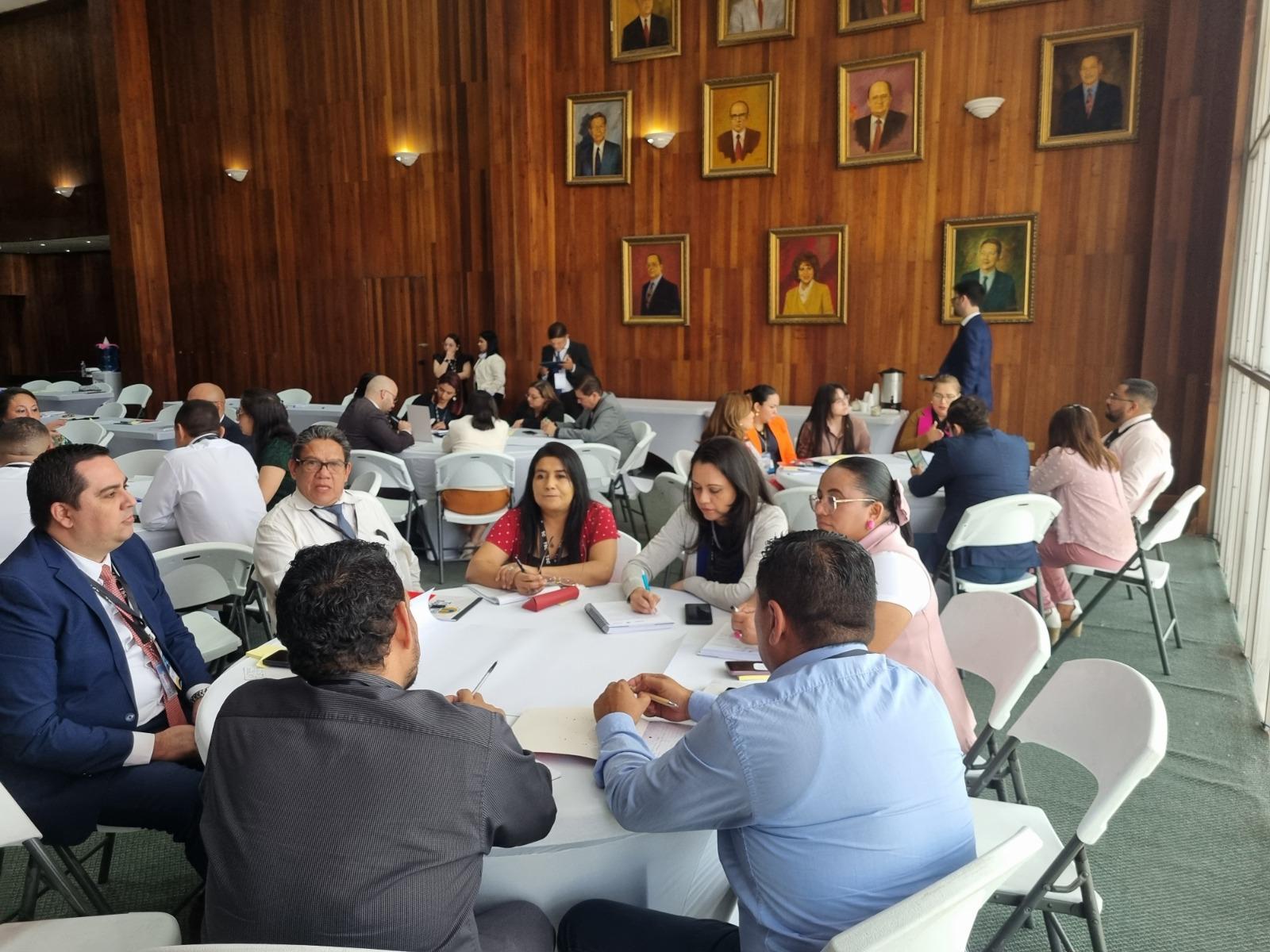
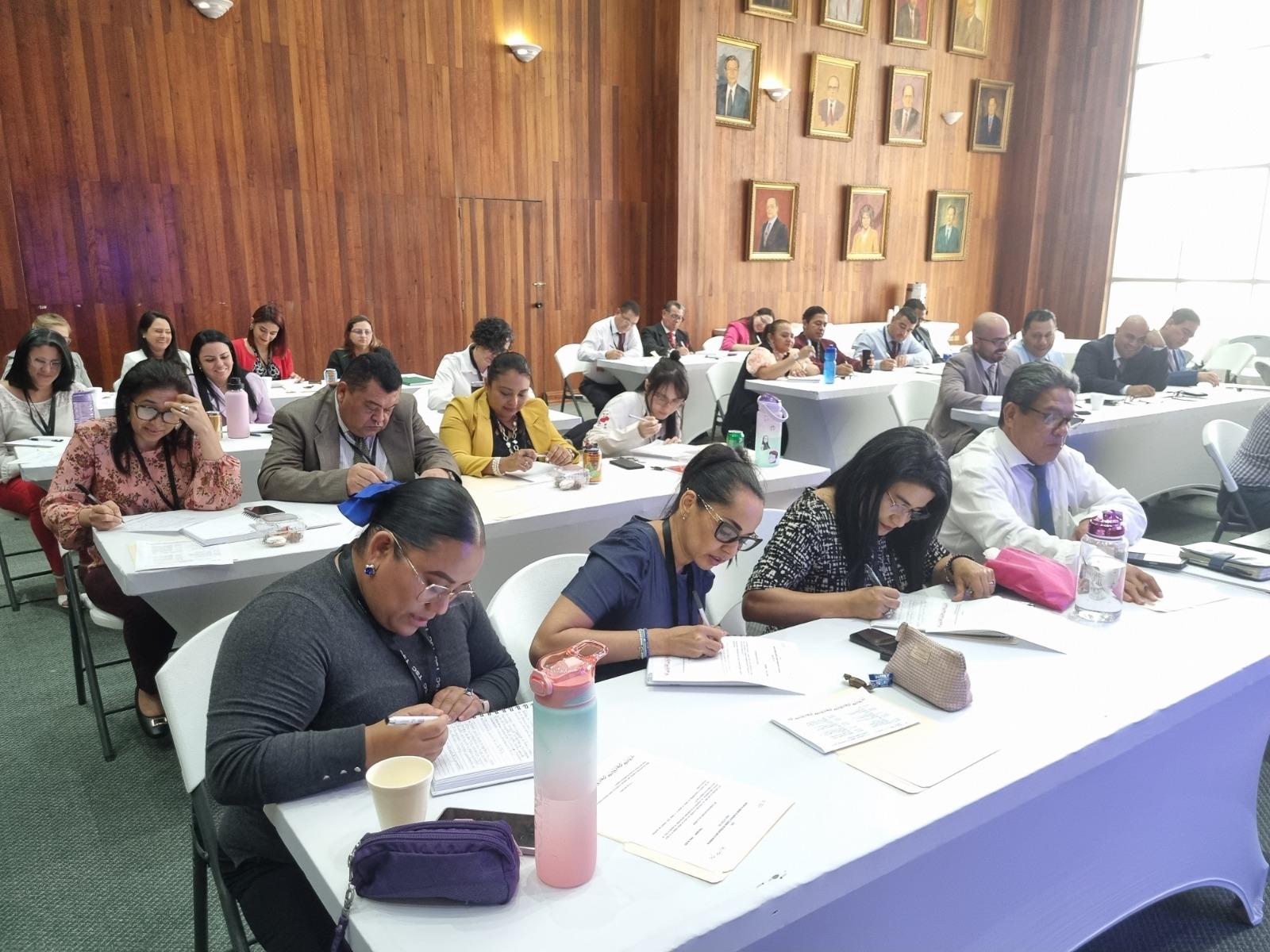
GSAI SAI Honduras – Onsite work on Quality and Professionalisation proposals
TBC September 2025, Mexico City Mexico

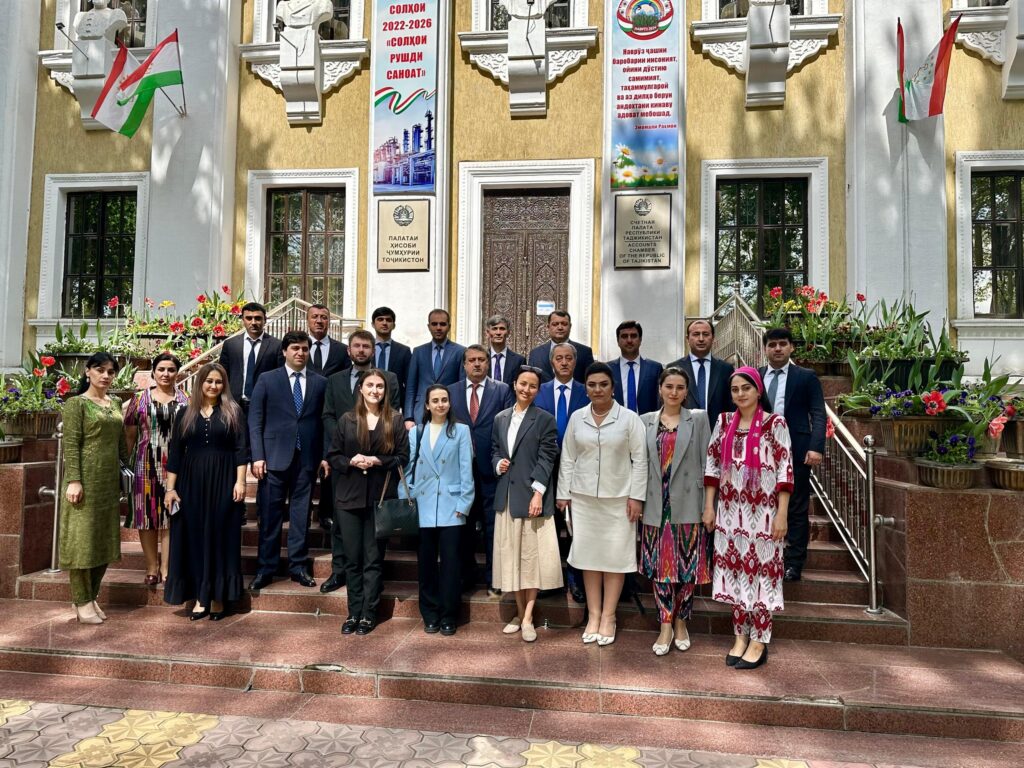
Mandated to audit the State Budget Project, the Government’s annual report on budget implementation, and the efficient use of state funds and assets, CART reports its findings annually to the President and the Parliament.
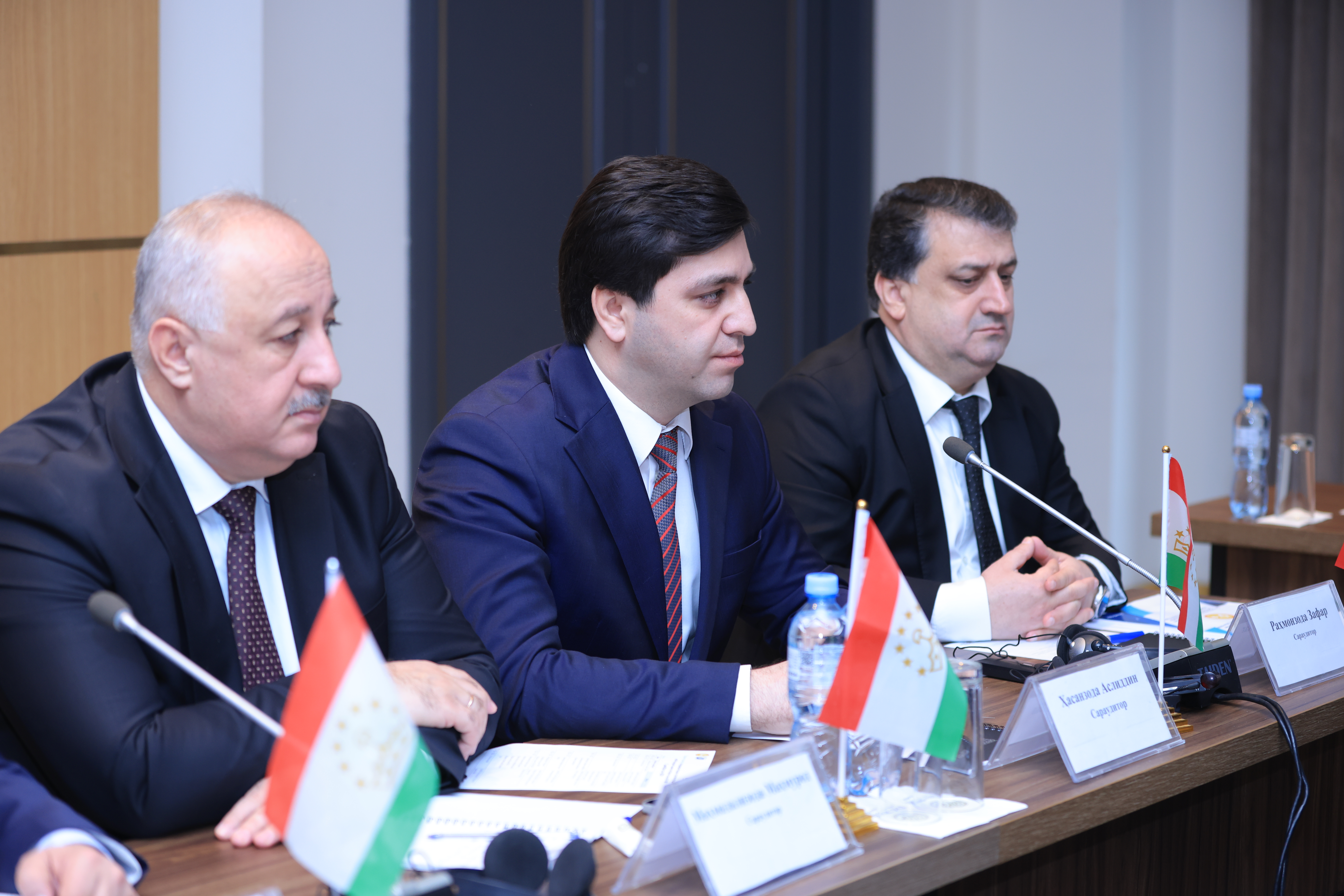
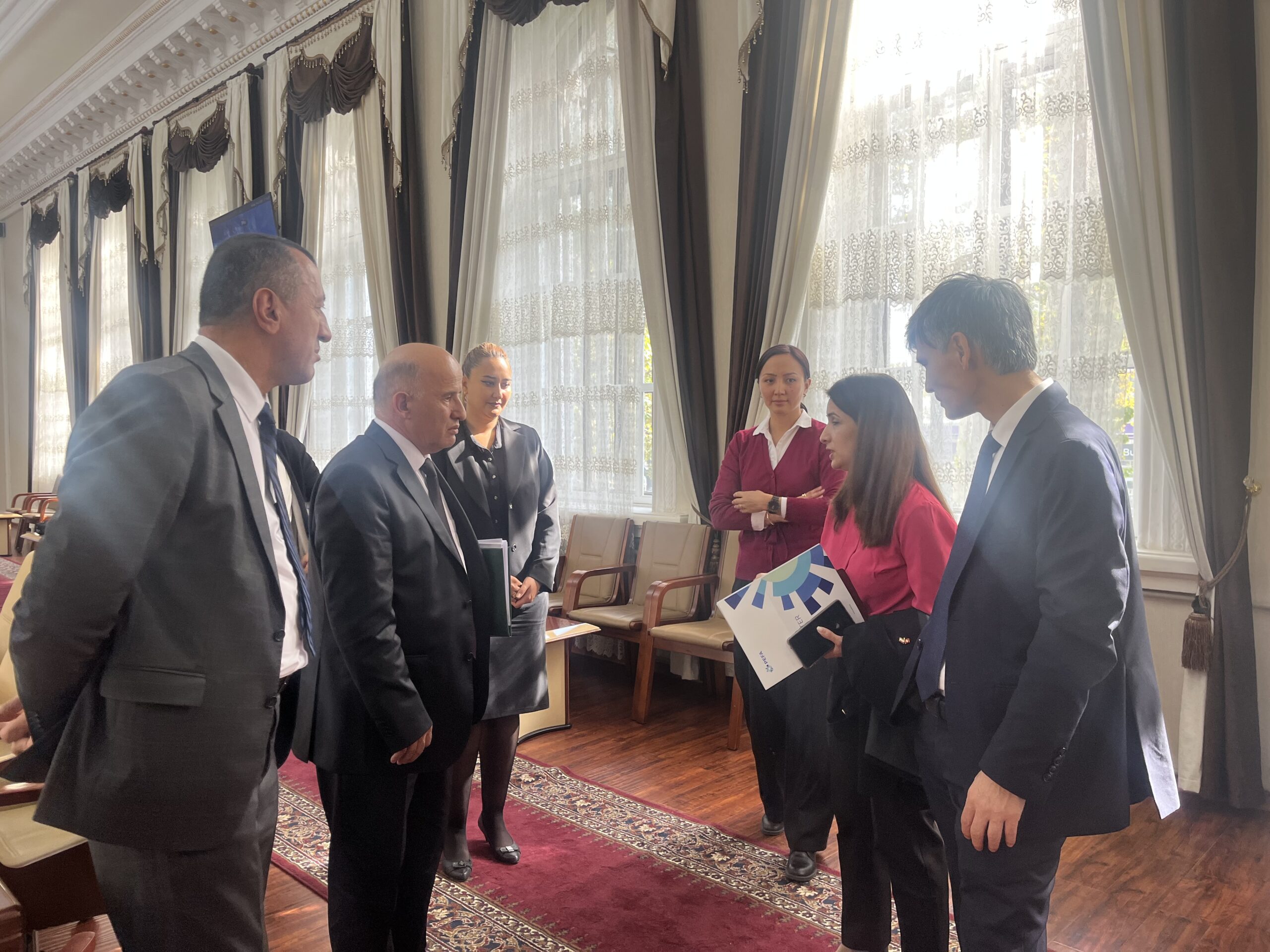
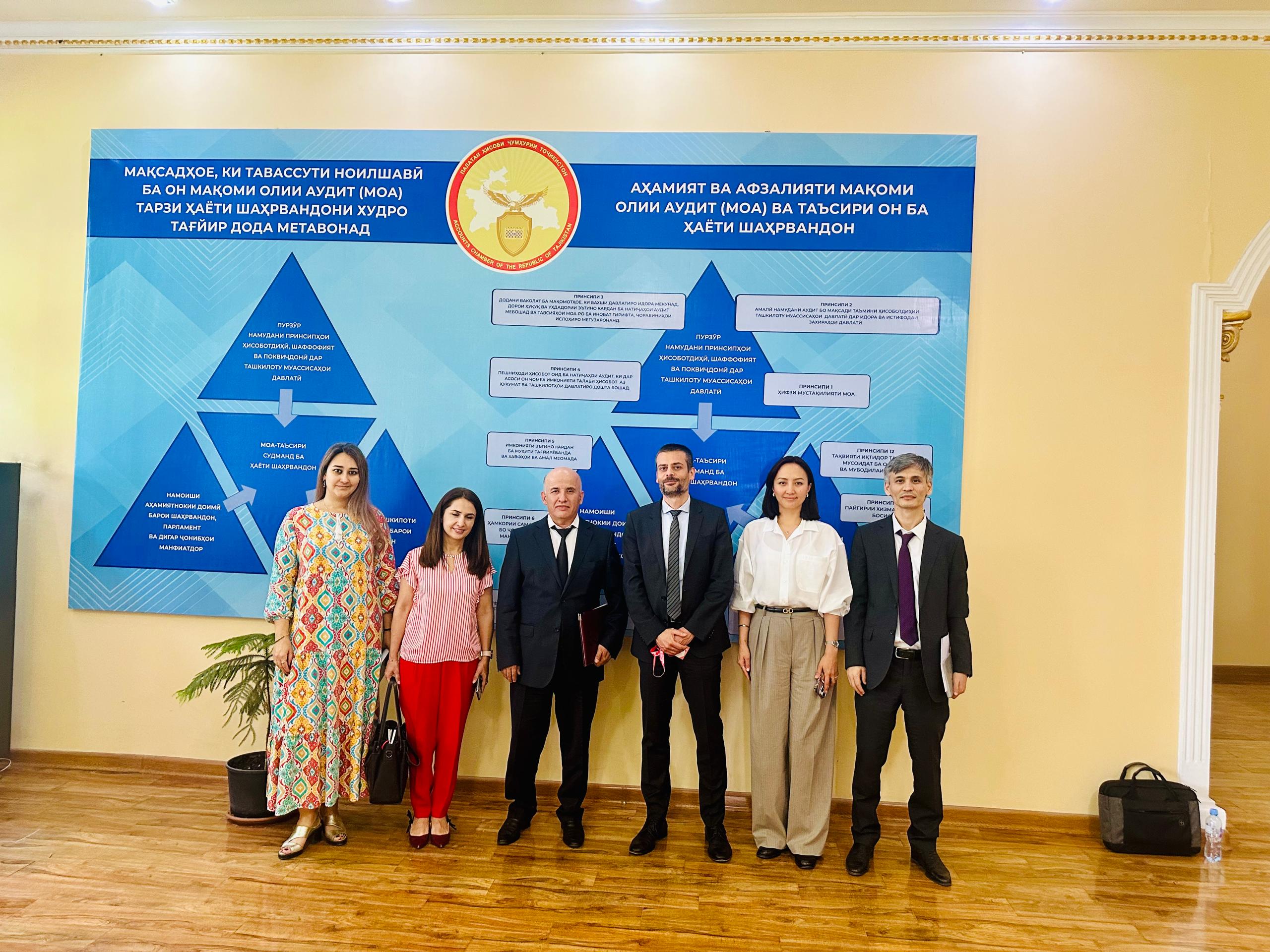
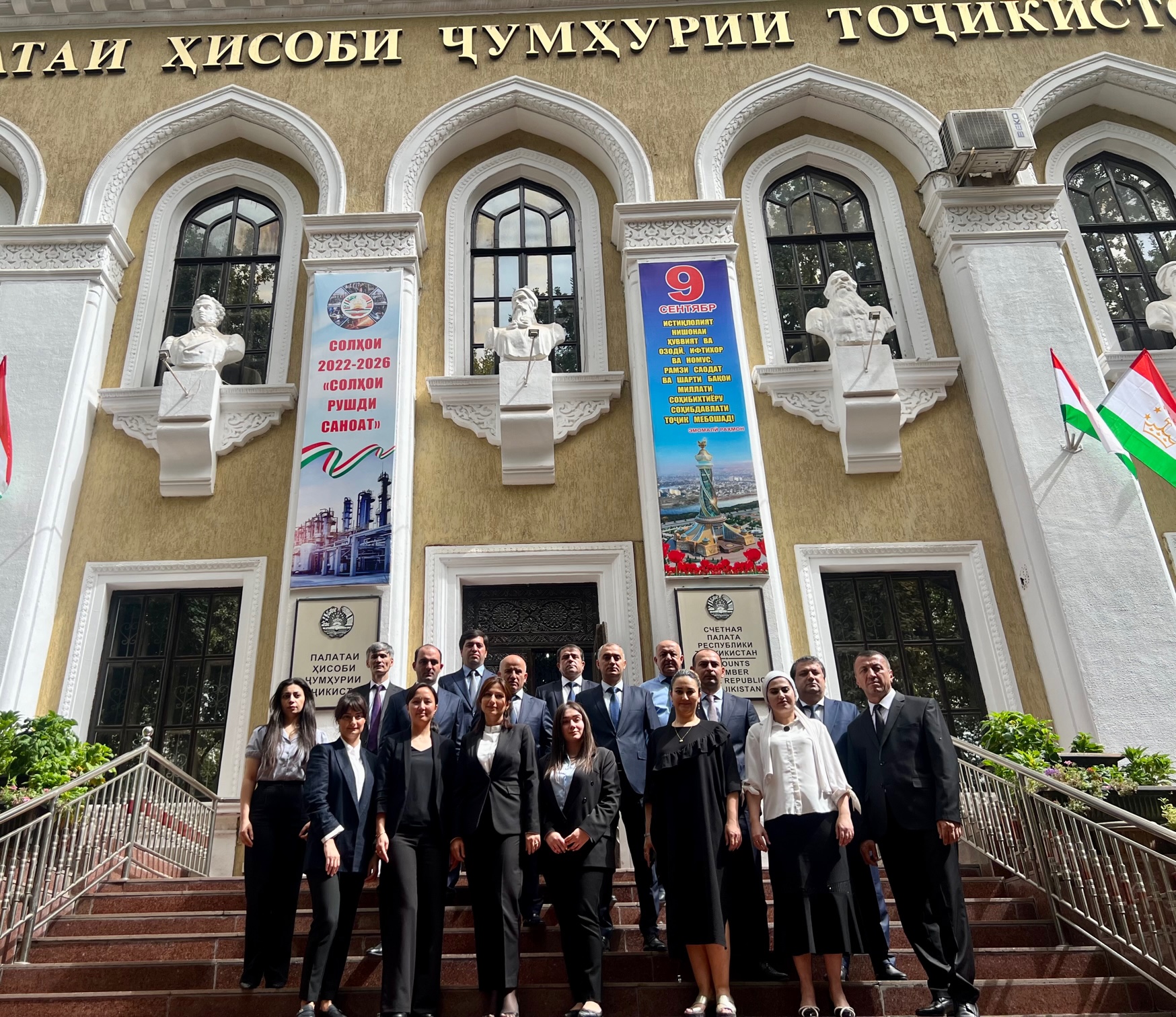
In line with its commitment to institutional strengthening and improved audit quality, CART has joined the GSAI to build sustainable capacity and enhance its performance across key areas of strategic management, audit quality, digitalization, and stakeholder engagement. Under the GSAI programme, CART partners with the SAIs of Azerbaijan and Georgia and the Chartered Institute of Public Finance and Accountancy (CIPFA). This collaboration is designed to strengthen audit methodologies, improve strategic management, modernize audit processes through digital tools, and foster stronger cooperation with key national stakeholders.
INTOSAI REGION: ASOSAI
CART aims to strengthen the quality and consistency of its audit work by developing and applying ISSAI-compliant manuals for financial, compliance, and performance audits. The focus is on introducing a functioning audit quality management system, building staff capacity through targeted training and pilot audits.
CART is enhancing its institutional effectiveness through the introduction of strategic and operational planning tools. A newly developed Strategic Plan for 2024–2028, supported by an operational plan and monitoring system, will guide implementation and performance review. The first SAI PMF assessment serves as a foundation for evidence-based planning, improved governance, and stronger alignment with international good practices.
This component is implemented in collaboration with IDI SPMR ACT initiative.
CART seeks to modernize its audit work by updating and expanding its Audit Management System (AMS) to support end-to-end digital documentation of financial, compliance, and performance audits. The component focuses on developing standardized templates, building staff capacity to use digital tools, and integrating audit quality management into AMS to improve efficiency, consistency, and data-driven reporting.
CART is strengthening its engagement with the Parliament, the President’s Office, and other key stakeholders through a more structured approach to communication and awareness-raising. The SAI aims to increase public understanding of its mandate, foster dialogue on audit results, and institutionalize stakeholder analysis within its strategic management processes.
This component is implemented in collaboration with IDI SPMR ACT initiative.
Ensure effective and timely implementation of the project in line with agreed quality, budget, and timelines. Strengthen coordination among all partners to enhance synergy, ensure long-term sustainability and consolidate the CART’s institutional transformation.
We expect that the joint and successful implementation of the project will contribute to the establishment of a strong and effective Supreme Audit Institution, a more active participation of our organization in the international community and an improvement in the level of well-being of the population of our country.
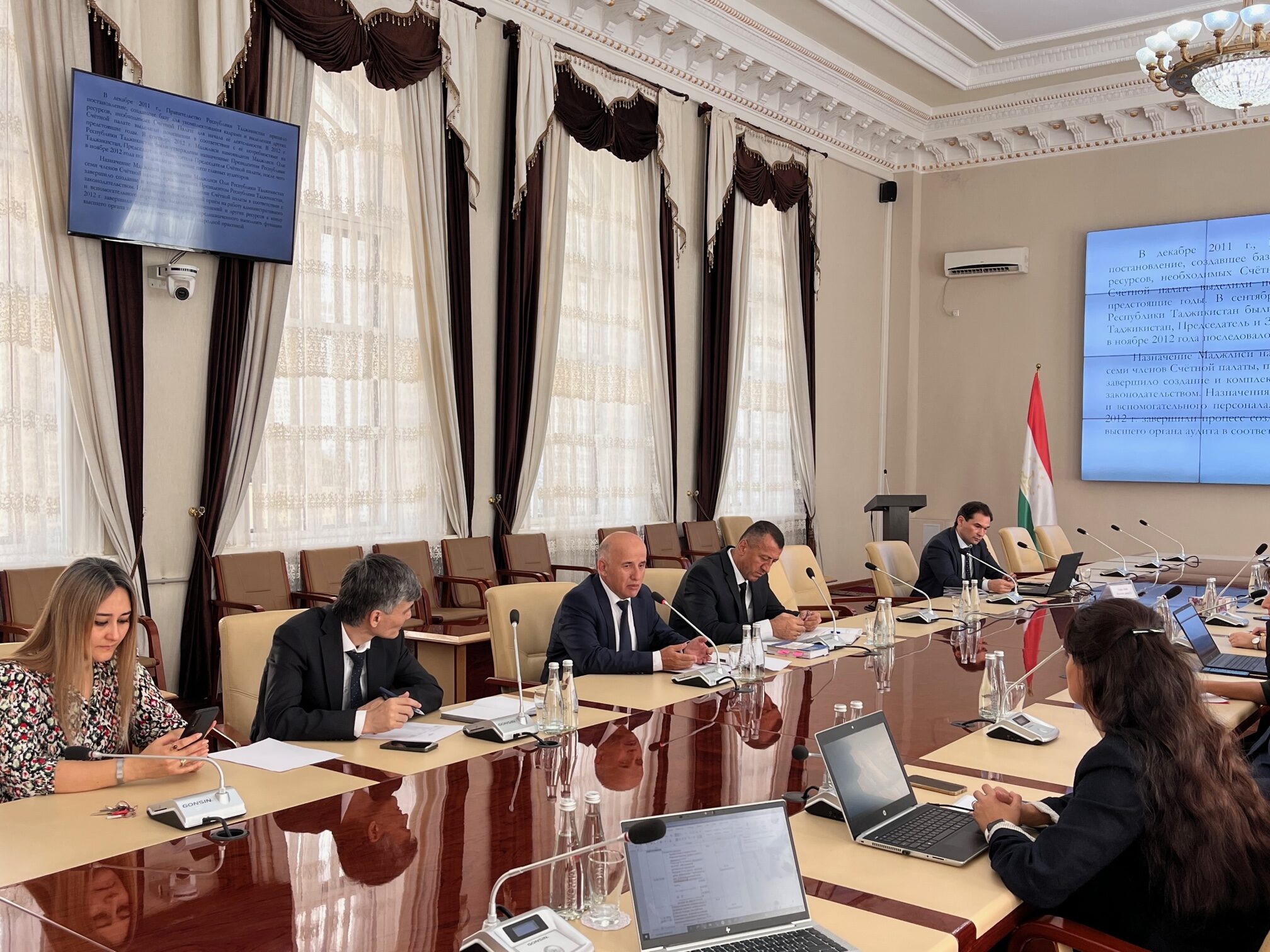
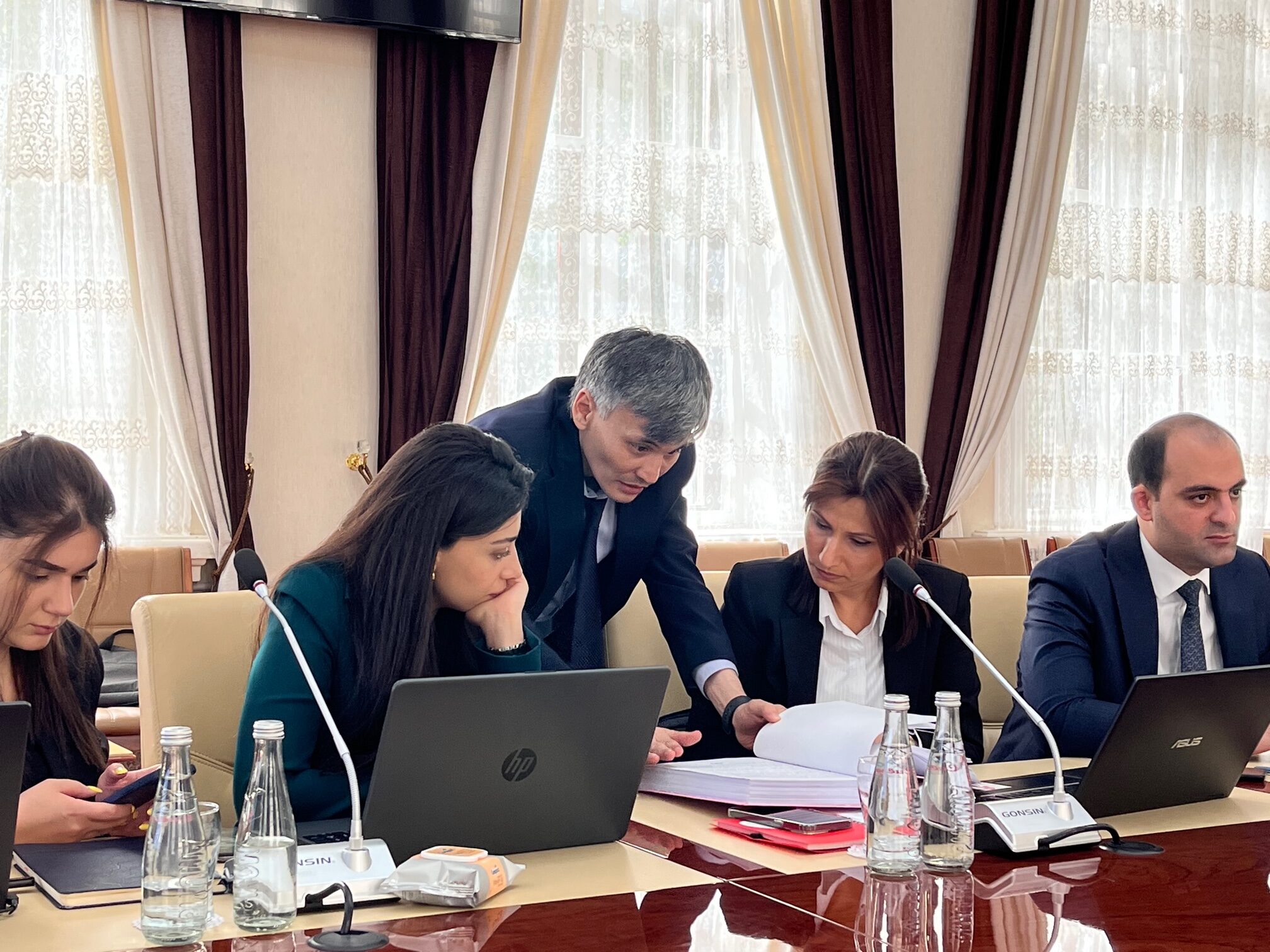
SAI Azerbaijan is happy to provide peer support to SAI Tajikistan in strategic management as part of GSAI project and believes that this partnership will bring positive results for the cooperation and development of both SAI Tajikistan and SAI Azerbaijan.
The European Union is proud to support Tajikistan’s Chambers of Accounts. This support should lead to better financial oversight, promoting transparency and accountability in managing public funds. A vital step towards good governance and fostering trust in Tajikistan.
Our support to the Chamber of Accounts reflects our shared vision of promoting good governance and accountability. Through this cooperation agreement, we believe the provided technical assistance and capacity building will enhance further the Chamber’s effectiveness in fulfilling its mandate.
The Tajikistan project is unique by having such rich technical expertise available. Peers from SAI Azerbaijan will work in partnership with consultants of the professional organisation CIPFA and staff from IDI. I strongly believe that by applying principles of ownership, mutual accountability and coordination among the partners, the Project will demonstrate great progress and achievements in the implementation phase.




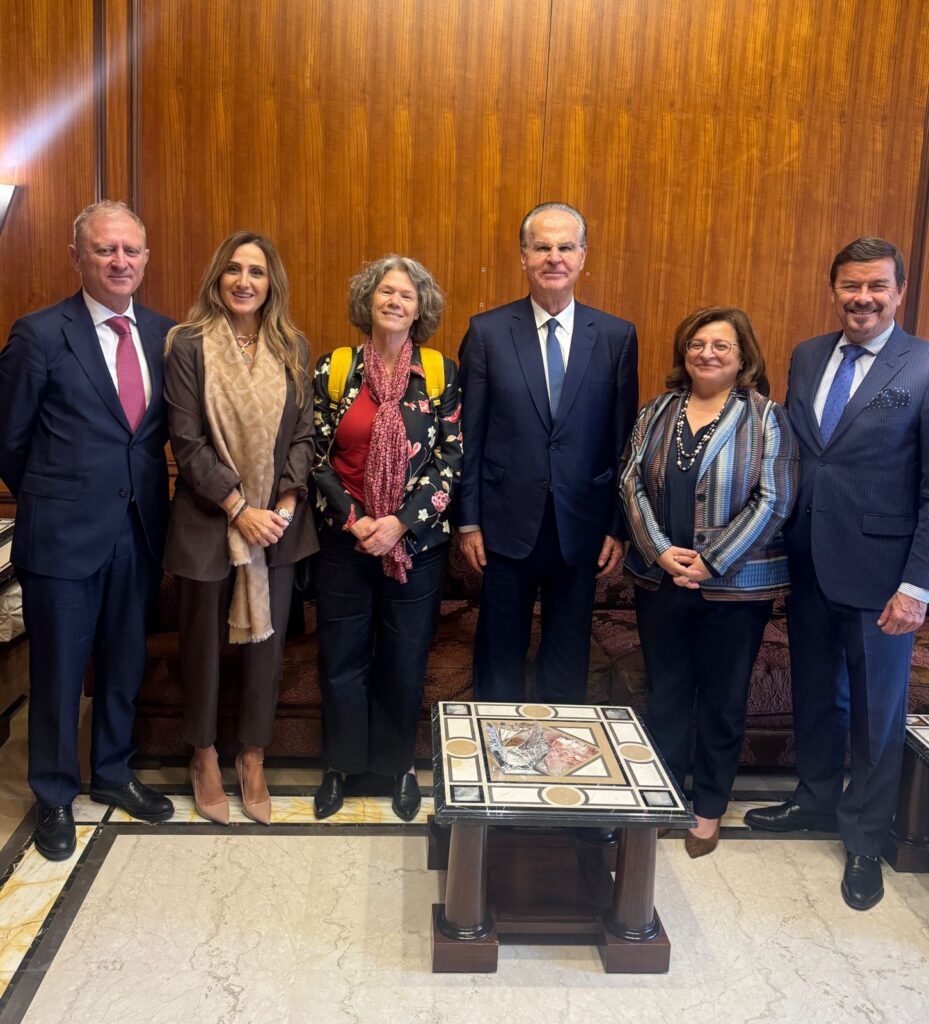
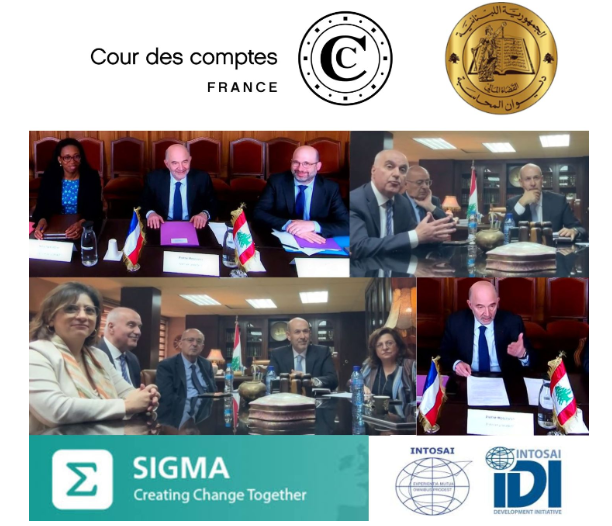
Since 2020, severe fiscal pressures, high inflation, and institutional constraints have weakened public administration, leaving the CoA with reduced staffing, limited training, and outdated infrastructure. Despite these challenges, the CoA continues to exercise its broad constitutional mandate, including the ex-ante audit of public spending and budget execution, the examination of public accounts and mismanagement cases, audits of public entities, municipalities, and associations receiving public funds, as well as providing advisory opinions to national authorities.
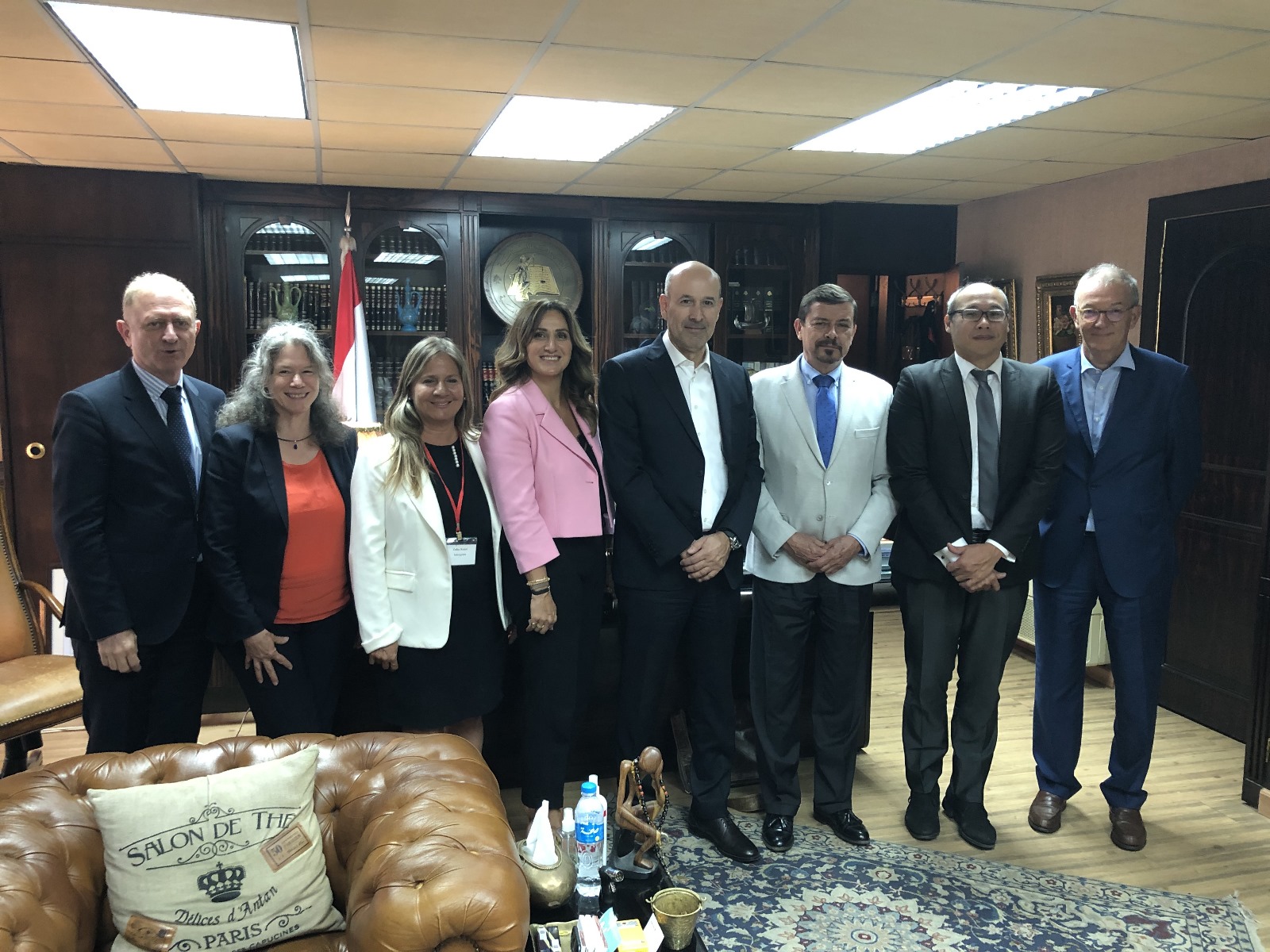
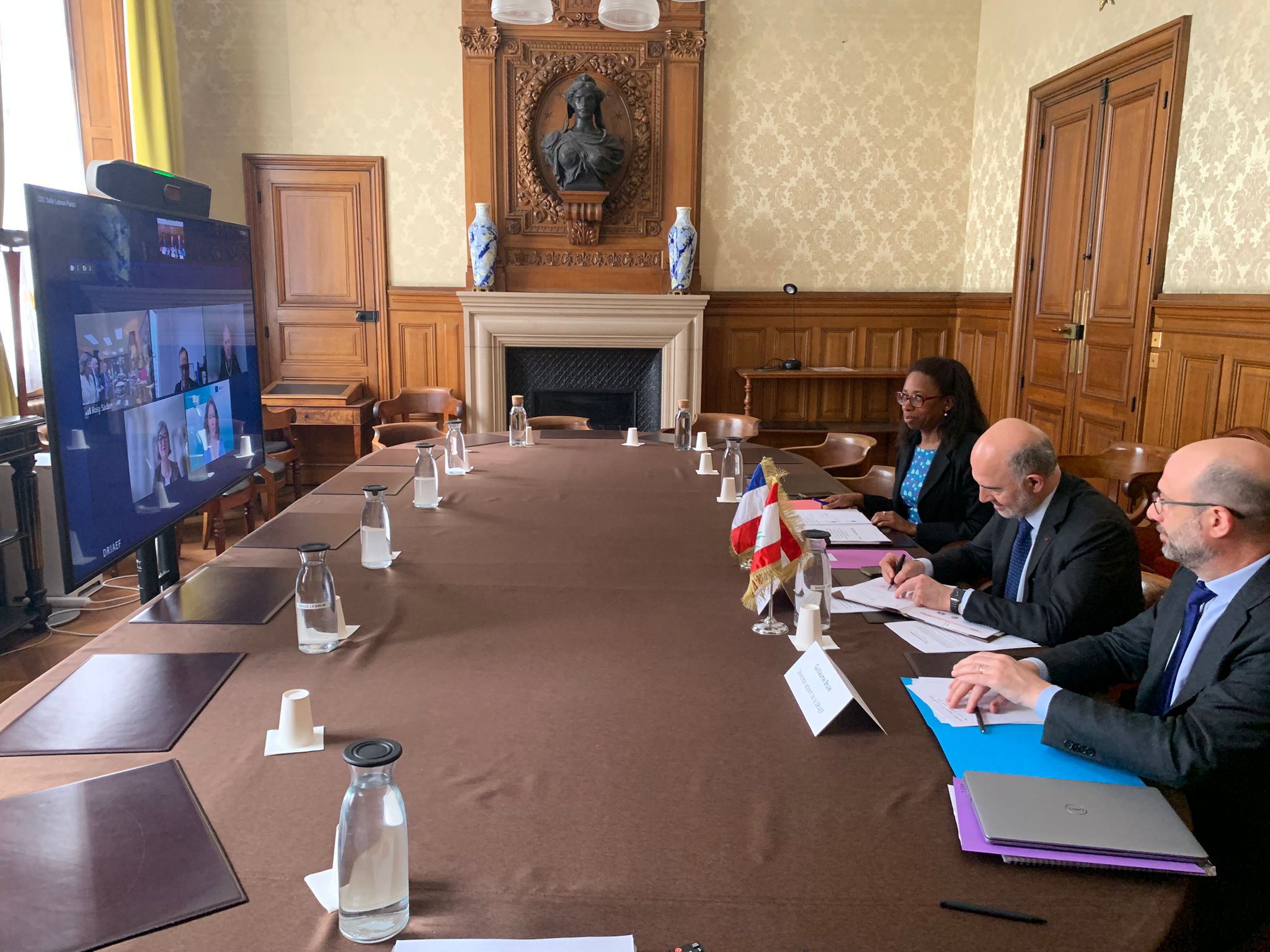
To strengthen its capacity and impact, the CoA has joined the Global SAI Accountability Initiative (GSAI), managed by the INTOSAI Development Initiative (IDI), in partnership with the French Court of Auditors. This collaboration complements other international efforts, such as the EU’s Anti-Corruption and Transparency Programme implemented by Expertise France, and the OECD/SIGMA Lebanese Public Administration Support Programme. These initiatives, running in parallel through 2024–2026, aim to reinforce the CoA’s strategic management, audit practices, and stakeholder engagement. Together, they support the CoA’s reform agenda and its contribution to Sustainable Development Goal (SDG) 16 on peace, justice, and strong institutions.
INTOSAI REGION: ARABOSAI
Modernise and streamline ex-ante control processes to reduce the excessive use of human resources. This includes applying new control thresholds, revising administrative procedures, and establishing a change management unit with support from the French Court of Auditors and SIGMA to guide reforms.
Accelerate and strengthen the judgment of public accounts to meet legal deadlines. Actions include updating registry and submission systems, developing an online platform for account filing, implementing fast-track procedures, and mentoring magistrates to enhance efficiency and compliance.
Introduce modern management tools to enable strategic planning, prioritisation, and performance monitoring. The component focuses on creating an annual work plan, establishing a management information system, and building reliable performance statistics to guide decision-making.
Reinforce the CoA’s public visibility and transparency by publishing annual public reports and court rulings, improving communication with stakeholders, and developing a coherent communication strategy with the support of communication experts from the French Court of Auditors.
Update and harmonise the CoA’s legal and institutional framework with modern public finance and procurement laws, and international audit standards (ISSAIs). This involves drafting a new law, consulting Parliament and civil society, and promoting reform through targeted advocacy.
Ensure effective implementation and coordination of all project components in line with quality, budget, and timelines. The component fosters alignment among partners — including the EU, SIGMA, Expertise France, and the French Court of Auditors — to ensure sustainable institutional development.
This project represents a fundamental step in our quest to enhance transparency and efficiency in the management of public finances. Through this international collaboration, we seek to improve our audit and control capabilities, thus contributing significantly to restoring public trust in our institutions.
The Court of Accounts and its teams are fully committed and mobilised to ensure that the implementation of this agreement is crowned with success.
The project is key for ensuring the contribution of the Court of Account of Lebanon to the national effort of restoring the State, rebuilding the public administration and thus, regaining the trust of citizens. The SAI needs urgently to deliver:
1. to judge and clear the accounts,
2. to provide assurance on the legal and regular use of funds and public procurement,
3. to contribute to improving the performance of public services.
We are convinced that this peer to peer project will contribute to this aim.
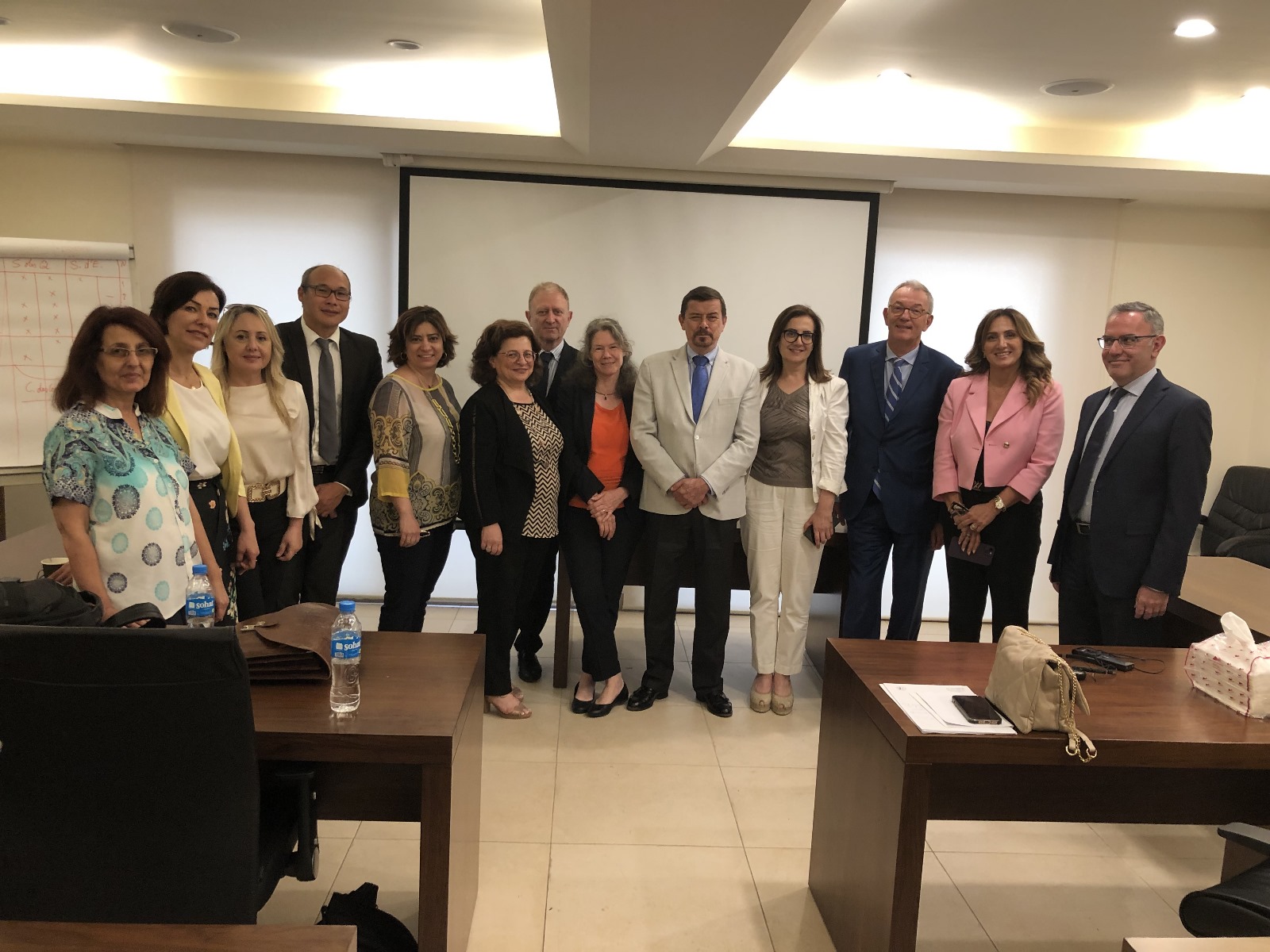
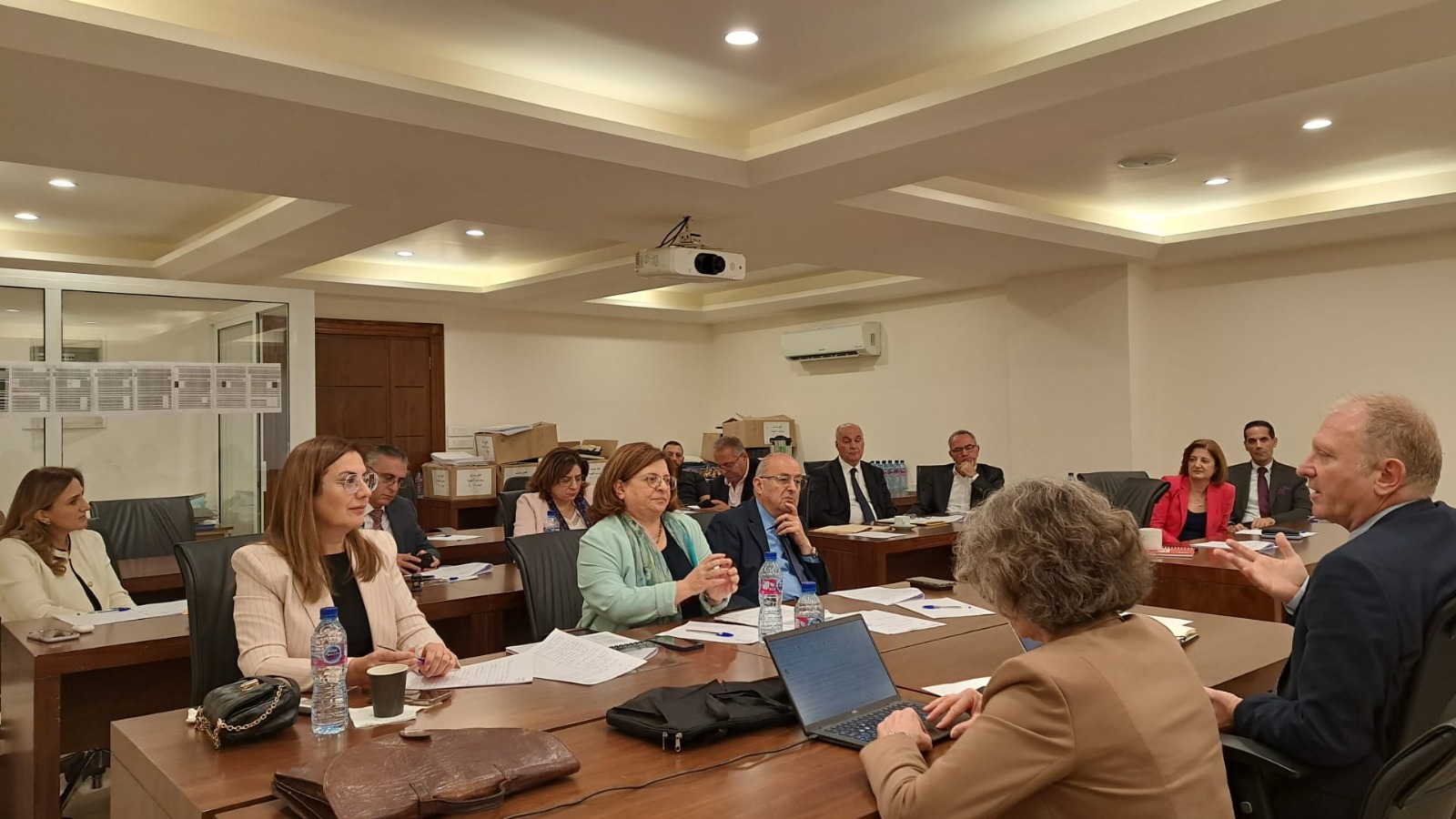
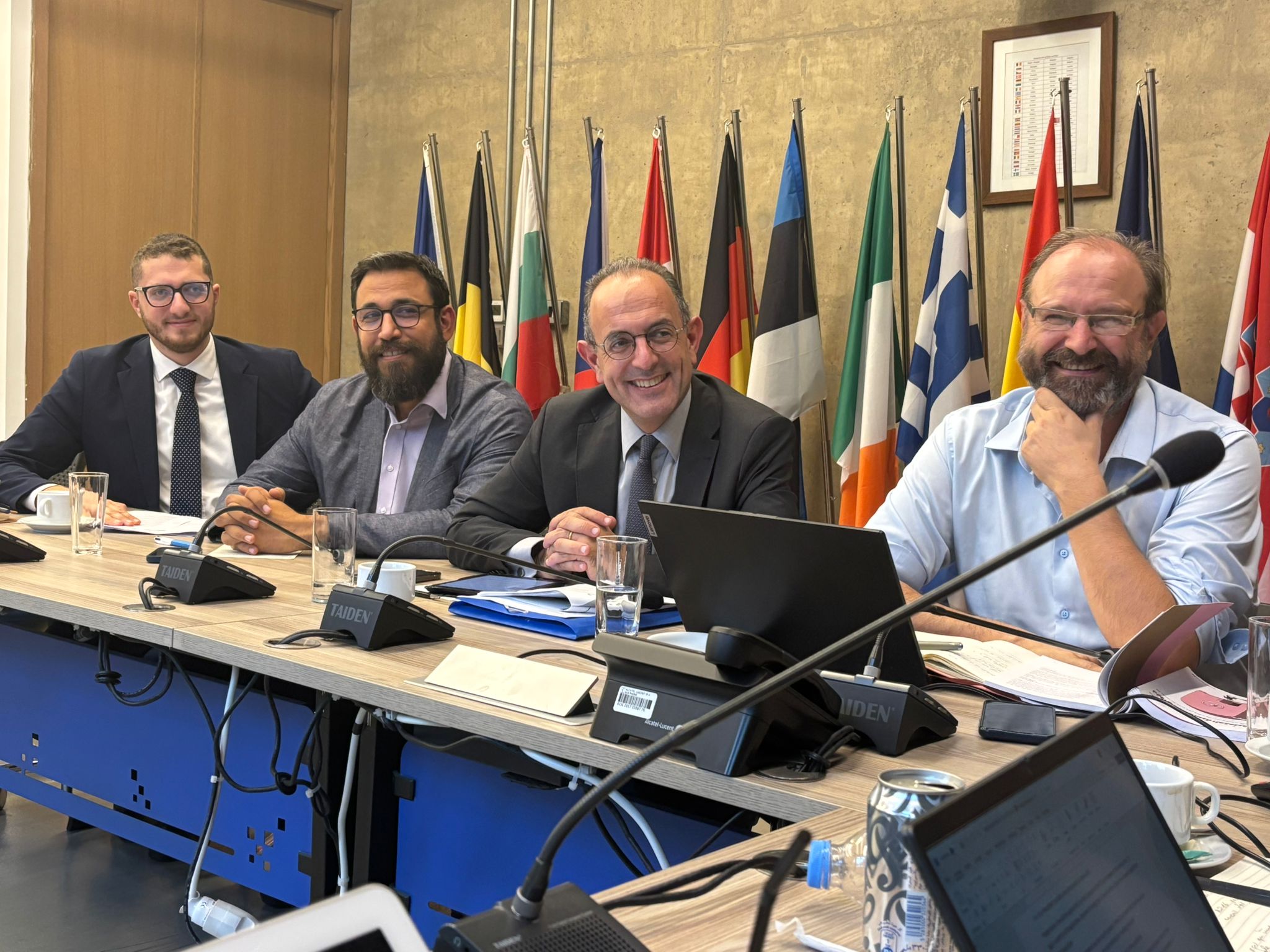
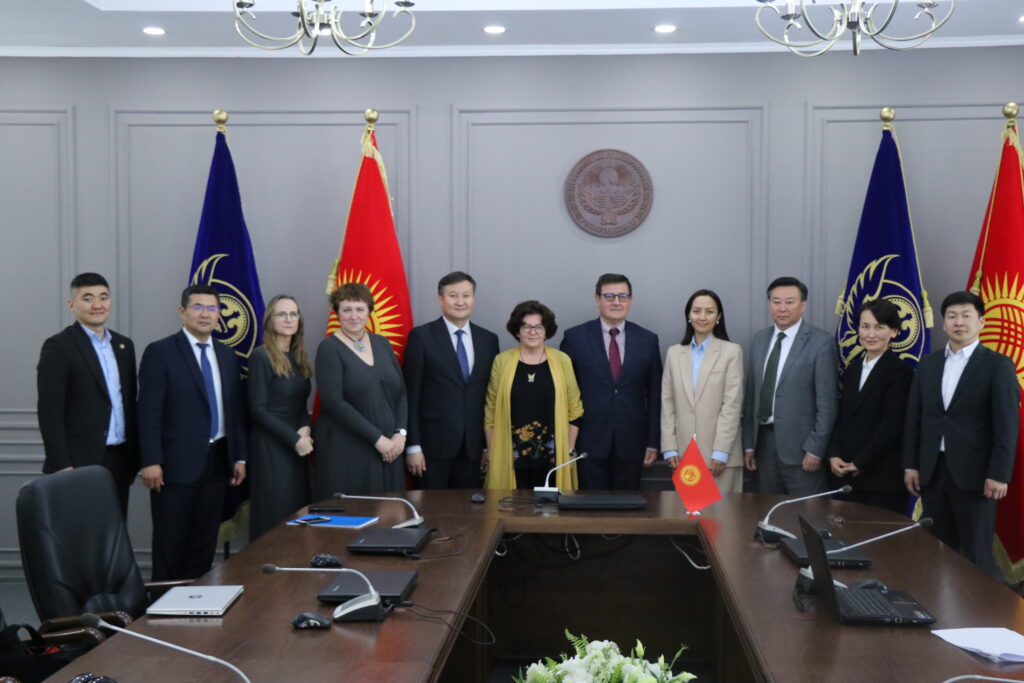
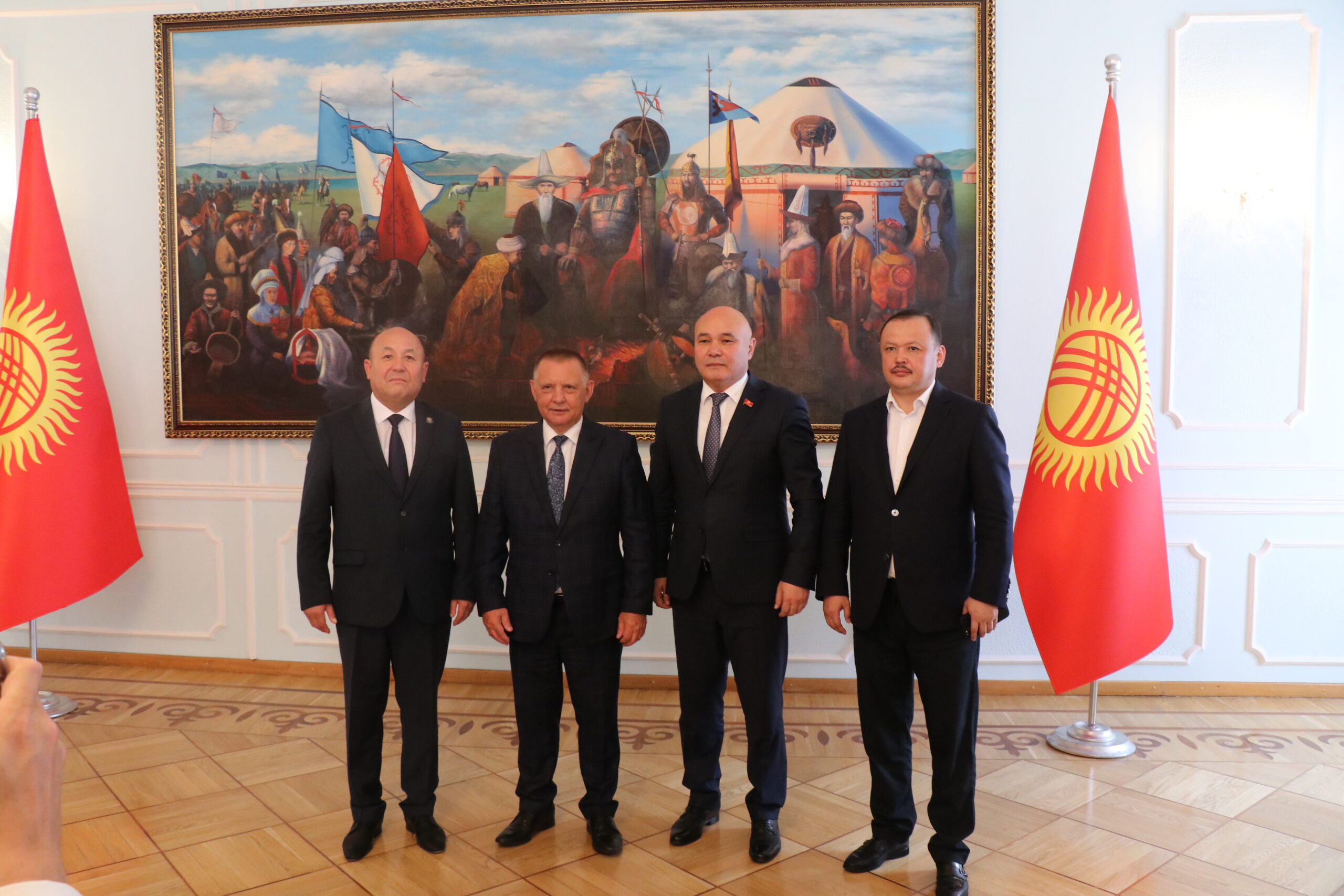
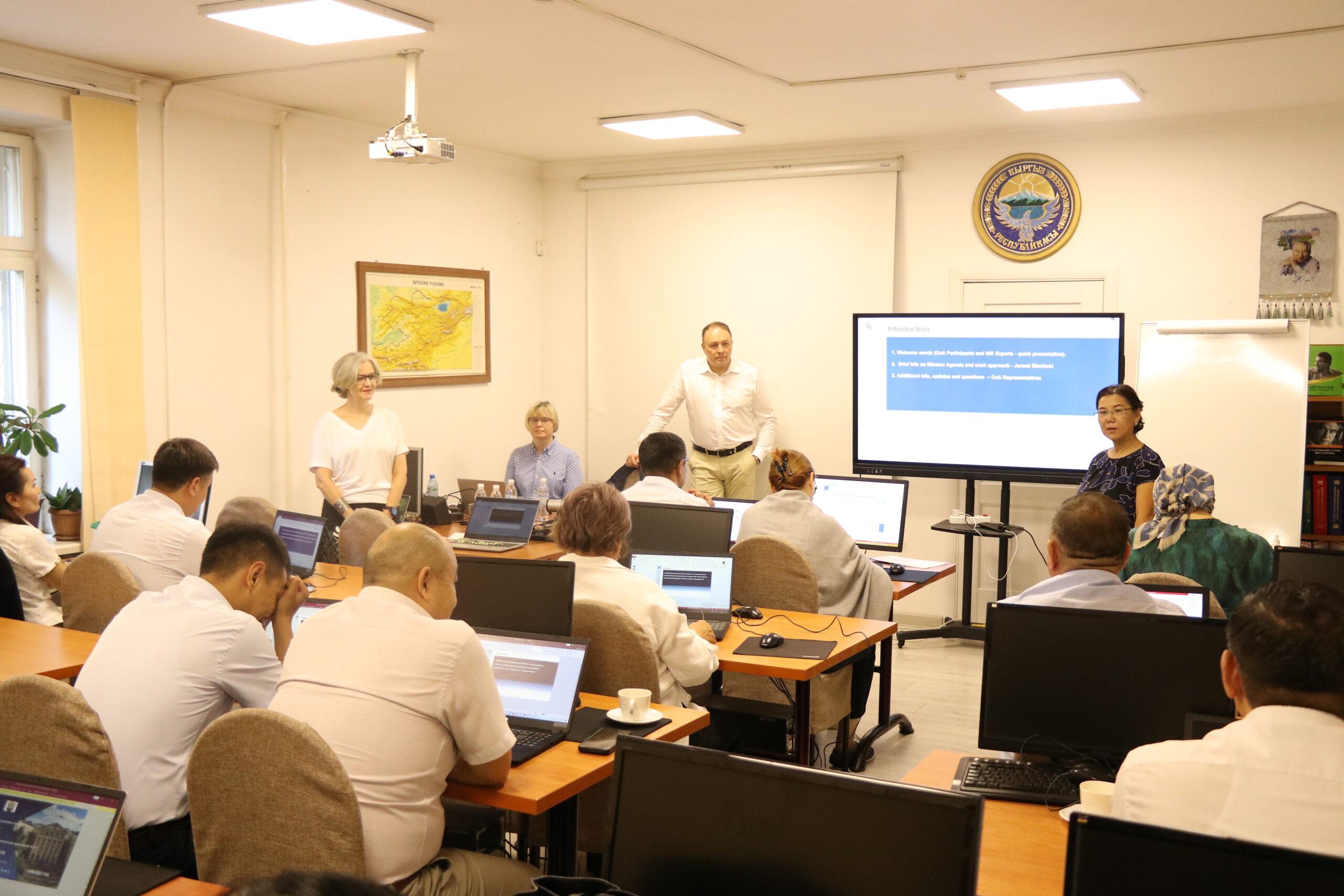
The CAKR is undergoing several organizational improvements based on the strategic plan for 2022-2026 as well as new constitutional law enacted on May 31, 2023. The law is designed to strengthen the parliamentary control of the institution, since the Parliament is intended by the Constitution to have a key role in monitoring implementation of the budget and laws of the KR.
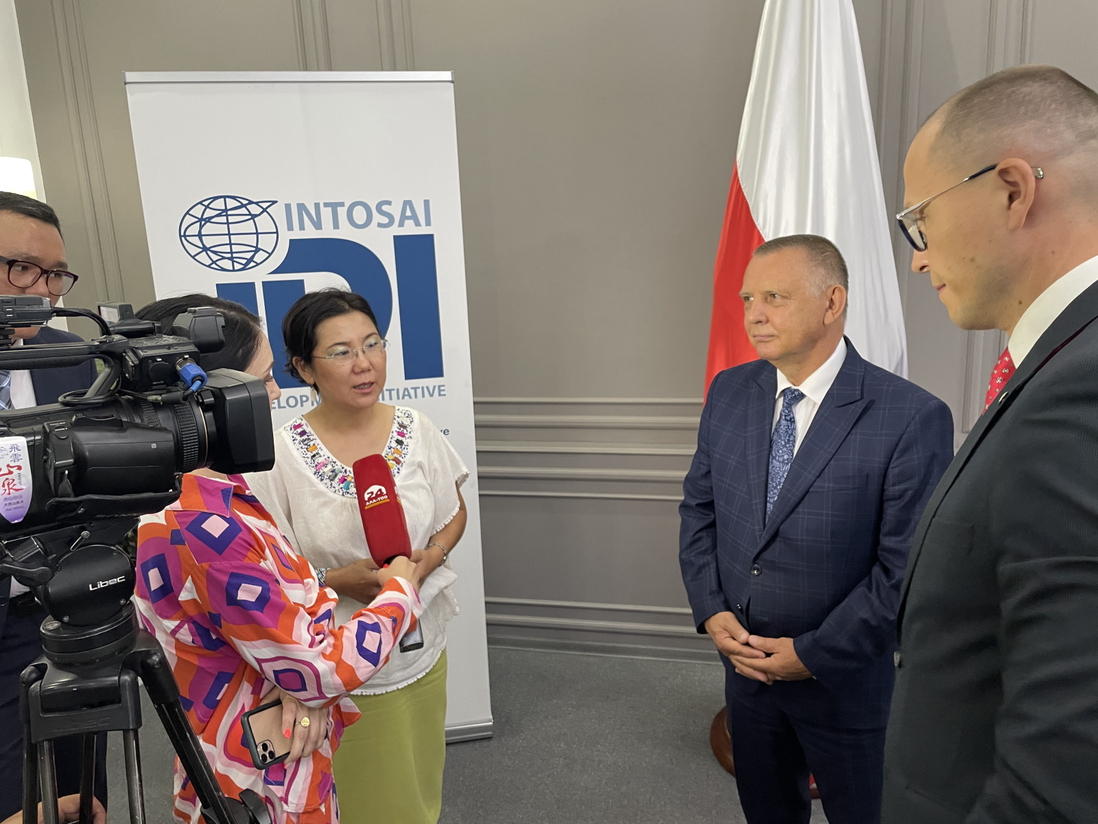
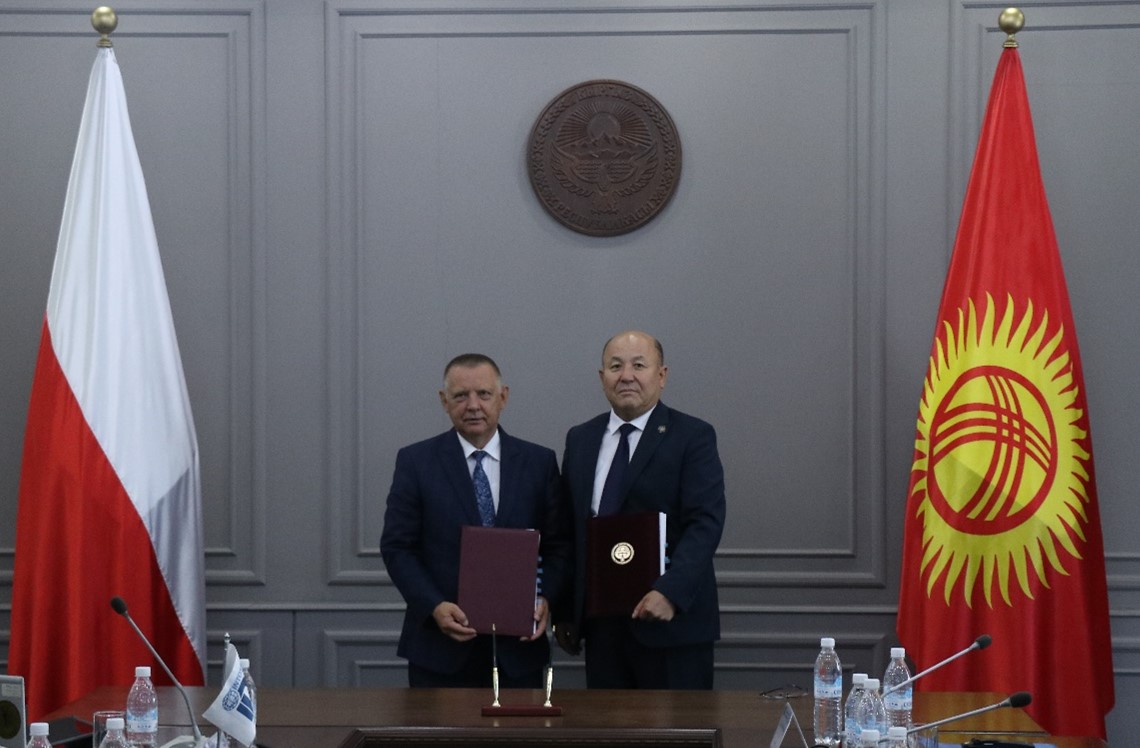
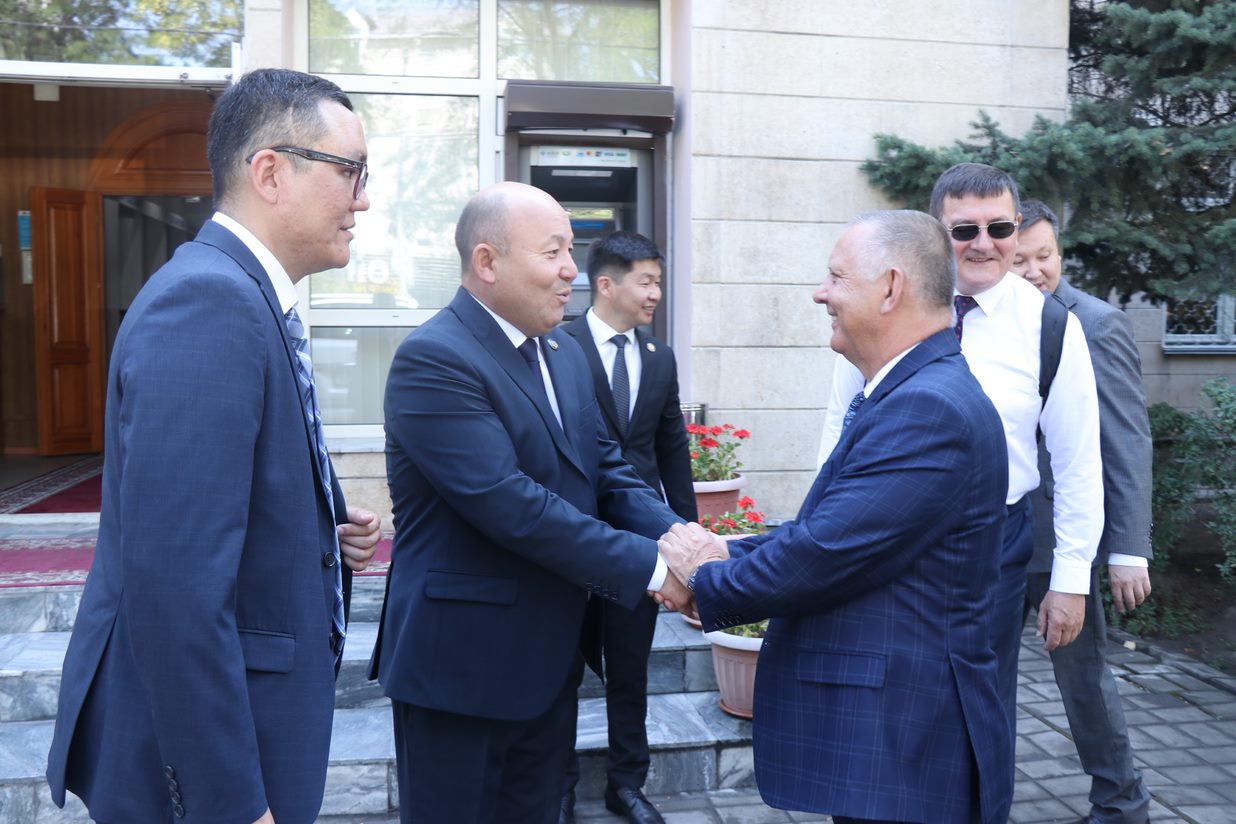
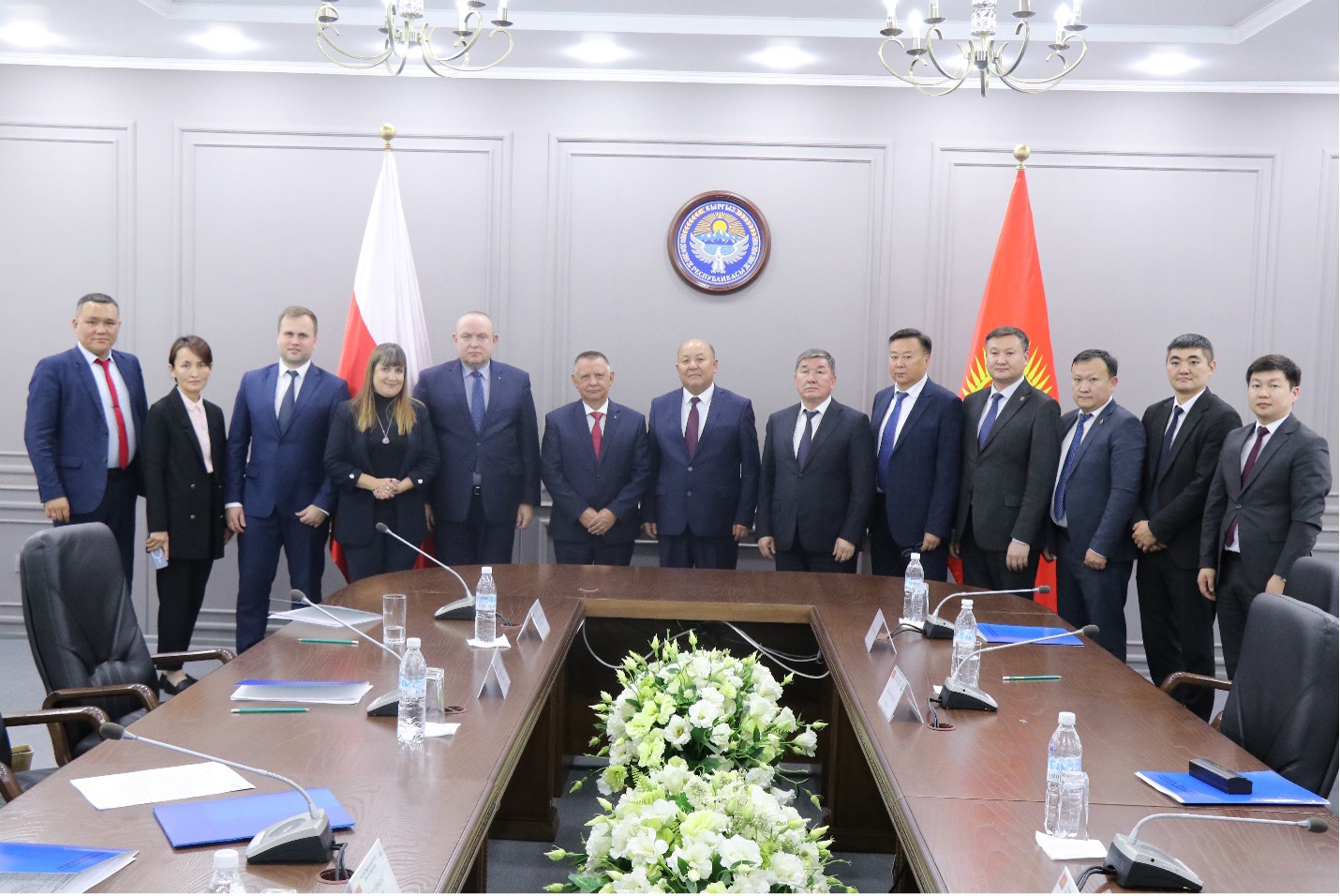
To effectively achieve the goals of the strategic plan and implement the new audit act, CAKR joined the GSAI and partnered with the SAI of Poland to strengthen the capacity of the CAKR, thereby improving accountability and transparency in the management of public resources in the KR, through improved audit methodologies that comply with recognized INTOSAI auditing standards and strengthening stakeholder engagements.
The cooperation agreement lays out expected results, resources, responsibilities and governance of the project.
INTOSAI REGION: ASOSAI
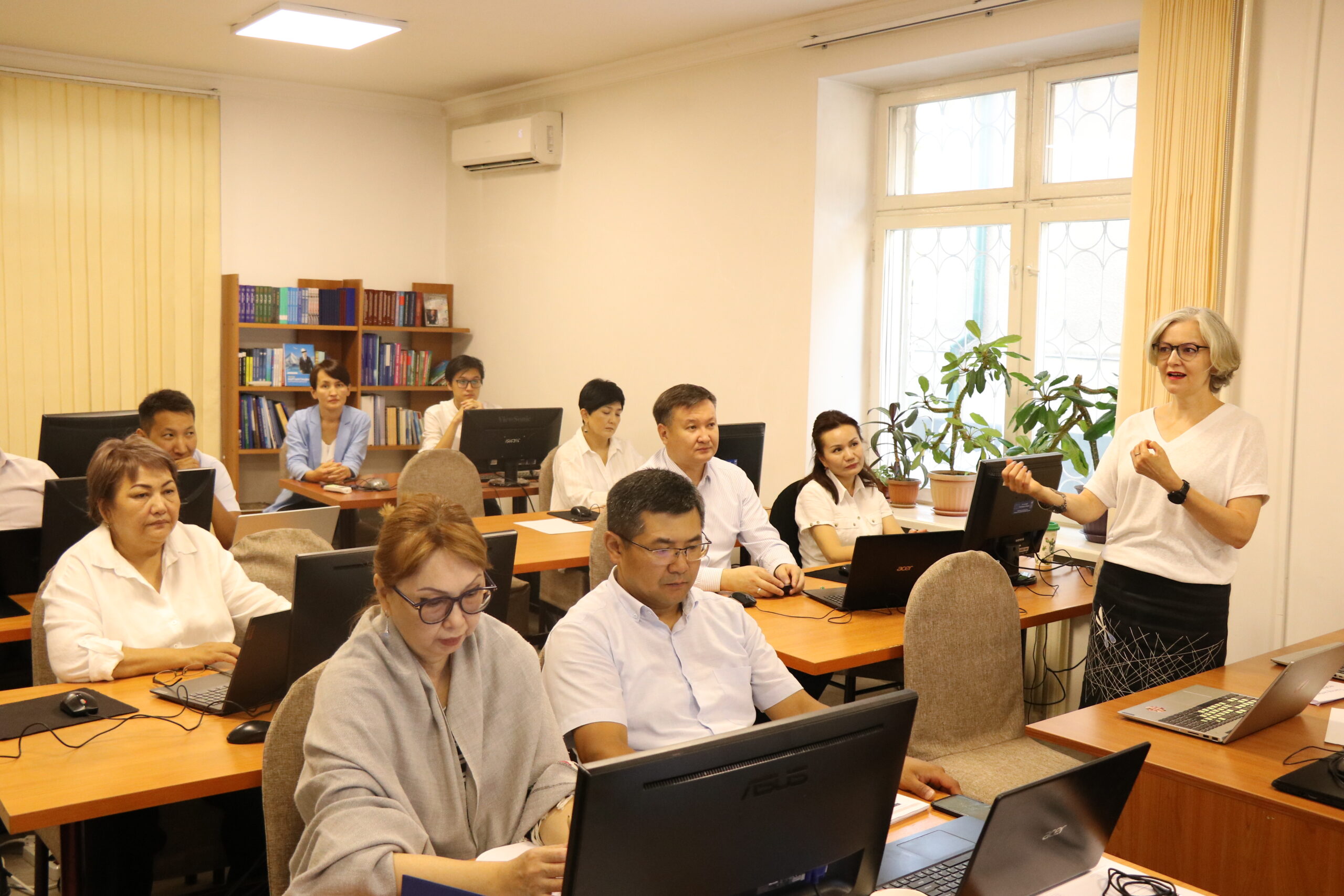
SAI Kyrgyzstan is enhancing audit quality of compliance, financial, and performance audits by updating ISSAI-compliant methodologies, building capacity of audit staff through trainings and pilot audits conducted based on the updated methodologies.
SAI is aiming on advancing integration of digital audit management tools. The focus is on conducting digital compliance, financial, and performance audits by ensuring more audit processes are supported by IT-solutions, increased use of of CAATs in audits and updating database of findings and recommendations.
This component is implemented in collaboration with IDI pICTure initiative.
CAKR seeks to strengthen collaboration with the he Parliament, the Presidential Administration, the Cabinet of Ministers, the media and the public to improve understanding of audit roles and follow-up on audit findings. A new communications strategy will guide this process, emphasizing dialogue and awareness campaigns.
CAKR aims to strengthen its strategic and internal management framework by updating and aligning internal regulations with ISSAIs and the new law on the Chamber of Accounts. The focus is on optimizing workflows, ensuring balanced workload distribution, and improving efficiency through the implementation of updated internal processes and regulations.
Ensure effective and timely implementation of the project in line with agreed quality, budget, and timelines. Strengthen coordination among all partners to enhance synergy, ensure long-term sustainability and consolidate the CAKR’s institutional transformation.
We in CAKR have high ambitious for serving the country with quality audits. Through the peer partnership with SAI Poland we aim to achieve key priorities of our strategic plan for 2022-2026, and implement key provisions of the Constitutional audit law of 2023.
In our cooperation we will use international standards to improve the quality of audits. This is important as the use of audit standards ensure the reports are an objective source of how public money are spent. This makes the Supreme Audit Institution a trusted reviewer of the government. I sincerely believe we will have a fruitful cooperation where we both will learn and benefit.
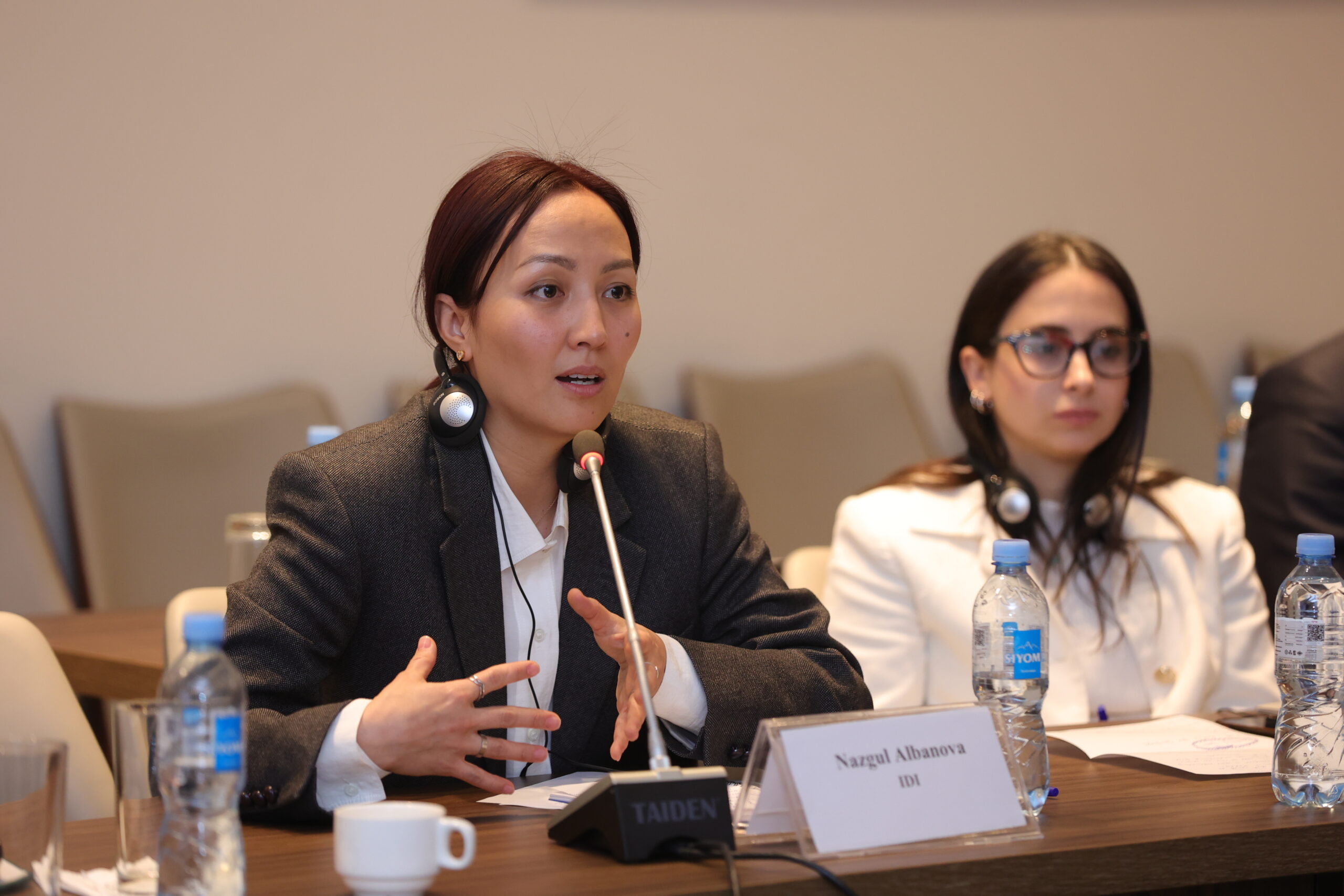
We have a unique way of collaboration in the INTOSAI community, and I think this project is an excellent example of how sister institutions can develop together. We in IDI look forward to playing our role, and making available global resources useful for the partners and provide financial support through the GSAI programme.
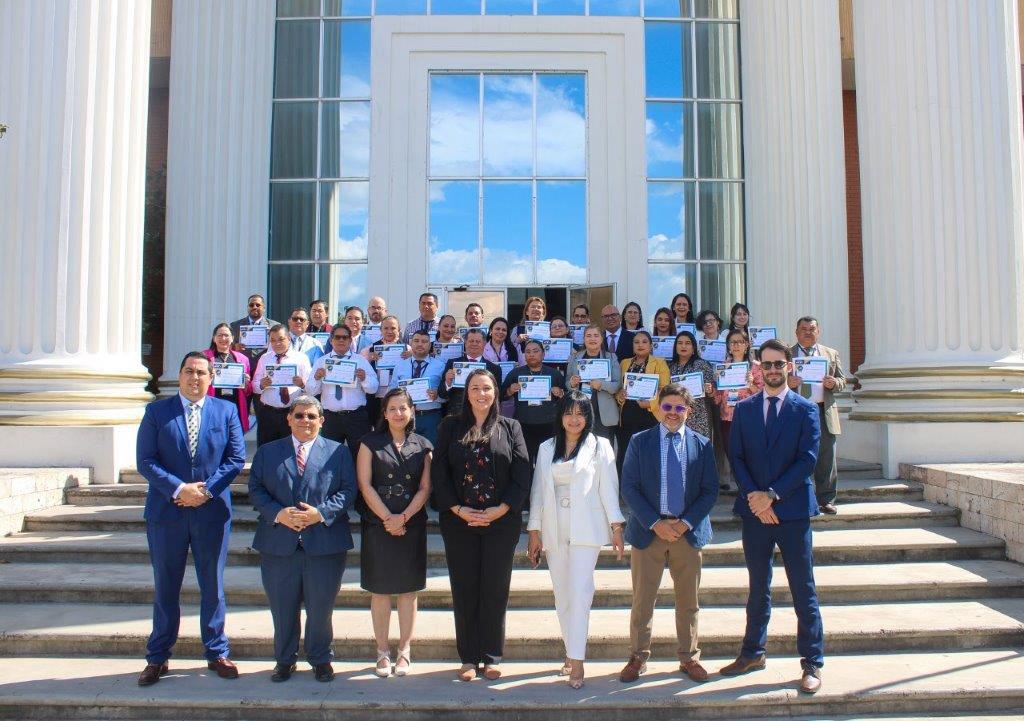
Guided by its 2019–2024 Strategic Plan, the TSC is committed to strengthening public sector accountability, improving audit quality, and promoting a culture of integrity and transparency across government institutions.
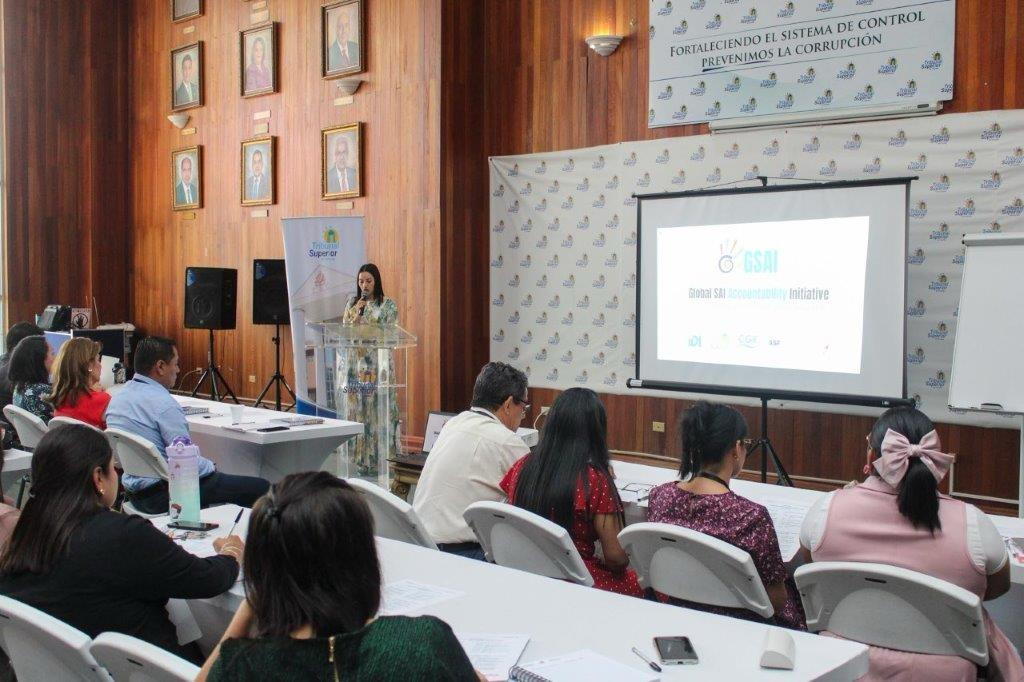
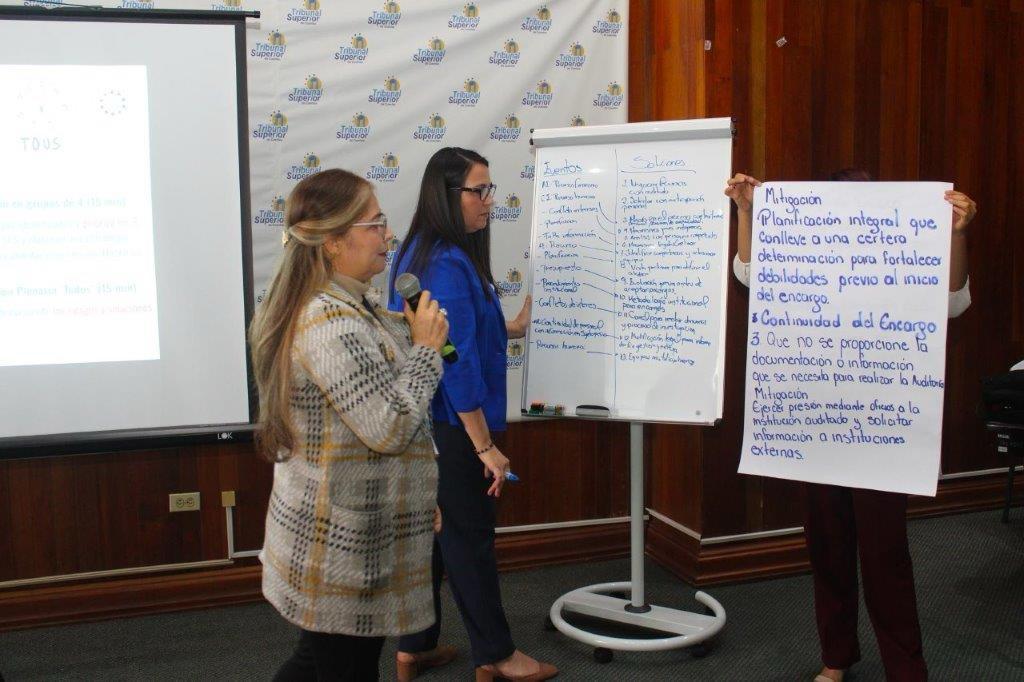
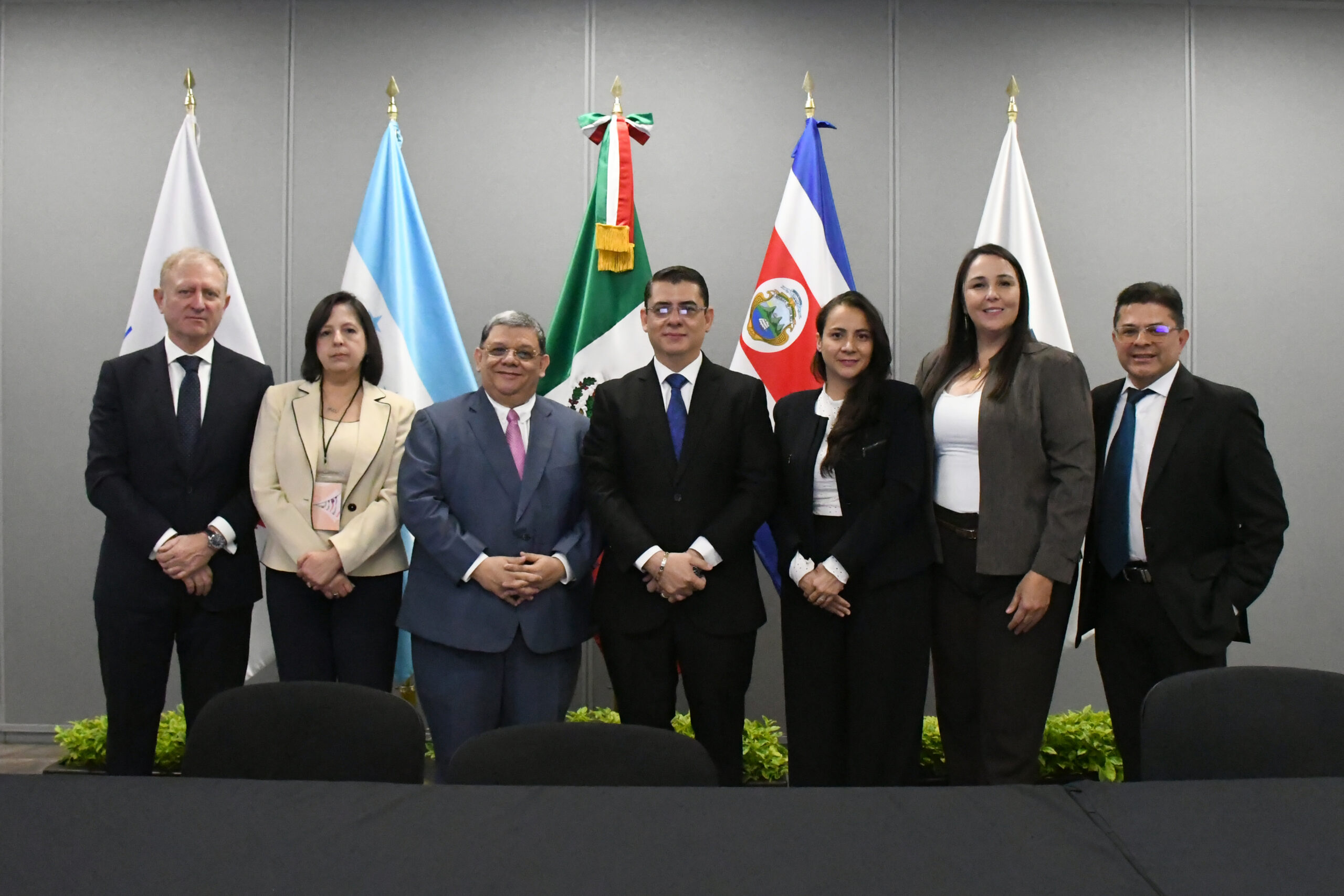
To address these challenges and enhance its institutional performance, the TSC has joined the Global SAI Accountability Initiative (GSAI), launched in 2022 by the INTOSAI–Donor Cooperation and managed by the INTOSAI Development Initiative (IDI). The initiative promotes long-term peer-to-peer cooperation to strengthen SAIs in developing contexts. Under this partnership, the Tribunal Superior de Cuentas (TSC) de Honduras, the Contraloría General de la República de Costa Rica, the Auditoría Superior de la Federación de México, and IDI have agreed on a joint program to build institutional capacity, improve performance, and promote sustainable development in line with Sustainable Development Goal (SDG) 16 on peace, justice, and strong institutions. The GSAI support to Honduras is expected to run through 2025, contributing to lasting institutional reforms and stronger accountability mechanisms.
INTOSAI REGION: OLACEFS
Establish a comprehensive quality management system for audit processes, enhancing control and assurance mechanisms within the TSC. The initiative focuses on improving the internal control environment and implementing quality control and assurance systems to raise institutional performance in line with international standards.
Build institutional capacity and professional competencies across all levels of the TSC. This involves identifying training needs to strengthen staff skills and improve audit performance and public trust.
The GSAI Initiative, through the approach of partner work and peer support, to join efforts in technical and financial matters to strengthen the Comptroller Entity, represents for the Superior Court of Accounts, the opportunity to achieve better standards of compliance and performance in the control and inspection actions that are required by constitutional mandate to carry out, and to bring greater public value to citizens.
It is an honour for the SAI of Costa Rica to have been considered for the GSAI-Honduras project. Within the whole set of challenges that every SAI has, we have sought to identify and prioritize efforts in key and highly relevant components for SAI of Honduras (challenging but achievable), in order to focus the support and gradually seek beneficial results for the Court, for the Honduran society and for the peers that participate; we all learn and we all benefit from the experience, an important premise of this project. We ratify the commitment of the Office of the Comptroller General of the Republic of Costa Rica to support the TSC.
The launch of the GSAI initiative in Honduras is a step forward in achieving new development scenarios for SAIs in the region. As Executive Secretary of OLACEFS I thank all participants in this process, and I wish the Superior Court of Accounts of the Republic of Honduras success in the development of its master plan.