



CASAI – Central Asian SAIs Accountability Initiative
Regional Co-operation through Strong Peer Support
The Central Asian SAIs Accountability Initiative (CASAI) represents the second phase of engagement building on the achievements of the Global SAI Accountability Initiative (GSAI). Drawing on the results, partnerships and lessons generated under GSAI, CASAI moves toward a more tailored and regionally anchored model of support.

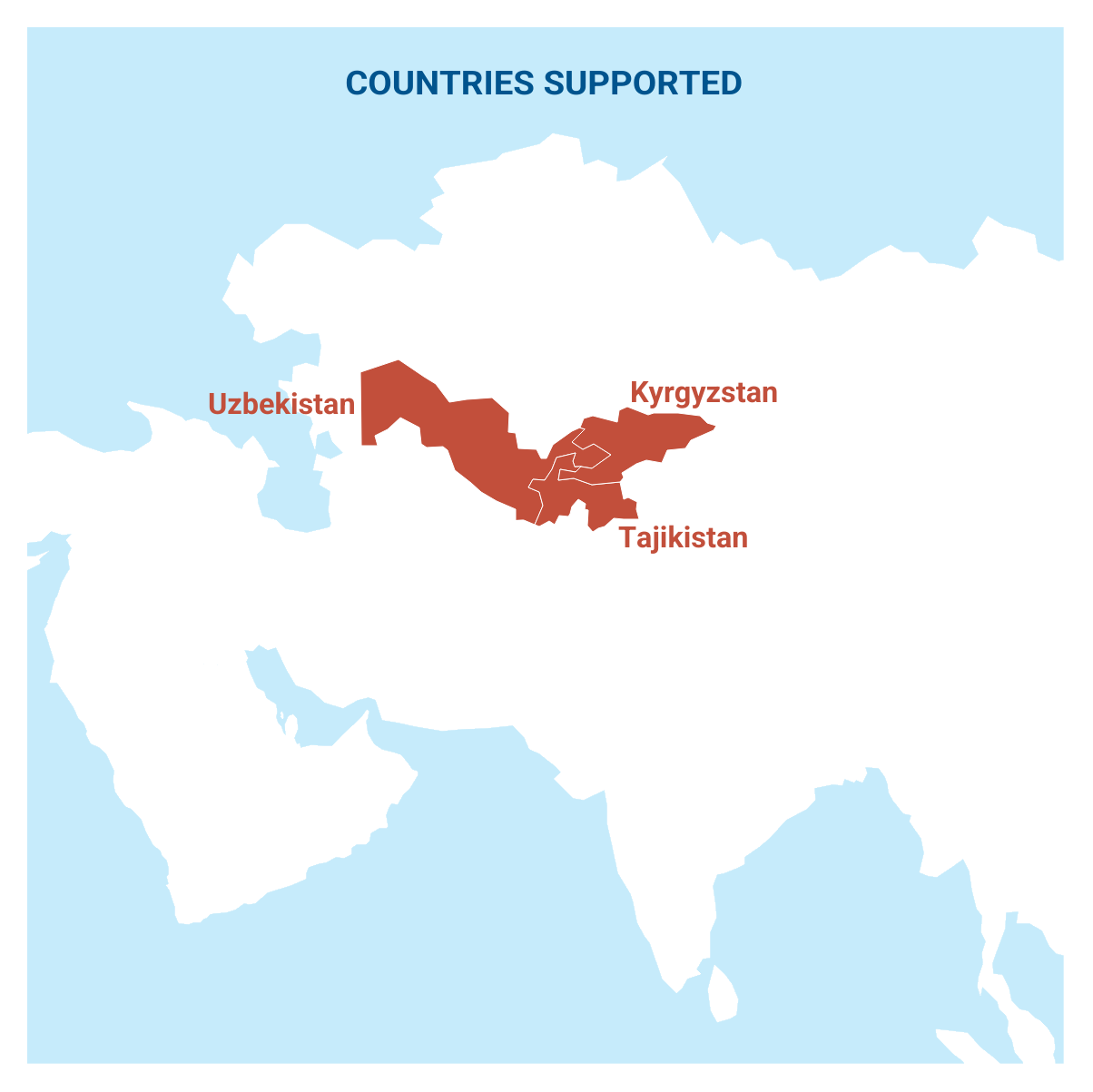
CASAI combines dedicated country-level projects with a regional cooperation platform. Each participating SAI — in Kyrgyzstan, Tajikistan and Uzbekistan — receives long-term, needs-based support aligned with its strategic plan and institutional priorities. At the same time, the initiative fosters peer learning, regional dialogue, and joint reflection on common reform areas, strengthening professional networks and promoting collective progress.
By integrating national capacity development with structured regional exchange, CASAI aims to enhance audit quality, reinforce institutional independence, and contribute to a more resilient and accountable public sector across Central Asia.
In Central Asia, IDI's new initiative is building accountability and trust
In Central Asia, IDI's new initiative is building accountability and trust
Programme Focus and Objectives
Key area 1: Improving audit quality
Improving audit quality and professional practices, including support for compliance with international standards, quality assurance mechanisms, and staff capacity development.
Key area 2: Strengthening strategic management
Strengthening strategic management and SAI governance to ensure alignment between resources, mandates, and long-term institutional goals.
Key area 3: Enhancing stakeholder engagement
Enhancing stakeholder engagement, including effective communication with parliaments, governments, civil society, and development partners to strengthen SAI independence.
Key area 4: Building institutional capacity
Building institutional capacity through peer learning, training, and advisory support tailored to each SAI’s needs.
Key area 5: Supporting digitalisation of audit processes
Supporting digitalisation of audit processes and internal operations to improve efficiency, transparency, and innovation.
Programme Approach

- Partnerships with well-established SAIs,
- Institutional support from peer SAIs and expert networks,
- Regional cooperation and shared learning platforms.
Activities will include a mix of joint regional events and country-specific interventions aligned with each SAI’s strategic plan. A four-year, flexible approach will be used to ensure adaptability to each SAI’s context and evolving priorities.
Why support the SAIs in Central Asia?
SAIs play a vital role in this ecosystem by strengthening accountability, exposing inefficiencies and irregularities, and recommending improvements in public service delivery. This makes them not only key to SDG 16 (Peace, Justice and Strong Institutions) but also critical enablers of broader SDG progress across sectors.
The SAIs of Kyrgyzstan, Tajikistan, and Uzbekistan operate in complex and resource-constrained environments, often with limited access to long-term, coordinated support. Despite these challenges, they have demonstrated a strong commitment to institutional reform and capacity development, particularly in improving audit quality, enhancing strategic management, advancing digitalisation, and strengthening stakeholder engagement. Based on the progress made under GSAI we can see improved stakeholder engagement in both Tajikistan and Kyrgyzstan, where such support was implemented.
Supporting SAIs in Central Asia is therefore both a strategic and timely investment. It ensures that early progress achieved under the GSAI is sustained and scaled, while responding to the unique governance needs of the region. Long-term, peer-based partnerships are essential to enable these SAIs to grow into more resilient institutions capable of fulfilling their mandates and contributing meaningfully to national development goals.
CASAI FUNDING PARTNERS


CASAI Programme Manager

Nazgul Esenbekovna Albanova
SAI Governance