News
IDI Masterclass, Turkey: Fostering Inclusive Leadership Across SAIs Worldwide
27/09/2023
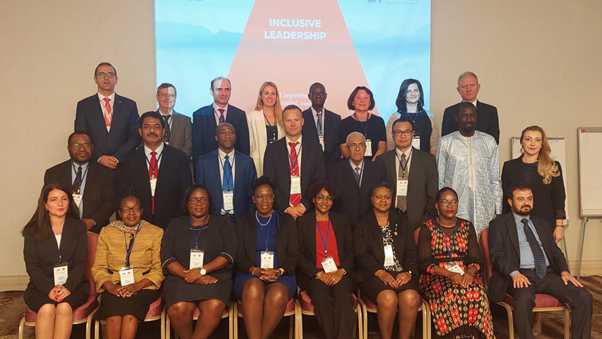
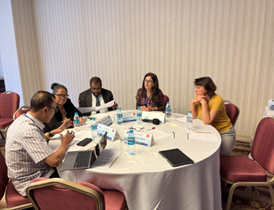
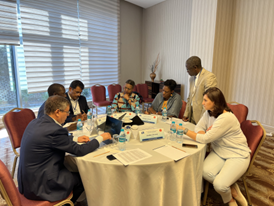
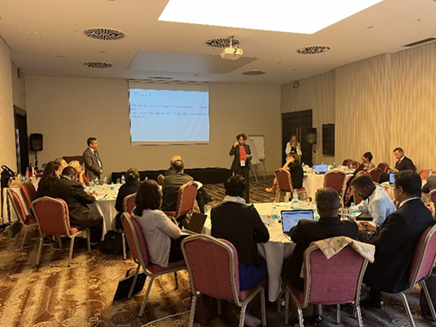
IDI and the Turkish Court of Accounts hosted a transformative Masterclass on Inclusive Leadership, September 19 to 21 in the vibrant city of Istanbul. Coverage by George Phiri
The Inclusive Leadership Masterclass, attended by 13 esteemed SAI leaders hailing from Jamaica, Montserrat, Papua New Guinea, Tonga, Yemen, Bhutan, Botswana, Kosovo, Zimbabwe, Albania, Lesotho, Türkiye, and The Gambia, was a dynamic forum that brought together SAIs from across the INTOSAI Community.
The SAI leaders gathered to explore the vital concept of inclusive leadership, share their diversity practices, and glean valuable insights from renowned international experts: Virginija Langbakk, a Freelance Consultant renowned for her expertise in EU management and leadership, gender equality, and organizational change; Zamira Grigiene, a visionary strategist known for nurturing talents and creating collaborative, safe learning spaces across international complex environments, and Leonard Matala-Tala, a distinguished law professor specializing in European and French Public Law at IAE Nancy School of Management and IRENEE, University of Lorraine.
Mr. Ola Hoem, Deputy Director General of IDI, opened the Masterclass, underlining that: “In today’s rapidly evolving world, where change is the only constant, organizations and leaders must recognize the tremendous value that diversity brings to the table. Inclusive leadership is not merely a buzzword or a trendy concept; it is a fundamental pillar that drives innovation, fosters collaboration, and creates a positive impact on individuals, teams, and entire communities.”
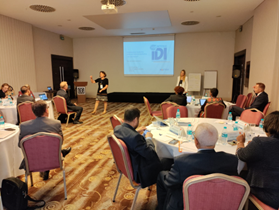
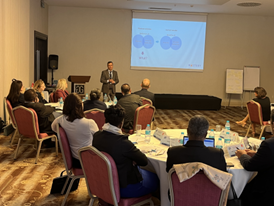
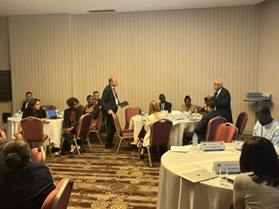
Over the course of three enlightening days, the participants delved deep into the heart of inclusive leadership. They dissected what it truly means and why it is an indispensable facet of successful governance. Furthermore, they openly shared their current diversity and inclusiveness practices within their respective SAIs.
IDI´s upcoming Masterclasses include:
– Masterclass on SAI Independence: October 11-13, 2023 | Paris
– Masterclass on Inclusive Leadership: March-April 2024 | Venue TBD (English, Global)
– Masterclass on Public Financial Management: a foresight exercise: May-June 2024 | Venue TBD (French, Global)
– Masterclass on Transformation – Leading Change: October-November 2024 | Venue TBD (English, Global)
Registration for these masterclasses will be available soon.
For additional information about Mastery, please visit our website at – https://www.idi.no/work-streams/well-governed-sais/mastery
  |
||
  |
||
  |

IDI is delighted to announce the signature of a new five-year funding agreement between SECO and IDI. Building on the success of the previous phase of our cooperation, which focused on supporting the strategic management of Supreme Audit Institutions (SAIs), the new program has a broader scope that encompasses support for SAI governance and SAI independence for stronger public sector accountability and integrity.
SECO will provide a total of 6,9 million Swiss Francs towards the activities of IDI’s Well-Governed and Independence work streams in the period 2023-2028. The funding includes a component on SAI-level support in those areas, including by strengthening their link with civil society organisations. IDI is immensely grateful for SECO’s continued trust and support.
Pictured: SECO’s Head of Operations, Martin Saladin and IDI’s Director-General Einar Gørrissen, together with the program team consisting of IDI’s Dafina Dimitrova and SECO’s Franzisca Spørri and Philippe Brugger


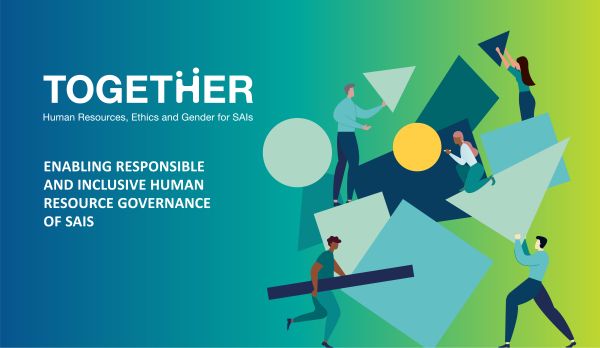

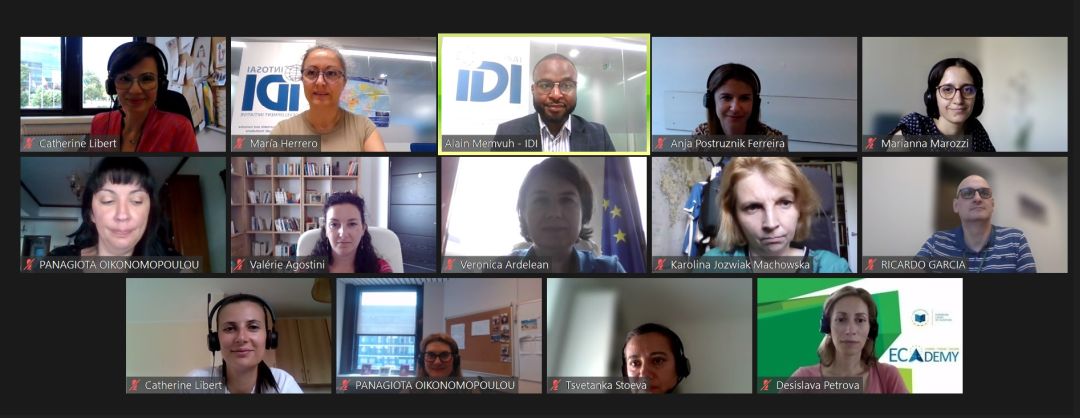
Building on the successful implementation of its pilot phase, the TOGETHER initiative education syllabus on human resource management for SAIs is being offered to other groups. This includes the European Court of Auditor (ECA), with 18 specialized staff enrolled as participants to the eLearning course on HRM Fundamentals for SAIs.
As a supranational audit institution, the ECA also intends to make the most out of its workforce for enhanced performance and impact in achieving its mandate, and therefore sees in the TOGETHER initiative an opportunity to learn from good practices as well as challenges faced by SAIs in governing their HRM systems and processes within their respective contexts.
Over the next weeks, the participants attending the course will review and discuss differents HRM matters in light of their institution’s context: HRM strategy and planning, practices for staff recruitment and onboarding, competence management (both for audit and non-audit staff), performance management, approaches to professional development, inclusion & diversity in managing human resources, ethics, etc.
The learning experience for the 18 ECA participants enrolled in the TOGETHER eLearning Course started with an introductory webinar held on 11 July 2023, where they were introduced to the course background, objective, and structure, as well as the different learning activities and features they will need to undertake for a successful completion of the training.
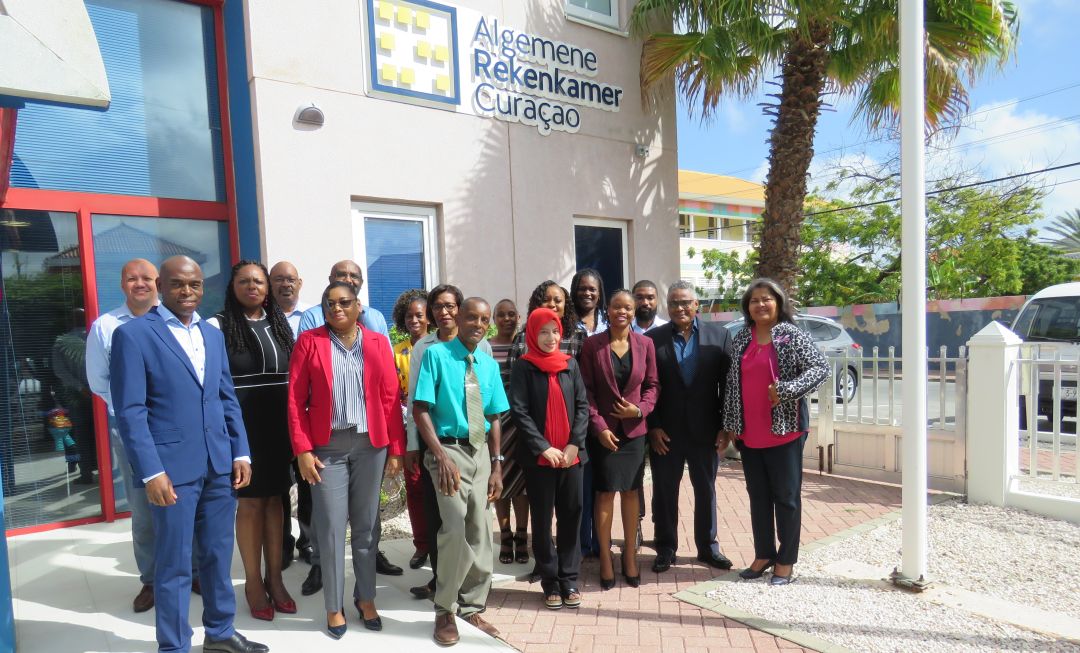
The IDI, in collaboration with the CAROSAI Secretariat, recently conducted a SAI PMF Review Workshop in the CAROSAI Region. This workshop was organized for the SAIs participating in the second round of the IDI-CAROSAI SAI PMF Facilitation Programme. The workshop took place in Curaçao from 3 to 7 July 2023 and was attended by 12 participants. The participating SAIs included Curaçao, Grenada, Montserrat, and St Vincent and the Grenadines.
The main objective of the review workshop was to assess the progress made by the SAIs in their SAI PMF self-assessments, which began with fieldwork in February 2023. Furthermore, the workshop aimed to provide the assessment teams with the necessary knowledge and skills to conduct a root cause analysis and produce a qualitative assessment of the SAIs’ performance. This review workshop plays a crucial role in finalizing the draft performance reports.
Going forward, the assessment teams are expected to revise their draft performance reports based on the guidance provided during the workshop. Additionally, they are required to conduct a root cause analysis of performance and draft a section highlighting key findings and observations on the SAI’s performance and impact.
According to the agreed roadmap, the final performance reports, including an independent review statement issued by the IDI, are anticipated to be completed by 31 October 2023. To ensure high-quality and timely completion, the IDI will continue to offer remote support to the assessment teams throughout the remaining phases of the assessment process.
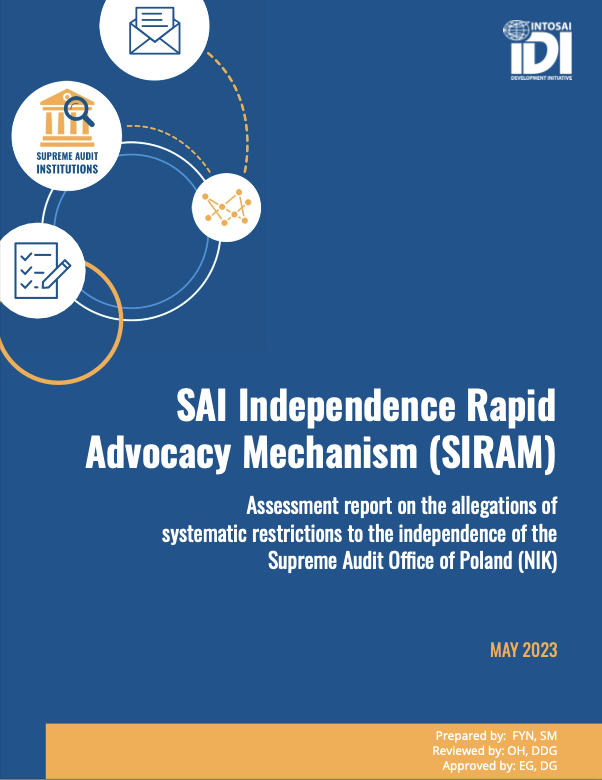
 Independence is a critical prerequisite for any SAI to carry out its mandate. Currently, evidence shows that levels of financial and operational independence within institutions are declining in many parts of the world and institutions remain under threat. Given these realities, SAI Independence has been made a key priority in both INTOSAI and IDI’s Strategic Plans and is high on the agenda of development partners. Using the SAI Independence Rapid Advocacy Mechanism (SIRAM), IDI responds to, addresses, and follows up on threats reported to its SIRAM team in collaboration with affected SAIs, accountability networks, and partners.
On 19 June, in affiliation with SAI Poland, IDI held a joint press conference announcing the upcoming release of its SIRAM report, which confirms independence restrictions were faced by the SAI. With the conclusion of this important SIRAM investigation, IDI now releases its official report detailing the limitations imposed on the Supreme Audit Office.
Having found evidence of undue restrictions and institutional interference within the SAI’s operations, this new SIRAM report outlines the findings and conclusions related to the cases, including documentation taken into account during the investigation. Using the frameworks of the Mexico and Lima Declarations, this report provides valuable insights into the current challenges SAIs’ face in upholding their mandate and ensuring transparency within the public sector. The report also gives an official response from IDI to the threats, reported in 2022, by the SAI. By examining these findings, one can gain a deeper understanding of the obstacles faced in combating corruption and ensuring good governance and accountability.
As more SIRAM cases are finalised, reports will be made available as part of the follow-up stage. To learn more, visit the SAI Independence Resource Centre website or our index of past SIRAM Statements on SAI Independence, which includes a library of these reports. Both resources provide documents with key findings and recommendations, highlighting the importance of promoting good governance practices and protecting the independence of all supreme audit institutions.
The extractives sector plays a significant role in the global economy and, for many developing countries, the effective oversight and resource management of these industries can positively contribute to national development through fiscal revenues, supply chain and employment opportunities, and social investments.
Today, INTOSAI Development Initiative releases its new study, “Strengthening Public Oversight of Extractive Industries through Supreme Audit Institutions: Challenges and Opportunities” to provide an overview of how SAIs can increase extractive industry oversight activities at the country and global level. The study includes findings and raises practical insights regarding SAIs’ legal frameworks and their application to INTOSAI’ independence principles. In addition, the conclusions and appendices address concrete actions SAIs and other stakeholders can take to improve extractive sector governance and identify key partners for taking action using a multistakeholder approach.
The study, which collected responses from 25 SAIs across three different INTOSAI regions, shares solutions and action points tailored to SAIs and actors in the accountability ecosystem to foster better collaboration and increased transparency of oil, gas, mining, and broader extractive industries- including entry points for SAIs to partner with EI transparency leader, Extractive Industries Transparency Initiative. Critically, SAI Independence must be protected and maintained so that SAIs can effectively carry out their mandate as the main oversight actors of state and private sector-driven extractive activities.
By reading this study, one will gain a better understanding of 1) the opportunities and challenges SAIs’ face in the technical management and follow-through of extractive industry auditing, 2) how to leverage and build partnerships for improved oversight, and 3) the benefits of creating coalitions to advocate for and strengthen SAI independence.
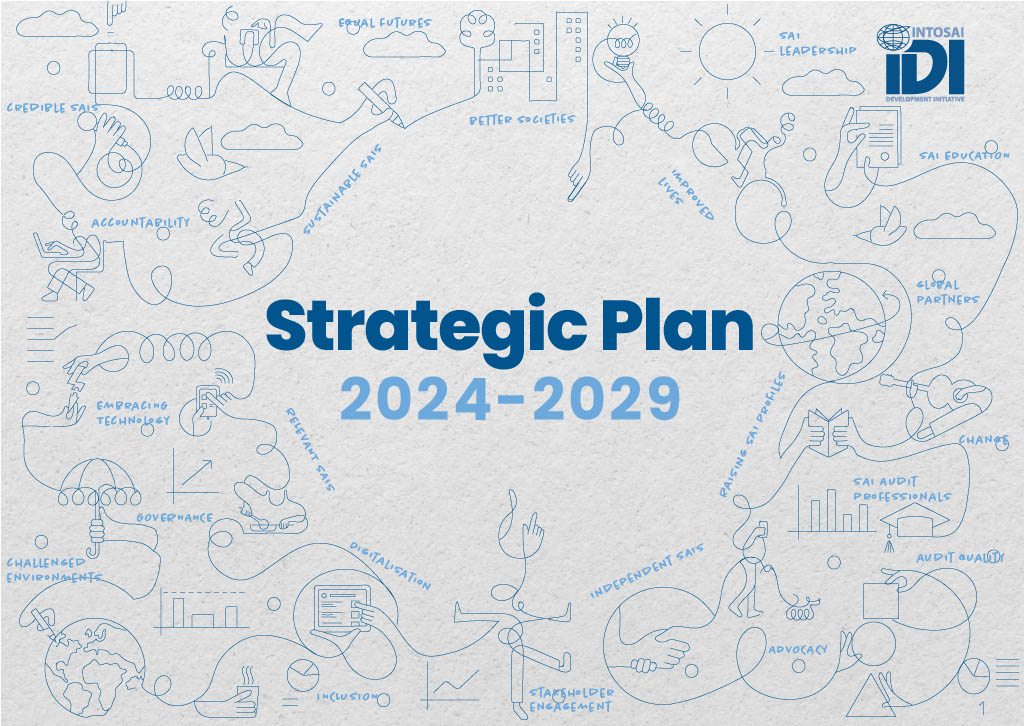
IDI’s new Strategic Plan 2024-2029 builds on previous success, but brings in new focus such as more predictable and long-term support to SAIs.
IDI has a new Strategic Plan 2024-2029. It is a plan that continues to build on previous success but brings in new focus such as more predictable and long-term support to Supreme Audit Institutions (SAIs).
The IDI Board approved the Plan in its June Board meeting following broad consultations between IDI and relevant stakeholders and strong involvement of the IDI Board.
Through its six existing work streams, IDI will continue to support SAIs in becoming more independent, well-governed, professional and relevant while also applying a gender and inclusion lens. The six work streams will contribute to three new strategic priorities in the Strategic Plan: Sustainability, Digitalisation and Public Trust in SAIs.
Einar Gørrissen, Director General of IDI, is excited about the new Strategic Plan: “This Strategy builds on years of IDI experience in supporting SAIs, enhancing their capacities and performance. At the same time, it makes sure we bring in new considerations and perspectives. What is also prevalent in the coming six years is a strong focus on more predictable and long-term services – something our partners rightly expect, and we will deliver on. One example of such long-term services will be our scaleable “Centre for SAI Audit Professionals”.
The Board also discussed an outline portfolio and a financial plan for the first three years of the Strategic Plan.
In addition, the Board approved updates to the Operational Plan and Budget for 2023 and nominated two new Board members who will replace Ms. Helena Lindberg and Mr. Agus Joko Pramono once their terms expire.
Minutes of the Board meeting, the revised Operational Plan and Budget 2023 and the new IDI Strategic Plan 2024-2029 will be published on IDI’s website. The new Strategic Plan will be published on the website in all four IDI languages in autumn (northern hemisphere) 2023.


XVI IDC Sterring Committee Meeting 2023: Major Donors and Supreme Audit Institutions Reinforce International Partnership to Enhance Accountability and Public Financial Management in Developing Countries The leadership of the INTOSAI Donor Cooperation met with the Steering Committee in Kingston, Jamaica on June 20-21 and agreed on a plan to further enhance accountability and public financial management throughout the world. [1] The leadership includes the World Bank, Global Affairs Canada, the General Court of Audit of Saudi Arabia, the United States Government Accountability Office, and the INTOSAI Development Initiative. The Auditor General of Jamaica, Pamela Monroe Ellis, hosted the meeting of the INTOSAI Donor Cooperation Steering Committee and the INTOSAI Capacity Building Committee. Founded in 2009, the cooperation is a strategic partnership between INTOSAI and 23 international donors that helps Supreme Audit Institutions in developing countries fulfill their mandates to serve their governments and citizens. Since its inception, the cooperation has enhanced public financial management and accountability by: Providing tens of millions of US dollars in funding and technical support to over 100 supreme audit institutions, Initiating a Global Stocktaking Survey and Report to better understand the development needs of Supreme Audit Institutions, Implementing a performance measurement framework to help Supreme Audit Institutions gauge their capacity development needs, Enhancing the use of globally recognized standards to increase confidence in the findings of audit organizations, and Assessing and addressing threats to the independent operation of Supreme Audit Institutions, including appointing a Goodwill Ambassador, the Honorable Helen Clark, former Prime Minister of New Zealand. Among other things, the Kingston agreement committed members to increase funding for Supreme Audit Organizations, advocate for their independent operation, and raise awareness among key stakeholders. According to Arturo Herrera, Global Director of Governance at the World Bank, “Supreme Audit Institutions play an important role in ensuring the transparency and accountability of countries’ public financial management. Emerging challenges over the last several years, from climate change to the pandemic, and opportunities stemming from technological advances, require that these audit institutions adapt by expanding their scope and skills.” Dr. Hussam Alangari, President of the General Court of Audit of the Kingdom of Saudi Arabia and Chair of the Cooperation, said, “It has been nearly 15 years since the establishment of this noble initiative. In collaboration with partners and stakeholders, we are very pleased to see our collective impact in helping peer audit offices and the INTOSAI community. It is time we reflect on these achievements and take additional action to continuously improve the cooperation’s strategic implementation.” Gene Dodaro, Comptroller General of the United States and head of the United States Government Accountability Office stated: “I am very pleased that this agreement will build on the INTOSAI Donor Cooperation’s strong track record of success in enhancing accountability in developing countries. Specifically, the agreement will increase financial and technical support to help national audit offices improve governance, and ensure transparency and accountability over funds provided by others for the economic and social development of their countries.” The new Donor Vice-Chair, Mathieu Lafreniere from Global Affairs Canada mentioned that “Canada is happy to step into the IDC leadership. One of my top priorities is to provide a new impetus to this great and unique cooperation. A concrete action we will take in the very near future is to implement an outreach strategy to expand involvement and mobilize support for audit institutions in developing countries.” Einar Gørrissen, Director General of the INTOSAI Development Initiative said, “I’m confident this approach will help audit institutions increase transparency, accountability, and sound public financial management for the benefit of their governments and citizens.” For more information, please contact Mr. Gørrissen, at einar.gorrissen@idi.no
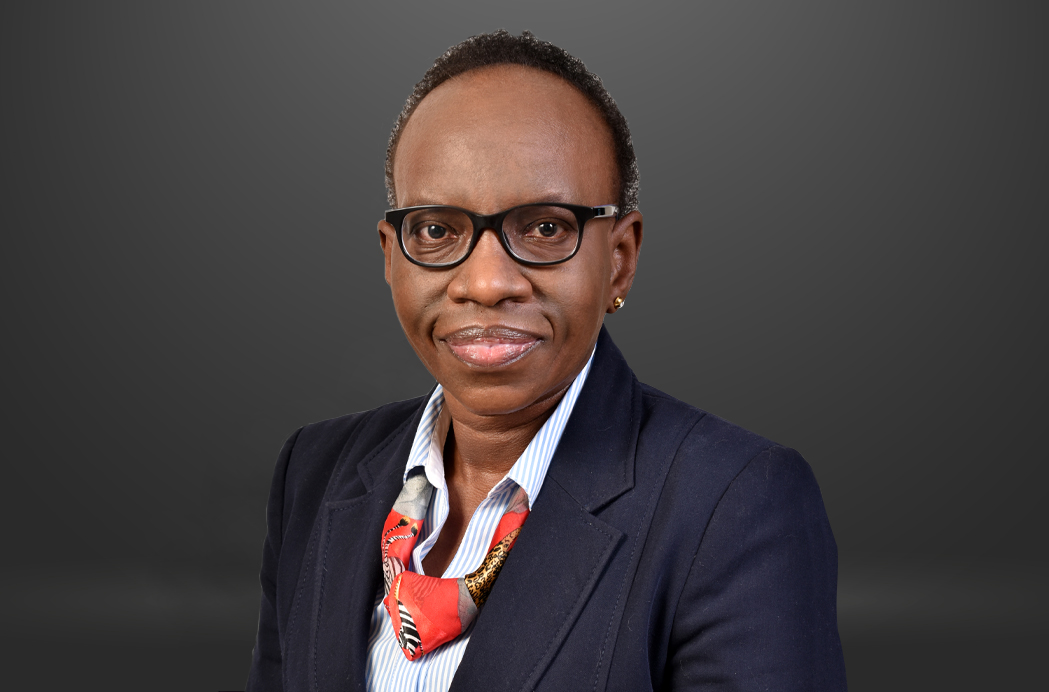
We’re delighted to feature the head of SAI Kenya, Ms. Nancy Gathungu, in our ‘Meet the Board’ interview
Ms. Nancy Gathungu is the Auditor-General of the Republic of Kenya. She was appointed to the position on July 17, 2020. Holder of a Master’s degree in Business Administration (Strategic Management) and Bachelor’s degree in Commerce (Accounting), Ms Gathungu is currently pursuing a Doctoral Degree (PhD) in Business Administration (Strategic Management). She has more than 27 years’ experience in public sector auditing, Quality Assurance and Information Technology audit.
Prior to her appointment, she served as Director of Audit and provided leadership in various Directorates at the Office of the Auditor General, Kenya, namely Quality Assurance, Forensic Audit, IT Audit, and Learning and Development. She was also Head of Internal Audit at Kenyatta National Hospital, the largest public referral and teaching hospital in Kenya. Ms. Gathungu is a certified member and trainer with the Institute of Certified Public Accountants of Kenya (ICPAK), a Certified Information Systems Auditor (CISA) and a member of Association of Women Accountants in Kenya (AWAK) where she mentors young female accountants.
Nancy Gathungu served as Vice Chairperson of the African Organisation of Supreme Audit Institutions – English Speaking (AFROSAI-E) before being elected as Chair in 2023, and she is also Chair of the AFROSAI Technical and Institutional Capacity Building Committee. She is a facilitator, resource person and peer reviewer in audit process, risk management and governance as well as public finance management, communications, ethics and integrity. She has handled various high-level assignments for AFROSAI-E and INTOSAI Development Initiative (IDI).
Indeed, independence of SAIs is a global challenge and the IDI Global SAI Stocktaking reports continue to indicate that this is so. The AFROSAI-E’s State of the Region: Institutional Capacity Building Framework (ICBF) Self-Assessment Report, 2021 shows a 4-percentage drop in the Independence and Legal Framework domain from 2020 to 2021. This is an indication that independence is a point of concern in the region, and this calls for urgent interventions.
As a priority for the AFROSAI Region, it is one of the Strategic Priority objectives in the 2022-2026 Strategic Plan. At the AFROSAI-E level, we are passionate about ensuring that our members become more independent. It should not be lost on us that the degree of SAIs’ independence varies based on the environments in which SAIs operate. One of the strategies we have adopted is robust stakeholder engagement and advocacy that would focus on creating awareness on the importance of SAI Independence. This engagement targets Civil Society Organisations, Professional Bodies, the Media and Parliament, to give and sustain a voice on SAI Independence, with a call-to-action to influence legal reforms. We have also identified the political actors who are key to enhancing SAI independence. The African Union is a key partner for SAIs and we want to use the platform to amplify the voice of SAIs. We have also agreed to identify eminent personalities within the region to become goodwill ambassadors to SAIs.
In times of crisis, and particularly to earn their space in independence, SAIs should demonstrate their relevance by conducting audits on issues that are topical in the moment to add value to public debate. IDI can therefore offer support in conducting audits in times of such crises and facilitate training of SAI staff on this. Additionally, SAIs can open dialogue with government officials on the benefits of the independence of SAIs especially in crisis situations. This dialogue can be amplified by Civil Society Organisations and the media. IDI can therefore facilitate a vibrant engagement with these stakeholders for this purpose.
We are grateful for the support from IDI and for offering us an opportunity to peer-support the SAIs of both South Sudan and The Gambia. This has been a learning experience for SAI Kenya especially in understanding that it is important not to leave no one behind, and that we need all SAI voices to influence change in our governments.
One of the take-aways is the need to understand the context in which the SAIs operate, in order to give effective support. This includes assessment of internal capabilities and creating teams and networks to work towards a common goal. IDI can involve peers as external resources to offer coaching and act as guides on the sides, while giving the SAIs being supported an opportunity to drive the process. IDI should therefore expose peers to training on Problem-Driven Iterative Approach for effective engagement.
IDI facilitates a good many peer-to-peer support arrangements and this is something SAI Kenya very much encourages. From our experience, IDI can also be instrumental in ensuring SAIs deliver impactful audits that bring positive change to the lives of citizens.
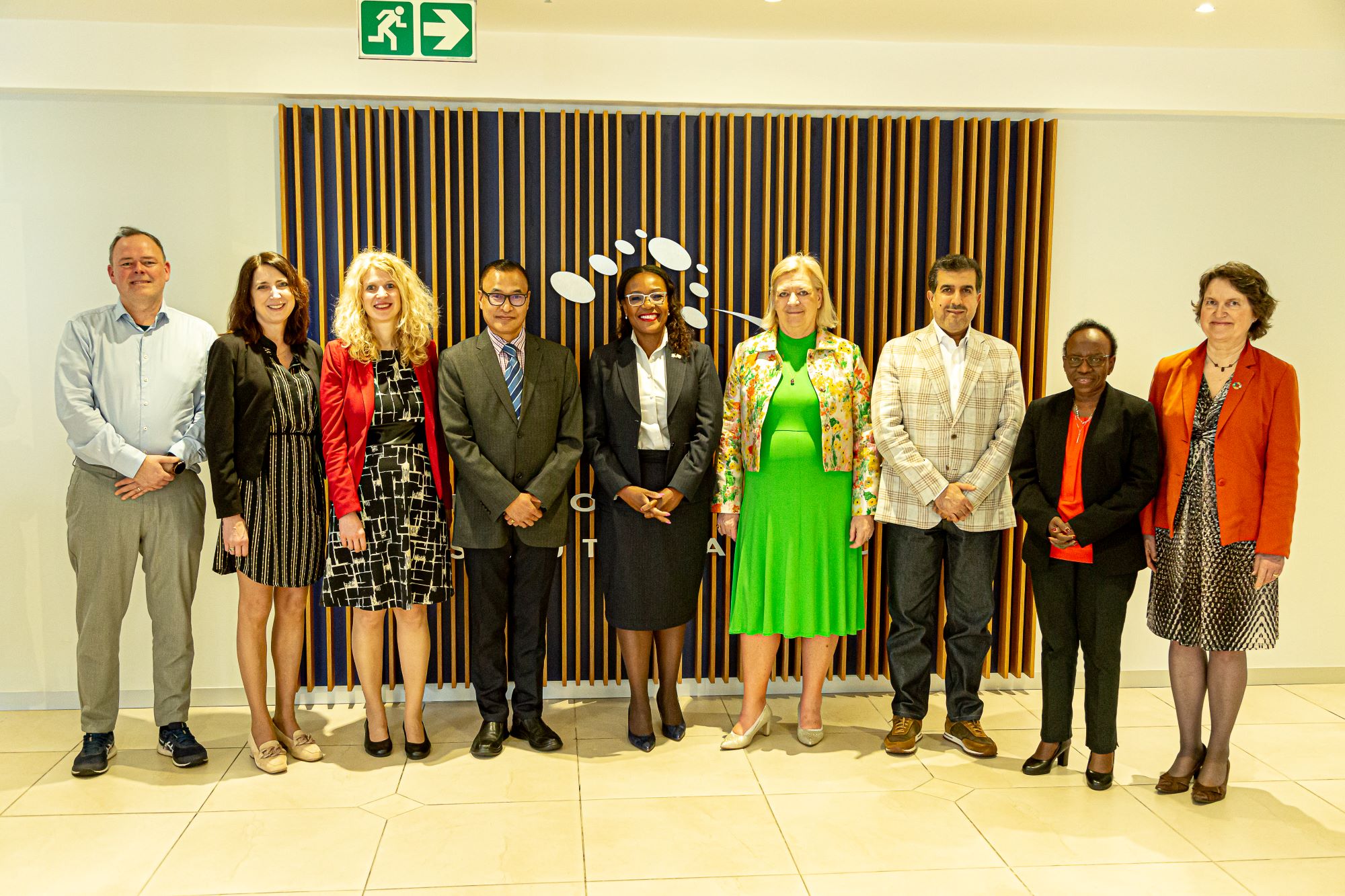

We are delighted to invite you to an exceptional event that brings together leaders, experts, and practitioners in the field of innovation and inclusion. SAI Innovations Framing Webinar, will take place online via Zoom on June 20th at 3pm (Oslo Time).
The event will consist of two roundtable conversations, each lasting 90 minutes, total 3 hours.
Simultaneous interpretation will be provided in four languages: English, Spanish, French, and Arabic.
The webinar will offer a platform for participants to explore ideas on various innovative approaches. By learning from one another’s experiences, we can collectively enhance audit practices that promote innovation and inclusion. Together, we can drive positive change in our respective organizations and communities!
To register for SAI Innovations, please visit
https://zoom.us/webinar/register/WN_cVseWlXrR4yub4bUzhRirA
We look forward to your valuable presence at SAI Innovations as we embark on this inspiring journey of inclusion and innovation.