News
CREFIAF SPMR Knowledge Sharing Workshop – SAIs reflect and share experiences on support received over the last four years in Strategic Management
01/06/2023

CREFIAF SPMR Knowledge Sharing Workshop – SAIs reflect and share experiences on support received over the last four years in Strategic Management From 8 to 12 May 2023, the five SAIs from Sub-Saharan Africa that are participating to the SPMR initiative gathered in Abidjan, Côte d’Ivoire, for the closing activity organised for the French-speaking group under the 1st round of the intervention, launched in CREFIAF region in 2019. The objective of the workshop was to provide an opportunity for SAIs to reflect on the outcomes of their participation in this long-term initiative aimed at improving SAI governance for increased performance. The workshop was based on interactive exchanges on participating SAIs’ achievement through the received support, how did it affect positively their strategic management practices, and what could be considered for improving the delivery and the impact of such an initiative in the future. The workshop combined plenary discussions with group work sessions in SAIs teams. A significant focus was put on having a multiple – perspective conversation on the outcomes, the challenges and the perspectives related to applying the different stages of the SAI strategic management cycle and framework throughout the SPMR initiative. Compared to previous SPMR events which they attended under the same intervention, during this final workshop the SAIs of Cameroon, Cabo Verde, Comoros, Côte d’Ivoire, and Chad had a more active role. Participants generously shared their own perspectives and reflections on the process followed throughout the initiative and its results. SAIs teams expressed and demonstrated a particular engagement in sharing their experiences with e.g., assessing their current situation based on the SAI PMF, developing strategic and operational plans, and building robust implementation, monitoring, and reporting processes as per the SPMR methodology, in light of their different constraints and institutional arrangements. The workshop was also the opportunity to factor in the perspective of other capacity development providers that are engaging with the same SAIs in the region in different areas that also have implications on the SAIs’ strategic management process. The intention was to get their perspectives on the SPMR approach, and to hear their own experience on critical questions such as seeking alignment of the support offered with SAIs’ priorities and context, etc. The Court of Accounts of Côte d’Ivoire offered a wide media coverage of the event, and of the SPMR initiative in gerenal. The SPMR initiative supports the whole strategic management cycle of the participating SAIs over the course of four years and is supported by the Swiss Secretariat for the Economy (SECO). Based on available resources, needs and interest, CREFIAF SAIs will be offered participation in another round of the SPMR initiative from the end of 2023. IDI will then seek to factor in relevant lessons learned from implementing the first round in the region.
We are excited to announce an upcoming SAI Innovations Marketplace event on “Audit on Information Technology and Audit Management System – SITA” presented by our colleagues from SAI Kosovo.
We would be delighted if you could join us as a valuable participant on:
To reserve your spot for this exclusive webinar, please click on the following registration link:
https://zoom.us/webinar/register/WN_5zRywwLgT6uIEDGZ4PsZdg
After registering, you will receive a confirmation email containing information about joining the webinar.
Webinar Speakers:
We look forward to welcoming you to the webinar and sharing an enriching experience together.
Should you have any questions or require further information, please don’t hesitate to contact us.
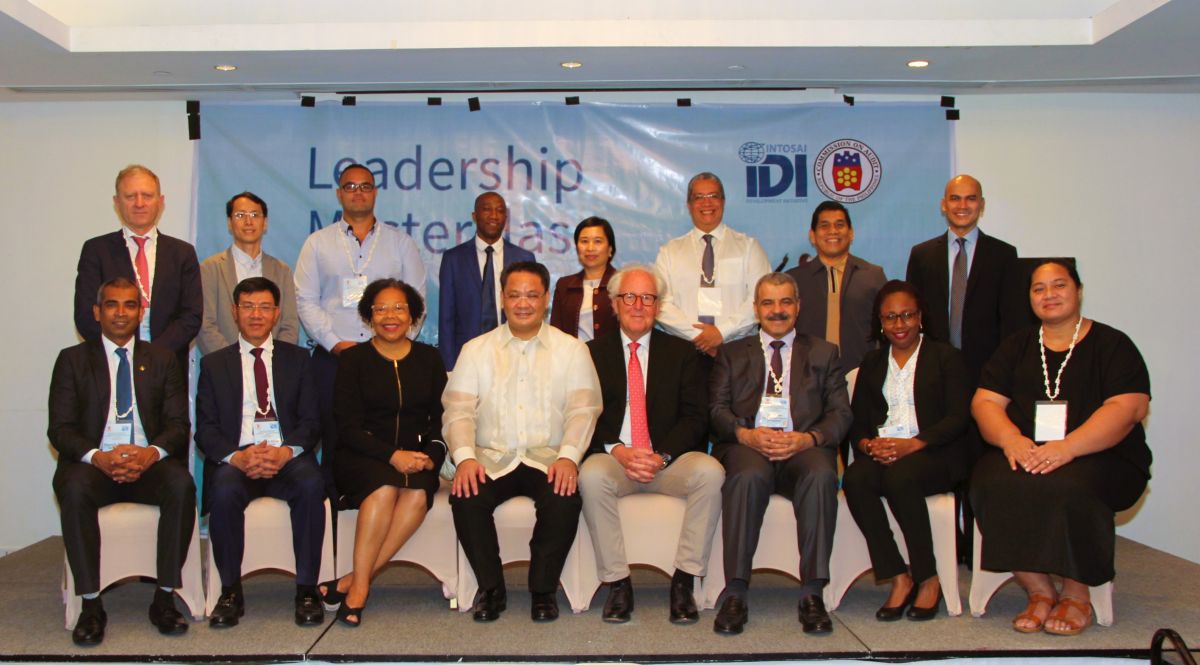

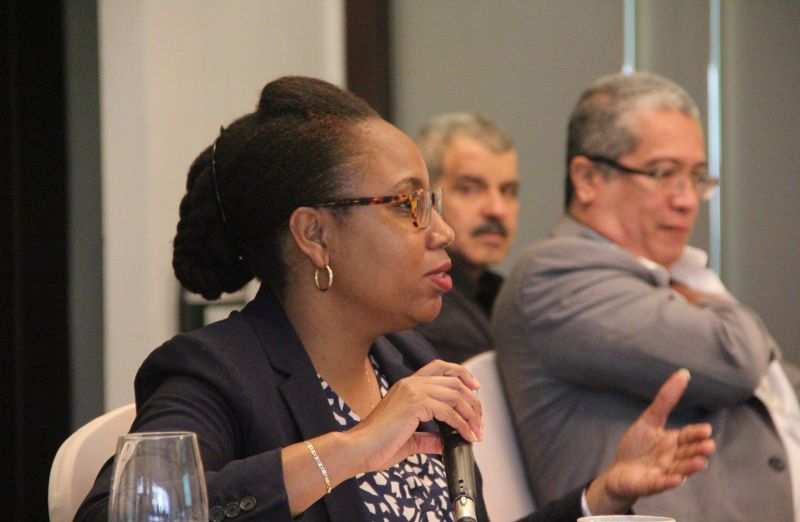
From 3 to 5 May, the INTOSAI Development Initiative (IDI) and the Commission on Audit (COA) of the Philippines, co-hosted a Masterclass on Public Financial Management (PFM) in Manila.
PFM encompasses sound mechanisms for the collection, allocation, and accounting of public resources in the most effective manner. It serves as a crucial tool for navigating and overcoming financial crises while promoting sustainable development. In this regard, Supreme Audit Institutions (SAIs) play a vital role by contributing to the enhanced accountability and assurance in the utilization of public funds, as well as providing recommendations to refine public policies for the benefit of citizens.
During the Masterclass, Einar Gørrissen, Director General of IDI, emphasized that the event would empower SAI leaders to make the necessary decisions in the present to prepare their institutions for the future. The objective is to make SAIs “future-proof,” enabling them to serve society, fulfill their mission, and deliver high-quality services in the long term.
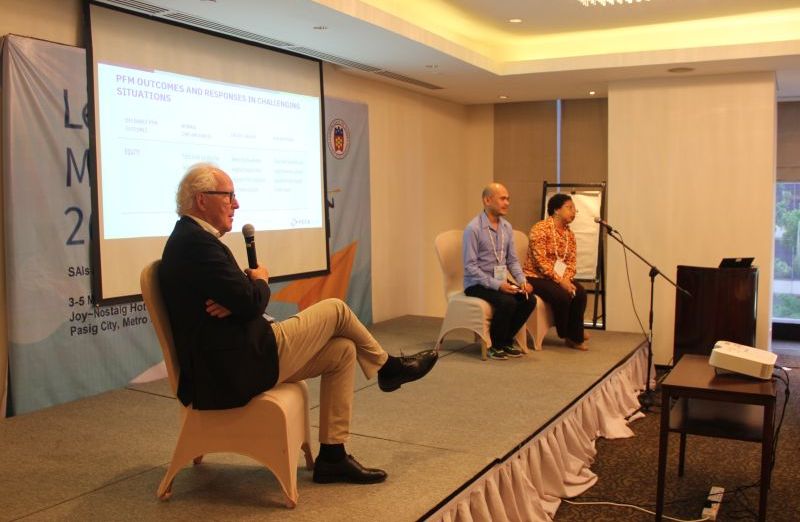
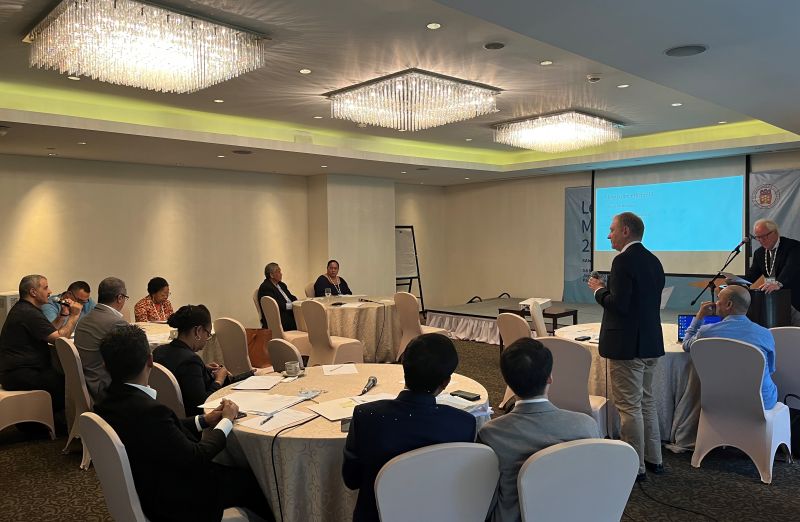
Leaders from 11 SAIs including Tuvalu, Federated States of Micronesia (FSM), Maldives, Solomon Islands, Suriname, Palestine, Vietnam, Cook Islands, St. Kitts and Nevis, and the Philippines participated in the Masterclass. The event facilitated the exchange of knowledge and experiences with esteemed guest speaker Lars Heikensten, Chairman of the Swedish Fiscal Policy Council, as well as experts from prominent organizations such as the World Bank (Tomas Sta. Maria and Patricia Mc Kenzie) and the IMF (Fritz Bachmair and Holger Van Eden). Additionally, senior managers from IDI, George Phiri and Eduardo Ruiz García, were present.
Collectively, they explored future trends, identified risks, and recognized opportunities to ensure the continued relevance of their respective SAIs.
 |
 |
 |
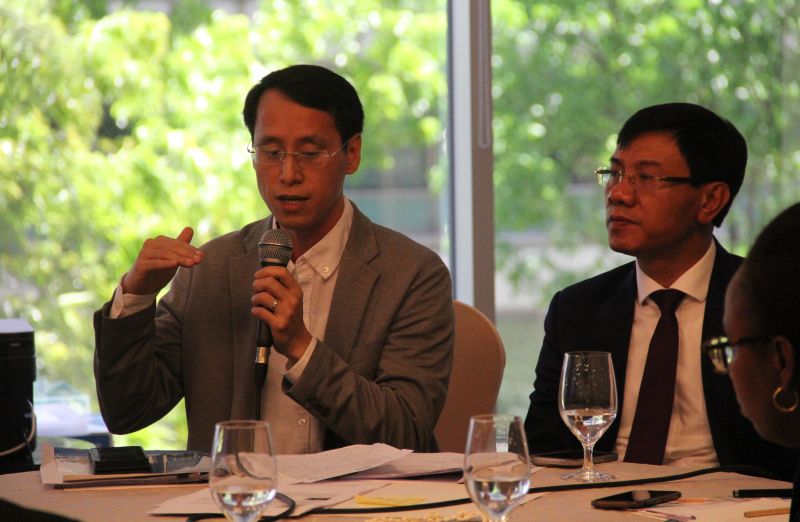 |
The masterclass participants and guest speakers
Within the framework of the MASTERY initiative, IDI has scheduled upcoming Masterclasses that include:
– Masterclass on SAI Inclusive leadership – Istanbul, 19-21 September 2023.
– Masterclass on SAI Independence – Paris, 11-13 October 2023.
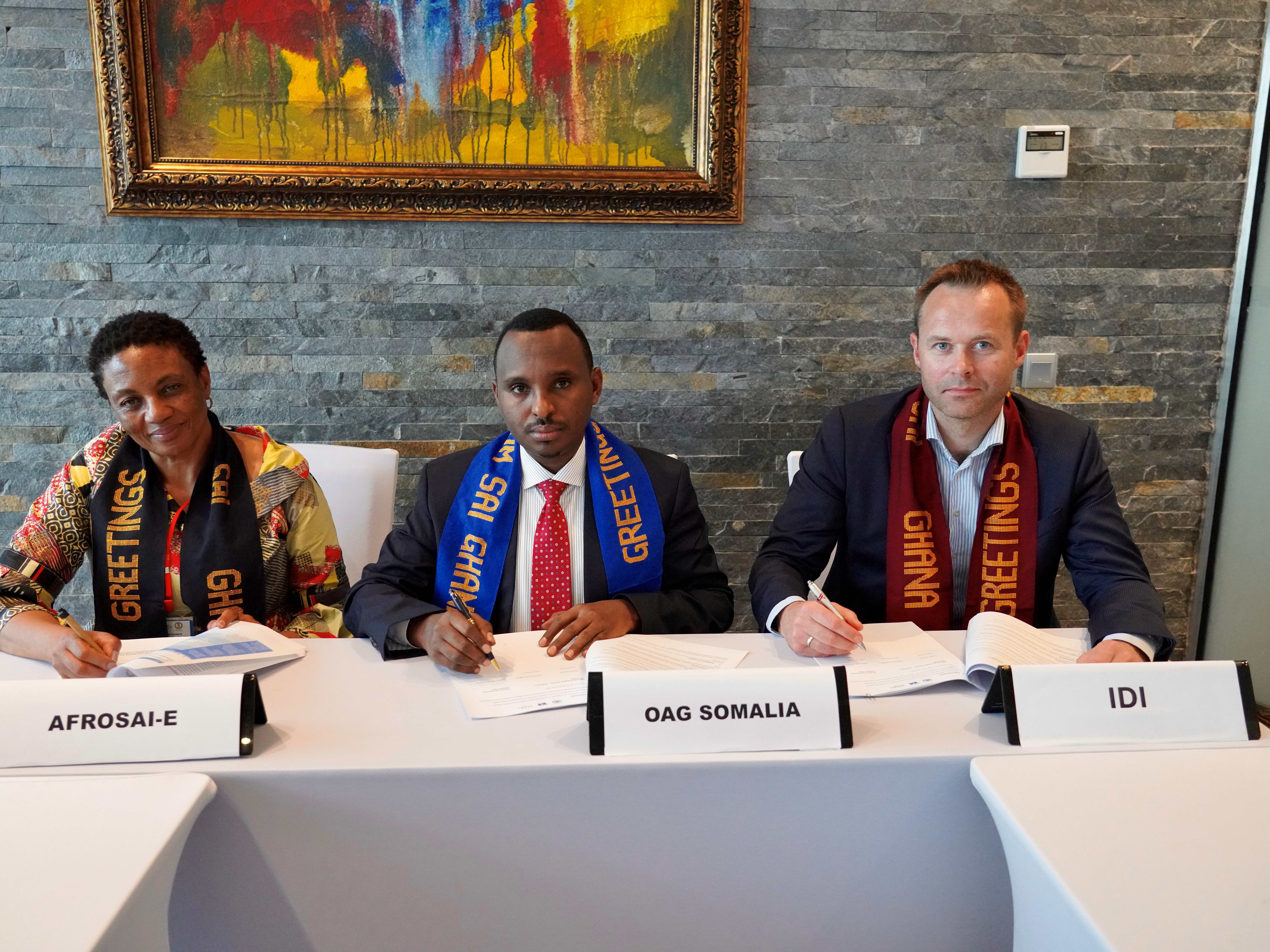
The Auditor General Office of Somalia (OAGS) signed a new Cooperation Agreement with AFROSAI-E and IDI on 9 May 2023
On May 9th, 2023, the Auditor General Office of Somalia (OAGS) signed a new Cooperation Agreement with the African Organization of Supreme Audit Institutions English-speaking (AFROSAI-E) and the INTOSAI Development Initiative (IDI). The signing took place during the AFROSAI-E Strategic Review and 19th Governing Board Meeting held in Accra, Ghana.
The new phase of the OAGS Peer-support Project aims to enable the OAGS to achieve key strategic outputs for 2023 and 2024. These outputs include delivering annual financial and compliance audits, forensic audits, and sharing audit results with key stakeholders. The successful delivery of these strategic outputs is expected to enable the achievement of the OAGS’s strategic outcomes, especially the Parliament playing an active role in follow-up of audit recommendations and improved implementation of audits by the executive. The Royal Norwegian Embassy has provided funding to IDI to cover the costs of the project for this period.
In his remarks at the signing ceremony, the Auditor General of Somalia, H.E Ahmed Isse Gutale expressed his appreciation for the support provided by AFROSAI-E and IDI, which has led to tangible results in all areas under the previous Strategic Plans 2017-2020 and 2021-2022. He emphasised that the new Strategic Plan 2023-2027 is both ambitious and reflective of the progress that the OAGS has achieved over the years, stating “Now more than ever, we need your valuable, continued support.” The OAGS Peer-support Project is seen as an essential tool to successfully implement the OAGS’s strategic goals for the next five years.
AFROSAI-E and IDI assured SAI Somalia of their support to enable OAGS to deliver on the strategic plan. Meisie Nkau, Chief Executive Officer, AFROSAI-E CEO, confirmed that, “From our side, we will help you in delivering your strategic plan and monitor progress. We look forward to assisting your office with greater audit coverage and impact.”
IDI also expressed its commitment to the cooperation agreement. “We are committed to this cooperation agreement and look forward to working with OAGS.”
The signing of the cooperation agreement marks the next chapter of collaboration between OAG Somalia, AFROSAI-E, and IDI to strengthen the OAGS’s role in promoting and ensuring good governance in Somalia and providing value and benefit to Somalia citizens. This partnership is expected to have a positive impact on the OAGS’ ability to carry out its mandate and contribute to building a more transparent and accountable government in Somalia.
For further information about the project, see the IDI SAI Somalia webpage.
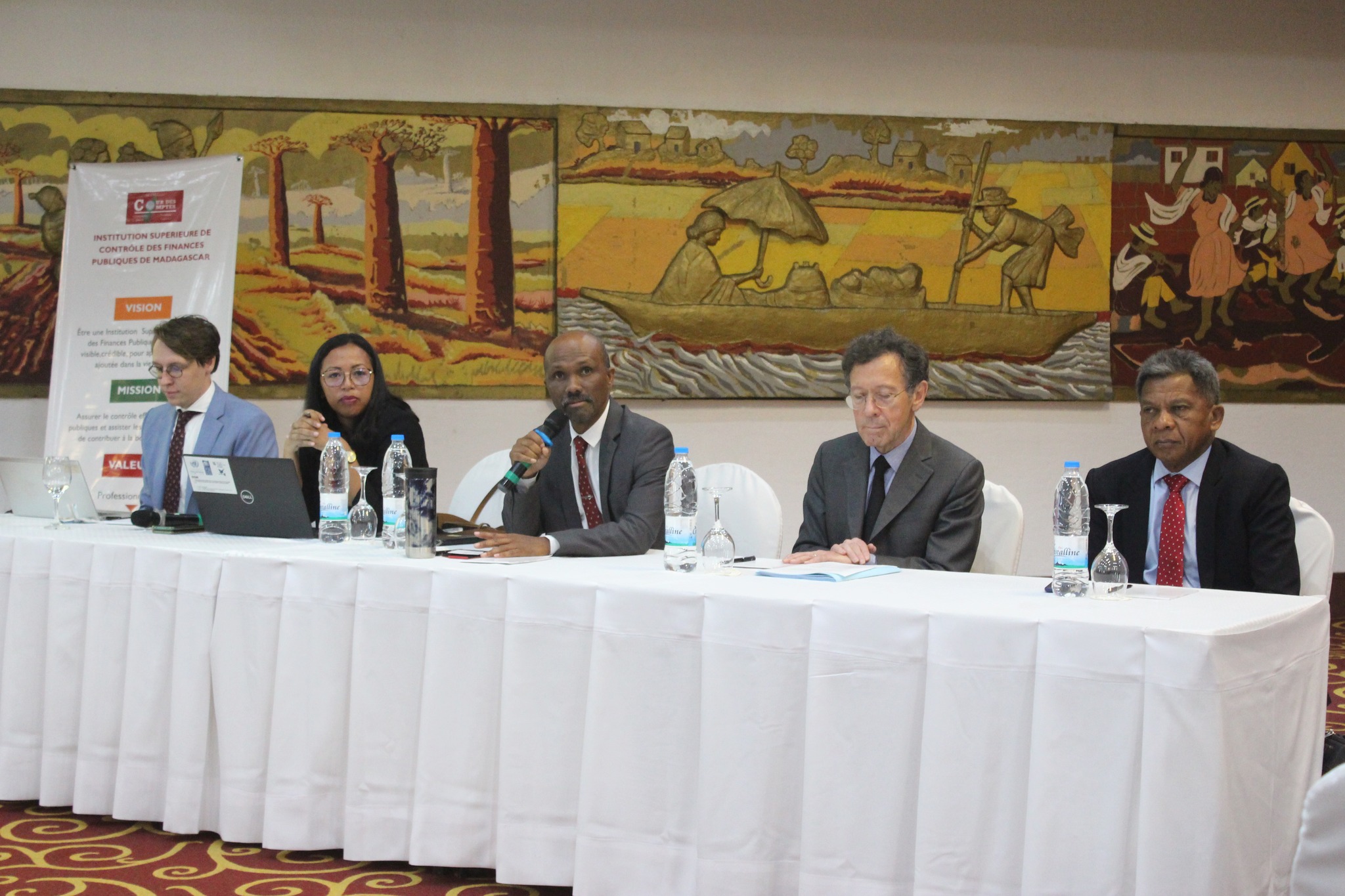
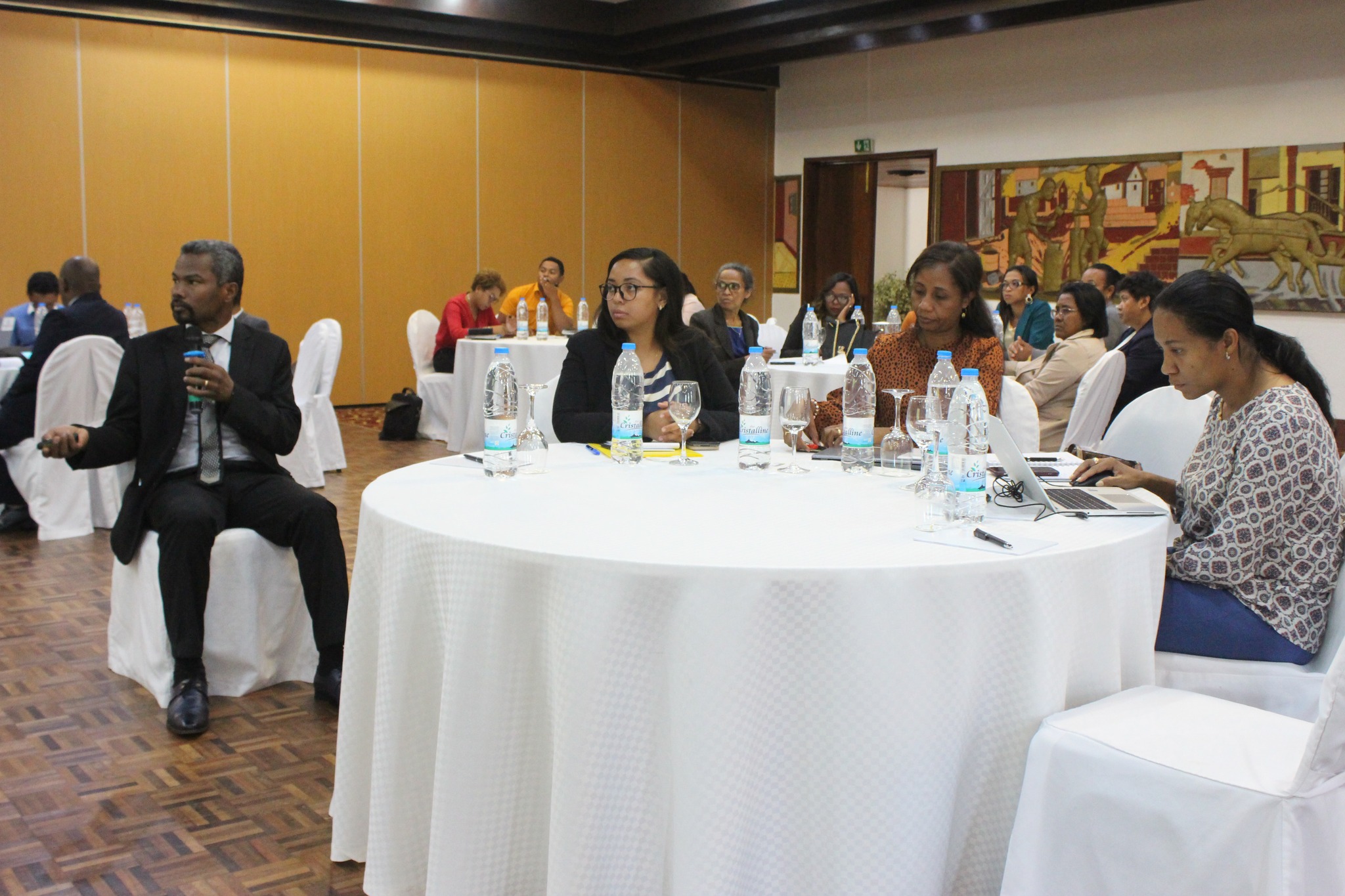
As part of the capacity development project TANTANA, currently funded by USAID and implemented by IDI, the Court of Accounts of Madagascar organised a symposium on the follow-up of its work with representatives from the Courts of Accounts of France and Morocco on 2 May 2023.
Over the last few years, the Court of Accounts has made significant contributions to accountability and transparency in Madagascar, including, amongst others, publishing topical reports on the usage of COVID-19 funds, on the gold mining sector and on waste management. In all its audit reports, the Court includes recommendations aimed at improving accountability and effective management of the state’s resources. As the supreme audit institution, the Court has also gained experience in following up on its audit recommendations and ensuring that improvements are effective— notably on audits of the Madagascar state utility firm JIRAMA and the government’s HR management system AUGURE.

In its 2020-24 Strategic Plan, the Court of Accounts envisaged strengthening its follow-up procedures and publishing more follow-up reports. To do so, the Court intends to clarify and reinforce the roles of prosecutors and auditors, as well as increase its collaboration with other institutions. At the symposium, two experienced magistrates, Honorary President of Chamber, Patrick Lefas from France, and Coordinator of Regional Courts of Accounts, Abdelhafid Bentahar, from Morocco, shared their respective institutions’ practices. Mr. Lefas focused on the technique and results of audit follow-up concerning recommendations issued to audited entities. Mr. Bentahar put another aspect at the center of his contribution, the role of a Court of Accounts in the fight against corruption and different processes of reporting and following up on potential cases of corruption and fraud.
Together, around 70 staff from the Court of Accounts and the Financial Tribunal of Antananarivo followed the presentations and participated in the discussion with their peers. Concluding the event, Hon. Jean de Dieu Rakotondramihamina, First President of the Court of Accounts of Madagascar, said “effective follow-up of audit recommendations will ensure even greater value added to the society by the Court of Accounts. By following up we ensure that our reports are put into action and have an impact on the good governance of the country”.
For more on the work being done in Madagascar, go to IDI’s website
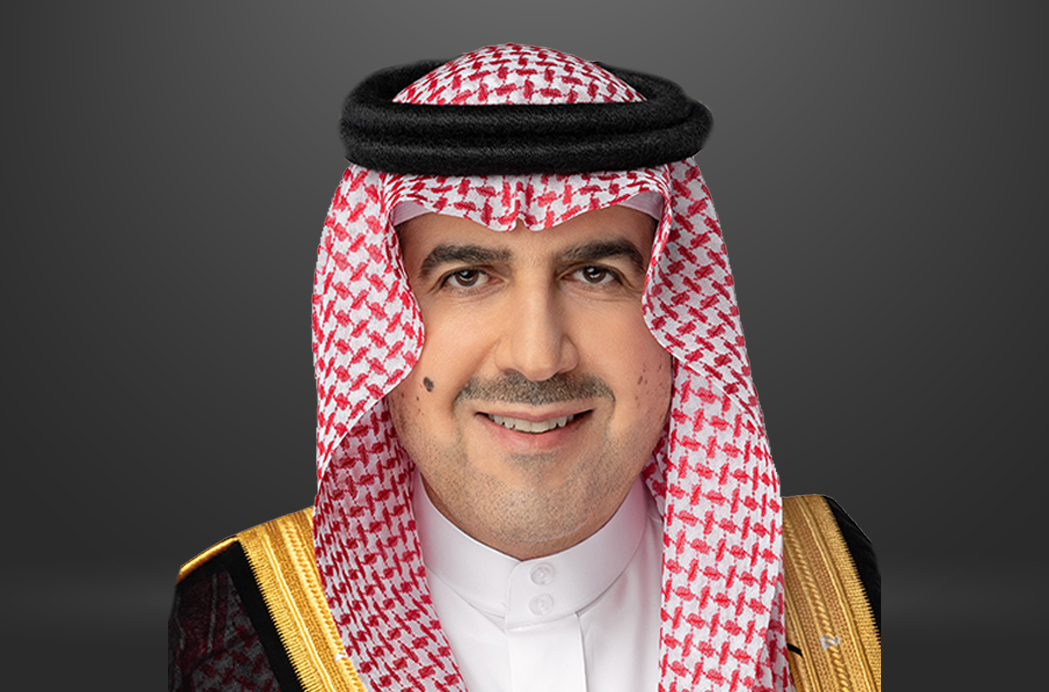
We’re delighted to feature Dr. Hussam Alangari, who was recently appointed to IDI’s Board, in our ‘Meet the Board’ interview
His Excellency Dr. Hussam Abdulmohsen Alangari was appointed by Royal Decree as President of the General Court of Audit (GCA) in May 2016. Within INTOSAI, he is currently the Second-Vice-Chair, Chairman of the Policy, Finance, and Administration Committee (PFAC), and Co-Chair of the INTOSAI-Donor Steering Committee (IDSC). He is also the Chair of ARABOSAI and a member of the ASOSAI Governing Board. In addition, he chairs the Arab Confederation for Institutes of Internal Auditors as well as the Saudi Institute of Internal Auditors (IIA) Board of Directors and is a member of the IIA Global Board of Directors.
Dr. Alangari received his Doctoral Degree in Accounting and Financial Management from the University of Essex in the UK in 2000. In 2008, he was promoted to Full Professorship Rank from King AbdulAziz University in Saudi Arabia, where he has worked as a Lecturer and Academic Scholar as well as Dean of the Faculties of Economics and Administration and of Law.
After his academic career, Dr. Alangari was appointed as a member of Ash-Shura Council (the Saudi Parliament) for four years (2013-2016), during which he was elected Vice-Chair of the Financial Committee for the first two years, and then Chair of the same Committee for the following two years.
Q1. Your SAI, the General Court of Audit of Saudi Arabia, established the Saudi Fund for Improved SAI Performance (FISP) in a time of crisis during COVID-19. Through the fund, SAIs could quickly benefit from grants to address operating issues arising from COVID-19. This was a big success and very welcome. What are your lessons learnt from this experience?
What I have learnt from this initiative is to never underestimate any support provided. No matter how small that support might seem, it will contribute to overall development. In fact, I would like to encourage all my colleagues to support their peer SAIs, whether through their exchange of knowledge and expertise or through peer SAI training, to live up to the INTOSAI motto of “Mutual experience benefits all”.
The other significant lesson learnt from this programme is that, especially during crises, immediate support seems more attractive to SAIs than long term support. The GCA has acted as a donor during the pandemic to provide emergency support based on the needs of each SAI within the specific scope of purchasing technology and IT tools. We had amazing feedback from SAIs on how this support allowed them to resume working during the lockdown or distance restriction, and to develop the technological infrastructure of their SAI which allowed their staff to work from home comfortably and smoothly.
I am very pleased to highlight that Saudi FISP remains available for a third round, and it has indeed – and continues to be – successful. In my role as the GCA President, I am very keen to make a valuable change and contribute fruitfully to the INTOSAI Community. Saudi FISP provides a great contribution and makes valuable changes to SAIs in challenging situations when it is most needed.
Q2. How can we continuously ensure INTOSAI’s active role in matching SAI needs with funding?
There is already a substantial effort being made from IDI and the ID-SC to match SAIs with available funding. This effort should continue and develop to meet SAIs’ needs. For example, SAI PMF assessments of SAIs that are looking for support is beneficial to assess their needs and priorities in an ever-evolving world. In addition to continuous effective communication from IDC and IDI with donors and partners to encourage their engagement and support, I believe we should generate and increase donor interest by engaging them in relevant activities and promoting the importance of funding through the presentation of success stories.
That said, matching donors with SAIs has become quite challenging lately. It occurs to me that this could be due to donors’ interest in focusing on what is essential to contribute to the overall economic development of the country. Therefore, it is essential that we as INTOSAI continue to collaborate to advocate for the importance of having strong SAIs to resist misuse of funds.
The need to protect the economic development of developing countries may encourage donors to support SAIs in becoming operationally fit, to be able to safeguard public money. SAIs should be ahead of the curve to predict and address prominent trends to become a credible SAI. For example, INTOSAI has established many working groups to support SAIs in the highly topical areas of auditing climate change and digitalization, and the GCA has provided support to IDI on the Cooperative Audit of Climate Change Adaptation Actions to help INTOSAI focus their efforts on this emerging challenge. As a result of such initiatives, the need to support SAIs in developing countries with technological infrastructure and environmental auditing is becoming essential.
I believe prioritising the needs in line with the world’s collective challenges, interests, vision and direction will help to match SAIs with donors more rapidly. Thus, INTOSAI should continue to develop and review the needs that are of equal interest to SAIs and donors, and be flexible about the scope and timescales of support if it doesn’t succeed in matching donors and SAIs.
Q3. You have long-term experience in the INTOSAI family. You serve in many different INTOSAI functions: as INTOSAI second vice-chair, the Chair of the Policy, Finance, and Administrative Committee (PFAC), as Co-Chair of the INTOSAI Donor Steering Committee and President of ARABOSAI to name some. How will you bring in this manifold and rich experience to IDI’s Board?
The experience I carry from the roles I have served is in parallel with IDI’s mandate – supporting the capacity development of SAIs in developing countries and challenged SAIs.
I am very familiar with what INTOSAI needs and how it is best served and delivered in order to support SAIs in challenging situations. I am confident that with the experience I hold I can influence and inspire the IDI Board through the knowledge I carry, on how to best support and meet the needs of the SAIs in the INTOSAI community.
Read more ‘Meet the Board’ interviews on IDI’s website – and watch out for our next interview with new Board member, Nancy Gathungu, Auditor-General of Kenya, coming soon.
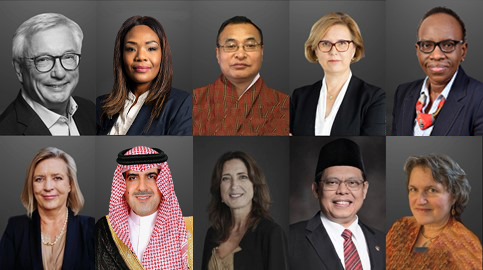
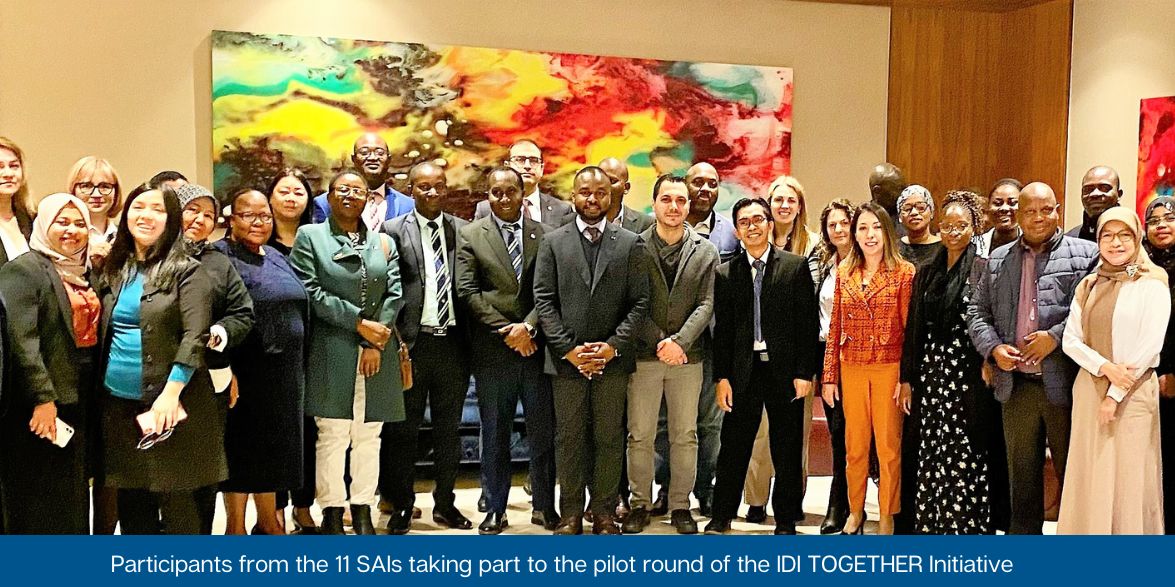
In-depth peer to peer engagement for the pilot group of 11 SAIs from AFROSAI-E, ASOSAI and EUROSAI regions.
Following the 6 weeks eLearning Course on HRM Fundamentals for SAIs which they attended during last quarter of 2022, the 11 SAIs from the cross-regional pilot group of the IDI TOGETHER initiative, gathered in Istanbul from 27 to 31 March 2023. The goal was to finalise the different products that will assist them moving forward in enhancing their human resource governance practices, for an improved SAI professionalism and performance. Country teams from the Royal Audit Authority of Bhutan, the Office of the Auditor General of Botswana, the Audit Office of the Republic of Cyprus, the BPK of Indonesia, the General Audit Commission of Liberia, The National Audit Office of the Gambia, the Audit General’s Office of Maldives, the Office of the Auditor General of Namibia, the Court of Accounts of Moldova, The National Audit Office of Tanzania, and the Court of Accounts of Türkiye, were meeting face-to-face for the first time under the initiative. They used this opportunity, to review and improve their HRM integrated assessments initiated after the eLearning Course. This was done based on a based on a peer-to-peer approach. Throughout the workshop, the 11 SAIs were able to identify and discuss their key strengths and weaknesses in HRM, and on this basis, to discuss context-specific and tailored recommendations to be suggested to SAI leadership for improving their HRM processes and systems. Most prominent priorities identified by SAIs include, among others: pursuing greater HRM autonomy, in dialogue with relevant stakeholders (such as civil service agencies and ministry of finance); for SAIs that currently enjoy greater administrative and organisational autonomy, modernizing their recruitment, selection, and onboarding processes ; reviewing and updating their HRM strategy, in light of the SAI overall strategy ; enhancing competency and skills of staff in charge of HR processes ; establishing employee’s individual development plans that are aligned to a SAI competency framework and SAI organisational professional development plans ; enhancing systems for managing staff performance. During this intensive workshop, action plans were also developed by the different SAIs, for further implementing the priotized HRM recommendations emerging from the integrated review. Based on available resources and SAI request, IDI will over the next months, explore opportunities to support individual SAIs in implementing their HR Governance action plans. Drawing on the SAIs’ action plans, SAI level support will seek to address improvement of overall HRM systems, as well SAIs’ practices regarding ethics management, and mainstreaming inclusion and diversity in HR management. The IDI TOGETHER initiative supports SAIs in areas of Human Resource Governance, Gender, Inclusion, Diversity, and Ethics Management. It is based on an integration of existing approaches and tools from the INTOSAI community in the area of HRM. The initiative design and pilot implementation benefit from the in-kind contribution and expertise from a team of resource people coming from the SAIs of Bhutan, Indonesia, Ghana, France, Ecuador, Brazil, Sweden and from PASAI Secretariat. Adaptation and roll-out in Francophone SAIs will start during the second half of 2023. Download this story as a PDF

IDI is pleased to invite stakeholders to consultations on the draft IDI Strategic Plan 2024-2029. The strategic plan has been developed following a long, participatory process, early stakeholder conversations and heavy engagement by the IDI Board.
The draft strategic plan includes an updated IDI vision of independent, credible and sustainable SAIs for better societies and improved lives. It focuses on three strategic priorities: sustainability, digitalisation and raising SAI profiles, responding to global trends and opportunities faced by SAIs.
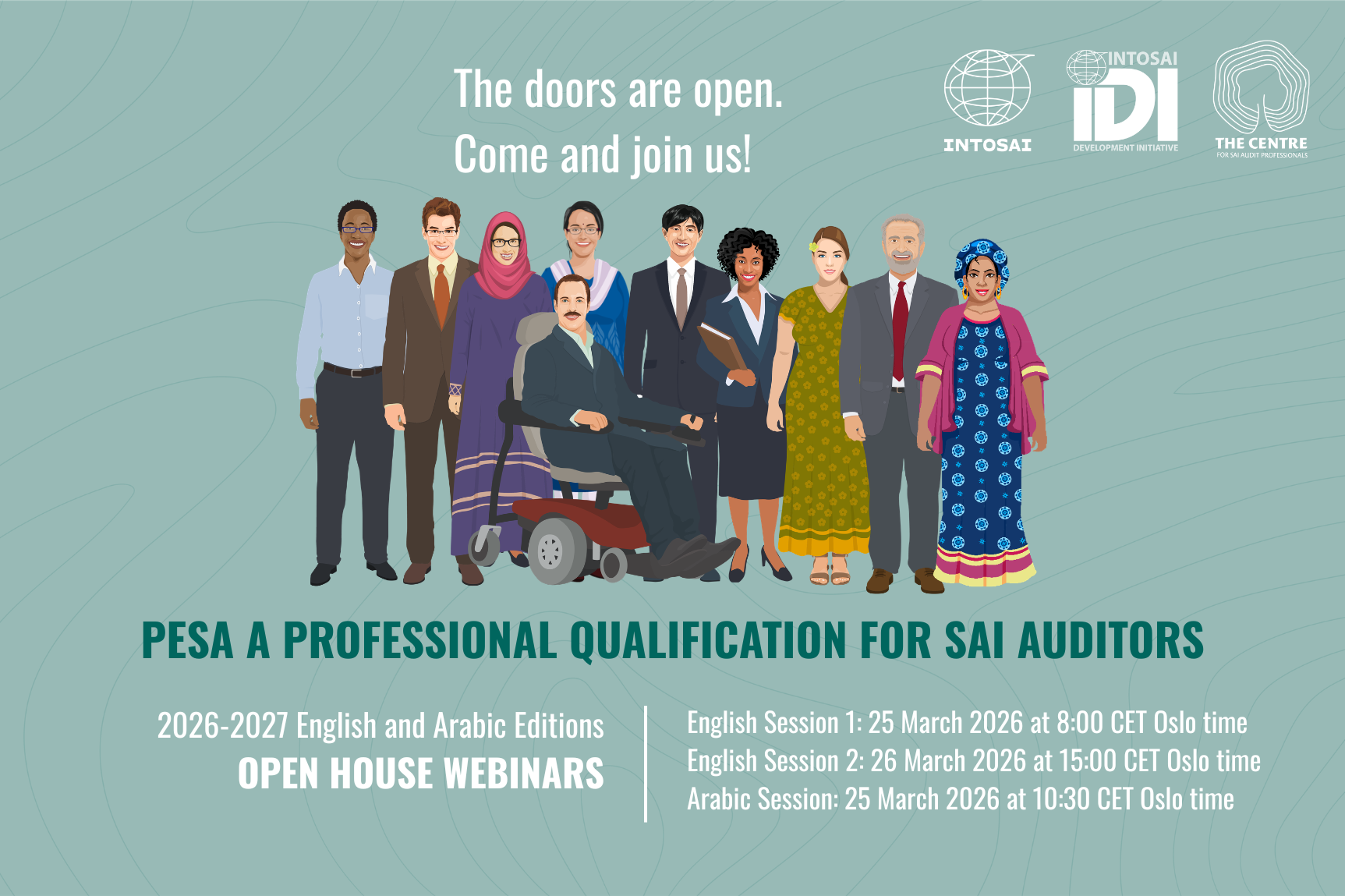
The strategic plan emphasises continuity, building on previous successes. But it also includes some refinements, particularly a focus on developing permanent and predictable support and services on which SAIs can rely. These include a Centre for SAI Audit Professionals, delivering services such as Professional Education for SAI Auditors (PESA) on a regular and predictable basis. IDI also intends to pilot establishment of shared service arrangements to support systems of audit quality management, working with INTOSAI regional bodies as appropriate.
IDI will hold final rounds of consultations with a number of stakeholders across three different dates and time zones. Invitations will be sent to stakeholders shortly.
Please note that the Strategic Plan 2024-2029 will undergo its full design process following consultation. After approval, it will be available on IDI´s Strategic Plan page in different language versions.
The INTOSAI Development Initiative (IDI) is pleased to share the positive findings and conclusions of the mid-term evaluation of its Strategic Plan 2019-2023.
Einar Gørrissen, IDI Director General, commented that “the favorable findings and conclusions of this mid-term evaluation are proof of IDI’s dedicated work and commitment to effectively implement its Strategic Plan. We take the recommendations very seriously and will make sure we address most of them in the upcoming Strategic Plan.”
A team of independent external evaluators structured the evaluation around the OECD DAC evaluation criteria. They concluded that the Strategic Plan “provides for structuring IDI’s Delivery Model aligned to its six priorities with a comprehensive Results Framework and annual monitoring, evaluation and reporting processes”.
The evaluation provided, among others, for a positive assessment related to
The evaluation makes eight strategic and twelve operational recommendations, some of which IDI has already started to implement. However, most of the recommendations with which IDI agreed will be reflected in IDI’s upcoming Strategic Plan 2024-2029.
In a recent Board meeting on 30 March, IDI’s Board approved IDI’s management response to the recommendations of the evaluation.
See here the evaluation report, its annexures and the IDI management response:

Justin Trudeau announces funding to support Supreme Audit institutions (SAIs) during Canada’s second Summit for Democracy on March 29, 2023.
Oslo, Norway, 31 March 2023: In firm recognition of the role played by Auditors General, Courts of Accounts and National Audit Offices in upholding democracy, Justin Trudeau has announced funding of $3,750,000 to support Supreme Audit Institutions (SAIs) during Canada’s second Summit for Democracy on March 29, 2023.
The International Organization of Supreme Audit Institutions (INTOSAI) operates as an umbrella organization for the external government audit community. The project, which will be delivered via the INTOSAI Development Initiative (IDI) (IDI) seeks to build a stronger public external audit function and to enhance the performance of Supreme Audit Institutions (SAIs) in developing countries.
The funding is part of a $50million suite of initiatives that promote and protect democracy at home and abroad. $28 million will be distributed to support the human rights of marginalized communities – particularly women, girls, 2SLGBTQI+ persons, Indigenous Peoples, and religious minorities. Further initiatives upholding the rule of law in support of democracy include grants for robust democratic process and for a free and independent media worldwide.
In his announcement at the Second Summit for Democracy, The Rt. Hon. Justin Trudeau, Prime Minister of Canada stated:
“Today, we joined our international partners in reaffirming our commitment to strengthening democracy. The democracies we are a part of didn’t happen by accident, and they won’t endure without effort. But by continuing to work together, and continuing to show people that their institutions can deliver for them, we can strengthen democracies around the world and create a more prosperous and peaceful world for everyone.”
The Right Hon. Helen Clark, Goodwill Ambassador for SAI Independence for the INTOSAI-Donor Cooperation (IDC), former Prime Minister of New Zealand and former UNDP Administrator, is delighted with the announcement.
“This recognition of the role SAIs play in holding governments to account could not be more timely, necessary or welcome. First, it responds to the erosion of the independence of several supreme audit institutions which both reflects and contributes to a trend of democratic backsliding. Second, it speaks to the ability of supreme audit institutions to contribute to strong governance in critical areas affecting the world’s citizens – not only in the spending of public finances, but also in auditing the impact of governments’ initiatives more broadly.”
As the capacity-building arm of INTOSAI, IDI welcomes the funding to continue and extend its support to supreme audit institutions. Says IDI Director General, Einar Gørrissen:
“Our role in supporting SAIs helps enhance their institutional capacity and their ability to hold governments to account. This contributes to improved financial oversight, public financial management, transparency, accountability, service delivery to citizens, and achievement of the Sustainable Development Goals including gender equality, as well as reduced levels of corruption.”
He continues: “We extend our deep gratitude to the government of Canada for bringing attention and financial support to the critical role played by supreme audit institutions all over the world in underpinning and upholding democracy.”
For more information about IDI’s work go to www.idi.no
ENDS
About us
International Organization of Supreme Audit Institutions (INTOSAI) operates as an umbrella organisation for the external government audit community. It is an autonomous, independent and non-governmental organisation with special consultative status with the Economic and Social Council of the United Nations. The INTOSAI-Donor Cooperation (IDC) mobilises funding from donors to strengthen SAIs, focusing on governance, development and poverty reduction. The INTOSAI Development Initiative (IDI) support SAIs in developing countries to build and strengthen capacity.
Media requests
For IDI comments and media requests contact:
Einar Gørrissen, Director General of IDI, phone 0047 90980987, email einar.gorrissen@idi.no
Jill Marshall, Communications Manager, phone 0064 284086329, email jill.marshall@idi.no
For Helen Clark, Goodwill Ambassador comments and media requests contact:
Kylee Kenrick, Helen Clark’s Executive Assistant, email kylee.kenrick@helenclark.nz
Related material
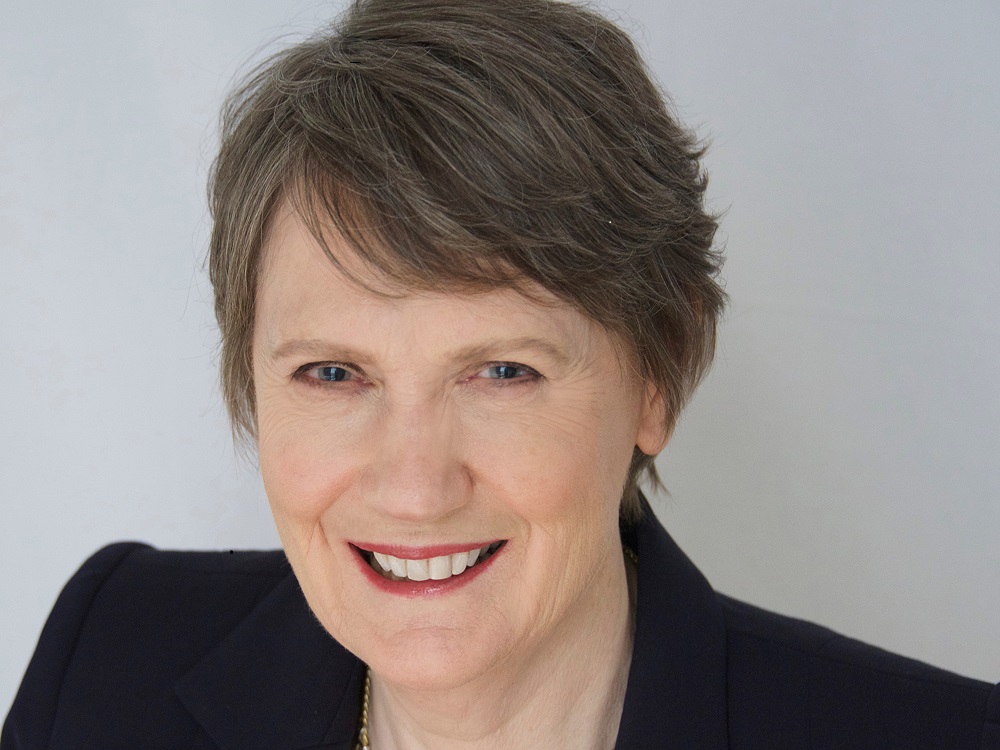
IDC Goodwill Ambassador for SAI Independence, the Right Hon. Helen Clark
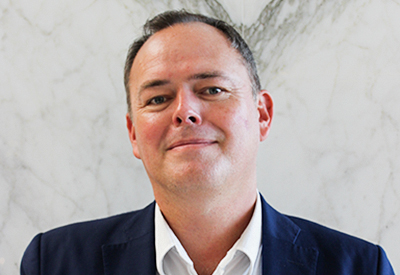
Einar Gørrissen, Director General of the INTOSAI Development Initiative (IDI)