News
Madagascar Court of Accounts Delivers Impact Through Political Transition
20/11/2025
For Immediate Release
November 20, 2025, Oslo, Norway A recent change in government in Madagascar has the public Court of Accounts taking on a full state audit within 90 days. Supreme Audit Institutions (SAIs) – such as the Court of Accounts of Madagascar – play a crucial role in government oversight in developing countries. They have the mandate to highlight mismanagement or sources of corruption – the same issues that triggered the recent political transition.
“We have the trust, mandate, and enthusiasm to take on this daunting task,” said President of the Court of Accounts of Madagascar, Jean de Dieu Rakotondramihamina. “It is our sole focus at the moment to deliver the results and oversight that the government needs to serve the people.”
The main challenge facing the Court of Accounts is resources. Historically limited government funding, combined with more recent drops in development partner support, have made it difficult for the SAI to take on a task of this magnitude.
“The Court is confident that it can complete the task,” said Einar Gørrissen, Director General of the INTOSAI Development Initiative (IDI). “Especially during this transition, we want to be sure that they have the tools and resources to continue to act as a cornerstone of democracy.”
Since 2020, IDI, through the INTOSAI-Donor Cooperation (IDC), has worked closely with Madagascar’s Court of Accounts. Its support, along with key partners (USA, Switzerland, Canada, France, Morocco, and Norway) helped to strengthen the institution’s credibility as a trustworthy and independent audit body capable of delivering meaningful results even during periods of political unrest. The new government’s decision to entrust the Court of Accounts with an all-of-government audit shows that it recognises the institution as a relevant and credible actor.
Continued support from development partners will be essential to ensuring that the Court of Accounts can fulfil its mandate effectively during this critical period and for the future.
For media enquiries:
INTOSAI Development Initiative:
Carolyn LILLEHOVDE (carolyn.lillehovde@idi.no, +47 900 71 207)
Tasiha ANDRIAMBELO (tasiha.andriambelo@idi.no, +261 34 63 711 41)
Madagascar Court of Accounts:
Harifidy Hasina RANDRIANARISON (presse@ccomptes.mg, +261 34 04 869 54)
***********************************************************************************
Version française:
La Cour des Comptes de Madagascar un levier d’impact pendant la transition politique
Pour diffusion immédiate
20 novembre 2025, Oslo, Norvège Un récent changement de gouvernement à Madagascar a conduit les nouvelles autorités à saisir la Cour des Comptes pour entreprendre un audit général de l’État dans un délai de 90 jours. Les Institutions Supérieures de Contrôle (ISC) – telles que la Cour des Comptes de Madagascar – jouent un rôle crucial dans la supervision de l’action publique dans les pays en développement. Elles ont pour mandat de mettre en évidence les cas de mauvaise gestion ou les sources de corruption – précisément les problèmes qui ont déclenché la récente transition politique.
« Nous avons la confiance, le mandat et la volonté nécessaires pour relever ce défi de taille », a déclaré Jean de Dieu Rakotondramihamina, Président de la Cour des Comptes de Madagascar. « Notre priorité absolue est de produire des résultats et de soutenir les contrôles dont le gouvernement a besoin pour servir le peuple. »
Le principal défi auquel la Cour des Comptes est confrontée concerne ses ressources. Son budget historiquement limité combiné à la diminution récente du soutien des partenaires au développement, rend difficile la réalisation d’une tâche d’une telle ampleur pour l’ISC
« La Cour est convaincue qu’elle peut mener à bien cette mission », a affirmé Einar Gørrissen, Directeur Général de l’Initiative de Développement de l’INTOSAI (IDI). « Surtout pendant cette période de transition, nous voulons nous assurer qu’elle dispose des outils et des ressources nécessaires pour continuer à jouer son rôle de pilier de la démocratie. »
Depuis 2020, l’IDI, par le biais de la Coopération INTOSAI-Donateurs (IDC), travaille en étroite collaboration avec la Cour des Comptes de Madagascar. Son soutien, ainsi que celui de partenaires clés (Etats-Unis, Suisse, Canada, France, Maroc et Norvège), a contribué à renforcer la crédibilité de l’institution en tant qu’organe de contrôle indépendant et fiable, capable de produire des résultats significatifs même en période d’instabilité politique. La décision du nouveau gouvernement de confier à la Cour des Comptes un audit couvrant l’ensemble de l’action gouvernementale montre qu’il reconnaît cette institution comme un acteur pertinent et crédible.
La poursuite du soutien des partenaires au développement est cruciale pour permettre à la Cour des Comptes de remplir efficacement son mandat durant cette période critique et pour l’avenir.
Pour les demandes médias :
Initiative de Développement de l’INTOSAI:
Carolyn LILLEHOVDE (carolyn.lillehovde@idi.no, +47 900 71 207)
Tasiha ANDRIAMBELO (tasiha.andriambelo@idi.no, +261 34 637 1141)
Cour des Comptes de Madagascar:
Harifidy Hasina RANDRIANARISON (presse@ccomptes.mg, +261 34 04 869 54)

That’s a wrap on INCOSAI 2025!
After an action-packed week of discussions, knowledge sharing and global collaboration, the INTOSAI Development Initiative (IDI) delegation concluded INCOSAI 2025 with several inspiring highlights for the public auditing world.
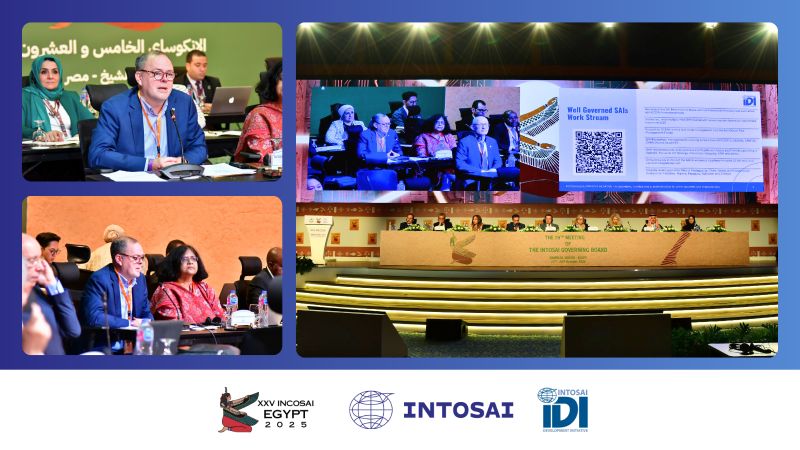
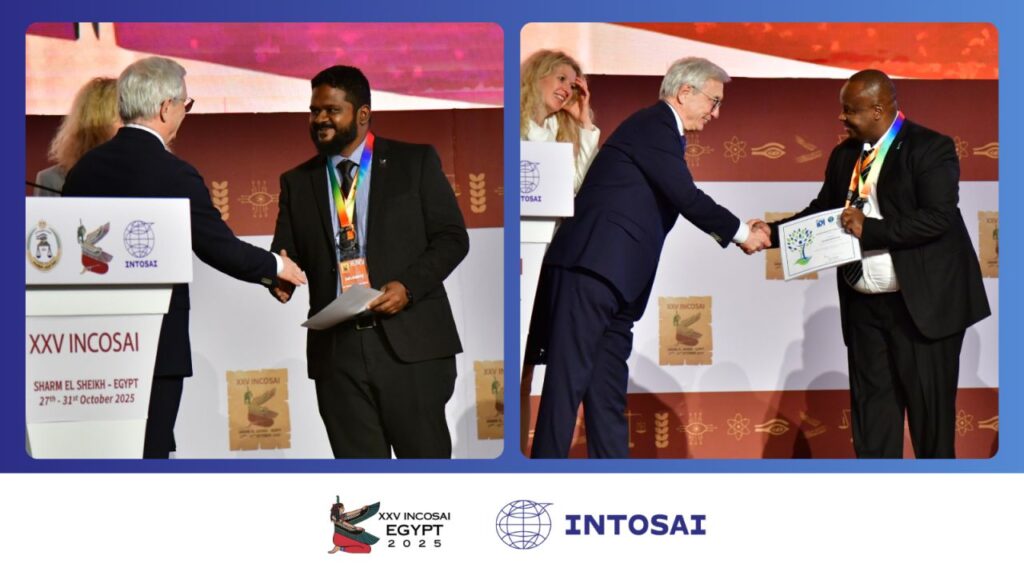
INCOSAI 2025 shone a spotlight on individuals driving meaningful transformation within their Supreme Audit Institutions:
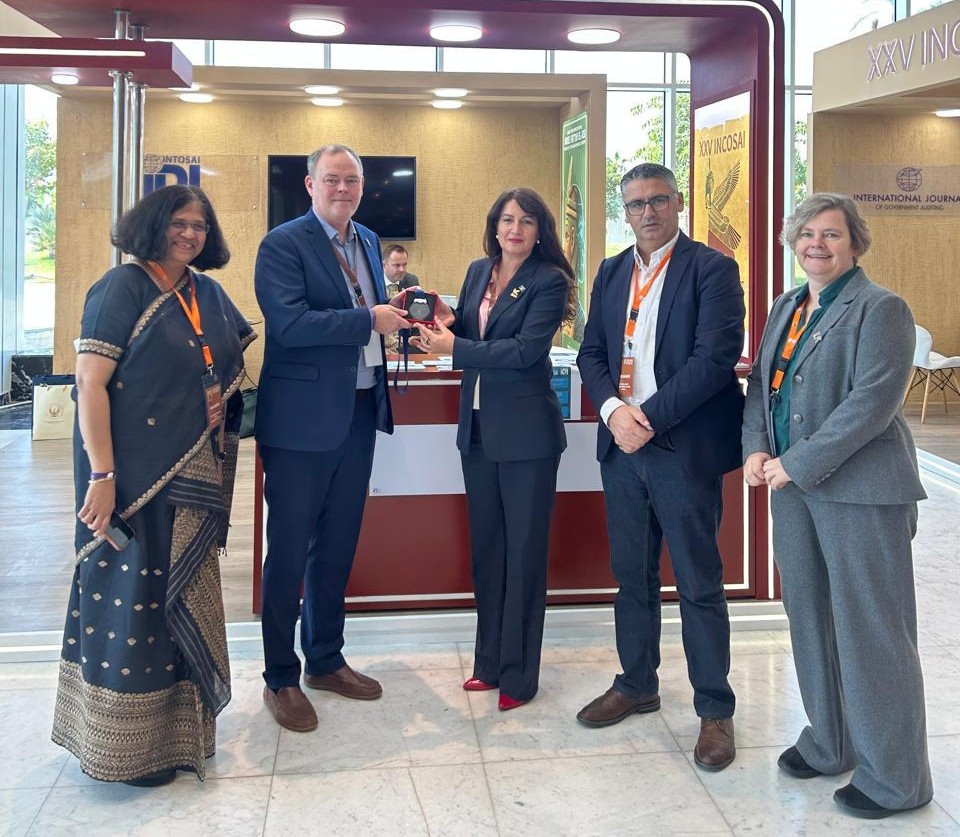
Throughout the week, the IDI engaged in rich conversations with partners and SAI delegates. Key moments included:
These exchanges reinforced the global momentum for stronger institutions, better governance, and more accountable public service.
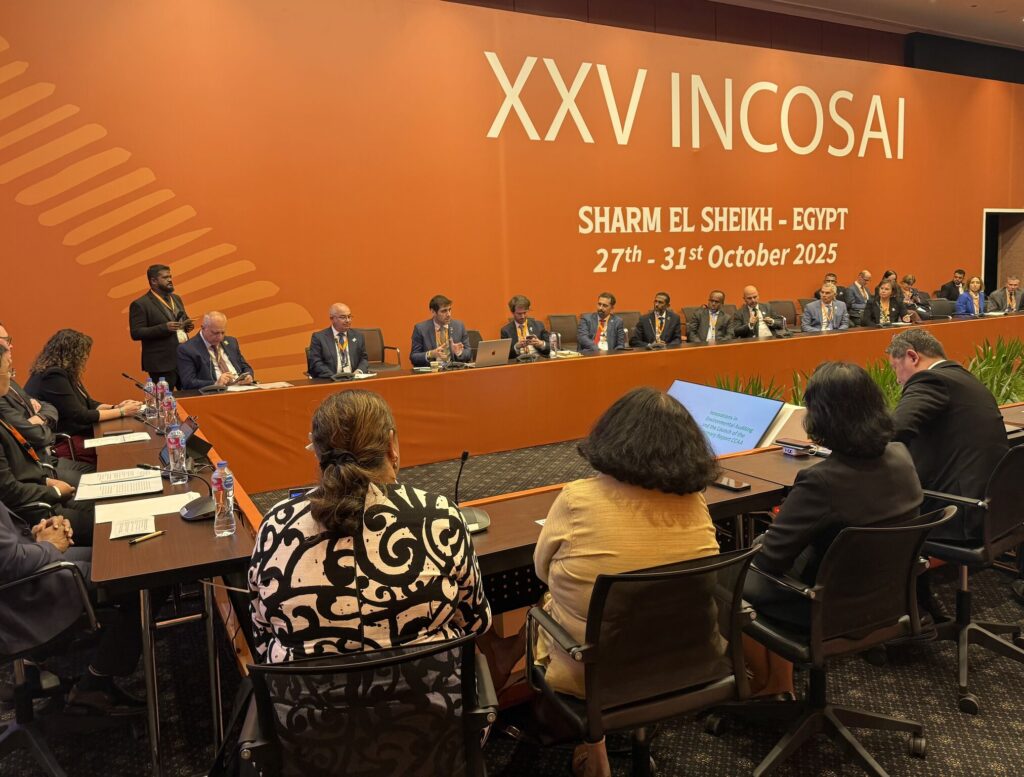
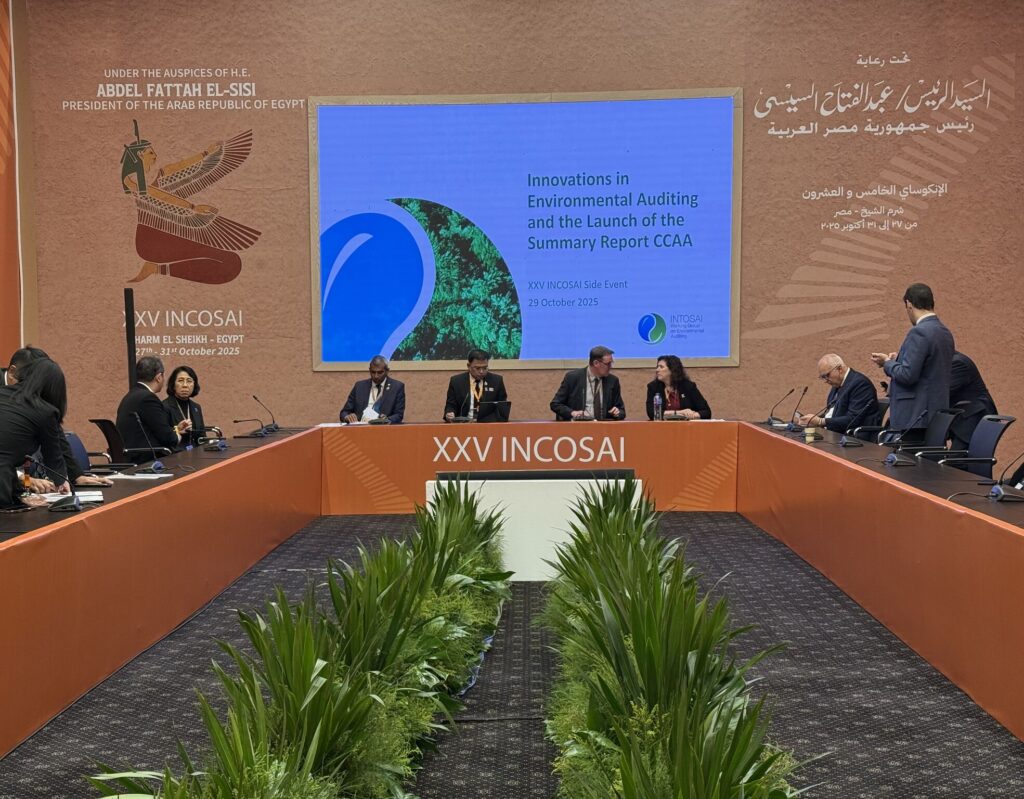
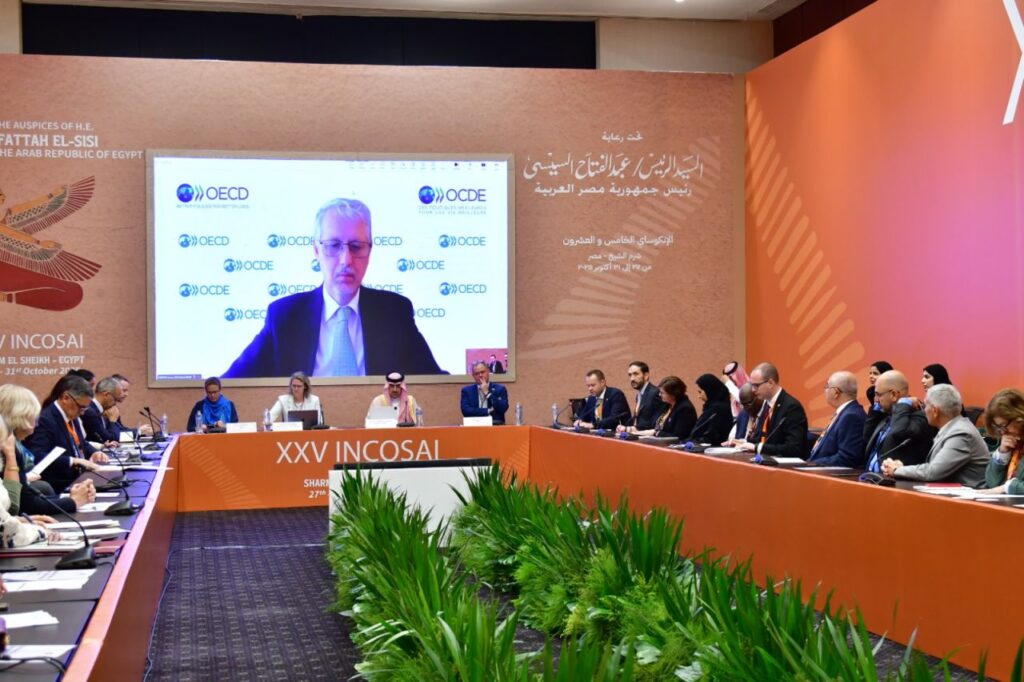
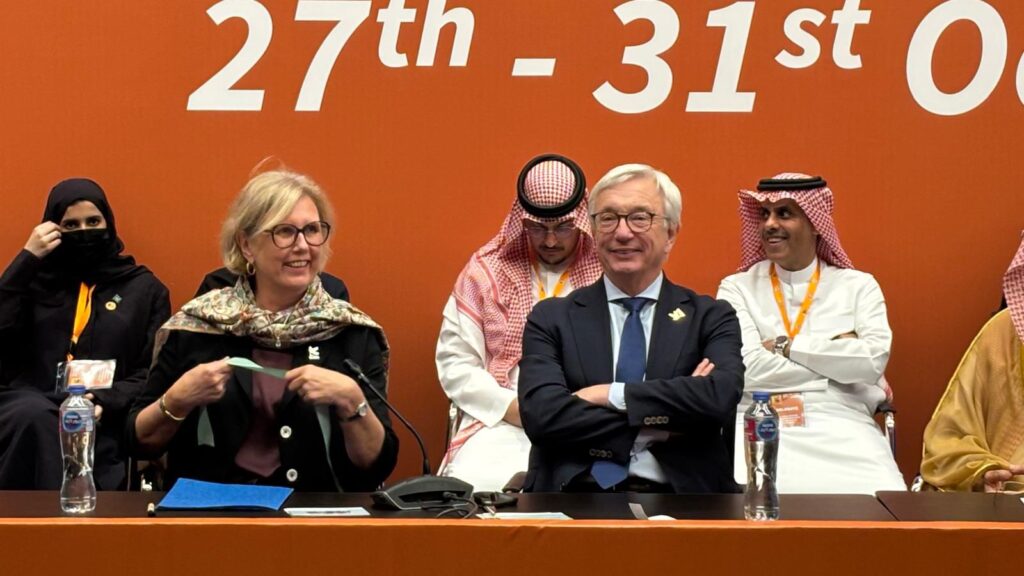
The Congress passed a motion recognising PESA as a valuable qualification for the INTOSAI community. The week also marked a major milestone with the launch of PESA in Arabic, expanding access and strengthening professional education opportunities for public sector auditors across the Arabic-speaking world. PESA is one step closer to being available to every SAI auditor, everywhere!
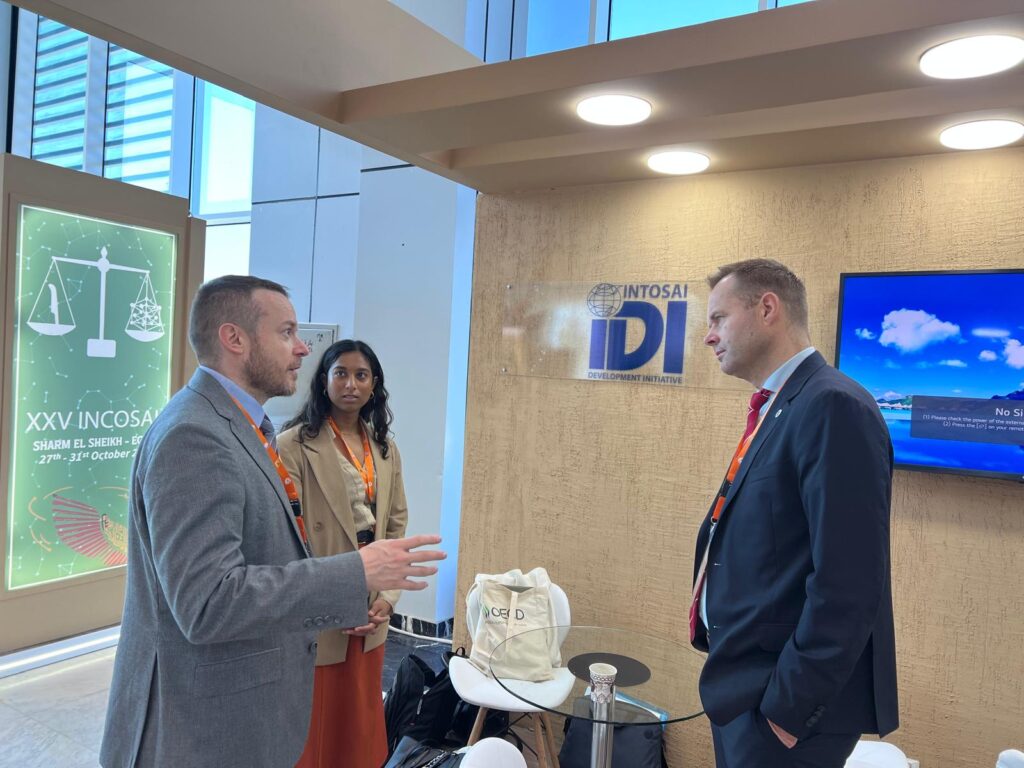
The IDI booth served as a vibrant meeting point throughout the Congress. The team welcomed colleagues, partners, and delegates who stopped by to connect, engage, and explore our latest initiatives.
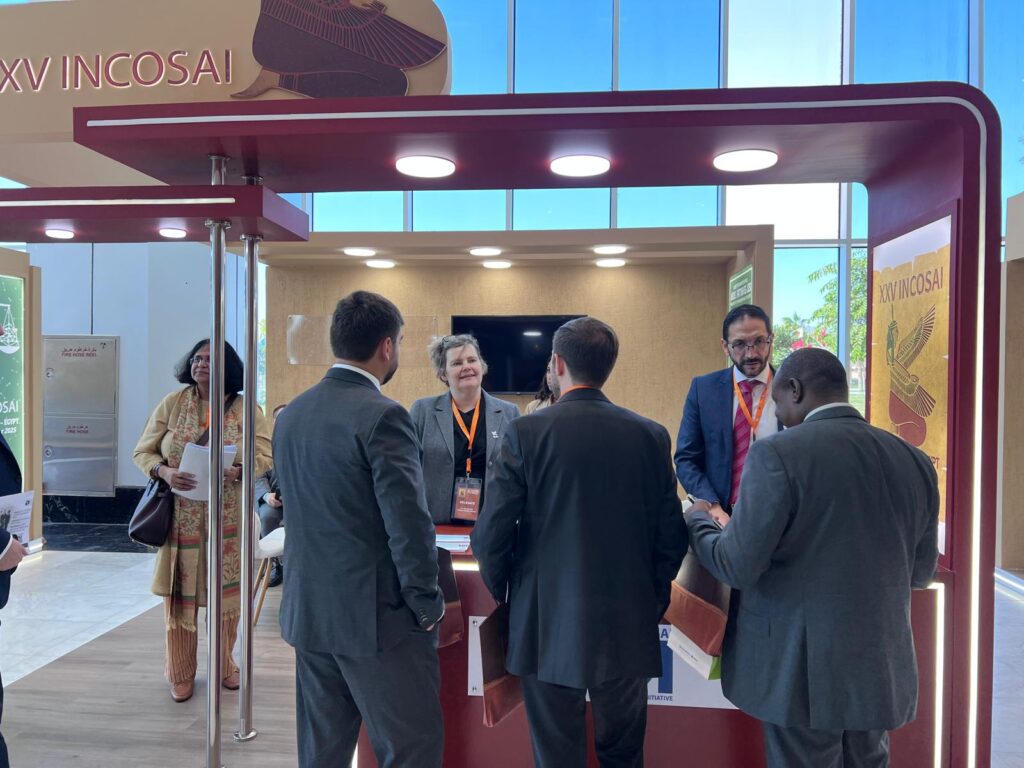
After reconnecting with the INTOSAI community, sharing ideas and meaningful dialogue, IDI is grateful to the INCOSAI organisers for an excellent and productive week. The team has a renewed energy and sense of purpose, and is looking forward to INCOSAI 2028.
Photos Attribution
Source: INTOSAI Journal of Government Auditing, INTOSAI WGEA and IDI
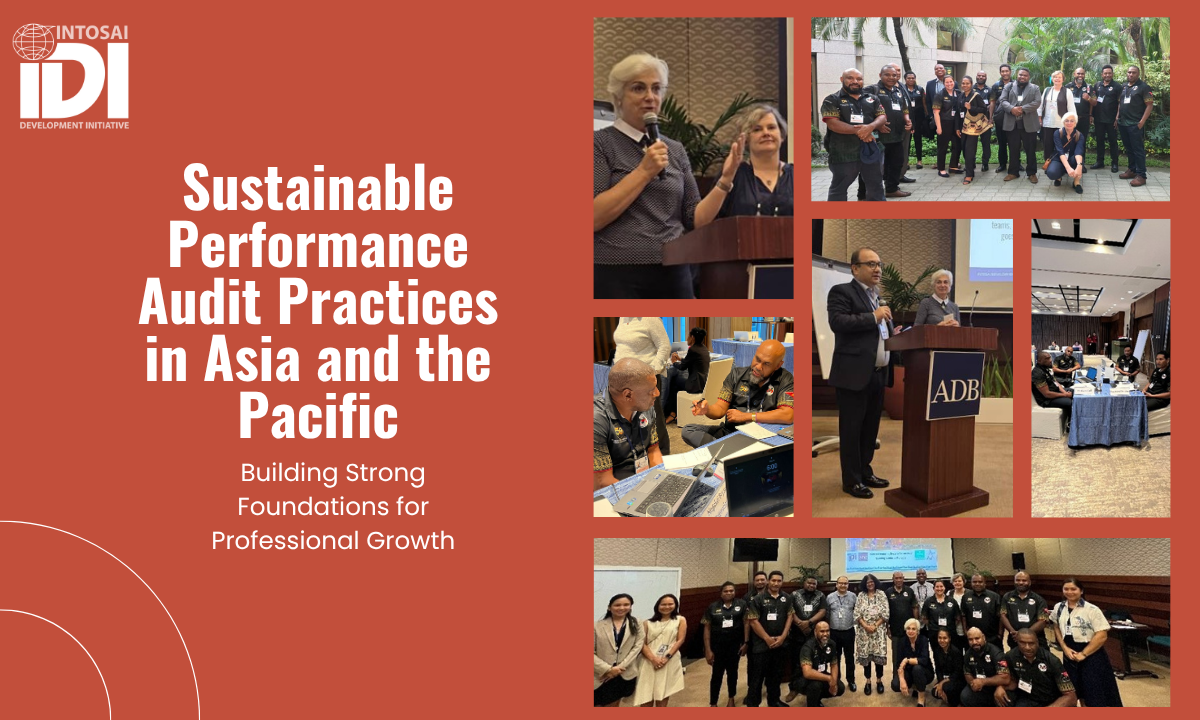
A significant milestone has been reached today in our collaboration under the IDI–ADB joint initiative, Sustainable Performance Audit Practices in Asia and the Pacific.
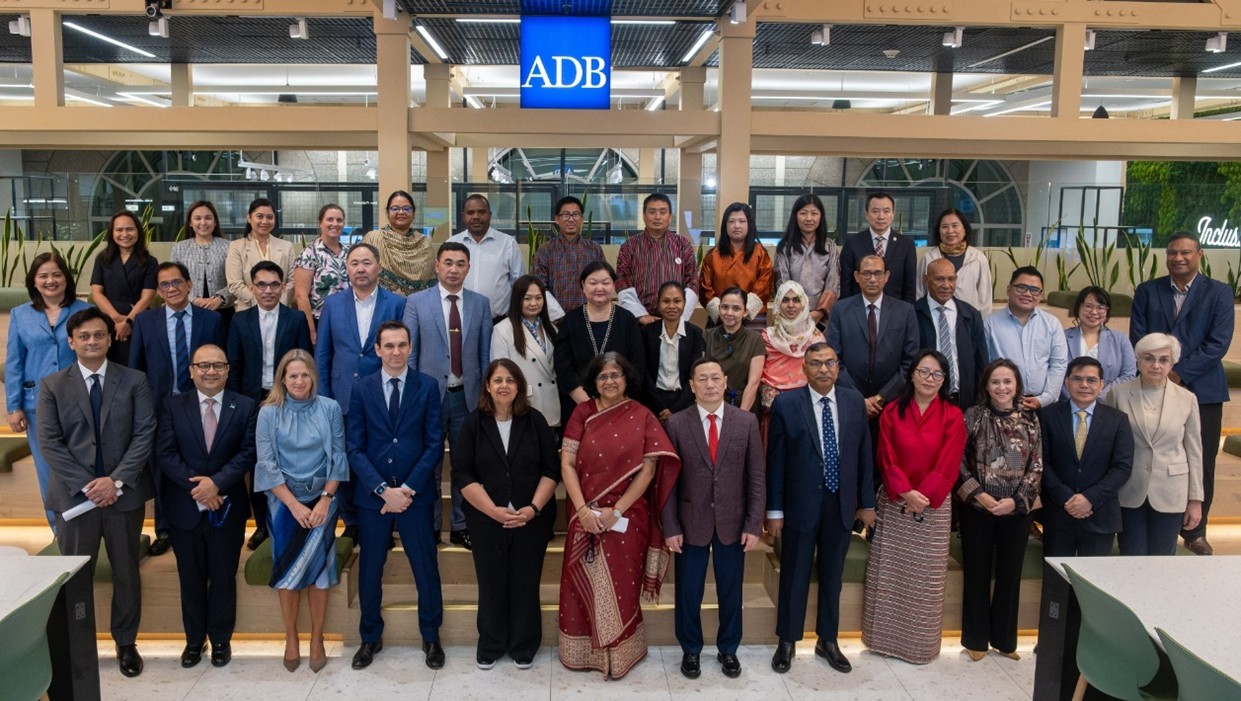
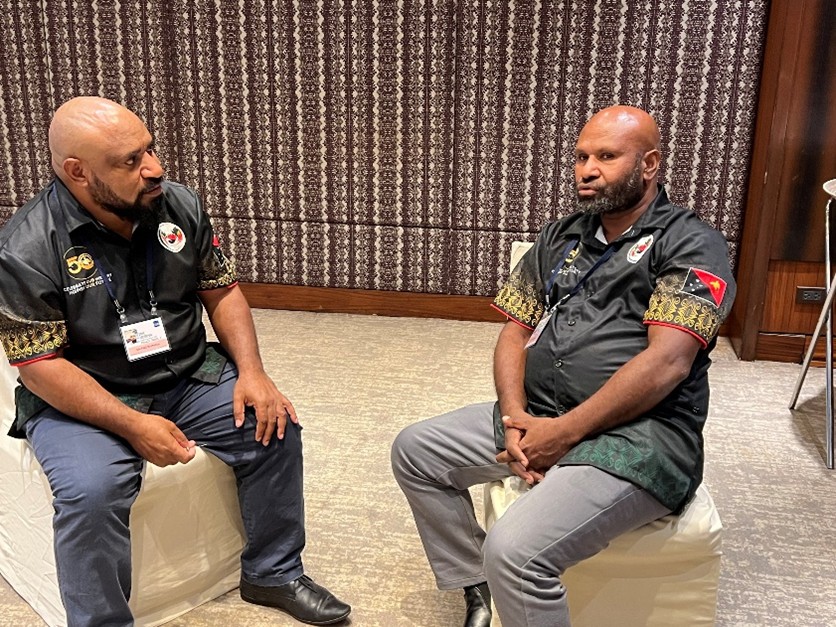
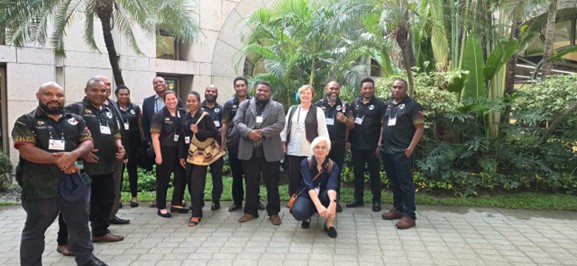
Audit team leaders from the Supreme Audit Institution of Papua New Guinea (SAI PNG) gathered at the Asian Development Bank (ADB) Headquarters in Manila for a five-day workshop focused on strengthening professional development and audit leadership.
During the first 3 workshop days, SAI PNG had laid down the foundation for its professional development system by drafting its first-ever Mentoring Policy and defining principles for an institutional mentoring system.
Being a small and close-knit institution, SAI PNG sees mentoring as the heart of its auditors’ professional development. The drafters – audit team leaders and future mentors – worked line by line to design a mentoring framework that fits SAI PNG’s size, context, and aspirations. Through role-plays and reflections, they discovered that mentoring is a skill that requires empathy, listening, and structure. The system they designed will help to sustain institutional knowledge, support new auditors, and foster a learning culture across the SAI.
As Assistant Auditor General Puva Heako, who led the team, put it: “We are establishing a fundamental framework for building our human resources in SAI PNG.”
The remaining two days offered an eye-opening exploration of leading audits as projects. Recognising audits as projects helped participants to see how structured planning, clear roles, and disciplined audit management by audit team leaders enhance audit quality and impact. The principle that resonated most strongly was: “My output is someone else’s input.” This simple but powerful idea highlighted that managing interdependencies along the critical path of an audit – where a delay in one task affects the entire chain – is vital for keeping audits on track and strengthening accountability. The audit team leaders left Manila with fresh insights on how a clear audit management structure, timely communication, and constructive feedback help enhance teamwork, manage risks, and lead audits with purpose and confidence.
The success of the workshop was made possible through strong collaboration and support. IDI warmly thanks the ADB team – Akmal Nartayev, Katrina M. Fano, Jannine Cerilo, and Myra P. Ravelo – for their hospitality and outstanding support. Thanks also go to Thabo G. Mongatane for skillfully guiding the participants through the art of mentoring.
Special thanks go to IDI colleagues Archana Shirsat, Jade Quarrell, Marita Salgrave, and Chithra Ramasubramanian, who ensured both structure and inspiration throughout the event.
And above all, congratulations to SAI PNG’s audit team leaders – an inspiring, motivated, and proud group, committed to strengthening their SAI and contributing to a culture of excellence and impact.
Learn more about Sustainable Performance Audit Practices
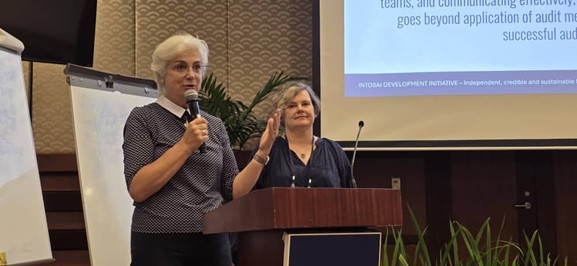
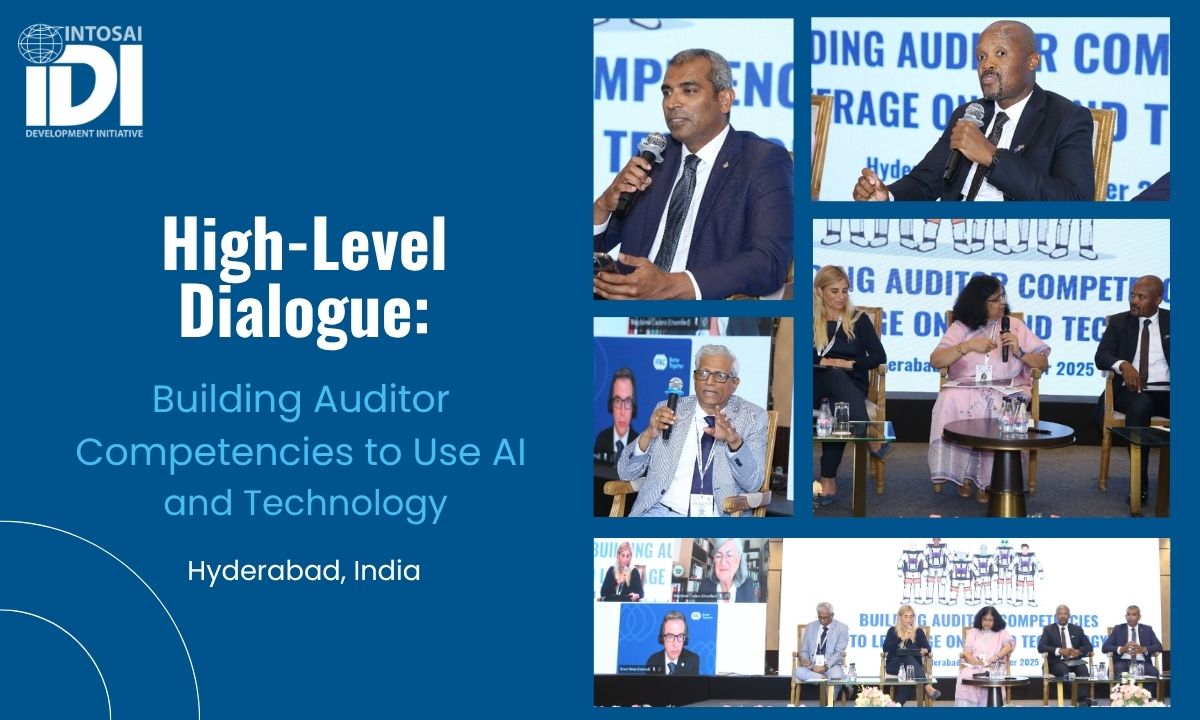
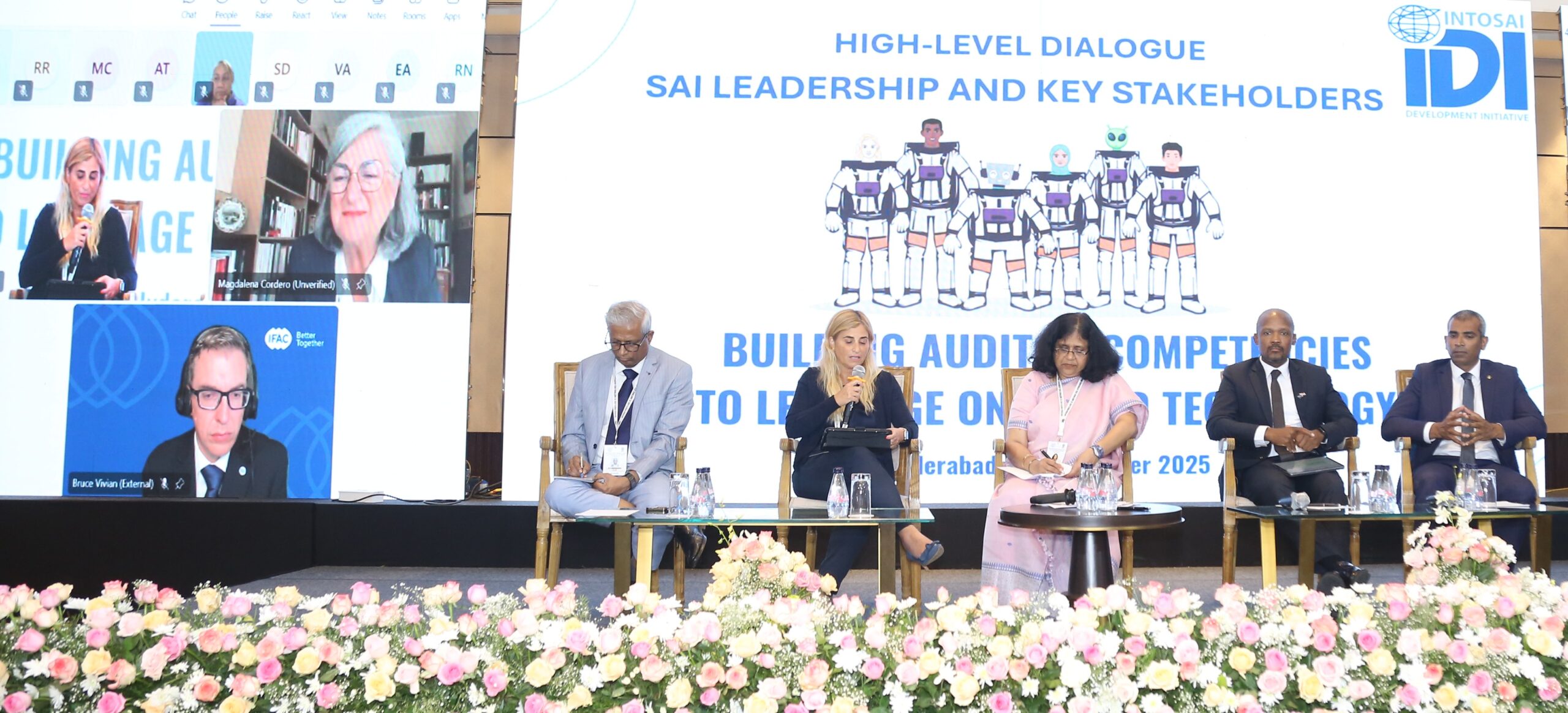
On 11 September 2025, the INTOSAI Development Initiative (IDI) hosted a High-Level Dialogue in Hyderabad, India, in conjunction with the INTOSAI WGITA Meeting and Summit. The event brought together leaders and experts from Supreme Audit Institutions (SAIs) to discuss ‘Building Auditor Competencies to Use AI and Technology’.
Conducted in a hybrid format, the dialogue explored how technologies such as Artificial Intelligence (AI) and data analytics are transforming public sector auditing and the competencies needed by a future-ready SAI auditor. The dialogue also created an opportunity for IDI to share its plans for supporting SAIs with using data analytics and to celebrate success by giving away the LOTA awards.
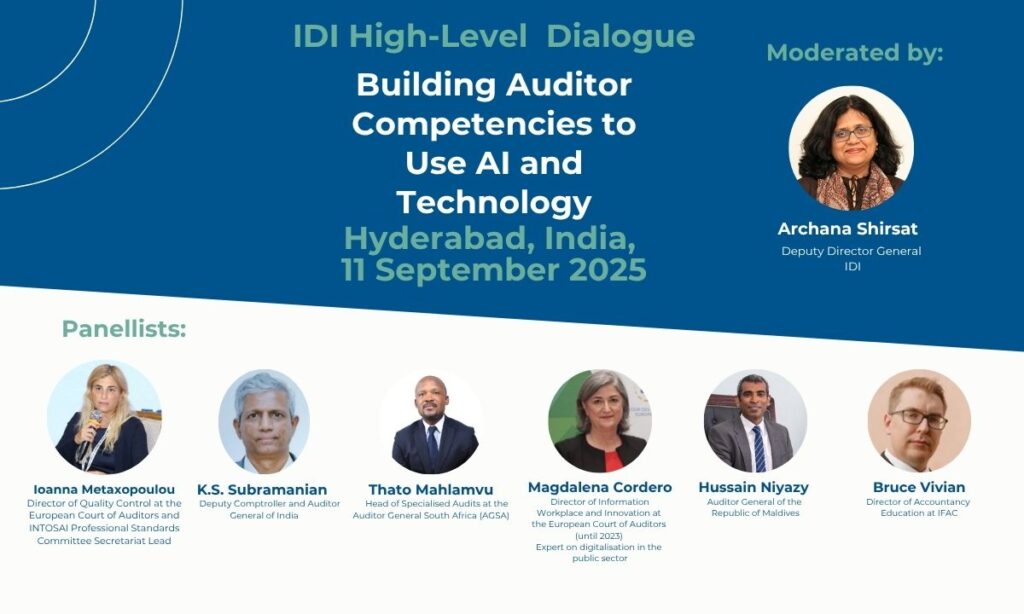
Archana Shirsat, Deputy Director General IDI, moderated the Strategic Dialogue on Building Future Ready SAI Auditors for leveraging on technology and AI. She facilitated the panel of distinguished panellists in deliberating on the competencies needed by SAI auditors to leverage on and audit technological advancements, including AI, how SAIs were building these competencies, the specific challenges of Small Island Developing States (SIDS), and working together to grow future-ready SAI Auditors.
Key messages from the panel discussion
Ioanna Metaxopoulou stated that technology and audit methods must integrate within SAIs. She affirmed that existing international audit standards (ISSAIs) remain the main guide, with technology enhancing audit quality and efficiency. She stressed that auditors need digital fluency, data analytics skills, and adaptability. She also highlighted team-based competence, combining audit skills with IT knowledge, and fostering collaboration within the INTOSAI community.
K.S. Subramanian quoted, “AI will not replace human beings, but a human being who knows AI will replace a human being who doesn’t know AI,” showing why all auditors need basic tech skills. He proposed a three-part plan: basic IT skills for all auditors, advanced skills for tech and AI expert auditors, and Tech and AI competencies for SAI leaders. He detailed SAI India’s initiatives, including a 10-month online training for 5,000 auditors in AI and ML with, and a 3-day programme for senior management. He also shared SAI India’s initiative of urging and encouraging the audited entities to digitise, and the need for SAIs to build confidence of audited entities through non-disclosure agreements, security assessments, and robust data handling protocols.
Thato Mahlamvu reiterated that SAIs’ main job is to improve citizens’ lives, ensuring all tech investments support this goal. He spoke about balancing technical skills with soft skills like critical thinking, professional scepticism, adaptability, and digital knowledge. AGSA has a programme for young data analysts and a cyber centre to centralise tech support. He stressed that strong leadership and smart investments are key. He ended by saying AI should be a ‘co-pilot,’ not the ‘pilot,’ meaning human judgment and ethics are still most important.
Hussain Niyazy spoke about challenges faced by smaller SAIs in Small Island Developing States (SIDS), which often have few staff. He noted that even AI tools don’t seem to know much about SAIs in SIDS, showing a lack of information about them. He said smaller SAIs need new and specific ways to use technology and do IS audits. He suggested clear plans and public communication about what audits cover. SAI Maldives first hired private companies for IS audits, but now has a small team of six to help other audit departments with data analysis. He stressed simple checks, like making sure data is backed up offsite, and how certified experts (like CISA) make audit reports more trustworthy.
Magdalena Cordero focused on how technology changes organisations and how they work. Ms. Cordero explained that training auditors means preparing people for the whole process of new ideas, not just teaching tech skills. She listed three main jobs for SAIs in digital change: SAIs must change themselves, audit government bodies that are changing digitally (like using algorithms), and help the public sector become more digital through advice. She said auditing algorithms means checking data, code, and how they are used, with data being the hardest part. She stressed that learning must be continuous because technology changes so fast. She also said that auditors need to work in teams with different skills, as no single ‘super auditor’ exists.
Bruce Vivian stated that AI, especially generative AI, will completely change auditing and the skills auditors need. He sees AI as an ‘audit team member,’ rather than a tool, which brings up questions about how to train AI to follow ethical rules and be professionally doubtful. He warned that AI could seriously challenge traditional audit firms if they don’t adapt to new AI-powered audit tools. He emphasised the importance of being open-minded and continually adapting, as technology is constantly evolving. Mr. Vivian also spoke about ‘democratisation of education’ through AI, meaning high-quality learning will be available to more people worldwide. He divided skills into ‘human-to-AI’ (using tech, writing good prompts, understanding AI rules) and ‘human-to-human’ (communication, critical thinking, professional doubt). He stressed that humans must stay in charge of audit decisions.
SAI Audit Analytics Initiative
Nicole Silva de Freitas, Manager IDI, shared IDI’s plans for supporting SAI auditors in using data analytics and AI in auditing. The ‘SAI Audit Analytics’ Initiative offers support to SAI auditors at three levels – foundational, intermediate and advanced levels to address the diversity of needs. Based on discussions with key stakeholders, IDI plans to link this initiative with the SAI Technology Auditor initiative and, going forward, focus more on integrating audit and tech skills, focus on systems of digitalisation, stakeholder coalitions for tech and AI and a digital mindset and culture in the SAIs.
LOTA Pioneer Awards
The High-level dialogue also provided us with an opportunity to celebrate excellence by presenting two LOTA Pioneers Awards:
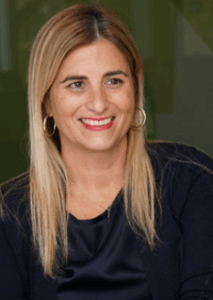
Joanna Metaxopoulou has extensive experience in the European public sector. Currently, she leads the Directorate of the Audit Quality Control Committee (that includes also the Data and Technology for Audit team) at the European Court of Auditors (ECA) in Luxembourg. Joanna also heads the secretariat for the INTOSAI Professional Standards Committee which leads the way in setting audit standards for the public sector. Her journey at the ECA began in 1998, when she specialised in audit methodology, before progressing to senior roles, including Senior Auditor and Head of Task. In 2018, she became Director of Chamber IV, where she led and oversaw performance audits across critical areas such as banking and financial systems, economic policy, and major EU investment programmes.
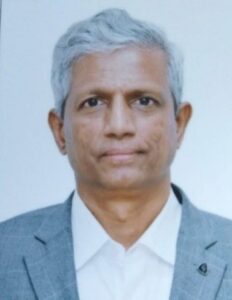
Mr K.S. Subramanian, IA&AS, has been working with the Office of the Comptroller & Auditor General of India (CAG) since 1990.
Presently, he is working as Deputy Comptroller & Auditor General and looking after Human Resources, International Relations and Legal charges.
He is also a Qualified Cost Accountant (CA) and Company Secretary (CS), a Certified Information systems Auditor (CISA), Certified Internal Auditor (CIA) and Certified Fraud Examiner (CFE).
Mr Subramanian has vast experience in international relations including auditing multilateral agencies like United Nations (UN), UN Peace Keeping Force, World Food Programme (WFP) and World Health Organization (WHO).
Since 2001 he has been involved with several international capacity development programmes and conducted several training programmes across continents.
From May 2005 to May 2010, Mr Subramanian worked on Secondment with the Audit Office of Qatar as an expert for five years.
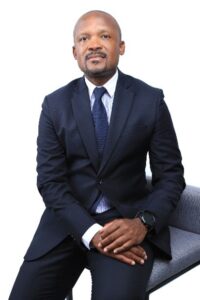
Thato Mahlamvu is a results-oriented leader with a strong track record in internal and external audit, IT audit, IT governance, and risk management within sectors like ICT, transport and logistics, financial services, mining, and energy. Since January 2024, he has been the Head of Specialised Audit Services at the Auditor-General of South Africa (AGSA), where he leads Information Systems Audit, Performance Audit, Innovation and Integration, and Investigations, and contributes as a member of the Executive Committee and Chairperson of the Project Portfolio Investment, and IT Steering Committees. His prior 10-year tenure as Head of Advisory Services at a leading consultancy saw him drive critical business turnaround, restructuring, and team integration efforts. Thato’s qualifications include an Honours in Bachelor of Science (Information Systems) and an MBA, equipping him with a comprehensive perspective for effective business leadership.
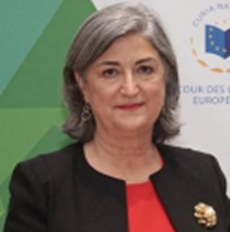
Magdalena Cordero is renowned international expert on digitalization in the public sector. For the last 15 years, she was Director of Information, Workplace and Innovation at the European Court of Auditors. She was, among others, Director of the Data Bank of the Centre for Sociological Research and Head of Sector for Information Systems for Human Resources Management at the European Commission. Her interest was always innovation and change management, particularly the impact of information technologies on process digitalization and, above all, on organisational transformation. At present, she is focused on digital audit, a great challenge of this beginning of the 21st century.
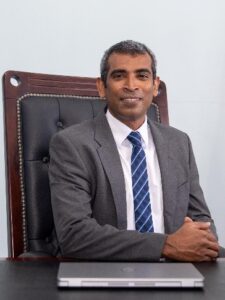
Auditor General Hussain Niyazy is a public audit professional with extensive experience in finance, accounting, and auditing. He is a Chartered Management Accountant (ACMA) and Chartered Global Management Accountant (CGMA) with over 25 years of service at the Auditor General’s Office (AGO).
Mr. Hussain Niyazy began his career at the AGO, formerly the Maldives Audit Office, as an Accounting Officer Trainee in 1997. Since then, he has shown strong commitment and contributed greatly to strengthening public audit and financial management in the Maldives.
He is a former President and current Council Member of CA Maldives and serves internationally as Vice Chair of the INTOSAI Working Group on Environmental Auditing (WGEA).
Prior to his appointment as Auditor General, he led the Financial Audit Division as Assistant Auditor General and oversaw the regulation of the private sector audit profession. He also chaired the Licensing and Disciplinary Committee of the Auditor General.
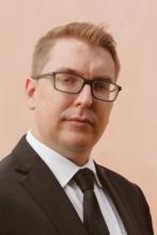
Bruce is a Chartered Accountant (SA) and executive leader with 18 years of experience working in and for the accountancy profession at local, regional, and international levels. He has expertise in accountancy education and a passion for sustainable development and international cooperation. He has worked in the public, private, and non-profit sectors. He believes in the power of bringing together stakeholders and volunteers from different cultures and contexts to drive positive change.
Bruce joined the IFAC staff in 2021. He currently serves as Director for Accountancy Education, leading IFAC’s work to advance accountancy education around the world.
It is with great concern that I have witnessed the recent development around the independence of the Office of the Auditor General of the Gambia, an office which has been performing its duties very professionally under the Leadership of Momodou Ceesay as Auditor General.
Mr. Ceesay was recently offered a position as Member of the Cabinet, which he officially declined, preferring to focus on his constitutional office as Auditor General of the Gambia. In an unexpected turn of events, it was particularly shocking to witness the police entering the premises of the Audit Institution to forcefully remove the Auditor General from office.
This unilateral removal process is not just shocking, it appears to be in stark contrast with the constitutional and legal provisions around the removal of the Auditor General, which lay out several steps, including the appointment of an independent Tribunal.
The Independence of an Auditor General and its office is a critical element of any democratic society as it contributes to upholding the principles of good governance and accountability.
Therefore, it should not be compromised, and threats to independence should not go unnoticed. We should always remain vigilant and speak up when SAI Independence is under threat. In my capacity as Global Ambassador for SAI Independence, I remain committed to bringing my voice to this important issue: Audit offices must be able to perform their mandate without undue interference.
As the process is now heading to the Courts of the Gambia, I sincerely hope that the democratic principles of the rule of law will prevail and that the independence of the Auditor General will be safeguarded in line with the international standards promoted by the INTOSAI and the United Nations.
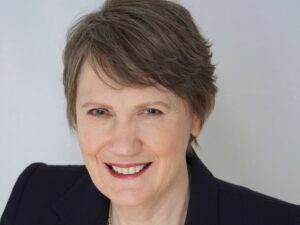
IDC Goodwill Ambassador for SAI Independence, the Right Hon. Helen Clark
For media enquiries, please contact: communications@idi.no
Independent, effective and credible Supreme Audit Institutions (SAIs) are an essential component of political systems and indispensable to democracy-building. To hold governments to account and add value to citizens, SAIs must be able to maintain independence from the bodies they audit.
When SAI Independence is threatened, institutional oversight activities can be impaired, weakening a country’s integrity and accountability systems and increasing democratic backsliding. SAI Independence has deteriorated in recent years and SAIs are not able overcome threats to their independence alone. To overcome this, IDI has partnered with Transparency International to broaden collaboration between SAIs and civil society organisations (CSOs) and published the resource kit “Safeguarding the Independence of Supreme Audit Institutions” in Fall 2022.
As strong actors in the accountability ecosystem, CSOs can help to safeguard and enhance SAI Independence and raise awareness of the challenges SAIs face through influence and outreach. CSOs have the unique capacity to advocate for SAI Independence whenever a threat arises and take action with a large network of stakeholders. This resource kit provides key insights and resources for CSOs to support SAIs at the global, regional and national level.
The study, which collected responses from 25 SAIs across three different INTOSAI regions, shares solutions and action points tailored to SAIs and actors in the accountability ecosystem to foster better collaboration and increased transparency of oil, gas, mining, and broader extractive industries- including entry points for SAIs to partner with EI transparency leader, Extractive Industries Transparency Initiative. It also includes findings and raises practical insights regarding SAIs’ legal frameworks and their application to INTOSAI’ independence principles.
In addition, the conclusions and appendices address concrete actions SAIs and other stakeholders can take to improve extractive sector governance and identify key partners for taking action using a multistakeholder approach.
Critically, SAI Independence must be protected and maintained so that SAIs can effectively carry out their mandate as the main oversight actors of state and private sector-driven extractive activities.
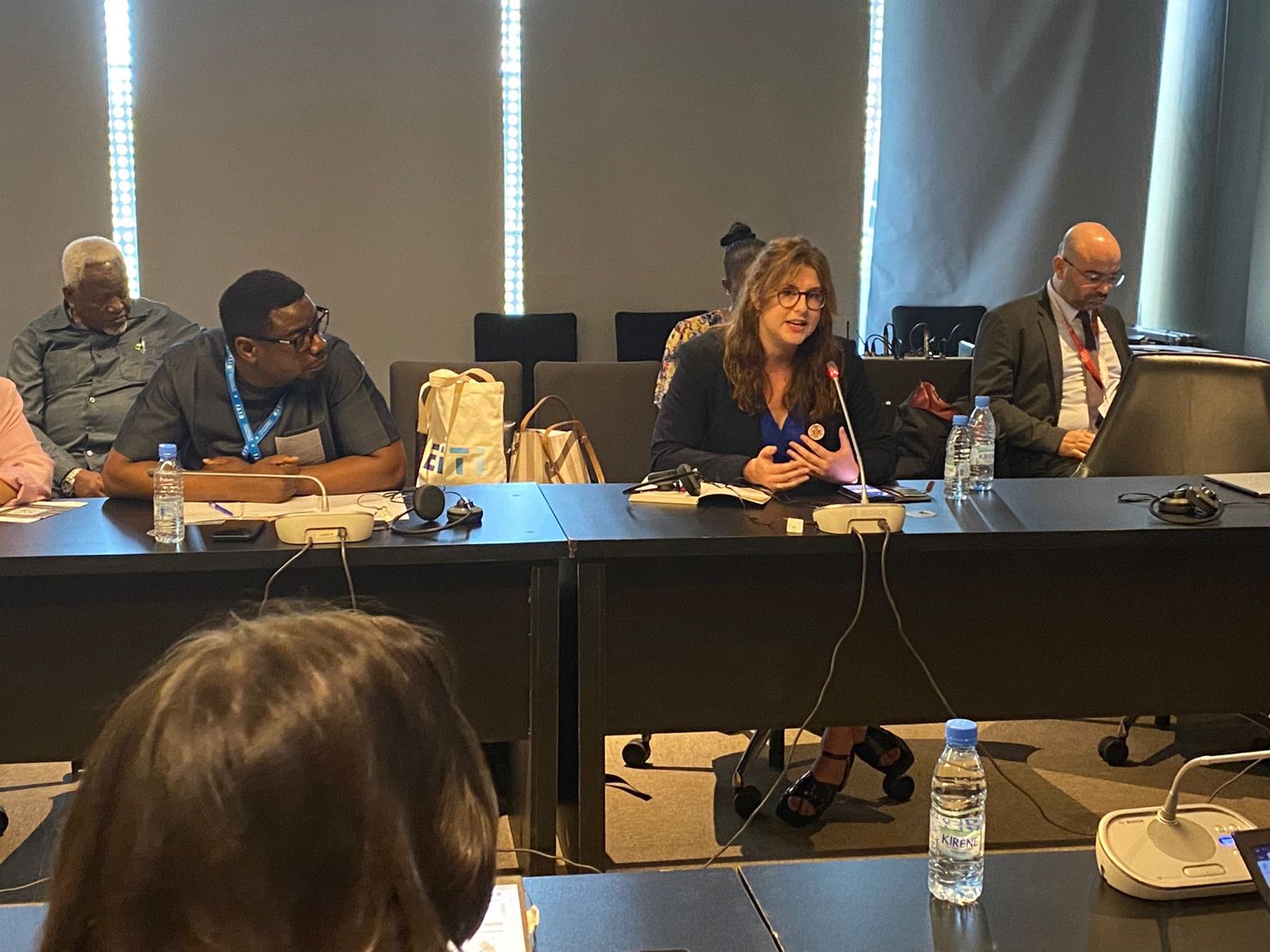
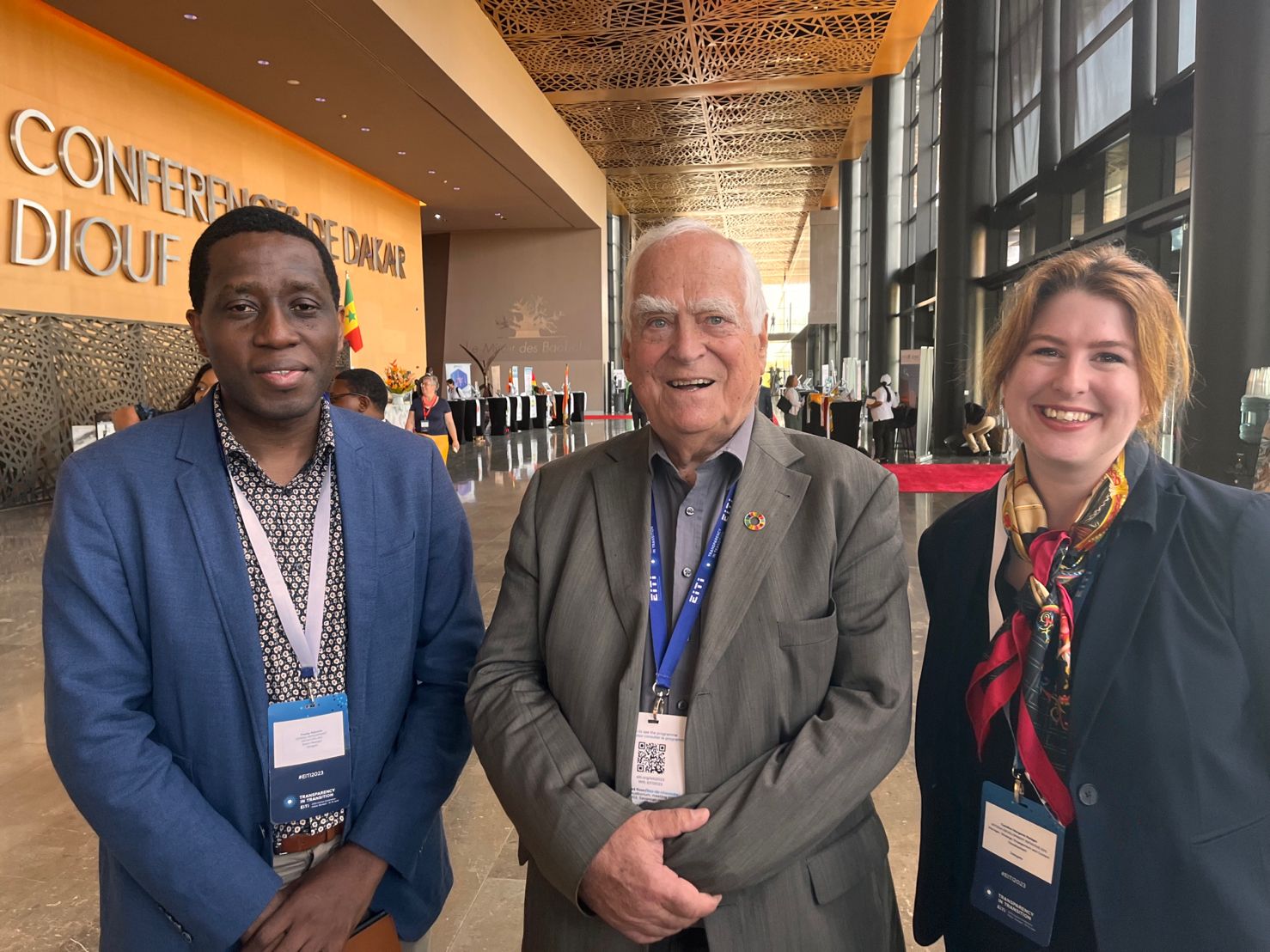
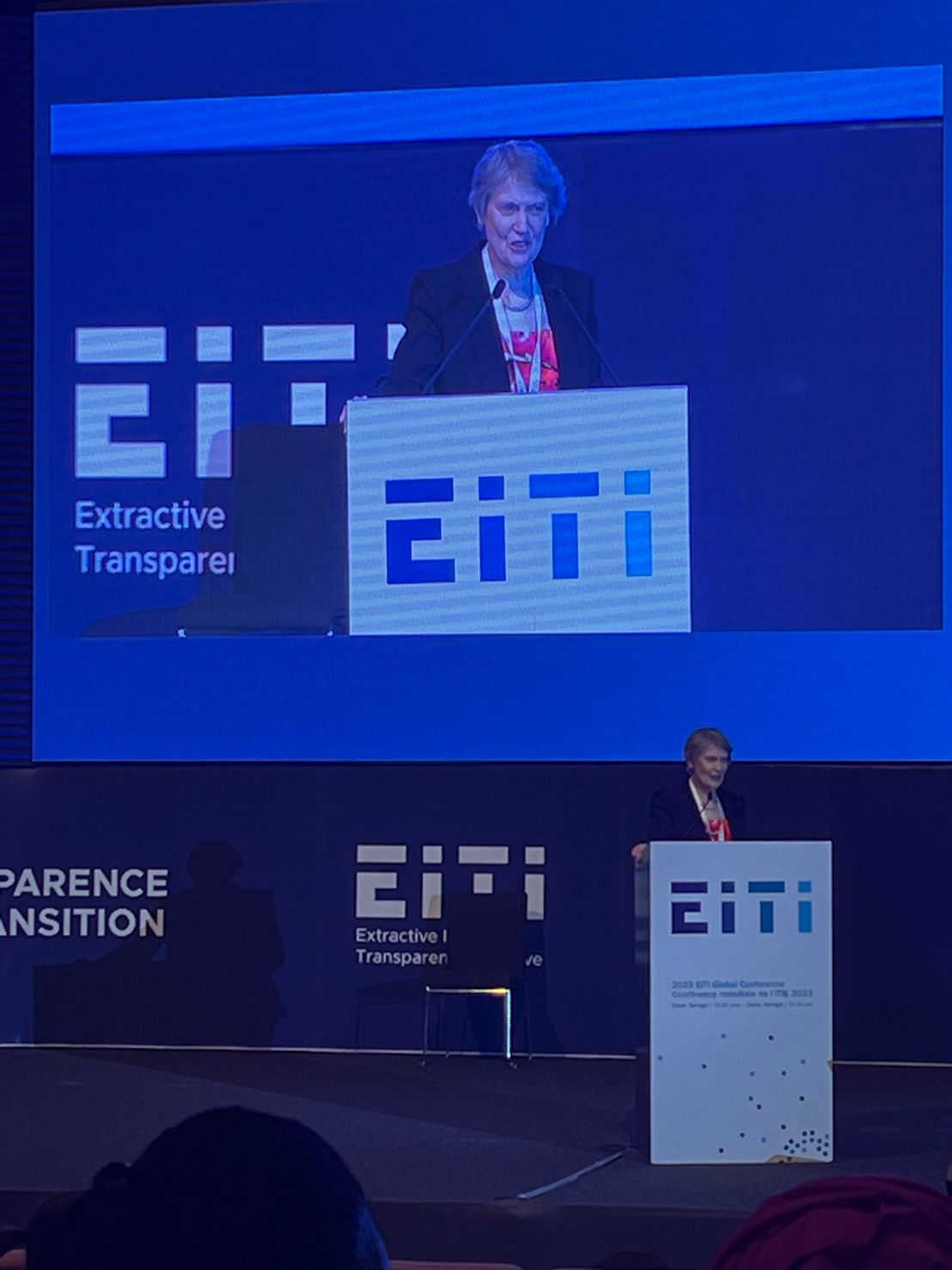
In June 2023, INTOSAI Development Initiative presented alongside AFROSAI-E during the Peer Learning Day of the EITI (Extractive Industries Transparency Initiative) Global Conference in Dakar, Senegal about its new study on the challenges and opportunities posed by the public oversight of extractive industries.
The Global Conference brought together a variety of international and regional actors, including Peter Eigen, Founder of Transparency International, Richard Nephew, U.S. State Department Coordinator for Anti-Corruption, and Rt. Hon. Helen Clark, EITI Global Chair and IDC Goodwill Ambassador for SAI Independence. Want to learn more about this event and the newly published study on extractive industries?
The INTOSAI Development Initiative (IDI) and the INTOSAI General Secretariat have released a joint briefing note to express their concern and position on the recent developments regarding the removal process of Sierra Leone’s Auditor General, Mrs. Lara Taylor-Pearce, and Deputy Auditor General, Mr. Tamba Momoh. The decision to progress the case to Parliament, announced on 9 July 2024, marks an unprecedented and concerning move within Sierra Leone’s democratic landscape and a step back in safeguarding the independence of the Supreme Audit Insitution in the country.
On 9 July, the Office of the Press Secretary of Sierra Leone provided an update on the Tribunal Report concerning the suspended Auditor General and Deputy Auditor General. Stating therein that the President of Sierra Leone had accepted the Tribunal’s recommendations, including the removal of both officials. The President has now directed the Attorney-General and the Minister of Justice to initiate the necessary procedures for Mrs. Taylor-Pearce’s removal, including taking the process under Parliamentary review, and instructed the Audit Service Board to act similarly for Mr. Momoh.
This decision is historic, as it is the first time such a procedure has been applied to a public official since Sierra Leone’s transition to democracy. Additionally, Mrs. Taylor-Pearce has a highly respected reputation within the INTOSAI community and beyond, and is recognised globally for her integrity and professionalism.
The INTOSAI General Secretariat and IDI express significant concerns over the implications of this removal process, particularly as it poses a real and significant threat to the SAI’s independence in Sierra Leone. The Audit Service of Sierra Leone (ASSL) has been a pillar of accountability within the country. Therefore, the removal of its leadership could deter future auditors from acting independently, fearing similarly motivated actions. This not only undermines the establishment of a robust audit and oversight function in Sierra Leone, but also could deter other oversight actors within the accountability ecosystem from enforcing institutional mandates.
Moreover, the stability of an independent audit function is crucial for the trust placed in government systems by citizens, development partners and financial institutions. The outcome of this case will have far-reaching repercussions beyond Sierra Leone, which could impact the global community of external auditors and governance institutions. If you would like to read more in-depth information on the developments and implications of the case, please review IDI and INTOSAI’s jointly published Information Brief.
INTOSAI has been actively monitoring this case since 2021, having issued statements of concern during the indefinite suspension of the Auditor General and Deputy Auditor General. IDI’s released analysis and expert opinion highlighted significant deviations from constitutional processes, and during the Tribunal proceedings, IDI provided expert interpretations related to the auditing standards and alleged professional misconduct. Going forward, the INTOSAI General Secretariat and IDI emphasise the necessity for a transparent and timely Parliamentary process. The allegations against Mrs. Taylor-Pearce and Mr. Momoh, along with the Tribunal’s Report, should be made public to ensure the credibility and legitimacy of the proceedings. This transparency is essential for maintaining trust and accountability in Sierra Leone’s governance.
As this unprecedented case reaches its final stages, the INTOSAI General Secretariat and IDI call on all stakeholders, including civil society organisations, development partners, and the media, to stay informed. The global audit community must ensure that due process is observed and that Sierra Leone’s Parliament exercises its duties with due care and objectivity.
Would you like to get in touch conerning the developments of the case? Contact Mr. Freddy Yves Ndjemba at independent.sai@idi.no for further information and follow-up.
In the pursuit of transparent, accountable governance, Supreme Audit Institutions (SAIs) are the sentinels of integrity, ensuring that public resources are used efficiently and responsibly. However, their effectiveness hinges on one crucial factor: independence. To be released on 29 September, IDI shares its findings regarding the case of institutional infringements in relation to the State Audit Office of Montenegro.
This report, grounded in the principles of the Lima and Mexico Declarations, delves into the challenges and threats the SAI faced and gives an assessment under the SIRAM framework criteria. It also offers actionable recommendations that can improve and protect the independence of these vital institutions.
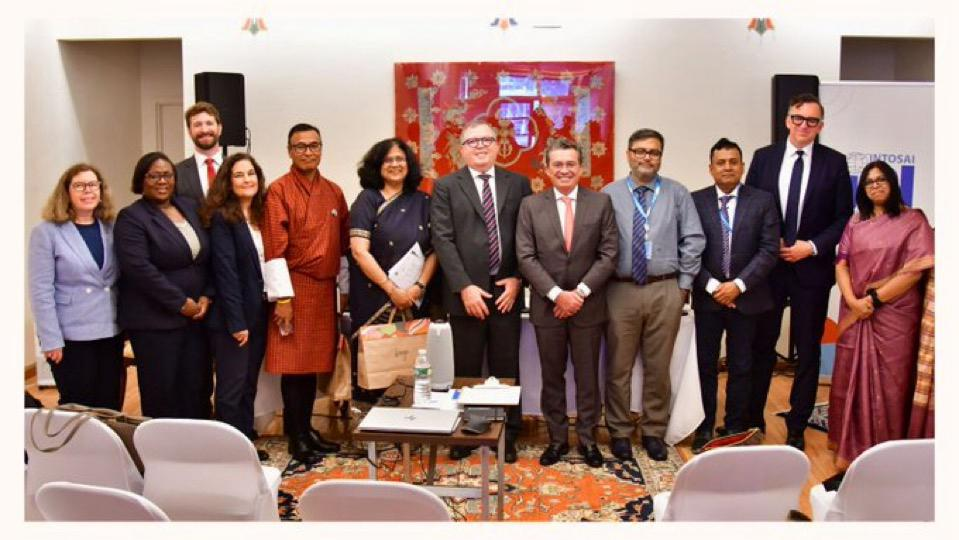
On 21 July 2025, the Permanent Mission of the Kingdom of Bhutan to the United Nations hosted the side event, co-organised by the INTOSAI General Secretariat, the INTOSAI Chair, the INTOSAI Development Initiative (IDI), the INTOSAI Knowledge Sharing Committee (KSC), SAI Bhutan, the Permanent Mission, and the UN Entity for Gender Equality and the Empowerment of Women (UN Women), in collaboration with the UN Department of Economic and Social Affairs (UN DESA).
With both in-person and online audiences, the speakers and panellists highlighted the vital role of SAIs in strengthening public sector accountability and contributing to sustainable development through high-quality, impactful audits. IDI and the INTOSAI KSC leveraged the occasion of the HLPF side event to launch the SAI SDG Auditor Initiative, aiming to deliver three outcomes: developing SAI auditor competence, contributing to SDG implementation, and communicating to enhance SAI visibility.
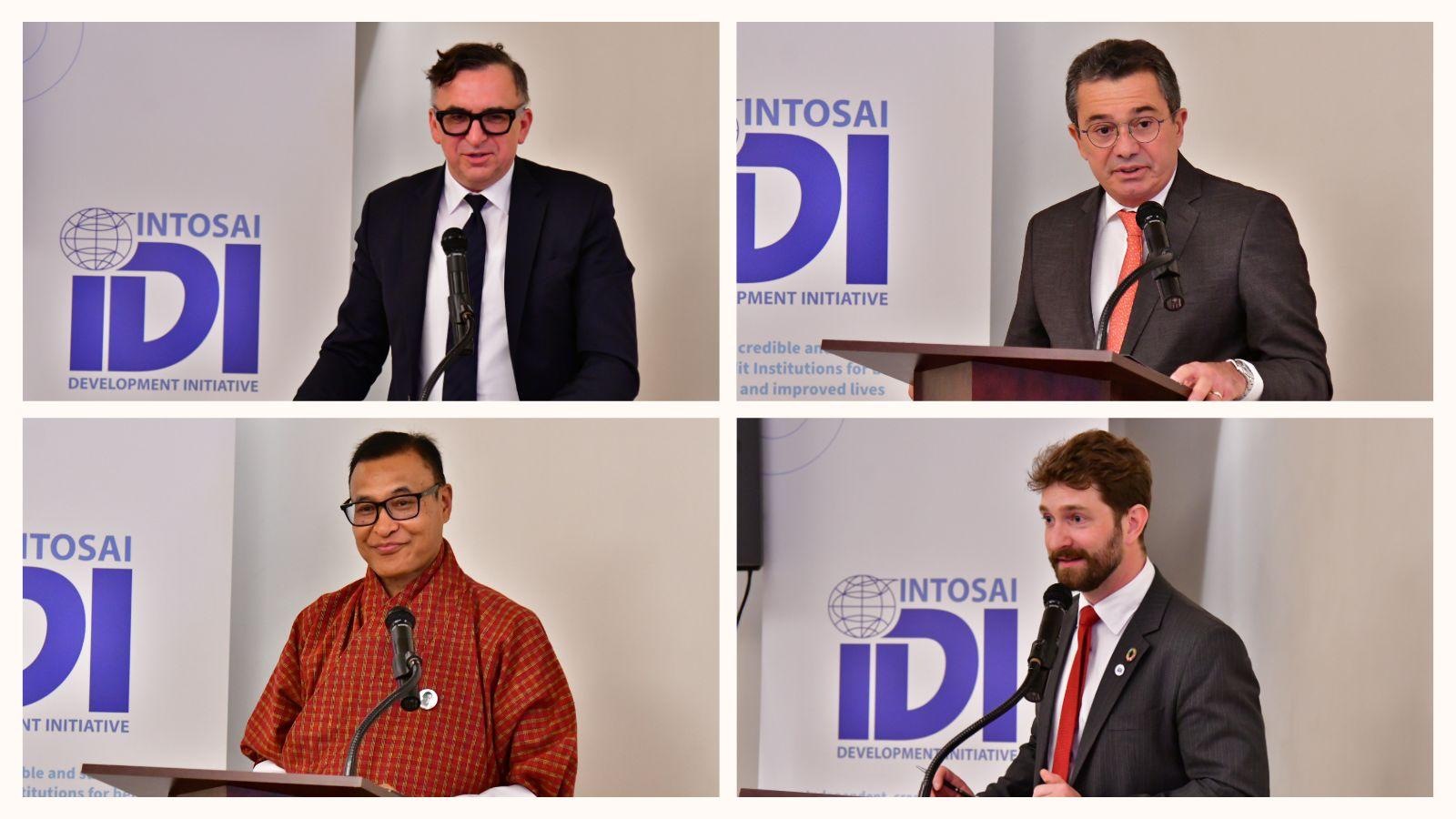
Dasho Tashi, Auditor General of SAI Bhutan, welcomed participants and expressed honour in Bhutan’s role as host of the event. He highlighted how IDI’s vision—Independent, credible and sustainable SAIs for better societies and improved lives—is closely aligned with the principle of “leave no one behind” (LNOB). He noted that since 2016, more than 100 SAIs have audited preparedness and implementation of the SDGs. Finally, he called on SAIs to not only assess government commitments but also help them in fulfilling the Goals through constructive feedback and recommendations, reinforcing the role of audit institutions in achieving better societies and improved lives.
Mr. Vital do Rêgo, Minister President of SAI Brazil (TCU) and INTOSAI Chair, highlighted the SAI’s commitment to gender equality, mentioning the development of its Gender Equality Audit Strategy, participation in IDI’s Equal Future Audits (EFA) initiative, and pursuit of the UNDP Gender Equality Seal for Public Institutions. He noted that women now occupy 37% of leadership positions in TCU, while representing 25% of its overall workforce. He emphasised TCU’s support for the cooperative audit on gender-based violence conducted within the Organisation of SAIs of the Community of Portuguese-Speaking Countries (OISC-CPLP). He described collaboration with the Oxford Poverty and Human Development Initiative (OPHI) to assess the impact of public spending on poverty reduction, considering multiple dimensions of poverty. He also showcased TCU’s use of technology and artificial intelligence—through tools such as ChatTCU and LabContas—to enhance audit efficiency. Concluding his remarks, Mr. do Rêgo stressed the importance of strong, skilled, and independent SAIs, and the value of collaboration, in advancing the SDGs.
Mr. Ronald Roedl, Director General of SAI Austria and representative of the INTOSAI General Secretariat, acknowledged that global progress on the SDGs is off track and emphasised the critical role of SAIs in strengthening domestic accountability, providing valuable information about the national progress towards the Goals, and contributing to public trust. He mentioned the importance of the launch of the SAI SDG Auditor Initiative during the event. He highlighted INTOSAI’s efforts to support SAIs in auditing SDGs and to foster global dialogue between the INTOSAI community and key stakeholders, including the INTOSAI–UN Symposium, the INTOSAI side events at the HLPF, and other conferences. He stressed that the capacities and competencies developed by SAIs will remain relevant beyond 2030 and called for continued strategic dialogue on competency development.
Recording of the opening remarks
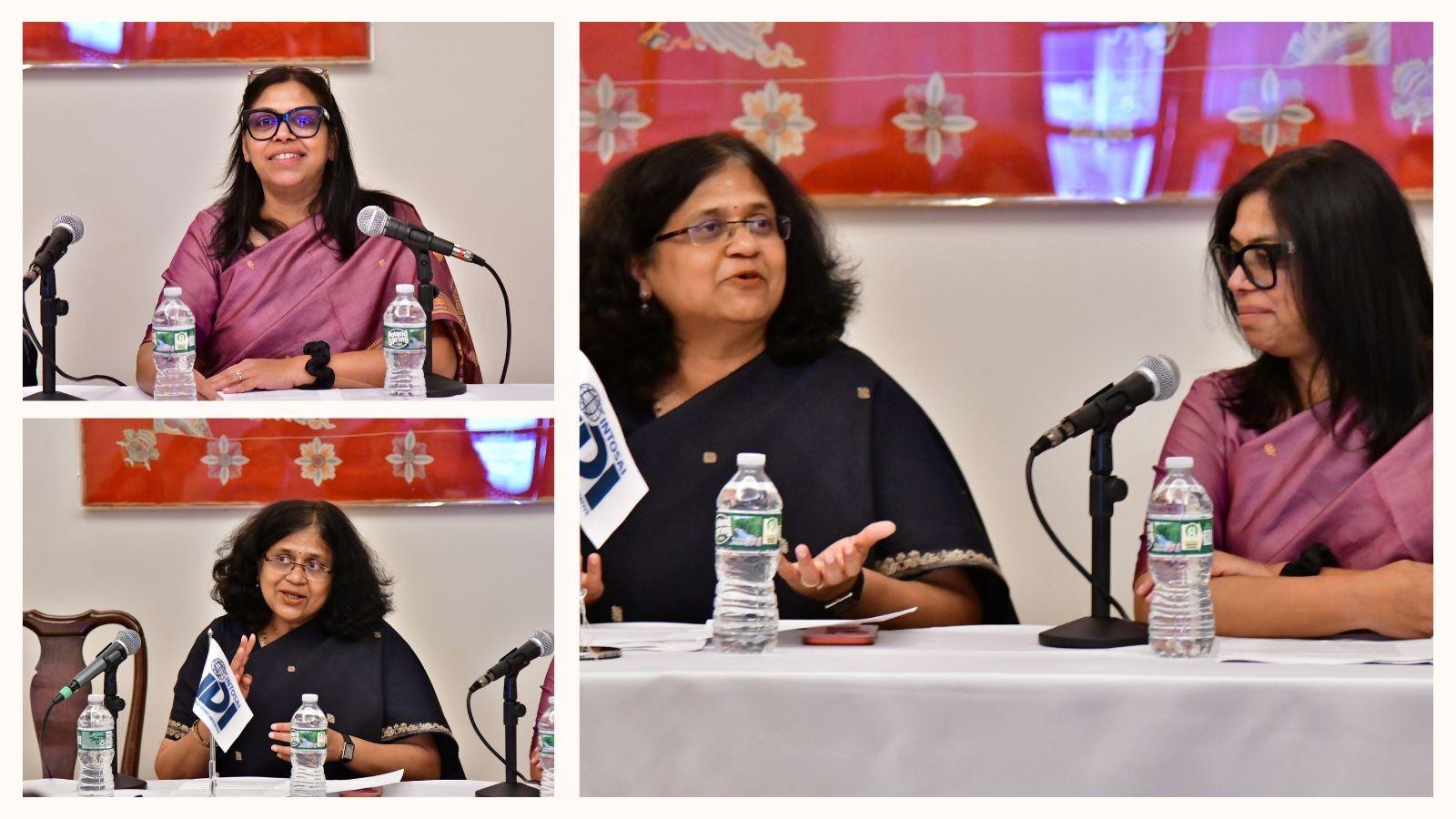
In the Fireside Conversation, Ms. Archana Shirsat, Deputy Director General of IDI, and Ms. Shefali Andaleeb, Director General of International Relations at SAI India and representative of the INTOSAI KSC, discussed SAI auditor competency development to audit the SDGs.
Ms. Shirsat reflected on the journey since 2016 to support SAIs in auditing SDG preparedness and implementation, highlighting the importance of adopting a whole-of-government approach, adhering to the International Standards of SAIs (ISSAIs), and establishing partnerships with key stakeholders such as KSC, UN DESA, and WHO. She launched the SAI SDG Auditor Initiative, with three outcomes: Competence of the auditors, Contribution to SDG implementation, and Communication to enhance the SAI visibility. While earlier efforts focused on the audits, this initiative prioritises the auditors, to be supported by a competency framework, and key resources such as IDI’s SDGs Audit Model (ISAM 2024), and frameworks for auditing Policy Coherence and LNOB. She stressed the need for multistakeholder engagement, facilitating audit impact, and for auditors to embrace complexity and think with a future-oriented mindset, closing with a Māori saying: “We have come too far not to go further, we have done too much not to do more.”
Ms. Shefali Andaleeb reaffirmed KSC’s commitment to the SDGs and partnership in the initiative, highlighting the role of the working groups in providing guidance and promoting knowledge sharing in areas such as environmental audit, anti-corruption, IT audit, big data, and science and technology. She stressed the importance of advocacy and awareness, noting that SAIs should not only carry out meaningful audits but also communicate their value to stakeholders and the public. She also underlined the need for resource persons as in-kind contributions from SAIs. Concluding, she expressed optimism about the IDI–KSC partnership and the potential of the SAI SDG Auditor Initiative to empower auditors and enhance SAI audit impact.
Recording of the fireside conversation
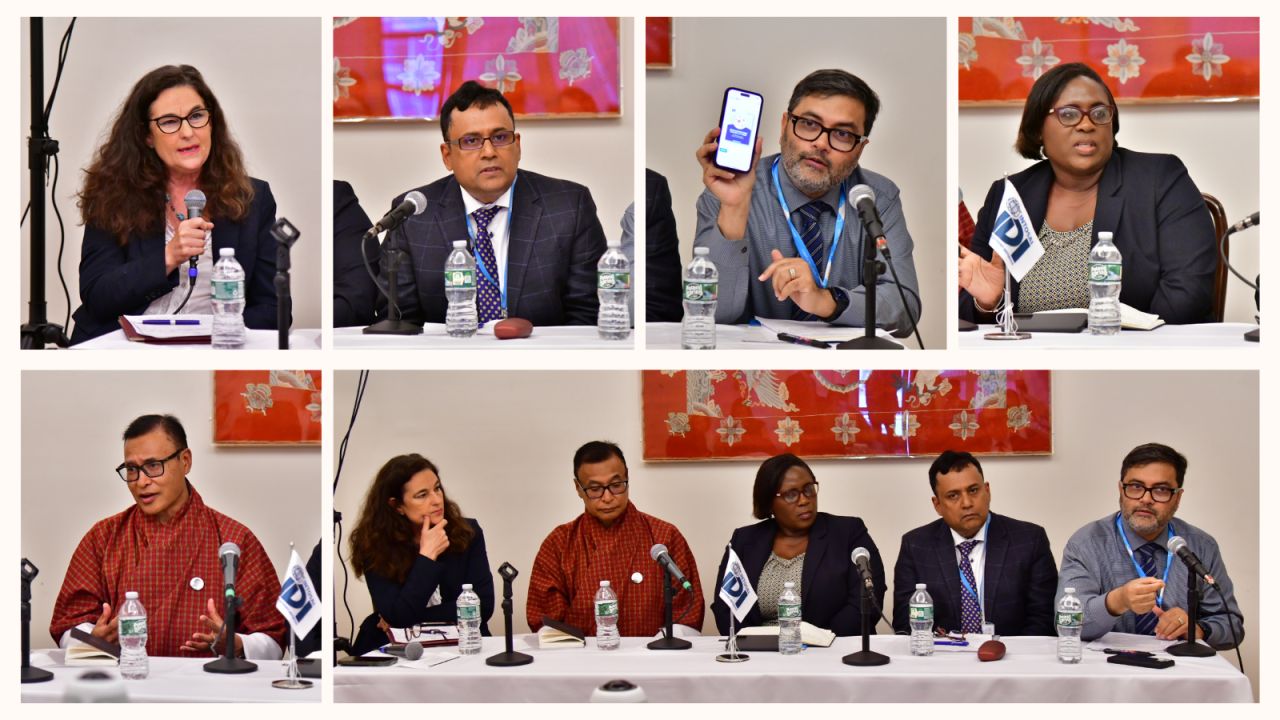
Ms. Yvonne James, Head of SAI Saint Lucia, shared the unique challenges faced by Small Island Developing States (SIDS), including limited resources and technical capacity. She explained that most auditors in Saint Lucia are trained in financial auditing, which posed difficulties in conducting performance audits on SDGs. With support from IDI and the World Health Organization (WHO), the SAI overcame these challenges and produced impactful audits that engaged stakeholders and shifted perceptions of SAIs. She emphasised the importance of partnership with stakeholders with expertise in the subject matter, and the value of embedding community voices in audit reports, facilitating audit impact.
Dasho Tashi highlighted the impacts of the Audit of Strong & Resilient National Public Health Systems (3d audit) in Bhutan, conducted during the second wave of COVID-19 amid challenges such as lockdowns. He explained how the audit led to the inclusion of biological hazards in the national disaster risk management system, which had previously focused solely on natural disasters (landslides, earthquakes, floods, etc.). The audit also prompted the integration of health policies across provinces and ministries in different sectors of the public administration, improved the interoperability of health information systems, and established protocols for the management of deceased bodies. These reforms have significantly strengthened Bhutan’s preparedness for future pandemics and disasters.
Mr. Sohel Saikat from the World Health Organization (WHO) reflected on the global collapse of health systems during COVID-19 and stressed the importance of building public health resilience worldwide. He highlighted the deep interconnectedness of health with other sectors of the economy and of public administration, including transportation, trade, tourism, and climate, while also noting the low priority often given to ministries of health in many countries. He explained that the WHO–IDI partnership during the 3d audits provided structured competency development for auditors and also helped position SAIs within national political structures. Mr. Saikat also underscored the vital role of women in health care and the need to empower female health workers in policymaking and decision-making processes to ensure stronger and more effective public health systems.
Mr. Monjurul Kabir from UN Women discussed the LNOB audit framework, developed in partnership with IDI, highlighting the challenges of addressing intersectional discrimination and ensuring inclusive access to finance—challenges that will persist beyond 2030. He shared examples of audits conducted by SAIs Georgia and Rwanda on gender and disability, underscoring the need for a whole-of-government approach in auditing sustainability. He also noted that ministries focused on gender and inclusion often lack political influence—similar to what had been mentioned regarding ministries of health—yet their work remains essential for achieving national and regional goals.
Ms. Adriana Alberti from UN DESA emphasised that, in implementing the SDGs, mindsets are as important as technical skills and know-how for aligning public servants’ behaviours with policy goals and unlocking institutional effectiveness. She introduced the mindsets and competency framework developed by UN DESA, including agility, system thinking, collaboration, innovation, foresight, evidence-based thinking, and empathy. She also described UN DESA’s efforts to embed these competencies through training and curriculum development.
In her closing remarks, Archana Shirsat thanked all speakers and participants for their insights and contributions. She reiterated the importance of integration, intersectionality, and changing hearts and minds. She expressed hope that the SAI SDG Auditor Initiative will achieve the same level of success as previous efforts and encouraged continued collaboration to strengthen the role of SAIs in sustainable development.
Recording of the panel discussion
The event was moderated by Mr. Adriano Juras, manager at the IDI.
Learn more about the SAI SDG Auditor Initiative
Photos Attribution
Source: INTOSAI Journal of Government Auditing