News
IDI’s Gender Annex Indicates Sais Need To Build Capacity To Become More Gender Responsive
01/02/2022
by Camilla Fredriksen, Manager, IDI Global Foundations Unit 
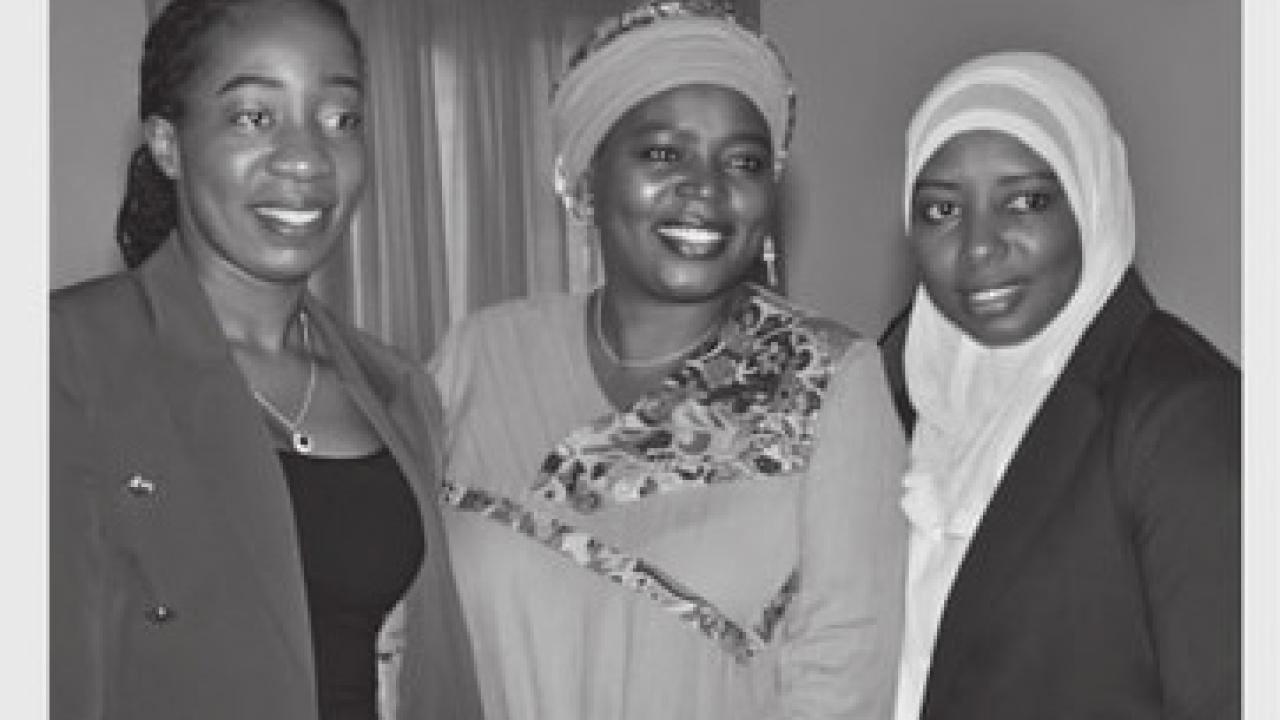
On December 10, 2021, the INTOSAI Development Initiative (IDI) launched a special Gender Annex to the Global Stocktaking Report 2020. The Annex—Towards Greater Gender Equality in and through SAIs – Opportunities for SAIs and Support Providers—examines the commitments Supreme Audit Institutions (SAIs) have made on gender, and how these commitments have translated into action.
The analysis of responses from 178 SAIs tells a story about an SAI community where the gender composition of staff is balanced, but where efforts are needed to promote women into leadership positions. Women comprise only 29 percent of Heads of SAIs, and 39 percent of senior management in SAIs.
This gap may be due to the fact that the strategic plans of fewer than one-third of SAIs include measures on gender equality. In fact, fewer than 10 percent of SAIs have undertaken a gender analysis to inform their strategic planning, which indicates that the knowledge base for identifying appropriate strategies is also lacking. The African Organization of English-speaking SAIs (AFROSAI-E) and Regional Council for the Training of SAIs of Sub-Saharan Francophone Africa (CREFIAF) regions are champions in promoting gender at the institutional level.
In terms of audits, only 21 percent of SAIs have committed in their strategic plans to integrating issues of gender into their work. Similarly, only 24 percent of SAIs undertook gender audits during the period of 2017 to 2019. The bulk of these were audits of United Nations’ Sustainable Development Goal 5 on gender equality carried out by 70 percent of the SAIs in the Organization of Latin American and Caribbean SAIs (OLACEFS) region. A meager 14 percent of all SAIs globally have started mainstreaming gender in their audits.
These results suggest there is a need to build SAIs’ capacity to improve gender equality. Yet, only 23 percent of SAIs have
committed to developing staff capacity on this issue, and fewer than 10 percent of SAIs have received capacity development support on gender in recent years.
Interestingly, many of the 25 percent of SAIs globally that plan to build capacity in gender in the coming period are from the AFROSAI-E, CREFIAF, and OLACEFS regions. This tells us that SAIs already doing work on gender more clearly appreciate that, if they are to become more gender responsive, they will need to systematically develop capacity across their institutions.
 |
To read more, click here. |
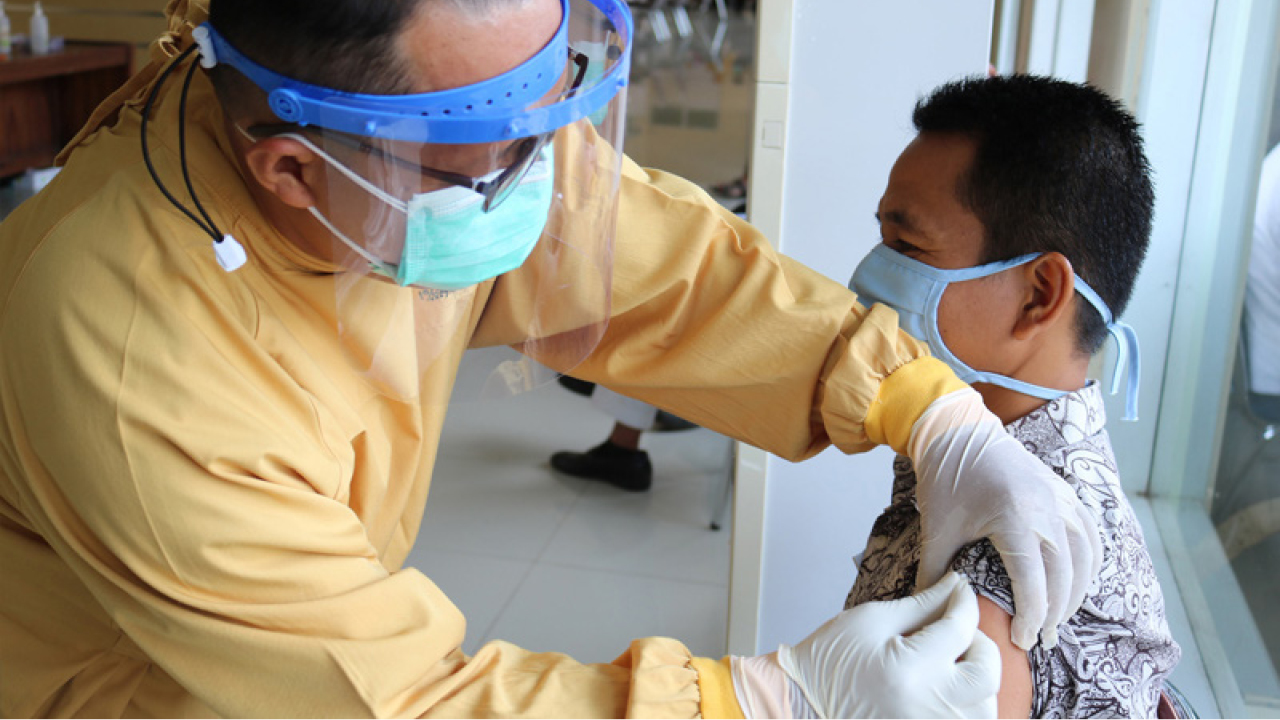
The IMF has encouraged countries to act promptly, while also increasing efforts to ensure transparency and accountability of public spending.
by Martin Aldcroft, Senior Manager, IDI Strategic Support Unit
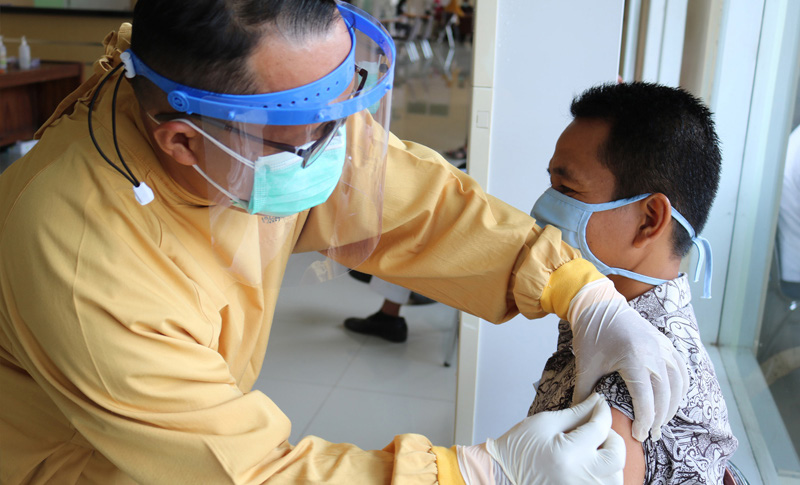
As an international lender of last resort, the International Monetary Fund (IMF) has been the largest provider of emergency financing for COVID-19, making available an unprecedented $250 billion to over 85 member countries. These funds, which have largely been used as domestic budget support, have been critical in bolstering governments’ responses to the pandemic.
However, the rapid dispersal of these vast sums has increased the risk of ineffective or improper use. Emergency measures, such as streamlined procurement of medical equipment and vaccines, have weakened the public finance systems of recipient countries. Further, the IMF has provided these funds in full and up front, without some of the organization’s normal control mechanisms.
Recognizing these risks, the IMF has encouraged countries to “Do whatever it takes, but keep the receipts”—i.e., to act promptly, while also increasing efforts to ensure transparency and accountability of public spending. Supreme Audit Institutions (SAIs) have the mandate, capacity, and experience to play a critical role in this endeavor. However, for most effective oversight of the use of emergency funding, greater understanding, dialogue, and cooperation are needed between the IMF and SAIs.
This article summarizes some of the key messages from a paper the INTOSAI Development Initiative (IDI) recently published on strengthening the role of SAIs in auditing IMF emergency financing. While the paper focuses on the relationship between SAIs and the IMF, many of its concepts equally apply to emergency funding from other partners that is channeled through national systems.
Importance of Including SAIs in Discussions about Conditions of Emergency Support
During the pandemic, SAIs have applied a variety of tools to enhance the transparency and accountability of the use of emergency financing. Many SAIs have used real-time audits—focused compliance audits with short timeframes and streamlined processes—to examine high-risk areas and report rapidly. Other SAIs have audited the use of emergency funding as part of their annual financial audits of the state budget. SAIs have also carried out performance audits, such as on the institutional framework for receiving, distributing, and using donated pandemic supplies.
However, SAIs should not only apply ex-post controls, but also be invited to and play an active part in discussions with the IMF and other donor organizations about the audit commitments attached to support before the funds are dispersed.
To address vulnerabilities to fraud and corruption associated with emergency funding, the IMF includes specific safeguards— commitments from recipient countries to take certain actions— in the Letters of Intent (LOI) attached to funding agreements. Such commitments vary widely but often stipulate that the country’s SAI audit the use of emergency funding.
To reach an agreement on these commitments, the IMF usually works with the recipient country’s Finance Ministers and Central Bank Governors. However, this convention poses a risk to SAI independence and prevents SAIs from providing key input into the dialogue.
While SAI independence has many dimensions, Principle 3 of the Mexico Declaration is especially pertinent to the audit of emergency funding, as SAIs are to be free from direction or interference from the legislature or the executive in the selection of audit issues. Fortunately, it appears that while SAIs have largely been left out of discussions on audit commitments in LOIs, in practice they have enjoyed the necessary freedom to interpret how those commitments are to be applied. An IDI survey examining the impact of the pandemic on SAI independence found that 94 percent of responding SAIs were free to decide on their audits, including of COVID-19 emergency spending.
Involving SAIs in the dialogue about audit commitments not only respects and safeguards SAI independence. It also offers the opportunity for SAIs to provide critical information about factors that impact whether and how they can audit the use of emergency funds, such as how such funds are channeled, accounted for, and reported in the country’s public financial management system. This input can help determine the audit type and subject matter, audited entities, and audit timeframes called for by the commitments.
By engaging with a wider group of stakeholders, the IMF may have to deal with differences of opinion and challenging relationships between SAIs and the executive. However, the outcome of these discussions could be a set of commitments more closely tailored to the country’s context and more carefully crafted to ensure transparency and accountability.
Taking Challenges into Account in Audit Commitments
Another key factor that the IMF and SAIs should discuss is the ability of SAIs to implement the audit commitments in LOIs. Agreements that the SAI factor audits of the use of emergency funding into its audit plans may be futile unless the SAI has the appropriate independence and legal mandate; access to the necessary documents; sufficient resources; and the right to publish its findings in a timely manner. Commitments for auditing emergency funds may need to be accompanied by other measures that address these issues.
Sometimes the challenges may extend beyond the SAI’s ability to audit the use of emergency funding, to questions over the functionality or impact of the SAI. Key principles for engagement in these circumstances include:
Policy Proposals for SAIs and the IMF
The COVID-19 pandemic has underscored that SAIs and the IMF are natural partners with shared objectives, such as:
Closer engagement would help the IMF and SAIs advance these objectives, as well as enhance their relationships with their respective stakeholders. To that end, the IMF, its member countries, and SAIs should consider the following measures, as relevant for each country:
SAIs and the IMF. Establish a dialogue to gain a deeper understanding of each other’s roles, identify shared objectives, and determine how to address the challenges SAIs face in delivering on their audit mandate.
SAIs. Review, and if necessary, update their annual audit plans to reflect emerging risks and changing stakeholder expectations due to the pandemic, recognizing the IMF as a stakeholder with shared objectives.
The IMF. Recognize that SAIs are the primary bodies responsible for auditing the use of emergency funds. Ensure, where possible, that audit commitments are developed through dialogue with the SAI; respect SAI independence; reflect country circumstances; and include actions necessary to enable SAIs to deliver on audit commitments. Integrate the role of SAIs into its country-level monitoring work.
IMF Members. Respect SAI independence when discussing and agreeing upon SAI-related commitments in funding agreements.
| |
To read more, click here. |
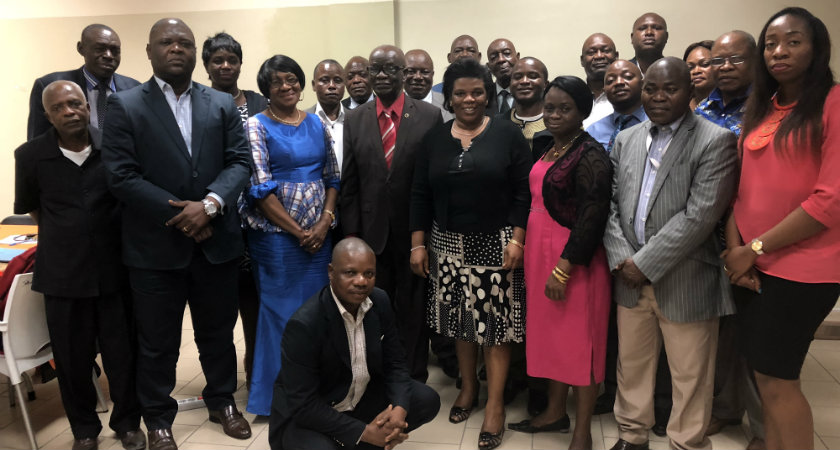
Norad grant funds a three and half years Peer Support Project for SAI DRC from January 2022
We are pleased to announce that the Norwegian Agency for Development Cooperation has approved a grant of NOK 9.5 M to fund a three and half years Peer Support Project for the Court of Accounts of the Democratic Republic of the Congo (DRC) effective January 2022.
The objective of the CDC-DRC Peer Support Project 2022-2025 is to enable the Cour des Comptes (CDC)of the DRC to successfully implement key strategic priorities related to strategic management, internal governance, ethics, compliance audit, jurisdictional control, digitalization, communication, and stakeholder engagement for the period 2022-2025.
IDI will administer the grant and be the lead implementation partner working with peers from the Supreme Audit Institutions (SAIs) of Hungary, Senegal, Sweden and Tunisia.
The support will contribute towards the implementation of the CDC-DRC’s strategic plan 2021-2025 in the following three key areas through coaching and mentoring both on-site and online:
The project will be led by the CDC with its First President chairing the Steering Committee and his designated official will lead the Project Coordination Team (PCT) handling daily project activities.
Mr. Ernest IZEMENGIA NSAA-NSAA, the first President of the CDC, said, “The Court of Auditors of the Democratic Republic of Congo is delighted to be the direct beneficiary of an institutional capacity building project, which is based on the priorities set out in its 2021-2025 strategic plan. I take this opportunity to express my gratitude to IDI and CREFIAF for their usual technical support, as well as to Norad and the Norwegian Embassy in Kinshasa for the financing of this project”. He concluded, “I cannot end my remarks without launching an appeal to other donors to take an interest in the Strategic Plan of the Court of Auditors and commit themselves, each within the limits of its means, to the implementation of the strategic plan”.
Per Fredrik Ilsaas Pharo, Director of Department for Partnerships and Shared prosperity in Norad, commented: “Supreme audit institutions are cornerstones of good governance and responsible financial management is critical to finance development. Norad welcomes the Supreme Audit Institution of DRC’s commitment to enhance their role in auditing public finance. We are hopeful that our financial support to this project will facilitate learning from other supreme audit institutions and continue to benefit from peer support from the IDI and other project partners.”
Mr. Einar Gørrissen, IDI Director General added, “We in IDI are grateful to Norad for the grant because it gives us an opportunity to continue supporting the SAI of the DRC by building on the progress the SAI made during PAP-APP Phase I from 2018 to 2021 and upholding our pledge to leave no SAI behind. The support will be a useful boost to the efforts of the SAI in addressing the enormous challenges Congolese society faces as recently shown by the report on the use of IMF Covid-19 funds.”
Ends
Nous avons le plaisir d’annoncer que l’Agence Norvégienne de Coopération au développement a approuvé une subvention de 9,5 millions de Couronnes Norvégiennes pour financer un projet de soutien par les pairs de trois ans et demi au profit de la Cour des Comptes de la République Démocratique du Congo (RDC), et ce à compter de janvier 2022.
L’objectif du Projet d’Appui par les Pairs CDC-RDC 2022-2025 est de permettre à la Cour des Comptes (CDC) de la RDC de mettre en œuvre avec succès les priorités stratégiques clés liées au management stratégique, à la gouvernance interne, à l’éthique, à l’audit de conformité, au contrôle juridictionnel, à la digitalisation ainsi qu’à la communication et à l’engagement des parties prenantes pour la période 2022-2025.
L’IDI administrera la subvention et sera le principal partenaire de mise en œuvre en collaboration avec des pairs des Institutions supérieures de contrôle (ISC) de la Hongrie, du Sénégal, de La Suède et de la Tunisie.
Le soutien contribuera à la mise en œuvre du plan stratégique de la CDC de la RDC pour la période 2021-2025 dans les trois domaines clés suivants grâce à un coaching et un mentorat sur place et en ligne :
Le projet sera dirigé par la CDC : Son Premier Président a la responsabilité de présider le Comité de Pilotage et de désigner un responsable pour diriger l’équipe de coordination du projet (ECP) laquelle est chargée des activités quotidiennes du projet.
Mr. Ernest IZEMENGIA NSAA-NSAA, Premier Président de la CDC, a déclaré : « La Cour des Comptes de la République Démocratique du Congo se réjouit d’être le bénéficiaire direct d’un projet de renforcement des capacités institutionnelles, qui s’appuie sur les priorités définies dans son plan stratégique 2021-2025. Je saisis cette occasion pour exprimer ma gratitude à l’IDI et au CREFIAF pour leur appui technique habituel, ainsi qu’à la Norad et à l’Ambassade de la Norvège à Kinshasa pour le financement de ce projet ». Il a conclu « Je ne peux terminer mes propos sans lancer un appel aux autres bailleurs de fonds pour qu’ils s’intéressent au Plan stratégique de la Cour des Comptes et s’engagent, chacun dans la limite de ses moyens, à la mise en œuvre du plan stratégique ».
Per Fredrik Ilsaas Pharo, directeur du Département des partenariats et de la prospérité partagée à la NORAD, a déclaré : “Les Institutions Supérieures de Contrôle sont les pierres angulaires de la bonne gouvernance et une gestion financière responsable est essentielle pour financer le développement. La Norad salue l’engagement de l’Institution Supérieure de Contrôle de la RDC à renforcer son rôle dans le contrôle des finances publiques. Nous espérons que notre soutien financier à ce projet facilitera l’apprentissage de la part des autres Institutions Supérieures de Contrôle et continuera de bénéficier du soutien des pairs de la part de l’IDI et des autres partenaires du projet”.
Mr. Einar Gørrissen, directeur général de l’IDI a ajouté : “Nous, à l’IDI, sommes reconnaissants à la Norad pour la subvention, car elle nous offre l’occasion de continuer à soutenir l’ISC de la RDC en s’appuyant sur les progrès réalisés par l’ISC au cours de la phase I du PAP-APP (de 2018 à 2021) et en respectant notre promesse de ne laisser aucune ISC derrière. Ce soutien sera un coup de pouce utile aux efforts de l’ISC pour relever les énormes défis auxquels la société congolaise est confrontée, comme l’a récemment montré le rapport sur l’utilisation des fonds Covid-19 du FMI”.

Mr. Ernest IZEMENGIA NSAA-NSAA, Le Premier Président de la CDC
 |
For more information on IDI’s work in the Democratic Republic of the Congo, click here. |
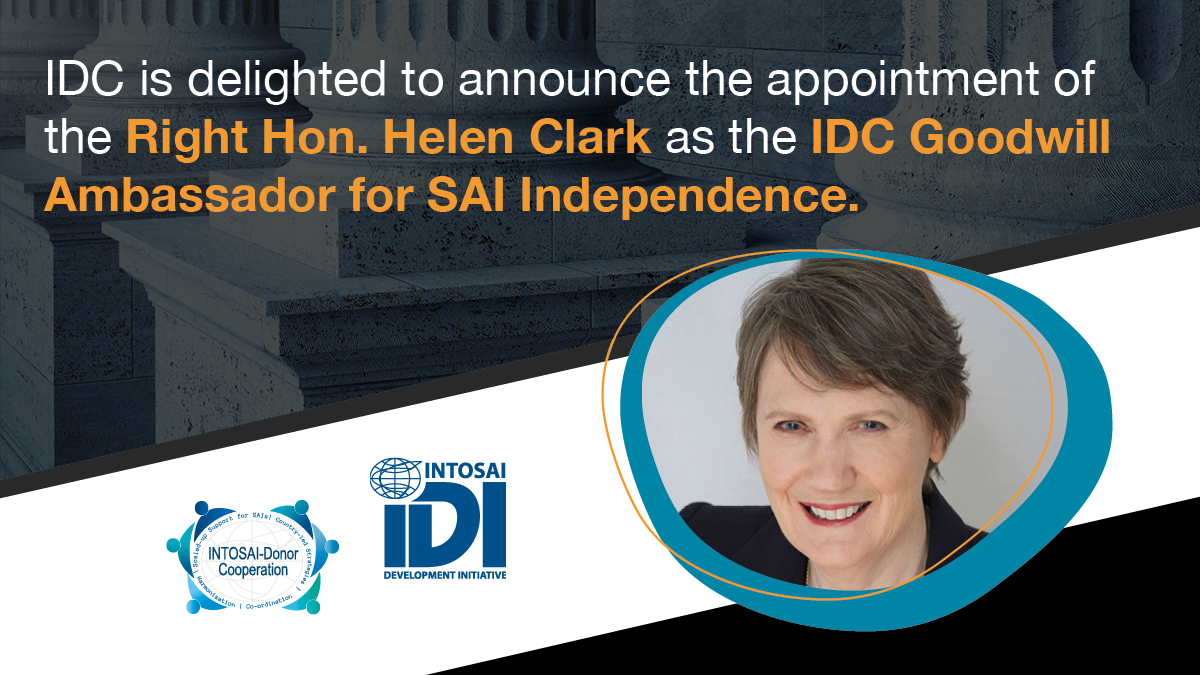
World leader Helen Clark has taken on the newly created role to advocate globally for independent SAIs.
Media Release
Holding governments to account. Helen Clark appointed global ambassador for independence of Supreme Audit Institutions (SAIs)
Oslo, 10 January 2022: A global organisation supporting Auditor-Generals’ offices world-wide has appointed former New Zealand Prime Minister, the Right Hon. Helen Clark, to advocate for their independence.
With increasing evidence that Supreme Audit Institutions’ autonomy is falling away, the INTOSAI (International Organization of Supreme Audit Institutions) Donor Cooperation (IDC) is confident Ms. Clark’s newly created role will increase awareness amongst governments and other stakeholders of the critical need to maintain SAIs’ independence in every country.
Helen Clark says, “In the current context of constitutional and democratic backsliding, combined with unprecedented emergency spending and economic disruptions during the COVID-19 pandemic, there’s never been a greater need for SAIs to be able to carry out their jobs without interference.”
Helen Clark states that if governments are to be transparent and accountable as their citizens require them to be, this backsliding trend cannot be ignored.
“Recently the Auditor General of Sierra Leone and her deputy were suspended indefinitely by the President, very shortly before a damning audit report was about to be published. This is not an isolated case, and it’s time the world understood the extent of the problem,” she adds.
Working alongside the Goodwill Ambassador for SAI Independence will be the appointing organisation, IDC — a global forum which coordinates multilateral and bi-lateral Development Partners to support SAIs, and the INTOSAI Development Initiative (IDI) which helps SAIs build and strengthen their capacity.
Ms Clark’s comments on the importance of SAI’s independence are supported by Mr. Ed Olowo-Okere, Director of the Governance Global Practice in the World Bank and Donor Chair of the IDC, who says, “It is critical for SAIs to be independent in order for them to operate effectively and to have sound public accountability in any country. Truly independent SAIs can help reduce waste and prevent misuse of public funds. This will in turn contribute to channeling savings to programmes that fight poverty, a focus of the international development community and core mission of the World Bank Group.”
As a world leader who served three terms as New Zealand’s Prime Minister and eight years as the first female head of the UN Development Programme, and is currently Chair of the Global Leadership Foundation, Helen Clark brings vast experience and gravitas to the role.
Helen Clark’s appointment as IDC Goodwill Ambassador for SAI Independence is effective from 1 January 2022 for an initial term of three years.
Ends

IDC Goodwill Ambassador for SAI Independence, the Right Hon. Helen Clark

Mr. Ed Olowo-Okere, Director of Governance Global Practice in the World Bank, and Donor Chair of the INTOSAI-Donor Cooperation
About us
International Organization of Supreme Audit Institutions (INTOSAI) operates as an umbrella organisation for the external government audit community. It is an autonomous, independent and non-governmental organisation with special consultative status with the Economic and Social Council of the United Nations. The INTOSAI-Donor Cooperation (IDC) mobilises funding from donors to strengthen SAIs, focusing on governance, development and poverty reduction. The INTOSAI Development Initiative (IDI) support SAIs in developing countries to build and strengthen capacity.
For media and interviews please contact:
Media: Mary Lambie maryl@socius.co.nz +64 274 838 800
IDC/IDI Communications Manager: Jill Marshall jill.marshall@idi.no +64 28 408 6329
By Laurent Grosse-Kozlowski and Nils Vösgen, INTOSAI Development Initiative.
Risk and crisis management for SAIs: heightened resilience forincreased performance
Source: INTOSAI Development Initiative (https://www.idi.no/)

The global COVID‑19 crisis has forced many supreme audit institutions to face how well – or how poorly – they are able to work in crisis mode. This measure of their resilience applies just as well to their internal functioning as to their ability to address government functioning in times of crisis. The INTOSAI Development Initiative (IDI), part of the global umbrella organisation of SAIs, has identified resilience as a common challenge for SAIs and developed Crisis and Risk Management (CRISP) for SAI Performance. Laurent Grosse-Kozlowski, Manager for SAI Governance in IDI, is leading the development and implementation of the CRISP initiative, and Nils Vösgen, also a Manager for SAI Governance in IDI, is part of his team. In this article they explain what CRISP is about, how it can help SAIs to face future disruption, and what it offers concretely in the form of practice-sharing, guidance and training.
Disruptive times, and public auditors are not immune
The years 2020 and 2021 have meant unforeseen disruption and challenges for the community of supreme audit institutions (SAIs), as for all other institutions of society. While most of them have adapted to the situation, the ongoing COVID‑19 crisis has revealed that many SAIs are ill-prepared to deal with large-scale disruption and crises.
The INTOSAI Development Initiative Global SAI Stocktaking Report 2020 shows evidence of this: ‘Globally, 53 % of SAIs have an emergency preparedness and continuity plan. Lower income countries are significantly lagging behind the higher income countries.’ Indeed, while SAIs routinely evaluate changing and emerging risks in the audit environment1, it appears that a substantial proportion of them do not do this for their own strategy and operations.
What is resilience and why is it important for SAIs?
The COVID‑19 crisis has heightened the need for SAIs to show that they have organisational attributes that have become buzzwords very quickly: agility, foresight, and organisational resilience. The concept of resilience can be defined as the ability to anticipate and absorb threats or shocks – i.e. large‑scale adverse events – and recover from them. This entails internal resilience, or the ability to perform work as planned when
faced with disruption, as well as external resilience, the ability to remain relevant during crises by addressing and adjusting to them. For a SAI, the core of being resilient means being able to deliver value and benefits to citizens as defined by INTOSAI Principle 12 even under different and challenging circumstances.
In recent years, a shift in strategic management has meant an increasing focus on outcomes, or on achieving results beyond the SAI’s direct sphere of control. While this shift ensures that SAIs produce meaningful results, it also strengthens their bond with the institutional environment, making their strategy dependent on the environment. By focusing on outcomes, SAIs make a value proposition to their stakeholders that they should seek to fulfil even when times get tough. Resilience will allow them to continue achieving those outcomes by changing internal practices and processes as necessary.
A further crucial factor for SAIs is their commitment to be leading by example. SAIs have traditionally strived for excellence in the areas they audit, such as compliance with laws and regulations and resource efficiency. The impetus of leading by example has also spread to areas like gender equality, staff welfare and digitalisation. As institutional resilience becomes an increasingly meaningful attribute of public sector entities – and SAIs audit other entities’ risk management and crisis preparedness plans – leading by example should also refer to SAI resilience.
The overall accountability system of which SAIs are a part is confronted by risks. While some of these risks may not be directed at SAIs per se, they will affect them indirectly. For example, there is the risk of corruption in audited entities. While this does not directly threaten the SAI, it will have an impact on audit content, the meaningfulness of audit reports, and the likelihood that recommendations will be implemented. Equally, any significant disruption to the work of audited entities will endanger audit timeliness. While a SAI can only influence these external events to a limited extent, it will benefit from anticipating and preparing for them.
Risk and crisis management as pillars of resilience
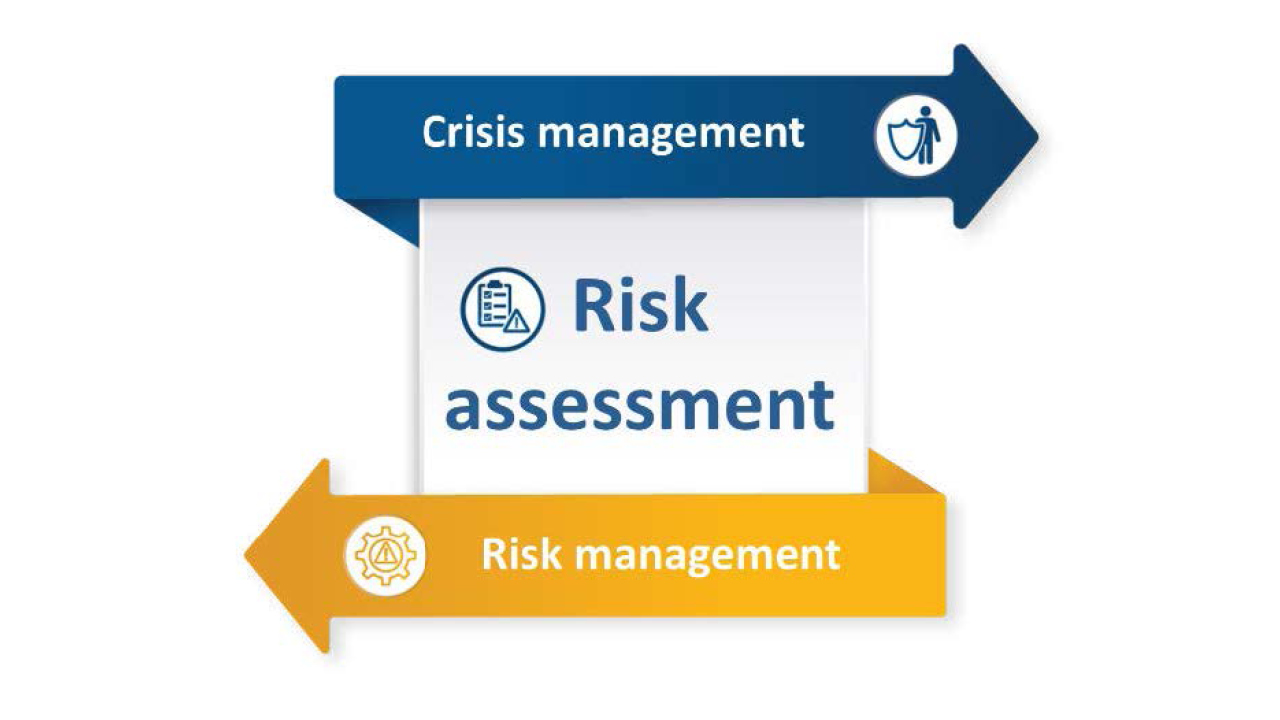
From this perspective, risk management and crisis management form two pillars that SAIs need to construct to strengthen their resilience, alongside others such as technology, leadership and strategic management. Although risk and crisis management can appear to be distinct, it is only when both are present that the organisation can take decisive steps towards resilience. Indeed, doing one without the other would result in incomplete work, as the two subjects are not only linked but largely interdependent (see Figure 1).
Figure 1 – Risk and crisis management are inherently interlinked

Risk management and crisis management use similar tools to assess risks, but from different perspectives. Managing crises is about imagining the impact that the realisation of a risk will have on the SAI, and how the SAI will react to contain and ultimately eliminate the consequences of that risk. While risk management is about reducing or even avoiding risk, crisis management is about a risk that has been realised; it is about managing consequences. In this sense, there is a clear continuum between risk and crisis management, essentially making both part of a single system that contributes to SAIs’ resilience.
The CRISP initiative: how IDI addresses risk and crisis management to assist SAIs
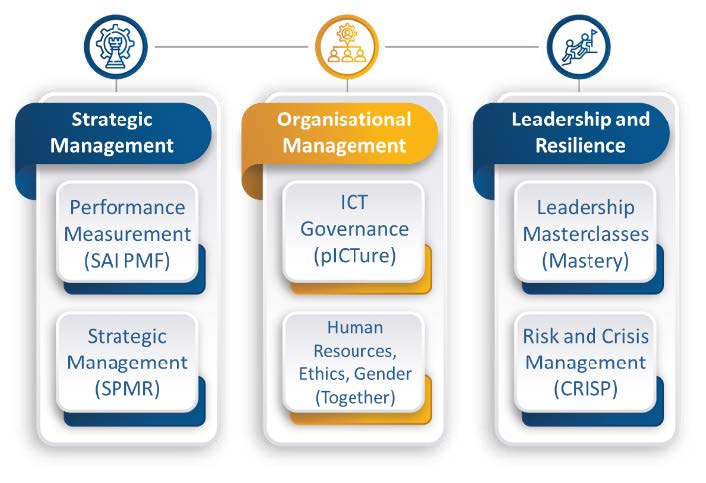
Given these considerations regarding resilience and the changing needs of SAIs during the pandemic, IDI has launched several new initiatives (see Figure 2). Among them is CRISP (Crisis and Risk Management for SAI Performance), which was presented in September 2021 and aims to help SAIs focus on setting up and improving risk and crisis management processes that will enable them to face future disruption and strengthen their position in the accountability system of their home countries. While there are international standards on risk management, such as ISO 310002, and some INTOSAI organisations have worked on guidance for SAIs in the area of crisis management3, IDI found a lack of guidance that is both specific to the SAI environment and general enough for different models, sizes and development levels of SAIs.
Figure 2 – IDI’s well-governed SAIs workstream and initiatives
The first activity of the CRISP initiative was to conduct sensitisation webinars in English and French at which representatives of the SAIs of Bulgaria, Canada, Fiji and Ukraine, as well as the ECA, shared their experiences of setting up and updating their risk and crisis management routines, with specific reference to the pandemic. The ensuing discussion with participants from around 50 different SAIs brought out some main points that will further inform the rollout of this initiative.
While many SAIs have some risk management routines in place, weaknesses were exposed. Many SAIs have not so far considered risk management beyond the realm of internal control, for example looking at IT risks and the link between risk management and their strategic and operational plans. Some SAIs also struggle to quantify risks, and smaller SAIs in particular are easily overwhelmed by extensive procedures. In the area of crisis management, most SAIs have improvised when facing crises, including COVID‑19. Although some SAIs have plans in place, these have not always proved easy to implement and often focus on the immediate response to emergencies (such as a fire in the building) while remaining silent on business continuity during a prolonged disruption. The current challenges for most SAIs are the perceived lack of concrete guidance and support on developing improved crisis management routines, and formalising the lessons they have learned over the past two years.
What next for CRISP?
The CRISP initiative will produce guidance for SAIs on how to manage risk and crisis. This guidance will refer to established standards, such as COSO4, regional tools such as the AFROSAI-E Crisis, Emergency & Risk Communication for SAIs, and good practices from SAIs, and it will also propose a specific IDI approach to guide and ease implementation by SAIs. The guidance is now being drafted and will take account of the feedback received from SAIs during the sensitisation webinars. The next step will be to circulate the draft widely for additional feedback from the SAI community before it is finalised.
Following this, IDI will conduct training sessions in 2022 and 2023 to help SAIs familiarise themselves with the proposed methodology and associated tools that they can use to implement good practices in risk and crisis management (see Box 1). IDI will also work directly with a few SAIs through close coaching and on-site support to develop with them the necessary organisational set-up and tools for risk and crisis management.
IDI is convinced that CRISP will equip SAIs better to face future crises and to anticipate and manage risks that are not only inherent to their work but affect their very existence. It will make them more resilient and able to deliver better results.
Box 1 – Interested in CRISP?
If your SAI is interested in supporting the initiative’s implementation or benefitting from it, please get in touch: Laurent.grosse-kozlowski@idi.no
1 See INTOSAI-P 12, The Value and Benefits of Supreme Audit Institutions – making a difference to the lives of citizens, Principle 5.
2 See at www.iso.org/iso-31000-risk-management.html.
3 See for example, INTOSAI’s Capacity Building Committee: Disaster Risk Reduction – Business Continuity Planning, accessible at www.intosaicbc.org/download/business-continuity-planning-2/.
4 Commission of Sponsoring Organizations of the Treadway Commission – Enterprise Risk Management – Integrated Framework (see www.coso.org).
To read more go to : https://www.eca.europa.eu/en/Pages/Journal.aspx
In two global summits, 92 SAIs asked “What success stories of high impact audits or audit practices do SAIs have? And what led to their success?”
“What success stories of high impact audits or audit practices do SAIs have? And what led to their success?”
In two recent global summits, IDI brought together 92 SAIs from across the world to answer these questions and more in the conversation: “What is audit impact?”
As a contribution to the effort for achieving greater audit impact, IDI is launching a ‘Facilitating Audit Impact’ initiative. The two summits launched this initiative by bringing together SAI leadership and key stakeholders to explore the dimensions of audit impact, share success stories from achieving such impact and discuss paths to enhance audit impact.
SAIs highlighted their high impact audits and/or audit practices during the summits. In addition, SAIs and external stakeholders reflected upon good practices of strong stakeholder coalitions and robust follow-up systems.
Altogether, 17 SAIs shared success stories that were diverse, covered many local contexts, and were at different ends of the impact spectrum. Stories included examples of high impact financial audits, compliance audits and performance audits, as well as audit practices related to other areas such as stakeholder engagement and follow-up.
In addition, the Inter-Parliamentary Union (IPU) shared reflections on high impact audits that they have seen and how parliaments may contribute to high impact audits. Likewise, the International Budget Partnership (IBP) provided reflections on the role of civil society organisations in contributing to audit impact and some examples from partner countries of high impact audits. Good practices for follow-up systems were also presented from the EUROSAI Project Group on Follow up Systems. You can read their report here.
IDI would like to thank all the speakers, moderators and participants for their contributions to this conversation opener on “What is Audit Impact?”
Want to read more about IDI’s initiative for Facilitating Audit impact? You can read our strategy here.
You can also listen to the success stories from both days, in several languages, by selecting the video from the table below.
|
18 November 2021 |
30 November 2021 |
|
SAIs of Brazil, Costa Rica, Ecuador, Georgia, Peru, South Africa, Tunisia and Trinidad & Tobago |
SAIs of Bhutan, Iraq, Latvia, Kuwait, Malaysia, Moldova, New Zealand, Palestine, Somalia |
|
— |
|
|
— |
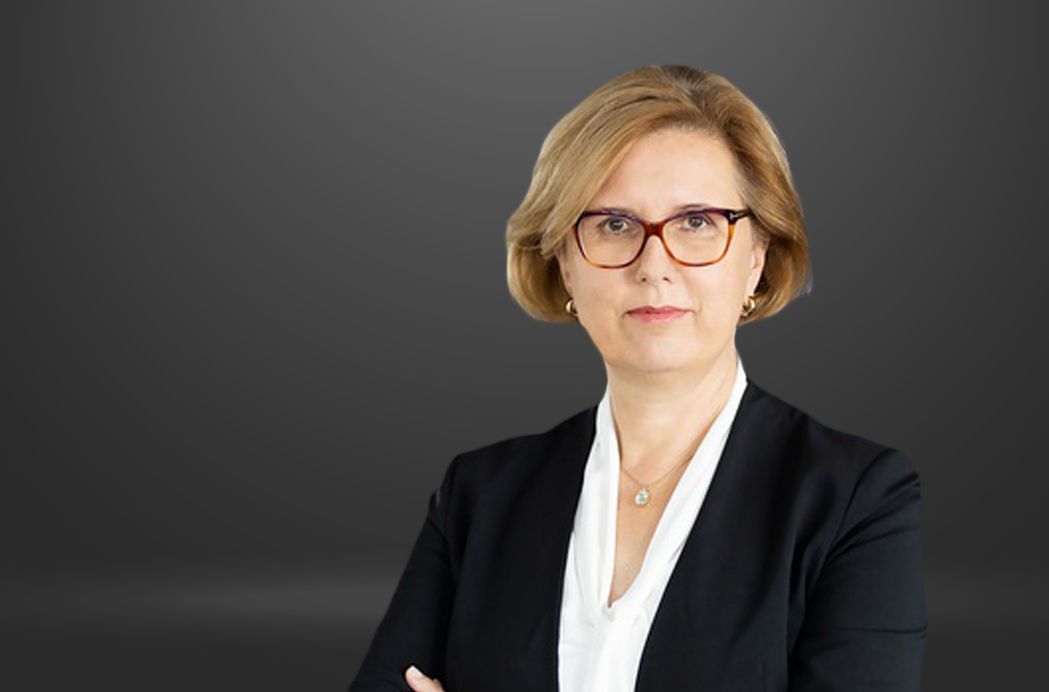
We’re delighted to profile Board member, Dr. Margit Kraker, President of the Austrian Court of Audit and Secretary-General of INTOSAI, with a special ‘Meet the Board’ focus on gender equality.
Dr. Margit Kraker assumed office as President of the Austrian Court of Audit (ACA) on July 1, 2016. In this capacity, she is also the Secretary General of the International Organization of Supreme Audit Institutions (INTOSAI).
She has long-standing experience in national and international government auditing as the former director of the Court of Audit of the Province of Styria (Austria) and vice member of the Management Committee of the European Organization of Regional External Public Finance Audit Institutions (EURORAI). She held these functions until assuming office in the ACA.
Dr. Kraker also gained extensive experience as a legal expert at the Austrian Parliament, as vice director of the Styrian Government’s Office and as member of the steering group on administrative reform in Styria.
Introduction
The recent IDI Board meeting took place on 25 November, which was also the International Day for the Elimination of Violence Against Women and the start of 16 days of activism against Gender Based Violence.
More gender equality in societies can lead to less violence against women. Some of the reasons why this is important include:
SAIs can contribute to addressing gender equality in their organisations and their audit work.
Dr. Kraker, the Austrian Court of Audit (ACA) has a natural stake in contributing to gender equality. Can you highlight the major ways in which the SAI has addressed gender balance in the workplace – and what you would like to see in the future?
Equality is very important in the ACA. But this was not always the case: for a long time, auditing was a male domain. It was not until 1948 that the first female auditor began working at the ACA, followed by the second in 1978. Since then, women have caught up in the ACA: currently, the ratio of women working as auditors has risen to 46%. Overall, 51% of the ACA’s employees are female. When it comes to recruiting and promotion, we encourage women to apply. Furthermore, it is also legally required to prefer women over men when they have the same qualifications, until gender balance is acquired.
There is also a legal requirement to have an equal treatment officer at the ACA to promote gender equality. Currently, we have a whole team that addresses issues of equal treatment. I am also pleased to see that for more than a year now a male colleague has served as the deputy equal treatment officer. The team regularly organises events to promote equality within the ACA.
Another factor is that the colleagues who work part-time are still largely female – this makes it more difficult to receive a promotion. During the COVID-19 crisis, when many employees worked from home and stayed with their children, we saw how difficult it was to tackle care work and paid work. As an employer, we try to make it as easy as possible to reconcile work and family life.
Austria is often mentioned as a good practice example in gender responsive budgeting. The ACA has also addressed gender aspects in several audits and published a prominent report on gender aspects in the Austrian tax system. What can other SAIs learn from your experiences in this area?
Since 2009, the Austrian Constitutional Law has required the federal, provincial and municipal governments to establish de-facto equality in their budget management. In accordance with the principles of outcome-oriented targeting, one of the ACA’s outcome targets is related to gender equality, namely: “Establishing transparency on the actual state of equality between men and women and on diversity”. In concrete terms, this means that the ACA evaluates existing data, points to data gaps and identifies potential for action. It therefore creates the transparency required for an impact-oriented equality and diversity policy to improve equal opportunities.
In order to approach the topic more holistically, the ACA established a guideline for auditors in 2013 with possible questions on gender equality and diversity. Does the audit area affect women and men differently? Is there a gender gap? Are there any meaningful gender studies? These are followed by questions about gender budgeting, the legal foundations and the strategy of the audited entity. Monitoring, reporting and evaluation are also critically examined, as well as the general databases. Important points of focus are the equality objectives, measures and indicators. These should be the criteria for making equality verifiable for the ACA as well.
The ACA also published separate reports that focus on the topic of equality as a crosscutting issue.
The specific reports concentrate for example on “Gender Health” or on the “Implementation of Gender Equality within the Framework of Outcome Orientation”. The report “Gender Aspects in Income Tax Law with a Focus on Earnings Tax” criticized the fact that the regulations in the tax and transfer system (e.g. favourable treatment of overtime work, single-earner deduction) that led to an unequal division of labour between women and men had been retained. The existing expert proposals for positive incentives had not been not implemented.
One of our best-known reports is the “General Income Report”. It is published every two years and lists incomes and pensions of the Austrian population, comparing also the incomes of women and men. In 2019, the median income of women was at 22,808 EUR – equalling 64% of the median income of men (EUR 35,841). As regards the pensions, women received around 60% of the pensions of men.
Within the framework of the “General Income Report”, the ACA also examines the proportion of women in management and executive positions. In several reports the ACA recommended that consideration should be given to appointing women to supervisory boards; this was also because the target of the Federal Public Corporate Governance Code (35% women on supervisory boards by the end of 2018) had not been met.
In your role as Secretary General of INTOSAI – the first female one in INTOSAI’s history – what more could the INTOSAI community be doing to mainstream gender according to SDG 5? What measures are being undertaken to better integrate gender and inclusiveness into the next INTOSAI Strategic Plan?
In its capacity as the General Secretariat of INTOSAI, the ACA attaches great importance to promoting equality within the organization. We have therefore also advocated for its inclusion in the new INTOSAI Strategic Plan. The current draft features equality as one of INTOSAI’s crosscutting – or organizational, as they will be called in the future – priorities.
The notion of INTOSAI’s crosscutting or – how they will be called in the future – organizational priorities is that they shall be reflected throughout INTOSAI’s work and actions. In this spirit, the General Secretariat will support the integration of gender equality in the implementation of INTOSAI’s policies through the respective working bodies in order to encourage SAIs in taking action on equality.
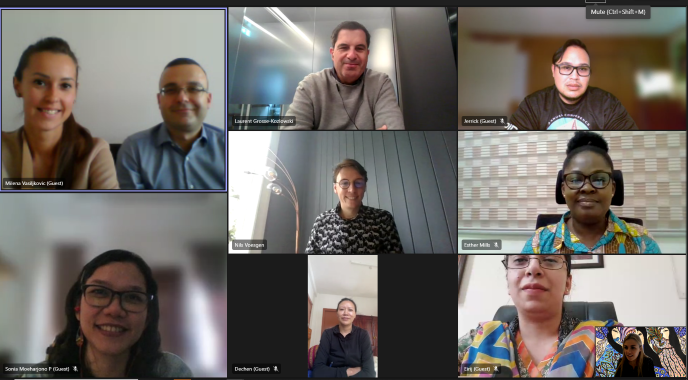
The SAIs of Albania, Aruba, Kosovo, Mauritius, Montenegro, Namibia, St. Lucia and Zambia have begun a new all-digital round of SPMR
IDI is pleased to announce that another 8 SAIs have commenced their journey towards stronger strategic management and SAI performance under the SPMR initiative. The SAIs of Albania, Aruba, Kosovo, Mauritius, Montenegro, Namibia, St. Lucia and Zambia have begun a new all-digital round of SPMR, starting with assessment of their current performance using the SAI PMF methodology as well as analysing their stakeholders’ views and expectations.
SPMR underscores the importance of leadership, strategic decision-making, risk and change management as essential determinants of SAI performance and impact. A gender assessment will complete the analysis of the SAIs’ current performance needed to inform an ambitious and realistic strategic plan. The 35 participants will complete the assessment work by early February, in time for the strategic planning workshop. Later in 2022, the SAIs will focus on developing holistic operational plans linked to the new strategies, supported by integrated monitoring and reporting systems.
In addition to the digital delivery of the planned workshops, a key characteristic of this cross-regional round of SPMR is that it is delivered with the invaluable support of seven resource persons from SAIs that successfully participated in the first round of SPMR (pictured).
Ms. Milena Vasilkovic and Mr. Milos Mandusic from the SAI of Serbia will support the SAIs of St. Lucia and Montenegro respectively. Ms. Eirij Rubbani from the SAI of Pakistan will accompany the SAI Kosovo team. The team of SAI Mauritius will enjoy the support of Ms. Dechen Pelden from the SAI of Bhutan, while Mr. Jerrich Hernandez from SAI Guam will assist its Caribbean colleagues of the SAI of Aruba. The SAI of Zambia will count not one, but two resource persons, namely Ms. Esther Mills from the SAI of Ghana, and Ms. Sonia Puteri from the SAI of Indonesia.
In addition, two of the participating SAIs, SAI Albania and SAI Namibia, will be accompanied by experts from the Office of the Auditor General of Norway (OAGN). This collaboration is also a continuation of a successful experience from the first round of SPMR, where OAGN supported the SAI of Myanmar.
The new round of SPMR is once again financially supported by the Swiss State Secretariat for Economic Affairs.
 |
For further information about the SPMR initiative, please see the webpage here. |
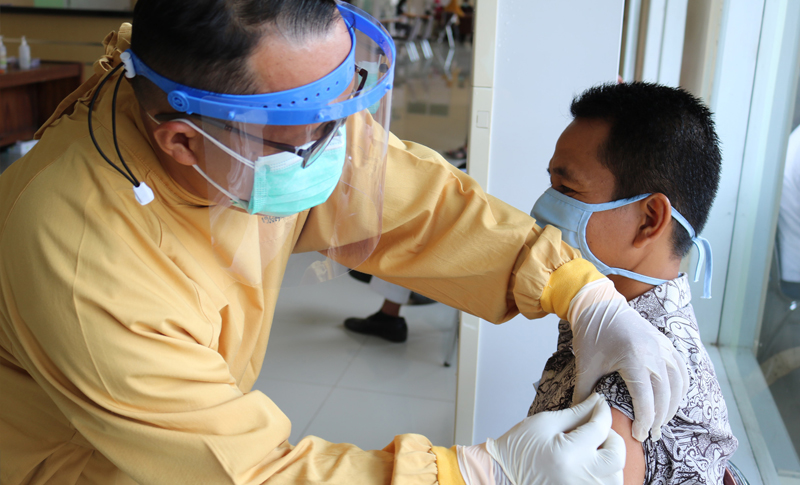
SAI audits are intended to address vulnerabilities to fraud and corruption and ensure greater accountability in IMF funding distributions
Today IDI launches its paper on the role of SAIs in auditing IMF emergency financing. The paper was co-authored by staff from IDI and the IMF Legal Affairs Department in 2020 whilst the COVID-19 pandemic unfolded. It benefited from considerable input from IMF staff.
In response to COVID-19, the IMF disbursed over US$110 billion in emergency financing to 85 countries. These one-time disbursements were without the IMF’s usual ex post conditionality. Instead, they relied on country commitments in Letters of Intent designed to address vulnerabilities to fraud and corruption through safeguards, including audits of the use of emergency finance by the country’s SAI.
The paper notes that, in most cases, IMF emergency finance is used by member countries as budget support. It is mingled with other revenues (including loans) and used as part of the general budget, which is within the mandate of the SAI to audit. As a result, SAIs and the IMF have a shared goal: to enhance transparency and accountability in the use of emergency funds and ensure SAIs contribute to good financial governance and addressing corruption. To achieve this, SAIs and the IMF need to strengthen mutual understanding, dialogue and cooperation, especially on issues such as SAI independence and IMF commitments, conditions and monitoring.
Further, as emergency finance is budget support, the IMF is not curtailing SAI independence by imposing on the SAI a requirement to audit the use of ring-fenced IMF funds. Rather, the IMF needs there to be a strong and independent SAI which is suitably resourced to deliver on its core mandate to audit the use of all public funds, while recognising the enhanced risks around the use of emergency finance. Additionally, SAIs should live the ‘Value and Benefits of SAIs’ principle of responsiveness by adjusting their audit plans to reflect emerging risks and remain relevant to stakeholder expectations. Finally, the findings from such audits should feed into broader oversight and follow-up systems, as well as those for sanctioning and referral of suspicions of corruption to appropriate investigative and law enforcement agencies.
Given this broad agenda, the paper acknowledges the extent of challenges currently faced by SAIs, covering independence, mandate, resources and operations, and how these have been exacerbated by the crisis. It recognises that short term safeguards need to be accompanied by longer term support to enable SAIs to play their role more effectively. And finally, it notes how INTOSAI bodies, peer SAIs and development partners can contribute to this area, as can the IMF through integrating SAIs into its broader policy dialogue, monitoring and future programs including conditionality.
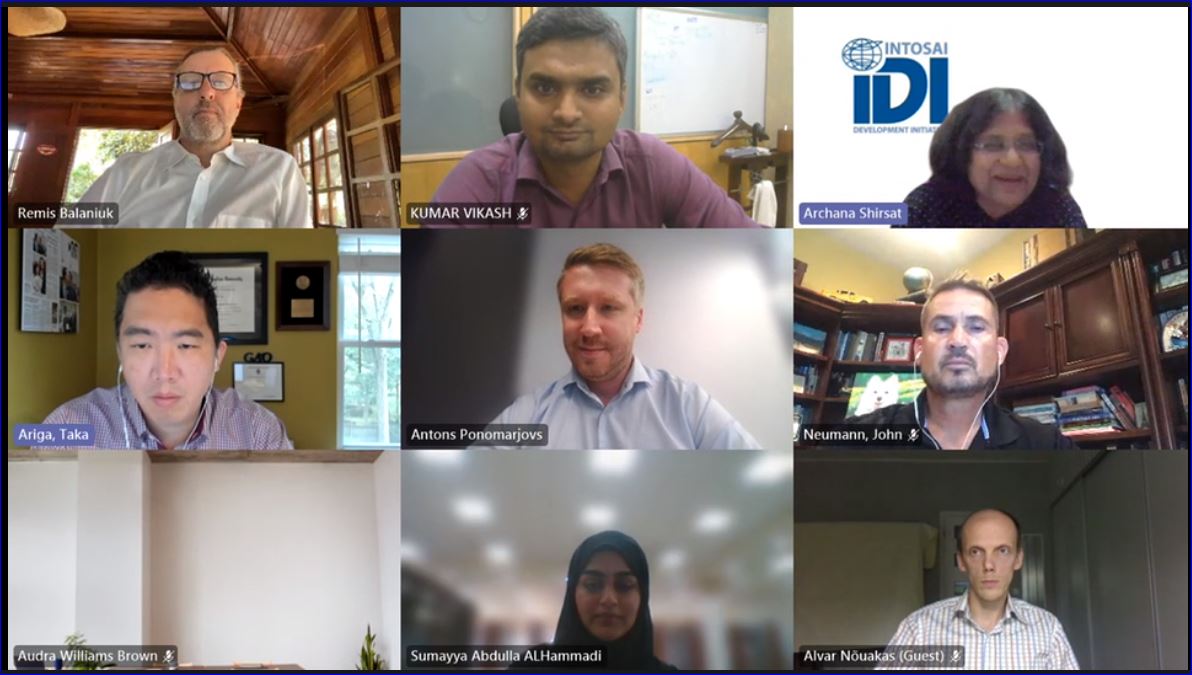
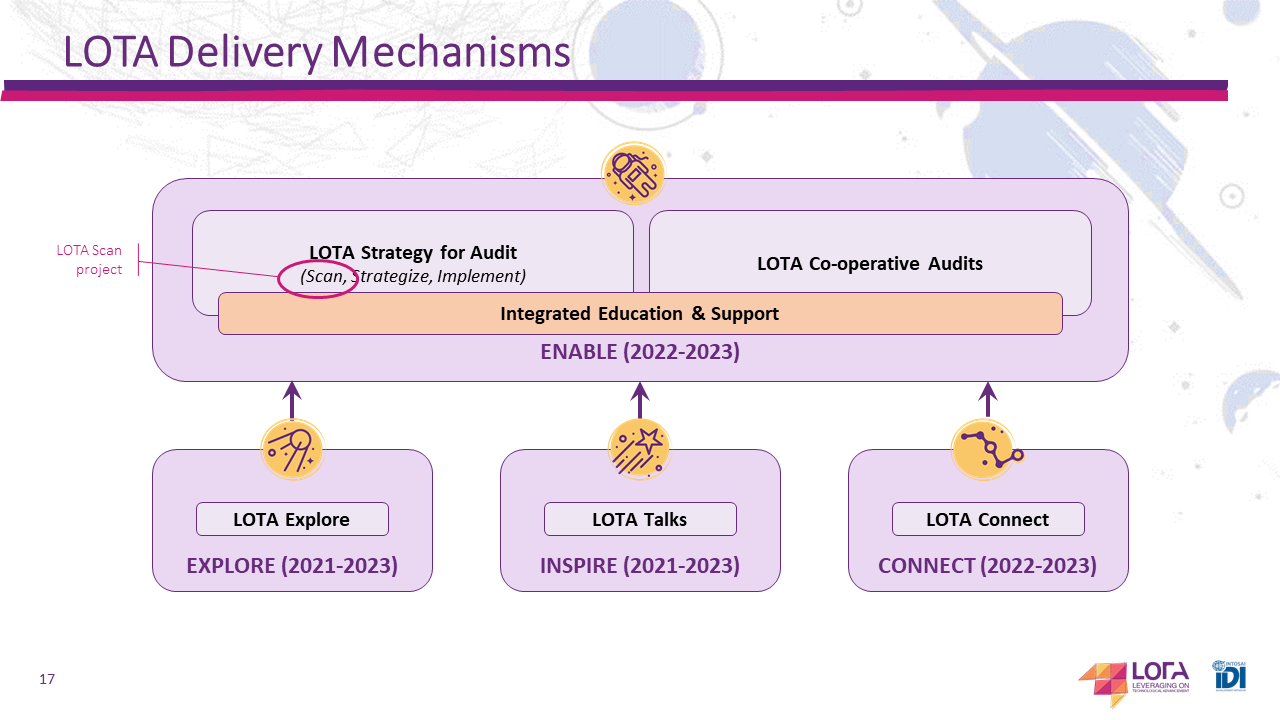
IDI has kicked off its first project under new initiative, Leveraging on Technological Advancement – LOTA.
IDI has launched its first project under new initiative, LOTA.
LOTA, standing for Leveraging on Technological Advancement, is meant to help SAIs to stay relevant by use of – and auditing of – modern technologies.
The team working on the project consists of experienced knowledgeable experts from different INTOSAI regions.
The first project under the initiative is LOTA Scan. This is aimed at developing a tool to support SAIs in the assessment of their current external and internal technology environment. The output of the tool potentially could be used in the development of further LOTA strategies for audit.