News
Stronger People, Stronger Institutions: Caribbean SAIs Lead the Way on HR Reform
15/04/2025
What does it take to build a public institution that truly serves people? For Supreme Audit Institutions (SAIs) in the Caribbean, the answer starts with a powerful yet often overlooked foundation: a strong, inclusive, and values-based approach to human resources.
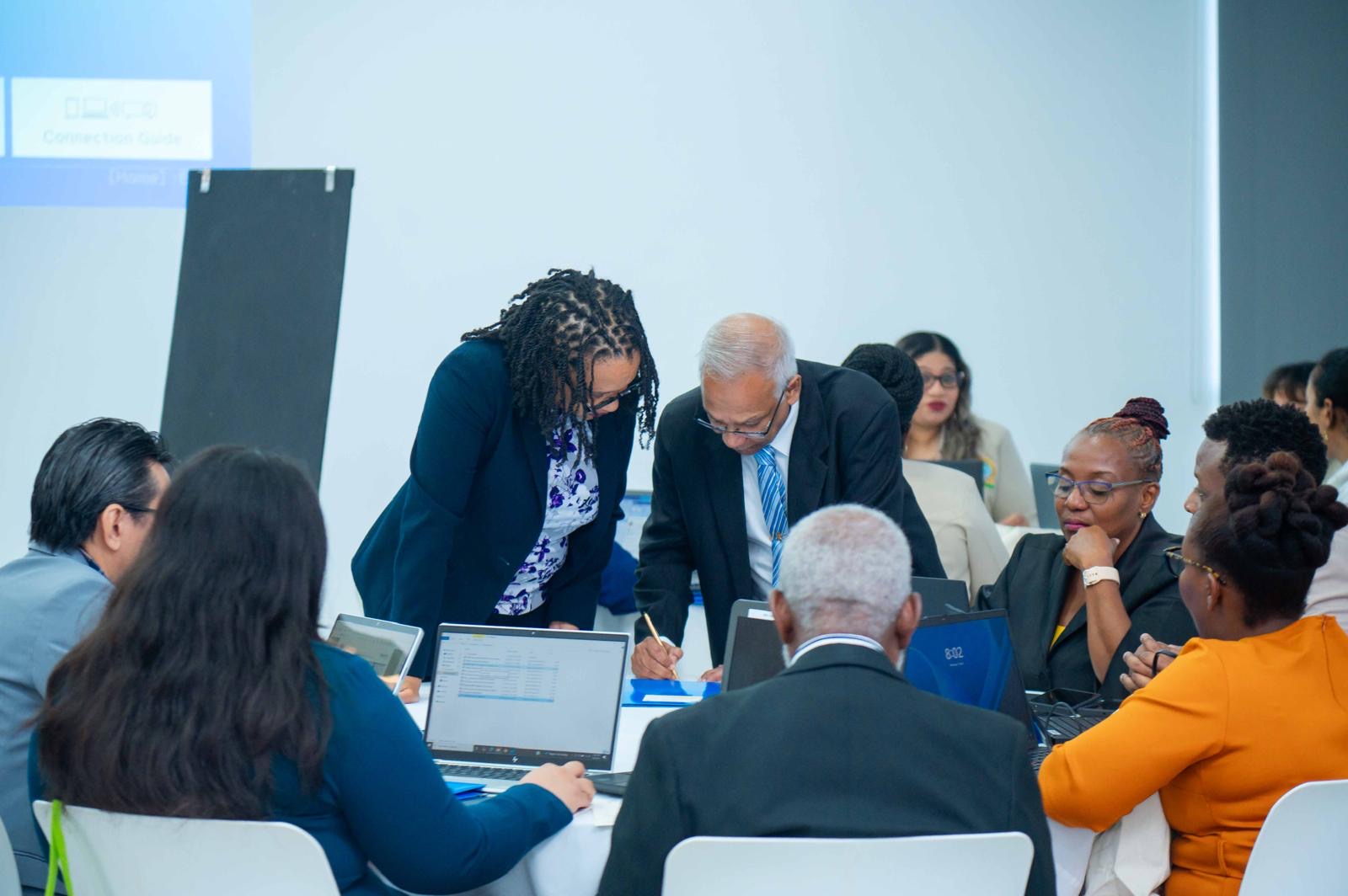
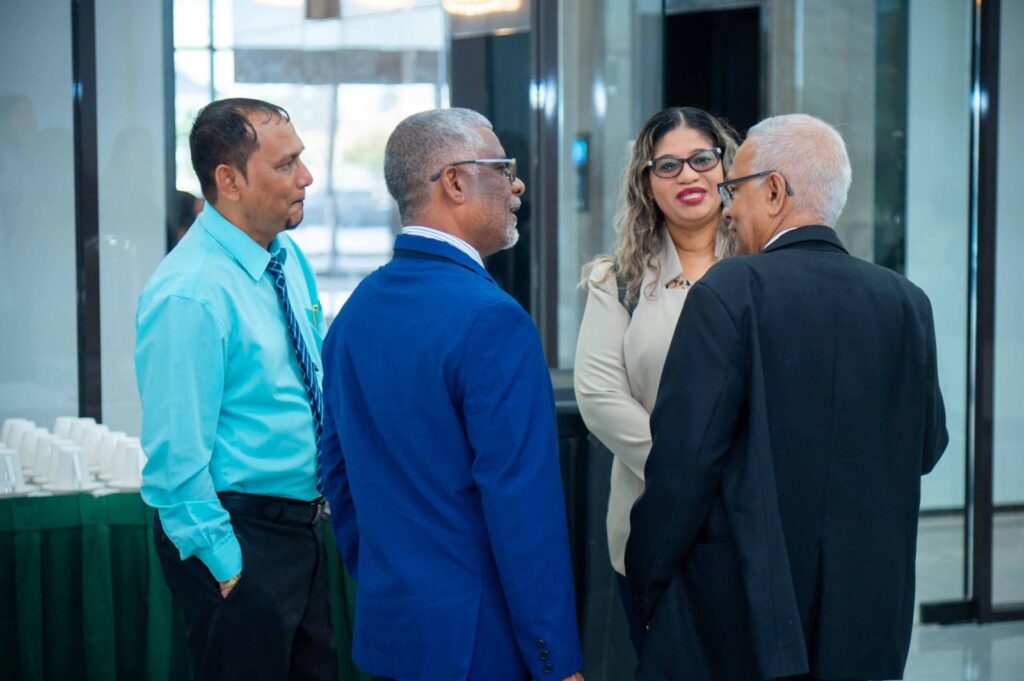
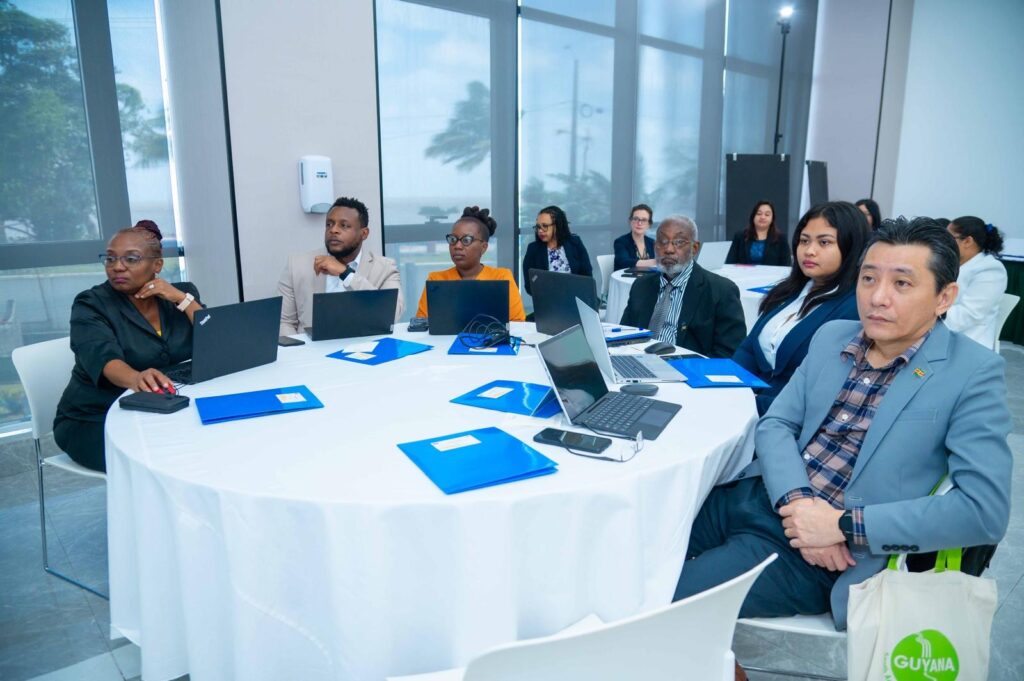
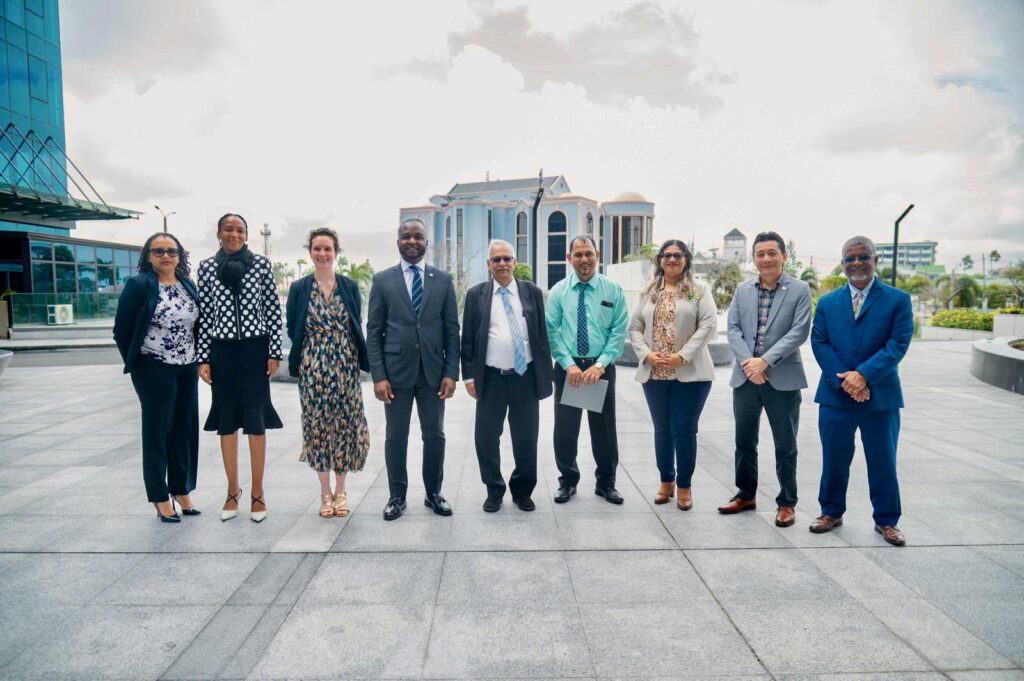
From 7–11 April 2025, leaders from six CAROSAI member SAIs gathered in Georgetown, Guyana for a milestone workshop under the TOGETHER Initiative—and for some of them, it was the first formal training they had ever received on human resource management (HRM).
The event was more than a learning opportunity. It marked a turning point in how these institutions invest in their people—to strengthen their systems, support independence, and deliver better results for citizens.
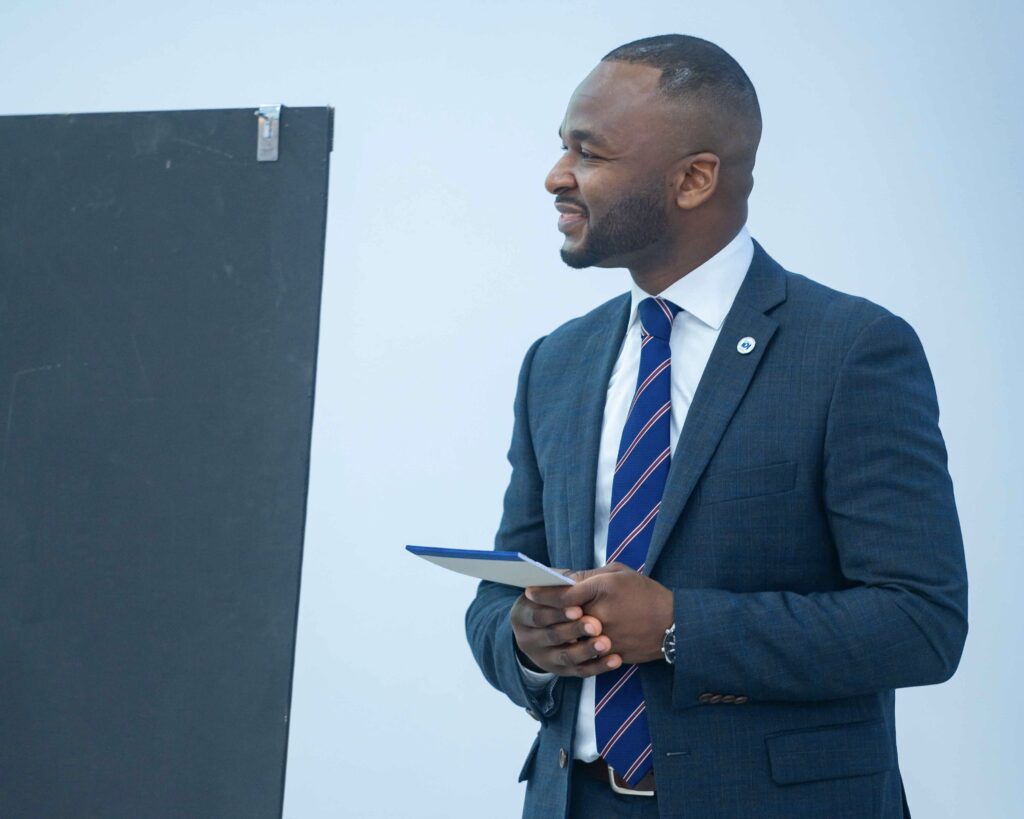
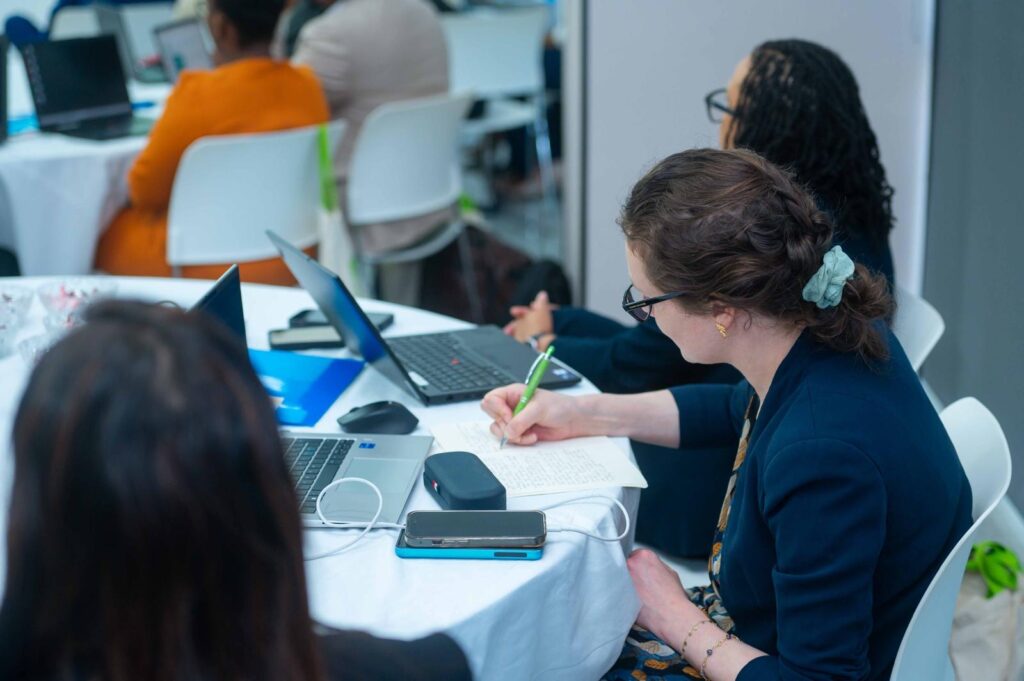
For SAIs from Belize, Jamaica, Guyana, Grenada, Saint Lucia, and Suriname, this wasn’t just another week of meetings. It was a first-of-its-kind experience: five days of deep reflection, practical planning, and peer exchange focused entirely on building better HR systems.
The road to Georgetown began months earlier, with a six-week eLearning course on HRM fundamentals and an intensive diagnostic process to help each SAI assess its current practices. Once in Guyana, teams rolled up their sleeves to analyse the findings, define challenges, and co-create action plans grounded in their realities.
For some participants, it was a revelation. “My HRM vision for my SAI, especially after this workshop, is to create an inclusive and adapted working environment to generate organisational success—but also to inspire personal growth,” said Maria Rodriguez, Auditor General of Belize.
Across the Caribbean, SAIs face similar challenges when it comes to building people-centred institutions: limited autonomy, gaps in professional development, and the need for tailored approaches in small or resource-constrained contexts.
“One of the biggest HRM challenges discussed during this workshop—and faced by SAIs in the region—is the question of organisational autonomy,” said Shamar Richard, Chief Internal Auditor at Jamaica’s Auditor General Department. These challenges directly impact institutional independence—a critical safeguard for effective, unbiased public oversight.
And yet, there’s reason for optimism. In Suriname, recent improvements in SAI independence are opening the door to meaningful change. “Based on my conversations and interactions with peers at this workshop, SAIs in the CAROSAI region emphasise training and professional development as the most common priority area in their HRM approaches,” shared Nelson Chen Poun, Director of Corporate Services at Suriname’s SAI. His insight reflects a wider commitment: investing in people as a strategic choice to strengthen institutional credibility and resilience.
The TOGETHER Initiative was initially launched in English-speaking SAIs in 2022 and has since expanded to the CREFIAF and ARABOSAI regions. With the Caribbean now actively engaged, these institutions are bringing unique perspectives to global conversations about governance, helping shape a sustainable, context-specific model for HRM reform in audit institutions.
The workshop, part of the initiative’s ongoing global roll-out, drew its strength not just from the curriculum, but from the participants themselves. Peer support—particularly from SAI Jamaica—helped elevate the experience into a collaborative space where shared challenges became shared solutions.
The Caribbean’s regional identity, shaped by diversity and resilience, was front and centre throughout the week. Participants explored how international HRM best practices could be translated to fit their unique governance environments—especially for small island and coastal states, where public institutions must do more with less.
With support from the INTOSAI Development Initiative (IDI) and funding from the Swiss State Secretariat for Economic Affairs (SECO), the TOGETHER Initiative will now accompany several SAIs as they move into implementation—helping them turn their HRM visions into institutional reality.
Ultimately, this workshop was about more than human resources. It was about recognising that institutions are only as strong as the people who serve in them. When SAIs invest in their staff—through inclusive systems, meaningful development, and ethical leadership—they not only improve internal performance. They also take major strides toward ensuring their independence and long-term sustainability.
By taking this bold step, CAROSAI SAIs are helping shape a new regional model of governance—one that’s people-first, context-aware, and globally relevant. And in doing so, they’re not just building better audit institutions, they’re building trust.
Would you like to learn more about how to participate in the TOGETHER Initiatve? Learn more about it on our webpage.
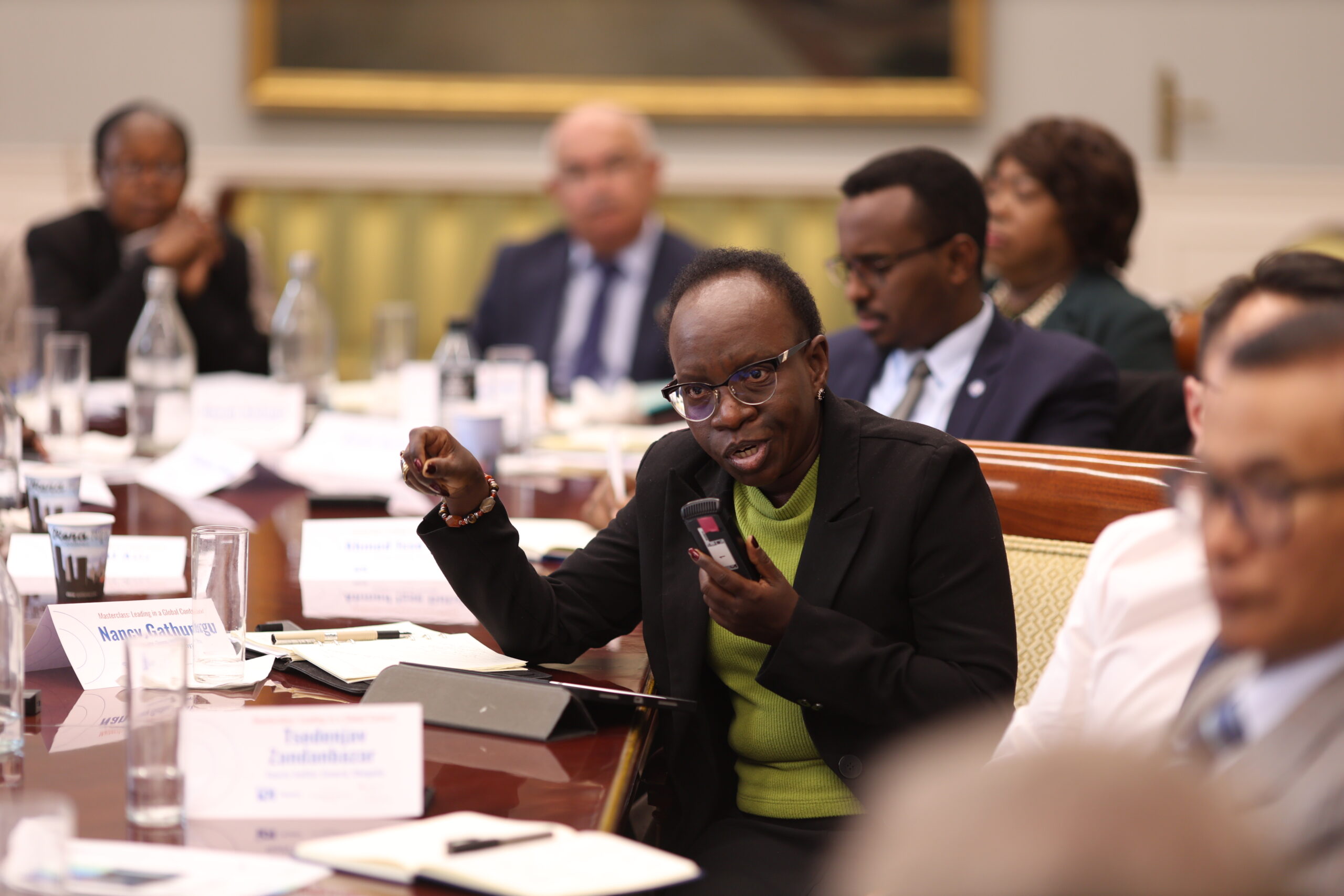
In March and April 2025, Supreme Audit Institution (SAI) leaders from across the globe gathered in Madrid for IDI’s Mastery—a high-level leadership initiative designed to stretch the thinking, strategy, and solidarity of those at the helm of national audit offices.
Hosted with the Tribunal de Cuentas de España (SAI Spain) and the Autonomous University of Madrid, the initiative brought together seasoned and newly appointed Heads of SAIs for two weeks of exchange, introspection, and insight. It was made possible with generous support from the Swiss State Secretariat for Economic Affairs (SECO), a key partner in IDI’s efforts to future-proof public sector oversight.
What unfolded was more than just a learning experience—it was a call to lead.
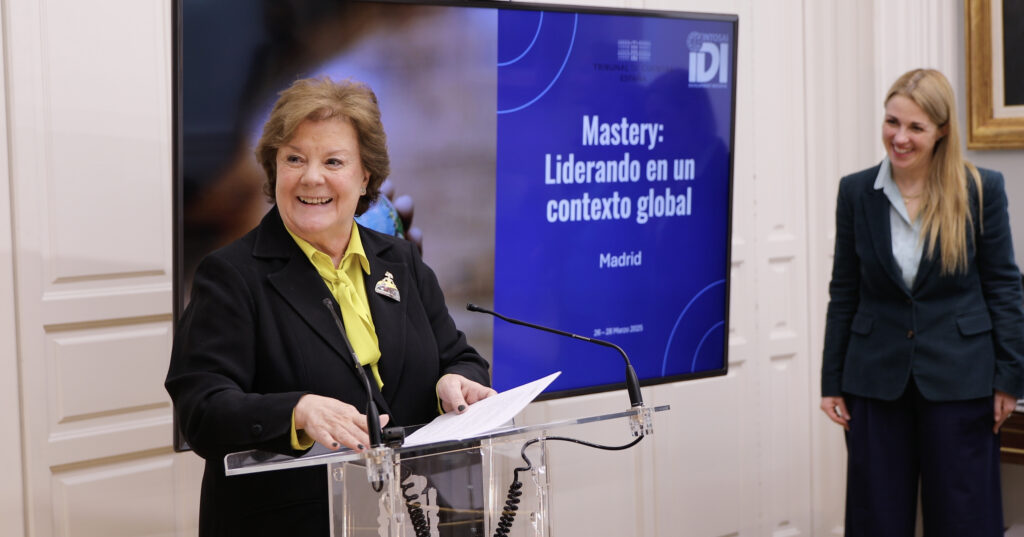
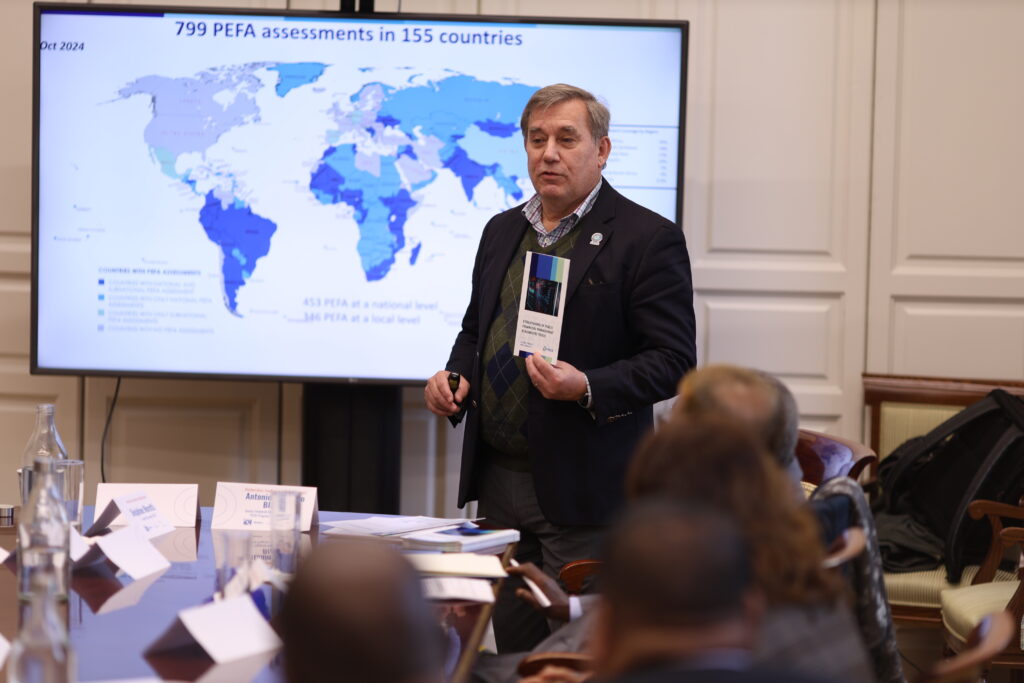
In an era of overlapping crises—climate, conflict, and economic volatility—SAIs are expected to do more than audit. They are called to safeguard public trust, hold governments accountable, and contribute to national resilience.
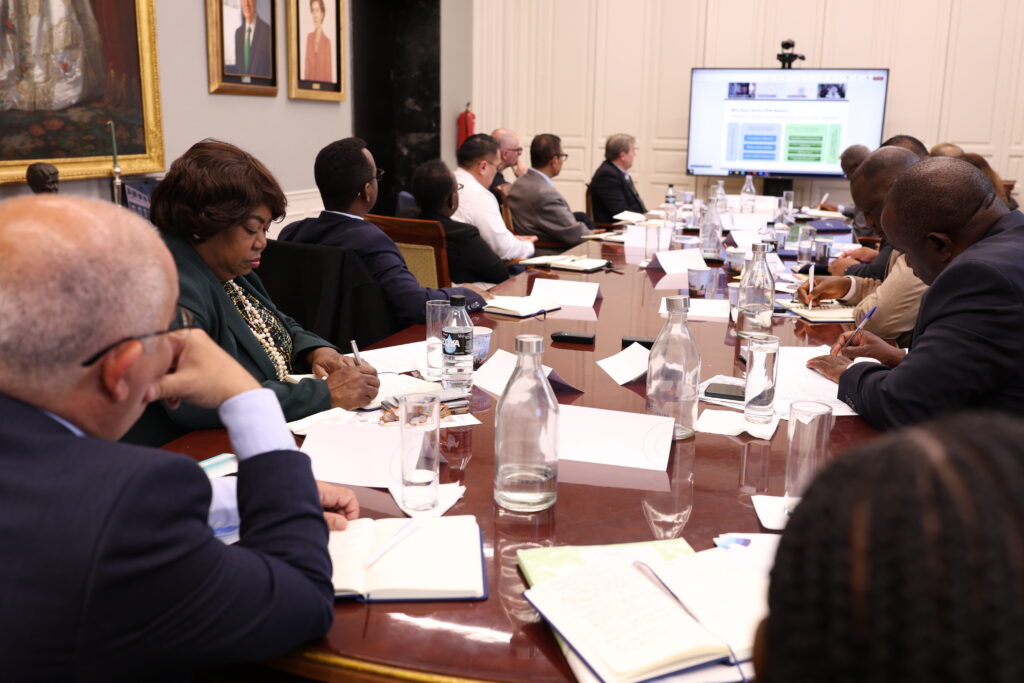
In the first Mastery Class, Leading SAIs in a Global Context, SAI leaders paused to reflect on these challenges and opportunities with insights from experts across the governance landscape. Sessions featured the OECD and the World Bank’s PEFA Secretariat speaking on Public Financial Management, the International Monetary Fund covering fiscal risks, and Transparency International Spain touching upon corruption and integrity systems—connecting global trends with local realities.
“The topic of this Masterclass—leading in a global context—everyone in leadership is looking for this,” said Dasho Tashi, Auditor General of Bhutan. “Things are changing all around and the tone starts at the top. To bring any change, it’s the leader. The leadership is the engine that drives an SAI.”
A standout moment was the discussion on SAIs’ roles in supporting judicial accountability. Leaders examined how audit findings can prompt legal action—if institutions are credible, coordinated, and independent.
Throughout the masterclass, participants examined what it means to lead institutions that must be both watchdogs and agents of change. Conversations centred on building cultures of purpose, cultivating internal ethics, developing strong bonds with stakeholders, and assuming a role as educators on transparency and accountability.
“Leadership is so important for an SAI because it builds public trust,” shared Brenda Neeley, Auditor General of the Bahamas. “You lead by example, with integrity, good ethics, accountability, and good governance as you advance the scene for your country.”
The dialogue sparked reflection on how SAIs can evolve to meet the expectations of a changing world—and what that demands from their leaders.
“Irrespective of your context—big or small SAI, developed or developing country—this is the programme to join,” said Nancy Gathungu, Auditor-General of Kenya. “Change is a constant, and you need to be equipped for it.”
The second week, Leadership and Leveraging the Global SAI Network, shifted focus to the community that supports SAI leadership. Designed for newly appointed Heads of SAIs, this segment offered a pilot crash course in navigating—and contributing to—the global INTOSAI framework.
Held at the Universidad Autónoma de Madrid, the programme introduced participants to professional standards, peer support systems, and global strategic priorities. More importantly, it built connection.
Keynotes from leaders like Vitor Gaspar (IMF) and Ester Marco Peñas (UAM) underscored how global norms and partnerships can strengthen domestic oversight. Maria Dolores Genaro gave a vivid illustration on the importance of change management through presenting the transformation journey of SAI Spain. Breakout sessions also explored how strategic communications can help SAIs engage citizens, parliaments, and donors, and highlighted the value of internal stakeholder engagement in driving change.
“This was a valuable experience—very relevant to strengthening our institution, empowering staff, and reinforcing our independence,” said Dr. Radhi Al-Hamadeen, President of the Audit Bureau of Jordan. “It will help us deliver more professional audits that serve the public interest.”
The sessions also highlighted practical tools and networks that can support smaller SAIs facing resource constraints.
“We often feel like we don’t have what we need, but this showed us the resources are out there,” said Finau Nagera, the Auditor-General of Fiji. “This is a chance to learn what trends matter, and how to connect with global partners to improve how we lead and operate.”
The peer learning environment proved to be one of the most energising elements. Several participants, just months into their roles, found it transformative to connect with others navigating similar transitions, challenges, and aspirations.
Participants also gained a deeper understanding of INTOSAI’s structure and IDI’s role in supporting SAIs in areas such as independence, governance, strategic planning, digitalisation, climate, and sustainability.
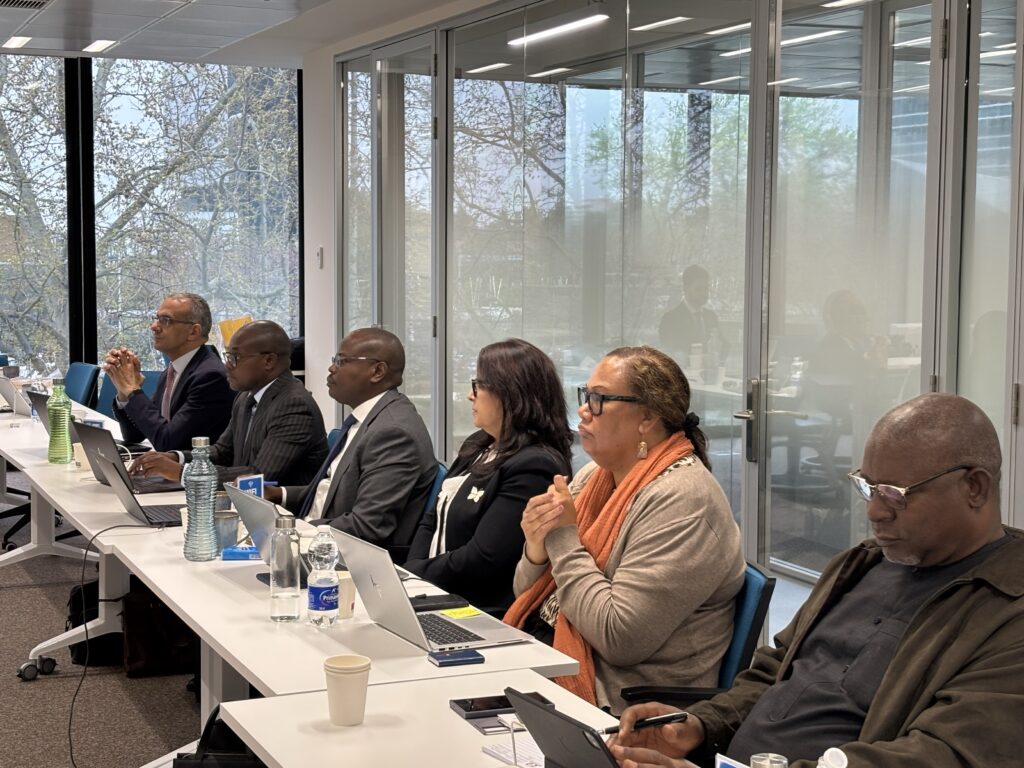
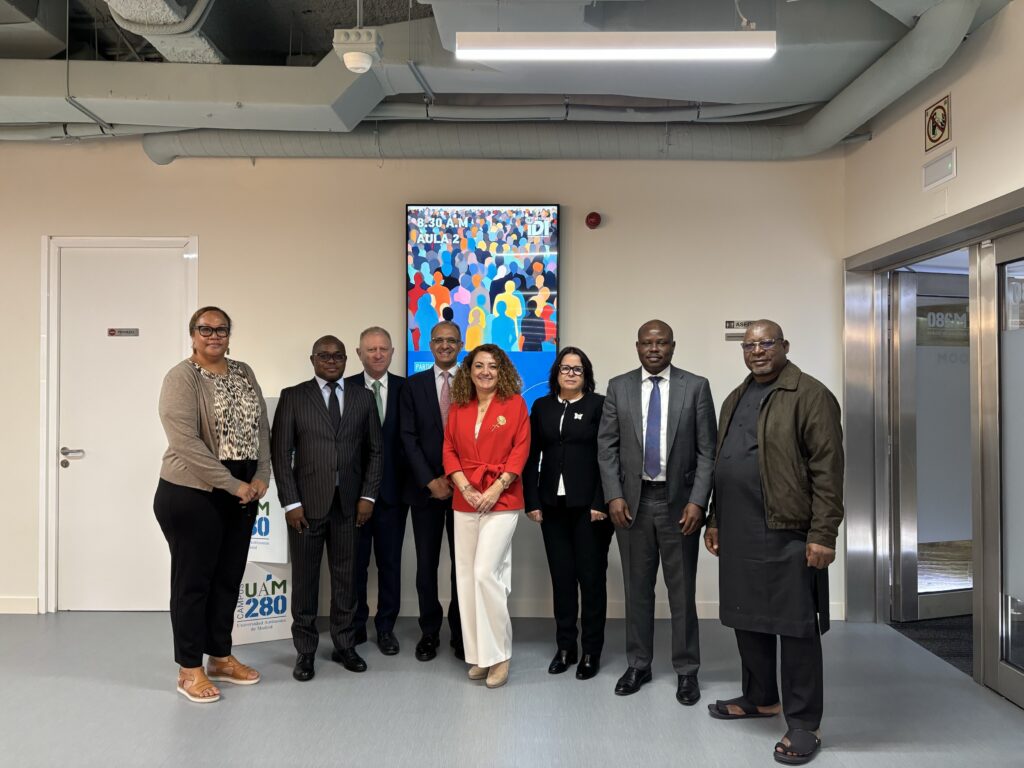
Mastery is not a training course. It’s a platform for reflection, transformation, and connection. It asks leaders: What kind of leader does my country need today? And who do I need to become to rise to that challenge?
It also embodies the belief that leadership development must be collective. In Madrid, SAIs from small island states to federal republics, from established audit institutions to those still emerging, came together. The diversity brought strength. The dialogue brought momentum.
With SECO’s support, IDI created an environment that honoured both the technical and the transformational—one where audit leaders were not just informed but inspired.
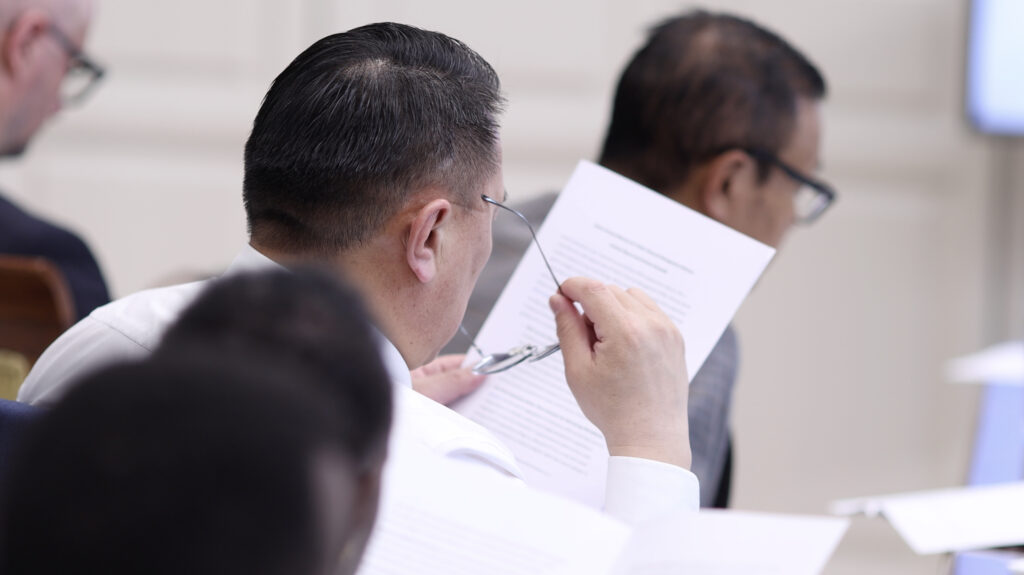
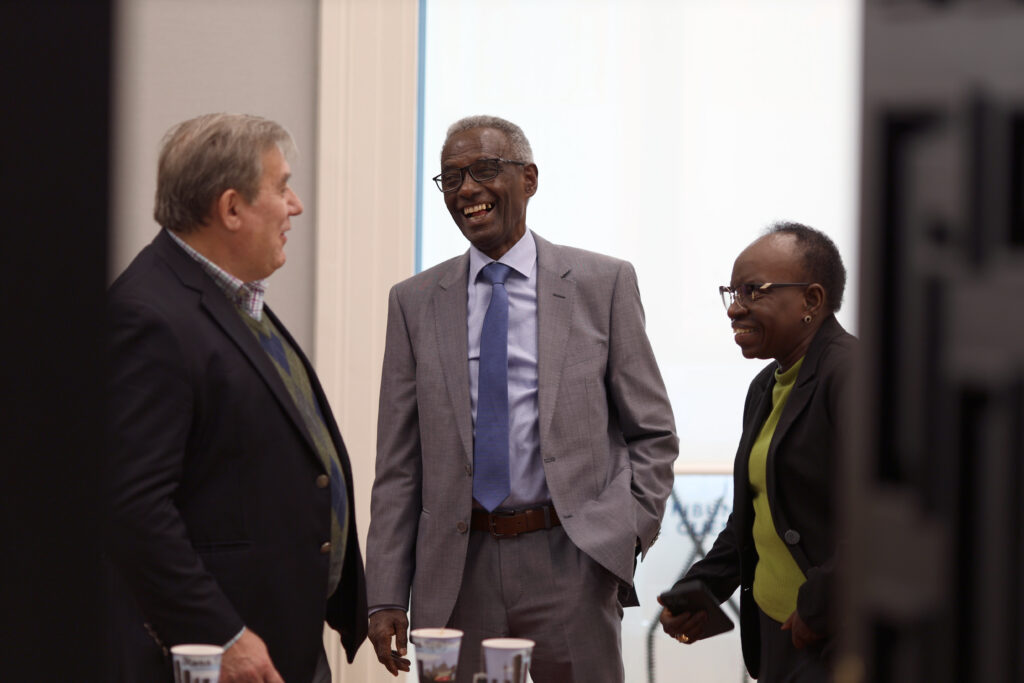
The message from Madrid was clear: this is just the beginning. Many participants left with action plans, reform ideas, and new allies to support their leadership journeys.
“For all the changes that need to happen in SAIs, leadership involvement is crucial,” said Ola Hoem, IDI’s Deputy Director General. “To operate and be independent as an SAI requires really strong leadership and high integrity—this program develops that.”
IDI will launch the next round of the Mastery Initiative in late 2025, with a fresh format, deeper engagement, and expanded collaboration with regional and global partners. Because in a world of growing uncertainty, we need leaders who are not just competent, but courageous change agents for accountability.
🎥 Stay tuned for our upcoming Mastery Initiative video and hear from the SAI leaders reshaping the future of accountability around the world.
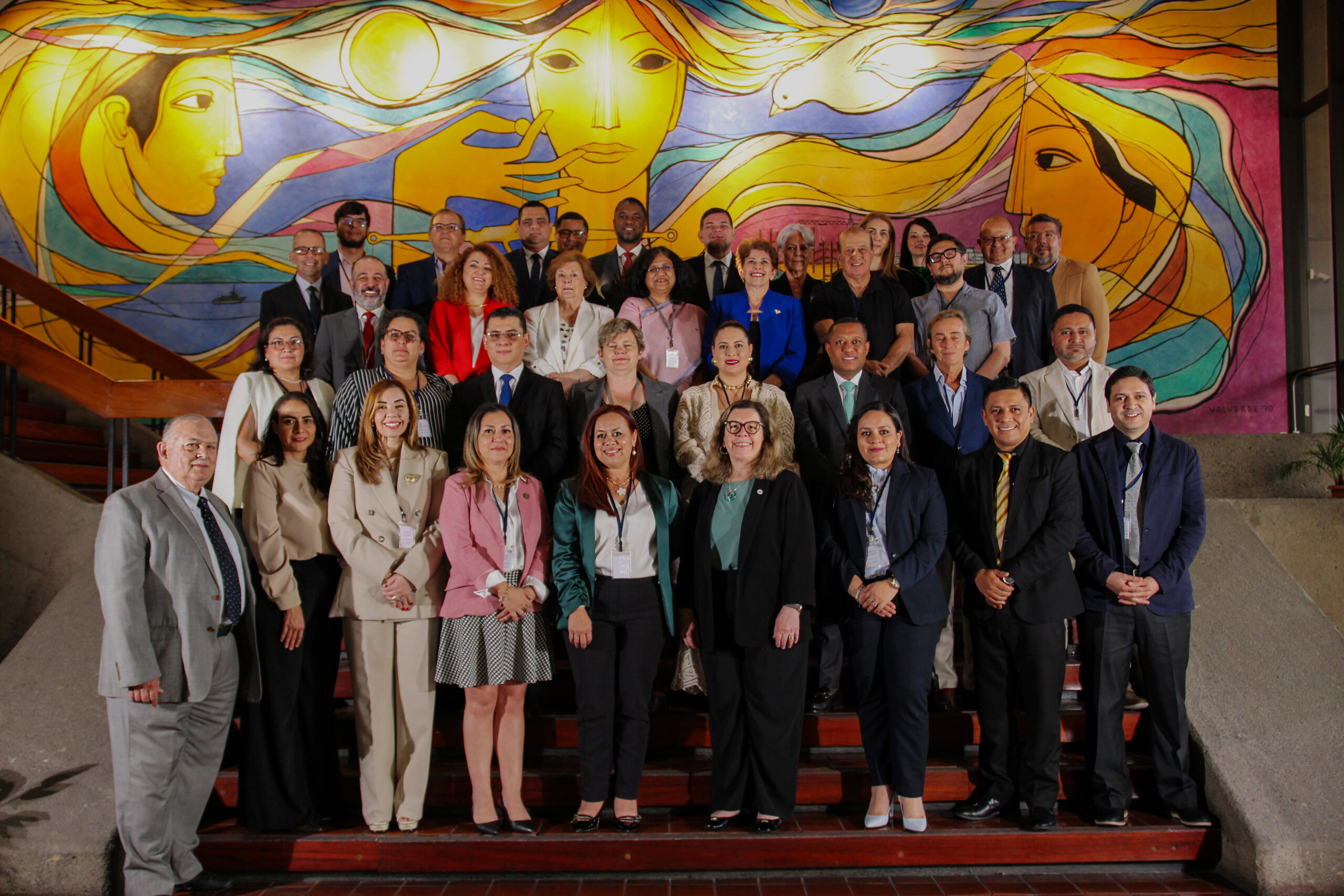
On March 11–12, 2025, San José, Costa Rica, became the focal point for 40 leaders and representatives from 14 Supreme Audit Institutions (SAIs) from Latin America, the Caribbean and Spain, along with key stakeholders, as they gathered for the High-Level Dialogue on Professionalisation for SAI Leadership and Key Stakeholders in OLACEFS. Hosted by SAI Costa Rica and organised by the INTOSAI Development Initiative (IDI), this event was a landmark moment in the ongoing journey toward enhancing the professionalism of SAIs and their auditors. Together, they embarked on a path to redefine excellence in public sector auditing, sharing insights and forging connections that will shape the future of their institutions.
The focus on auditor competence throughout the event is a reflection of ISSAI (INTOSAI Standard for Supreme Audit Institutions) 150, which requires SAIs to establish fit-for-purpose organisational mechanisms for auditor competence. ISSAI 150 provides a framework for managing auditor competence, aligning with ISSAIs for compliance, financial and performance audit. More importantly, the discussions on the thematic areas of professionalisation, audit impact and quality management emphasised the final goal of SAIs making a difference by contributing to value and benefits as visualised in INTOSAI P 12.
Developing Competent Auditors through PESA
Participants kicked off the discussions by focusing on how to enhance the competencies of SAI auditors. SAI heads and stakeholders shared their insights on pathways for professional development and qualification systems. PESA emerged as a unique professional qualification that strengthens the credibility of SAIs and nurtures a highly skilled workforce.
PESA is designed to align with the INTOSAI Competency framework for SAI Auditors (now part of GUID 1950), ensuring auditors have essential competencies such as:
SAI leaders, coaches, and PESA graduates shared firsthand experiences on PESA’s impact.
“PESA is not a diploma, but a structural vision aligned with international standards.”
– Jetro Coutinho, PESA Graduate from SAI Brazil
SAIs have actively implemented initiatives to develop auditor competencies, including initial training programmes, continuous development strategies, and partnerships with institutions such as the World Bank to enhance funding. The OLACEFS Capacity Building Committee has actively advocated for PESA, recognising it as a unique professional qualification. Understanding the ongoing demand for various types of audit training in the region, promoting PESA was a natural choice. This initiative not only addresses the needs of Supreme Audit Institutions (SAIs) in the region but also aligns with their mission to develop professional capacities within these institutions.
Strengthening Sustainable Audit Practices
Professional auditors thrive in professional audit environments. Building on the success of the IDI-Asian Development Bank initiatives in the Asia Pacific for performance and financial audit, OLACEFS SAIs discussed actions taken to enhance sustainable audit practices in financial, performance, and compliance audits.
Key lessons and strategies included:
Competent SAI auditors contribute significantly to sustainable audit practices. One of the key tools SAIs have used for developing competent auditors is PESA.
“The SAIs are very important in the achievement of the World Bank’s goals, which are the reduction of extreme poverty and the promotion of shared prosperity on a livable planet”
– Mr. Joseph Mubiro Kizito, Banco Mundial
Impact Measurement to Demonstrate Public Audit Value:
SAI leaders and experts explored the “Circle of Public Audit Value,” which includes three dimensions:
1. Demonstrating Audit Impact – Demonstrating the positive effects that SAIs have on people and planet, especially those left behind.
2. SAI Reputation – The public profile of the SAI. The reputation of an SAI as a professional, credible, accountable, effective and inclusive public institution.
3. Public Trust in SAIs – Enhancing the trust that the SAI enjoys as a public institution in the local context.
Enhancing Public Trust and Stakeholder Engagement
SAI leaders and stakeholders from Civil Society Organisations (CSOs) discussed how they could enhance collaboration and work together to maximise the value of public audits. To achieve this, SAIs could:
A key takeaway was the need for SAIs to proactively engage with stakeholders, ensuring that audit findings are utilised effectively and recommendations followed through.
Measuring and Communicating Audit Impact
Participating SAIs shared various actions that they have taken to facilitate and measure audit impact. These included:
“We have also seen an improvement in their awareness of the purpose of audits and towards the desire to carry out audits that transform the lives of citizens“
– Comptroller General of the Republic of Costa Rica
“We are redefining and implementing the ISSAI regulations in our framework so PESA is ideal where our auditors will now have international validation that will allow us to reach society with reports that will be accepted with greater credibility.”
– Ms. Itzel Palacios, SAI of Honduras
Setting Up Systems of Audit Quality Management
The dialogue concluded with discussions on the revised ISSAI 140, which emphasises risk-based, dynamic systems for audit quality management. Recognising the importance of IDIs support for Systems of Audit Quality Management, 14 SAIs signed Statements of Commitment for participating in IDI’s initiative supporting them in setting up systems of audit quality management.
Conclusion
The High-Level Dialogue on Professionalisation in OLACEFS reinforced the critical role of competency development, sustainable audit practices, and quality management in SAIs, demonstrating public audit value.
We look forward to working in partnership with OLACEFS and other stakeholders in the region to support SAIs in enhancing professionalisation and growing professional SAI auditors.
A special thanks to SAI Costa Rica for hosting and all the participants who contributed to these insightful discussions!
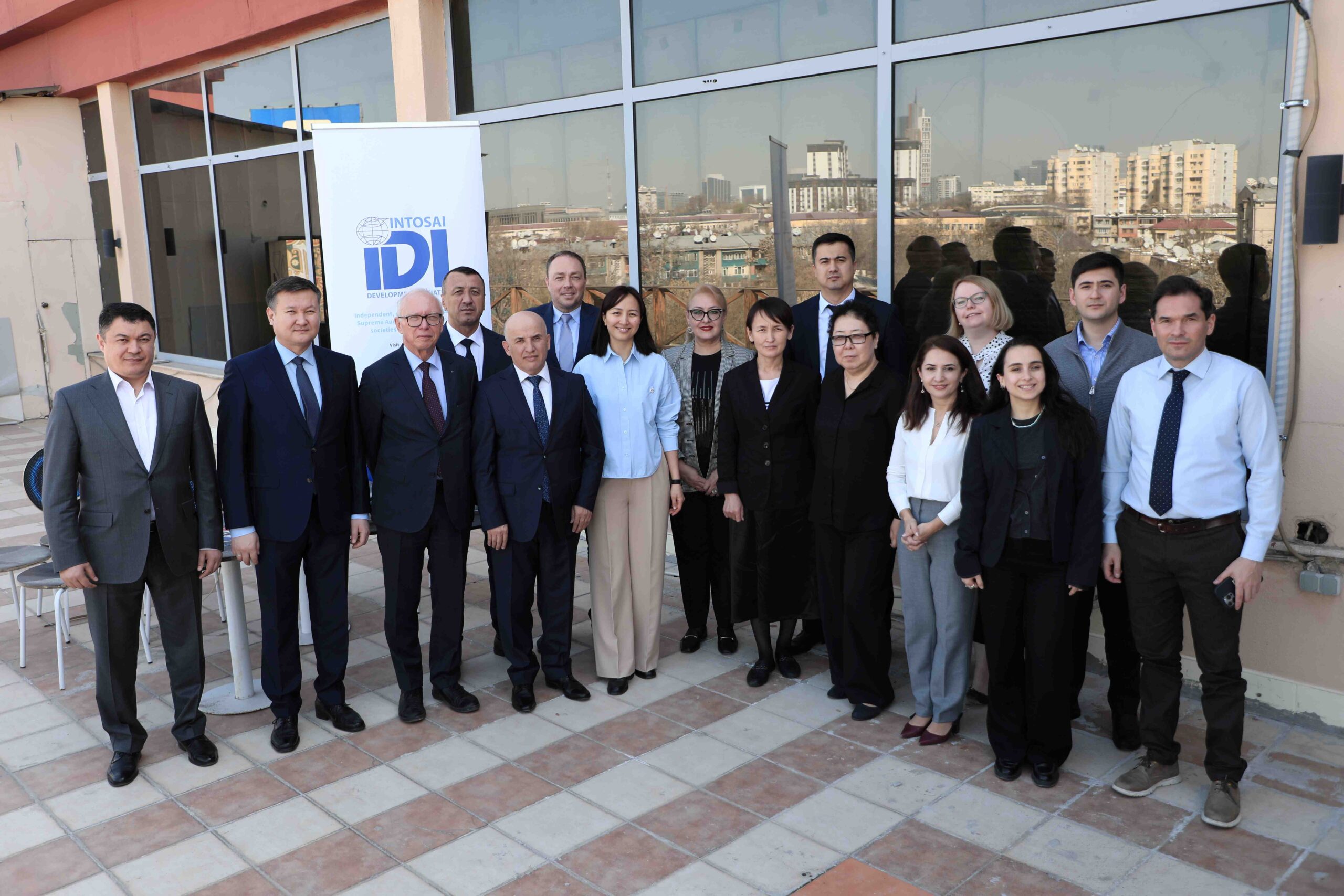
Last month, Supreme Audit Institutions (SAIs), peer partners, and key development stakeholders gathered in Tashkent and online for the Strategic Readiness for Long-Term Impact: GSAI Phase 2 Workshop. Organised by the INTOSAI Development Initiative (IDI), with support from a key GSAI programme partner—the European Union—this workshop marked a critical step toward strengthening sustainable support for SAIs operating in challenging contexts, particularly in Central Asia.
The workshop was opened by Ms. Jana Kurpisa, Programme Manager at the Delegation of the European Union to Uzbekistan, who underscored the essential role of SAIs and the need for continued support and capacity development.
Launched in 2022 by the INTOSAI-Donor Cooperation, the Global SAI Accountability Initiative (GSAI) aims to help SAIs in complex environments secure well-coordinated, long-term development support. Poised to enter its second phase soon, the initiative’s focus is shifting toward building more partnerships, aligning with donor priorities, and mobilising resources for impactful capacity development.
A standout theme of the workshop was the transformative value of peer support. Many SAIs operate under challenging conditions, benefiting not only from donor assistance but also from collaboration with more experienced peers.
As Jeremi Sliwinski of SAI Poland, a peer support partner, shared:
“I’m really impressed and happy to be included to provide support. It’s an occasion for me to learn from our Kyrgyz colleagues. Through this cooperation, we gain knowledge from them, and they receive knowledge from us. So for me, personally, it’s been important.”
The workshop showcased how well-established SAIs can play a vital role in mentoring their peers, fostering a culture of shared learning and mutual growth. Peer-to-peer exchanges focused on strategic planning, donor engagement, and strengthening institutional independence, offering practical insights and encouragement.
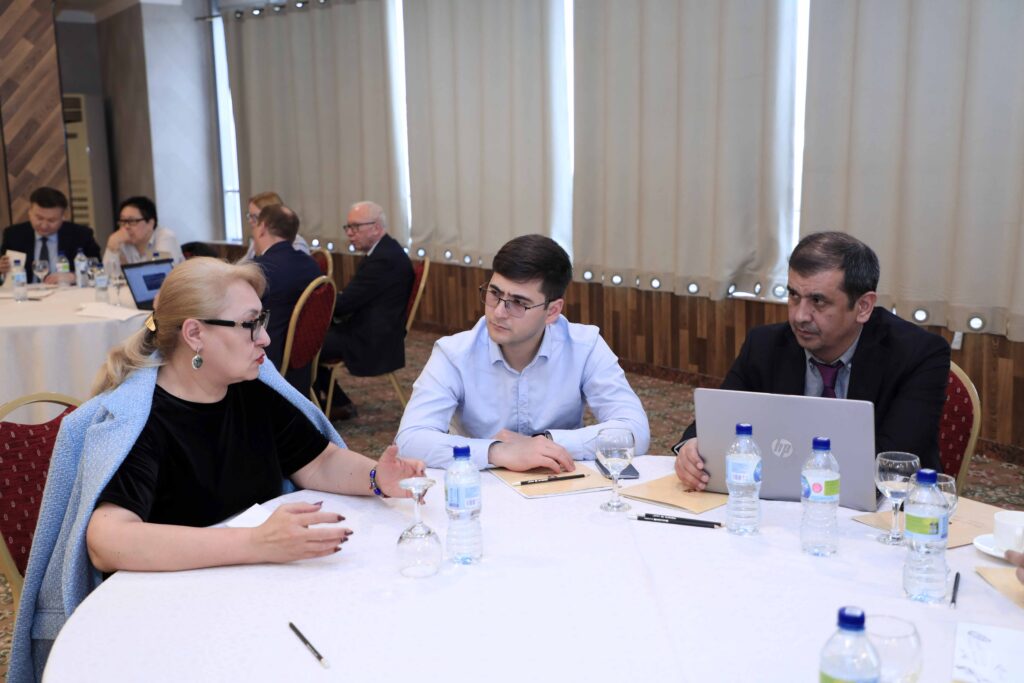
The workshop brought together a broad spectrum of partners—including representatives from the European Union, the World Bank, the Asian Development Bank (ADB), the Swiss State Secretariat for Economic Affairs (SECO), and peer SAIs from Poland, Kyrgyzstan, Uzbekistan, and Tajikistan. Their engagement highlighted the importance of a multi-stakeholder approach to advancing public sector accountability and transparency.
Mavzuna Shozodaeva, representing SECO’s Tajikistan office, noted:
“SAIs are playing a vital role in ensuring strong public financial oversight. I think this benefits the whole macroeconomic system and public financial management of the country. I am confident our collective efforts will further enhance financial accountability, promote transparency, and support good governance in the region through programs like GSAI.”
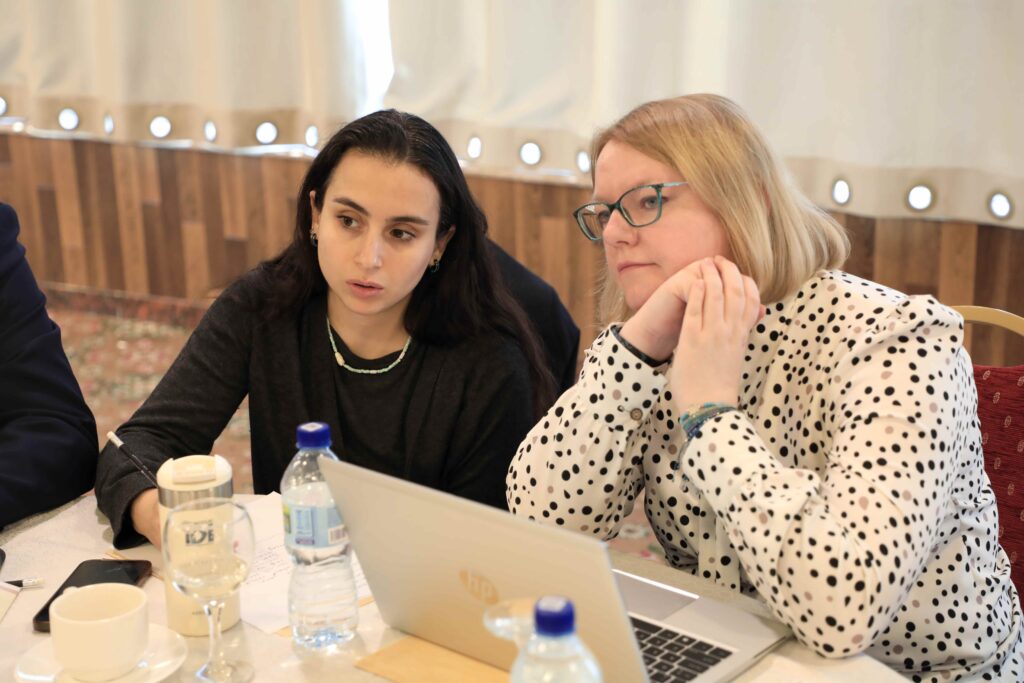
Participants took part in practical sessions designed to translate strategic discussions into concrete, actionable roadmaps. By the end of the workshop, beneficiary SAIs had developed project plans and donor engagement strategies, forming a solid foundation for potential long-term technical and financial support.
Highlights included:
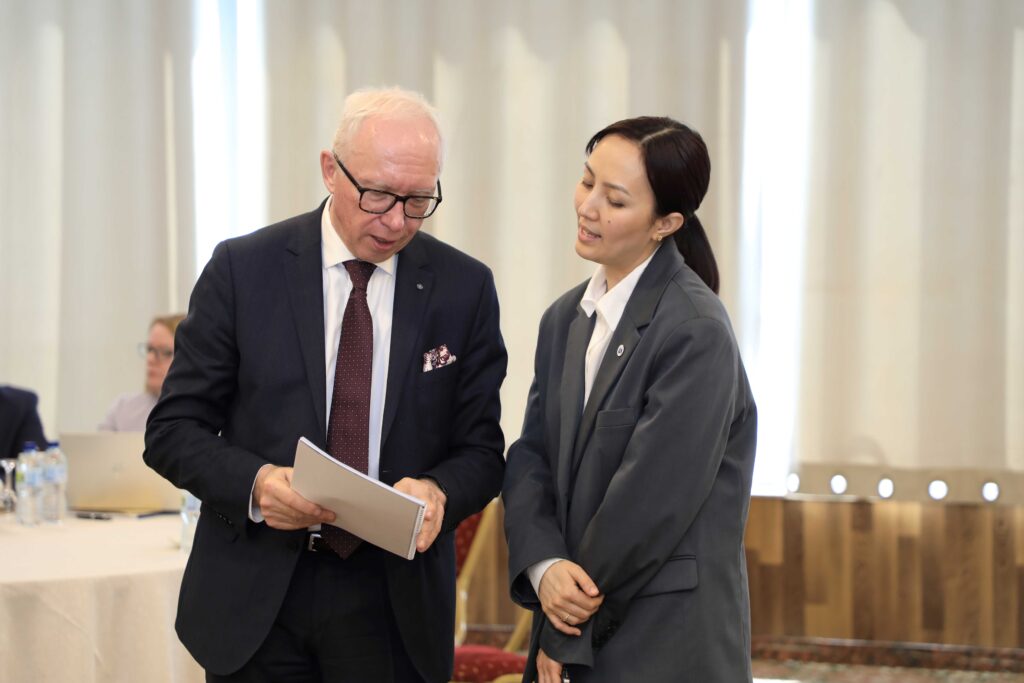
The energy and momentum generated by the workshop will continue as SAIs and partners implement their strategies for long-term capacity development. With robust peer networks, clear strategic direction, and increasing donor interest, GSAI Phase 2 is well-positioned to deliver meaningful progress for SAIs in complex environments.
Nazgul Albanova, IDI Manager and Head of the GSAI programme, reflected:
“We believe the idea of these partnerships has delivered effective results, and we hope they will continue. From the preparation for Phase 2, we see that both the support providers and beneficiary countries are ready to carry these partnerships forward—toward stronger SAIs and sustainable development.”
The success of the workshop underscores the power of partnership and the collective commitment to strengthening audit institutions worldwide. As preparation for the GSAI Phase 2 moves forward, continued collaboration between SAIs, donors, and peer partners will be essential—not just to support SAIs, but to truly empower them for long-term impact.
Stay connected with the GSAI programme through our website. Periodic updates are also added to the INTOSAI Donor-Cooperation website, where more information on future activities and opportunities to engage can be found. Learn more by visiting the GSAI page.
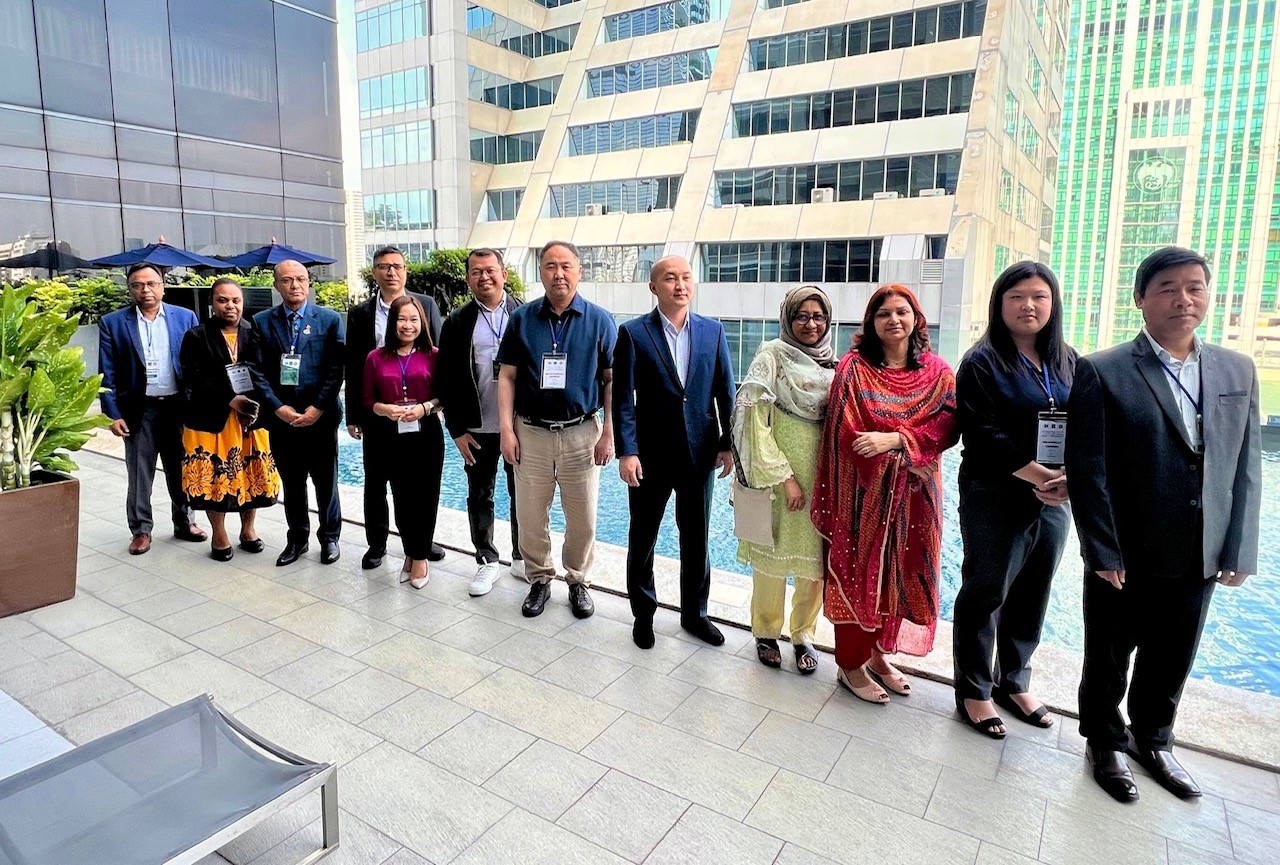
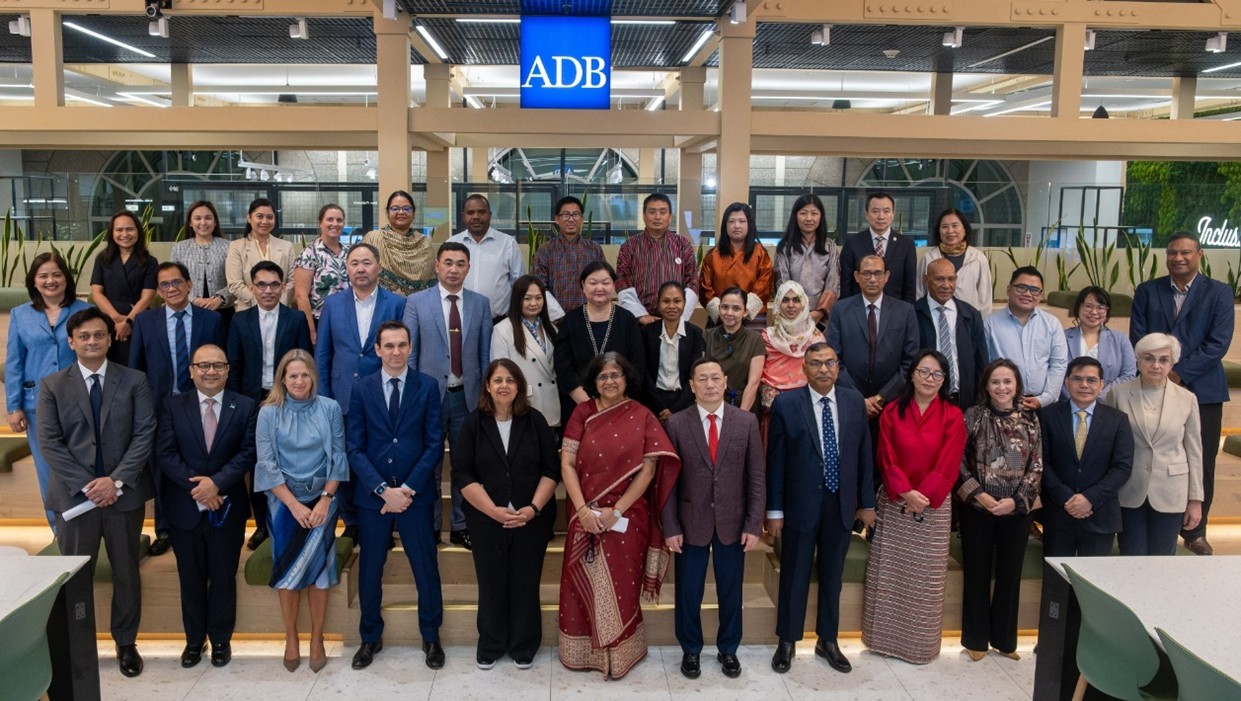
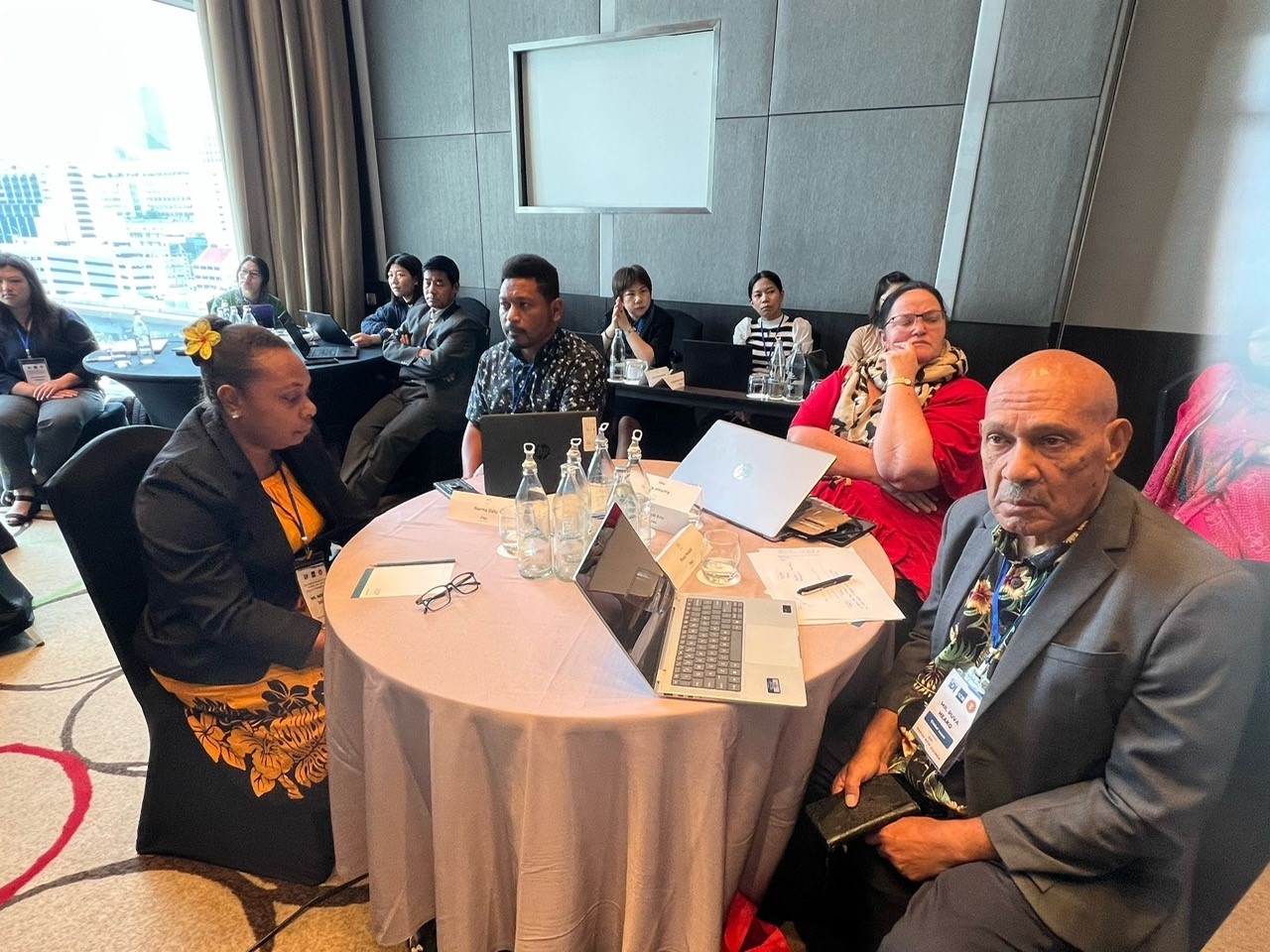
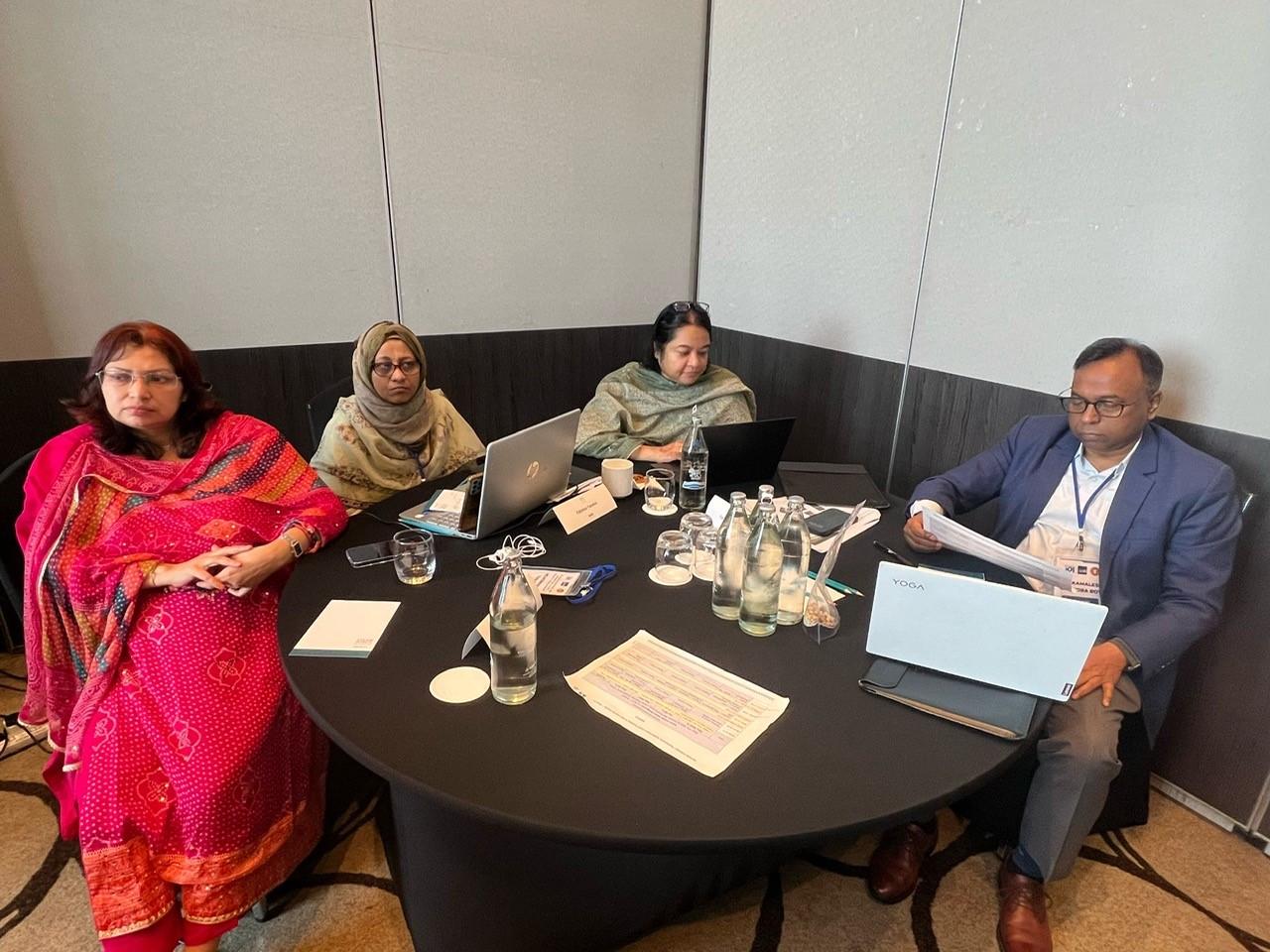
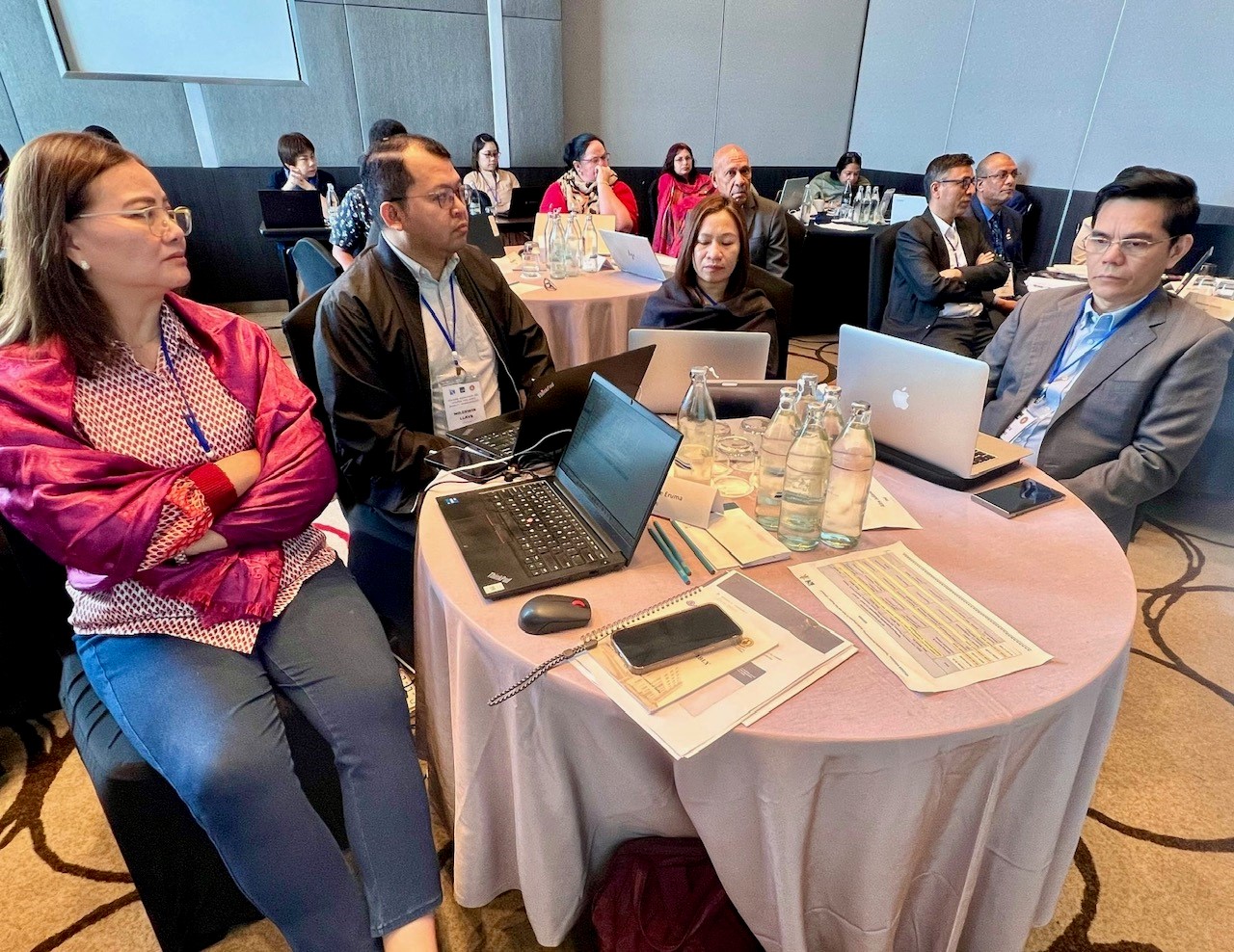
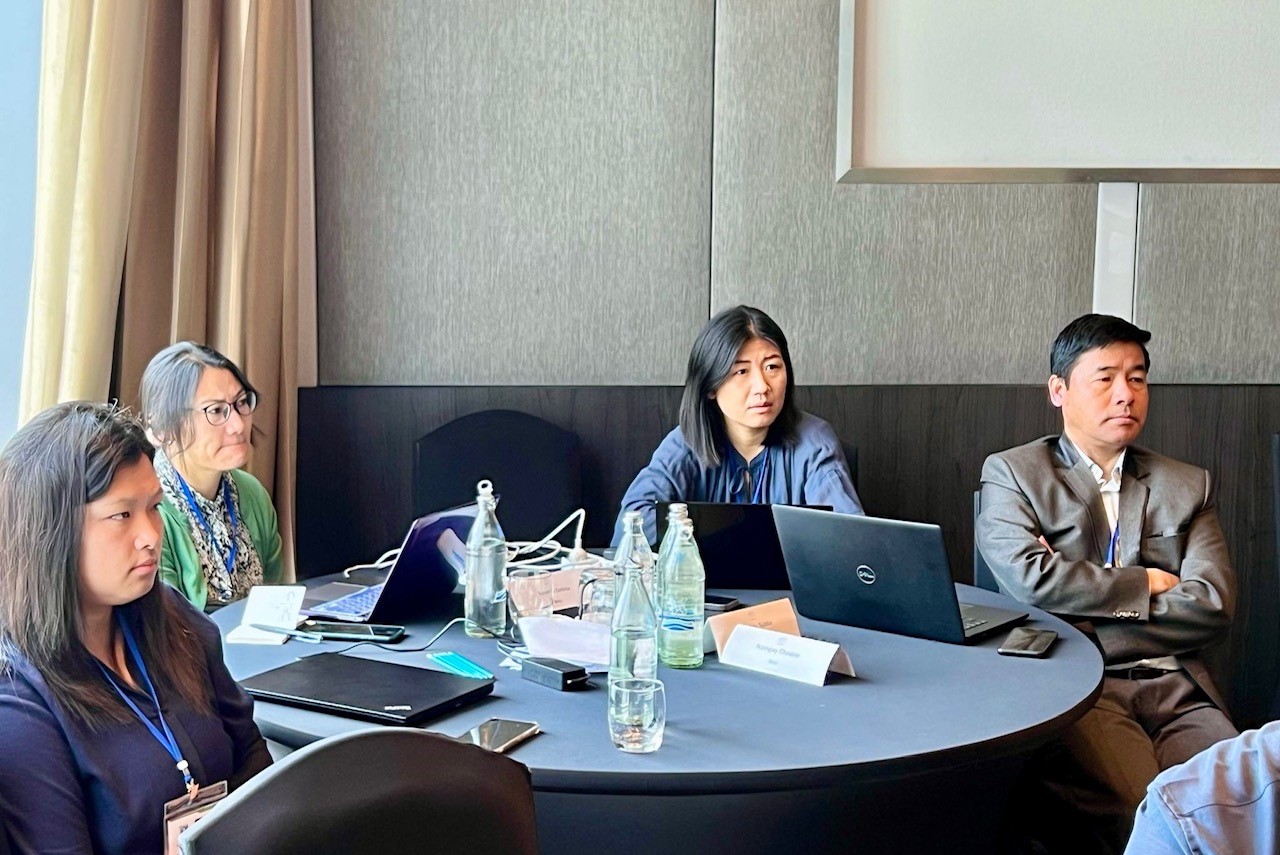
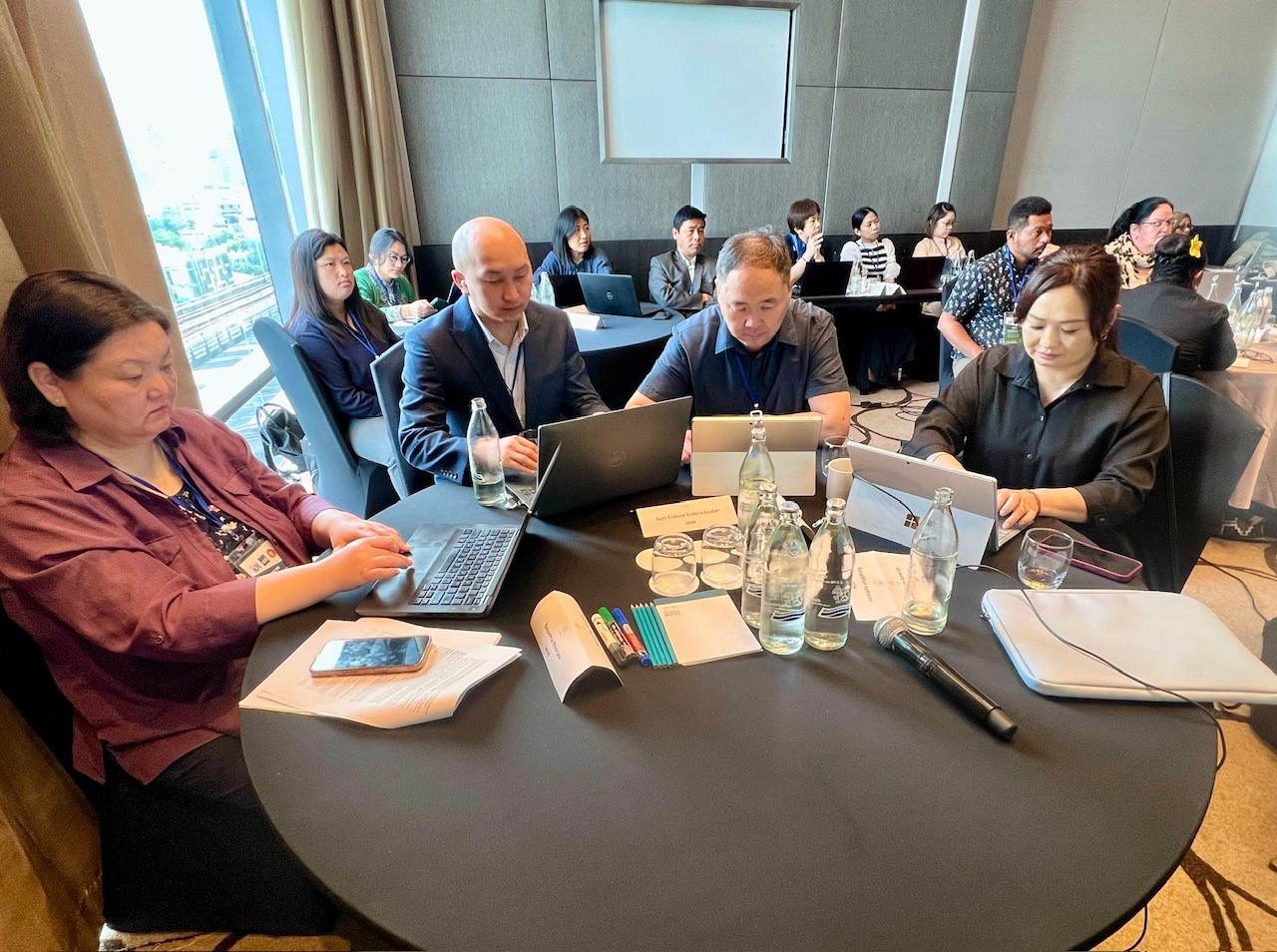
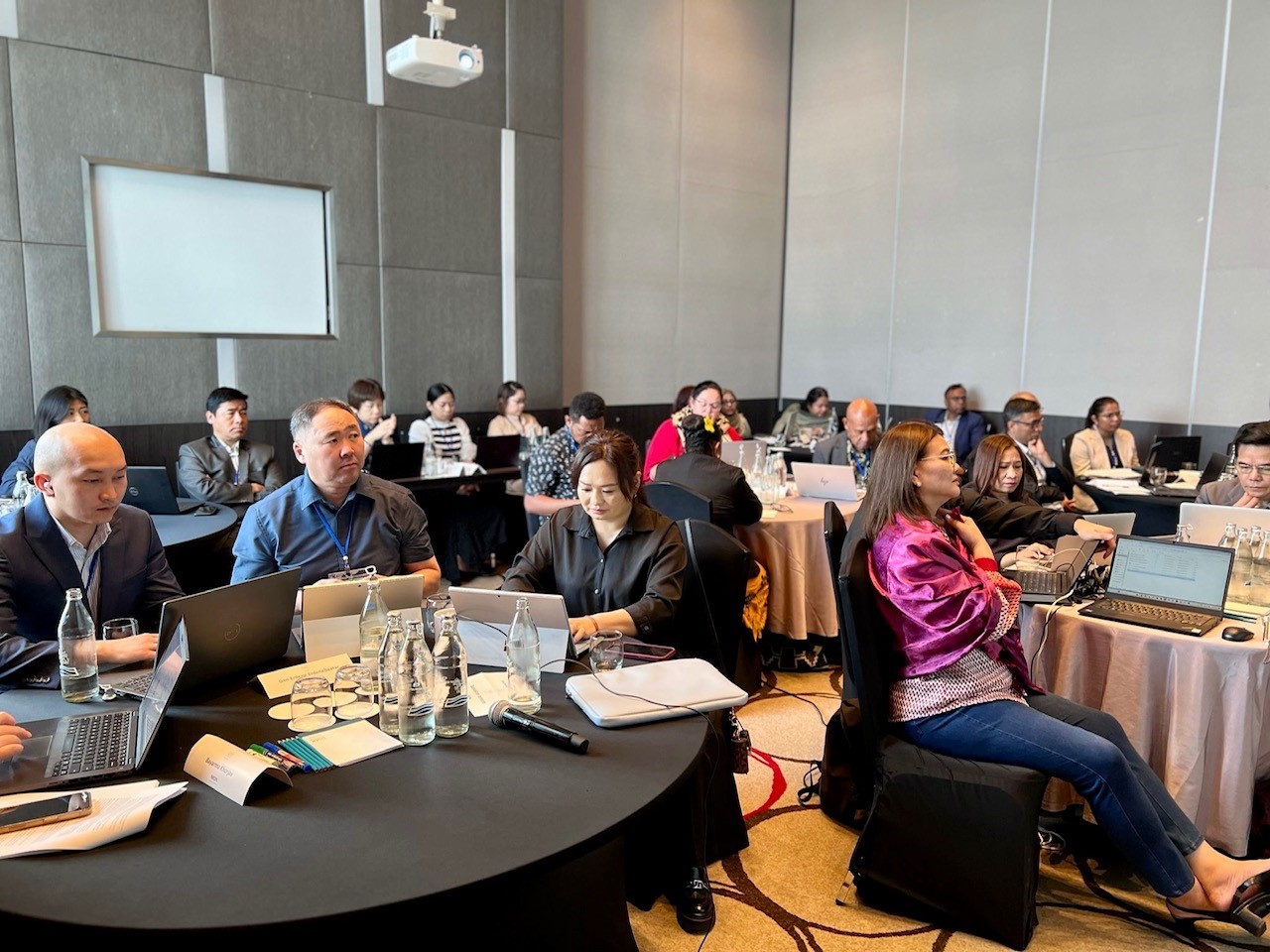
The journey of six Supreme Audit Institutions (SAIs) in the three-year-long IDI-ADB initiative, ‘Sustainable Performance Audit Practices in Asia and the Pacific,’ is forging ahead. SAI teams comprising managers and auditors from Bangladesh, Bhutan, Mongolia, Nepal, Papua New Guinea, and the Philippines convened in Bangkok, Thailand for the ‘System of Audit Quality Management’ (SoAQM) interactive IDI’s learning course from March 31 to April 4.
This was not your typical workshop. Tasked with establishing quality management systems aligned with the new International Standard on Auditing (ISSAI) 140, ‘Quality Management for SAIs,’ these teams are stepping up as changemakers in their SAIs. ISSAI 140 champions a new approach that prioritises quality objectives and quality risks, necessitating not just structural and procedural changes but a profound shift in mindset.
The SoAQM professional education offered a deep dive into implementation modalities of ISSAI 140, enabling SAI teams to explore efficient implementation strategies and prepare for the considerable task ahead. By the end of 2025, the goal is to have systems of audit quality management set up by all six SAIs.
IDI’s support remains firm and constant. IDI’s ISSAI-140-based Playbook continues to provide a wide spectrum of technical guidance, offering a range of system options tailored to each SAI’s unique contexts.
Encouragingly, the six SAIs can draw on the experiences of others. The IDI’s approach to designing quality management systems in line with the new ISSAI 140 has been field-tested through the IDI’s Global Pilot, which involved 12 pioneering SAIs worldwide.
Reflecting on the workshop, one team member commented, “Only after the workshop did we fully realise the scale and urgency of this task.” Why the concern? Each SAI is committed to adhering to the ISSAIs in their audits, a commitment reaffirmed in every audit report, whether it be financial, compliance, or performance. To continue making this assertion, compliance with ISSAI 140 is imperative and urgent.
The task is challenging, but the journey begins here. The initial steps for the SAI teams involve grasping new concepts and exploring how these can be applied within their respective SAIs through dynamic discussions. Please watch how these initial steps look in practice for the six SAIs.
IDI is delighted to support these teams on this transformative journey, providing ongoing fit-for-purpose support as each SAI evolves.
In the April Board meeting, hosted by the Auditor General of the Royal Audit Authority of Bhutan, IDI’s Board approved and discussed several items.
It approved the Annual Report for 2024 in its new format. It is the first report under the IDI Strategic Plan 2024-2029. In 2024, IDI worked with over 150 SAIs, offering support for the full gamut of their operations, including:
IDI achieved or overachieved around 75% of the targets for its results in 2024 and is on track to achieve the majority of the remaining ones. As in previous years, IDI’s external auditors gave an unmodified opinion to IDI’s financial statements and positively evaluated IDI’s internal control framework.
In addition, the Board discussed IDI’s portfolio, financial outlook, and support for the coming years, as well as some organisational changes based on a recent organisational review.
Finally, the Board approved IDI’s updated Corporate and Developmental Risk Register and discussed the way forward on IDI’s professional education for SAI auditors (PESA) to become a credible professional education for all SAIs based on INTOSAI recognition and possible external accreditation.
The minutes of the Board meeting and the Annual Report, including financial statements for 2024, will soon be published on IDI’s website.
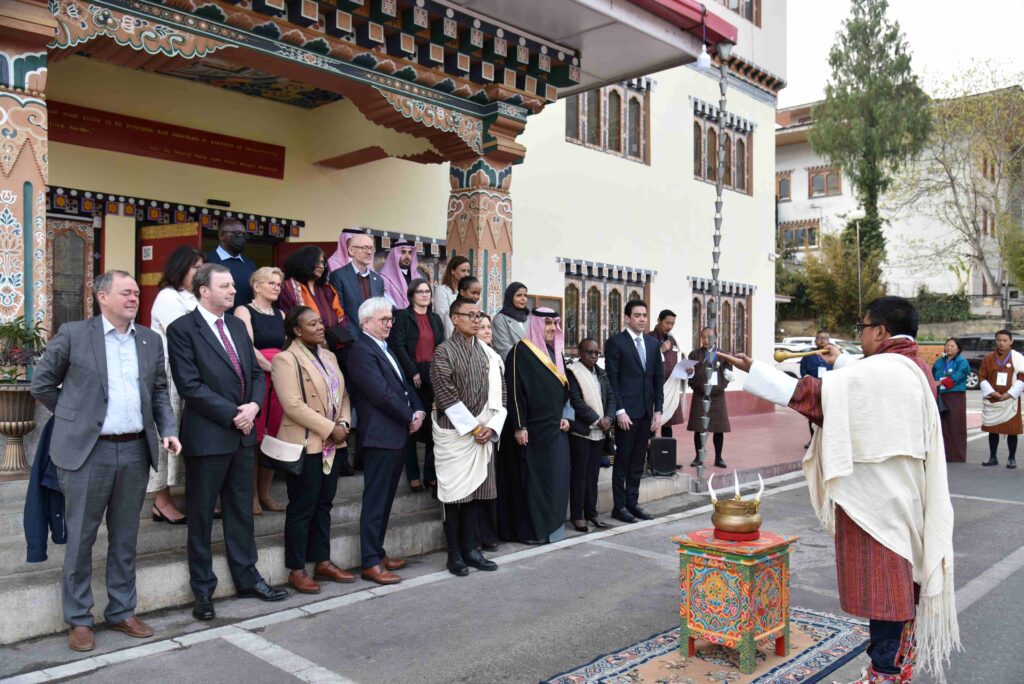
IDI Board members hosted by SAI Bhutan
Source: SAI Bhuthan
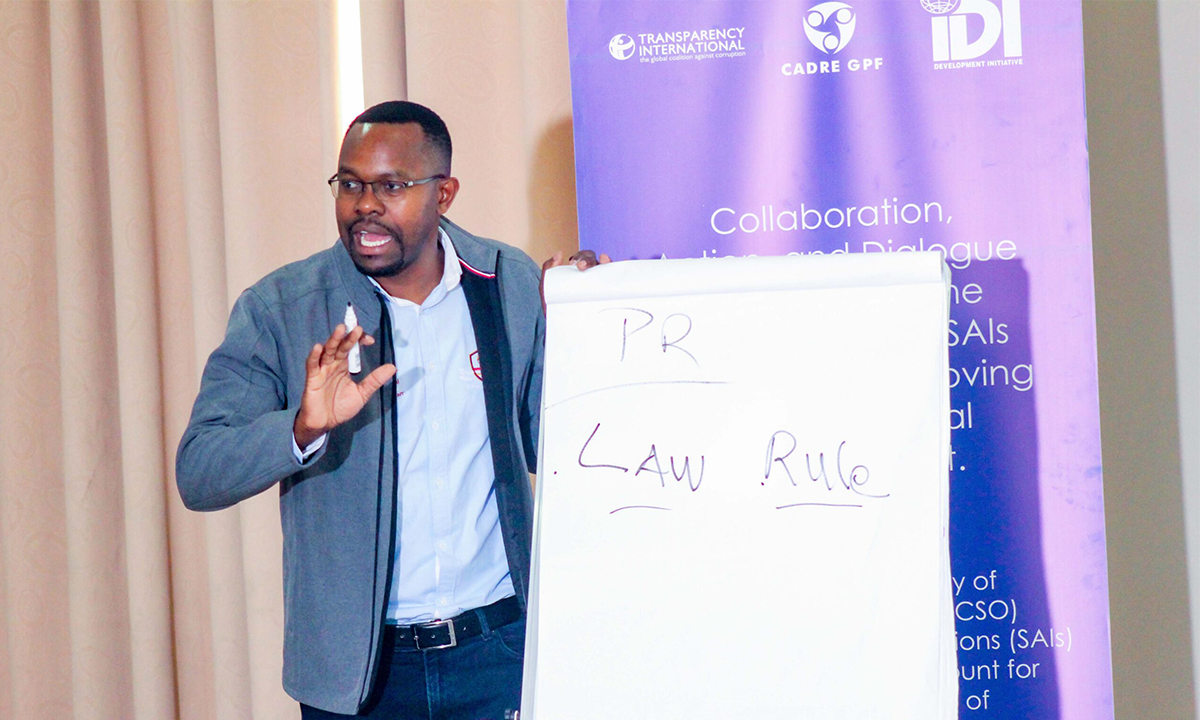
Investigative journalism plays a key role in exposing corruption, mismanagement, and inefficiencies in public financial management (PFM). The latest CADRE workshop in Zambia, held from March 18-20, 2025, brought together journalists, civil society organisations (CSOs), and other accountability actors to sharpen their skills and build stronger collaborations for transparency.
This three-day event built on a previous session in February, helping participants improve their investigative storytelling, data journalism, and advocacy strategies. The goal was clear: to strengthen journalists’ ability to hold power to account and engage the public in governance issues.
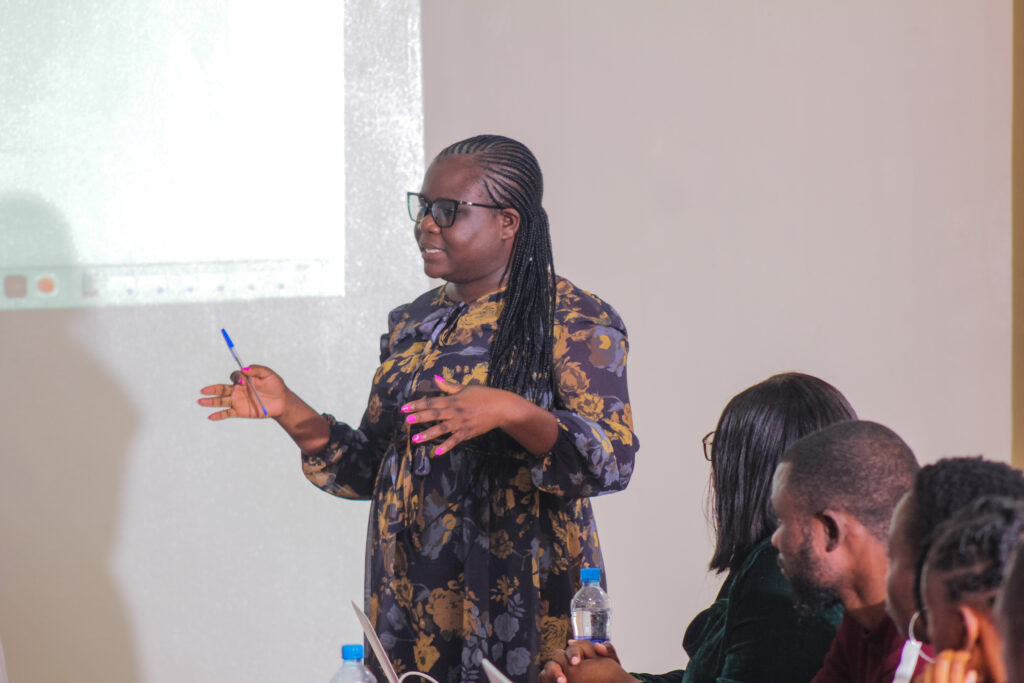
The workshop focused on two main areas: investigative journalism techniques and collaboration with key stakeholders. Many participants had already started their investigations and used this opportunity to refine their findings and discuss challenges.
A key session involved peer and expert feedback on investigative stories. Journalists shared insights from their deep dives into PFM issues in Zambia, uncovering inconsistencies in government reports and tracking irregularities in public spending. These discussions not only strengthened their analytical skills but also fostered a sense of community and support among investigative reporters.
Another important aspect was the use of digital investigative tools. Participants explored:
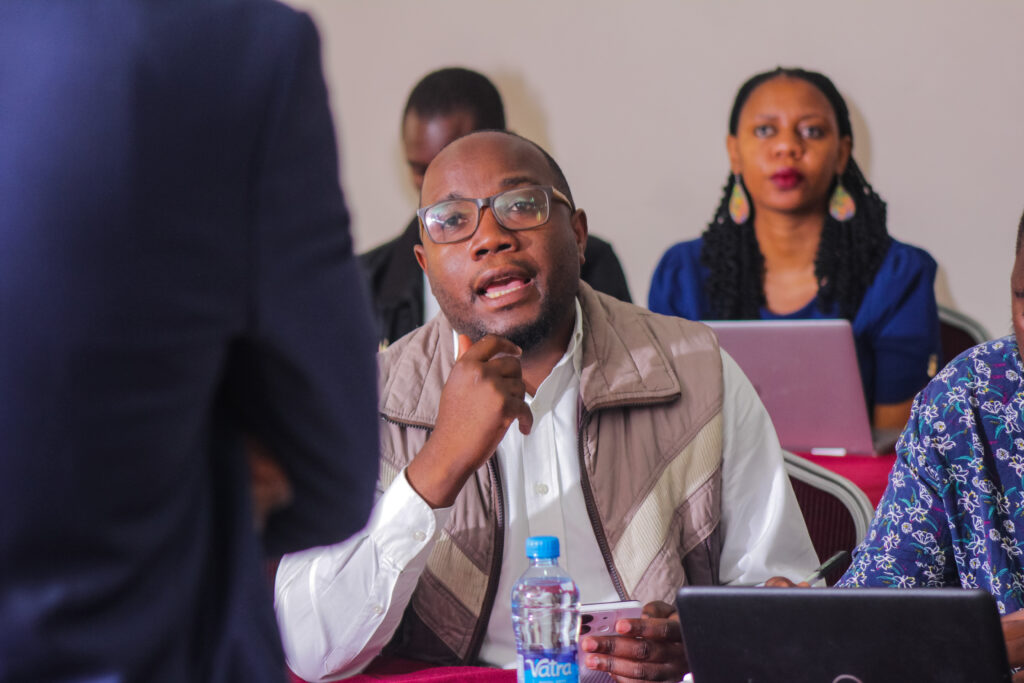
Uncovering the truth is only the first step—making sure it reaches the right audiences is just as crucial.
The workshop introduced advocacy strategies, helping participants learn how to:
A highlight of the final day was the presentation of refined investigative reports, where journalists showcased their progress since the first workshop. Their findings on PFM mismanagement sparked discussions on how to push these stories forward—whether through media coverage, legal action, or CSO advocacy.
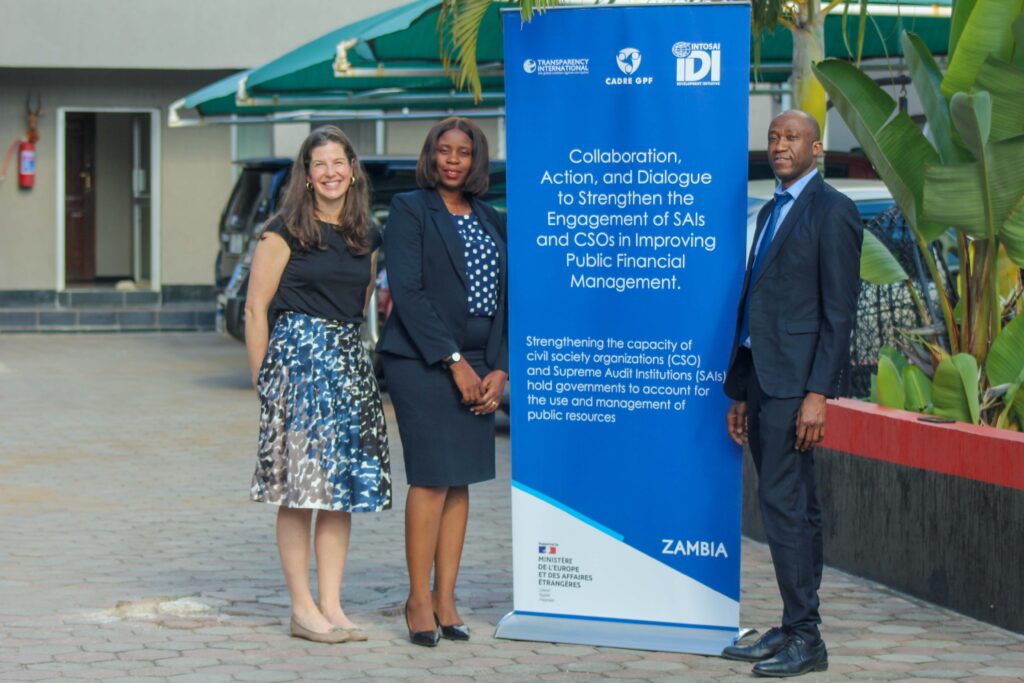
The CADRE workshop reinforced the importance of investigative journalism in good governance. By connecting journalists, CSOs, and accountability institutions, this initiative is driving a movement for better, more holistic transparency in Zambia.
Participants left with sharper skills, stronger networks, and a renewed commitment to holding those in power accountable. Moving forward, their investigations will continue to push for greater public awareness and institutional accountability in managing public funds.
At a time when misinformation spreads easily, initiatives like this workshop are more important than ever. Investigative journalism remains a powerful tool for ensuring public resources serve the people—not private interests. Through collaboration and innovation, the CADRE project continues to promote transparency and accountability to create lasting change.
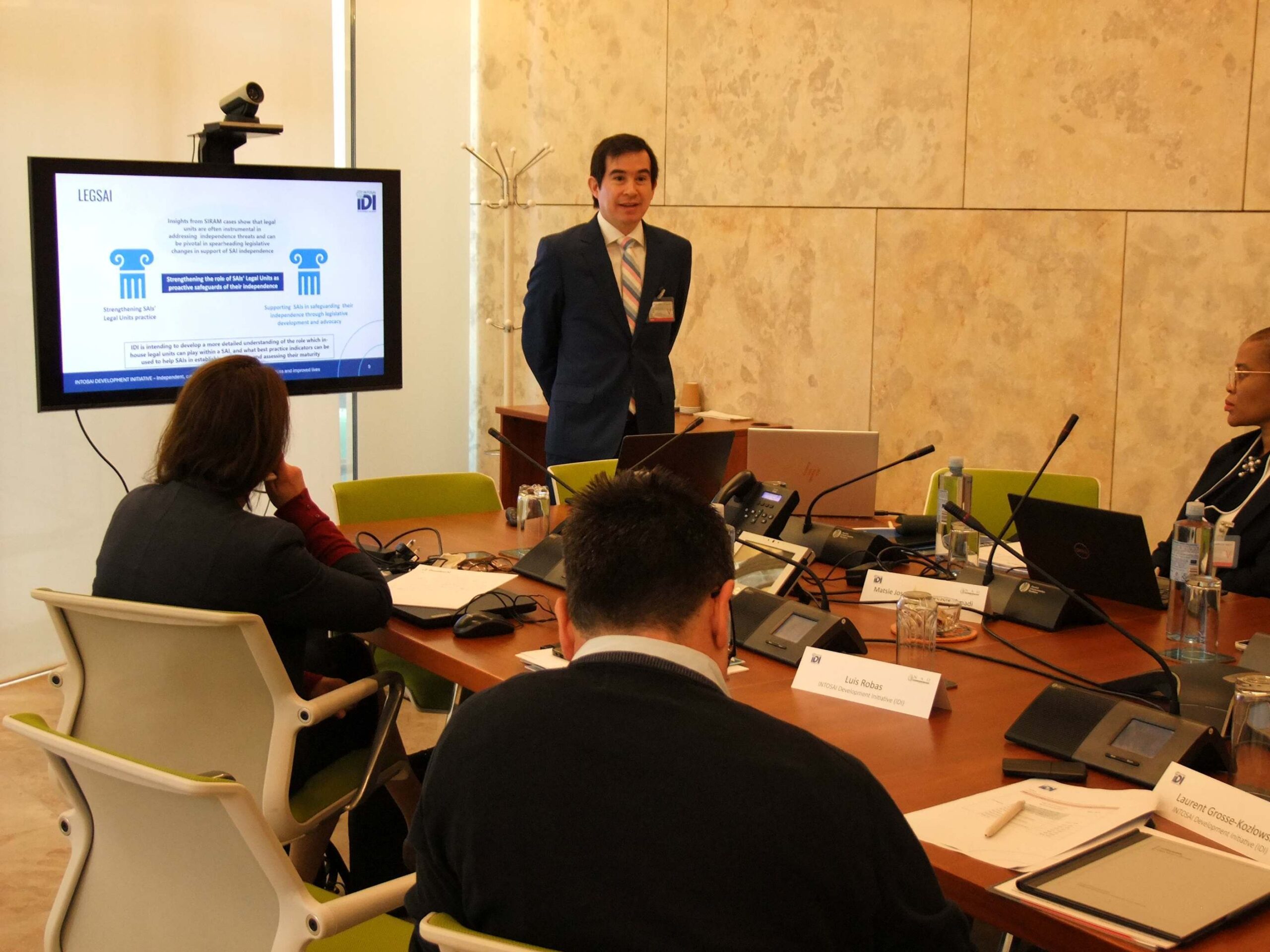
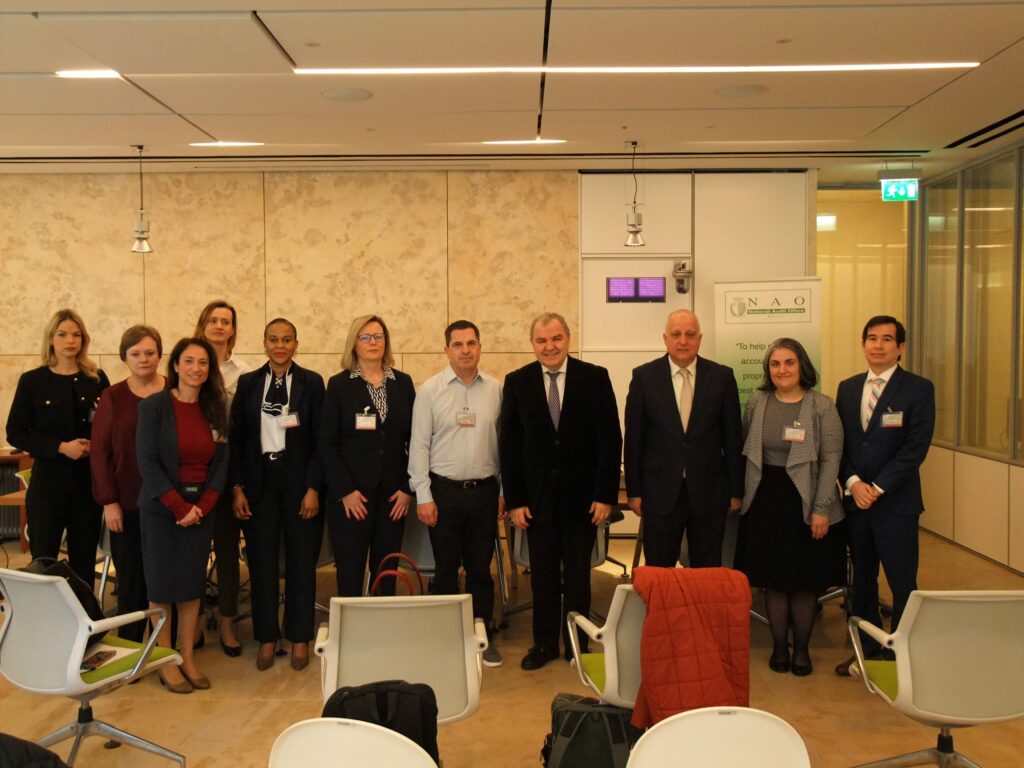
Last week, legal experts and Supreme Audit Institution (SAI) representatives gathered in Malta for the third Legal Experts’ Meeting under the INTOSAI Development Initiative (IDI) LEG SAI programme. Hosted by the National Audit Office of Malta (NAO), the workshop was a key step in advancing legal capacity within SAIs and reinforcing their independence.
Bringing together legal professionals from the SAIs of Czechia, Lesotho, Malta, Poland, and South Africa, the event focused on addressing key legal risks, best practices, and strategies to strengthen SAIs’ legal frameworks. The discussions highlighted the importance of legal expertise in safeguarding SAI independence, ensuring their ability to conduct audits without external interference and hold governments to account.
A major milestone from this meeting was the agreement on the structure and content of a Maturity Model. This tool will allow SAIs to assess their capacity to independently handle legal issues—both in conducting audits and in managing their operations. A more mature SAI will be better equipped to anticipate and respond to independence challenges, ensuring robust and legally sound decision-making that enhances institutional performance.
The group also agreed to develop a repository of good practices, which will serve as a key tool for knowledge-sharing among SAIs’ legal advisers, regardless of their specific national contexts. This resource will help legal professionals exchange experiences and strengthen legal functions that support SAI independence and accountability.
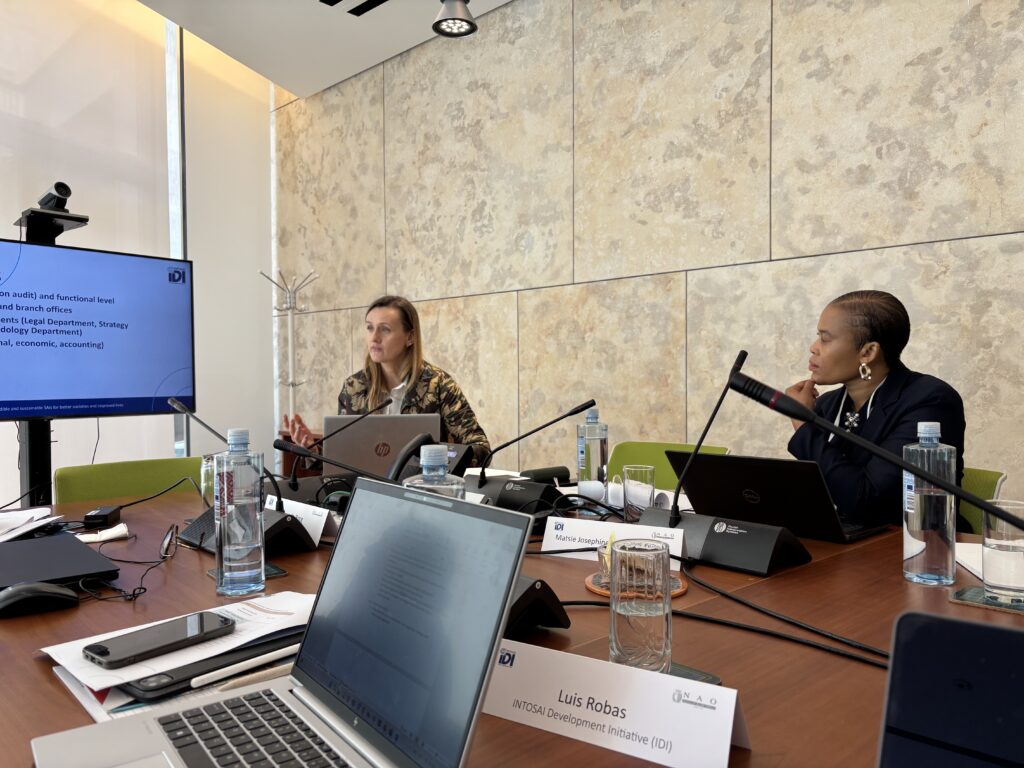
A dedicated session for NAO officials provided an opportunity for local and international experts to exchange insights on legal risks, independence principles, and ongoing global challenges affecting SAIs. IDI’s Luis Alonso Robas led an engaging discussion on the evolving legal landscape for SAIs, offering practical strategies to address threats to independence.
Beyond the formal discussions, the event fostered stronger professional networks, with participants engaging in informal exchanges while experiencing Malta’s rich history and hospitality.
IDI extends its gratitude to the National Audit Office Malta for hosting this important event and to all the participating SAIs and experts for their contributions. By continuing to strengthen legal frameworks and share best practices, we reinforce the foundations of independent, accountable, and effective Supreme Audit Institutions worldwide.
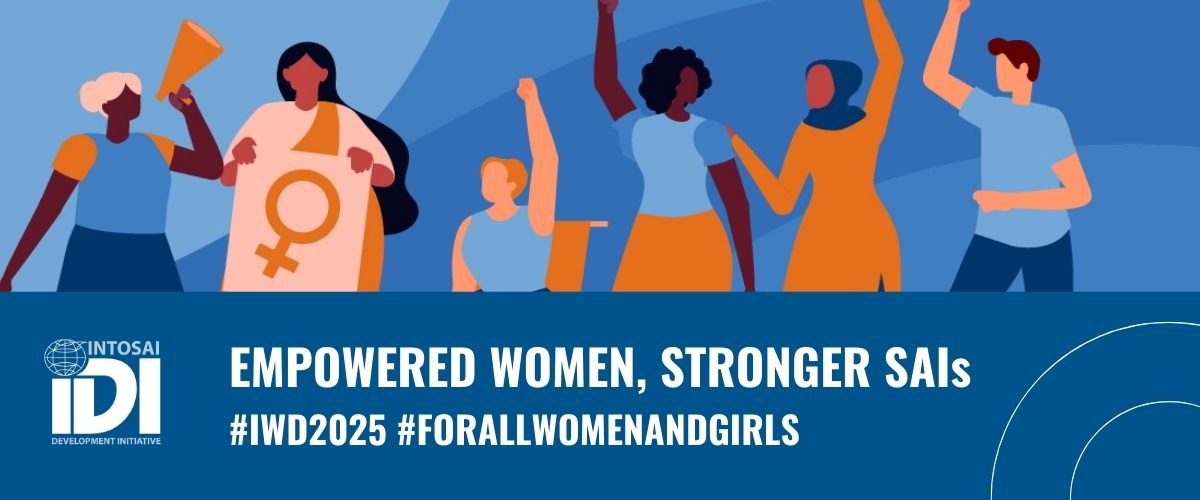
Gender equality is at the heart of a peaceful, prosperous and sustainable future for everyone, everywhere. Over many decades, progress on women’s and girls’ rights has laid the foundation to gender equality and inclusion in many parts of the world. For example, today, more than 100 countries track budget allocations for gender equality.
Gender equality benefits all societies, not only women and girls. At a global level, the 2030 Sustainable Development Goals (SDGs) will only be achievable if we ramp up support for gender equality.
And yet, some governments are reversing efforts on gender, diversity and inclusion. Many people, including women and girls, have been left behind during Covid-19, in the climate and economic crisis and in conflicts[1]. In an increasingly polarised world, ‘anti-gender’ movements try to affect institutional, legal and policy frameworks.
This year’s theme for International Women’s Day is “For ALL women and girls: Rights. Equality. Empowerment.” 2025 is a pivotal moment in the global pursuit of gender equality and women’s empowerment. It also marks the 30th anniversary of the Beijing Declaration and Platform for Action.
To advance rights for ALL women and girls is now more important than ever – for gender equality, for sustainable development and for a better tomorrow. Supreme Audit Institutions (SAIs) contribute in their countries. They can make a difference. SAIs can hold governments accountable for their efforts in advancing gender equality.
How SAIs address gender equality – a global picture
The INTOSAI Development Initiative’s (IDI) triennial Global Surveys and Global SAI Stocktaking Report 2023, show that SAIs have become more gender-sensitive in some areas.
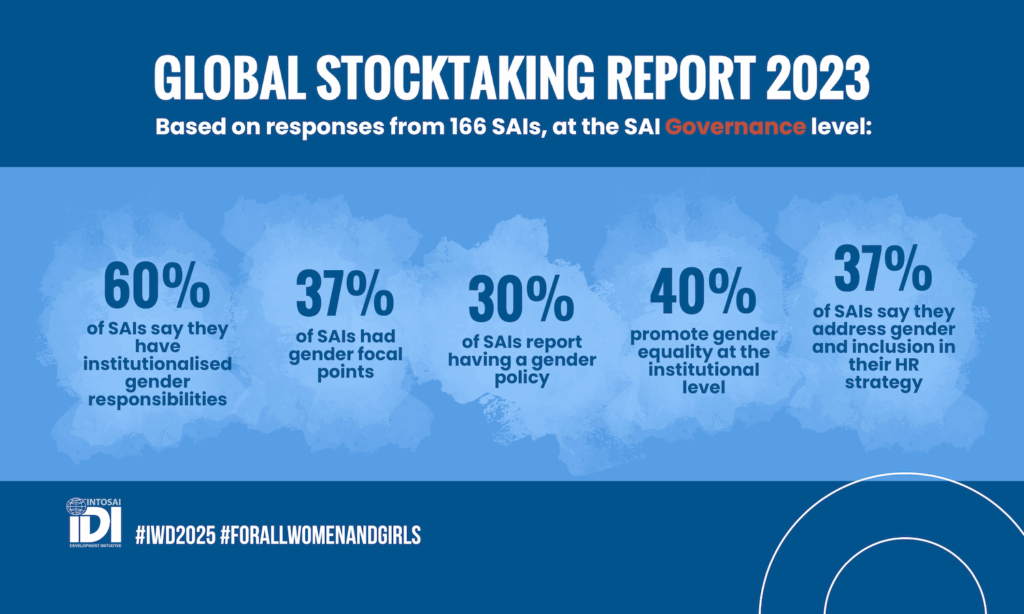
At the SAI Governance level, more than 60 per cent of SAIs say they have institutionalised gender responsibilities to some extent.
Of particular interest, in 2023:
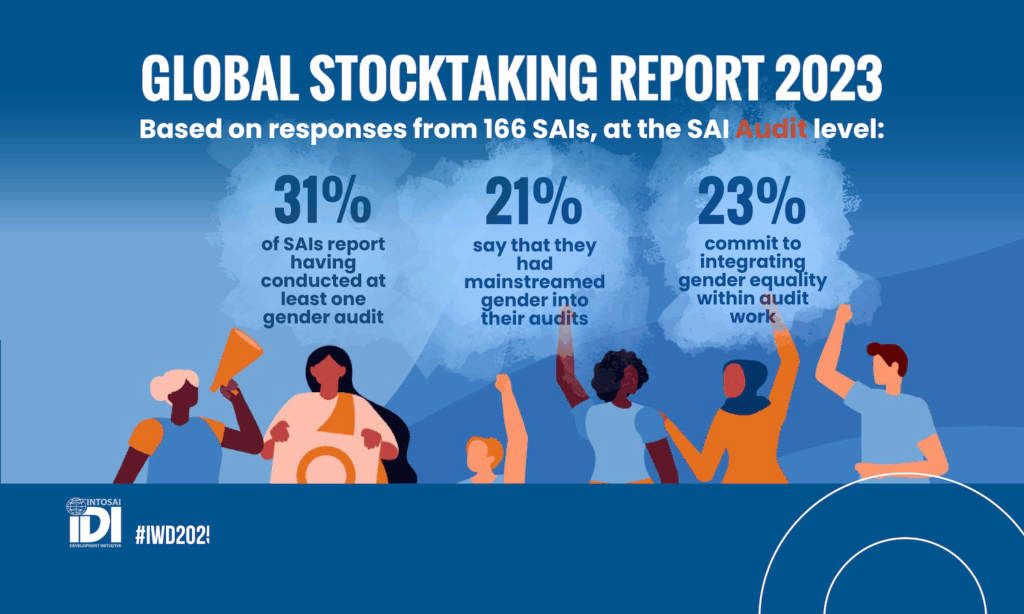
At the SAI audit level, 31 per cent of SAIs report having conducted at least one gender audit and 21 per cent say that they had mainstreamed gender into their audits. By applying a gender lens in their audits, SAIs can reflect and assess the needs and voices of women, girls and marginalised groups and make a difference in people’s lives. They can lead by example as an institution and live up to the spirit of INTOSAI Principle 12 on the value and benefits of SAIs. Global Surveys and Stocktaking results show more SAI engagement, but there is still a way to go.
How IDI supports SAIs on gender equality and inclusion
IDI is looking at ways to continue building momentum on gender equality and inclusion through its work with SAIs and internally. IDI’s support is based on the very needs of SAIs on gender equality and inclusion. Here are some examples of how IDI engages with SAIs:
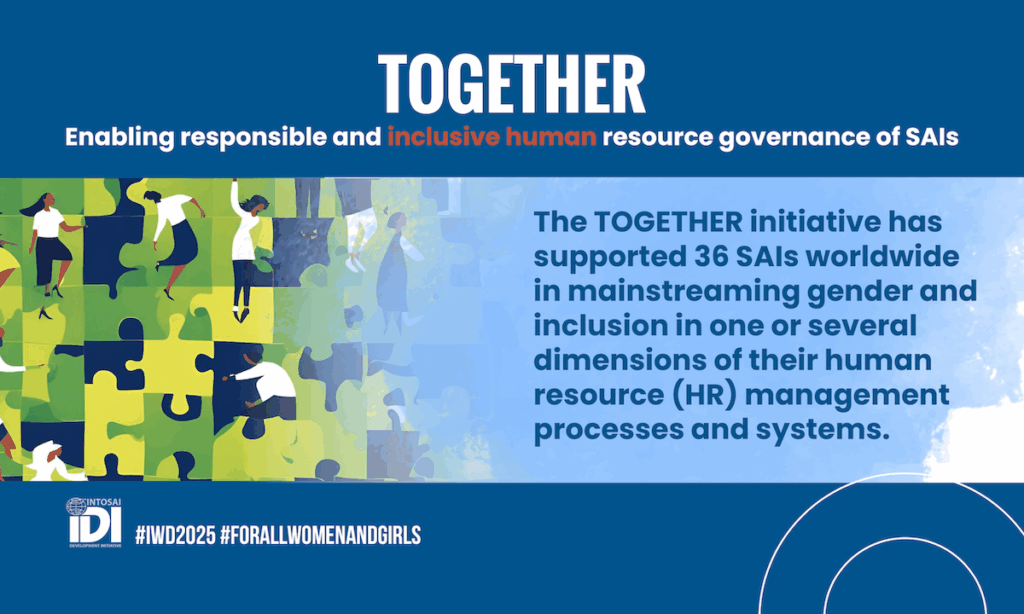
SAI Governance:
SAI audits:
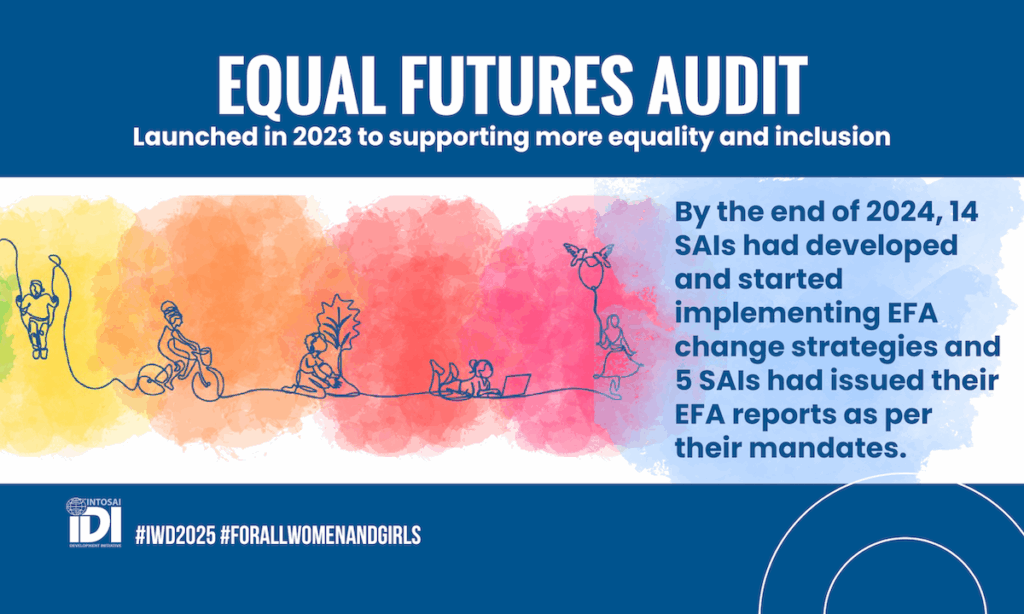
The idea is to support a pool of senior auditors to become change agents and champions for integrating equality and inclusion into SAI audits and audit strategies. By the end of 2024,14 SAIs had developed and started implementing EFA change strategies, including Brazil, Egypt, Kosovo, Mauritania and the Philippines. At the start of 2025, the SAIs of Chile, Costa Rica, Mauritania, Thailand and Uruguay have issued their EFA reports as per their mandates. Other participating SAIs are expected to complete their strategies and audit in 2025.
SAIs in challenging situations:
These are some examples showing what SAIs can do to strengthen gender equality and how IDI supports them. This support builds on IDI’s Gender and Inclusion Policy and ongoing journey. It also requires advocacy within the INTOSAI Community and SAI engagement. As we celebrate International Women’s Day on 8 March, we know that the current scale and speed of progress are insufficient to achieve gender equality by 2030[2]. In parts of the world, we even see an increased pushback against gender equality. Yet, we need to move forward, not backwards. Let’s advance together. Now is the time.
See here IDI’s short video on Equality Matters.
[1] See here a link to UN Women policy briefs also looking at the negative impact of Covid-19 on gender equality and here how climate change and gender inequality are connected. Please refer also to the UN Women’s Rights in Review 30 Years After Beijing report.
[2] See also the World Economic Forum’s Global Gender Gap Report 2024.

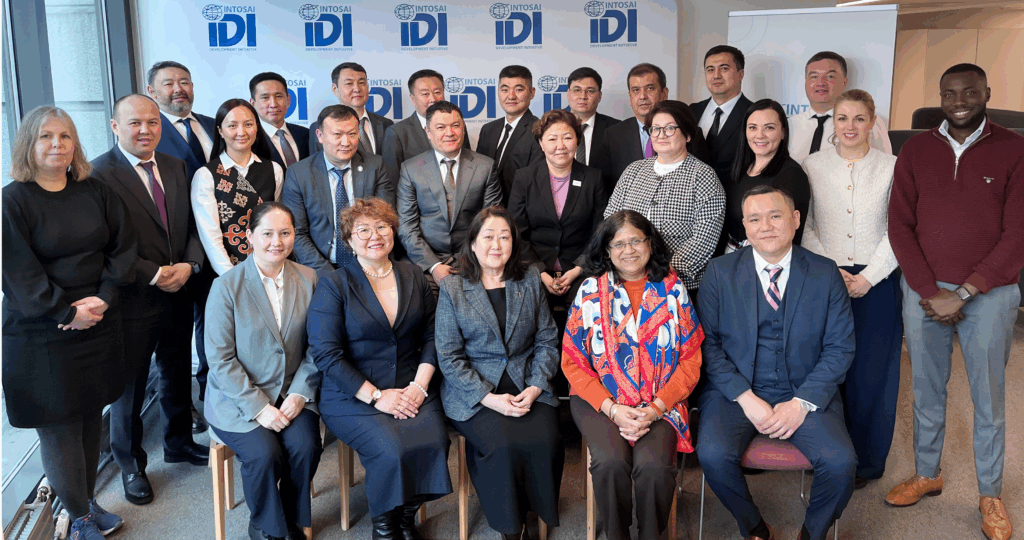
From 3–7 March 2025, a delegation from the Supreme Audit Institutions (SAIs) of Kazakhstan, Kyrgyz Republic, and Uzbekistan, along with representatives from the World Bank, visited Oslo for an intensive and enriching workshop and knowledge exchange. Hosted by the INTOSAI Development Initiative (IDI), the visit facilitated meaningful discussions on audit quality management, strategic planning, and parliamentary engagement, with key contributions from the Norwegian National Audit Office (NAO) and the Norwegian Parliament’s Public Accounts Committee.
The visit was part of the World Bank-funded Central Asia Supreme Audit Institutions (CASAI) project, which aims to enhance the performance and accountability of public institutions by strengthening SAIs’ capacities. As part of this initiative, the Oslo visit provided a crucial opportunity to deepen cooperation, exchange best practices, and identify pathways for future collaboration between IDI, the World Bank, and SAIs in Central Asia.
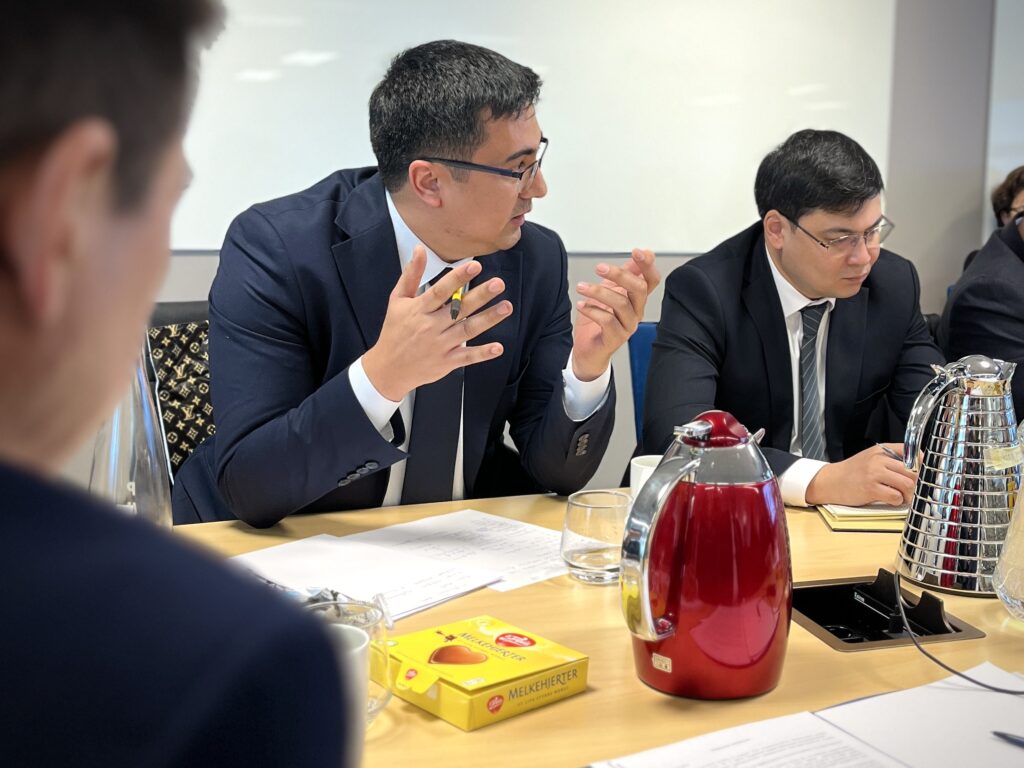
The delegation’s engagement began at IDI’s Oslo offices, where they gained an in-depth understanding of IDI’s mandate, met with IDI staff and became familiar with its various global initiatives supporting SAIs worldwide. Discussions highlighted how Central Asian SAIs could leverage IDI’s global support mechanisms, such as PESA (Professional Education for SAI Auditors) to enhance their audit capabilities, and SIRAM (SAI Rapid Advocacy Mechanism) to respond to threats to their independence.
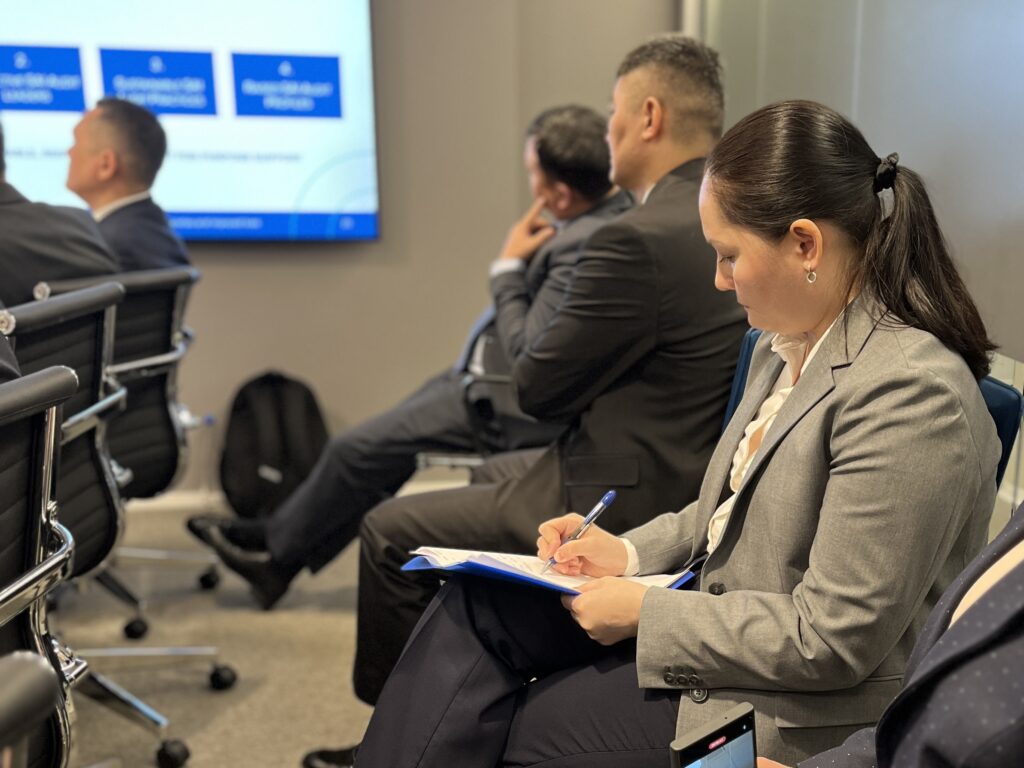
A key highlight was the Quality Management Seminar, where IDI experts provided a high-level overview of audit quality management, aligned with the new ISSAI-140 standard. The session emphasised the importance of embedding quality into the audit process to ensure credibility, efficiency, and value-added oversight.
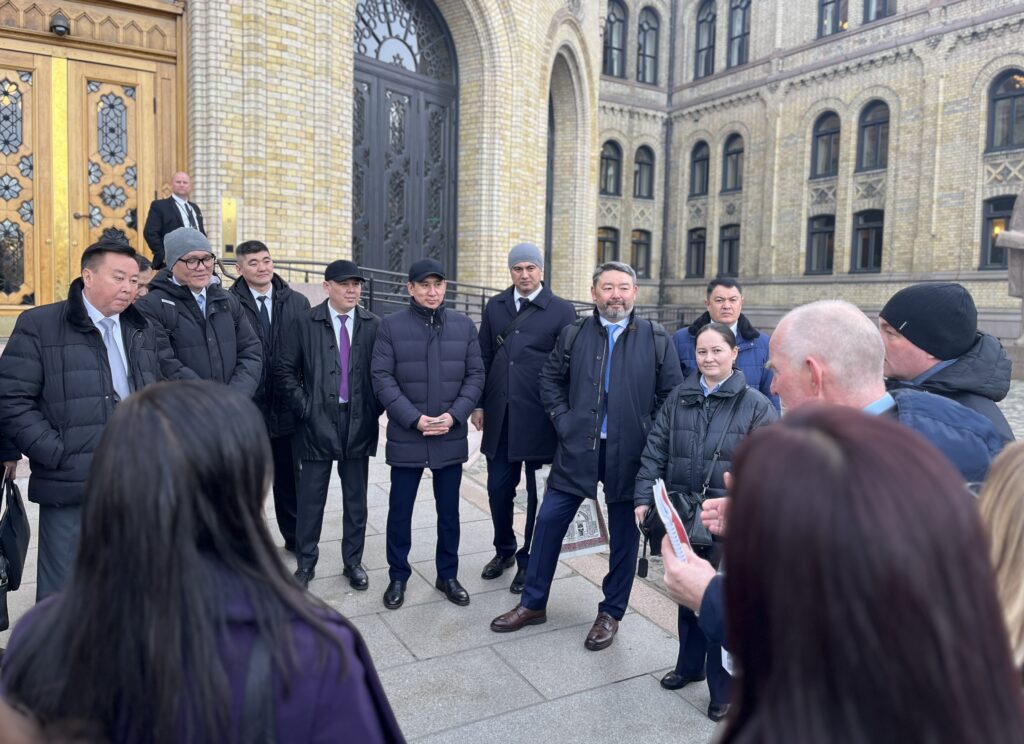
On the second day, the delegation visited the Norwegian Parliament (Stortinget) to explore how parliamentary oversight mechanisms function in Norway. They met with parliamentarians and leading members of the Committee for Scrutiny and Constitutional Affairs, who shared insights on how the Norwegian Parliament ensures accountability through its collaboration with the NAO and its review of audit reports.
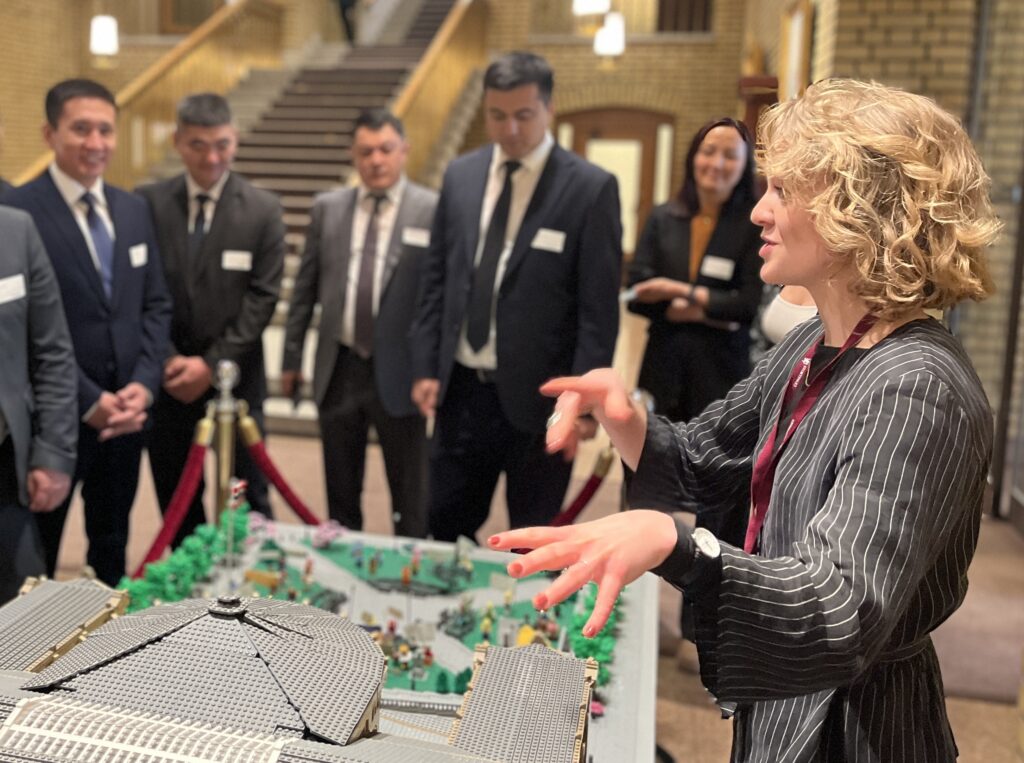
This session sparked thought-provoking discussions, with delegates reflecting on how their respective SAIs could strengthen their engagement with their national parliaments to enhance accountability.
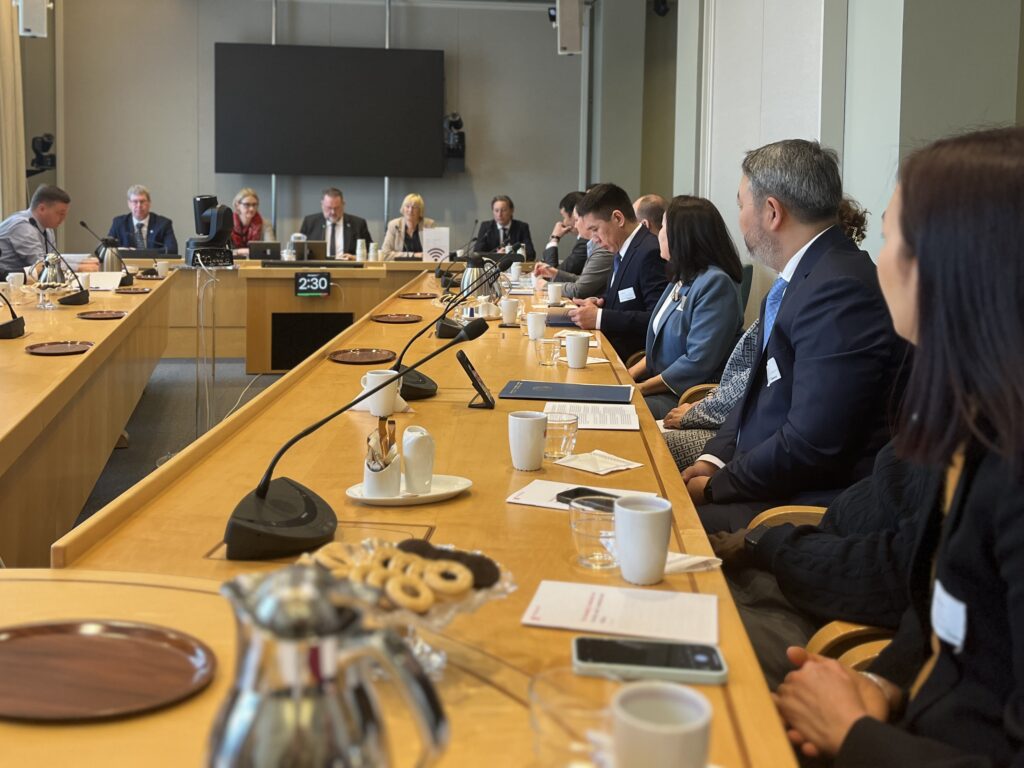
Later, at the NAO office, delegates were welcomed by senior officials who provided an overview of NAO’s legal framework, responsibilities, and engagement with key stakeholders, including the government and the public. They discussed NAO’s strategic planning approach, performance measurement systems, and the role of the Auditor General in ensuring transparency and accountability.
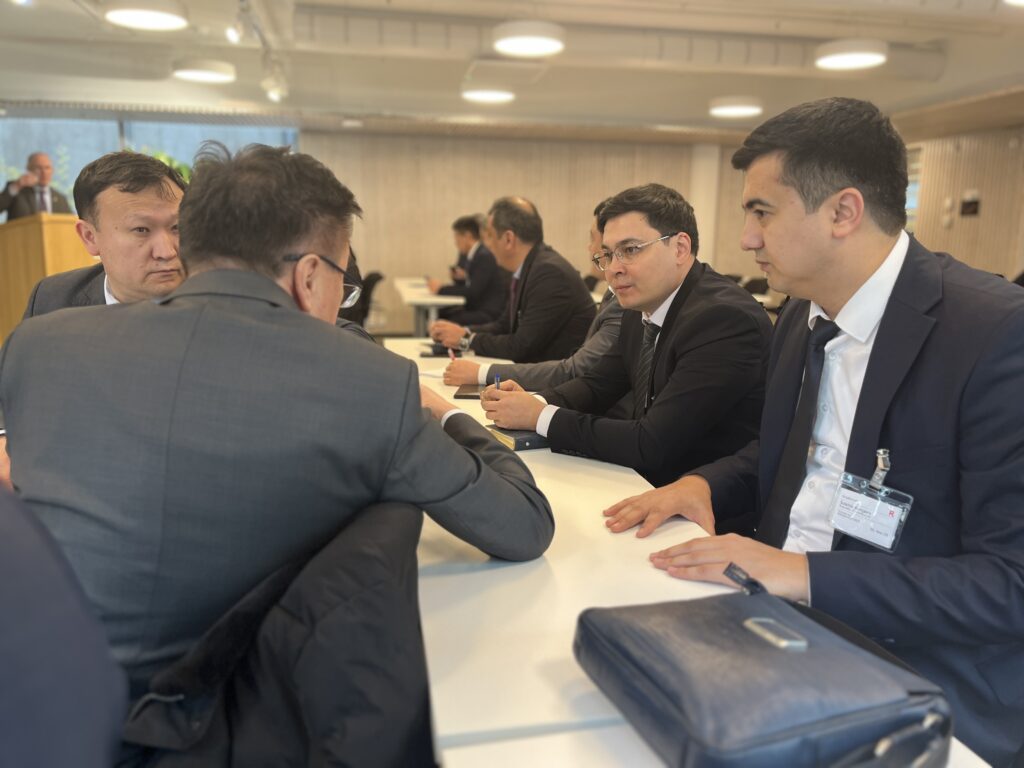
This visit was particularly impactful for the Central Asian SAIs, who were keen to explore ways to refine their strategic management processes and stakeholder engagement frameworks. The session underscored the importance of maintaining independence while actively engaging with government institutions and civil society to drive meaningful reforms.
The final day featured a Strategic Management Seminar led by IDI experts. The session covered essential aspects of strategic and operational planning, including identifying strategic issues, developing results frameworks, and implementing performance monitoring systems.
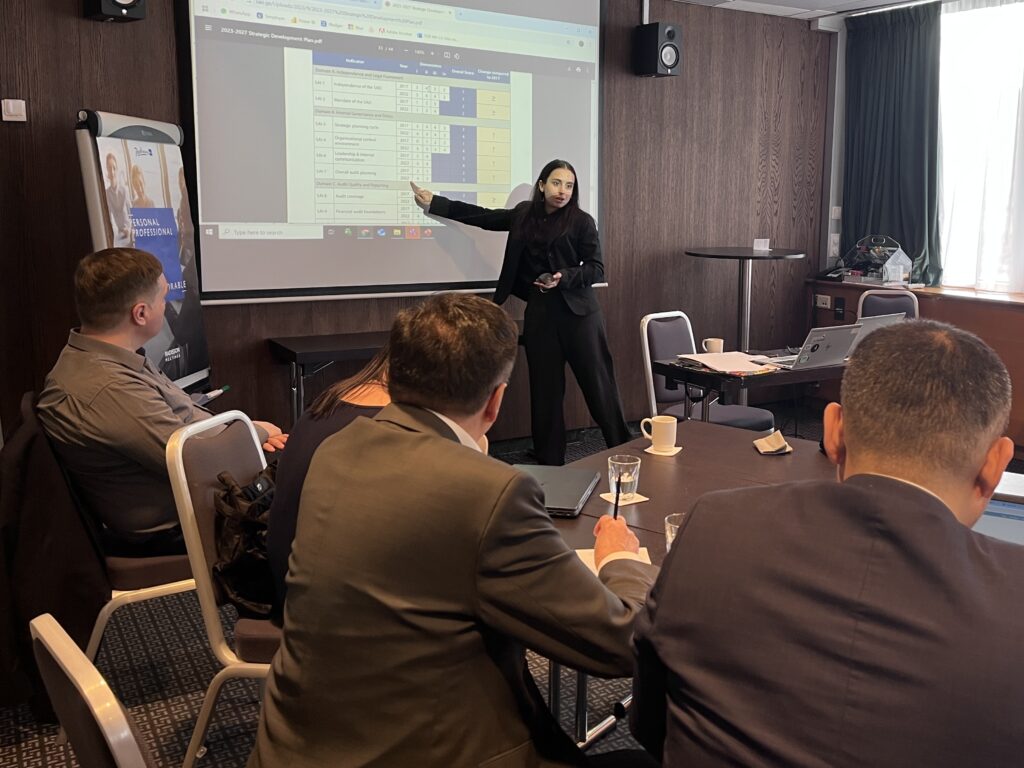
Discussions highlighted the role of strategic planning in adapting to emerging challenges and ensuring that SAIs remain agile, effective, and relevant in their oversight roles.
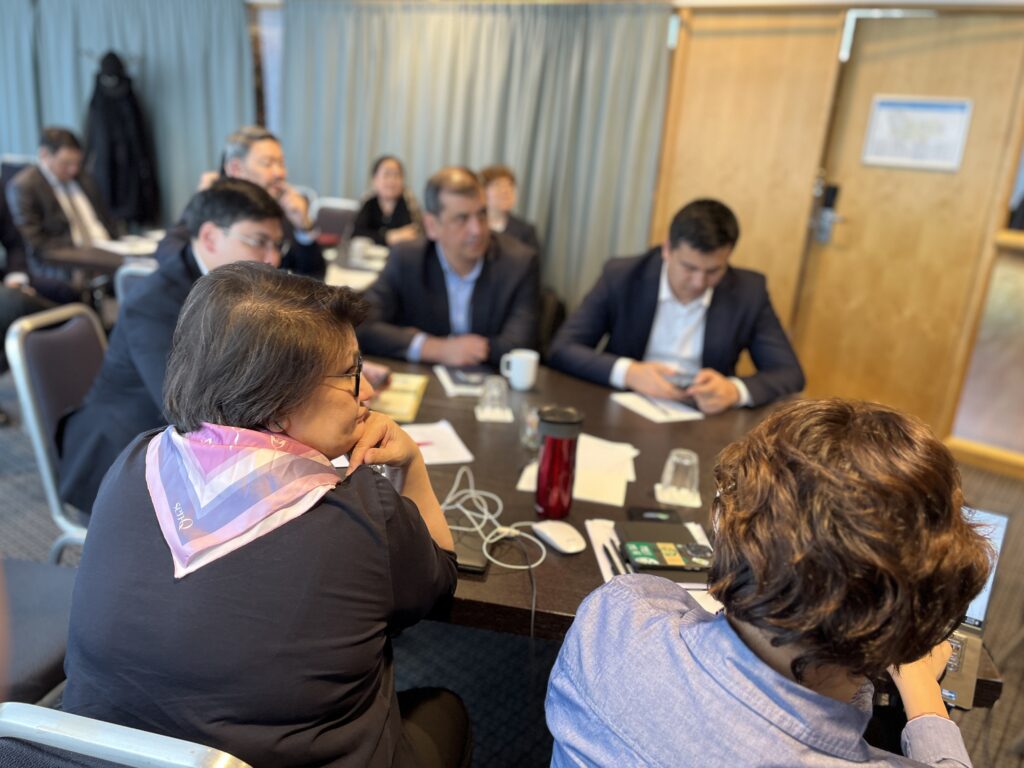
As the delegation prepared to depart, it was evident that the visit had fostered a stronger foundation for collaboration between IDI, the World Bank, and the Central Asian SAIs. The participants left with a deeper understanding of best practices in audit quality management, parliamentary engagement, and strategic planning, as well as a renewed commitment to strengthening their institutions.
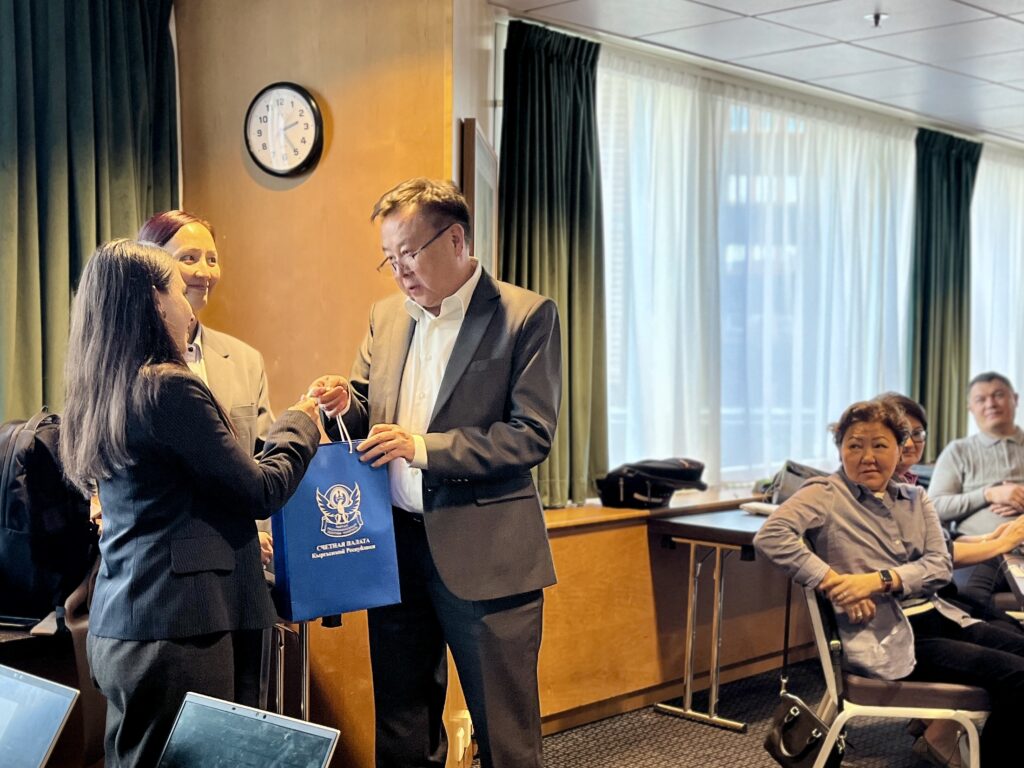
This visit marks an important milestone in strengthening accountability in Central Asia. By fostering partnerships, promoting peer learning, and sharing best practices, IDI and its partners continue to play a vital role in advancing the capabilities of SAIs worldwide. The discussions and connections formed in Oslo will serve as a catalyst for ongoing collaboration with the World Bank and other global accountability actors, ensuring that SAIs in Kazakhstan, Kyrgyz Republic, and Uzbekistan are well-equipped to enhance public sector accountability and transparency in their respective countries.