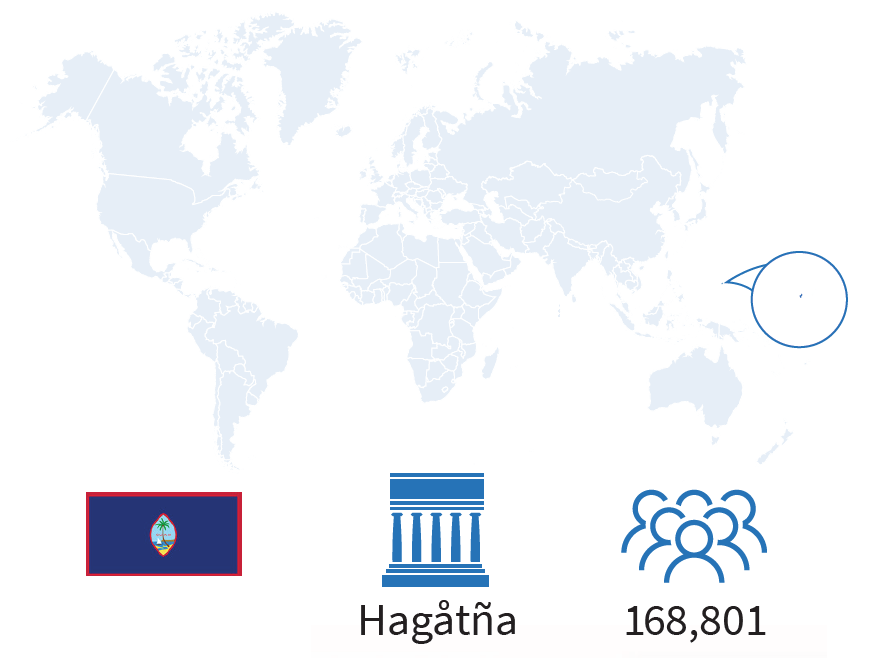
In a quest to improve its performance, SAI Guam identified, as a key priority, the need to strengthen its capacity. The starting point was to establish the baseline by conducting a performance assessment. In May 2017, the SAI Republic of Marshall Islands (RMI) and the PASAI Director of Practice Development independently assessed SAI Guam’s performance based on the SAI PMF. The results of the assessment were used to develop a new and streamlined Strategic Plan.

In March 2018, the INTOSAI Development Initiative (IDI) piloted the Strategy, Performance Measurement and Reporting (SPMR) initiative in the PASAI region. The programme was aimed at supporting SAIs to develop and maintain a strategic planning and management process, achieve strategic outcomes, and deliver value and benefits to citizens. The SPMR initiative was a perfect match to SAI Guam’s ambition to embark on a new and robust strategic management process. Accordingly, the SAI decided to join the SPMR initiative in April 2018.
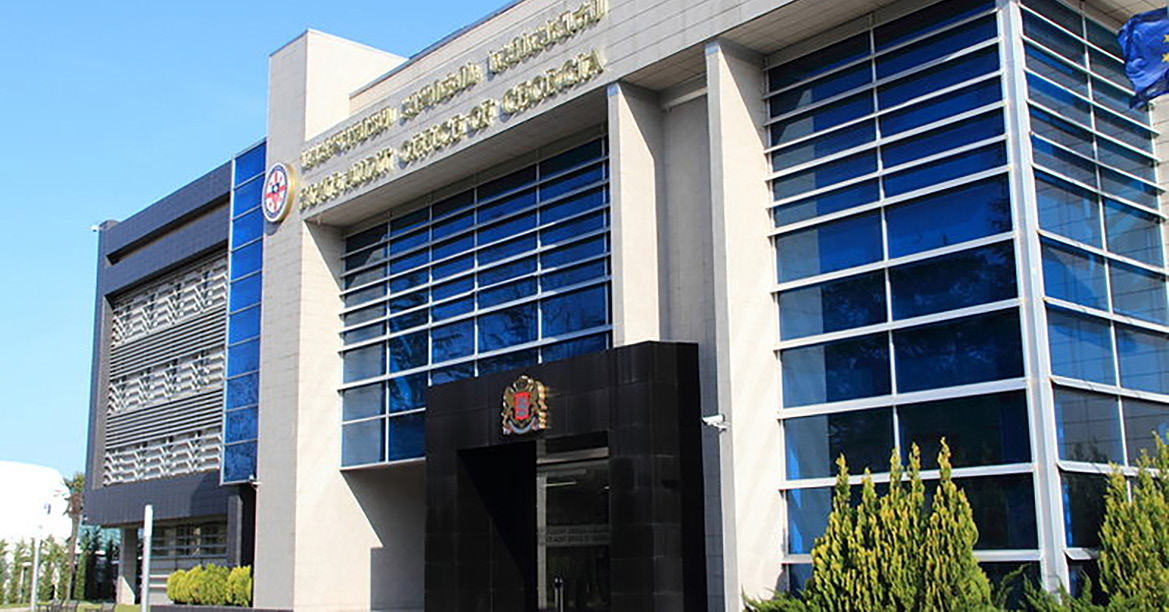
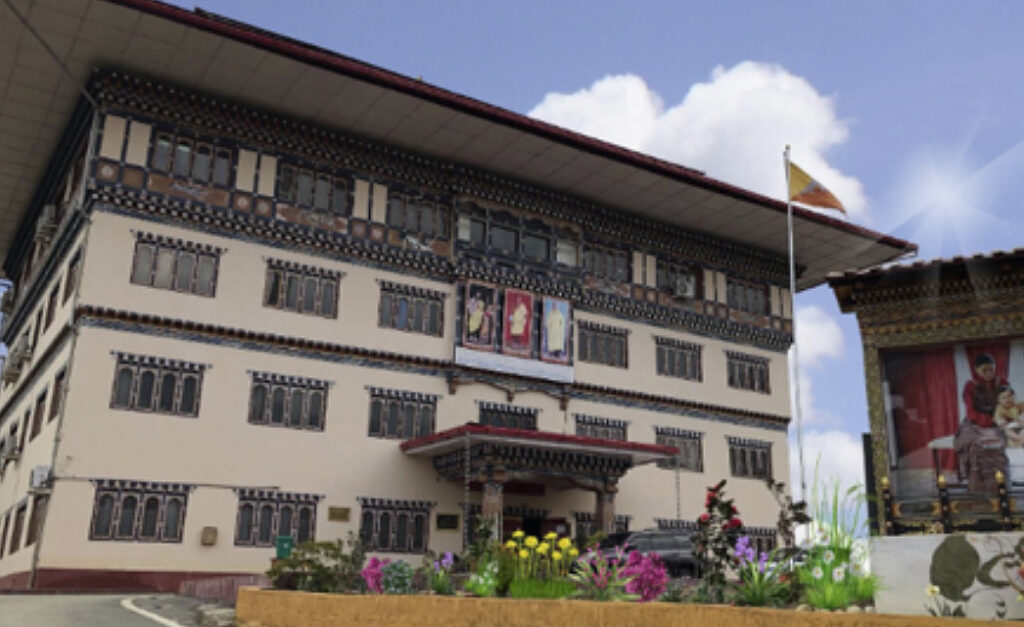
Guam OPA office building
SAI Guam participated in the full SPMR SAI strategic management cycle, which commenced with a strategic planning training hosted in Tonga in April 2018. Guided by the SPMR methodology, the SAI developed a new and streamlined strategic plan 2019-2023, anchored on an objective and comprehensive analysis of its environment and stakeholder consultations. The SAI PMF assessment revealed the absence of annual operational planning in the SAI. Resulting from the SPMR interventions, SAI Guam has since adopted, as part of its routine organisational planning processes, the preparation of well-resourced annual operational plans that are clearly linked to the strategic plan.
The SAI PMF assessment results arrived at a time when Public Auditor Benjamin J.F. Cruz was appointed as the new Head of SAI Guam. The assessment results served as a solid base upon which Public Auditor Cruz could steer the SAI to greater heights of excellency in the delivery of its mandate. In March 2019, Public Auditor Cruz demonstrated his commitment to full transparency on the SAI’s performance by publishing the results of the SAI PMF assessment on the office’s website and provided copies to stakeholders.

independence of the SAI
Quality, timely and impactful audit reports
Timely decision making on procurement appeals
Effective engagement with stakeholders.of the SAI
So far, it is evident from the SAI’s monitoring system that the pursuit of the strategic priorities is contributing to strengthening the SAI’s institutional, organisational and professional capacity. This has facilitated the SAI’s ability to demonstrate the value and benefits it is contributing to the citizens through its services. The steady rise in public trust and the earned goodwill of the oversight Chairperson in the Guam Legislature on the SAI’s independence, provide additional evidence that the implementation of the SAI’s strategy is on an upward trajectory.
But how did a small SAI with only 14 staff manage to successfully take the results of its SAI PMF assessment, develop and implement a new strategy? SAI Guam’s impressive results are anchored on strong commitment by SAI leadership. The Head of SAI allocated staff time and authorised staff directly involved in the SPMR initiative to attend the IDI training activities. SAI Guam is not eligible for development assistance under the Organisation for Economic Co-operation Development (OECD-DAC) assistance arrangements. As a result, the SAI participated in all the activities of the initiative at its own cost. By any standard, this level of commitment by the SAI Guam leadership is exemplary.
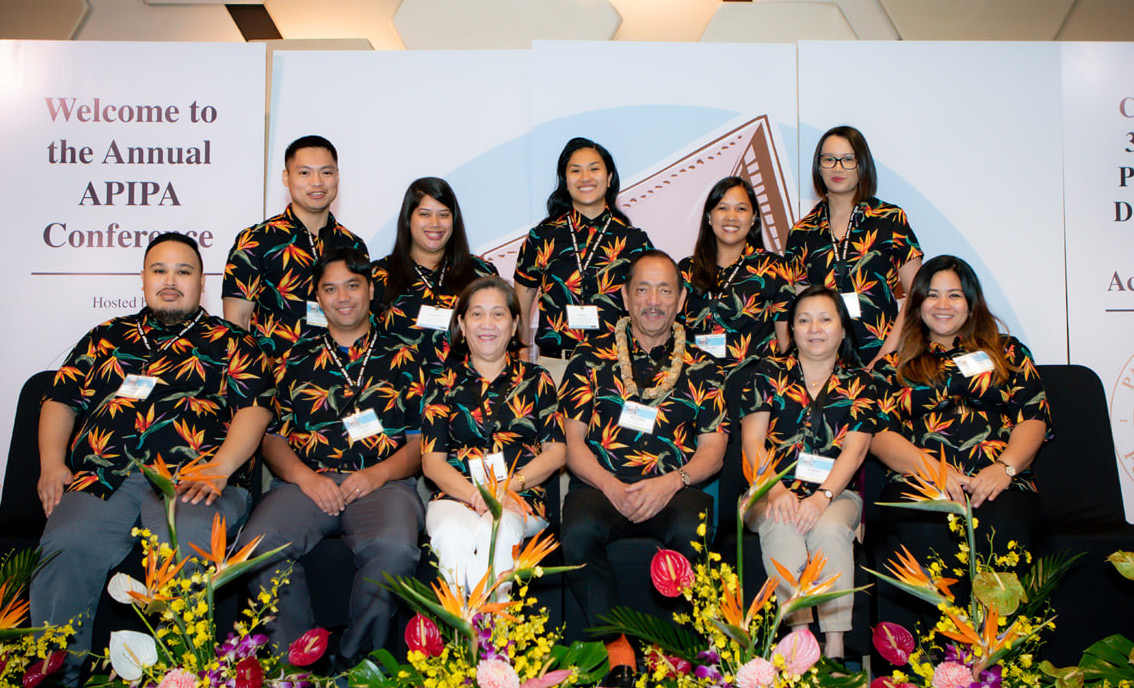
SAI Guam has made its mark at the regional level by sharing its experience in the SPMR initiative with other SAIs within and outside the PASAI region. A resource person from the SAI, Mr. Jerrick Hernandez, is providing technical support to the strategic management team of SAI Philippines, one of the largest and leading SAIs in the ASOSAI region. In addition, Mr. Hernandez is occasionally invited by the IDI to participate in delivering regional SPMR training courses as a co-facilitator.
The strategic management journey embarked on by SAI Guam through its participation in the SPMR initiative is a demonstration of commitment to the principle of continuous improvement advocated by INTOSAI P-12. Against all odds, SAI Guam completed a SAI PMF assessment to establish a baseline for its performance, developed and implemented a streamlined strategic plan and focused on enhancing its ability to deliver value and benefits to the citizens. There is tangible evidence indicating that the implementation of the SAI’s strategy is yielding the desired results. Despite its size, SAI Guam has also made significant contributions to the regional and global implementation of SPMR.
SAI Guam’s participation in the SPMR initiative has been a worthwhile undertaking for the SAI.
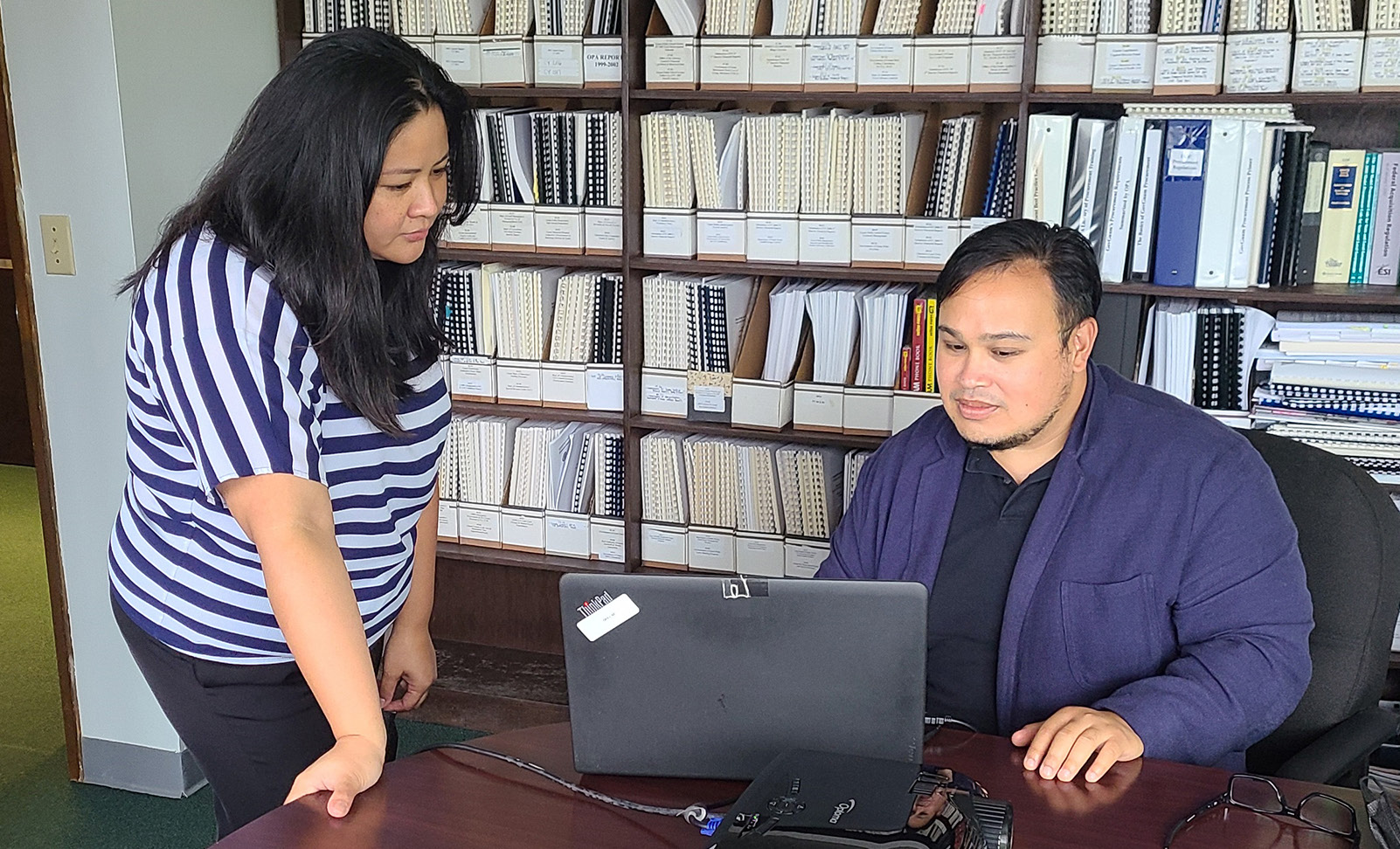
Our office has been blessed with a tremendous experience working with true professionals at PASAI and IDI and we are grateful for their time and effort in providing training and conducting the PMF assessment. We took their assessment to heart and used it to reflect on where we needed to focus our limited resources on. There were a lot of moving parts put into motion as early as January 2017. As a result of all the resources provided to us by IDI and PASAI and the hard work and dedication of my staff, we were able to create a sound, impactful strategic plan that really focuses on how best to make our office a model for good governance in the Pacific.
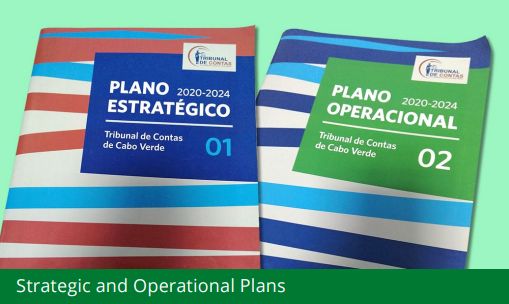
The participation in the SPMR initiative led to improvements from the previous strategic plans. For instance, the current strategic plan now includes an integrated human resources plan and an IT strategy that allows a holistic view of the Tribunal’s strategic planning process. It captures the SAI priorities as an institution supporting the country public financial management with a focus on improved judgment process and financial responsibilities.
Of particular interest, the strategic development plan refers to the Transparency International Corruption Perceptions Index to measure its impact on the improvement on the management of public affairs.
The strategic development plan is supported by an operational plan covering the same period. This approach provides an overview of the 60 activities to be delivered throughout the five years period to implement the strategic development plan.
The operational plan sets clear and measurable targets and provides information on resources needed to execute it. Having clear targets is again a key element of a strategic plan as it helps to assess the performance of the execution of the plan.
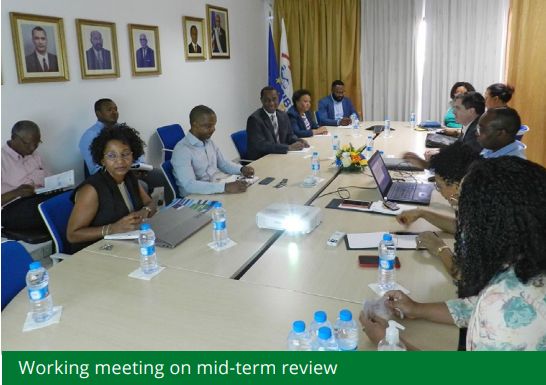
The Tribunal de Contas has developed its own Planning, Monitoring and Control Guide which requires a mid-term review of the strategic development plan reflecting strategic management best practices. Indeed, while a strategic plan is usually set for a period like 5 years in the case of Cabo Verde, strategic management always requires flexibility. To that end, assessing the strategy effectiveness is key and that it the purpose of the mid-term review that the Tribunal de Contas decided to conduct.
The first thing to do was to prepare the terms of reference detailing the objectives, scope, methodology, and timeline together with the resources necessary to conduct the review.
The SAI decided to conduct this mid-term review through its Planning and Quality Control unit using the activity reports produced by the Tribunal de Contas for years 2020 and 2021 and information directly collected to the operational units for the first part of 2022.
The mid-term review proved to be very positive as it highlighted the areas where improvements are necessary hence allowing the President of the Tribunal to make necessary decisions to prioritize the activities for the second half of the strategy term. Notably, the SAI will focus on measuring the public perception of the SAI and its impact on the management of public resources for the benefit of the citizens.
The team in charge of the mid-term review was very familiar with the strategy and operational plan as its members participated in the SPMR Initiative. Thanks to this training, they were able to find solutions to the methodological issues they face during the review design and execution process.
A mid-term review of the strategy is essential to ensure we are on the right path and that the strategy is well executed to produce its expected impact
The challenge was to select meaningful indicators and to ensure the quality of the information collected. Then the interpretation of the results constituted another challenge because explaining the reasons of those results was very important to provide useful information for decision-making by leadership.
No strategy or operational plan is set in stone. Plans are living documents, which should respond to a changing environment, by possibly adjusting performance expectations and priorities. Once the parameters are in place, they set a robust ground for agile strategic management.
This is what a mid-term review allows and by doing so, the Tribunal de Contas of Cabo Verde has set a clear path for a higher performance in the next two years.
Laurent Grosse-Kozlowski, Manager SAI Governance.
In late 2019, the SAO decided to join the SPMR initiative, working towards a mid-term update of the 2018-2022 strategic plan. An interim SAI PMF assessment in early 2020 demonstrated that the SAO had already reached significant progress towards its strategic goals. For example, they had succeeded in finalising the implementation of ISSAI standards on financial and compliance audits and had established quality control procedures and practices such as hot reviews. Externally, the SAO leadership had prioritised strengthening relationships with the Parliament to support them in better follow-up of audit reports and holding executive agencies accountable for their performance.
SPMR played an important role supporting the strategy revision process and providing inputs for further strengthening SAO’s organisational development. The SAO team worked under the guidance of Ms. Angela Cullen, deputy auditor general of the SAI of Cayman Islands, who acted as their adviser and SPMR resource person. The joint work resulted in a revised strategic framework and updated strategic plan in line with the SPMR methodology and handbook, which captured existing challenges and selected priorities. Later on, as a result of participation in the e-Learning courses on operational planning, monitoring and implementation, the SAO prepared a new template for the operational plan and crafted new process for performance monitoring.
The SAO’s active participation in SPMR and its hospitality deserves special attention. Throughout the SPMR initiative, the Georgian team has consistently shared their experiences, challenges and lessons learnt in the area of strategic management. This has been greatly appreciated by their peers from the region. The SAO also hosted the SPMR strategic planning workshop, which was the last event of the initiative to be held in-person before the onset of the pandemic. The beautiful city of Tbilisi and the numerous activities organized by the SAO made the SPMR strategic planning workshop a particularly memorable event for the participants.
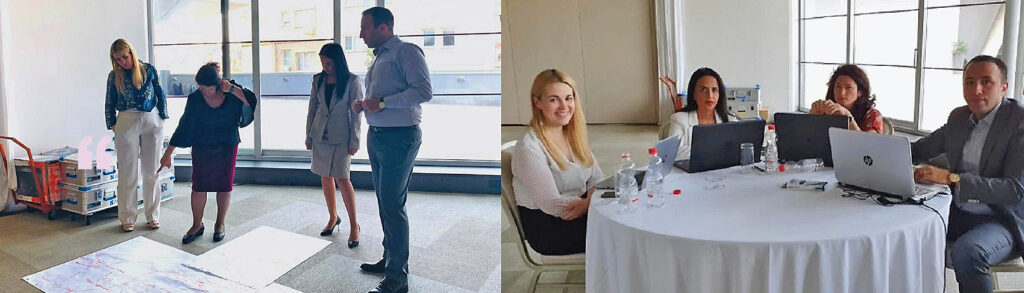
Despite those impressive achievements, the SAO identified some remaining challenges that called for an update of the strategic plan. One such obstacle is that the SAO does not have the mandate to audit government revenue – a legislative challenge that, albeit outside of its complete control, the SAO strives to influence through its work and communication activities. Another is that, while the SAO aims to enhance its audit activities in the area of IT systems of public entities, particularly in light of the pandemic, this calls for internal strengthening of IT audit capacity. Finally, as the SAO remains committed to acting as a model organisation, it identified that it had some outstanding work towards establishing standard operating procedures for their internal ethics control system, as well as for impact assessments.
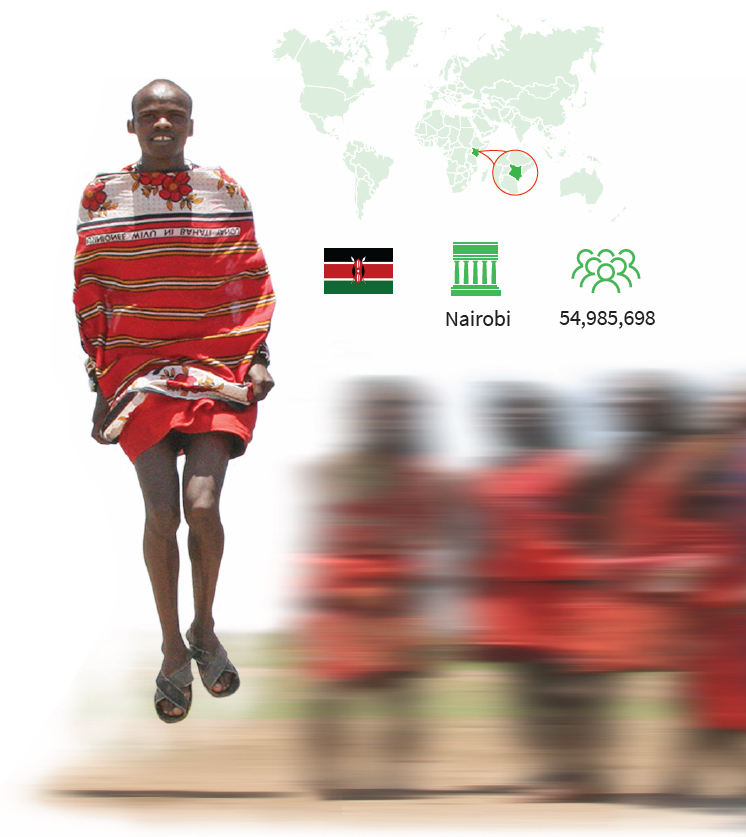
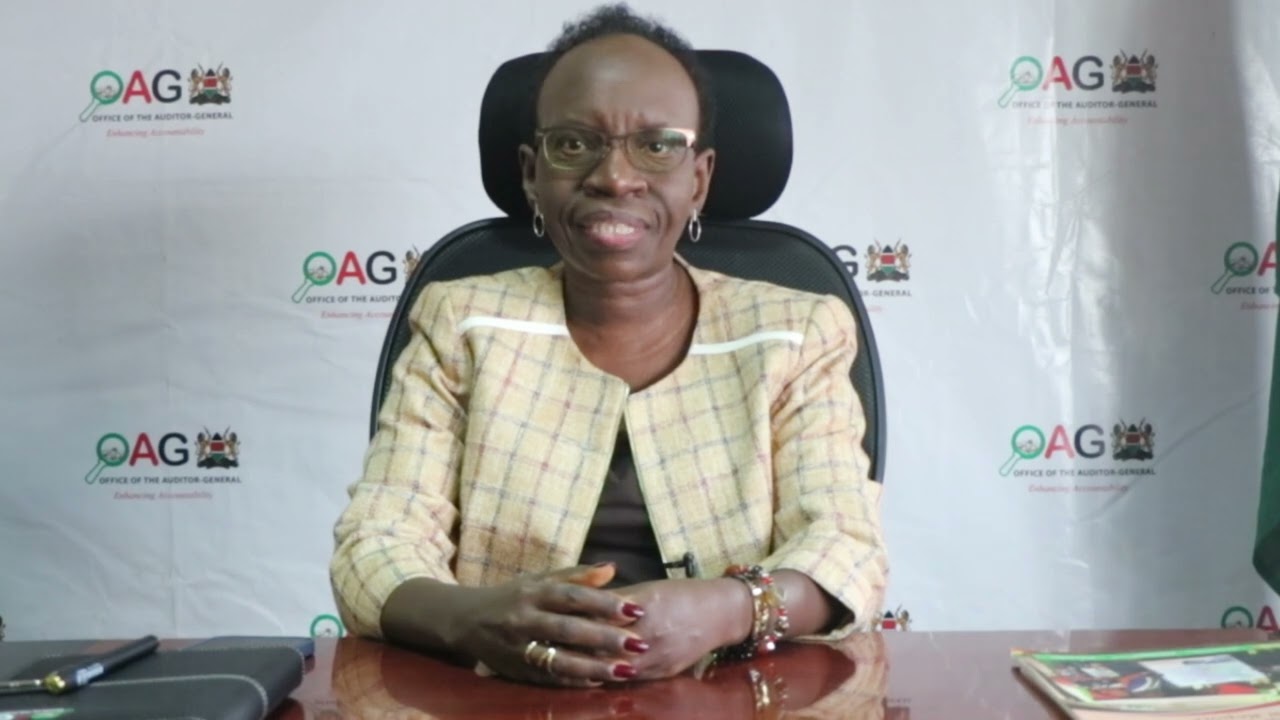
Ms. Gathungu quickly realised through her work with Botswana that Kenya shares many of the same organisational challenges as their peers and recommended her SAI to join the initiative. At this point the SAI was in a transitional phase with no appointed AG and a strategic plan about to run out.
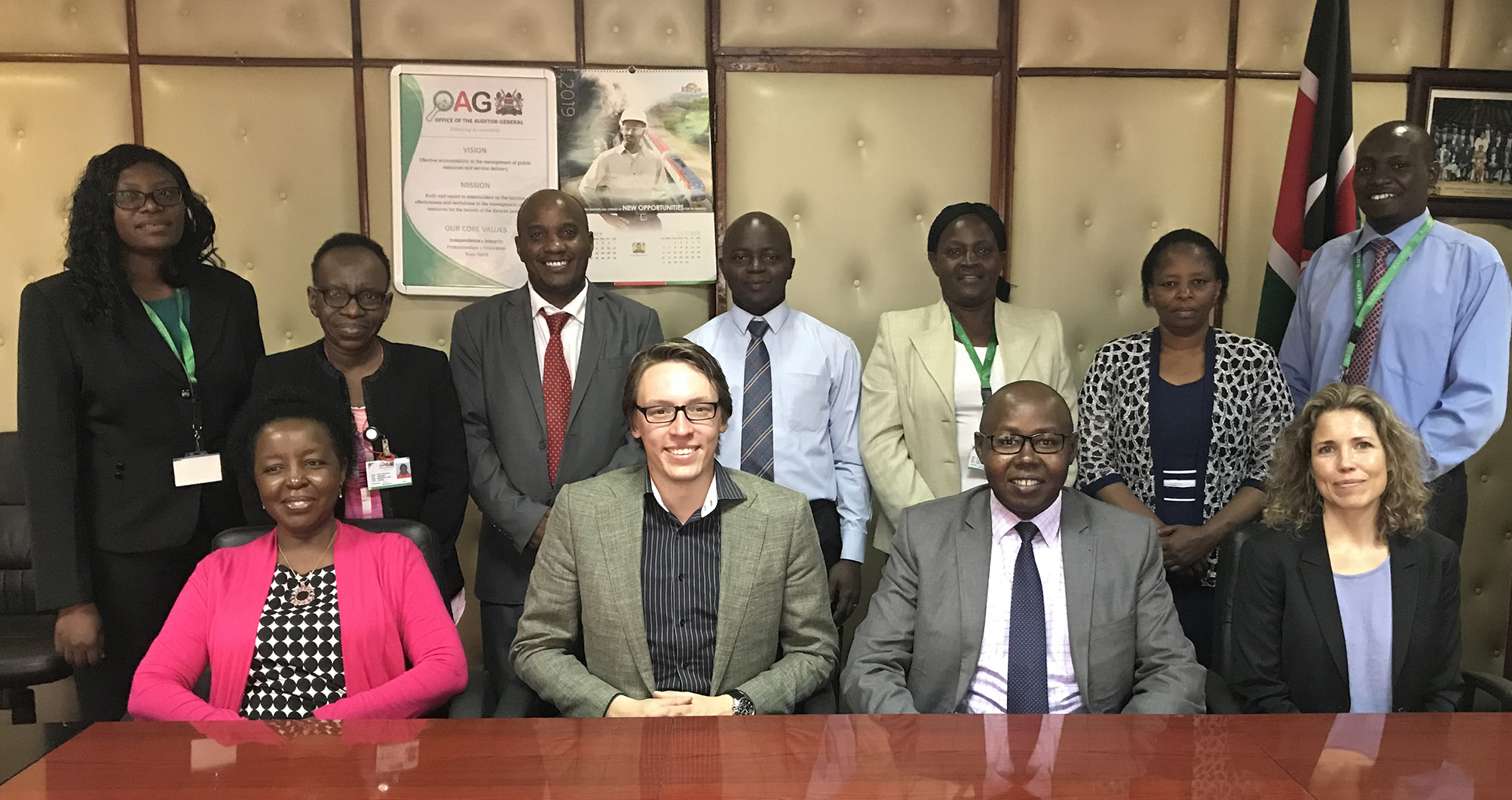
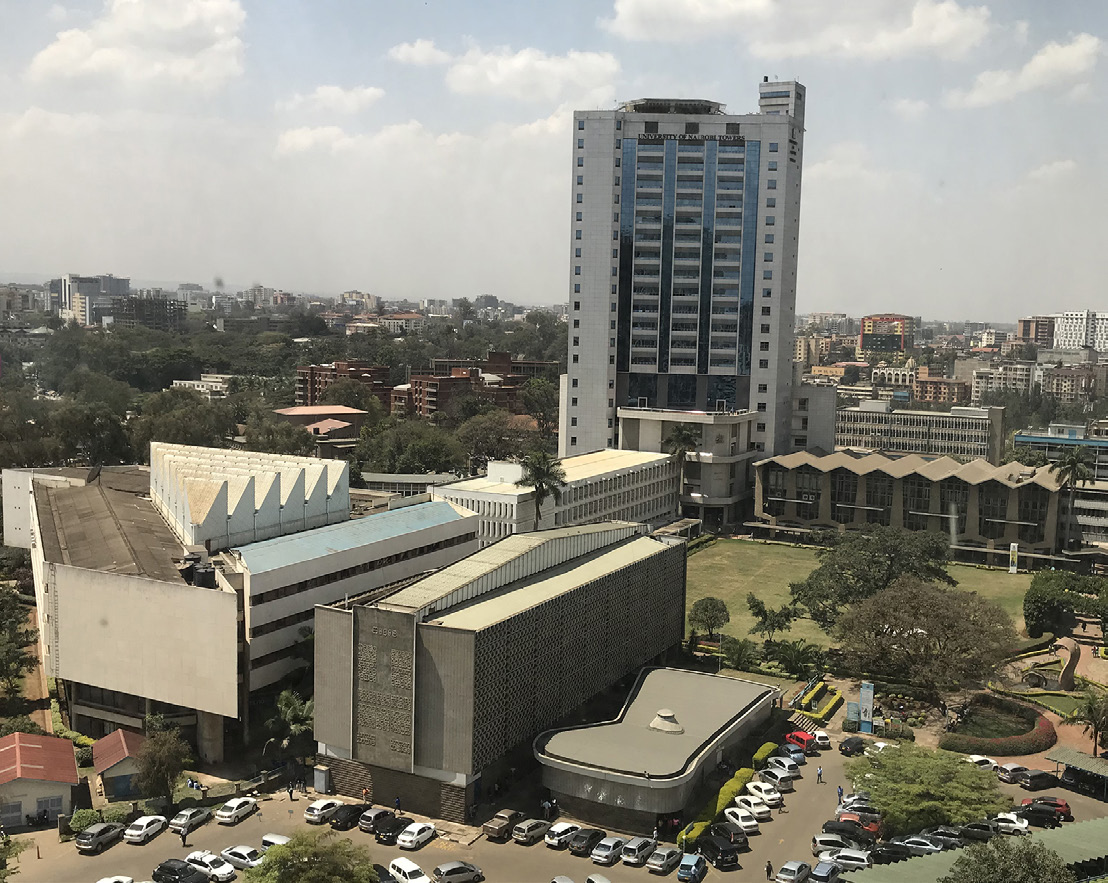
At the same time, other SAIs in the region had advanced with the SPMR initiative. This did not discourage SAI Kenya from joining and aiming at catching up on the progress of their peers. On short notice, Ms. Gathungu compiled a team to conduct an accelerated SAI PMF assessment. IDI supported this by organising a SAI-level fast-tracked training for the team in Nairobi.
High levels of motivation among staff members ensured fast initial progress in the assessment; the SAI faced challenges in finalising it, however. The appointment process for a new AG took several months, leaving a leadership vacuum in the SAI, and preventing progress for a while.
After a process that took longer than anticipated, Ms. Gathungu was named the first female Auditor-General in the history of Kenya in 2020. She focused vigorously on finalising the SAI PMF assessment with her team, which was subsequently independently reviewed by an IDI-appointed reviewer. She formed a new team to take forward the SAI’s strategic planning efforts and finalise a strategic plan towards mid-2021.
During all that, Kenya had to deal with the Covid-19 pandemic much like the rest of the world. Intermittent lockdowns and working-from-home arrangements posed an additional challenge to the team while it was working on defining the SAI’s strategic priorities based on its SAI PMF assessment.
The assessment provided an additional priority for the SAI’s strategic plan. This ensures that the SAI will become more gender responsive. It also shows a continuous practice of the SAI to adopt new impulses and to learn from supporting its peers. The strategic planning team is now faced with a wide field of priorities and resource constraints that have become more pronounced during the pandemic.
While the SAI is still working on its final strategic plan, its main priorities are shaping up, based on its SAI PMF assessment, assessment of stakeholder views, and gender assessment: Improving the SAI’s audit work by updating its methodology for emerging challenges, strengthening the SAIs communication towards its stakeholders, and streamlining the SAI’s organisational management to make best use of its limited resources. While SAI Kenya is a provider of support to some of its neighbours, it also has benefited from support by its peers from Sweden for many years. The OAG of Sweden is committed to continue its support and align it to the new strategic plan from 2021 onwards.
OAG Kenya, under the leadership of its AG Gathungu has recently published an abridged version of its SAI PMF assessment and is about to publish its new strategic plan. It is committed to the quality of its audit, to improving organisational practices for ensured implementation of its strategic plan and to contributing to gender equality in its society. With those ambitions, the SAI of Kenya continuous to set standards for the peers in its region.
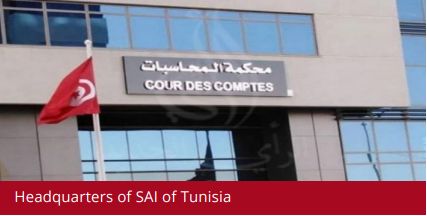
At a time when Tunisia is facing many difficulties, challenges and scarcity of funds, optimism -in general- leads us to hope that change is possible and that the future will be better than the past.”
Throughout its participation, the Court has continuously applied strategic management as a mechanism to positively influence its public sector environment.
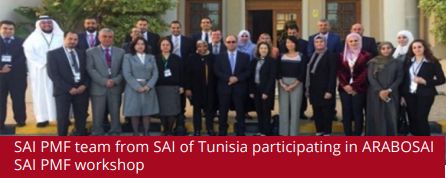
The SAI of Tunisia’s SPMR journey was characterized by its thoroughness and continuity.
This helped the team weather all challenges posed by the external environment, such as the pandemic and the ensuing economic downturn, as well as safeguarding the country’s democratic system. The culmination of this work was the new strategic plan for the period 2022-2026.
Establishing a fair and efficient financial judiciary
Strengthening the confidence of the Tunisian citizens in the Court of Audit and strengthening its communication and interaction with its environment
Contributing to accountability and transparency in the disposal of public money and improving the performance of the public sector

It is noteworthy that the Court’s unique judicial role has been strengthened in recent years, which also motivates the third goal in the new Strategic Plan. Through its work, the Court contributes to protecting the emerging democracy in Tunisia by ensuring the application of the provisions of the electoral law through monitoring the financing of electoral campaigns, detecting violations and sanctioning perpetrators.

The new strategic plan builds on solid preparatory work. The Tunisian SPMR team began by building a thorough understanding of the SAI’s current and recent performance, by completing the self-assessment of performance by adopting the SAI Performance Measurement Framework (SAI PMF). The Court also approached its key internal and external stakeholders in order to better understand how they regard its current performance, and what do they expect of its future work. Since studying the past is important for those who want to plan for the future, the team also reviewed the extent to which the previous strategic plan’s objectives and planned activities were achieved. This helped the team understand what was completed and what was outstanding, and design better solutions going forward.

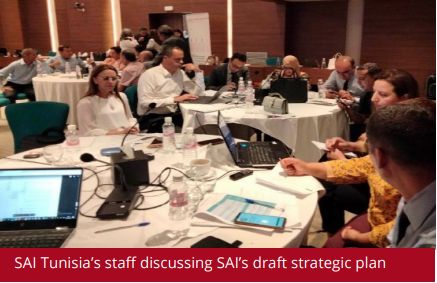
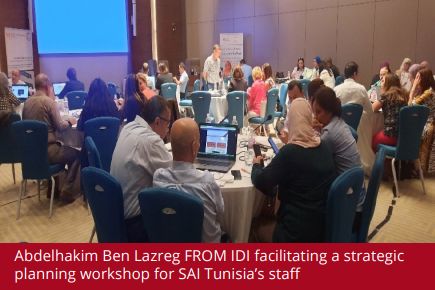
These results allowed the team to develop a comprehensive view of strengths, weaknesses, opportunities and threats, and identify the main strategic issues, or key fundamental questions to drive the new strategic direction of the Court. Extensive working sessions with members of the SAI of Tunisia ensured ownership through a participatory approach for the new strategic plan.
This experience allowed us to align our mission, vision, and values with all the characteristics of the Court’s work, as well as with expectations of stakeholders, and to strengthen the interdependence between them. This will support us to better respond to challenges and be an SAI that keeps pace with development and makes a difference.
Our participation in the SPMR initiative was an excellent and invaluable experience. It allowed us to update our SAI PMF report and obtain an objective and comprehensive overview of the current performance of the Court. SPMR supported us to formulate our strategic plan for the period 2022-2026 along with the operational plan for the year 2022. The workshops in which we participated explained to us the requirements, objectives, and advantages of strategic management, which enabled us to be well prepared to develop the plan, and gave us the opportunity to explore and learn from the experiences of counterpart SAIs from different countries, and to establish exceptional relationships with our colleagues from Arab SAIs and with the IDI team.
Despite the global health crisis and its impact on the continuity of the institutions’ operation, the Court has been keen, throughout its participation in the SPMR initiative, to fulfill its commitments and to adhere to the path agreed upon with the INTOSAI Development Initiative. The Court’s team participating in the initiative has shown continuous objectivity, perseverance and dedication to ensure the quality of its work. These efforts will eventually make it possible to shape a positive future using strategic management process despite challenges.
The team received reinforcements from Court’s support department to develop a holistic annual plan that specified in more detail the activities related to the implementation of the strategy in its first year.
The proposed activities aim to improve auditing processes, including a better alignment with ISSAIs, a risk-based approach, and a review of approaches to strengthening the capacity of members of the Court. The operational plan also focused on mechanisms for improving internal and external communication, quality assurance approaches, strengthening the Court’s internal control system, and enhancing familiarity with the technology and programming tools. Through these activities, the Court aims to improve its image and role as a model institution, which adds value to the efficiency of the public sector and supports transparency and accountability.
There are many factors that have contributed to the positive experience with strategic management of the SAI of Tunisia. Crucially, the commitment of the SAI senior management has been indispensable. In addition, the participating team took care to build a common understanding on the nature and importance of strategic management. A highly participatory approach facilitated an agreement on the common vision for the Court, considering the external and internal environment. The alignment between the strategic and the operational plan will support a better decision-making that considers the financial repercussions and the strategic importance of activities.
Fadhila Gargouri, SP team member from SAI of Tunisia
Nihed Maaloul, SP team member from SAI of Tunisia
Abdelhakim Ben Lazreg, Senior manager, INTOSAI Development Initiative
In a constantly changing world, any organisation needs to continuously think about how to strengthen its capacities, processes, and products to ensure it provides value for its key stakeholders. How did the Royal Audit Authority of Bhutan (RAA) ensure continuous strengthening of its office over a period spanning the past eight years?
The former Auditor General, Dasho Ugen Chewang, made a forwardlooking decision in 2014 to be one of the first SAIs to conduct a SAI PMF assessment, applying the SAI Performance Measurement Framework. This was one of the sparks leading to a positive upward spiral in the years to come. The purpose was to:

The assessment was conducted by a team from the INTOSAI Donor Secretariat within the INTOSAI Development Initiative (IDI) and the Office of the Auditor General, Norway (OAGN). Mechanisms were built into this approach to ensure internal capacity building. An internal team was established to shadow the peer assessment team, with the objective of achieving a better understanding of the SAI PMF methodology.
Importantly, the assessment provided input to the further improvement of the SAI PMF framework to the benefit of the INTOSAI community.

Committed leadership and staff tackled the results of the assessment head-on, appreciating the strong performance areas identified while accepting the weaknesses. The RAA used this insightful knowledge constructively to develop the SAI Strategic Plan (2015-2020) and as a tool to facilitate communication with donors. By demonstrating its dedication to improve, the RAA received further donor support from the World Bank and the Austrian Development Agency where the SAI PMF results ensured support was targeted towards the real needs of the SAI. The funds were used to address gaps in the audit methodologies to further strengthen the implementation of the ISSAIs.
Based on the recommendations of the SAI PMF assessment conducted by OAGN in collaboration with IDI in 2014, the RAA prioritized ISSAI implementation as a part of its strategy for 2015-20. The report indicated the need to further strengthen the audit processes and documentation of audit work performed.
The repeat SAI PMF assessment reassured us that the targeted efforts to strengthen our office have had positive effects. We could clearly see performance improvements in key areas. Importantly the results have provided us with a direction on capacity gaps that still needs to be addressed moving forward.
The journey of the RAA over the past 8 years demonstrates how a baseline SAI PMF assessment and a repeat assessment with a clear purpose are powerful tools. It has provided the RAA with the necessary information to analyse the situation, address capacity gaps, monitor performance change, and revise its strategic direction to ensure value is provided to its stakeholders.
Towards the end of the strategic planning period, the Leadership of RAA acknowledged that there was still a need for further capacity building in strategic management, hence the decision in 2019 to enrol in the IDI Initiative on Strategy, Performance Measurement and Reporting (SPMR). The initiative has been implemented in collaboration with the ASOSAI Capacity Development Administrator (SAI Japan) and co-funded by the Swiss State Secretariat for Economic Affairs (SECO).
An important first step in the initiative was to conduct another SAI PMF assessment, making RAA one of the first SAIs to conduct a repeat assessment. The purpose was two-fold: firstly, to develop the new SAI Strategic Plan (2020-2025) and secondly, to monitor performance change over the previous strategic planning period by comparing the results with the baseline results from the 2015 assessment. This comparison and analysis enabled the SAI to demonstrate performance improvement in several key areas as well as the current capacity gaps.
Leaning on the specialist capacity built within its office over the past years, the RAA was able to conduct the SAI PMF as a self-assessment, using a team of internal staff with suppor t from IDI.
The RAA has put words into action and has published its SAI PMF assessment reports with its first in 2015. Dasho Tashi, who was appointed the new Auditor General under the Constitution of the Kingdom of Bhutan on 14th October 2020, followed suit by deciding to publish the repeat assessment report. This demonstrates a continuous and admirable dedication to being a model organisation and promoting accountability and transparency by sharing both strengths and weaknesses, for the benefit of the office, key stakeholders an d as an inspiration for the INTOSAI community.
Although you can’t fully predict the future, you can strive to have strong governance processes in place to ensure regular review of the situation and a change of course where needed.
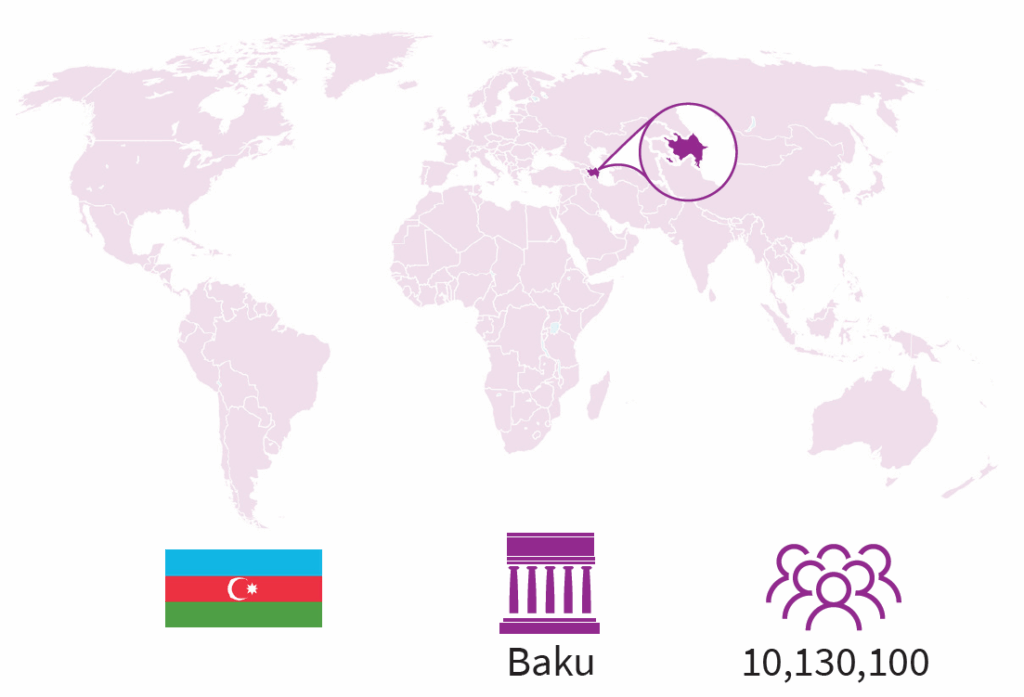
The Chamber of Accounts of Azerbaijan (CoA) is a relatively young Supreme Audit Institution (SAI) that is celebrating its 20th anniversary in 2021. CoA joined the Strategy, Performance Measurement and Reporting (SPMR) initiative in 2019, as part of the first cohort. Despite changes in the team composition and various challenging events, such as the COVID-19 pandemic, the CoA has demonstrated remarkable progress and results in the area of strategic management.

The CoA team was among the first ones in the initiative to finalise the report on the self-assessment against the SAI Performance Measurement Framework (SAI PMF). Throughout the evaluation process, the team worked rigorously and objectively, highlighting and analyzing the current state of the CoA’s performance and the root causes thereof. In a subsequent step, a comprehensive analysis of the main internal and external stakeholders of the SAI, such as the Parliament (Milli Majlis) and other public authorities, provided supplementary information to the SAI PMF results on how to such actors view the SAI and what do they expect from its work.

In 2020, as the COVID-19 pandemic hit, the CoA team found itself in the midst of the finalization of the SAI PMF report, and in the process of developing the new strategic plan for the period 2021-2025. Despite the challenging situation, and the change in the composition of the team, work on the SAI PMF report and the strategic plan remained on track and in 2021, the CoA Strategic Development Plan was finalised.In 2020, as the COVID-19 pandemic hit, the CoA team found itself in the midst of the finalization of the SAI PMF report, and in the process of developing the new strategic plan for the period 2021-2025. Despite the challenging situation, and the change in the composition of the team, work on the SAI PMF report and the strategic plan remained on track and in 2021, the CoA Strategic Development Plan was finalised.
The strategic plan sets out ambitious goals for the coming period, such as enhancing the CoA’s own transparency and accountability, a focus on digital transformation, as well as continued efforts to enhance the quality of the audit work inline with the International Standards for Supreme Audit Institutions (ISSAIs). The CoA’s mandate to provide an opinion on the draft and implementation of budget law, the draft and implementation of extra-budgetary funds, as well as other fiscal issues occupy another priority area in the new SAI strategy. Through focusing on those key products, CoA aims to make a strong contribution to the implementation of Medium-Term Expenditure Framework and Results-Oriented Budgeting reforms in Azerbaijan. The SAI is also seeking to enhance its relevance and improve the confidence of its stakeholders in the results of its work.
The CoA strategy is a good example of how the SPMR approach to strategic planning works in practice. The strategic plan includes a well-structured results framework, clear indication of capacity needs and gaps in relation to each output, and a specification of a sequenced approach to closing capacity gaps over the duration of the strategic planning period. The plan considers the availability of human and financial resources. In parallel to the finalization of the strategy, the team also worked on the preparation of the first operational plan for 2021, which specifies in more detail the activities related to implementing the strategy in the first year.

In 2021, the team leader of CoA’s team participating in the SPMR initiative, Ms. Vafa Mutallimova, became a Board member of CoA’s leadership. Ms. Mutallimova had been instrumental to CoA’s successful participation, but also made sure the team continued its strong performance upon her delegating her role in the team to a colleague. Reflecting on CoA’s participation in SPMR, Ms. Mutallimova remarked:
It was an invaluable experience for us to take part in SPMR. It provided us with the opportunity to have good-quality management information, to measure our performance against internationally recognized standards and complete an objective and comprehensive overview of the Chamber’s performance for the benefit of the management and future activity of Azerbaijan SAI. We would like to thank the management and the staff of IDI for this wonderful initiative through which we prepared a SAI PFM report, drafted our Strategic Development Plan for 2021-2025 and are currently developing the Operational Plan. We have identified what we need to do in the coming years. The meetings showed us ways to improve our internal documents, gave us the opportunity to explore and leverage on the experiences of peers from different countries. Our colleagues from foreign SAIs, as well as the IDI team have become friends with whom we will keep in touch for years. We believe that the cooperation between IDI and the Chamber of Accounts of the Republic of Azerbaijan will be strengthened and we would have more chances to be involved in IDI’s future initiatives and trainings.
Throughout its participation in SPMR, the CoA team has demonstrated consistent objectivity, perseverance and dedication to quality in their work. The resulting changes in the SAI strategic management process of the CoA, the continuous support of SAI leadership and the ambitious, yet realistic new SAI strategy will certainly make a difference to the performance of the CoA.
In 2014, SAI Costa Rica became one of the pioneers of applying the SAI PMF methodology. Their findings then fed into a series of capacity development projects.
The projects targeted improvements in the auditing process, including stronger alignment to the ISSAIs, a sharpened risk-based selection approach, and changes to the audit training plans. The SAI also focused on better internal and external communication and started preparing an annual evaluation of the government’s internal control system. Through these changes, the SAI improved its image and role as a model institution, which adds value to public sector efficiency, transparency and accountability. The 2014 assessment also served as a crucial input to further develop the SAI PMF tool.
In 2019, the Head of the SAI, Ms Marta Acosta Zuniga, commissioned the team to carry out a repeat assessment using the final approved 2016 version of the SAI PMF framework.
Comparing the findings with the situation observed in 2014 revealed that the SAI had made significant progress in many of the initially identified areas of improvement, and particularly in the audit and human resource areas. The SAI demonstrated how each Costa Rican colón (CRC) invested in its audit work resulted in 2,30 CRC of public finance efficiency gains, through savings and recoveries to the value and benefit of Costa Rican citizens.
Among those was the need for further refinements in the audit methodology, the lack of specialised knowledge in some emerging areas such as big-data audits and public sector innovation, and internal communication and technology in support of the audit process. The SAI subsequently joined IDI’s Strategy, Performance Measurement and Reporting (SPMR) initiative, which builds on the SAI PMF findings to support SAIs in developing robust strategic management processes. The new strategic plan of the SAI developed under SPMR underscores the SAI’s role in supporting digitalisation in the public sector, which has become a critical priority in the context of the COVID-19 pandemic.
In fact, the SAI of Costa Rica was just the second SAI worldwide to do a repeat assessment.
The changes between the pilot and the final versions of the SAI PMF framework meant that comparing performance for the different indicators was not always possible. The Costa Rican SAI PMF team undertook a detailed mapping and analysis to assess comparability between the SAI PMF versions, which fed into the design of the official repeat assessment methodology by IDI in 2020.
The Costa Rica assessment also uses five custom-designed performance indicators related to its special functions to investigate public service officials’ liability and carry out ex-ante audits. This was the first time a SAI developed unique indicators, which the SAI PMF methodology foresees as a possibility to reflect the diversity of SAI practices. Both innovations had a strong resonance amongst the other SAIs of the OLACEFS region that were embarking on a repeat SAI PMF assessment and so were adapted by various other SAI PMF assessment teams. Both assessments were also peer-reviewed by the SAI of Brazil, with the financial support o f the Inter-American Development Bank.
The publication has clearly demonstrated that even when the assessment reveals some shortcomings, the SAI can use the opportunity to reflect in the publication on how it has begun to, or will address the findings. In the words of the Head of the SAI Costa Rica, Ms Marta Acosta Zuniga:
The role of the SAI of Costa Rica as a supporter and forerunner of SAI PMF has been impressive.
From testing the pilot version, through methodological work, to publishing both assessments and showing how SAI PMF results feed into strategic planning and support performance improvements and a meaningful contribution to the public sector, the Costa Rican example shows how experimentation and innovation start internally, only to spill over to the national and even regional levels.
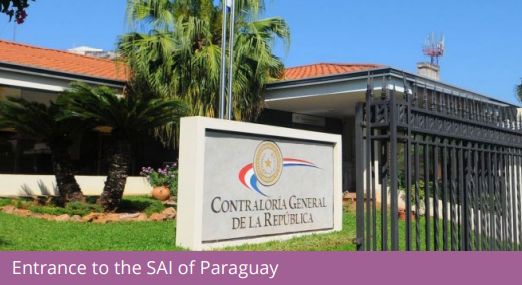
Even though this vision is supported by the CGR’s mandate, it has a relevant yet innovative component which made it naturally challenging. Beyond giving its audit mandate greater technical quality and coverage and working on aspects of institutional governance, the intentions were for the CGR to contribute to strengthening accountability in general.
The SAI aimed to position itself as a model organization that leads by example, that meets the technological demands of the control activity, that develops an efficient communication policy, and above all – hand in hand with the development of capacities – that has innovative annual audit plans that incorporate the Sustainable Development Goals (SDG) as well as inclusive and gender approaches. The active role of the CGR in various OLACEFS working groups, commissions and committees, as well as the imminent assumption of its Presidency (starting in 2022), and its work in subregional groups, were also aspects considered within the developing process of the ISP 2022-2026.
To be recognized for promoting good governance and transparency with innovative and competent processes in the control of State resources, to make a difference in the lives of citizens.
It has been a pleasure and a privilege to work with colleagues from the Office of the Comptroller General of the Republic of Paraguay in the formulation of its 2022-2026 Strategic Plan. I have been able to appreciate how, through the logic of the IDI Strategic Management Manual, they have been able to structure an innovative – but feasible – plan, which is consistent with the vision of its highest authorities, and which is expected to redound in favor of the Paraguayan people. Notwithstanding the value that our contribution may have, I am convinced that these achievements have only been possible from the absolute commitment of the staff of the Comptroller’s Office and its Leaders.
So how did the SAI build this innovation into its audit and strategic plans? First of all, the implementation of a robust PMF-SAI diagnostic, as well as the analysis of key stakeholders, allowed the identification of an adequate baseline. This included various aspects to work on and capacities to develop, as well as competencies already present in the CGR that would contribute to future strategic objectives of the new ISP.
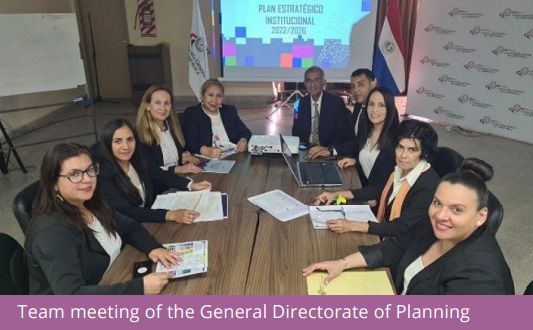
Based on the challenges identified, and with the firm support of the authorities – who made it clear that this process was essential for the institution – work began on the new ISP. With support from IDI, the team led by the General Directorate of Planning and Reports to completed the ISP inputs – in accordance with the vision. with an ever-present emphasis on the feasibility of the ISP and its operational plans. The highly participatory nature of this process – twenty-six dialogue tables with General Directorates and staff from audit and support areas – should be highlighted. This allowed the construction of diverse and necessary consensuses, about strategic issues and required capacities, and about the products that made up the ISP. From a broader perspective, this contributed to the robustness of the SPMR process, the legitimacy of the plan’s components, as well as to its early socialization.
Without diminishing the importance of the other products, the relevance given to the 2030 Agenda of the SDGs underlines the innovative nature of the ISP. Product 2 has even been generated for the SDGs to be promoted within the framework of control activities. Moreover, this product entails a structured strategy, which includes not only activities for formalizing the methodology for auditing the implementation of the SDGs, but also others such as mapping the commitments assumed by the Government of Paraguay and a strategy about the goals and targets to be audited – and related sequence – as well as the integration of SDGs´ control actions in an awareness-raising and external dissemination strategy, and the continuous training of human resources on the audit of SDGs.
The same Product 2 highlights another innovative aspect of the ISP: the mainstreaming of the gender-based approach in the organizational culture. As in the case of the SDGs,the comprehensive strategy not only refers to the methodological tool to be used to achieve this objective within audit processes (mainly the well-known Gender Policy and NonDiscrimination adopted by OLACEFS in 2021), but also to a continuous training and awareness on the matter, and the commitment to approve the SAI’s own policy on gender equality and non-discrimination.
Sebastián Gil, IDI Manager of Capacity Development for OLACEFS and advisor to SAI Costa Rica and SAI Paraguay under SPMR – Senior specialist on Supremen Audit Institutions