
IDI-WGEA will use IDI’s Cooperative Audit Support Model to provide holistic support to participating SAIs in planning, conducting, reporting, following up on the audit and facilitating audit impact.
Based on expression of interest from SAIs, IDI and WGEA will send out a draft statement of commitments to interested SAIs. The SOC will also consist of a readiness check document. On receiving confirmation from the SAI and after signing the statement of commitments, the SAI will become a participant in the CCAA audit.
The IDI and WGEA will host an online Open House to present the four thematic areas and the cross-cutting themes. This will also be an opportunity for SAIs to raise questions or seek explanations. This process is expected to feed into the process of signing statement of commitments, registering SAIs teams for the CCAA audit and finalizing the selection of the audit theme.
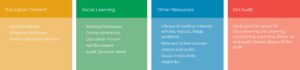

IDI-WGEA will work together with the participating SAIs on publishing a document containing the insights and recommendations from the global audit.
Managing Audit Quality (2023-2024) Managing audit quality is the responsibility of the SAI. The SAI will be supported in managing the quality of the CCAA audit with advice from experts and peer and expert review at each stage of the audit. IDI will support SAIs in carrying out this responsibility effectively throughout the audit by providing guidance on managing audit quality as per the requirements of the updated ISSAI 140.
Facilitate Audit Impact (2023-2025) Throughout the CCAA audit IDI will support the SAI in mainstreaming impact considerations in the audit. IDI-WGEA will facilitate SAIs in achieving this impact by recommending an audit process that interweaves both quality and impact considerations throughout the audit. IDI’s checklist on audit impact through an individual audit provides a guide for the work on such considerations. SAIs will also be encouraged to engage with multi-stakeholders throughout the audit process. IDI will also help the SAI in determining follow up actions of the audit.
We will start with offering support in English and scale it up to support in Spanish, Arabic and French based on SAI interest and availability of resources

Recognising the importance of partnerships, IDI and WGEA will seek to partner with INTOSAI regions, UN agencies, other multi-lateral agencies like World Bank, professional bodies, civil society organisations (CSOs), development partners and most importantly peer SAIs.
Based on consultations and research within the SAI community, we have identified four thematic areas related to climate change adaptations actions. With the CCAA, we have also identified three cross-cutting themes for deeper review.
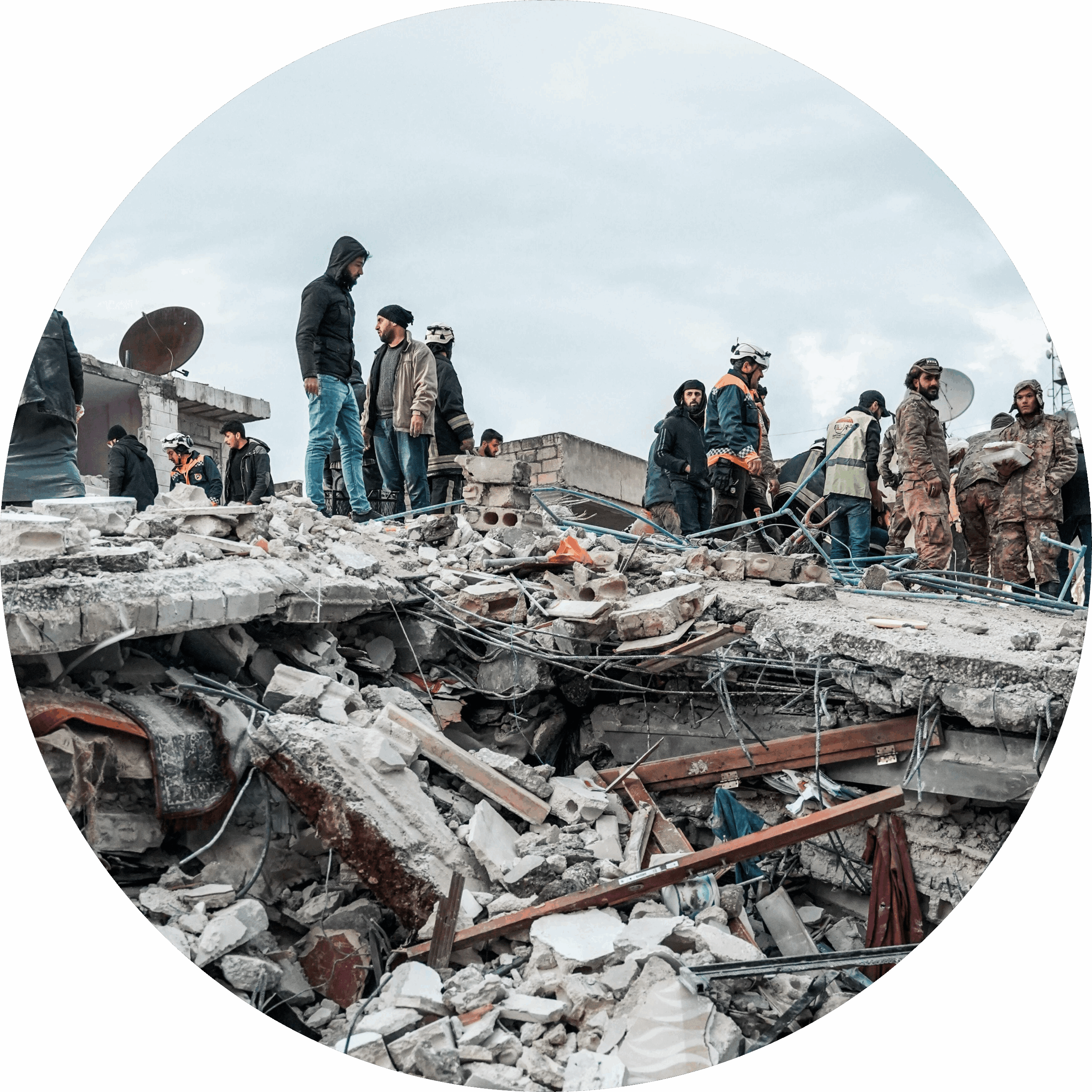
Disaster risk reduction is defined as “the action taken with the objective of minimizing the risk that could be induced due to disaster.”
SAIs could audit government’s disaster risk reduction efforts related to adaptation. Relevant adaptation actions could include flood barriers, early warning systems, hurricane warnings, tree planting, resettlement of people, preparedness plans and setting up of organizational structures.
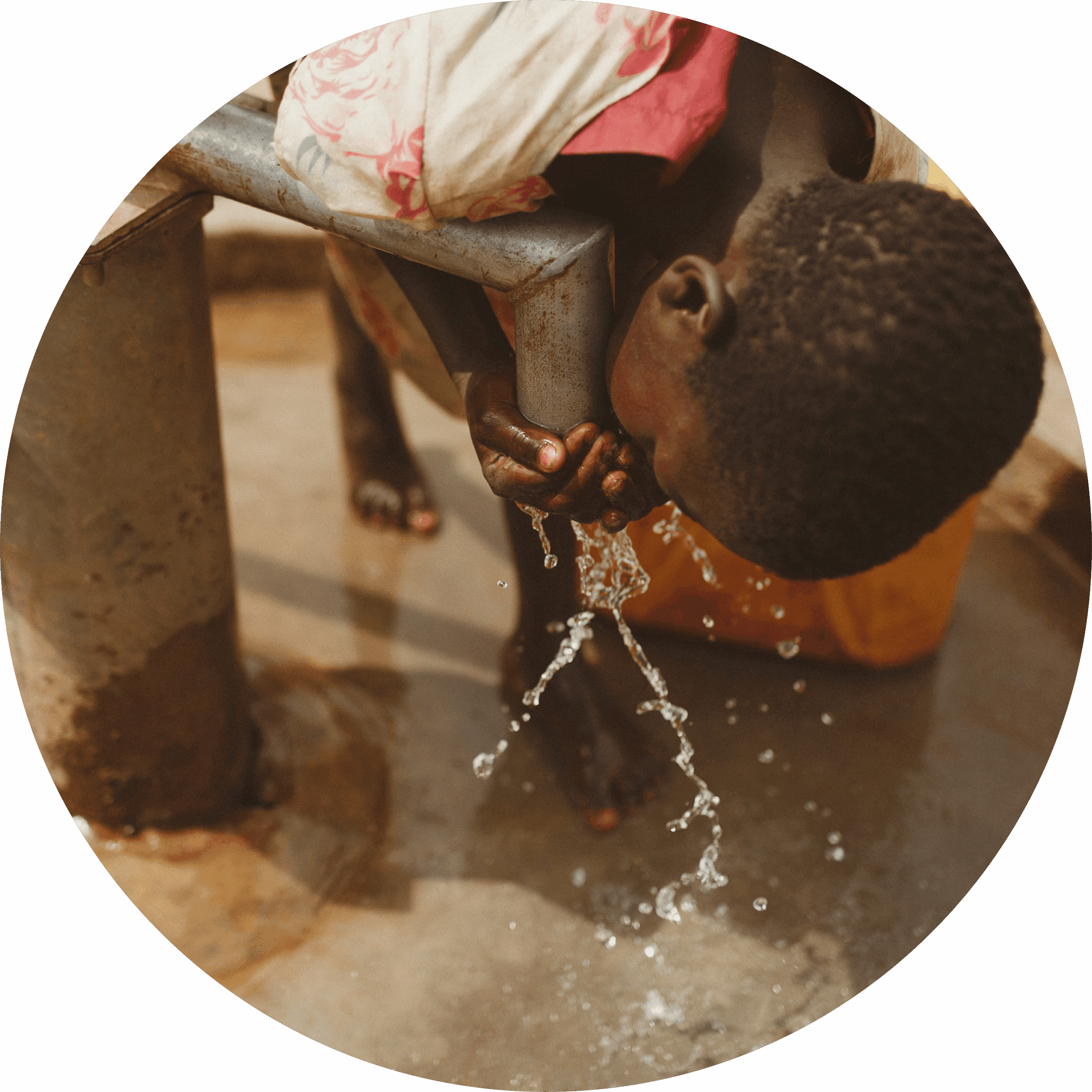
Climate change poses serious risks for water resource management.
Adaptation actions can deal with efforts to ensure access to clean water for all, including for vulnerable populations, innovative ways of handling scarce water resources (e.g.: in semi-arid and arid areas), water saving, and smart use of water resources in agriculture. SAIs could audit government efforts at water resource management in one or more relevant areas depending on the nature of the problem in their context.
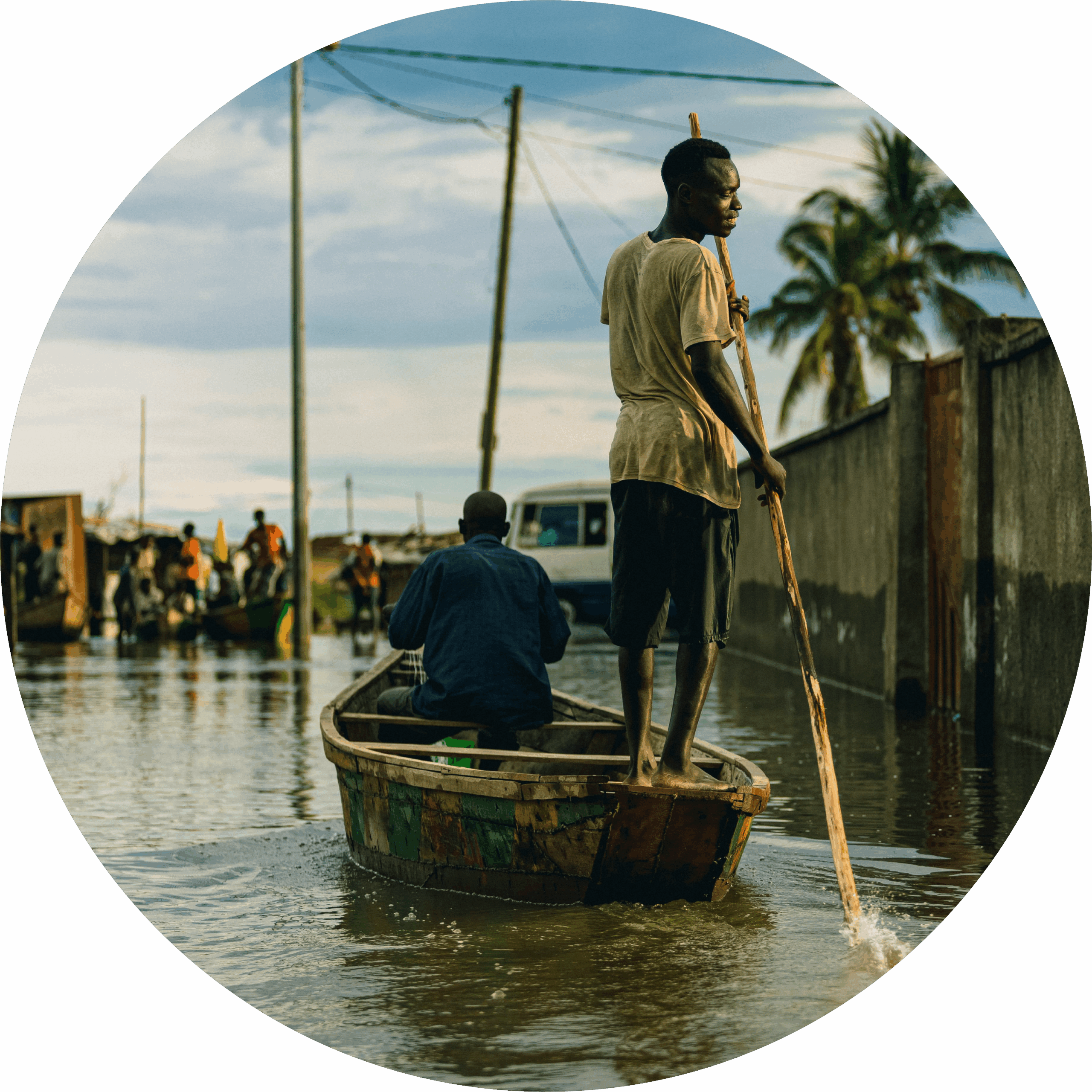
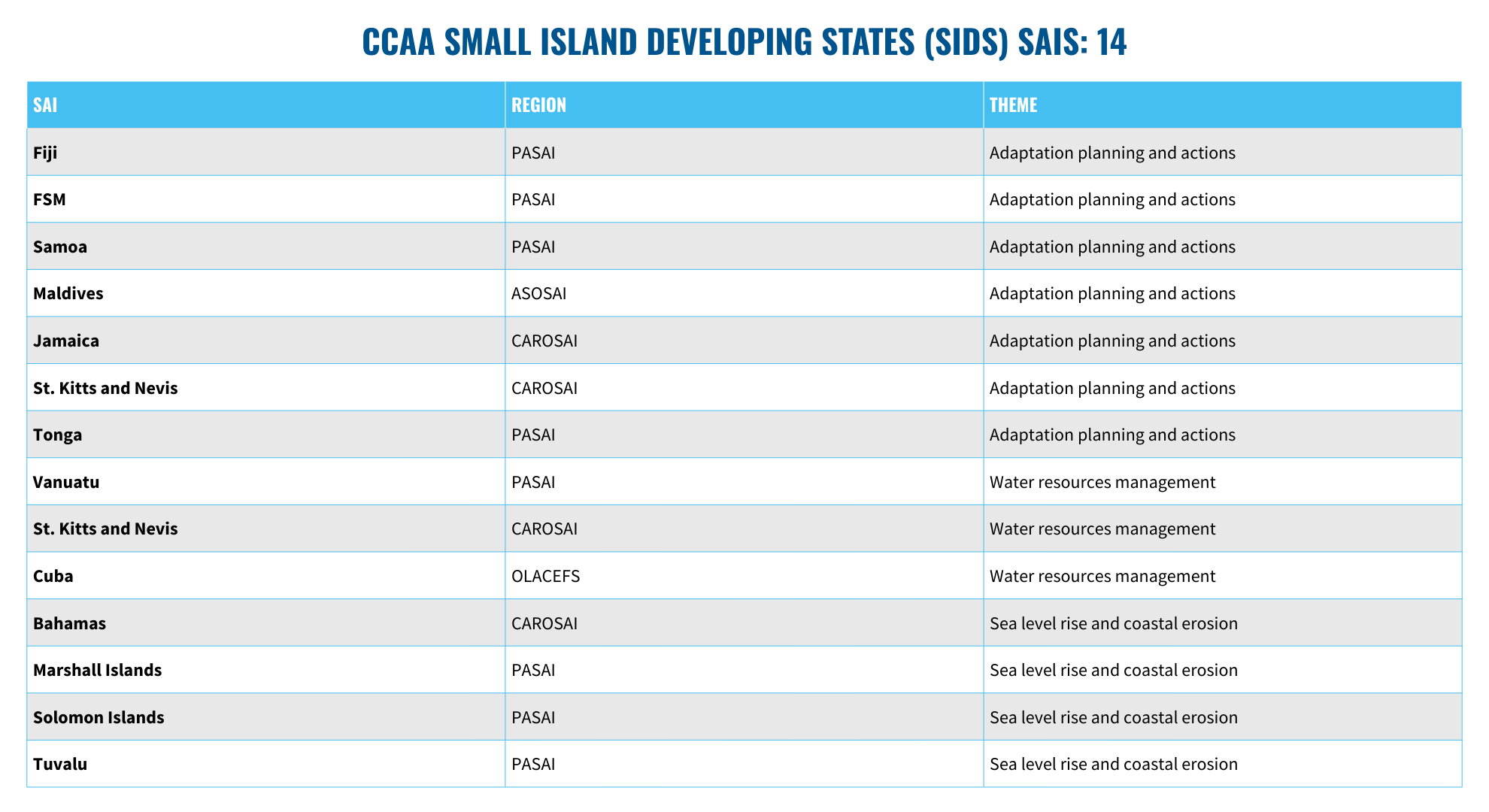
This is particularly problematic in low-lying states, including in many Small Island Developing States (SIDS).
The theme includes a specific focus on SIDS. Flooding often causes contamination of the ground water, deterioration of livelihood, most often affecting marginalised populations, especially women and people living with disabilities. Moreover, sea level rise is a big risk in coastal cities including many of the world’s biggest cities. These issues could be relevant areas of focus within this thematic area.
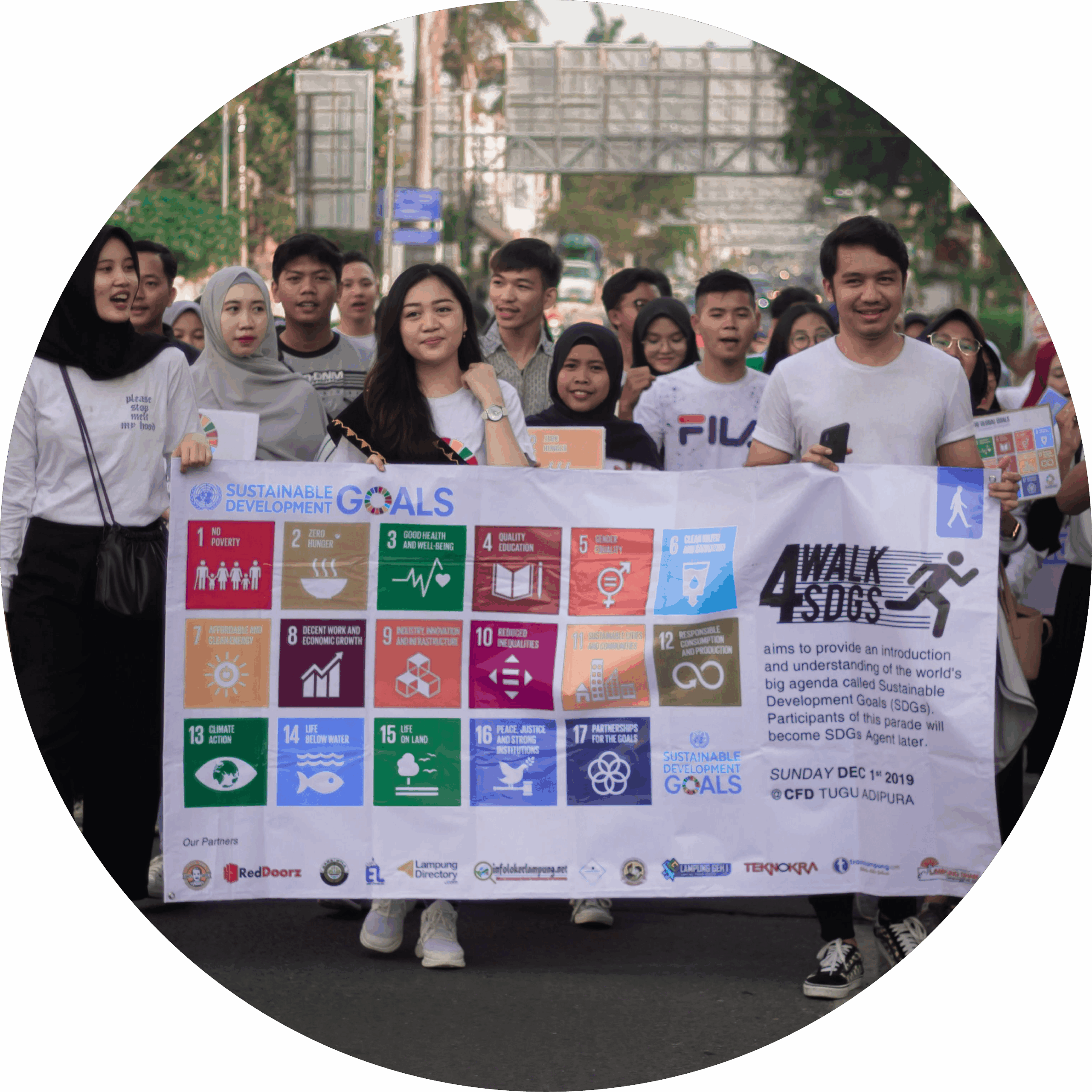
An audit within this area would examine the planning and implementation of a national adaptation plan or actions by the government or ministries/ agencies.
This approach could deal with topics related to planning process, the quality of the plan as well as the implementation whenever feasible. SAIs may also take an SDGs audit approach by examining national targets linked to SDG 13.
Successful transformation and change initiatives require sponsorship and support throughout the SAI leadership chain. Through this initiative the IDI plans to reach out to three levels of SAI leadership:
Environmental governance includes policy, rules and norms that govern human behavior, and it also addresses who makes decisions, how decisions are made and carried out, the scientific information needed for decision-making and how the public and major stakeholders can participate in the decision-making. (UNEP).
As a performance audit, CCAA is expected to focus on the 3Es: economy, efficiency, and effectiveness. Effectiveness is meeting the objectives set and achieving the intended results. Effectiveness deals with outputs, results, or impacts. It is about the extent to which policy objectives have been met in terms of the generated output. It is concerned with the relationship between goals or objectives on the one hand and outcome on the other.
Refers to the process of improving the terms for individuals and groups, in particular for those marginalised or in danger of being left behind, to take part in society and to be able to benefit adequately from climate change adaptation actions. The aim is to leave no one behind and to include measures in public spending for climate change adaptation actions that help improve the ability, opportunity, and dignity of those marginalised or potentially marginalised due to climate change. Marginalisation may differ depending on the country context.
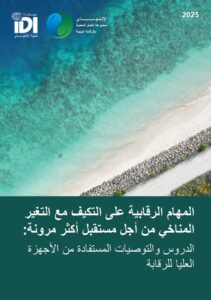
Developed under the Global Cooperative Audit of Climate Change Adaptation Actions (CCAA) by IDI and INTOSAI WGEA, this audit question bank supports Supreme Audit Institutions in assessing national climate adaptation efforts. Grounded in international frameworks such as the Paris Agreement, the Sendai Framework, and the Sustainable Development Goals (SDGs), it brings together tested audit questions from more than 50 completed audits conducted worldwide. The resource is flexible and adaptable, helping SAIs tailor performance audits across key adaptation themes to their national context.
To help SAIs in providing a relevant audit response climate change IDI and WGEA agreed to cooperate in facilitating a global audit of climate change adaptation actions. This audit is visualized as a performance audit as per the ISSAIs.

SAI audits contribute to improved governance, effectiveness, and inclusivity of government’s climate change adaptation actions.
SAIs enhance capacities to conduct high quality and high impact audits of climate change adaptation actions.
To contribute to climate change adaptations actions, SAIs will need to achieve the following outputs
High quality audits and recommendations (ISSAI compliant) of government efforts for climate change adaptation in a selected area relevant area for their context (e.g. disaster risk reduction, water resource management, sea level rise and coastal erosion, implementation of climate change adaptation planning or actions (SDG 13)).
Timely issue of audit reports as per legal mandate. Focus on audit impact throughout the audit process.

The 2015 Paris Agreement from 2015 aims to limit global warming well below 2° C with a goal of 1.5° C above pre-industrial levels. This goal is crucial to prevent irreversible damage to nature and society. However, the Intergovernmental Panel on Climate Change (IPCC) has warned that without immediate emissions reductions, limiting global warming is beyond reach. As noted by the IPCC, “The rise in weather and climate extremes has led to some irreversible impacts as natural and human systems are pushed beyond their ability to adapt”.
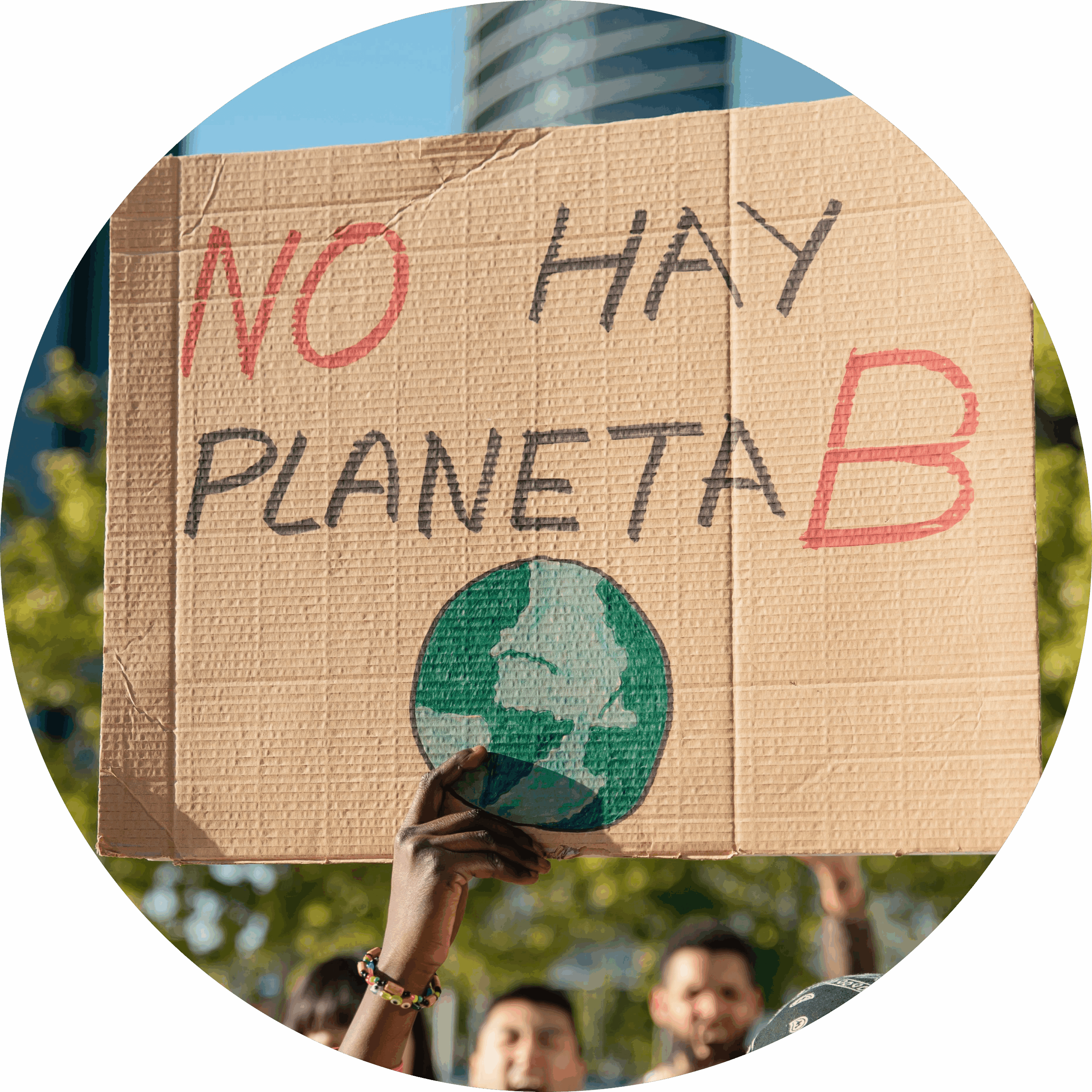
Many SAIs have already recognized the risks that climate change poses to their society and economy. In a recent INTOSAI Working Group on Environmental Auditing (WGEA) survey, respondents put climate change adaptation as the number one environmental audit topic for future audits. Climate change was also identified as a high priority trend in INTOSAI Development Initiative’s (IDI) futures and foresight work.
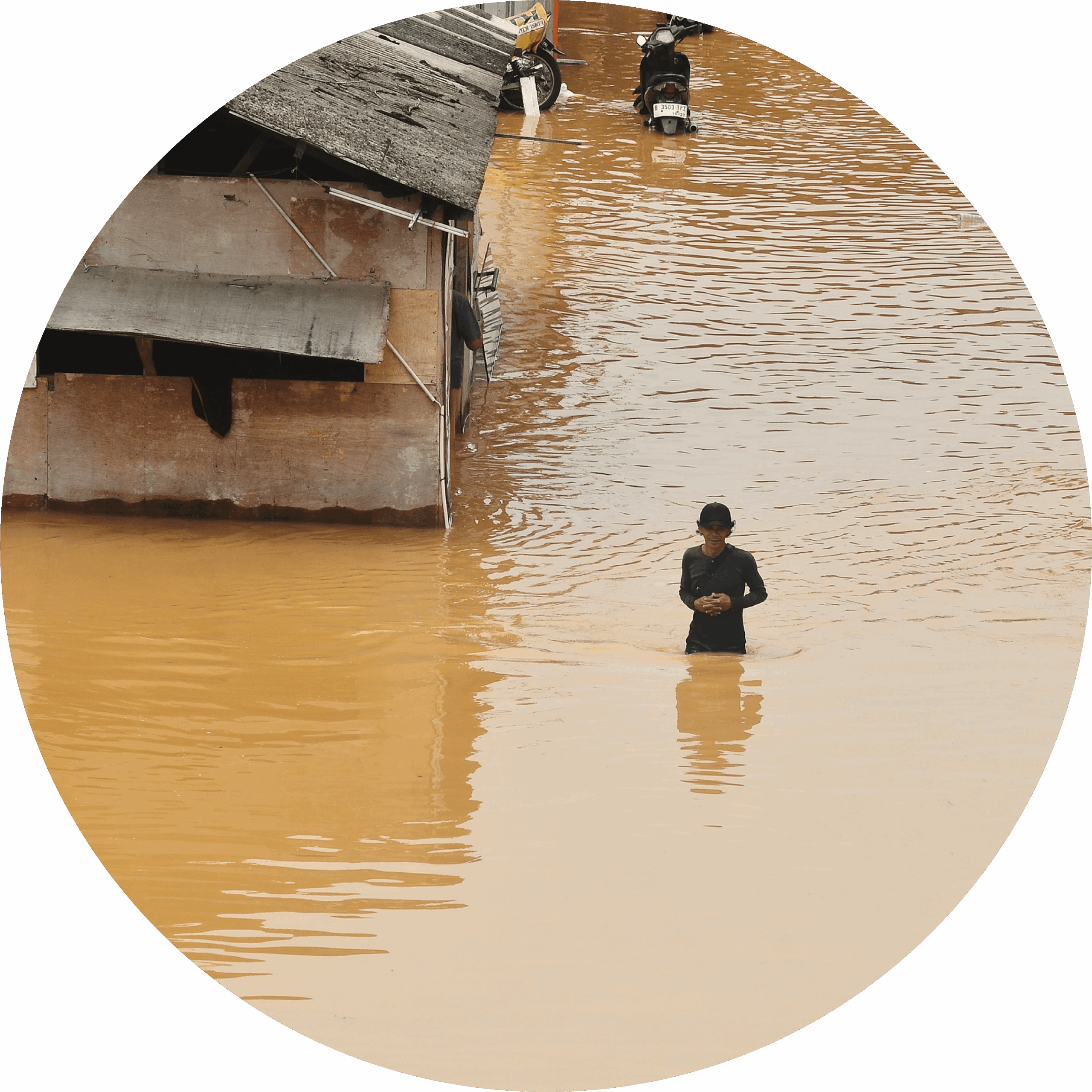
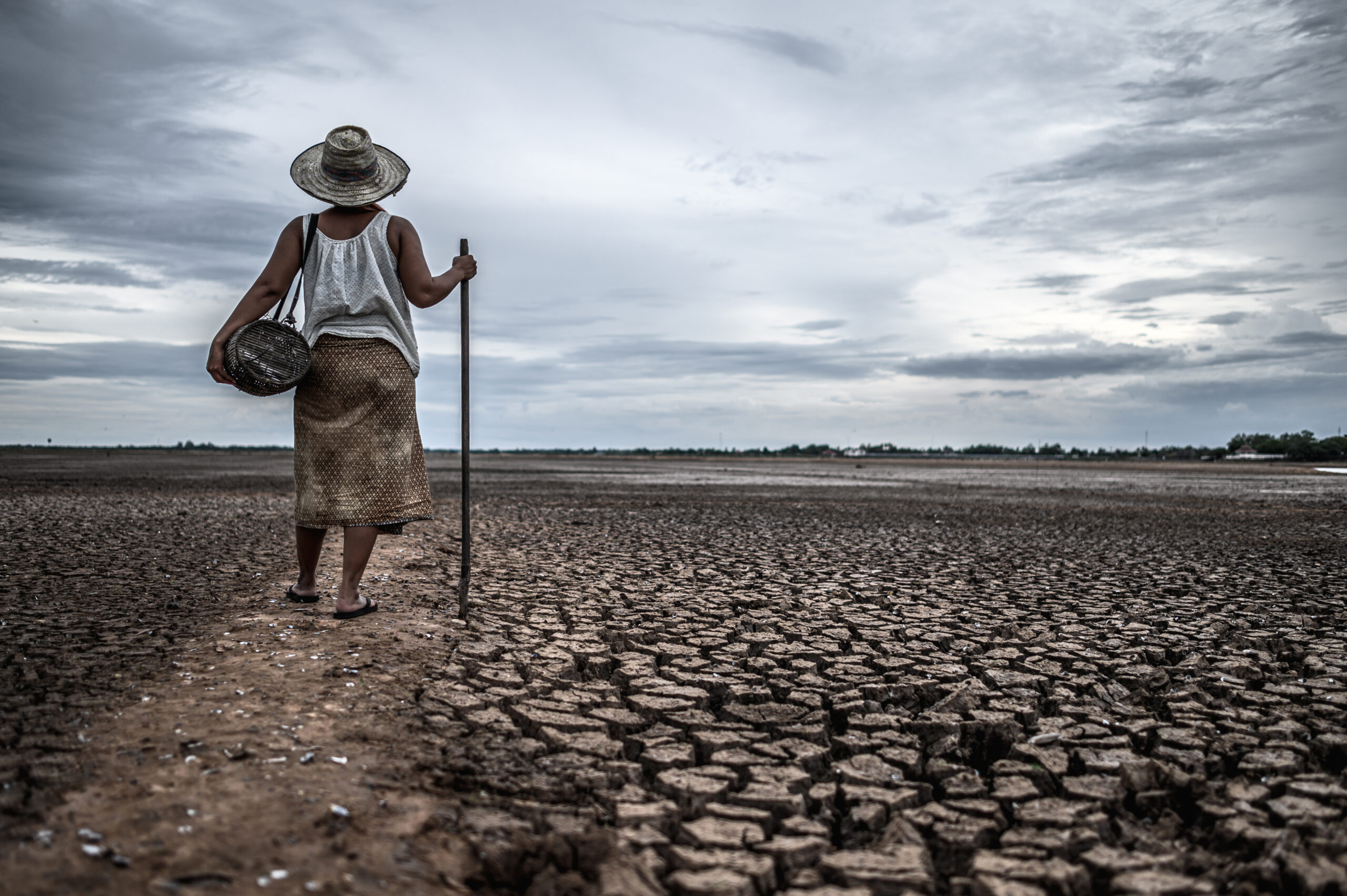
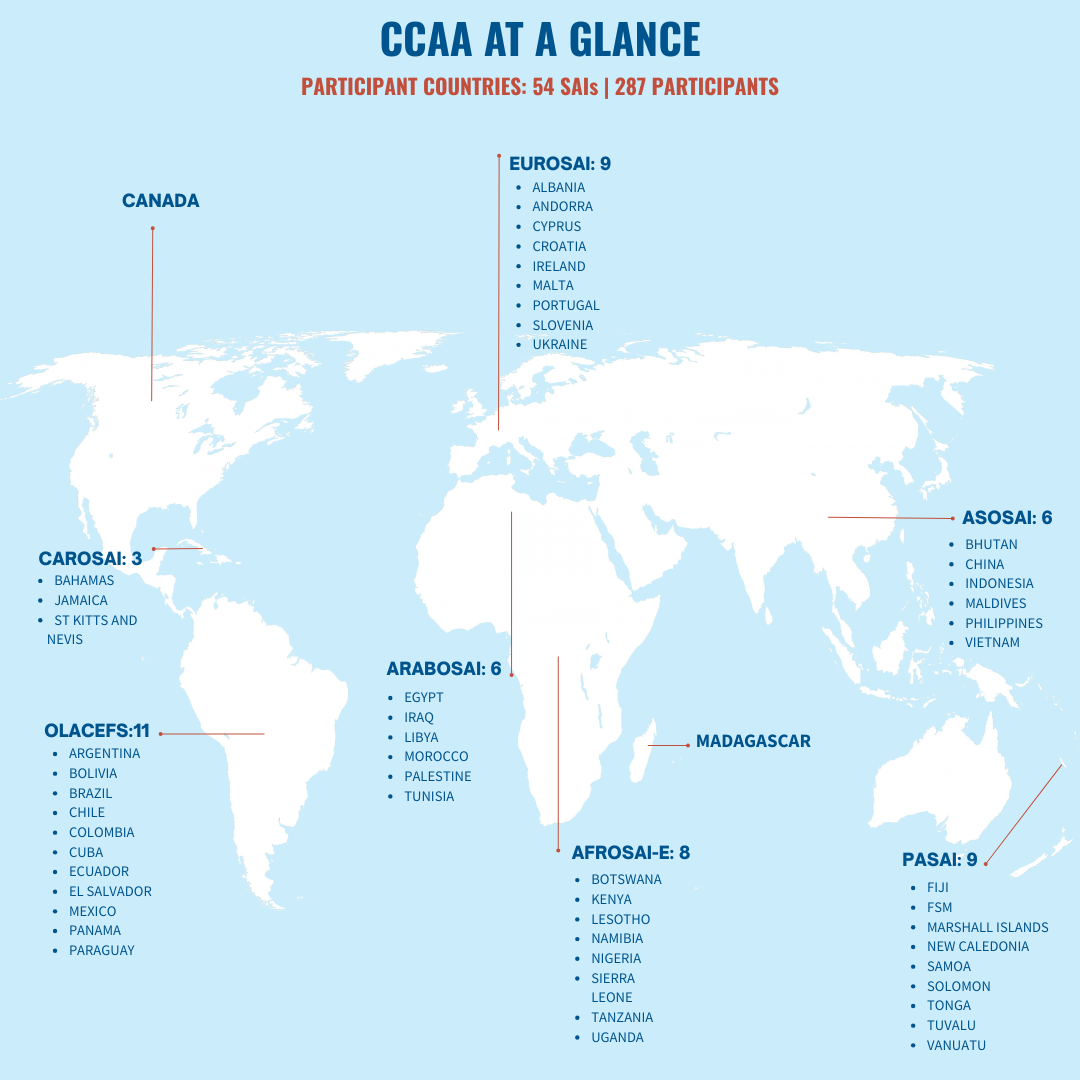
Climate change is a key issue in developing countries and especially Small Island Developing States (SIDS). Several SIDS are already facing critical problems due to climate change such as coastal erosion and flooding, leading to human suffering and irreversible changes in the ecosystem and local biodiversity of these states. Adaptation measures are needed for all countries – based on their local contexts and existing and anticipating future climate-related problems.

The national government’s role in adopting adaptation measures is crucial as droughts, flooding, water resource depletion, and coastal erosion are becoming more common. One of the ways in which SAIs could provide a relevant audit response would be to examine the government’s efforts to adapt to climate change. In addition, adaptation must be planned well to avoid maladaptation that could lock in unfavourable development for a long time.
The INTOSAI Development Initiative (IDI) works closely with the INTOSAI Working Group on Environmental Auditing (WGEA) to strengthen the environmental auditing capacity of Supreme Audit Institutions (SAIs). Together, we have launched the Climate Change Adaptation Audit (CCAA) Initiative, a cooperative audit programme focused on assessing national climate change adaptation efforts.
We are thankful to WGEA for their strong partnership.

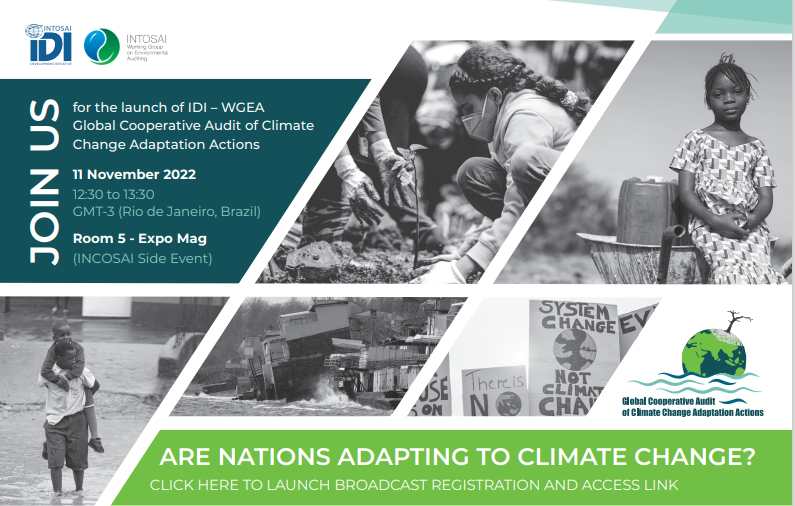
Are governments acting to adapt to climate change?
Join us for the launch of IDI – WGEA Global Cooperative Audit of Climate Change Adaptation Action
11 NOVEMBER 2022
12:30 to 13:45 Rio time (GMT -3)
Room No. 5 – Expo Mag – INCOSAI SIDE EVENT