Home / GSAI – Global SAI Accountability Initiative / Page 2
GSAI – Global SAI Accountability Initiative
SECTIONS
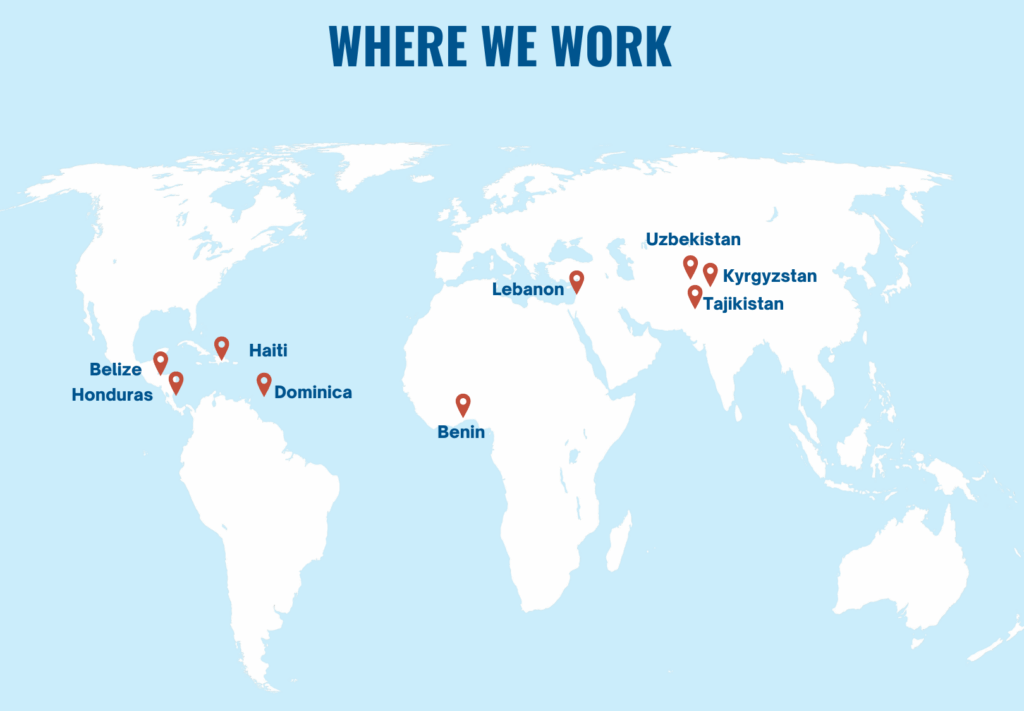
HAITI


Mr Rogavil Boisguene President of the SAI of Haiti
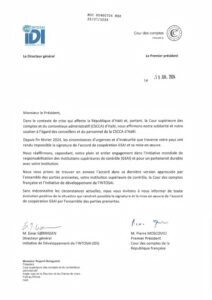
On 19 of July 24, in the context of the severe crisis affecting Haiti, Mr. Moscovici (President of the Court of Accounts of France) and Mr. Gørrissen (Director General of the INTOSAI Development Initiative (IDI)), have addressed a letter to Mr. Boisguéné, President of the Supreme Audit Institution (SAI) of Haiti.
Mr. Moscovici and Mr. Einar Gørrissen affirm their solidarity toward all personnel of the Haitian Institution and their full commitment to the Global SAI Accountability Initiative (GSAI – Global SAI Accountability Initiative (idi.no)). The support project to Haiti is ready to be launched, as soon as the situation in Haiti improves, making possible its implementation.
**********
Le 19 juillet 24, dans le contexte de la grave crise qui frappe Haïti, M. Moscovici (Président de la Cour des comptes de France) et M. Gørrissen (Directeur Général de l’Initiative de Développement de l’INTOSAI (IDI)), ont adressé une lettre à M. Boisguéné, Président de l’Institution Supérieure de Contrôle des Finances (ISC) d’Haïti.
Moscovici et M. Einar Gørrissen affirment leur solidarité envers tout le personnel de l’Institution haïtienne et leur plein engagement envers l’Initiative mondiale de responsabilisation des ISC (GSAI – Global SAI Accountability Initiative (idi.no)). Le projet d’appui à Haïti est prêt à être lancé, dès que la situation en Haïti s’améliorera, rendant possible sa mise en œuvre.

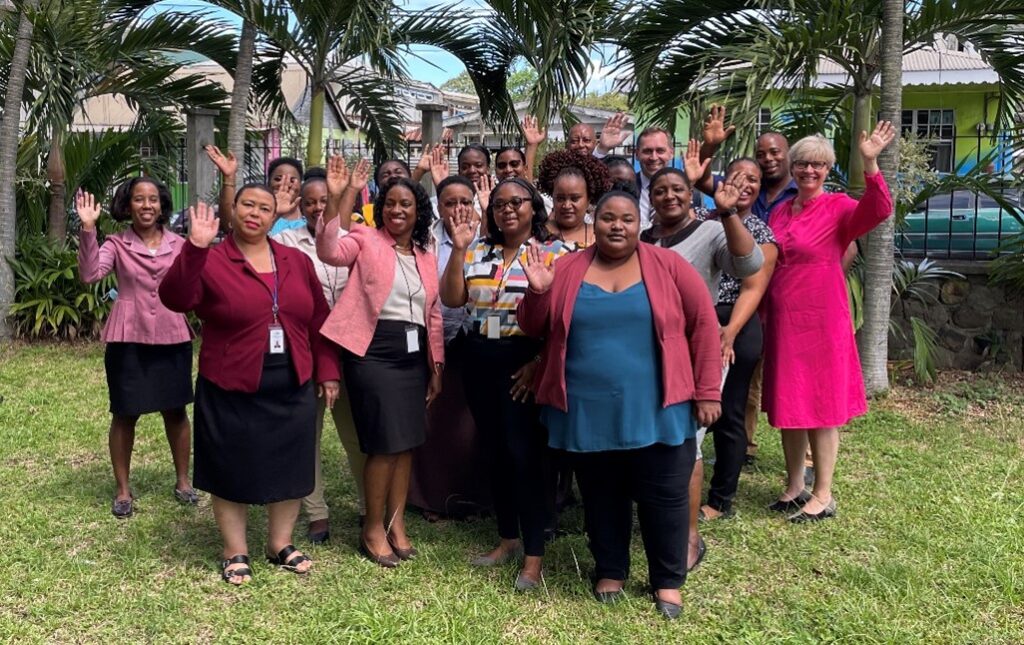
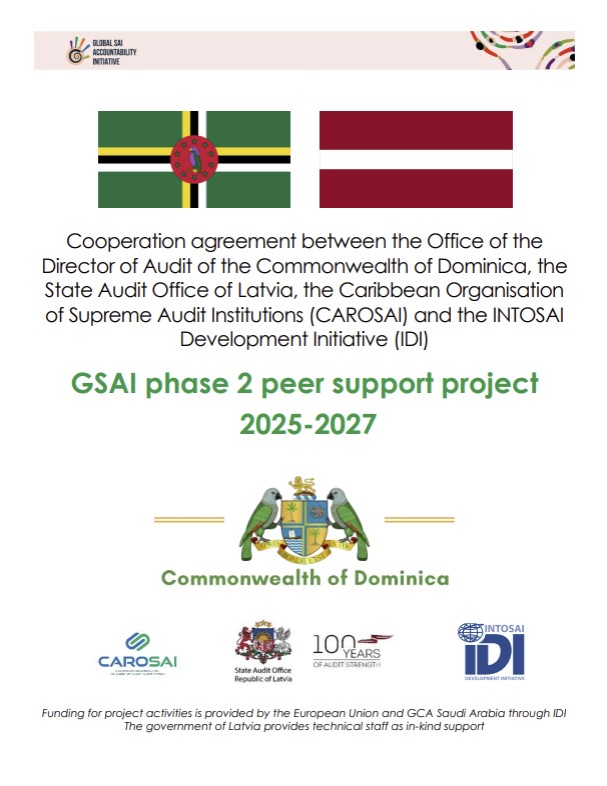
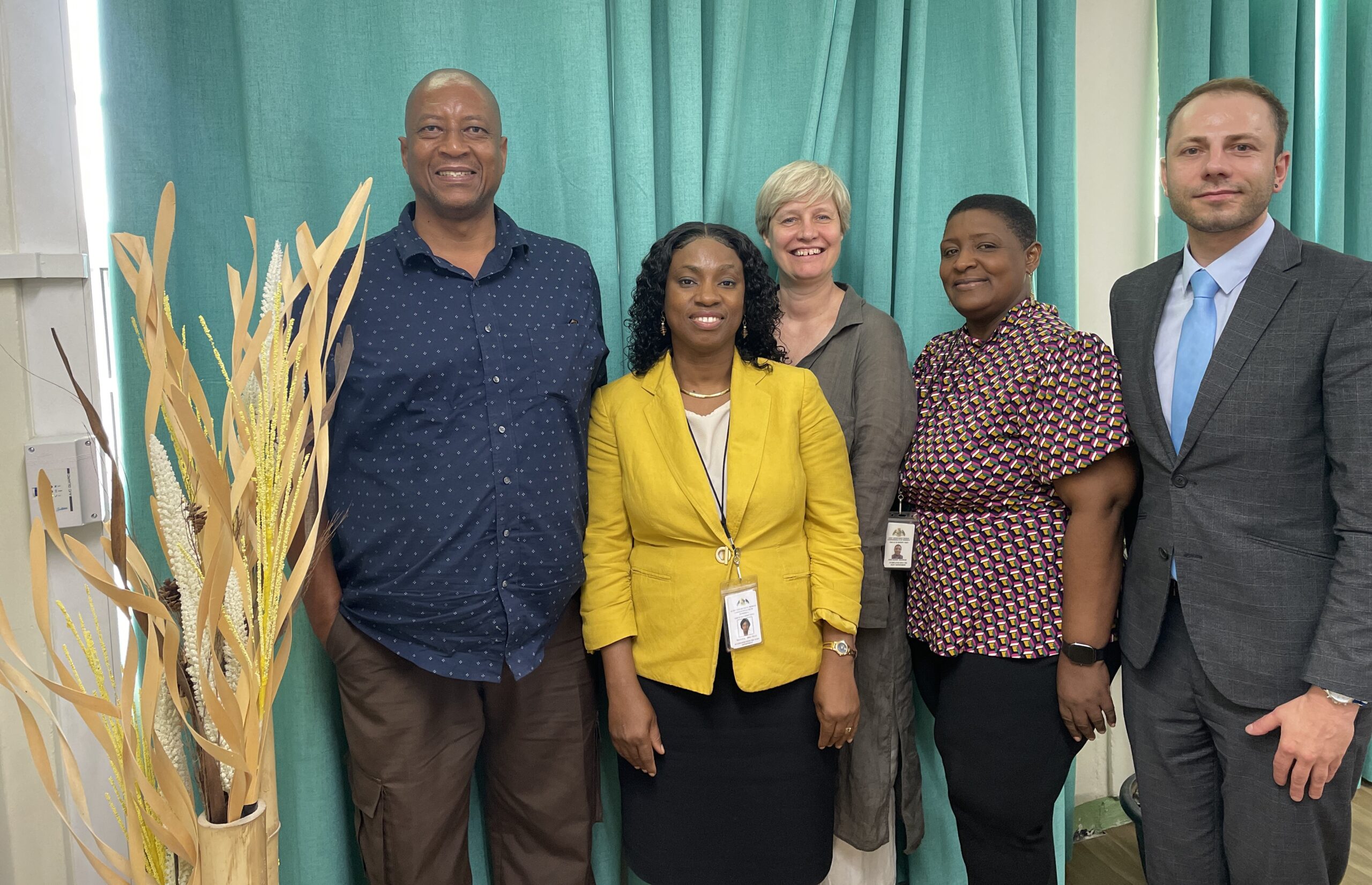
SAI Dominica is responsible for auditing all government institutions and submitting annual audit reports to Parliament.
Guided by its mission to enhance good governance and public accountability by providing objective, reliable, timely, and high-quality audit services for the efficient management of public resources, SAI Dominica operates under its 2022–2027 Strategic Plan, which focuses on four key priority areas: organisation and management, resources, audit, and stakeholder engagement and relations.
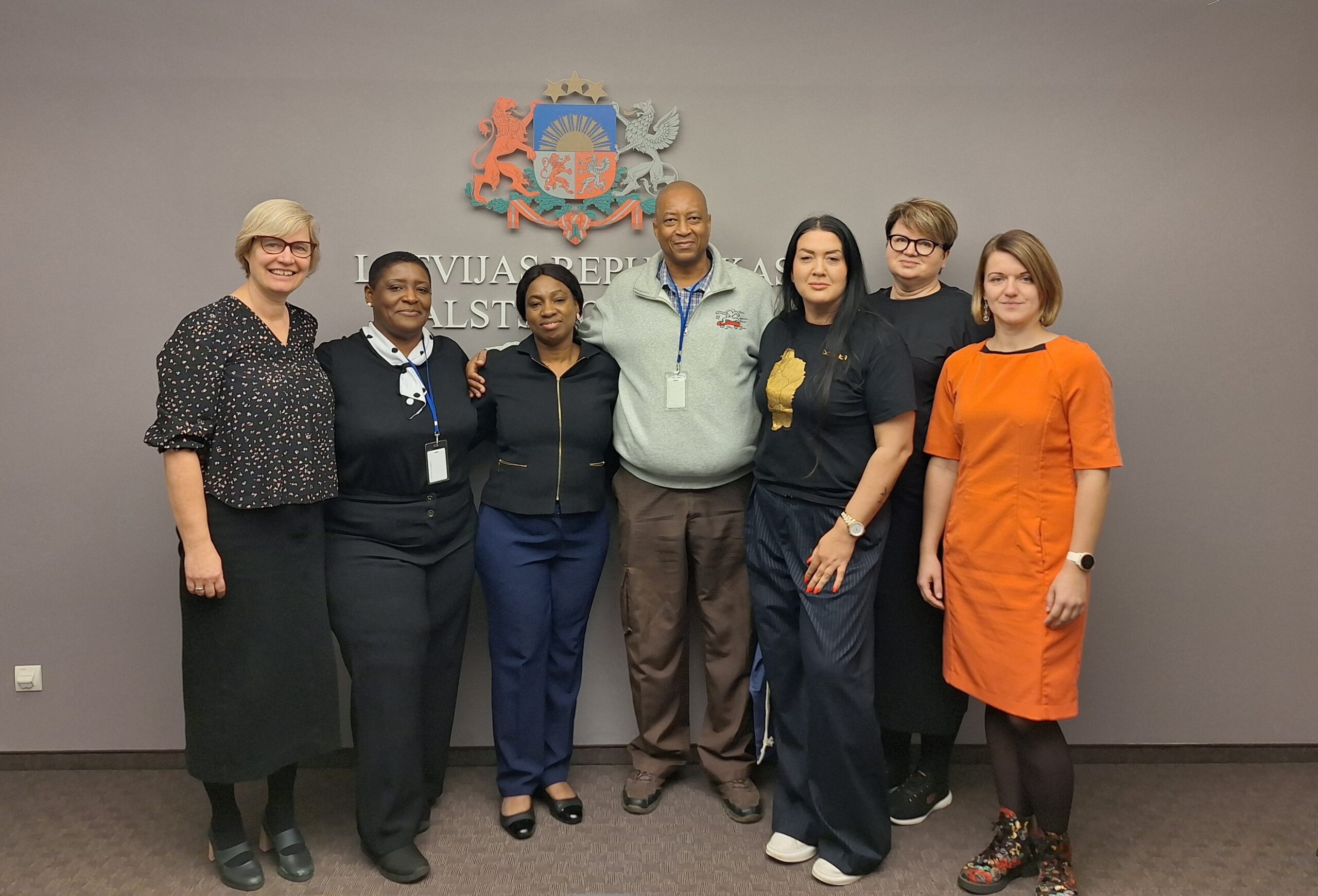
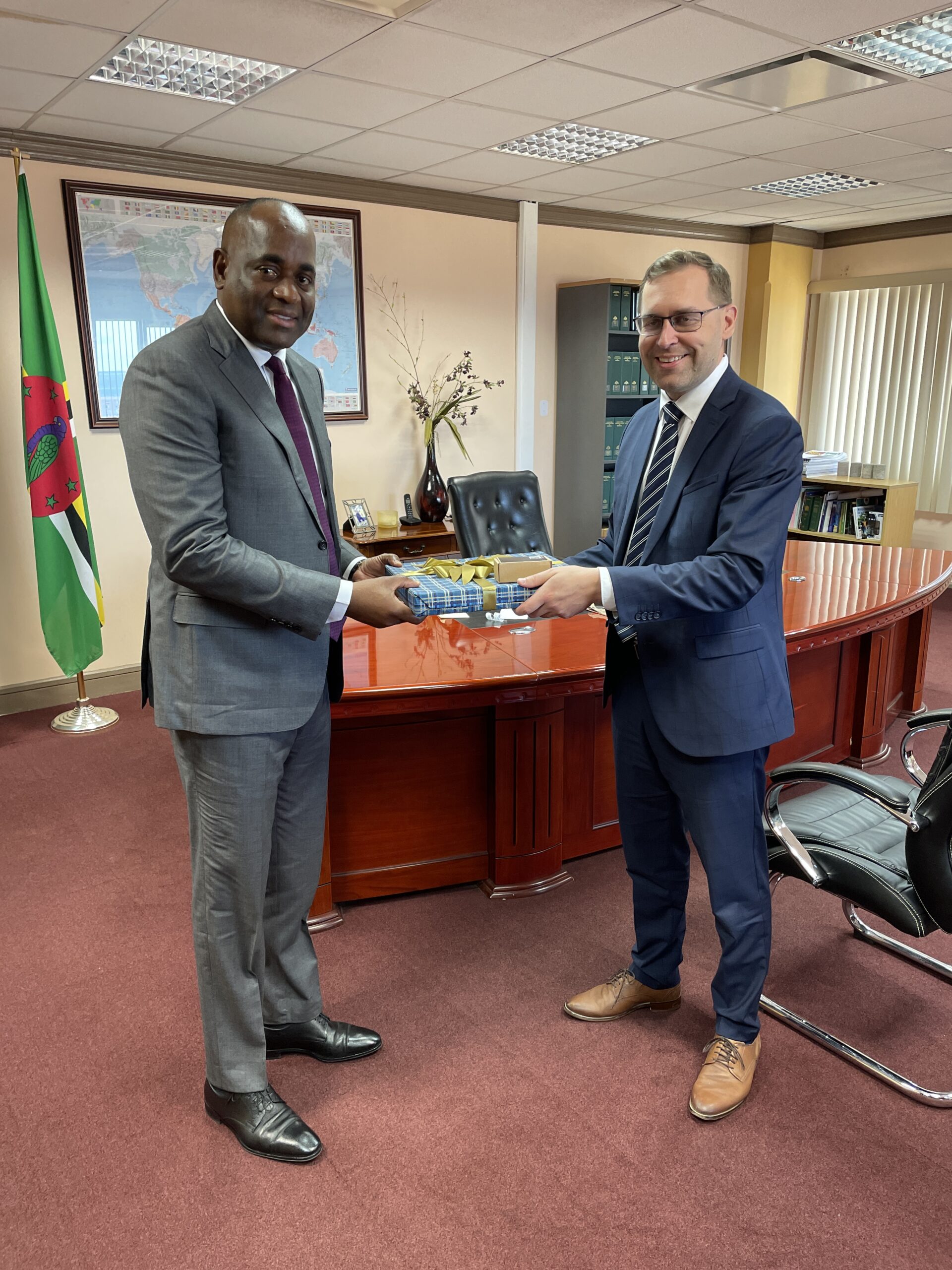
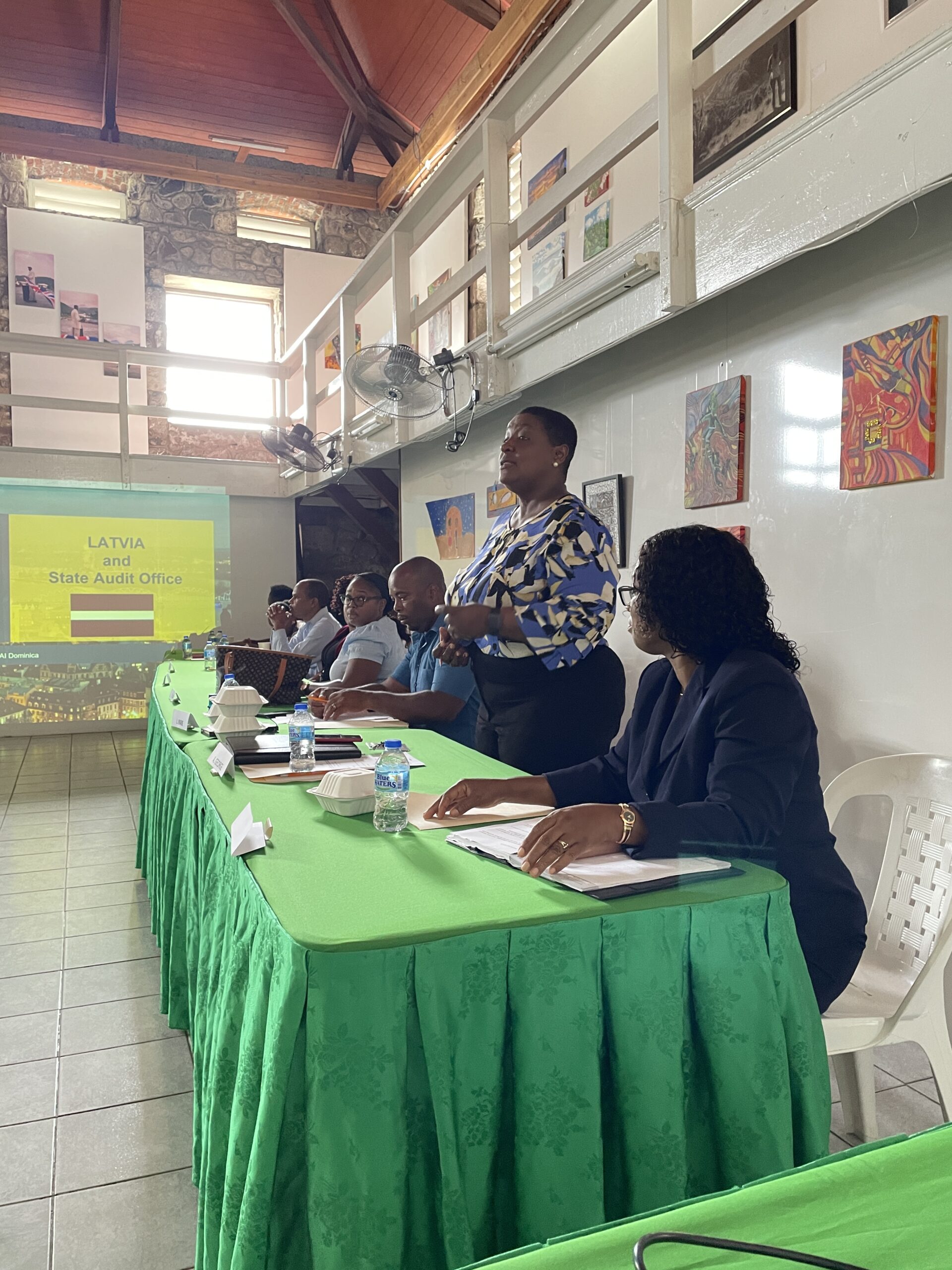
While the SAI has made significant progress, it continues to face several capacity challenges, including limited budgetary autonomy, insufficient capacity and technical skills to cover all sectors, late submission of financial statements from the Accountant General, and delayed or absent feedback from some ministries. To address these challenges and strengthen its institutional performance, SAI Dominica is partnering with the State Audit Office of Latvia (SAI Latvia) and the Caribbean Organisation of Supreme Audit Institutions (CAROSAI) under the Global SAI Accountability Initiative (GSAI) programme.
INTOSAI Region: CAROSAI
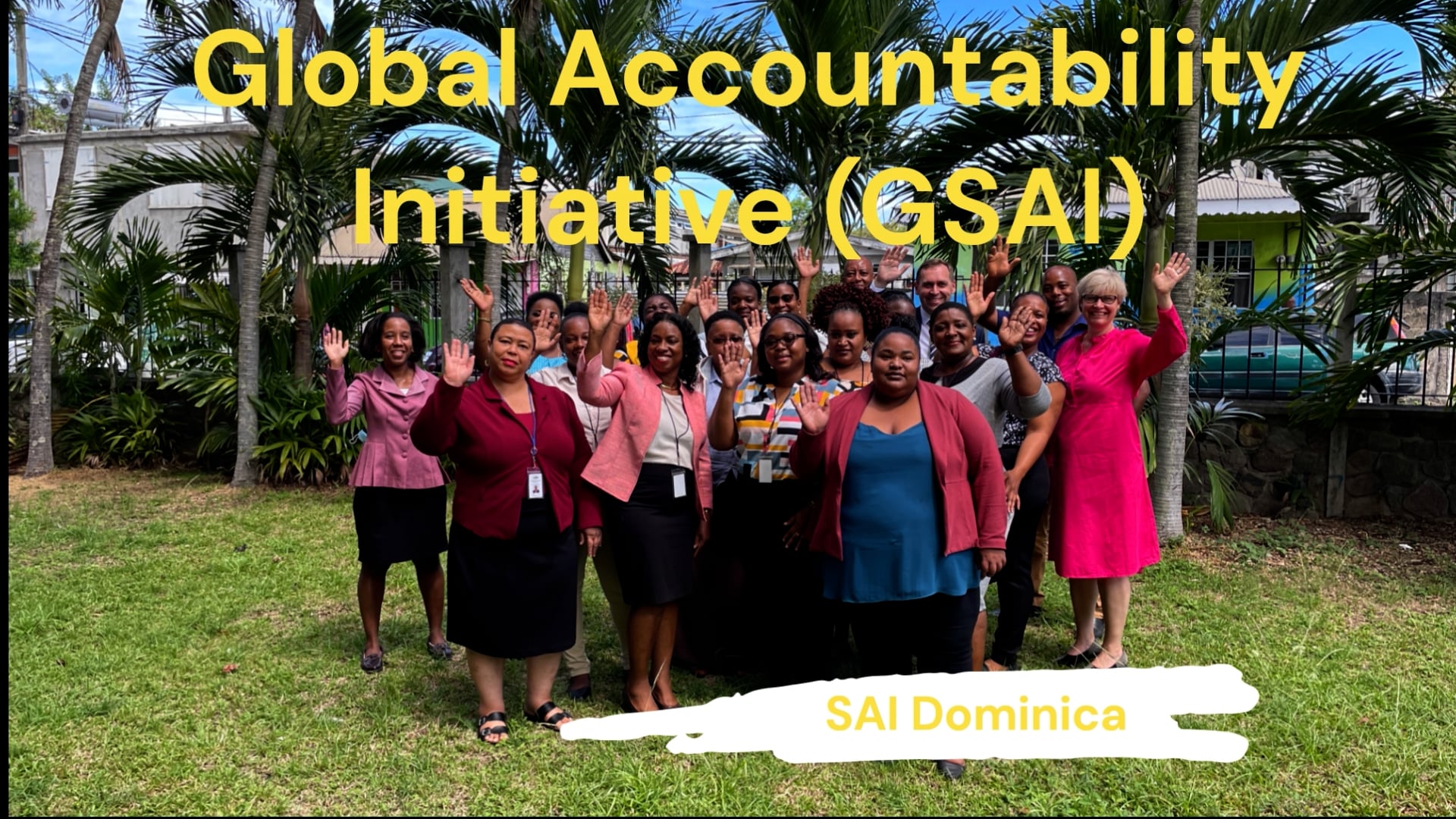
SAI Dominica is working to enhance audit quality by adopting ISSAI-compliant methodologies. Over the next two years, the focus will be on finalising and customising the audit manuals for financial, performance, and compliance audits through pilot audits, ensuring alignment with international standards and best practices.
This component aims to strengthen the independence of SAI Dominica by developing a roadmap to guide engagement with key stakeholders. It also includes the preparation of an action plan to be discussed with Parliament to address issues related to institutional and operational independence.
SAI Dominica seeks to enhance its ICT infrastructure and systems to more effectively support the operations of the Office of the Director of Audit (ODA) and its audit functions. Key activities include assessing the current ICT infrastructure, integrating data analytics into the audit process, and establishing a functional Management Information System (MIS).
SAI Dominica aims to strengthen its strategic and operational management processes through a midterm review assessment of the current strategic plan, updating the Code of Ethics, and establishing a Quality Management System in accordance with ISSAI 140. The initiative will also support the development of the next Strategic Plan (2028–2033).
This component focuses on establishing structured project management routines to strengthen coordination and delivery of programme activities. Regular progress meetings, annual steering committee sessions, and systematic reporting will guide implementation. The objective is to ensure timely execution of at least 80% of planned activities and promote better partnership alignment under the GSAI programme.
.
Collaboration between offices is not a sign of weakness, but a testament to strength. In SAI Dominica’s pursuit of excellence, we recognize that the collective knowledge and expertise of SAI Latvia will bolster our abilities to uncover hidden insights, promote transparency, and safeguard public trust. Together, we can achieve great results, as we pledge our commitment to upholding the highest standards of good governance.
The next phase of the project is crucial to ensure the sustainability of all the support provided, so that the staff of the Dominica SAI can continue applying the practical advice and documentation developed during the project in their future work.
CAROSAI is committed to the institutional strengthening of all members and will work with our stakeholders to effectively execute initiatives that will meet their needs and expectations
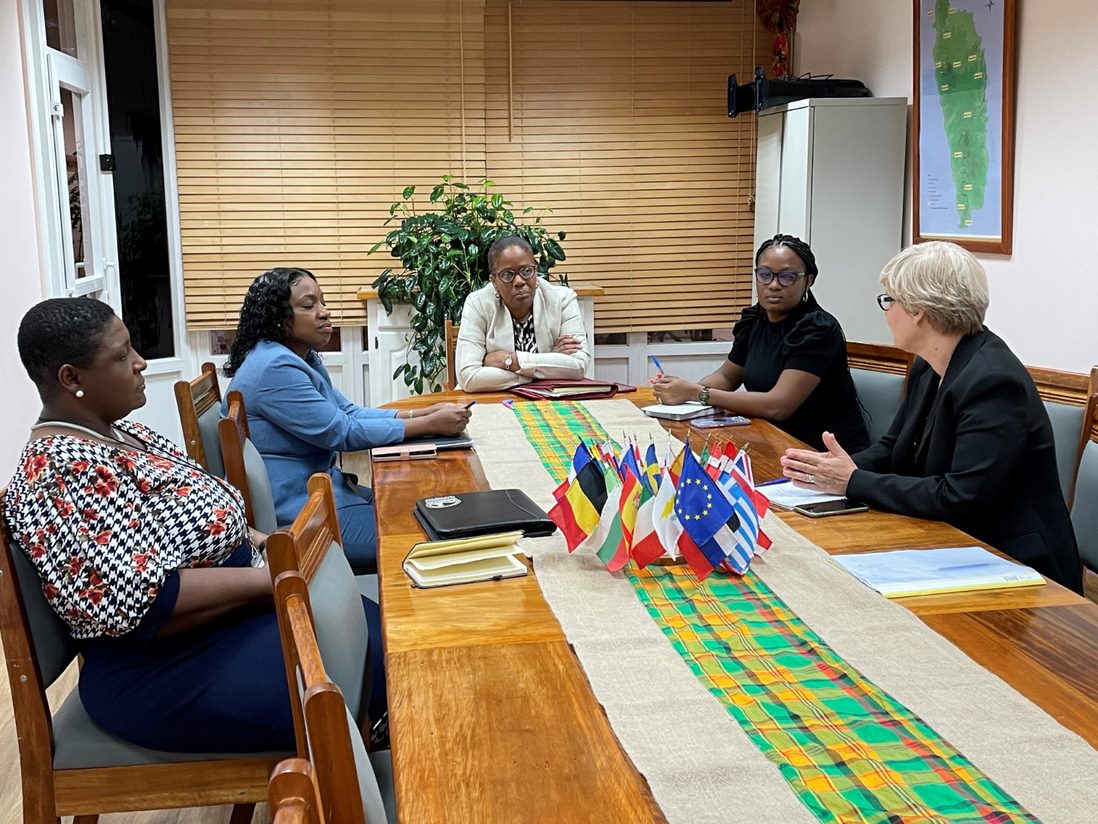
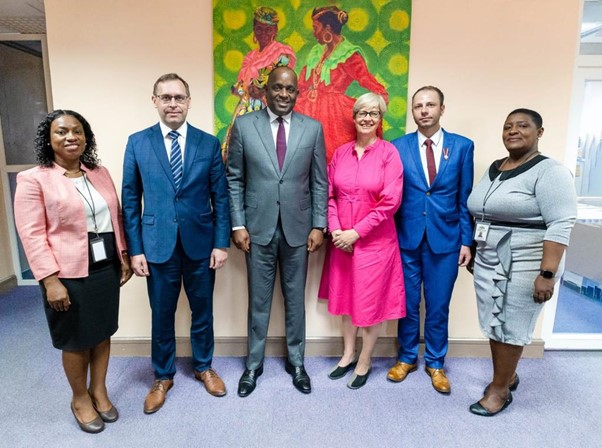
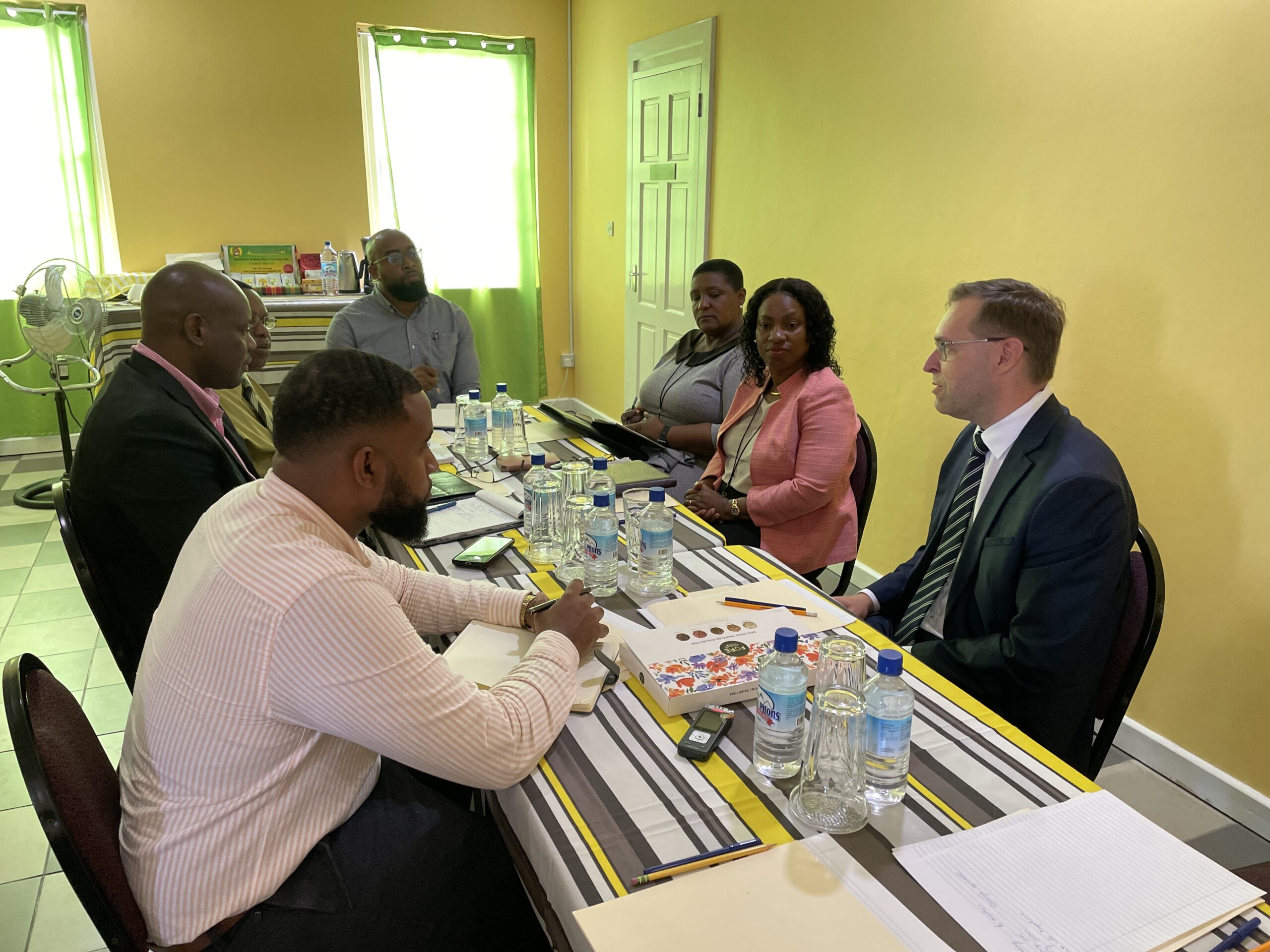


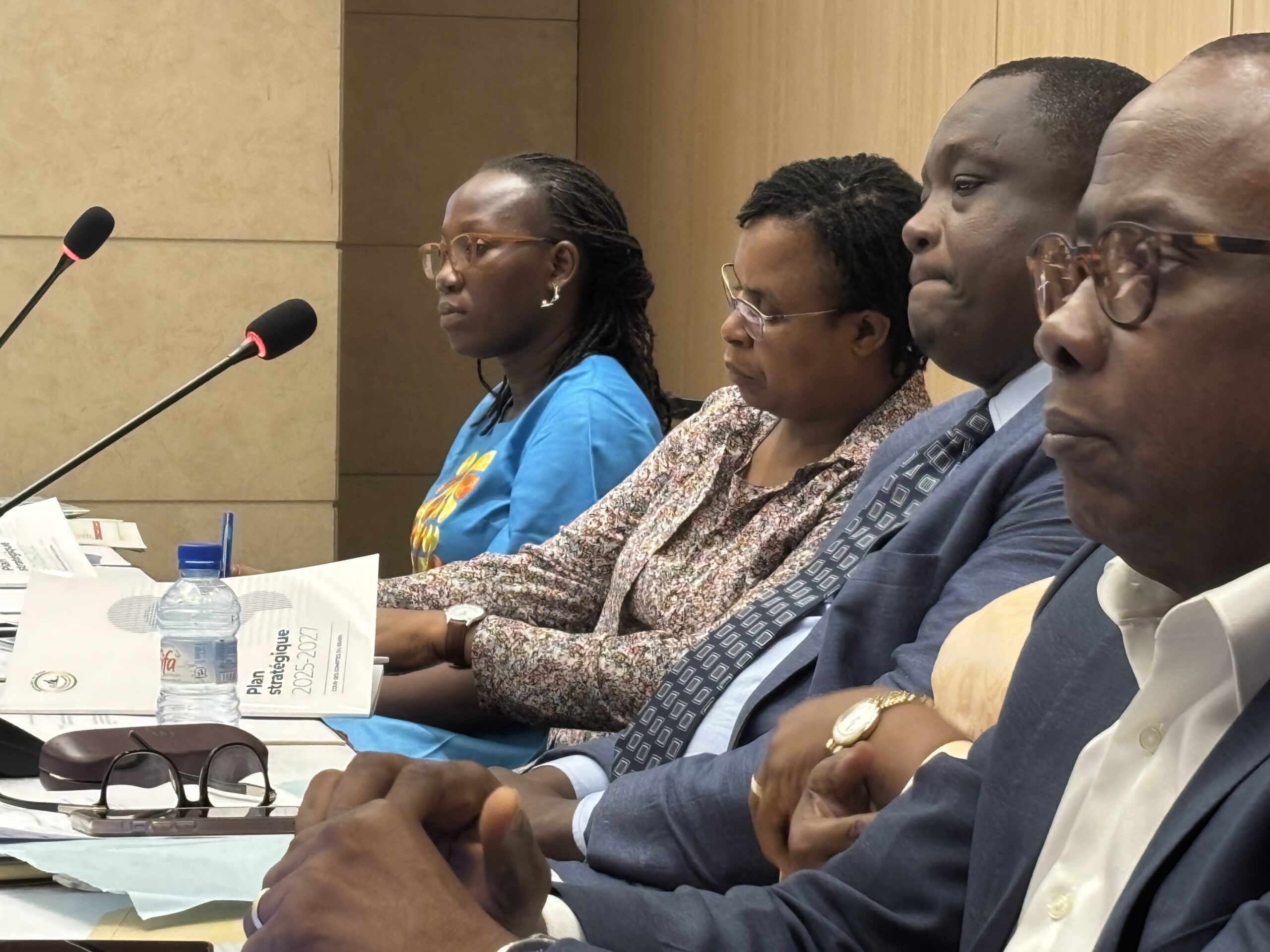
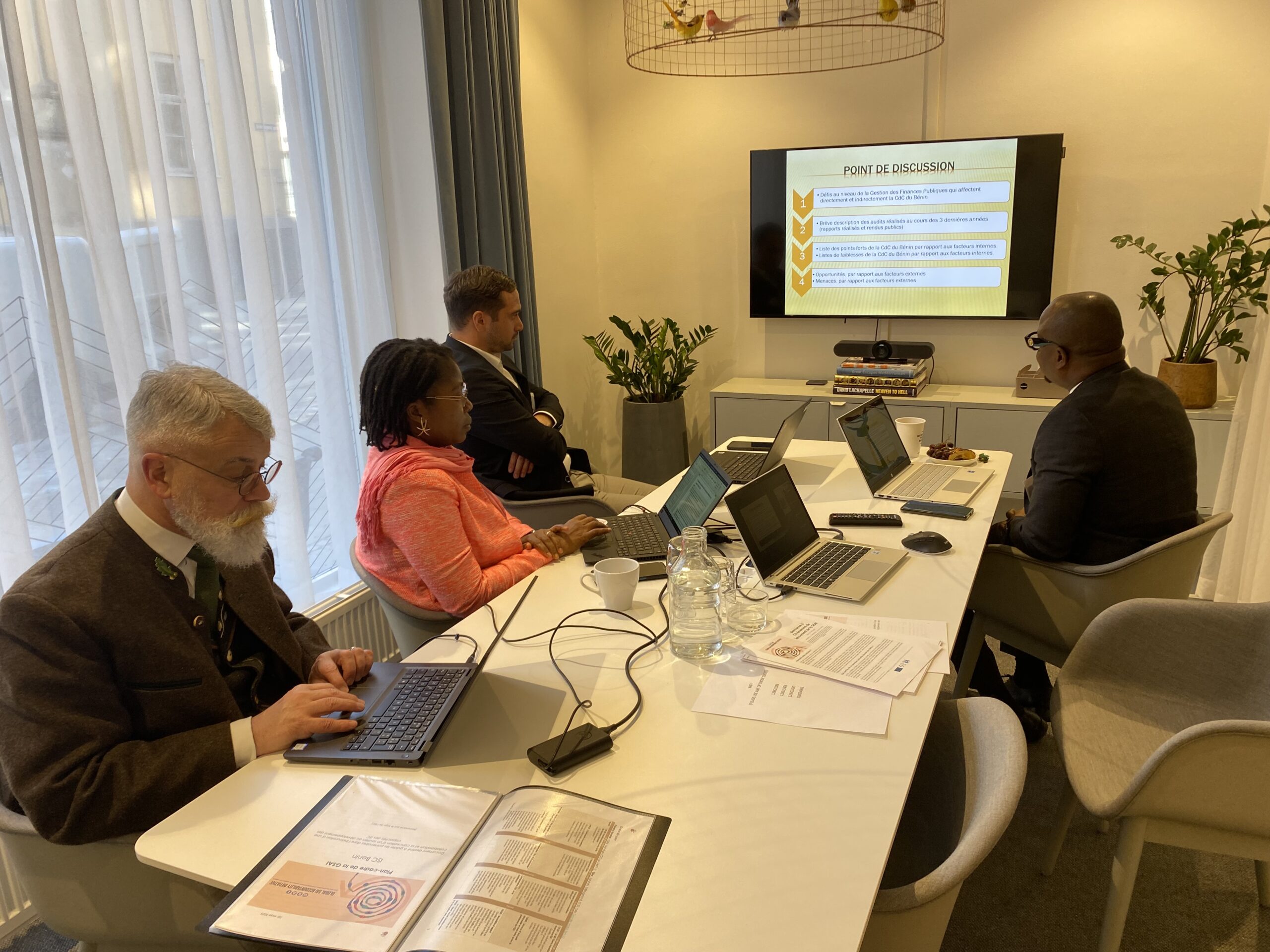
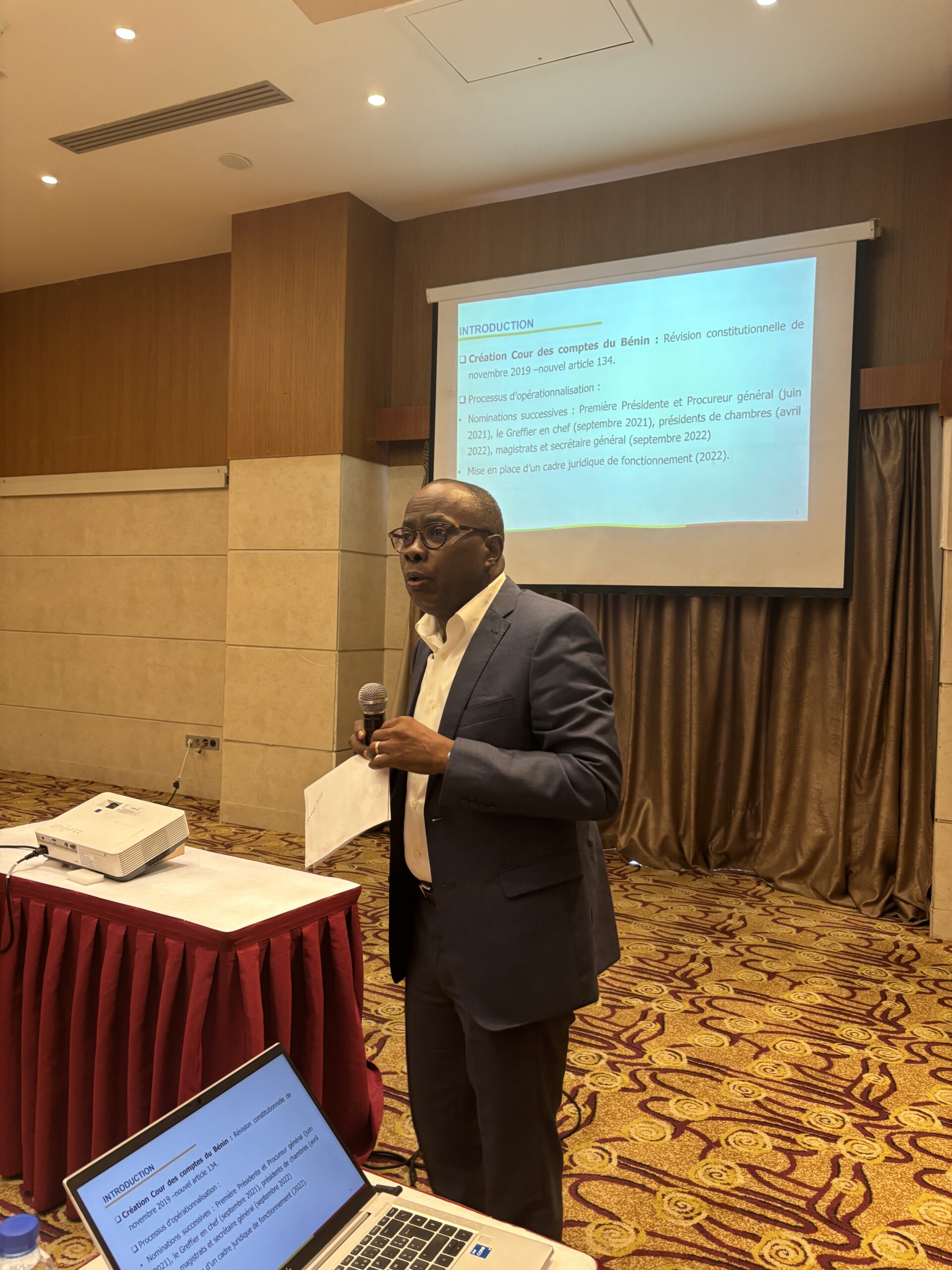
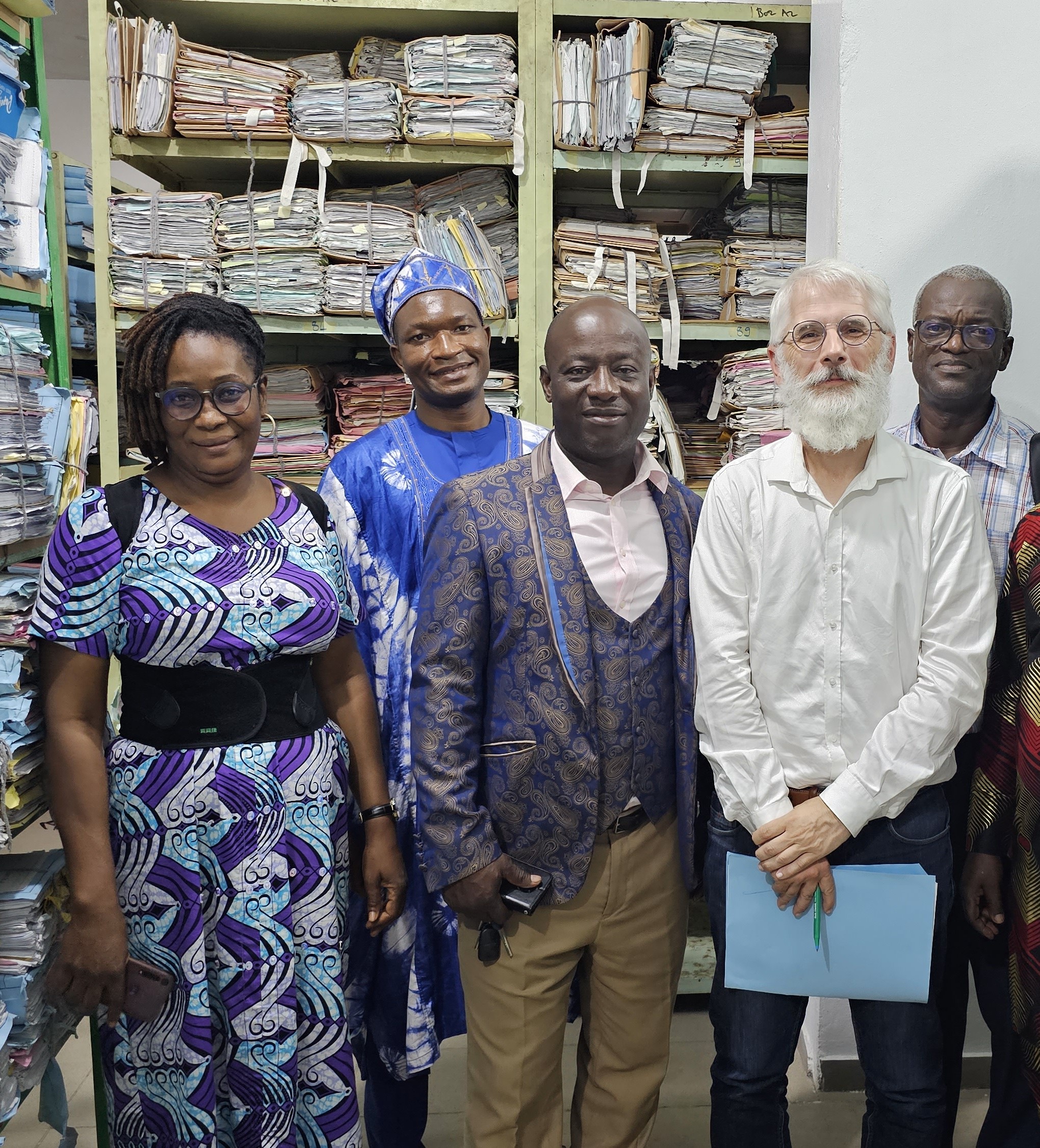
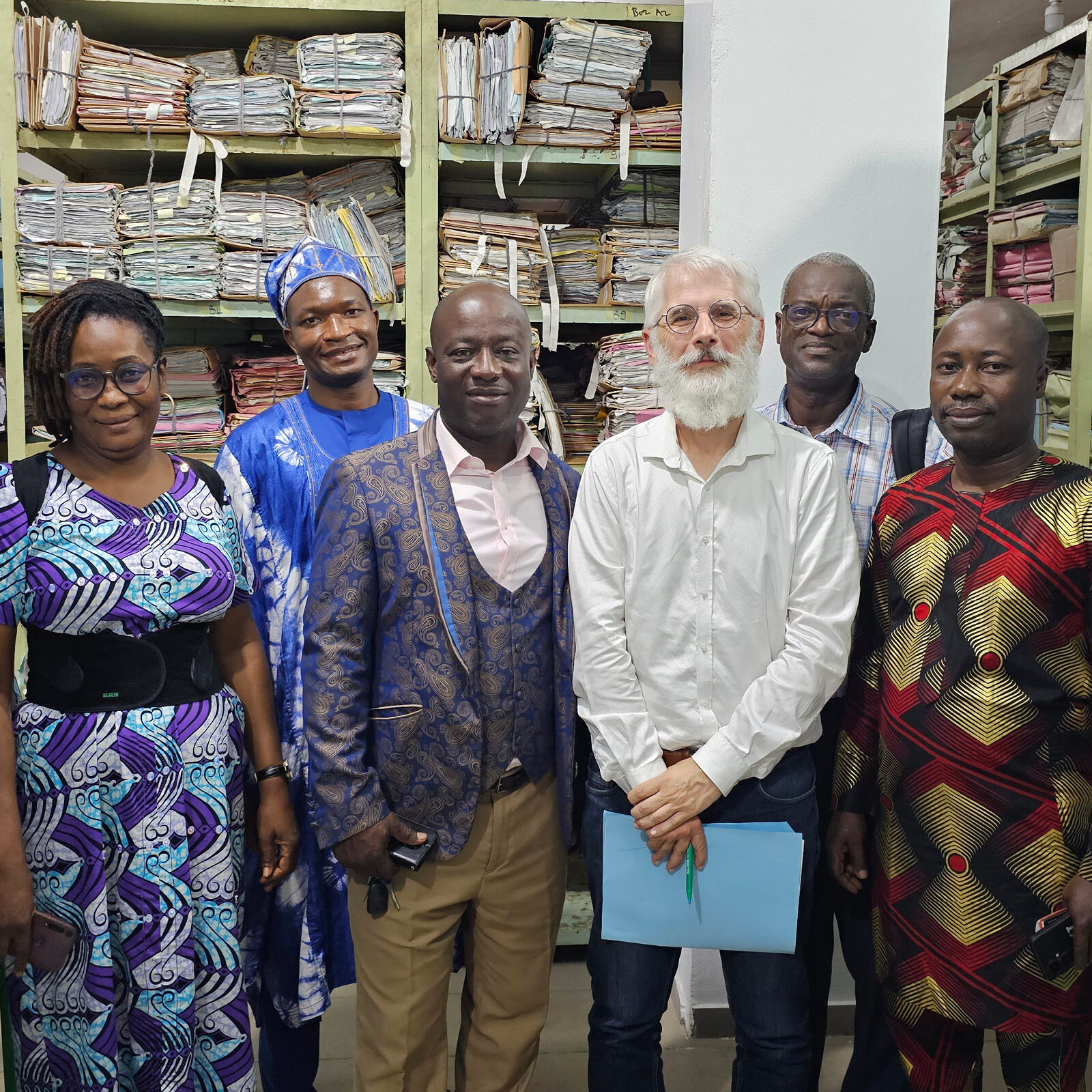
Established following the constitutional amendment of November 17, 2019, and the organic law of June 27, 2022, the CdC succeeds the former Audit Chamber of the Supreme Court. It benefits from a strong pool of experienced professionals and a favourable institutional environment.
As a newly established institution, the CdC is focusing on developing its strategic direction, institutional capacity, and professional competencies. To support this journey, the CdC has joined the Global SAI Accountability Initiative (GSAI), a program launched in 2022 by the INTOSAI Donor Cooperation (IDC) and managed by the INTOSAI Development Initiative (IDI).
The German Federal Ministry for Economic Cooperation and Development (BMZ) and the European Union Delegation are supporting Benin in its public finance reform through the project called “Public Finance Reform to Achieve the SDGs and Strengthen the Mobilization of State Revenue (ReFORME)” implemented by the Deutsche Gesellschaft für Internationale Zusammenarbeit (GIZ). One of the main focuses of this project is the transparency and accountability of public finances, and it is within this framework that the support to the Benin CdC is provided.
INTOSAI REGION: CREFIAF
Establish a robust strategic management framework to guide the CdC’s actions and demonstrate its contribution to sound public financial management. This includes developing and adopting the first Strategic Plan of the CdC to align its work with national priorities and international standards.
Build the institutional and professional capacities of the CdC by strengthening staff skills, procedures, and tools. Activities include competency mapping, training, pilot audits aligned with ISSAIs, improvement of judicial processes, and upgrading digital connectivity between offices.
Integrate gender and inclusion principles into CdC operations and strengthen communication and stakeholder engagement. The focus is on publishing the Public Report, enhancing visibility through web and social media, and fostering regular dialogue with Parliament, civil society, and media.
Ensure effective and timely implementation of the project in line with agreed quality, budget, and timelines. Strengthen coordination among all partners to enhance synergy, ensure long-term sustainability, and consolidate the CdC’s institutional transformation.
Vous convenez avec moi, qu’à côté des questions relatives aux interventions des ISC en situation d’urgence telle que les pandémies et les changements climatiques, Celles relatives à bonne gestion des ressources de nos pays qui se raréfient de jour en jour, demeure non seulement des défis des gouvernements africains, mais également le sujet d’émancipation et d’exigence des peuples. D’où le nécessaire intérêt de nos juridictions financières à accorder une grande priorité aux procédures et techniques efficaces de contrôle.
La signature de cet accord et votre présence aujourd’hui témoignent donc de notre détermination commune à apporter un appui durable à la Cour des comptes du Bénin, afin de lui permettre de pleinement accomplir ses missions. Soyez assurés de l’engagement et de la mobilisation indéfectible de la Cour des comptes et de ses équipes pour que la mise en œuvre de cet accord soit couronnée de succès.
Nous sommes convaincus que le projet renforcera la capacité de la Cour des comptes du Bénin à remplir son mandat et à servir plus efficacement les citoyens. La Cour sera en mesure de mieux :
juger et apurer les comptes ;
fournir une assurance sur l’utilisation légale et régulière des fonds, et ;
contribuer à l’amélioration des services publics.



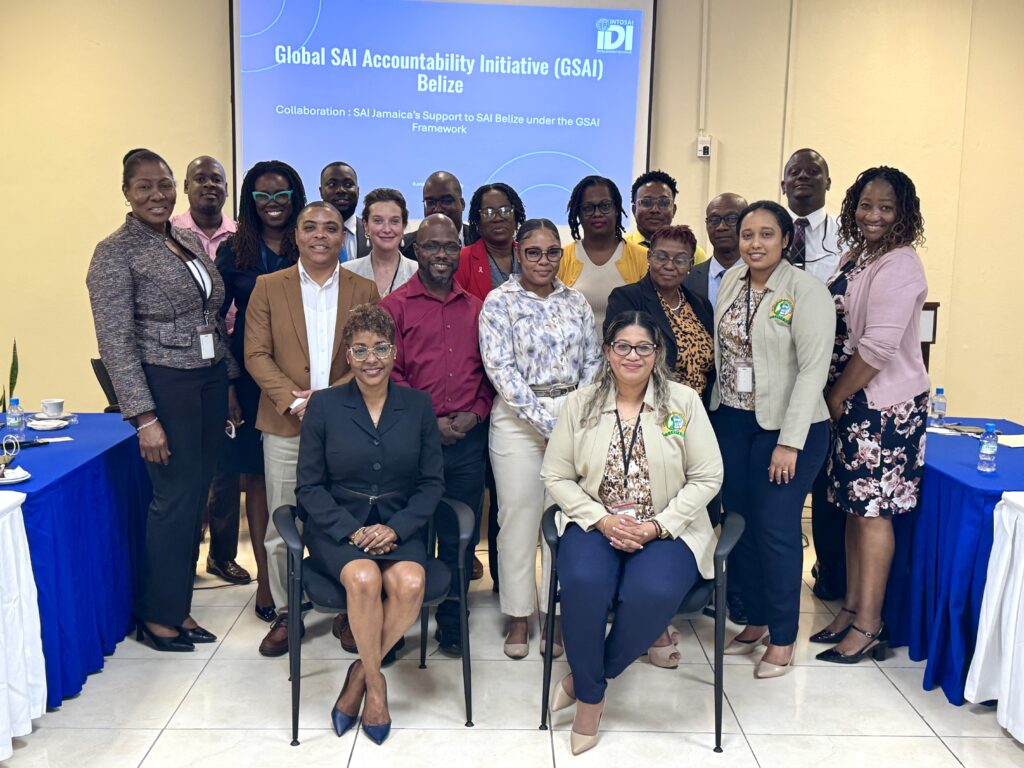
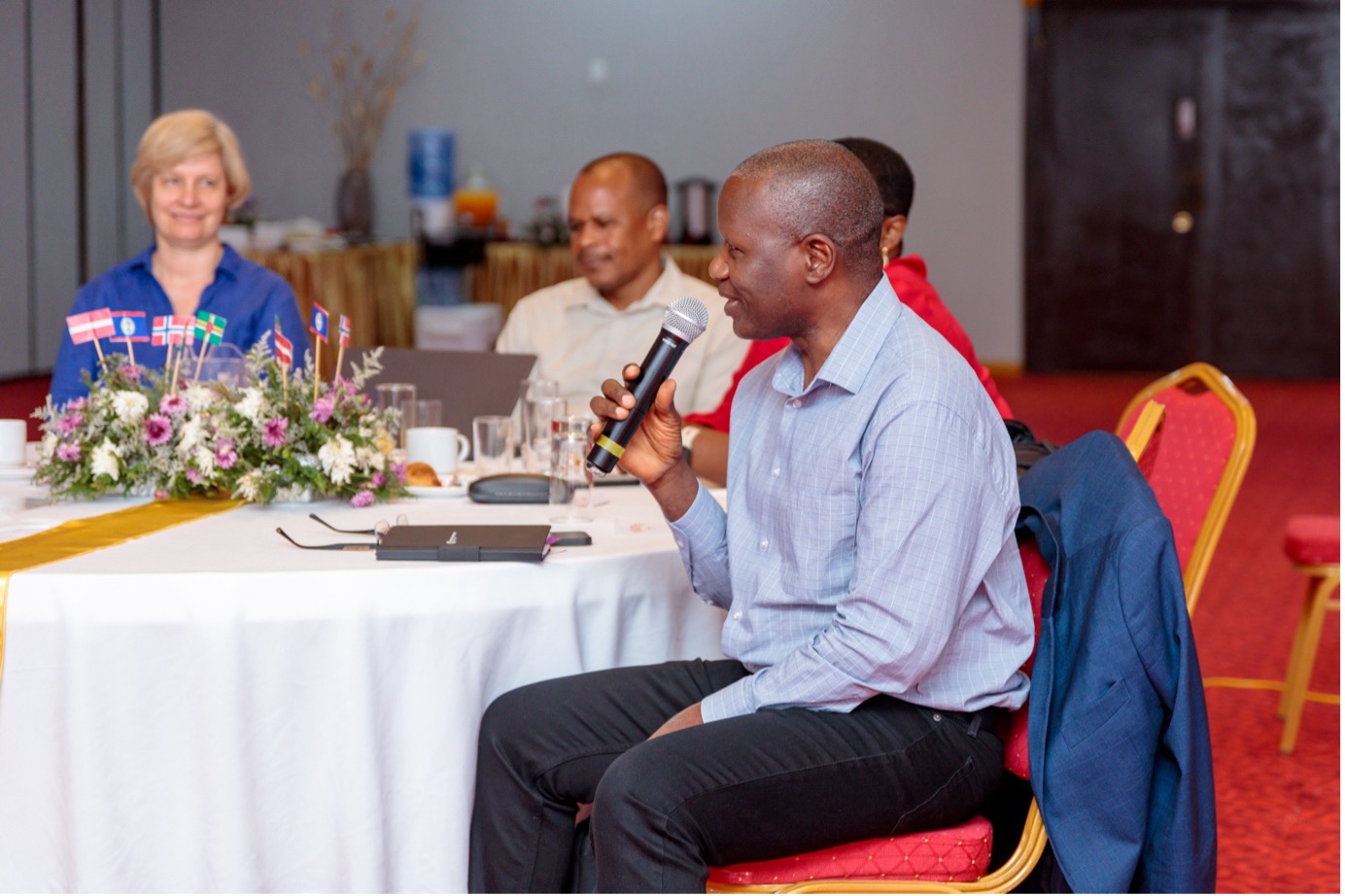
Guided by its mission to promote effective management of public assets through independent assurance, SAI Belize currently operates under its 2021–2025 Strategic Plan, which is anchored on four pillars: Independence, External Communication and Cooperation, Professional Development, and Institutional Development. While the SAI continues to make progress, it faces capacity challenges, particularly audit backlogs arising from the delayed submission of financial statements. To strengthen its performance and institutional capacity, SAI Belize is partnering with the Comptroller and Auditor General of India and the Audit Department of Jamaica under the GSAI program. A new Strategic Plan for 2026–2030 is currently being finalised to build on these efforts and guide the next phase of organisational development.
INTOSAI Region: CAROSAI
SAI Belize is enhancing audit quality by adopting ISSAI-compliant methodologies and integrating digital audit management tools. Over the next two years, the focus is on conducting fully digital compliance, financial, and performance audits. With manuals already developed and reviewed, the SAI aims to transition from hybrid to fully digital audit processes for greater efficiency and assurance quality.
This component aims to modernize HR and records management through full digitalization. A digital archiving manual and HR management system will be introduced, ensuring efficient storage, retrieval, and processing of personnel and institutional data. By 2026, SAI Belize expects to have a functional digital HR and records management system and a comprehensive HR Strategy guiding staff development.
To reinforce its independence, SAI Belize is pursuing amendments to the Finance and Audit Reform Act (FARA), 2020, to allow the publication of its audit reports. Key steps include identifying legislative gaps, developing a cabinet paper for proposed amendments, and presenting it to the National Assembly by 2027. These reforms aim to enhance transparency and strengthen the SAI’s constitutional position.
SAI Belize seeks to strengthen collaboration with the Executive and the National Assembly to improve understanding of audit roles and follow-up on audit findings. A new stakeholder engagement plan will guide this process, emphasizing dialogue, awareness campaigns, and discussions of backlogged reports with parliamentary committees such as JPAC.
The SAI is institutionalizing performance monitoring and reporting through new strategy monitoring tools and processes. A comprehensive monitoring framework and quarterly reporting system will ensure accountability and track progress on strategic goals. Regular activity reports will support evidence-based decision-making and continuous organizational learning.
This component focuses on establishing structured project management routines to strengthen coordination and delivery of program activities. Regular progress meetings, annual steering committee sessions, and systematic reporting will guide implementation. The aim is to ensure timely execution of at least 80% of planned activities and improved partnership alignment under the GSAI program.
SAI India places great importance on international cooperation and aspires to contribute to the global audit community with our strengths.
We are delighted to partner with SAI Belize in their endeavour to enhance their skills through strategically based capacity development support. We applaud the earnest efforts of IDI in developing framework of Global SAI Accountability Initiative (GSAI), which has made this collaboration possible.
The GSAI Project for SAI Belize covers in a holistic way the main strategic priorities of the organisation. Ambitious results in audit quality and digitalisation of audit processes, SAI Independence, and stakeholder management, amongst other areas have been formulated, and I strongly believe that by applying principles of ownership, mutual accountability and coordination among the partners, the Project will demonstrate significant progress and achievements in this first implementation phase.
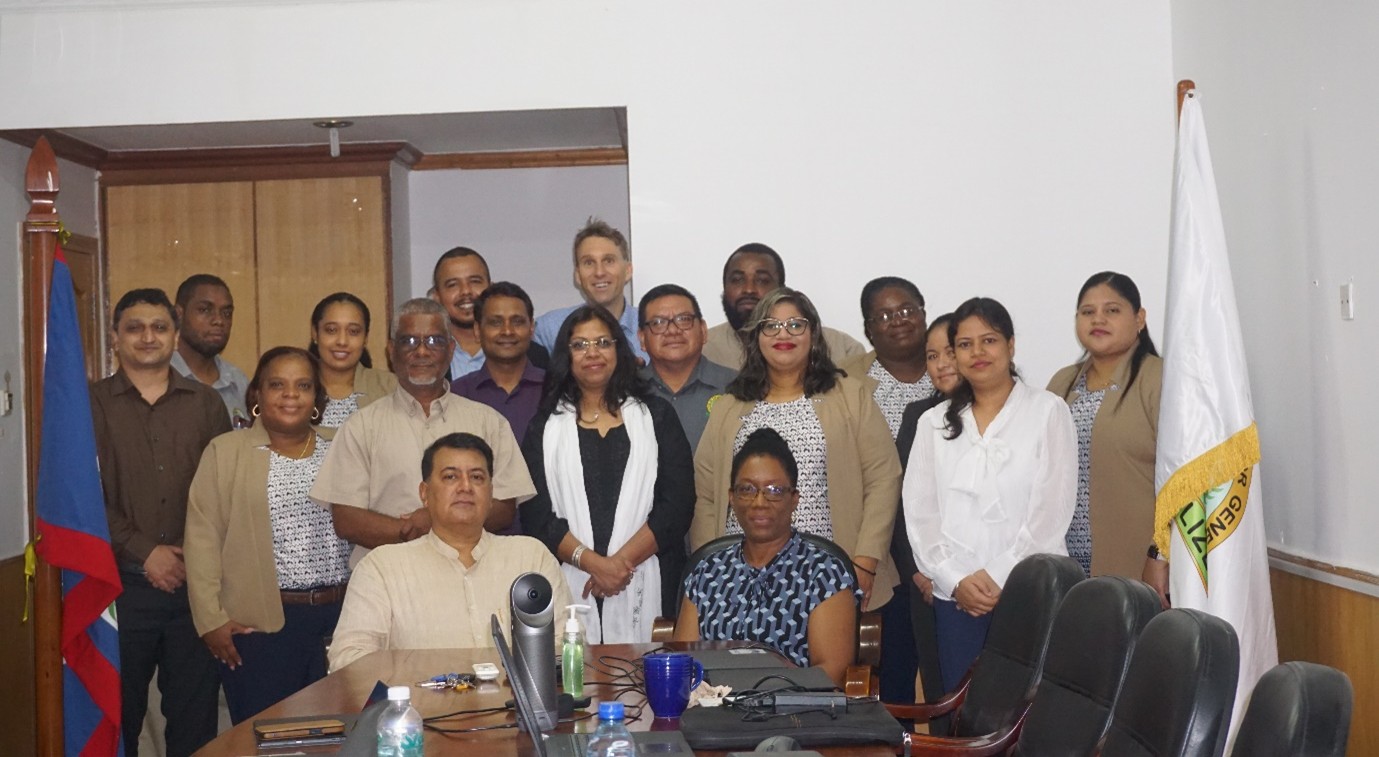
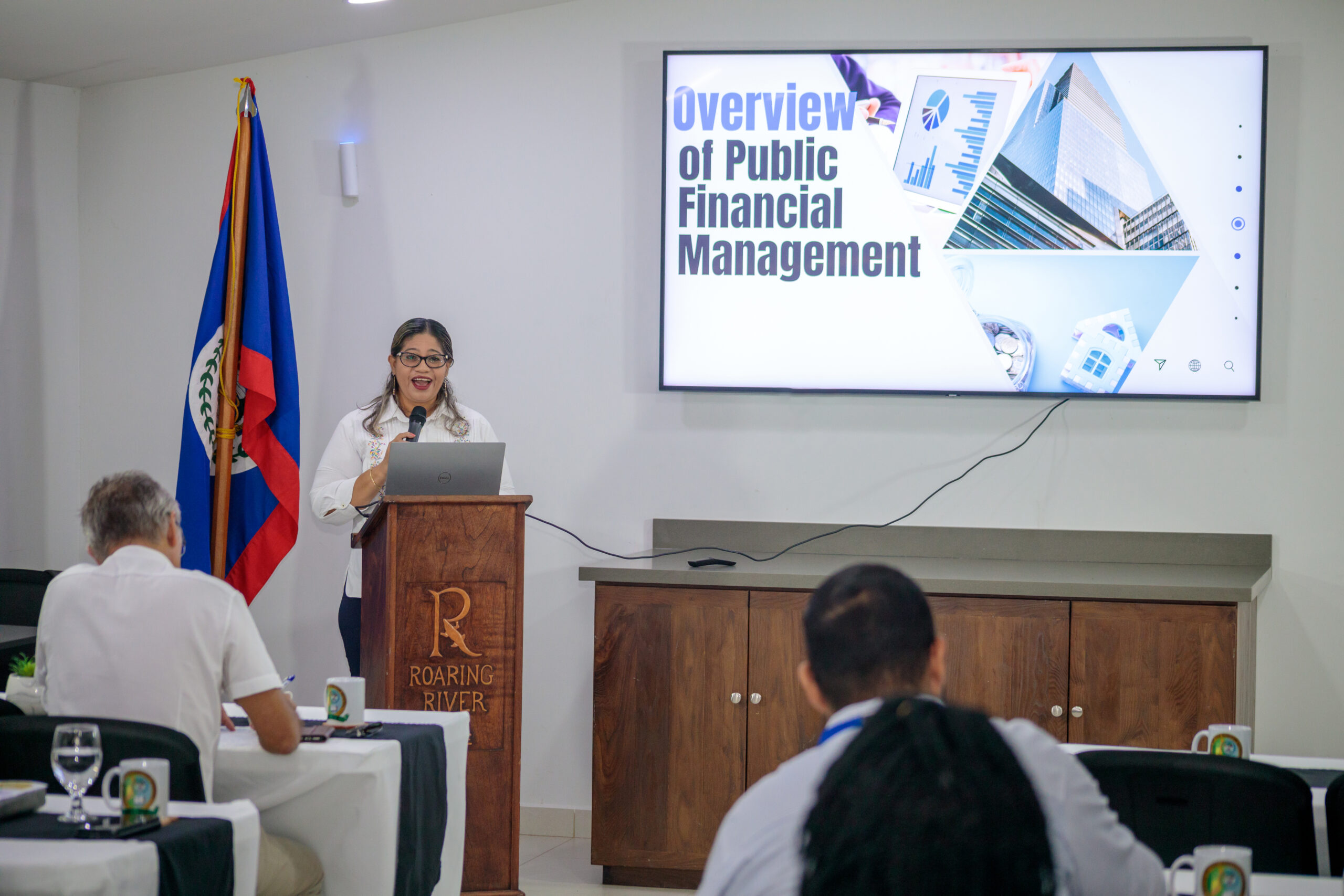
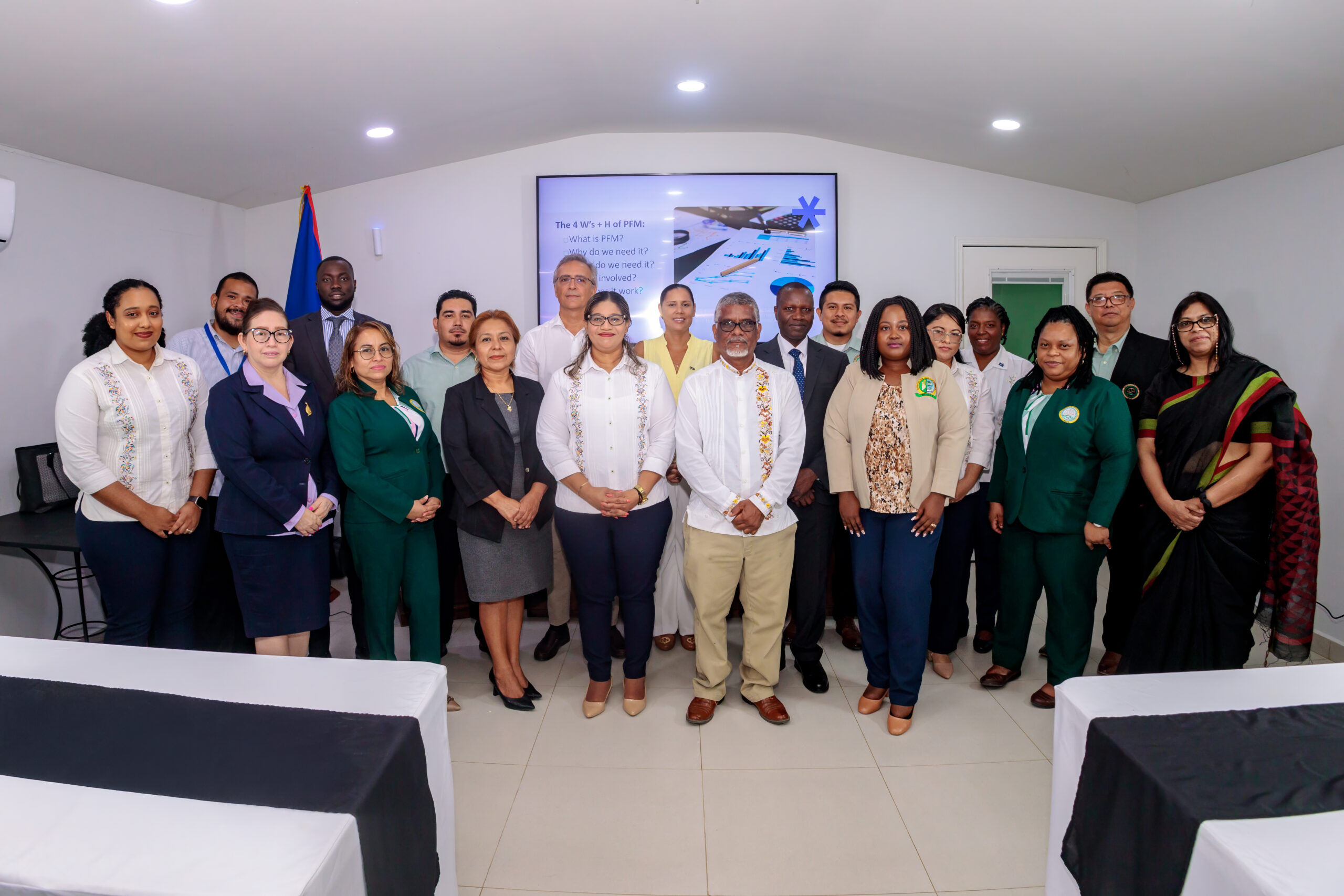
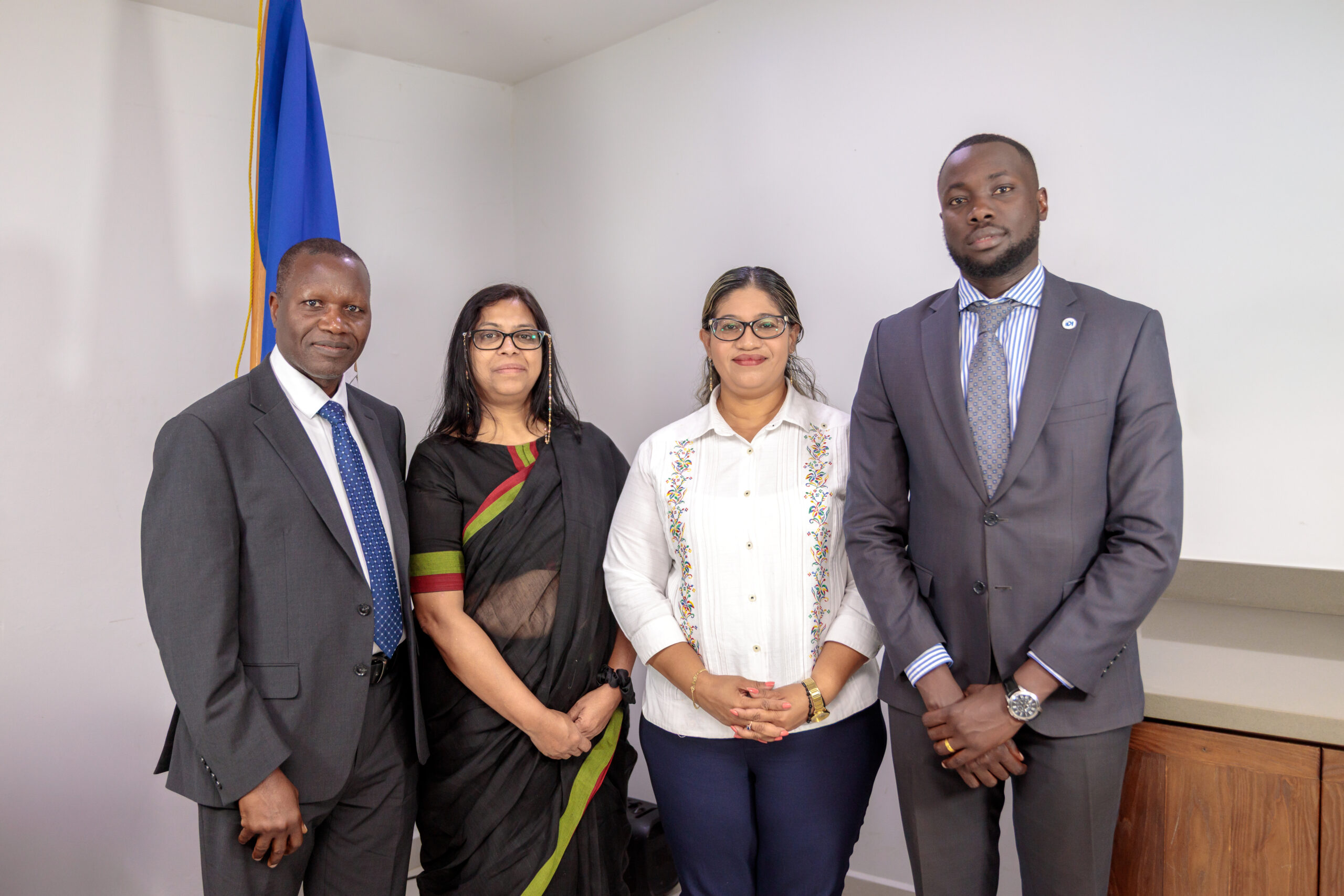
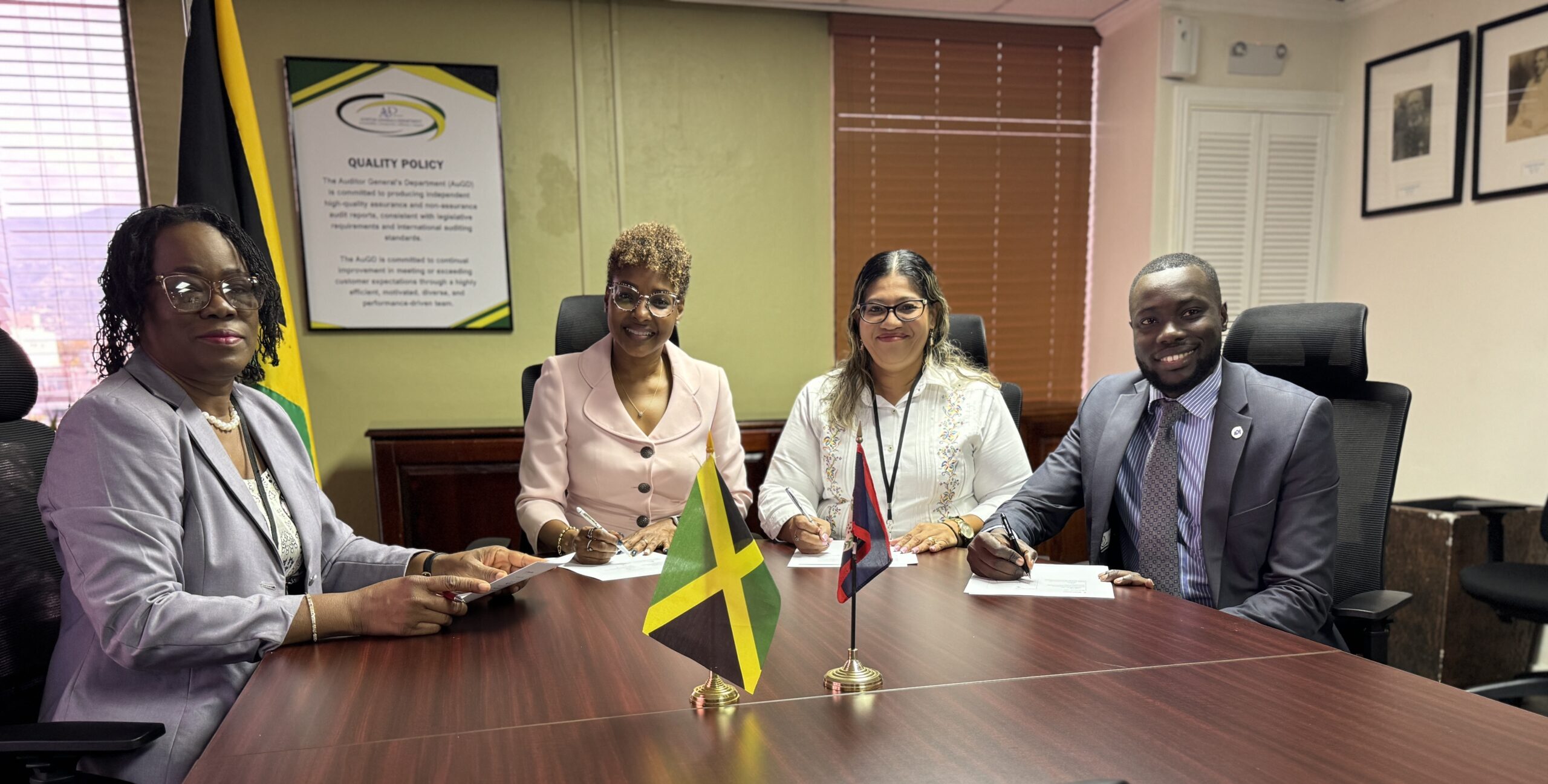
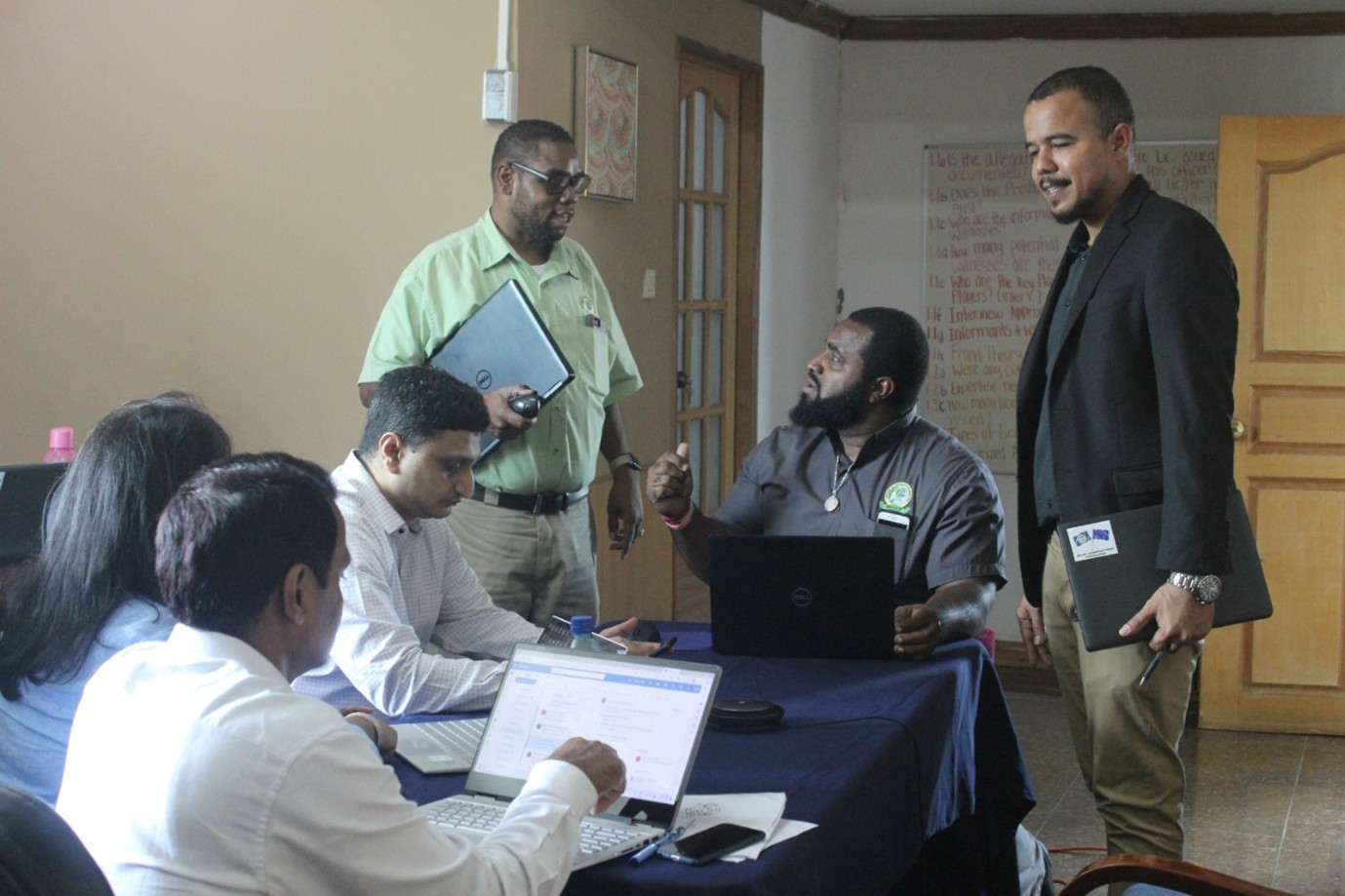

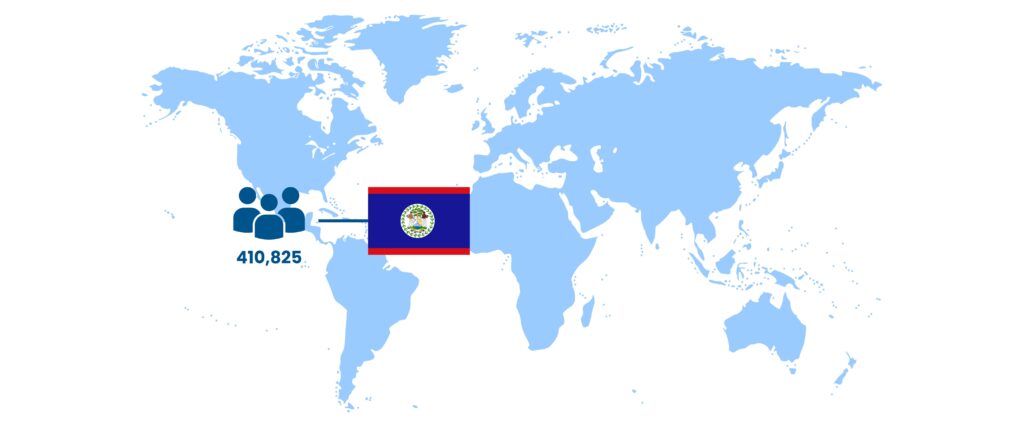
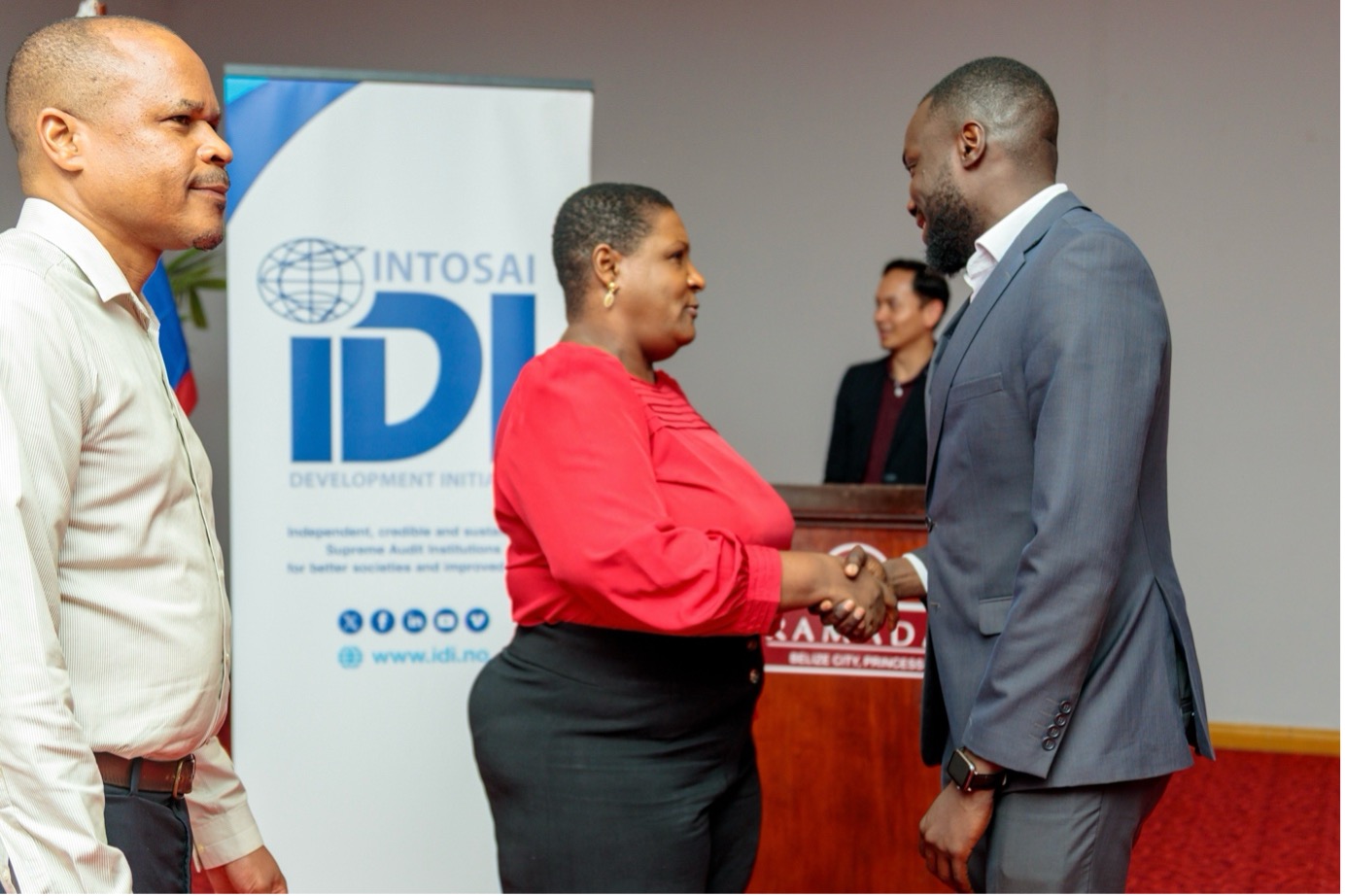
The Office of the Auditor General of Belize (SAI Belize) and the Office of the Comptroller and Auditor General of India (SAI India) have forged a dynamic partnership under the Global SAI Accountability Initiative (GSAI). Funded by the European Union and managed by IDI, this peer-to-peer support development project is designed to support SAI Belize’s strategic priorities, including the digitalisation of audit and HR processes, enhancing SAI independence and its legal framework, and improving stakeholder engagement.
The partnership started in January 2023 through a series of virtual introductory meetings between the two institutions. During this early phase, the SAIs set up a collaboration mechanism and determined key areas of focus for the collaboration.
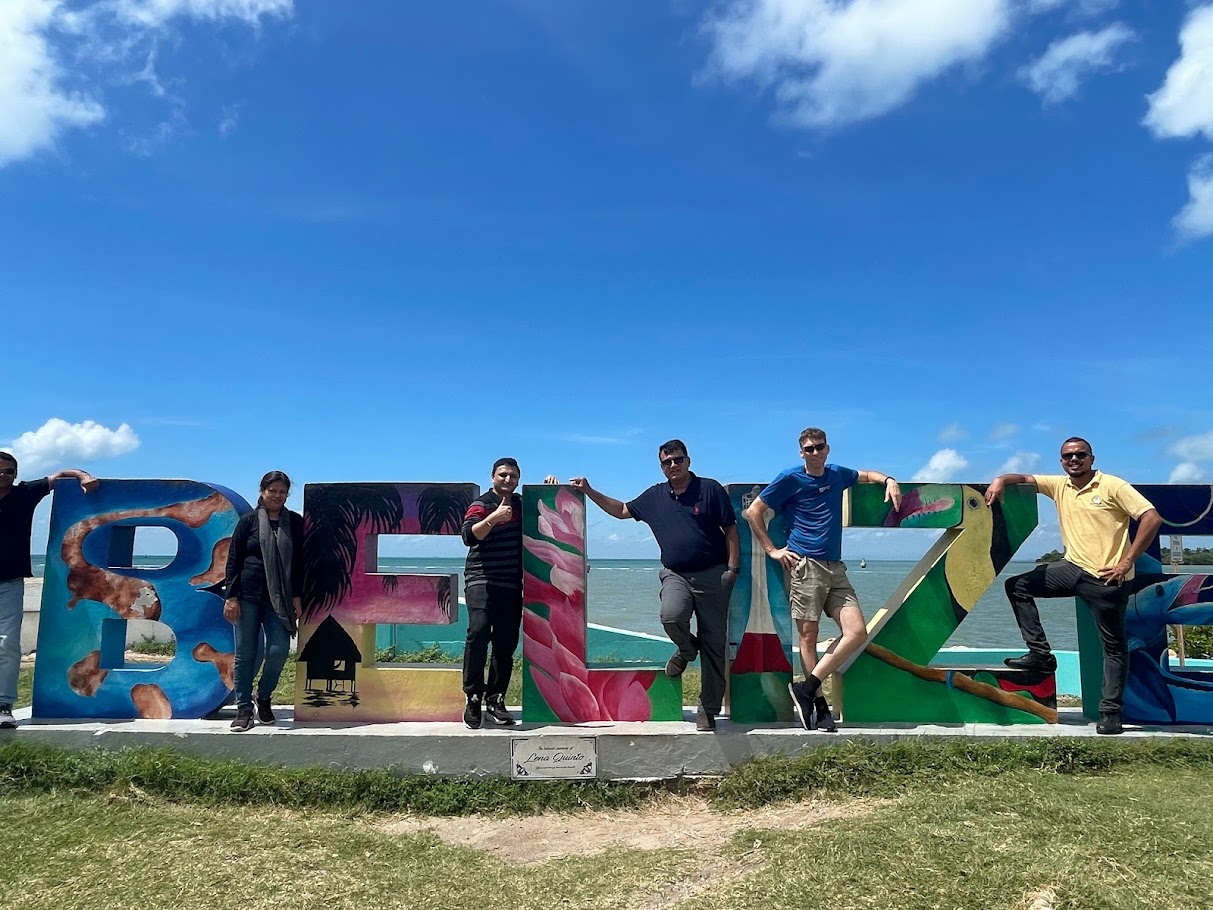
The collaboration took a significant leap forward in August 2023, when the Comptroller and Auditor General of India visited the Office of the Auditor General in Belize. This visit aimed to refine the cooperation agreement and provide technical support to SAI Belize. The week-long engagement featured:
This milestone visit culminated in the finalization of the GSAI Master Plan for SAI Belize, providing a roadmap for the journey ahead. On December 19, 2023, the Cooperation Agreement between SAI Belize and SAI India was officially signed, marking the start of SAI Belize’s transformation journey.
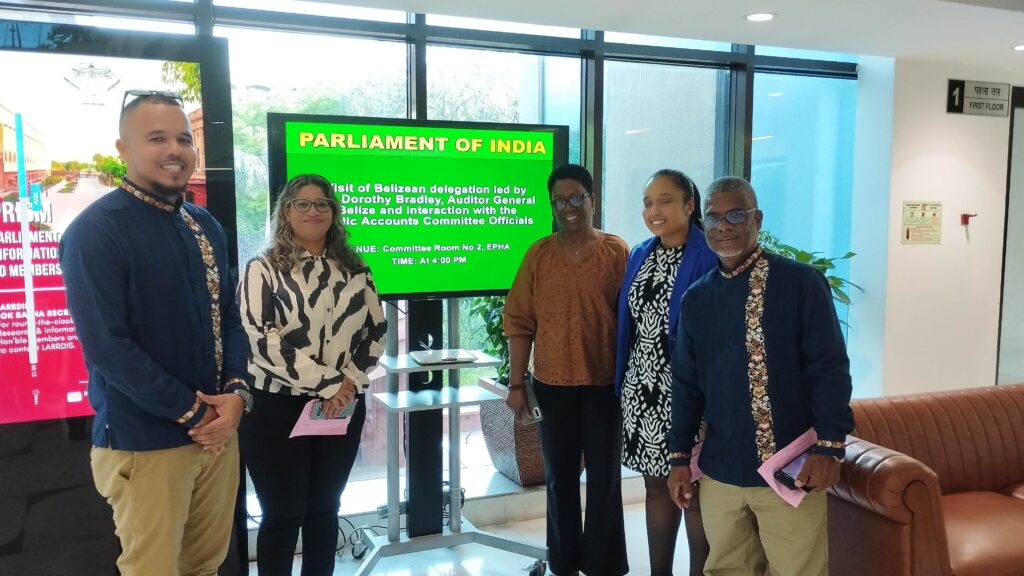
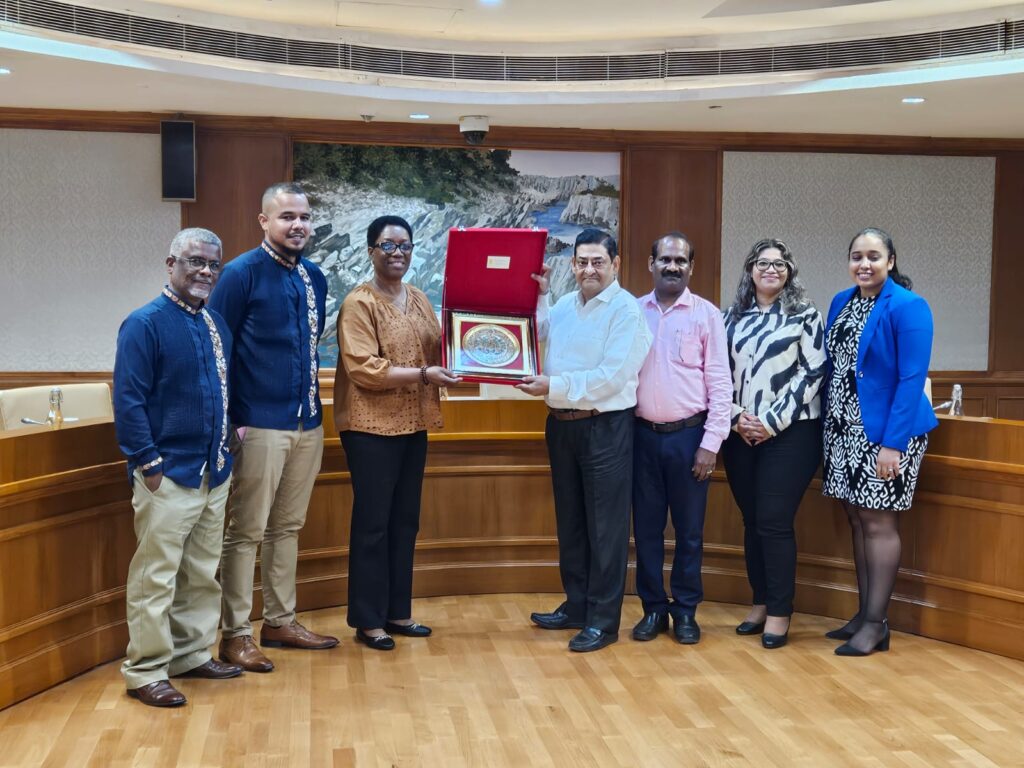
In 2024, the partnership achieved remarkable progress, underscored by the achievements of key milestones. While on a visit to SAI India in August, SAI Belize had the opportunity to observe SAI India’s operations firsthand and collaborate on achieving critical milestones. Key milestones achieved during this period include:
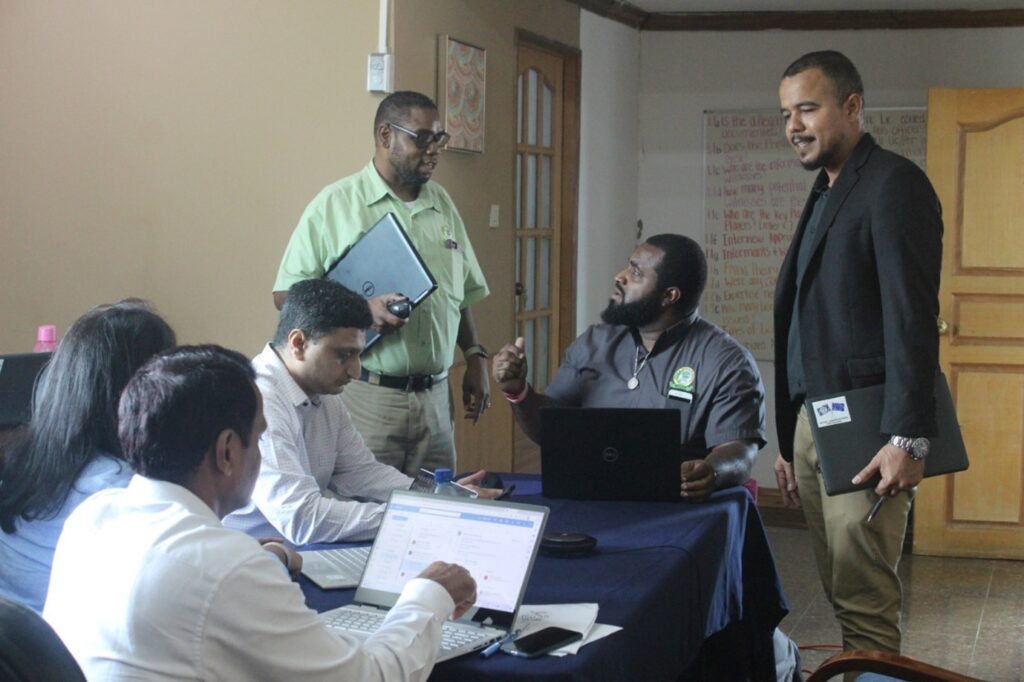
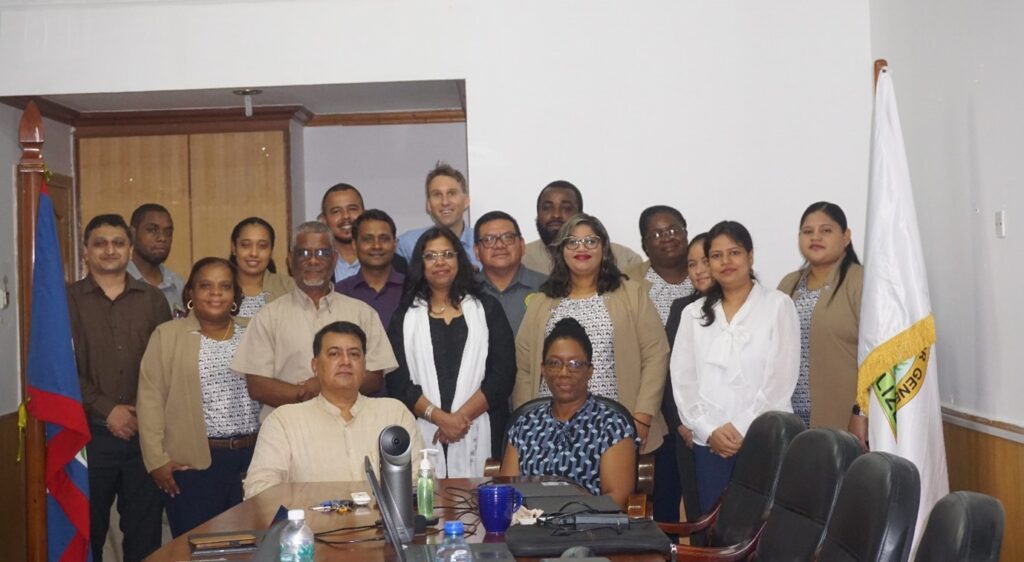
The partnership will continue into 2025 with a primary focus on digital transformation. Key objectives include completing the audit manual, implementing the digitalization of the audit process, and streamlining the digital management of staff records. Currently, SAI Belize is expected to receive grants from donor agencies to supply the essential IT infrastructure required to initiate the digitalization process.
This collaboration exemplifies the power of partnership in driving meaningful change. The continued exchange of expertise between SAI Belize and SAI India highlights the value of peer-to-peer support in achieving transformative results. As the Auditor General of SAI Belize (2023-2024) Ms. Dorothy Bradley stated, “Intentional collaboration uniting audit expertise can foster accountability excellence.” This synergistic partnership has created opportunities and pathways for SAI Belize to enhance not only its technical capacities but also its institutional capabilities.
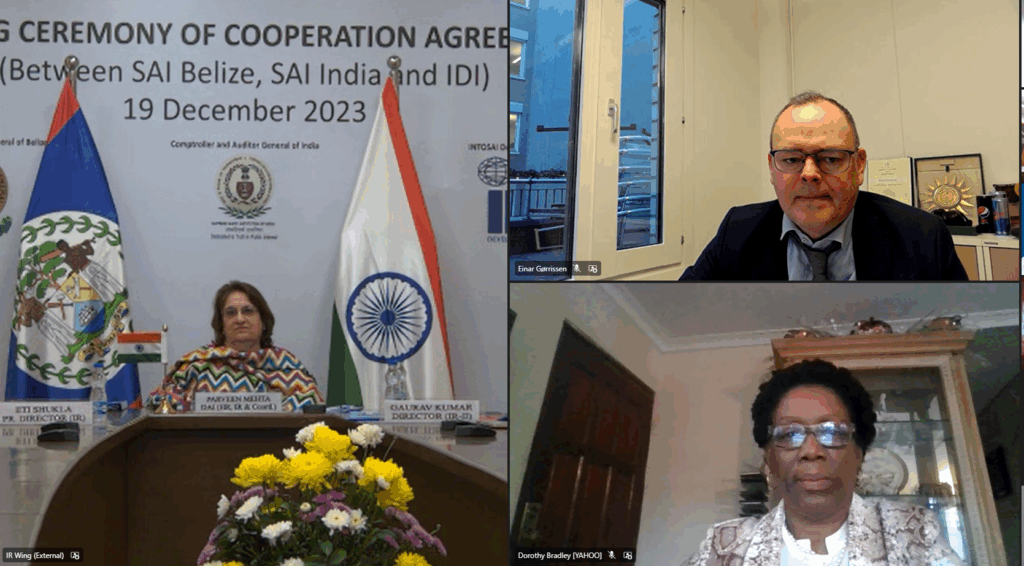
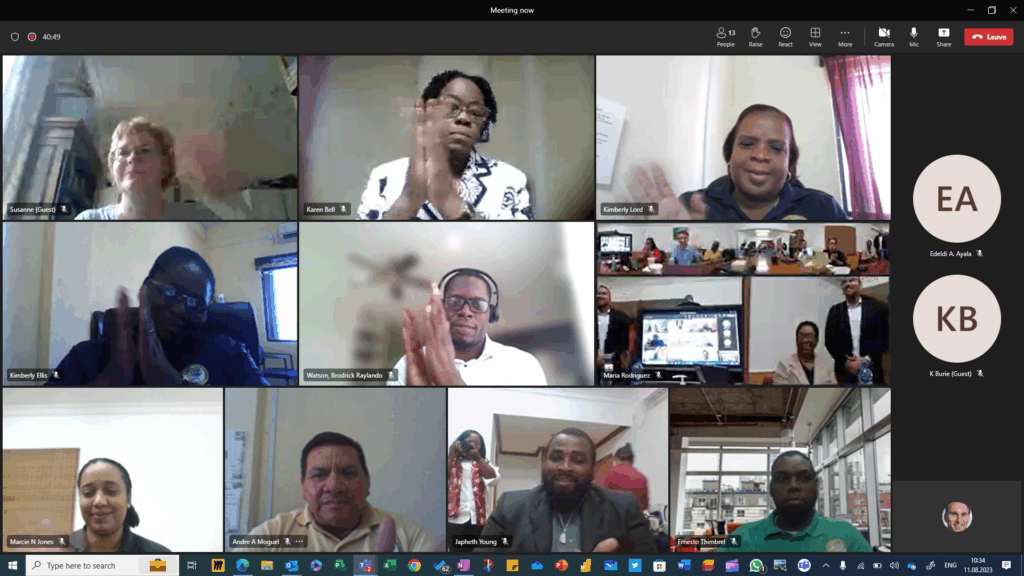
When Supreme Audit Institutions (SAIs) have the right capacity and support, they can deliver credible audits that strengthen transparency, reduce corruption risks, and improve the use of public resources for citizens. The Global SAI Accountability Initiative (GSAI) helps mobilise scaled-up, coordinated and long-term capacity development for some of the most challenged SAIs, tailored to their strategic plans and national context.
Launched in early 2023, GSAI is an initiative under the INTOSAI Donor Cooperation, created to build on lessons from the former Global Call for Proposals Tier 2 and expand this approach across INTOSAI regions. It is guided by a multi-stakeholder committee of donors, INTOSAI bodies, regional organisations and SAIs, working together to identify candidates, coordinate partnerships, and mobilise sustainable support.
The Global SAI Accountability Initiative (GSAI) brings together SAIs and development partners to provide long-term, coordinated support where it’s needed most. By strengthening systems, skills, and collaboration, GSAI helps SAIs build the foundations for transparency, accountability, and trust in public institutions.
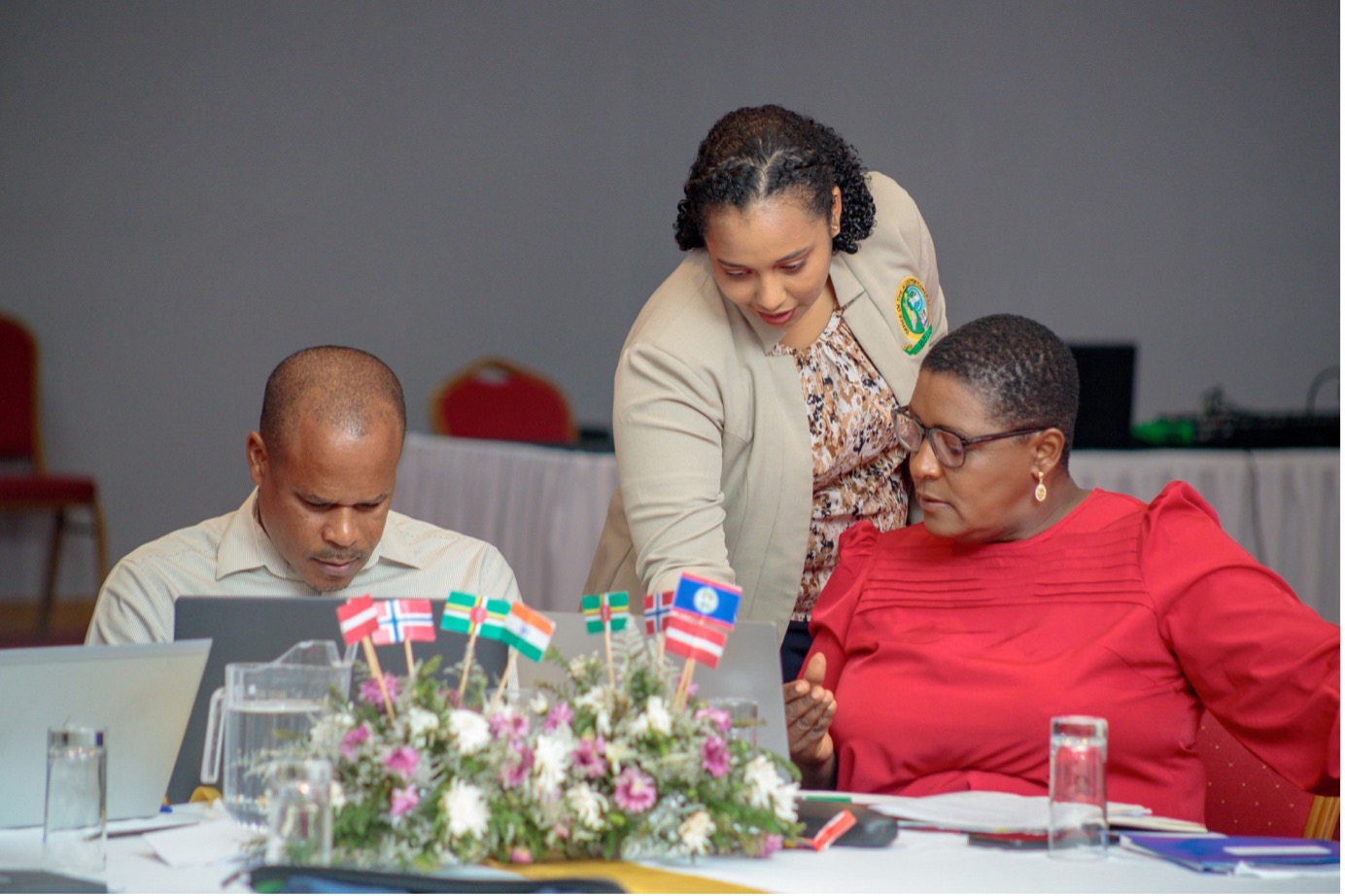
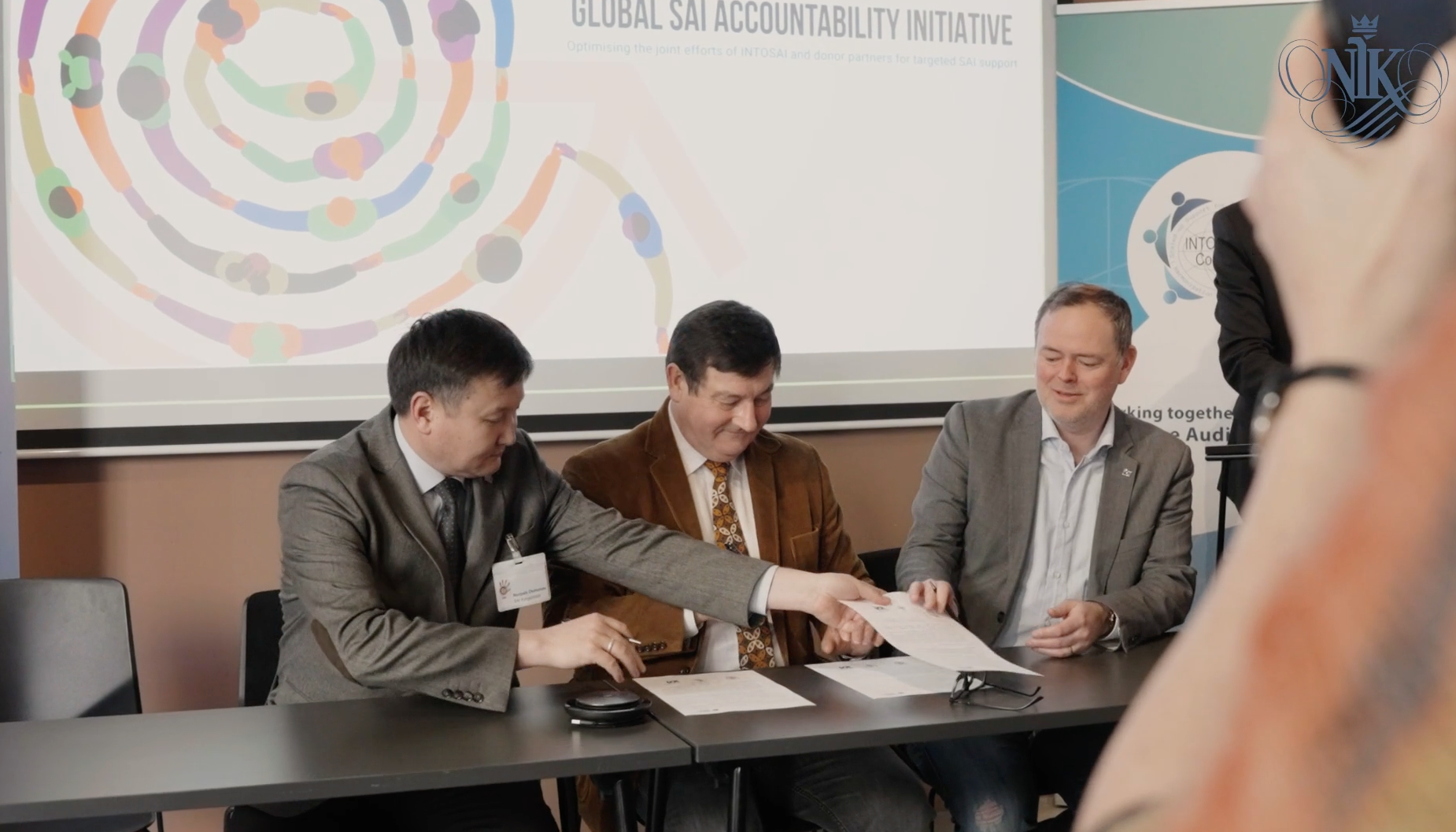
GSAI focuses on helping SAIs turn commitment into action. Launched in 2022 by the INTOSAI Development Initiative (IDI) and the INTOSAI-Donor Cooperation (IDC), it provides a framework for coordinated, long-term support in complex environments, aligning with the IDI Strategic Plan 2024–2029 and the IDC Strategy 2020–2030.
Through collaboration and peer learning, GSAI helps SAIs strengthen their oversight role and deliver lasting results across three core areas:
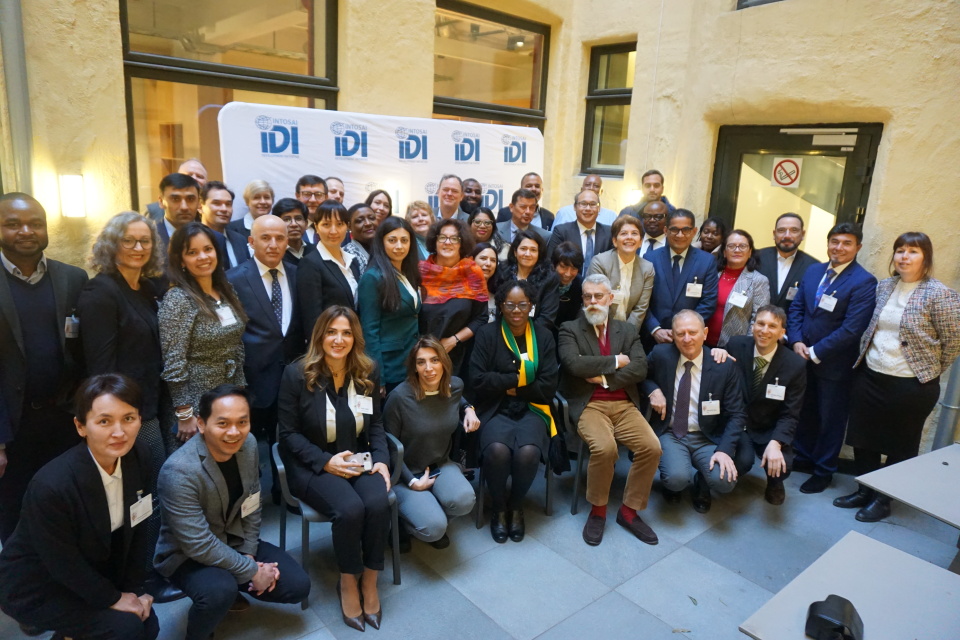


Collaboration is at the heart of GSAI. We work with Supreme Audit Institutions and development partners to strengthen oversight and build trust in the public sector.
Reach out at gsai@idi.no to explore how we can work together to make accountability count where it matters most.