ODS: auditoría de los ODS


ISAM 2024 represents a substantial update and revision of the pilot version published in 2020. It provides practical, step-by-step guidance to SAIs for auditing SDG implementation, including a revised definition of such audits and the identification of two main entry points—processes and programmes. The model emphasises policy coherence and a whole-of-government approach, while recognising the diversity of SAIs and the need for flexibility in national contexts.
The model offers guidance for conducting audits that comply with ISSAIs, enhance audit impact, and integrate multistakeholder engagement and the Leave No One Behind (LNOB) principle. It also highlights how SAIs can strategically plan for impact by embedding SDG implementation audits in their strategic and annual audit plans.
ISAM is also available in Arabic, French and Spanish.
Policy coherence is a core element of the 2030 Agenda, reflecting the integrated and interdependent nature of the SDGs. By promoting consistency across policies, institutions, and sectors, policy coherence enhances the effectiveness of public administration and the achievement of sustainable development outcomes.
The Policy Coherence Audit Framework serves as a practical guide to help auditors evaluate policy coherence within SDG implementation audits. Aligned with ISAM 2024’s two entry points—processes and programs—it provides guidance on scoping audits, formulating audit questions, and analysing coherence across policies. The framework clarifies key concepts, identifies relevant stakeholders, and highlights examples of government actions that promote national-level policy coherence. It complements the Leave No One Behind Audit Framework and supports SAIs in conducting impactful audits of SDG implementation.
The principle of Leave No One Behind (LNOB) lies at the heart of the 2030 Agenda and the SDGs, aiming to ensure inclusive and equitable outcomes for all. It calls for addressing inequalities in opportunities and access through targeted public policies and programmes and the efficient use of public resources. SAI work becomes especially valuable when SAIs expose disparities in access to public services—particularly for marginalised groups such as low-income communities, ethnic minorities, and rural populations.
The LNOB Audit Framework provides practical guidance to help auditors understand and assess the implementation of the LNOB principle. Anchored in ISAM 2024’s two key entry points—processes and programs—it offers sample audit questions, methods, and tools for scoping LNOB audits. The framework also supports SAIs in integrating LNOB considerations into their strategic audit planning and in enhancing the audit impact value chain.
INTOSAI Strategic Plan 2017-2022
The Moscow Declaration from the 2019 INTOSAI Congress (INCOSAI)
United Nations Department of Economic and Social Affairs’ (UNDESA) 2018 World Public Sector Report
The Evaluation and Management Guide by the GAO
What does it mean to leave no one behind? (UNDP Discussion Paper 2018)
Principles of Effective Governance for Sustainable Development (CEPA)

ISAM 2024 provides a practical ‘how-to’ guidance to SAIs for auditing SDG implementation. It also includes considerations on strategically planning for impact by including audits of SDG implementation in the SAIs’ strategic and annual audit plans. While focusing on policy coherence and a whole-of-government approach, ISAM recognises SAI diversity and provides guidance for conducting audits that comply with ISSAIs, contribute to SAI audit impact and mainstream multistakeholder engagement and the principle of leave no one behind.
ISAM 2024 contains a revised definition of an audit of SDG implementation and identifies two main entry points – process and programmes, for conducting audits of SDG implementation. It provides examples from the cooperative audits that piloted the previous version of ISAM (published in 2020): “Strong and Resilient Health Systems” (linked to SDG 3.d), “Sustainable Public Procurement Using Data Analytics” (linked to SDG 12.7), and “Audit of Elimination of Intimate Partner Violence Against Women” (linked to SDG 5.2). In total, these cooperative audits were carried out by 49 SAIs of 5 INTOSAI regions. The results and feedback from such pilots allowed for a comprehensive review of ISAM, which was conducted in 2023-2024 by IDI in collaboration with the United Nations Department of Economic and Social Affairs (UNDESA).
By the end of 2024, IDI will issue two audit frameworks on auditing policy coherence and auditing leave no one behind to supplement the guidance provided in ISAM 2024. The Arabic, French and Spanish versions of ISAM 2024 will also be available on our website by the end of 2024.
The pilot version of ISAM issued in 2020, in English, Arabic, French and Spanish, can be found here.
Please contact isam@idi.no if you have any questions.
The world faced an unprecedented health, humanitarian, and economic crisis due to the global outbreak of COVID-19. Alongside this pandemic, a long-standing and pervasive issue — the shadow pandemic of violence against women — was further exacerbated.
As societies confronted the impacts of COVID-19, it became increasingly relevant for Supreme Audit Institutions (SAIs) to examine how the crisis affected efforts to eliminate violence against women.
Click below to read more about SDG 5 (Achieve gender equality and empower all women and girls).
In line with its commitment to supporting audits of SDG implementation and promoting gender equality, the INTOSAI Development Initiative (IDI) supported the Office of the Auditor General of Uganda (SAI Uganda) in conducting a pilot audit on the Elimination of Intimate Partner Violence Against Women (EIPVW).
The audit examined the government’s progress towards achieving nationally agreed targets for eliminating intimate partner violence, in line with SDG Target 5.2 — Eliminate all forms of violence against women and girls. Its overall objective was to contribute to the elimination of intimate partner violence against women in Uganda.
Within this broader aim, the audit specifically sought to:

The audit framework was based on the pilot version of IDI’s SDGs Audit Model (ISAM 2020), which provided a structured approach for auditing SDG implementation, emphasizing a whole-of-government approach, policy coherence, multi-stakeholder engagement, and leave no one behind. After this and the other pilot audits, ISAM was updated and published as ISAM 2024.
As nations responded, the critical importance of national public health systems—and their capacity to detect and respond to health risks—became evident. The pandemic underscored the need for strong and resilient public health systems, an integrated approach, and attention to inequalities that leave vulnerable populations behind. These issues called for SAI examination and accountability efforts.

SAIs examined government efforts to strengthen capacities for early warning, risk reduction and management of national and global health risks (in line with SDG target 3.d). This cooperative Audit of Strong and Resilient National Public Health Systems (linked to SDG 3.d) was supported by IDI, in partnership with INTOSAI Knowledge Sharing Committee (KSC), INTOSAI Regions (ASOSAI, ARABOSAI and CAROSAI) and the World Health Organization (WHO).
The cooperative audit aimed to contribute to strong and resilient national public health systems that lead to good health and well-being for all. A key outcome sought was more equitable access to public health services and greater prioritization of vulnerable groups, including women, persons with disabilities, and the poor.



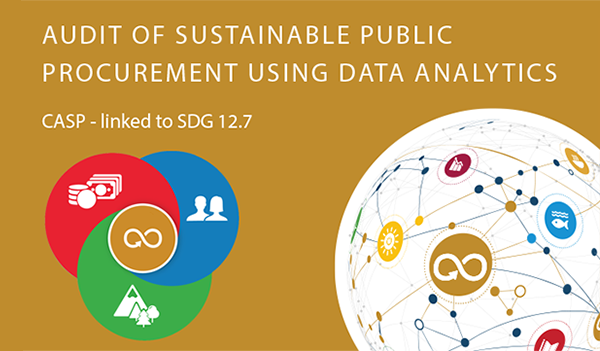
In many countries, procurement is one of the most significant expenditure segments in the public sector, and SAIs from OLACEFS have historically considered public procurement to be an area of major interest. A transparent and efficient public procurement practice helps optimise the use of scarce public resources and contributes to a country’s sound public financial management.
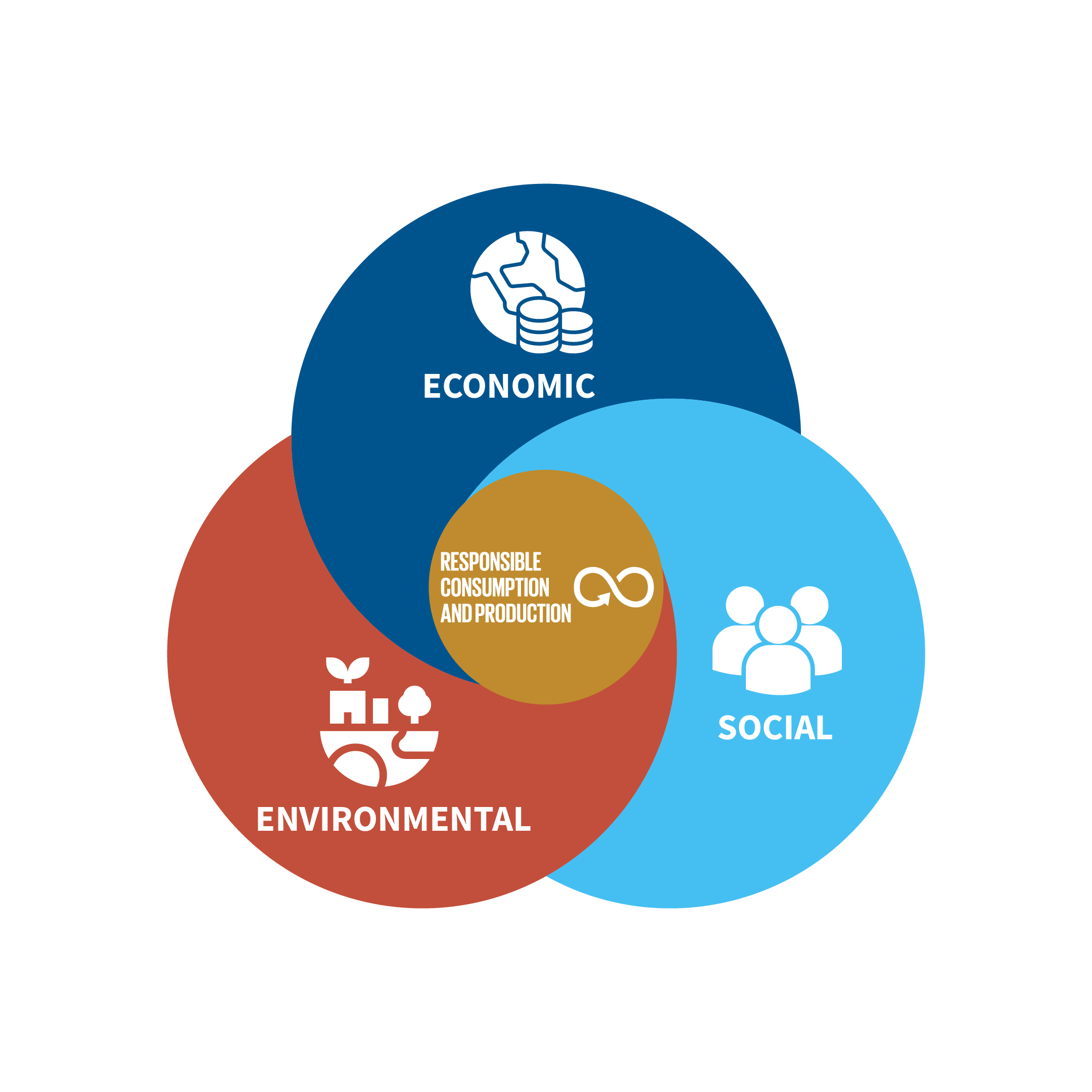
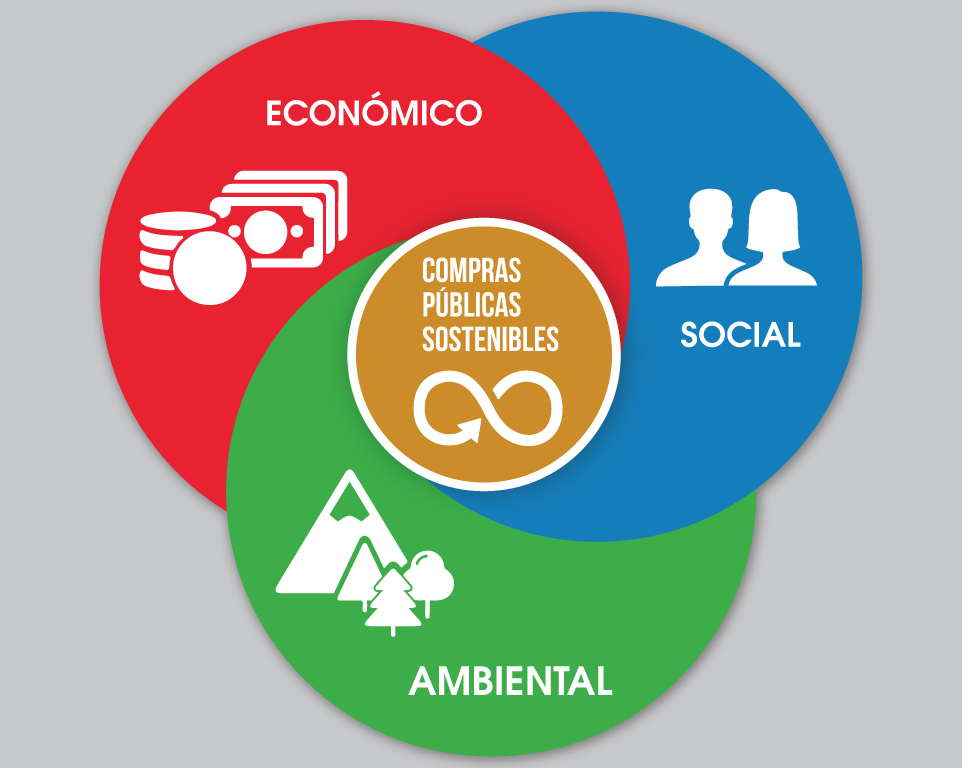
In recent years governments, legislation and tendering processes have also taken into account the sustainability angle of public procurement – economic, social and environmental. Add to that the unprecedented health, humanitarian and economic crisis that the world and the region faced due to the global outbreak of COVID-19, and the crucial role that procurement systems play, and it became highly relevant to consider the resiliency of such systems.
The immense relevance of strong and resilient public procurement systems, the importance of an integrated approach, the sharpening of inequalities during the pandemics and fears of vulnerable sections being left behind are all issues that require SAI enquiry. One of the ways in which SAIs could provide a relevant audit response to these challenges was to examine government efforts to strengthen capacities for developing strong, resilient and sustainable public procurement practices (SDG target 12.7).

Within this overall objective, key outcomes would be to see a shift in the procurement regulations and practices towards sustainability, considering its three dimensions (economic, social and environmental), an extended use of the life cycle procurement concept – as opposite to the lowest price traditional approach – and prioritization of vulnerable venders and suppliers businesses e.g. ran or integrated by women, people with disabilities, indigenous groups, etc.
SAI Costa Rica is the regional coordinating SAI

Following the preparedness audits, SAIs recognised the need to shift their focus to the actual implementation of the SDGs. To facilitate this transition, in 2020, IDI developed and published the pilot version of the IDI SDGs Audit Model (ISAM 2020).
Subsequently, IDI offered professional education and audit support to 49 SAIs in five INTOSAI regions to carry out performance audits of SDG implementation, piloting ISAM 2020. Drawing on the lessons learned and extensive feedback from these pilots, ISAM was updated and officially launched in 2024.