September 15 – October 24, 2025

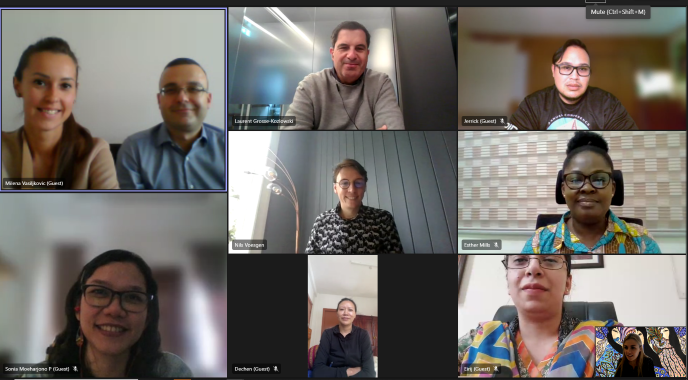
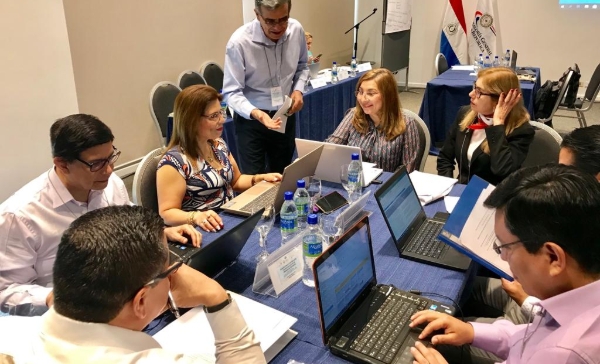
SPMR IV Operational Planning E-learning course – OLACEFS

SPMR IV Operational Planning E-learning course – OLACEFS

15 September – 24 October, Online

DATE
TIME
LOCATION
Online

Initiative

SPMR – Strategy, Performance Measurement and Reporting.

Topics

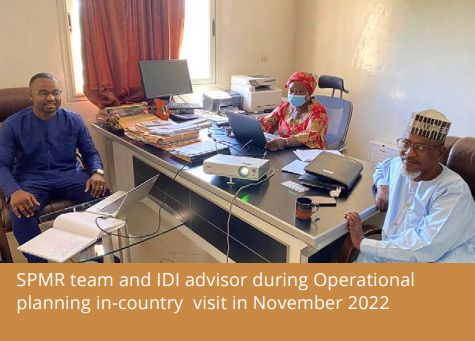
Chad

Chamber of Accounts of Chad

Demonstrating SAI’s resilience through leadership’s commitment for enhanced strategic management, in a particularly challenged context.

An unstable political and institutional context: a starting challenge for the SAI
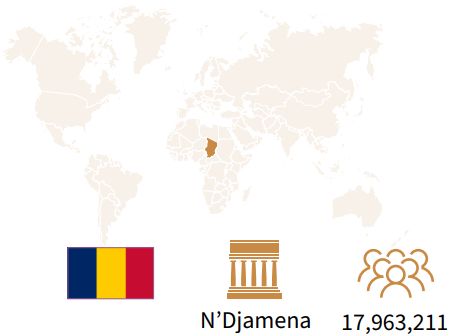
The last few years have not been a bed of roses for the SAI of Chad, particularly from an institutional point of view. Following the resolutions of a National Inclusive Dialogue earlier in 2018, constitutional reform relegated the young Court of Accounts established in 2013 to the rank of a chamber within the Supreme Court, along with other institutions inherited from the 1996 constitution such as the constitutional council. Among other things, this process of institutional adjustments was intended to bring about the reforms necessary to strengthen democracy and the rule of law, through rationalising the public institutions’ landscape. In effect, however, it limited the possibilities of an independent and effective external oversight of public management, firstly by downgrading the positioning of the SAI, and then by significantly limiting its room to maneuver, given increased constraints in human, material, and financial resources.

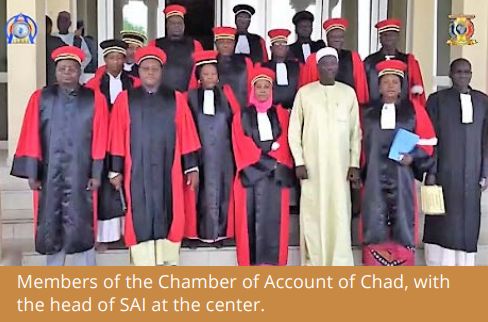
In a national environment characterised by chronic institutional instability and increasing insecurity since the accession of the country to national sovereignty from a French colony in 1960, and especially over recent years with the terrorist threat, it might have seemed extremely ambitious to expect a strong response from the SAI. However, this was without considering the will and the fortitude of the Head of the SAI, Mrs. Zara Brahim Mahamat Itno. Thanks to a strategic approach to mobilising the SAI’ stakeholders, and despite the institution’s lowlier status and unfavorable circumstances, she was able to uphold the SAI’s cause among the Chadian institutions that make themselves heard among different groups of interested stakeholders both nationally and internationally, and whose voices count.


 

We are conscious of expectations on our SAI in terms of work to be carried out. For this, an efficient implementation and monitoring of the new strategic plan developed under the SPMR Initiative, will be necessary.


Mrs Zara Brahim Mahamat Itno, President of SAI of Chad

We are conscious of expectations on our SAI in terms of work to be carried out. For this, an efficient implementation and monitoring of the new strategic plan developed under the SPMR Initiative, will be necessary.

Mrs Zara Brahim Mahamat Itno, President of SAI of Chad


A first action which demonstrated SAI’s leadership engagement for greater independence was the Chamber’s adherence to the process initiated in August 2018 and endorsed by the IDI Board chair. The process was to develop and issue the Statement of Concern, inviting Chadian authorities in this new institutional scheme to pay necessary attention to preserving the independence of the SAI to enable it to contribute effectively to public sector accountability, as well as democratic and governance progress of the country. This declaration, the first of its kind, was a precursor to formalising the IDI SAI Independence Rapid Advocacy Mechanism (SIRAM).


Based on this declaration and continuing in the same vein, the head of SAI then took advantage of the Stakeholder Engagement Strategy developed under the previous IDI ‘SAIs Engaging with Stakeholders initiative (SES)’ in 2019, to mobilise and unite the SAI’s technical partners, donors, and civil society supporters around a shared interest: a strong and independent SAI endowed with the necessary resources for effective external control of public finance management.

It was in this context that SAI of Chad embarked on the SPMR Initiative from 2020. SPMR provided an additional opportunity to boost the development efforts from SAI leadership to achieve a sustainable transformation of the organisation. After the diagnosis of the current state of the SAI was established using the SAI PMF (Performance Measurement Framework), based on international standards and good practices (first step of the SPMR process), the results of the assessment were used to inform the development of the SAI’s new strategic plan.


This process had hardly been launched when the SAI was plunged back into a period of uncertainty, following the sudden passing away of the Head of State in tragic conditions in April 2020. This led to the establishment of the current Military National Transition Council and to the opening of a new National Dialogue looking towards new institutional reforms. One of the important resolutions to emerge from the reform will be the reversion of the SAI to its previous status of ‘Court of Accounts.’


Seizing this new opportunity, the SAI will relaunch its strategic planning process, which so far has remained dependent on clarifying the legal and Institutional status of the SAI. With this clarification completed in the return to being the Court of Accounts, the SAI’s strategic management process – supported by the IDI – has finally led during the year 2022 to the finalisation of the 2023-2027 Strategic plan, together with the development of the first annual operational plan.

A strategic management process with ambitions adapted to the context of the SAI – meeting current and future challenges in a sustainable manner
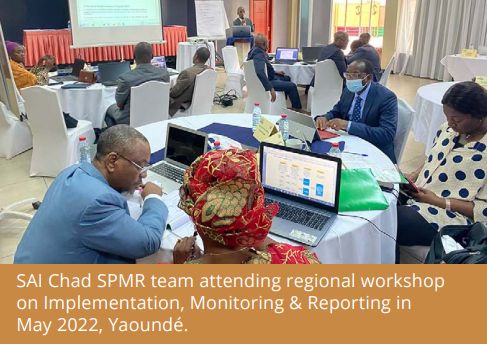
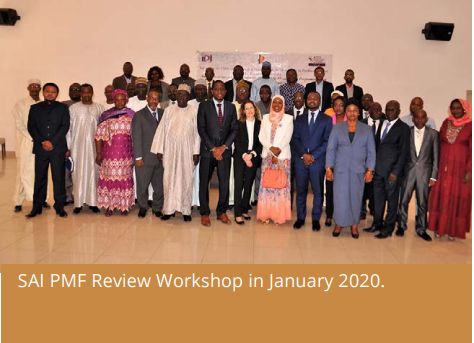
To meet the challenges and achieve the desired change, the SAI developed a strategic plan for 2023 – 2027 with realistic ambitions that include results to be achieved based on five strategic priorities. Strategic priority 1 is about upgrading the legal and institutional framework of the SAI to provide it with full legal means for effectively fulfilling its mandate, which was expanded after the last reform with the extractive sector. Priority 2 aims to enable the SAI to ensure the fullness of its mandate. Priorities 3, 4 and 5 should contribute respectively to the qualitative and quantitative improvement of staffing, to the enhancement of internal governance practices including ethics, as well as to a more effective collaboration with stakeholders. Thanks to the SAI’s first annual operational plan that was recently developed, implementation of the new strategic plan has already started.


All other things being equal, if SAI Chad pursues its efforts in the same vein, it should then be able to position itself in a sustainable manner in the accountability ecosystem of the country as a credible audit institution which pays due attention and respond effectively to the increasing demand for public sector accountability from its stakeholders, including citizens. To this end, continued support from technical and financial partners and peers will remain crucial, beyond the participation of the SAI to the SPMR and to other IDI interventions and the positive results they can contribute to.
AUTHOR

columnAlain Memvuh is a Manager SAI Governance at the IDI. He is the IDI regional manager for CREFIAF sub-region, which is the INTOSAI sub-regional group of French speaking SAIs in Sub-Saharan Africa. As such, he is part of the IDI team in charge of the SPMR initiative in the region since 2019.
Chamber of Accounts of Chad

Initiative

SPMR – Strategy, Performance Measurement and Reporting.

Topics

SAI Story

SPMR – Strategy, Performance Measurement and Reporting

News

CREFIAF SPMR Knowledge Sharing Workshop – SAIs reflect and share experiences on support received over the last four years in Strategic Management
01/06/2023
CREFIAF SPMR Knowledge Sharing Workshop – SAIs reflect and share experiences on support received over the last four years in Strategic Management
Read more
Eight more SAIs begin their SPMR journey towards stronger strategic management
18/11/2021
Eight more SAIs begin their SPMR journey towards stronger strategic management
Read more
SPMR – Implementation, Monitoring & Reporting Workshop in Yaoundé, Cameroon, 4 -10 Mai 2022
17/06/2022
SPMR – Implementation, Monitoring & Reporting Workshop in Yaoundé, Cameroon, 4 -10 Mai 2022
Read more
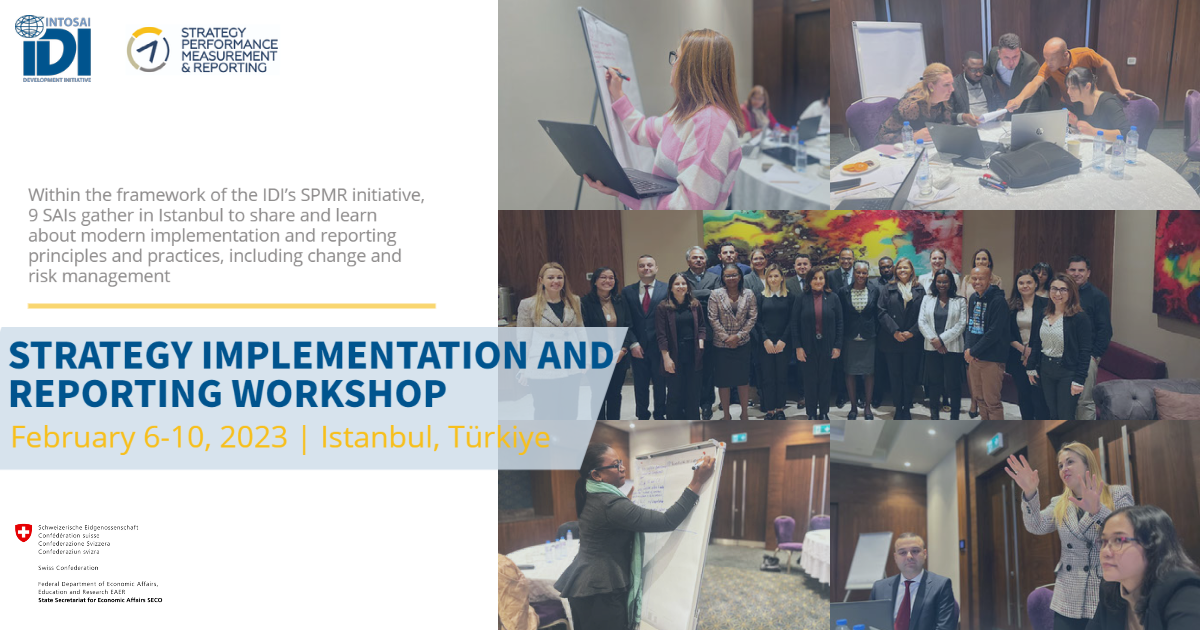
SPMR Round 2 participant SAIs gather in Istanbul at the Strategy Implementation and Reporting workshop, 6-10 February 2023
16/02/2023
SPMR Round 2 participant SAIs gather in Istanbul at the Strategy Implementation and Reporting workshop, 6-10 February 2023
Read more
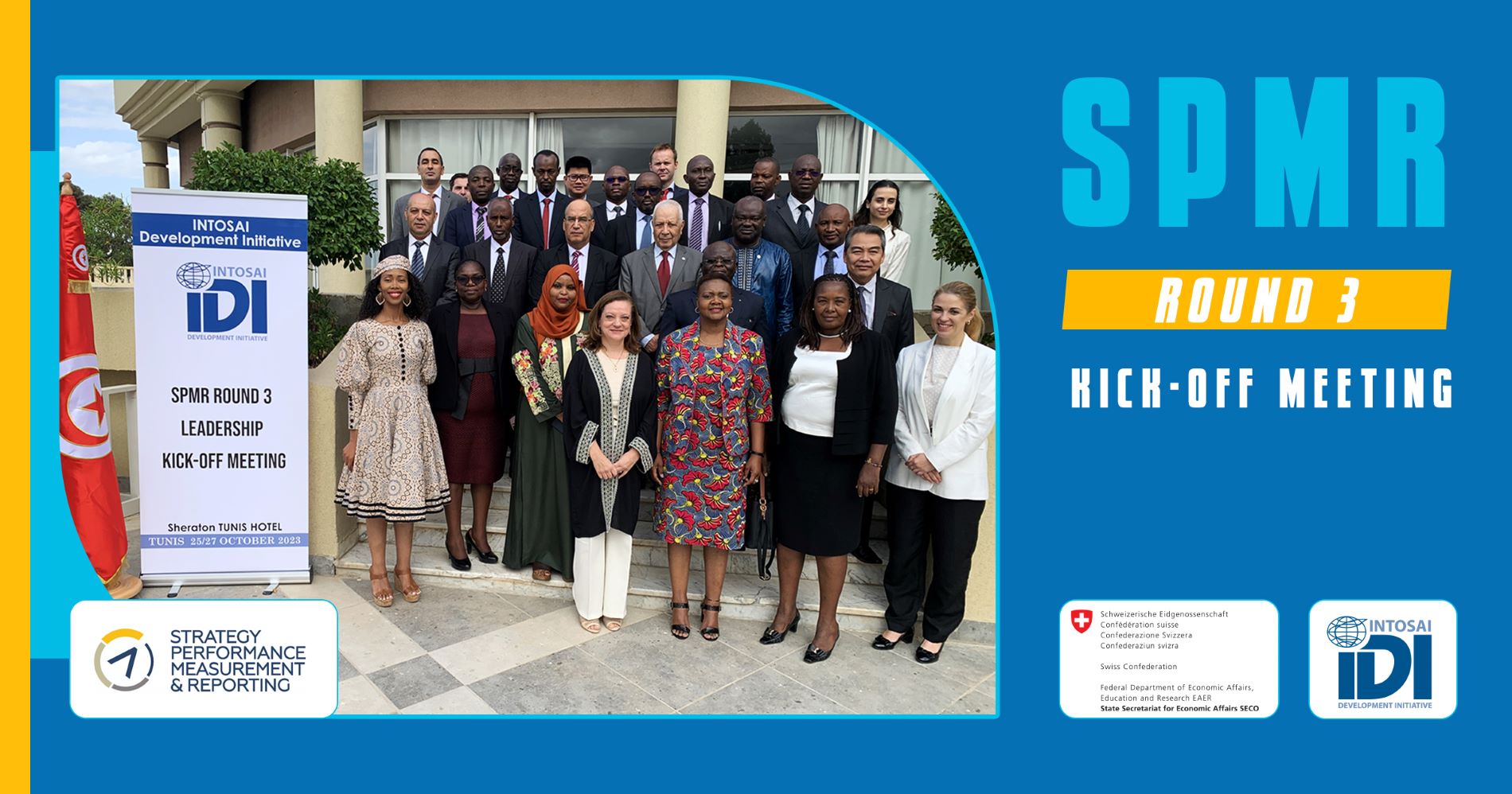
SPMR Round 3 – Kick-Off Meeting in Tunisia, October 25-27, 2023
13/11/2023
SPMR Round 3 – Kick-Off Meeting in Tunisia, October 25-27, 2023
Read more
SPMR Workshop on Assessing Performance Using SAI PMF in OLACEFS
18/11/2019
SPMR Workshop on Assessing Performance Using SAI PMF in OLACEFS
Read more
SPMR: Completion of the Operational Planning e-Learning course in OLACEFS
19/05/2021
SPMR: Completion of the Operational Planning e-Learning course in OLACEFS
Read more
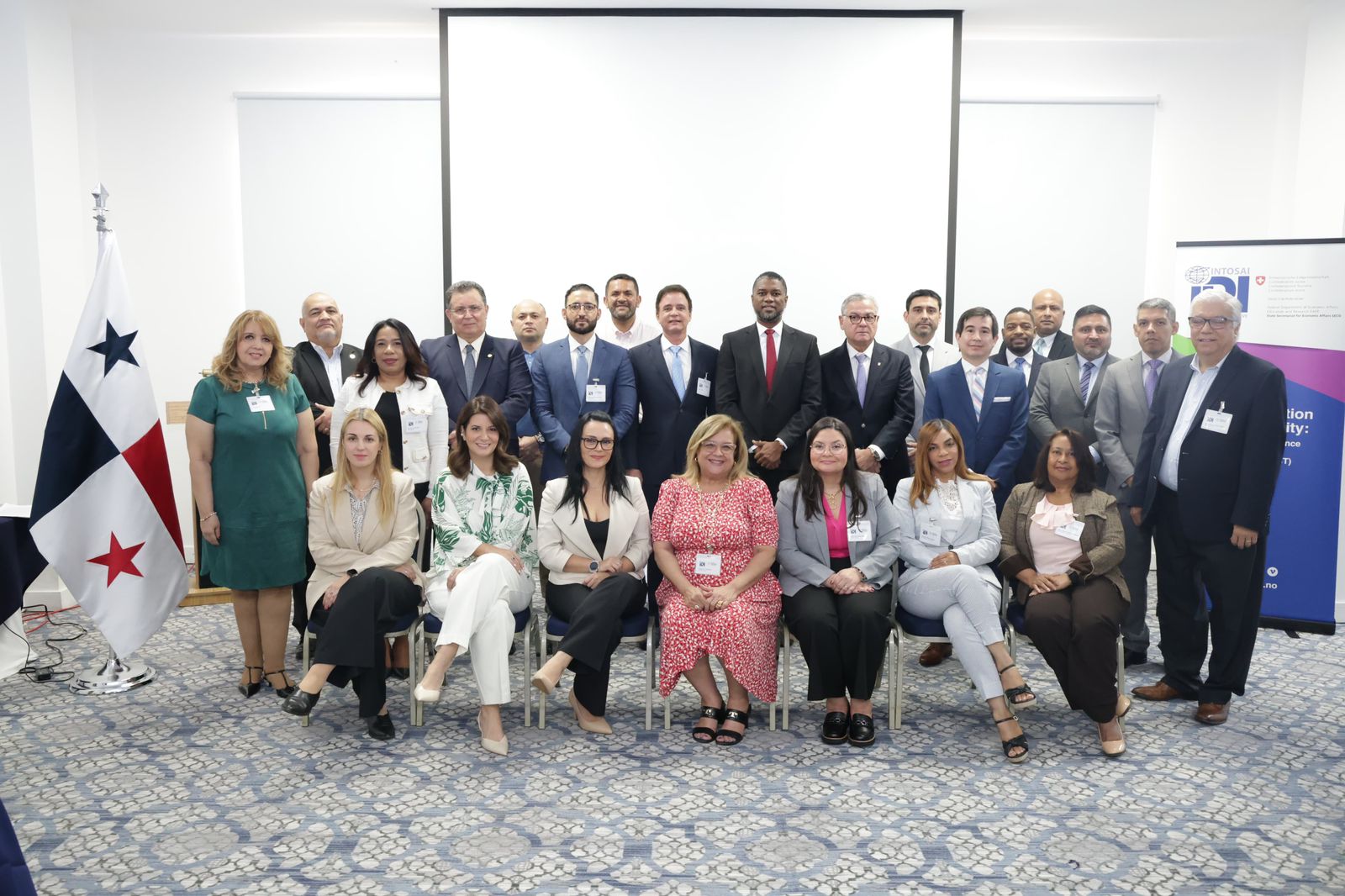
Strategic Management, Performance Measurement, and Reporting (SPMR) Initiative – High-Level Workshop in Panama City, Panama, October 21-22, 2024
30/10/2024
Strategic Management, Performance Measurement, and Reporting (SPMR) Initiative – High-Level Workshop in Panama City, Panama, October 21-22, 2024
Read more
The IDI SPMR Implementation and Reporting eLearning course is taking place
25/02/2021
The IDI SPMR Implementation and Reporting eLearning course is taking place
Read more

SPMR – Strategy, Performance Measurement and Reporting

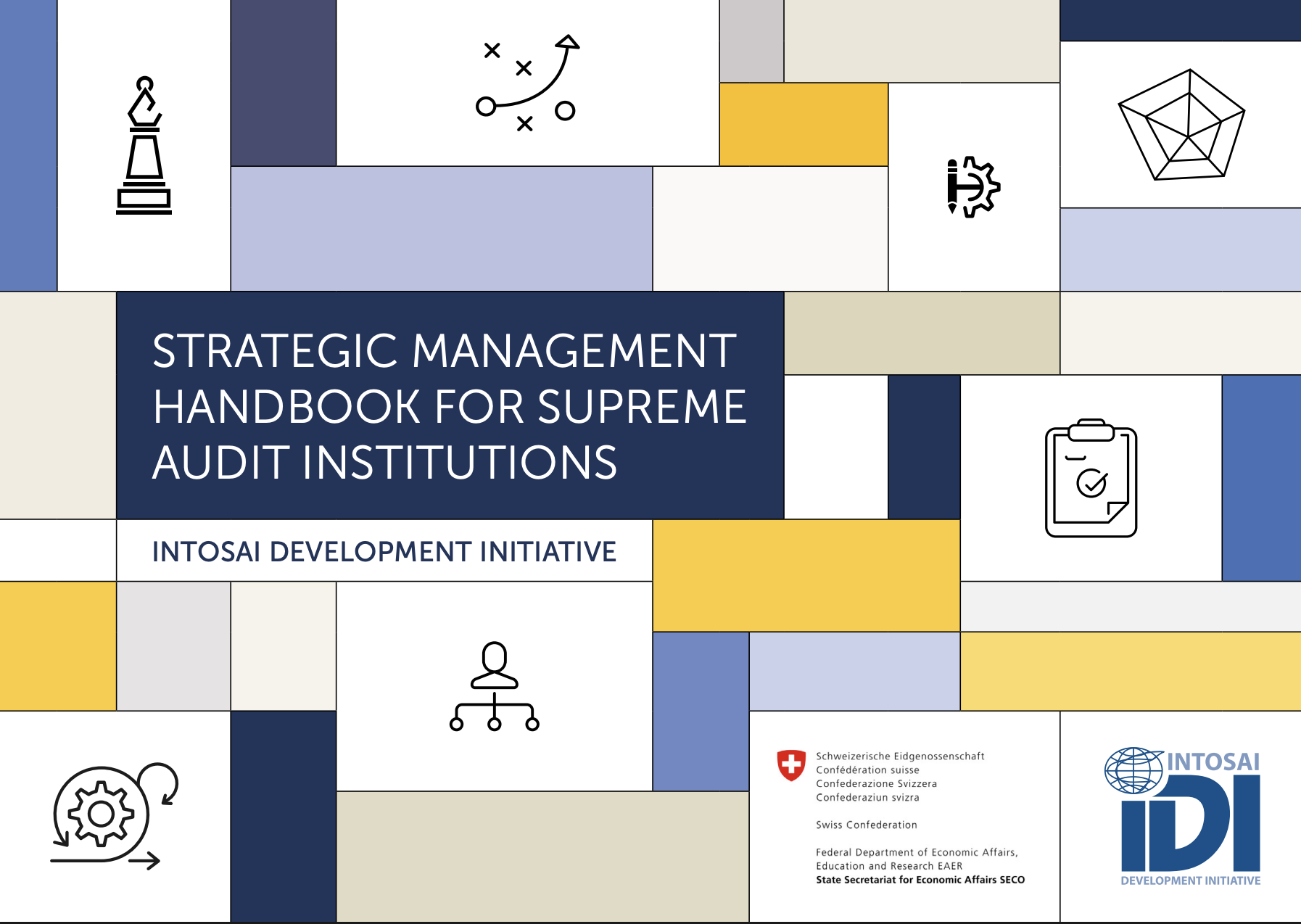
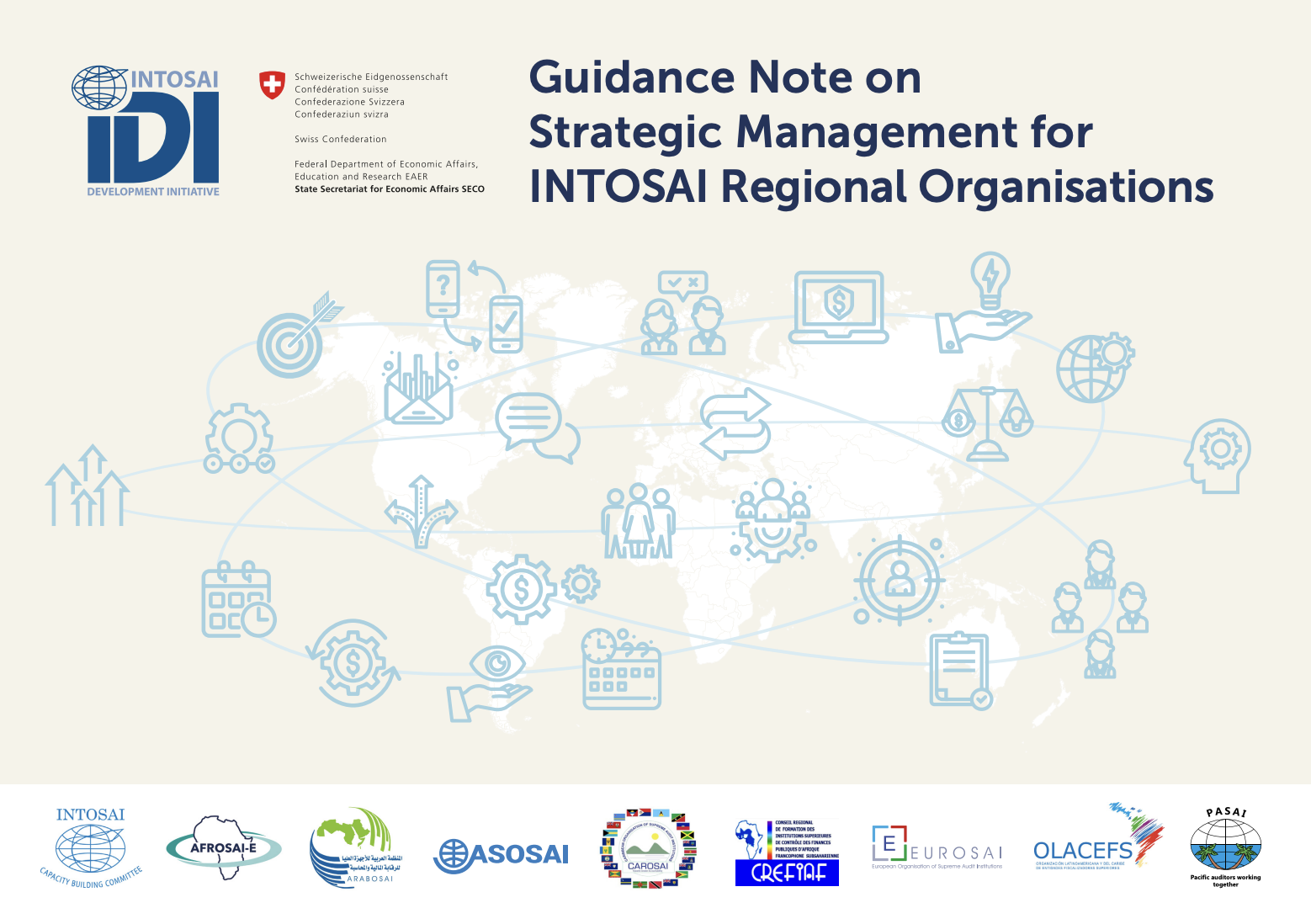
At the heart of SPMR are two flagship publications designed to strengthen strategic management in the audit community: the SAI Strategic Management Handbook and the Guidance Note on Strategic Management for INTOSAI Regional Organisations. More than reference documents, these are practical, adaptable guides you can use, even if your SAI or region is not (yet) an official SPMR partner.

SAI Strategic Management Handbook

The SAI Strategic Management Handbook offers step-by-step, user-friendly guidance through the full strategic management cycle: from assessing current performance to developing strategy, operational planning, monitoring, and reporting. Even if your SAI is not formally in the SPMR programme, this handbook is freely available and ready to use or adapt. It can serve as your foundation for strengthening institutional capacity and integrating strategy with implementation.

Why it’s valuable:

  • Holistic approach: It goes beyond strategic planning. It helps you embed strategy into your day-to-day operations, linking your vision to practice.
  • Built-in tools and templates: The handbook includes formats, illustrations and annexes to help you apply each step in your own context.
  • Adaptable to all SAIs: Whether your institution is just beginning a strategy process or already has mature systems in place, the handbook supports different levels of capacity.
  • Quality assured and widely used: The handbook has undergone rigorous quality assurance and public exposure rounds.

The handbook is available in Arabic, French and Spanish.

Guidance Note on Strategic Management for INTOSAI Regional Organisations

Regional bodies play a unique role, serving as conveners, facilitators, knowledge hubs, and capacity builders for their member SAIs. The Guidance Note on Strategic Management for INTOSAI Regional Organisations is targeted to this role, helping regions align their strategic work with the performance and value chains of their member SAIs.

What makes it special:

  • Tailored to the regional level: It lays out a framework and principles bespoke for regional organisations, showing how strategic functions in a regional body can support SAI performance across its membership.
  • Interlinked perspective: The guidance draws explicit links between the regional and SAI value chains, encouraging coherence across levels.
  • Adaptability and benchmarking: It provides examples and reference points from the INTOSAI community that regional organisations can use to benchmark, localise, and improve their strategic processes.
  • Open access: Like the handbook, the guidance note is publicly available for any INTOSAI regional organisation to use, whether or not it participates in SPMR.

SPMR – Strategy, Performance Measurement and Reporting

Strong strategic management is essential for Supreme Audit Institutions (SAIs) that want to make a real difference. While many SAIs have strategic plans, fewer use them as living tools to guide decisions, manage performance, and demonstrate results. Without strong links between strategy, operations, and performance measurement, SAIs risk missing opportunities to maximise their impact and strengthen public trust.

The Strategy, Performance Measurement and Reporting (SPMR) initiative helps SAIs close this gap. It provides practical tools, training, and hands-on support to strengthen strategic management and leadership. Through SPMR, SAIs learn how to assess where they stand, plan strategically, manage implementation, and measure and report on performance. By embedding strategic management into day-to-day work, SAIs can make informed decisions, demonstrate value, and promote good governance in a complex and rapidly changing world.

The SPMR Initiative helps your SAI to:

1. Assess its Performance

Use evidence and stakeholder perspectives to understand where you are now.
  • Carry out a performance assessment using the Supreme Audit Institution Performance Measurement Framework (SAI PMF) assessment tool to measure institutional, organisational, and professional strengths and weaknesses.
  • Conduct a stakeholder analysis to identify expectations, influence and relationships with external actors.
  • Include a gender analysis to understand how the SAI’s work affects, and is affected by, gender dynamics.

2. Develop its Strategic Plan

Translate assessment findings into a roadmap for the future.
  • Lead the development or updating of a strategic plan that is evidence-based and tailored to your context.
  • Receive intensive support via workshops, advisory input and individual assistance to shape strategy, priorities, and linkages.
  • Define a results framework with clear outcomes, objectives, and indicators to guide planning, resource allocation, and performance tracking.

3. Implement A Strategic Vision

Make your strategy actionable and bring it into everyday operations.
  • Translate the strategic plan into annual operational plans, functional plans, and work programmes.
  • Access e-learning modules and receive tailored support in developing holistic and operational plans.
  • Learn to use practical tools such as to manage day-to-day implementation.

4. Monitor Progress and Report on Performance

Close the loop by tracking and showing what you deliver.
  • Establish a monitoring framework with realistic, relevant indicators, baselines, targets, and data collection plans.
  • Carry out regular progress reviews and adjust implementation as needed, based on evidence and feedback.
  • Report on results, internally and externally, showing how the SAI is contributing to oversight, accountability, and public value.

How does SPMR deliver results?

Strategic management is evolving — and so are SAIs. Through SPMR, Supreme Audit Institutions are moving from plans on paper to strategies that drive real decisions, shape performance, and show measurable results. The initiative helps SAIs connect the dots between strategy, operations and reporting, making them more agile, accountable and forward-looking.

A key part of SPMR’s success lies in the practical tools it provides. One of these is the SPMR Strategic Management Manual, a state-of-the-art guide that helps SAIs apply good strategic management practices in their own context.

By combining evidence, practical tools, and hands-on learning, SPMR helps SAIs strengthen leadership, improve governance, and deliver greater value for citizens.

Our Impact
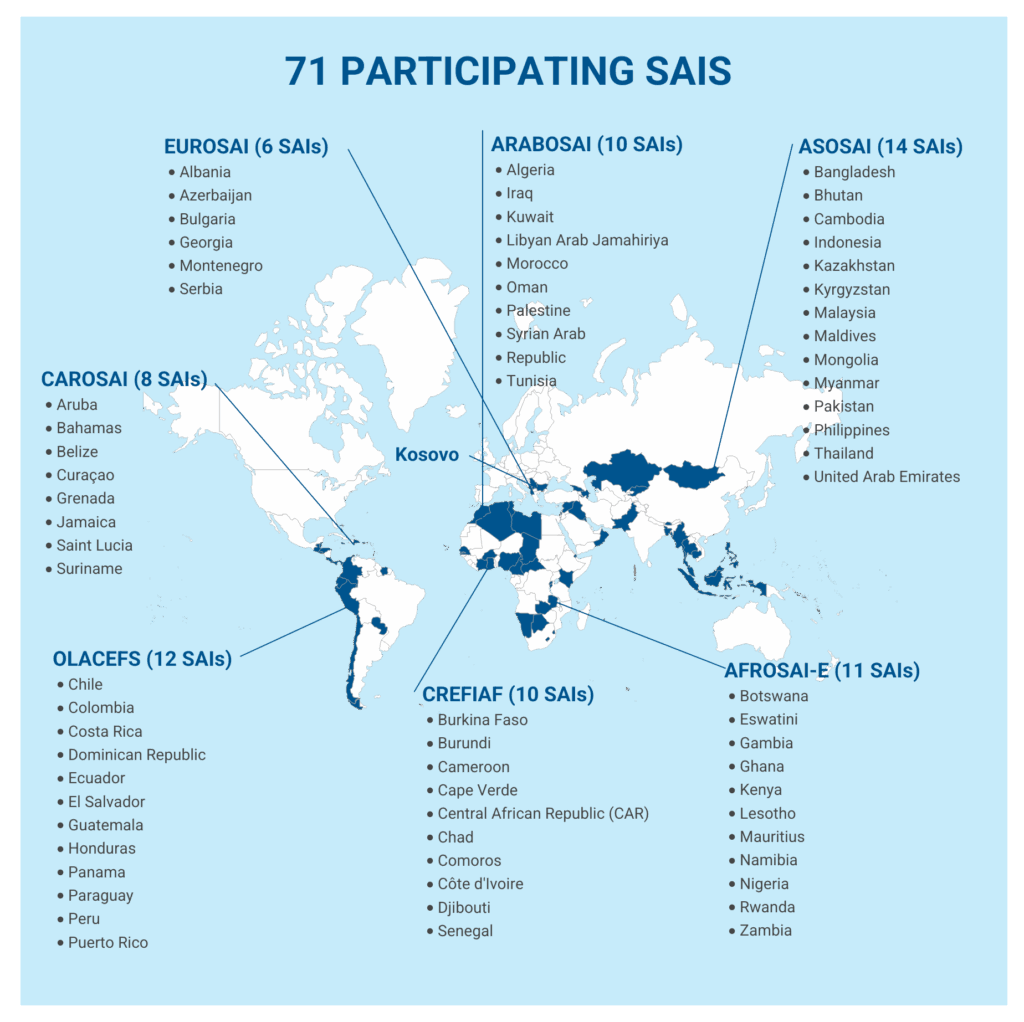
71
Participating SAIs
45
SAI PMF  final reports
43
Final strategic plans
30
Annual performance reports

Where We've Worked

Five years of SPMR: See How SAIs Are Turning Strategy into Results!

Five years of SPMR: See How SAIs Are Turning Strategy into Results!

Supporting Partner for SPMR

The SPMR initiative is financially supported by the Swiss State Secretariat for Economic Affairs (SECO).

Contact Us

Explore our latest tools, stories, and results and see how strategic management is helping SAIs worldwide strengthen governance and accountability.

Interested in getting involved in the Strategy, Performance Measurement and Reporting (SPMR) Initiative? Find out more about how your SAI can be part of the journey by contacting spmr@idi.no

Download
Download
Download
Download
Download