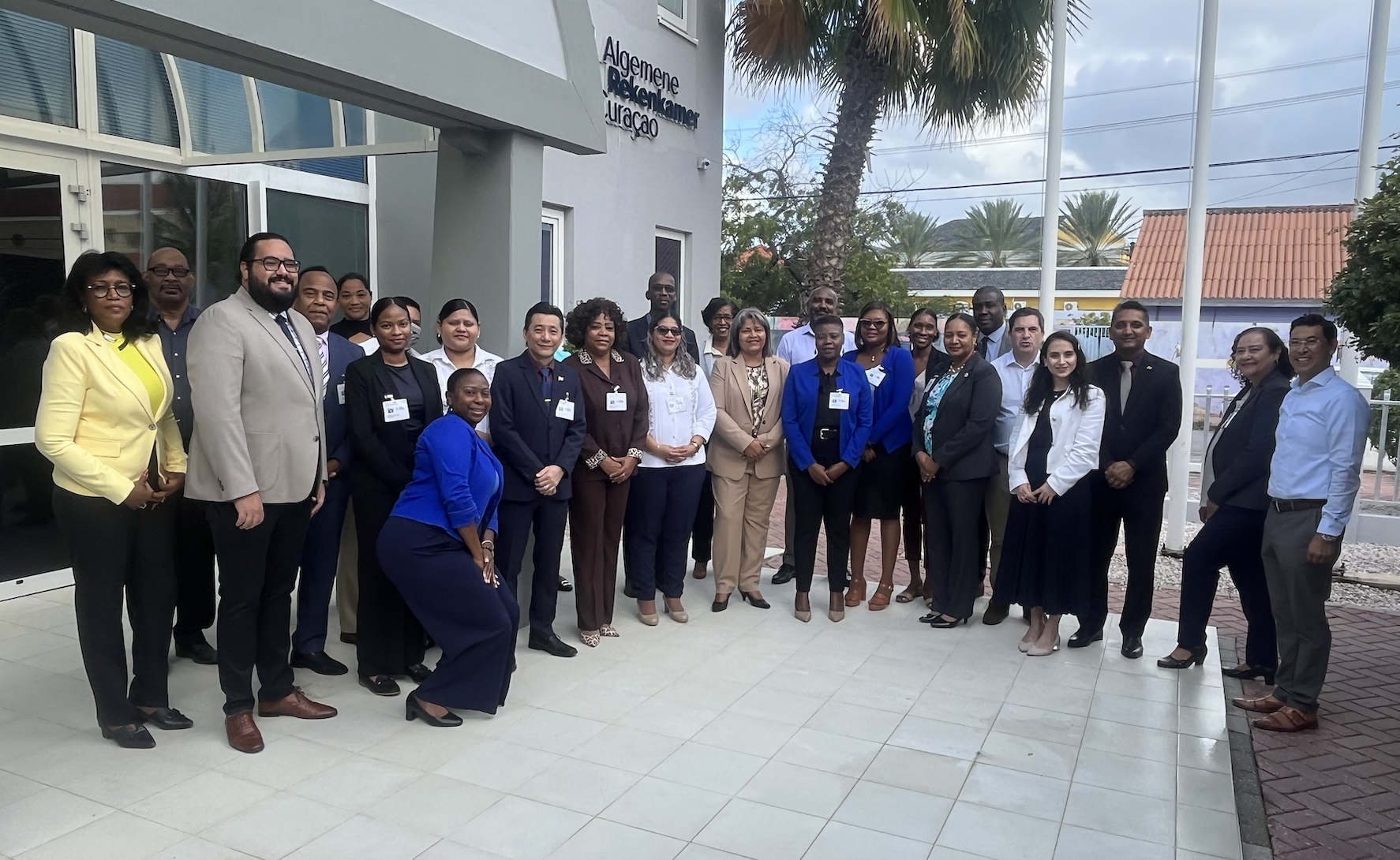
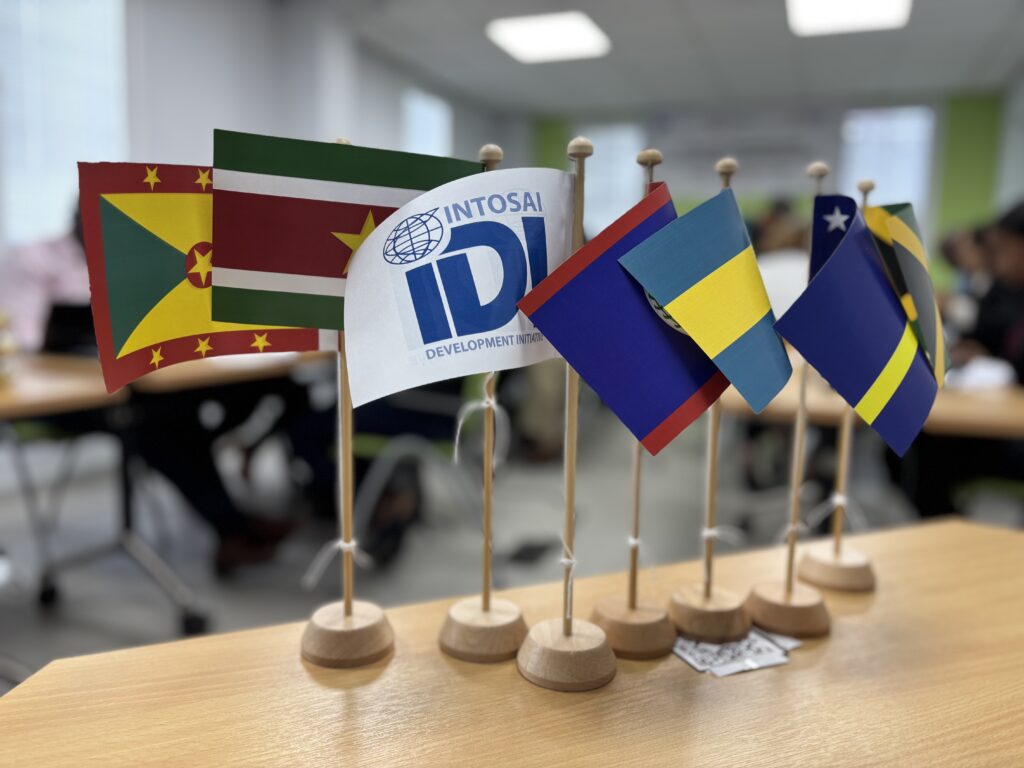
A well-defined strategy is the backbone of a high-performing Supreme Audit Institution (SAI). Without it, institutions risk becoming inefficient, uncoordinated, and unable to fulfil their mission of strengthening transparency and accountability. Recognising this, INTOSAI Development Initiative (IDI) launched the fourth round of the Strategy, Performance Measurement, and Reporting (SPMR) initiative in CAROSAI from 3-7 February 2025, bringing together Heads of SAIs and team leaders from the Bahamas, Belize, Curaçao, Grenada, Jamaica, and Suriname. Hosted by SAI Curaçao in Willemstad, this workshop set the stage for these institutions to develop strong strategic plans that drive meaningful change.
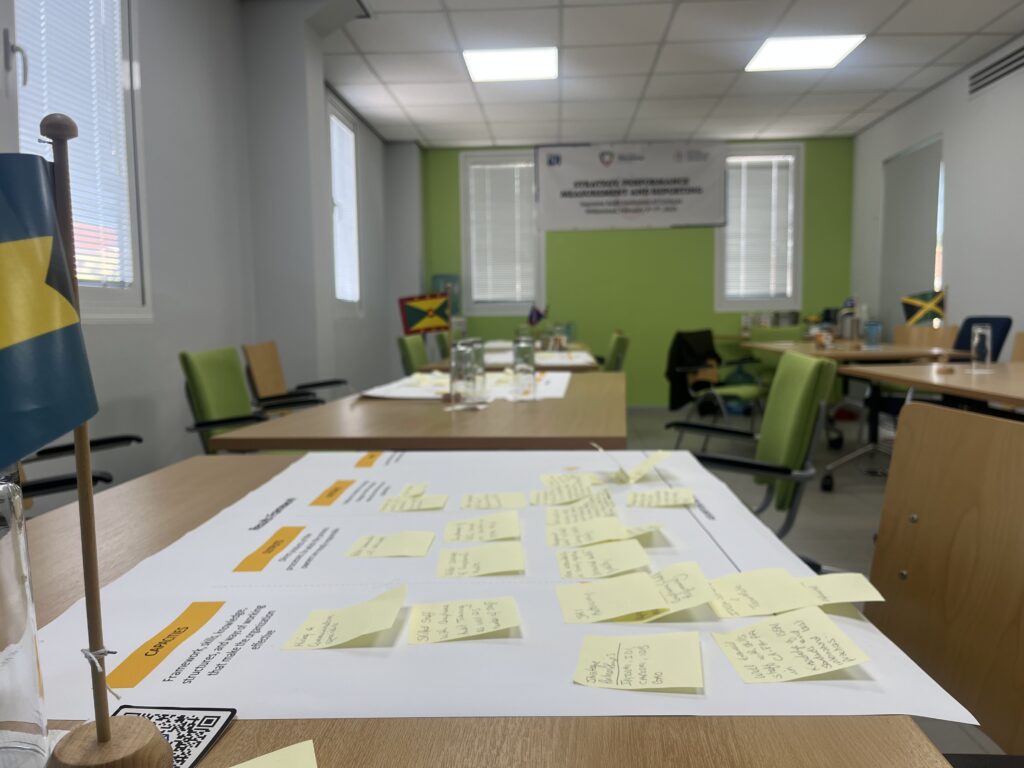
During the workshop, participants discussed the disadvantages of working without a strategic plan, which can cause “frustration,” “disorganisation,” and even “organisational chaos.” Without a clear direction, SAIs struggle to allocate resources effectively, set priorities, and measure their performance. These challenges weaken their ability to hold governments accountable and ensure public funds are used effectively.
To counter this, discussions focused on key elements of strategic planning, including:
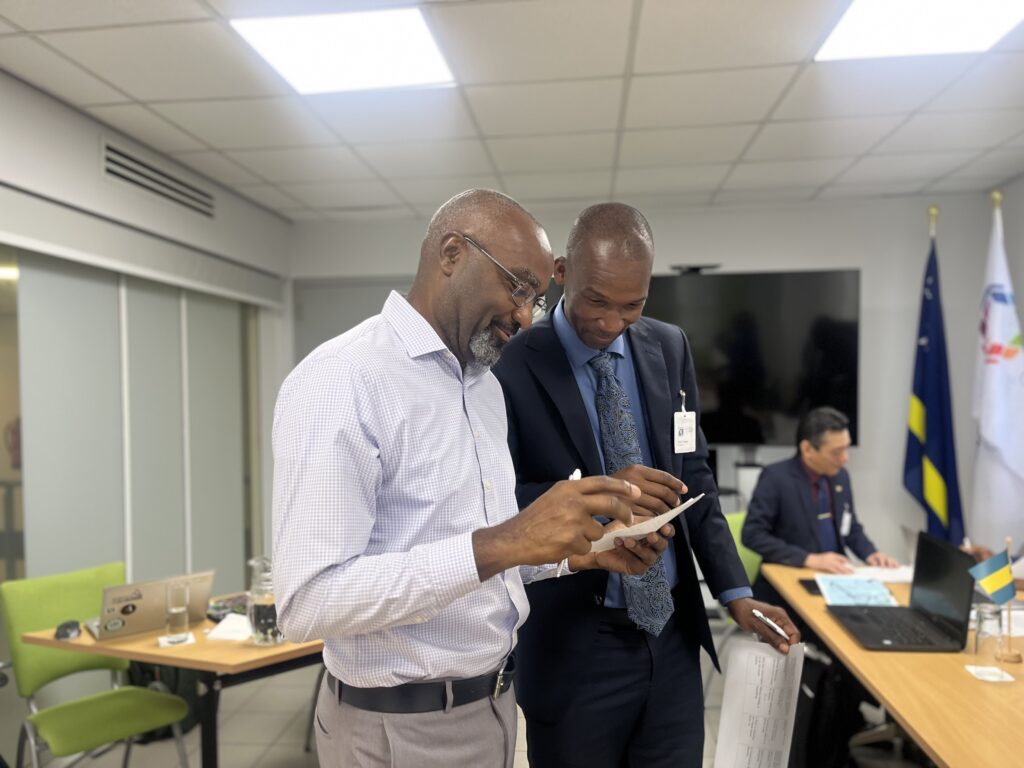
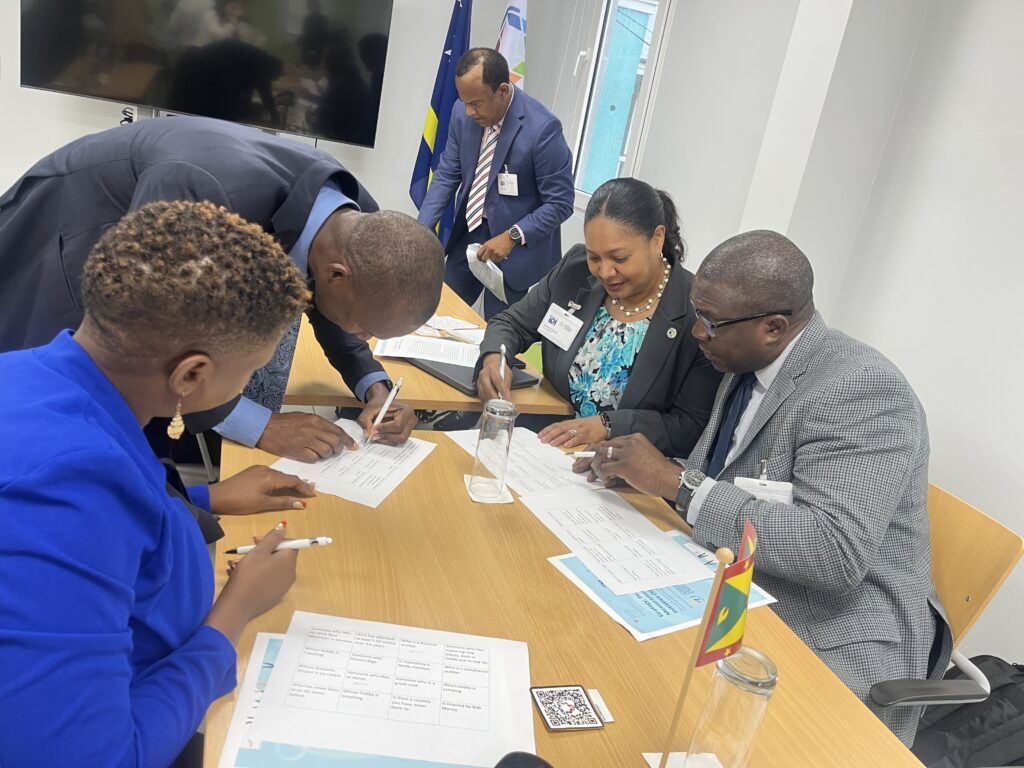
Guided by the IDI Strategic Management Handbook, participants worked through essential steps for building an effective strategy. They examined how to:
This workshop is just the first step. SAIs will now refine their strategic plans and move into operational planning, performance monitoring, and reporting—ensuring their strategies translate into real-world impact. By the end of the initiative, each participating SAI will have a roadmap that not only guides their internal decision-making but also strengthens their role as independent oversight bodies.
One of the key highlights of the event was the opportunity for SAIs to learn from each other. Participants exchanged ideas, shared challenges, and collaborated on solutions tailored to their unique national contexts. The peer-learning approach fostered a sense of shared responsibility for improving governance and accountability across the region.

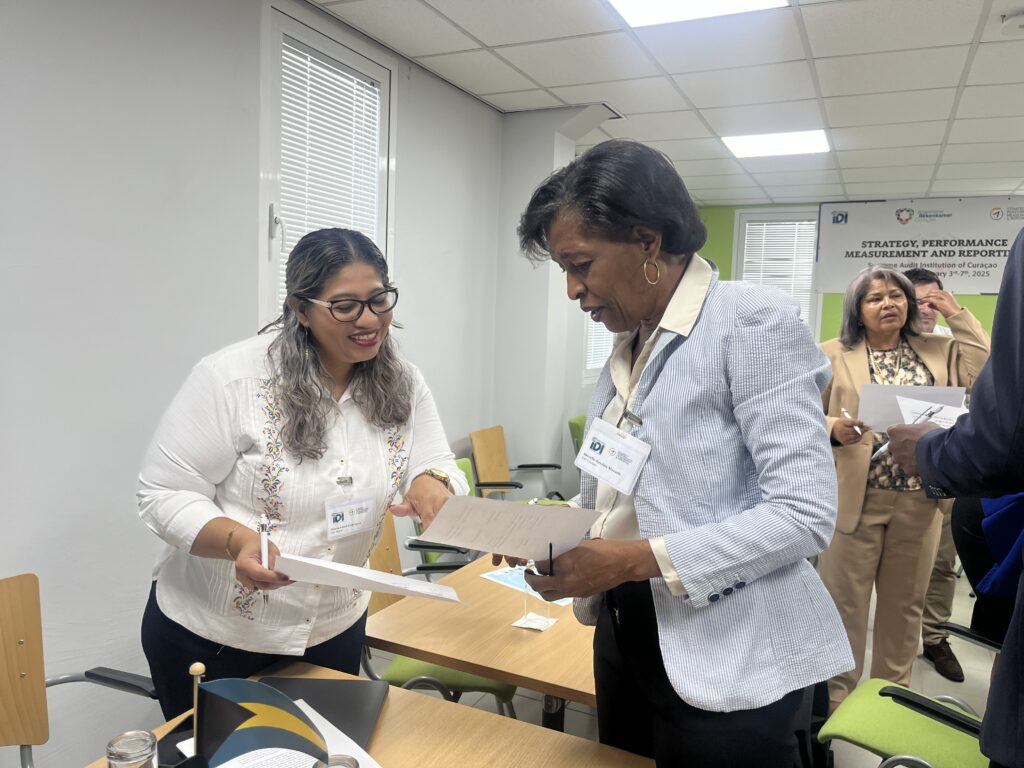
SAIs without strategic plans face inefficiencies and a reduced ability to fulfill their mandate. During the workshop, an emphasis was placed on evidence-based planning and stakeholder engagement as critical for effective strategic management, helping SAIs align their objectives with national priorities. A well-structured strategy can not only strengthen accountability and transparency, but also enhance decision-making, resource allocation, and risk management. Additionally, the event highlighted the power of peer learning and collaboration in refining strategic approaches and fostering regional cooperation.
As participating SAIs advance in their planning process, these insights will help them build more resilient and impactful institutions for the benefit of citizens. Moving forward in this journey, the lessons from this workshop will help shape stronger, more resilient institutions capable of delivering lasting benefits for citizens. IDI extends its heartfelt thanks to SAI Curaçao for hosting this important gathering and creating an environment where collaboration and learning could thrive. The SPMR initiative is made possible through the generous support of the Swiss State Secretariat for Economic Affairs (SECO).
The effective strategic management of Supreme Audit Institutions (SAIs) is essential for fostering accountability, inclusion, and public trust. By enhancing governance and service delivery, SAIs bring tangible value to citizens.
Since 2018, the Strategic Management, Performance Measurement, and Reporting (SPMR) initiative, led by the INTOSAI Development Initiative (IDI) and supported by the Swiss State Secretariat for Economic Affairs (SECO), has helped over 50 participating SAIs achieve significant progress in their strategic management.
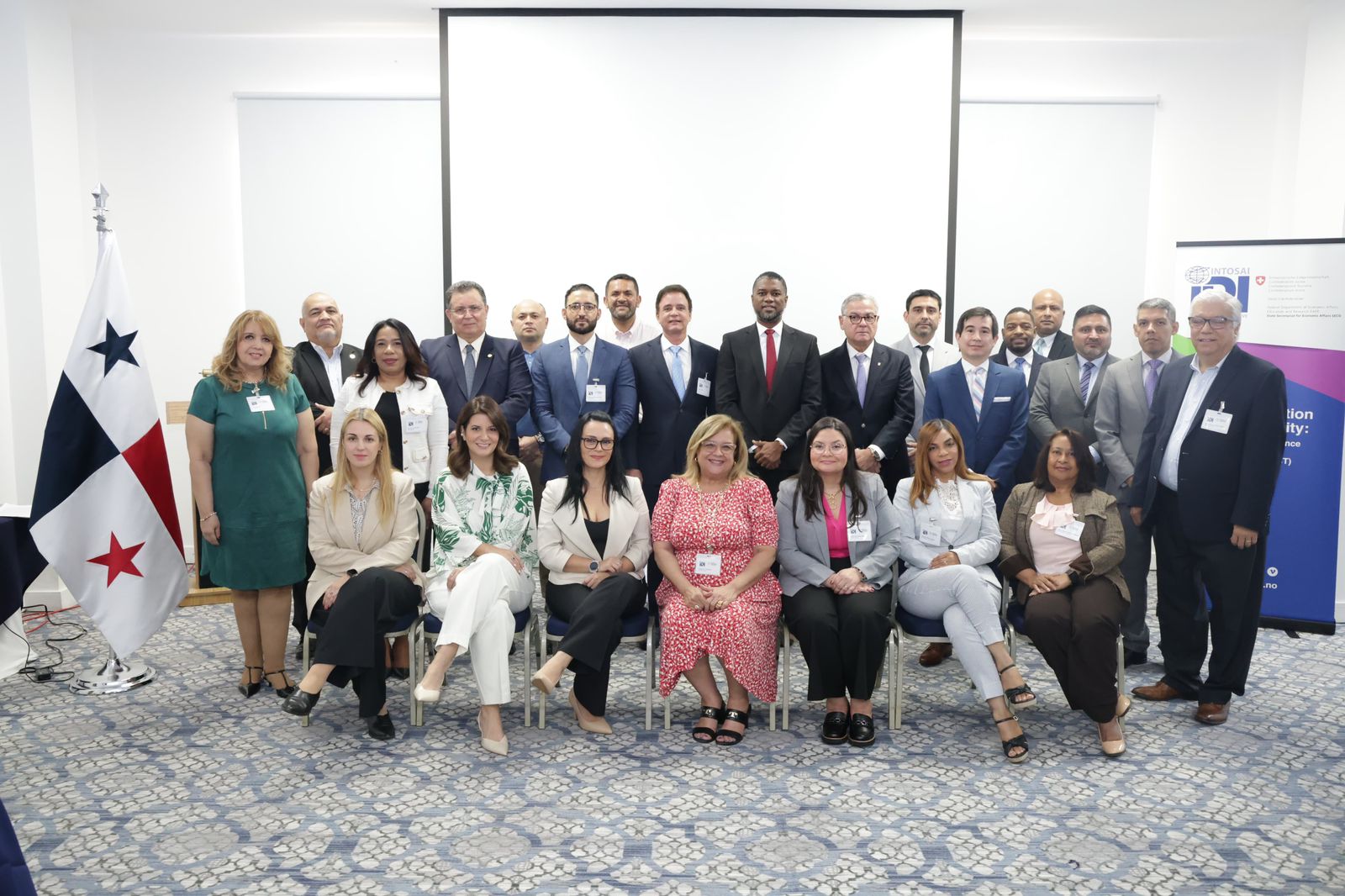
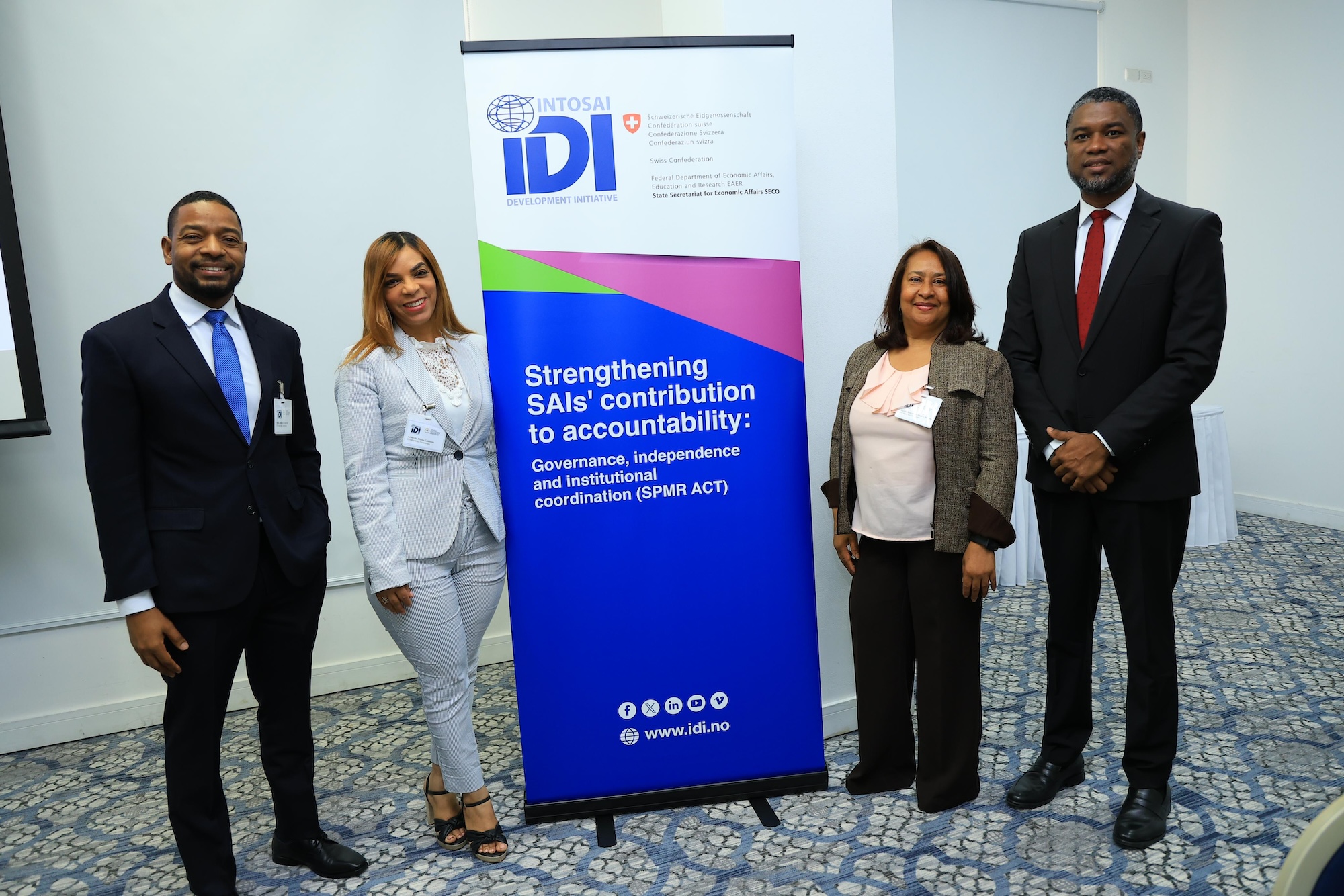
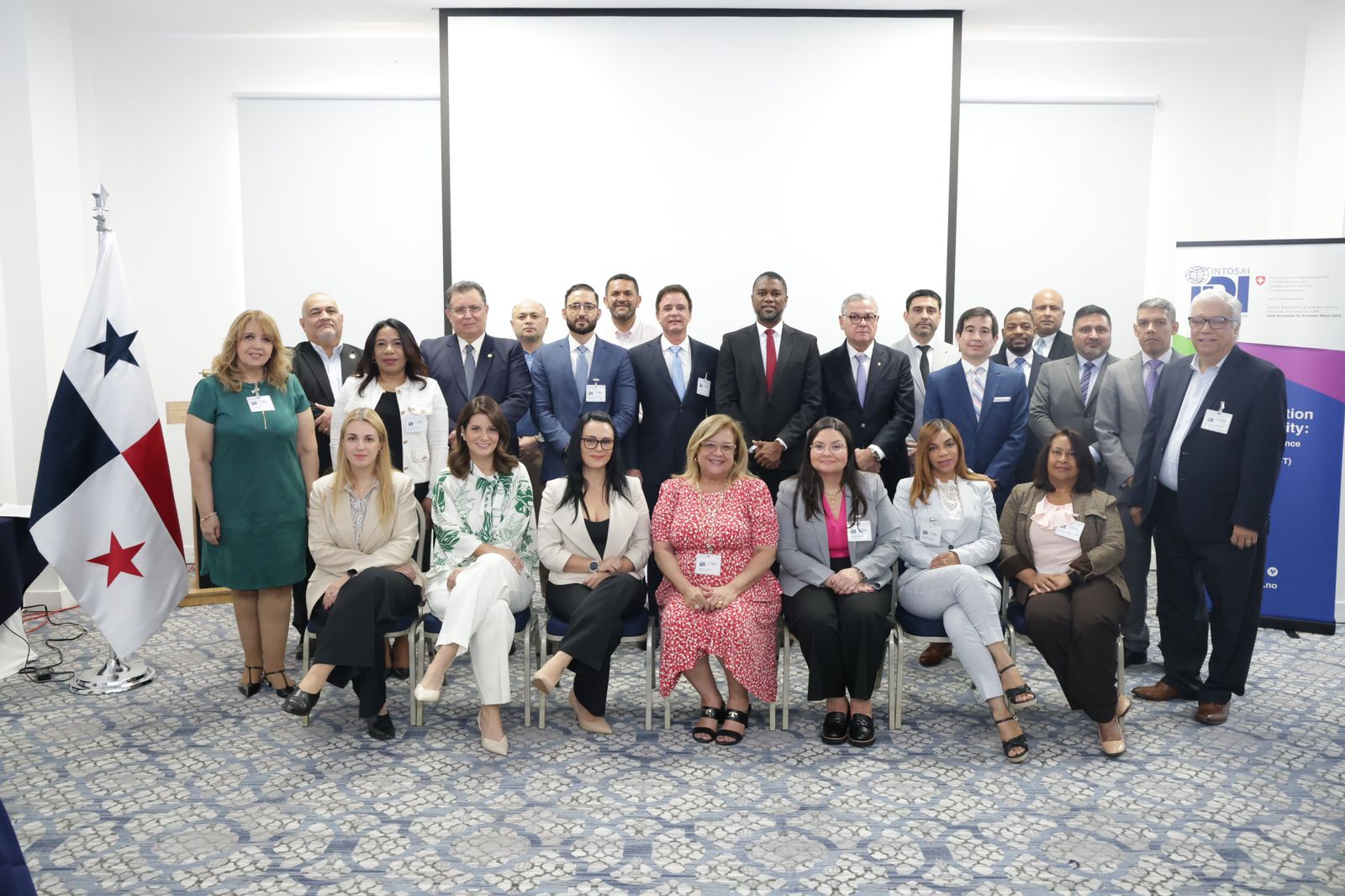
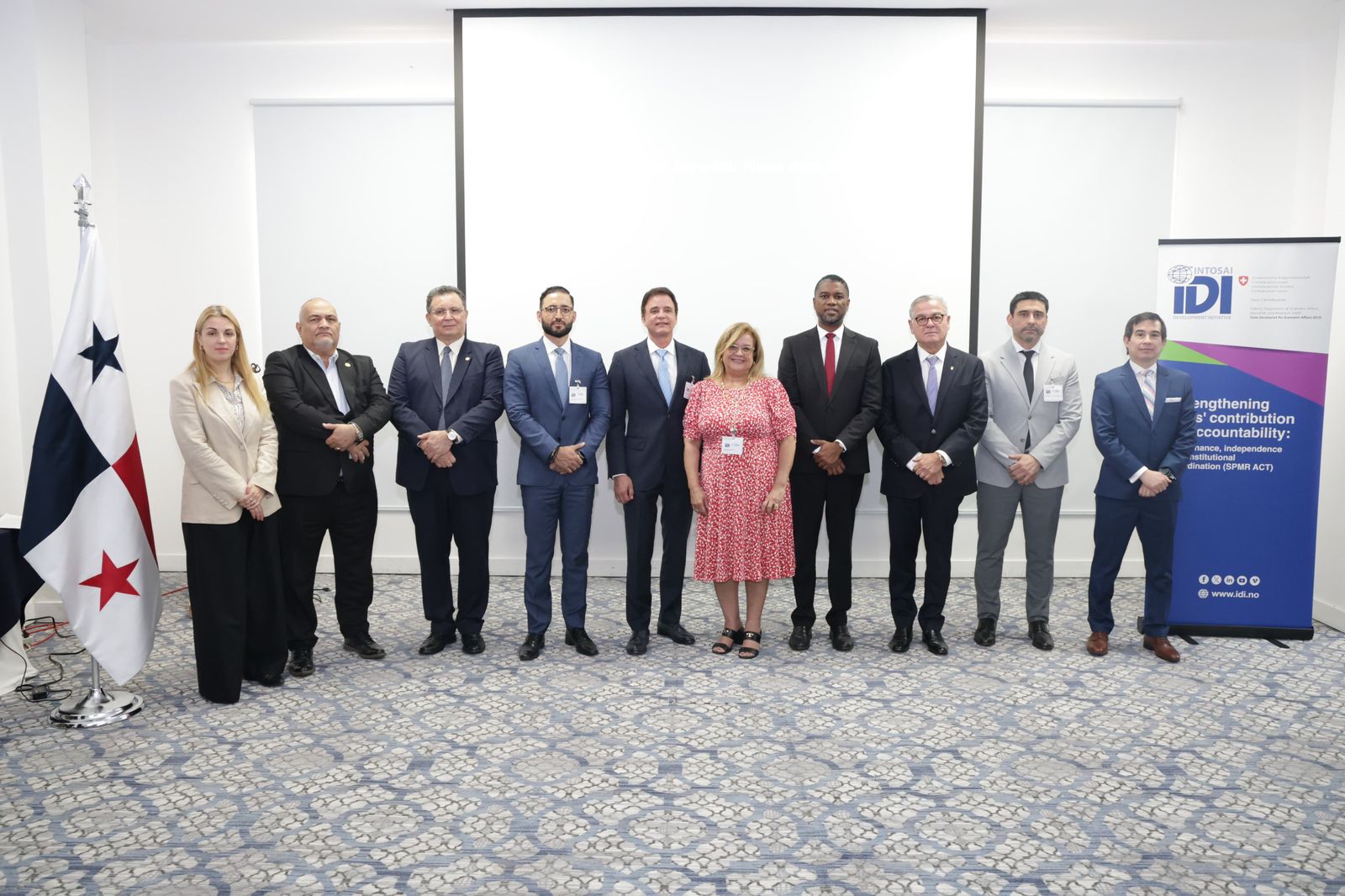
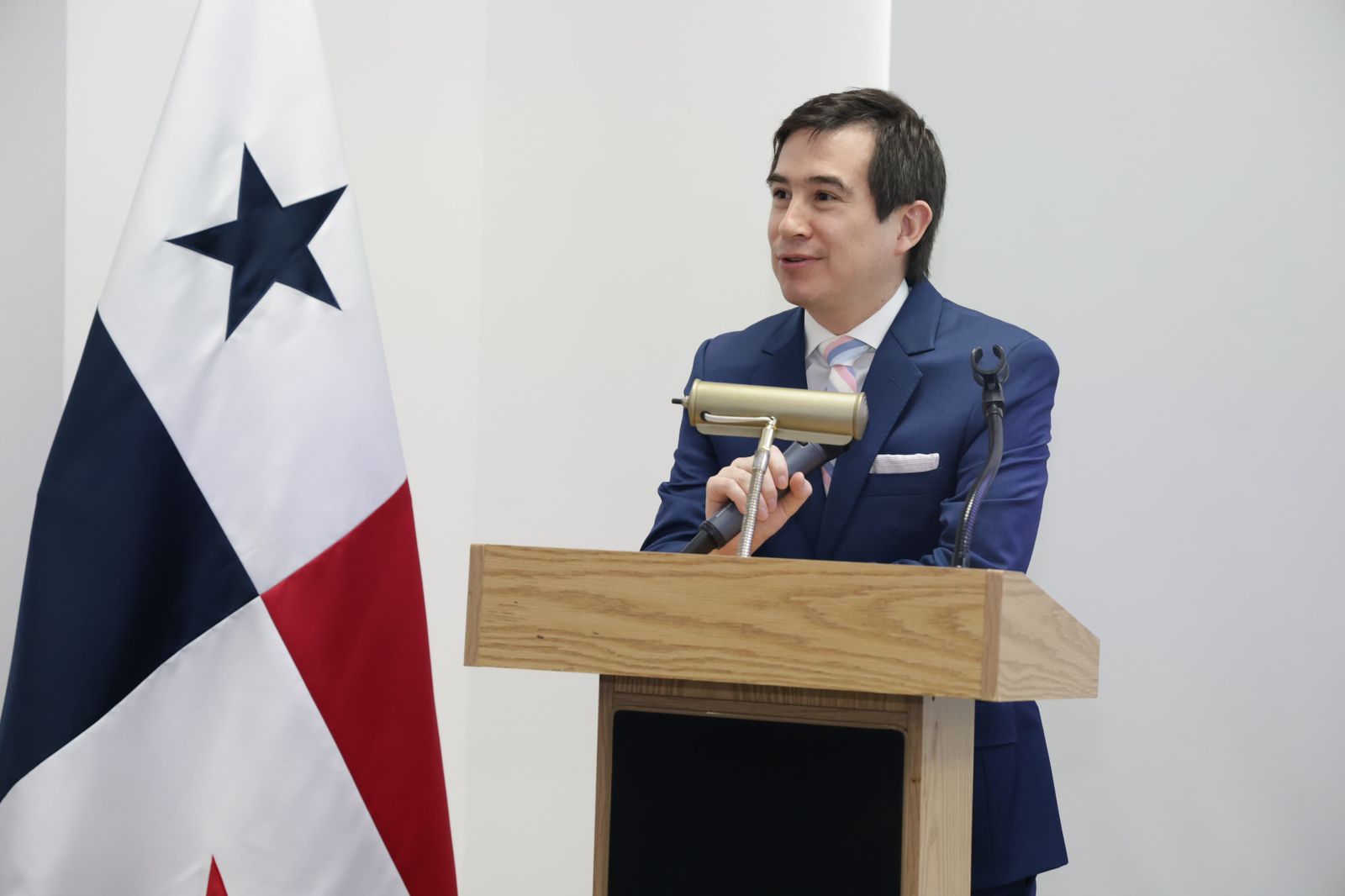
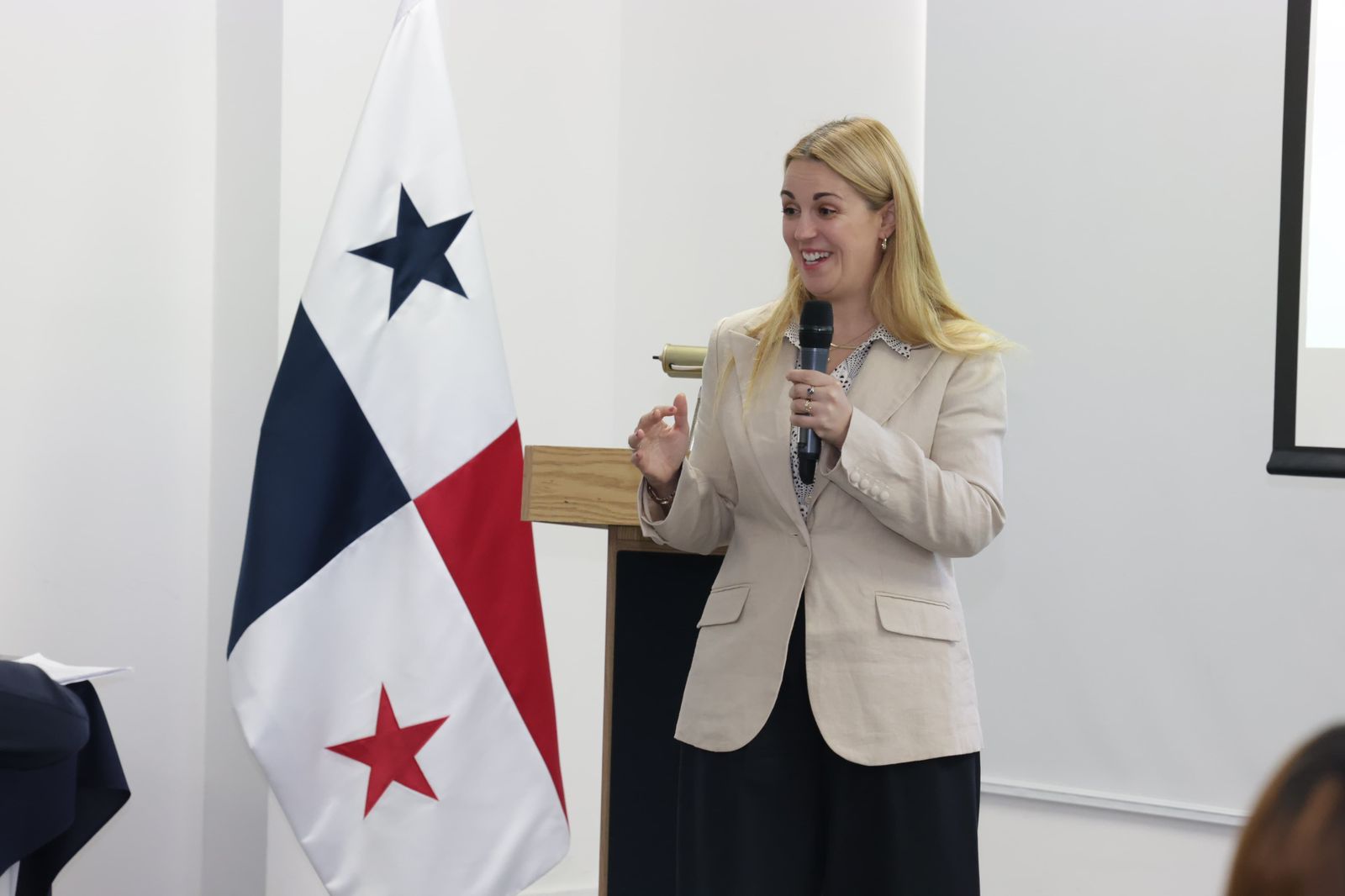
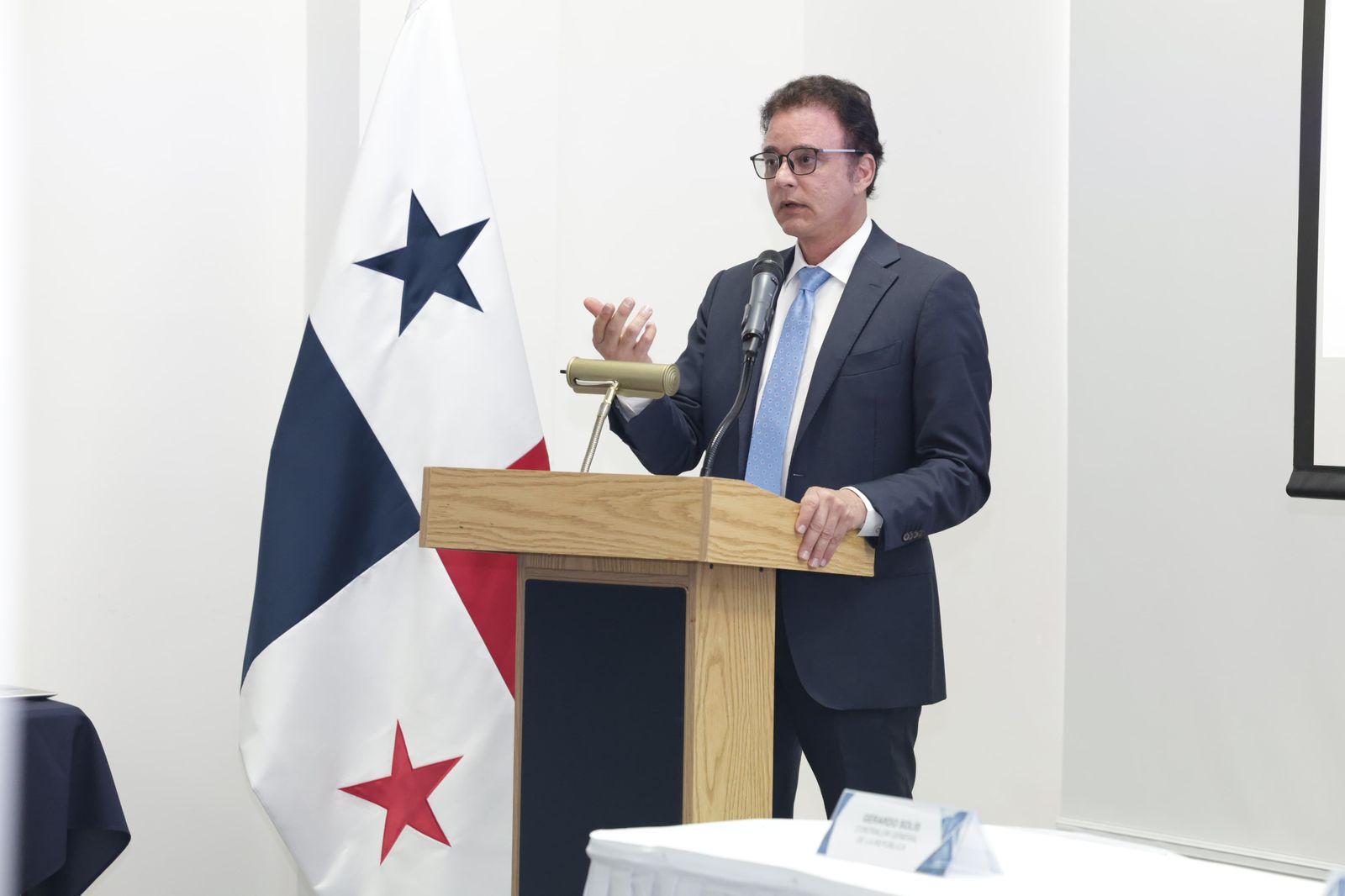
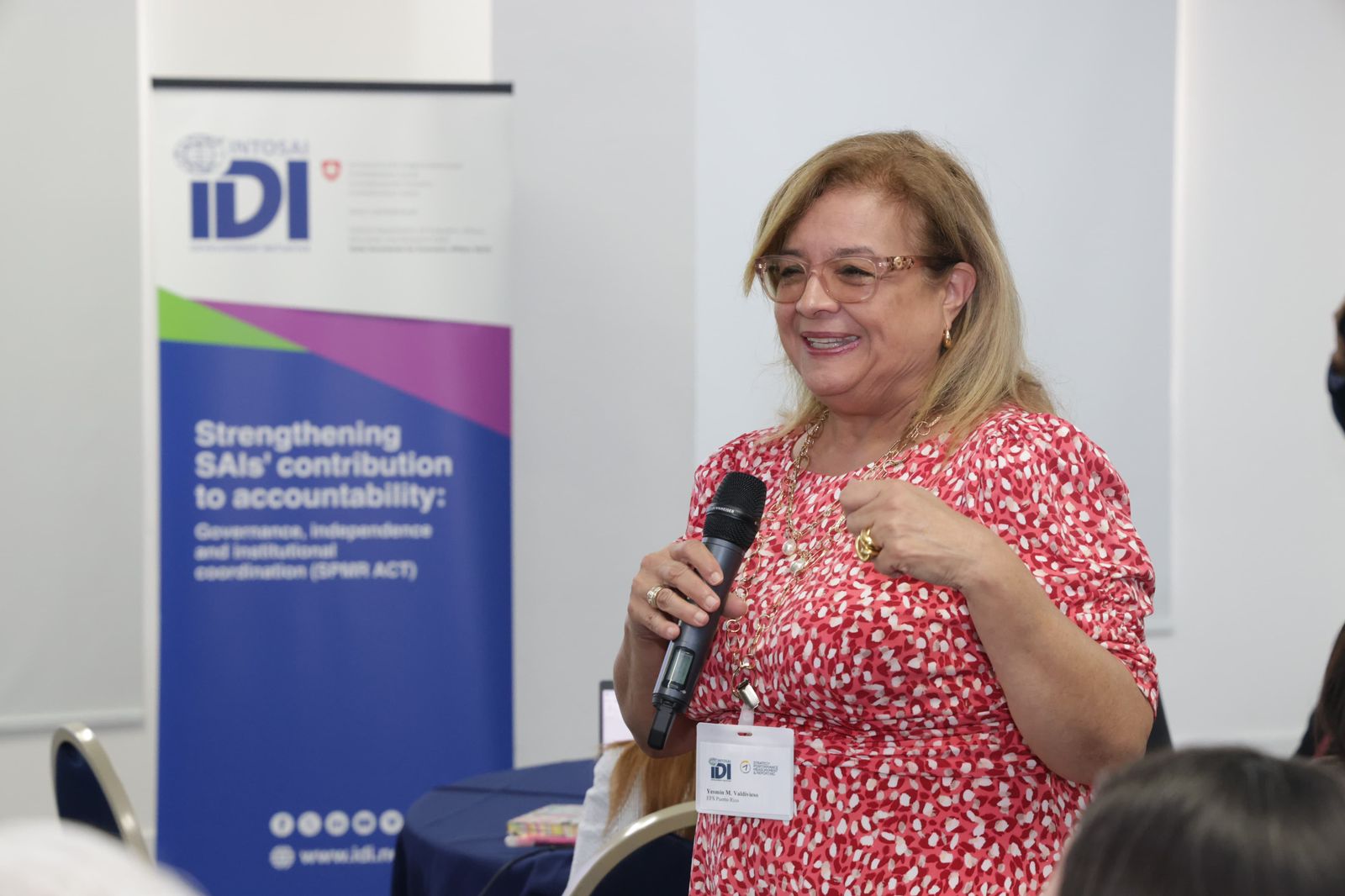
The SPMR initiative assists SAIs in conducting comprehensive performance evaluations through the SAI Performance Measurement Framework (PMF), developing needs-based strategic plans, and utilising tools like operational plans, monitoring systems, and risk management frameworks. This fourth round of the initiative for OLACEFS kicks off with a high-level workshop in Panama City, designed for SAI leadership and senior management. The workshop aims to provide a broad understanding of key topics, methodologies, and the role of leadership in driving the initiative.
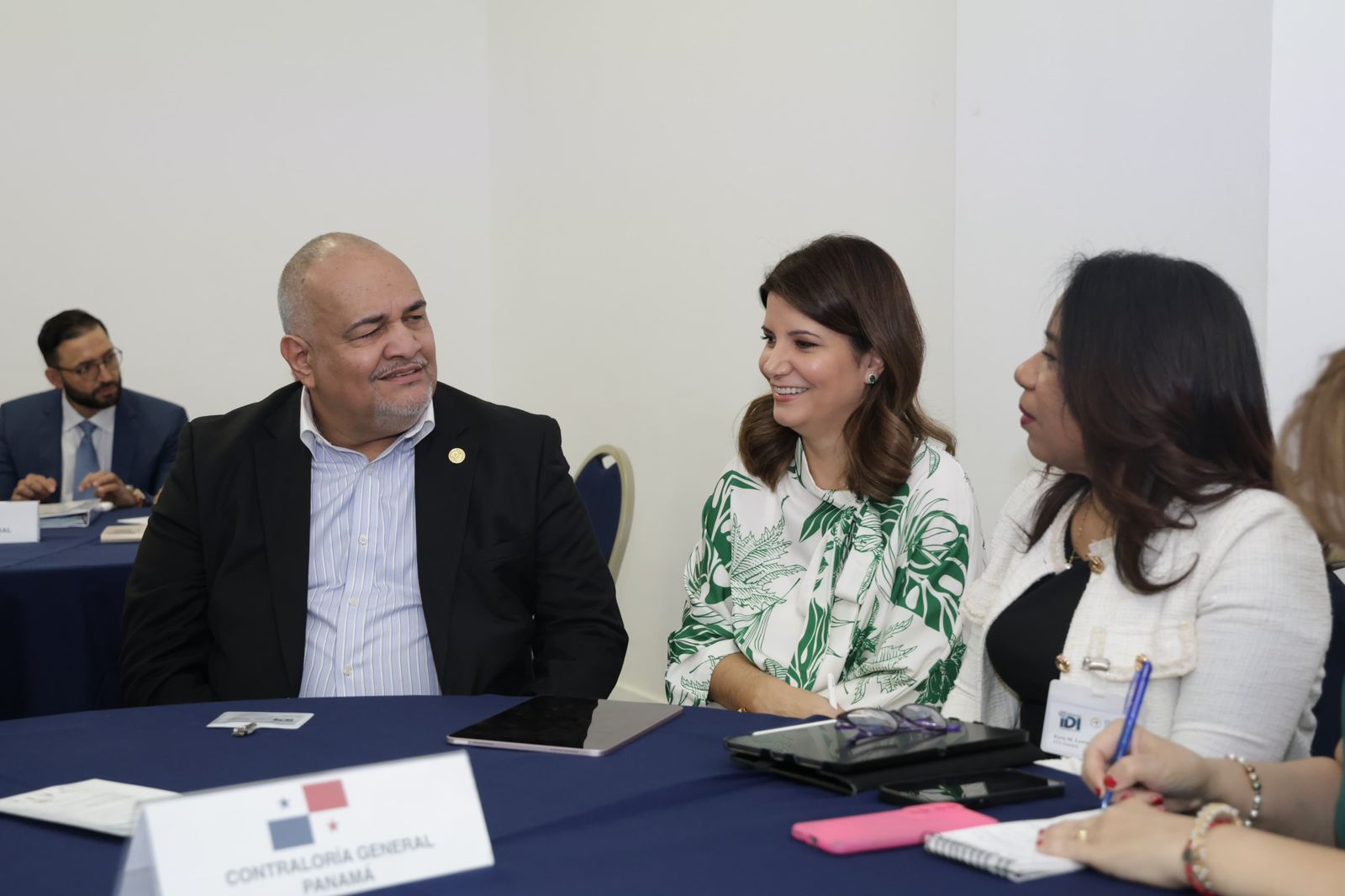
During the workshop, participants engaged in focused discussions and group reflections to identify challenges specific to their SAIs and to exchange experiences. Teams worked closely with IDI specialists to finalise work plans for 2024 and 2025.
Key outcomes from the workshop include:
To learn more about SPMR, please visit the SPMR page
 |
 |
 |
 |
 |
 |
 |
 |
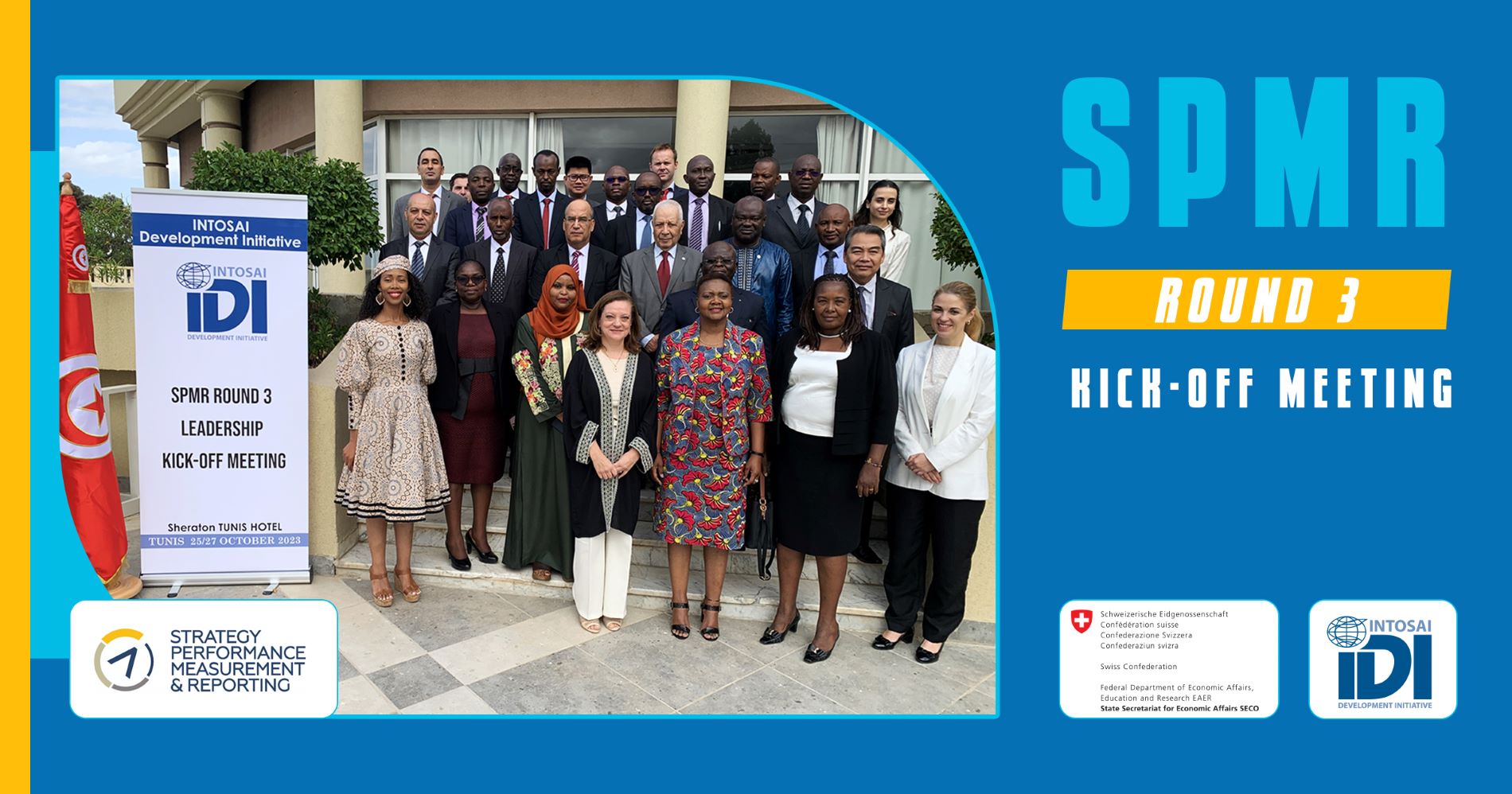
Within the scope of the IDI’s Strategy, Performance Measurement, and Reporting (SPMR) initiative, 18 representatives from 9 SAIs gathered in Istanbul to attend the workshop on Strategy Implementation and Reporting.
In a quest to improve its performance, SAI Guam identified, as a key priority, the need to strengthen its capacity. The starting point was to establish the baseline by conducting a performance assessment. In May 2017, the SAI Republic of Marshall Islands (RMI) and the PASAI Director of Practice Development independently assessed SAI Guam’s performance based on the SAI PMF. The results of the assessment were used to develop a new and streamlined Strategic Plan.

In March 2018, the INTOSAI Development Initiative (IDI) piloted the Strategy, Performance Measurement and Reporting (SPMR) initiative in the PASAI region. The programme was aimed at supporting SAIs to develop and maintain a strategic planning and management process, achieve strategic outcomes, and deliver value and benefits to citizens. The SPMR initiative was a perfect match to SAI Guam’s ambition to embark on a new and robust strategic management process. Accordingly, the SAI decided to join the SPMR initiative in April 2018.
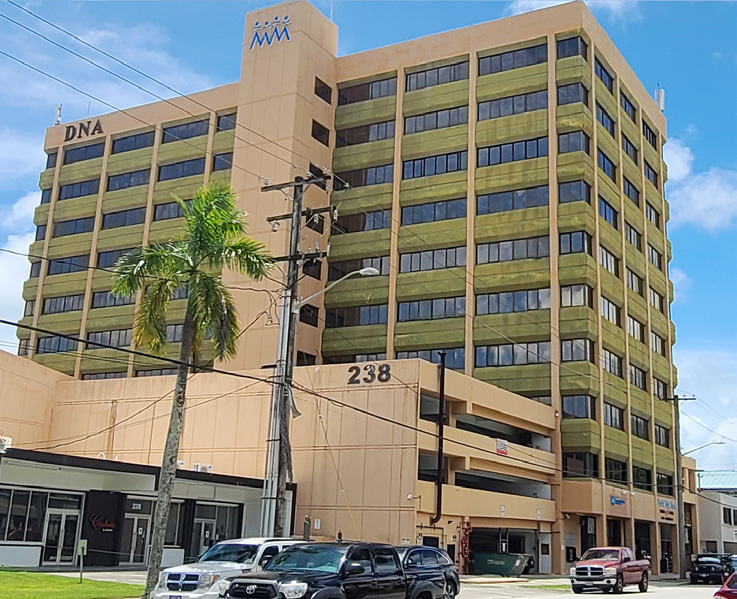
Guam OPA office building
SAI Guam participated in the full SPMR SAI strategic management cycle, which commenced with a strategic planning training hosted in Tonga in April 2018. Guided by the SPMR methodology, the SAI developed a new and streamlined strategic plan 2019-2023, anchored on an objective and comprehensive analysis of its environment and stakeholder consultations. The SAI PMF assessment revealed the absence of annual operational planning in the SAI. Resulting from the SPMR interventions, SAI Guam has since adopted, as part of its routine organisational planning processes, the preparation of well-resourced annual operational plans that are clearly linked to the strategic plan.
The SAI PMF assessment results arrived at a time when Public Auditor Benjamin J.F. Cruz was appointed as the new Head of SAI Guam. The assessment results served as a solid base upon which Public Auditor Cruz could steer the SAI to greater heights of excellency in the delivery of its mandate. In March 2019, Public Auditor Cruz demonstrated his commitment to full transparency on the SAI’s performance by publishing the results of the SAI PMF assessment on the office’s website and provided copies to stakeholders.
independence of the SAI
Quality, timely and impactful audit reports
Timely decision making on procurement appeals
Effective engagement with stakeholders.of the SAI
So far, it is evident from the SAI’s monitoring system that the pursuit of the strategic priorities is contributing to strengthening the SAI’s institutional, organisational and professional capacity. This has facilitated the SAI’s ability to demonstrate the value and benefits it is contributing to the citizens through its services. The steady rise in public trust and the earned goodwill of the oversight Chairperson in the Guam Legislature on the SAI’s independence, provide additional evidence that the implementation of the SAI’s strategy is on an upward trajectory.
But how did a small SAI with only 14 staff manage to successfully take the results of its SAI PMF assessment, develop and implement a new strategy? SAI Guam’s impressive results are anchored on strong commitment by SAI leadership. The Head of SAI allocated staff time and authorised staff directly involved in the SPMR initiative to attend the IDI training activities. SAI Guam is not eligible for development assistance under the Organisation for Economic Co-operation Development (OECD-DAC) assistance arrangements. As a result, the SAI participated in all the activities of the initiative at its own cost. By any standard, this level of commitment by the SAI Guam leadership is exemplary.
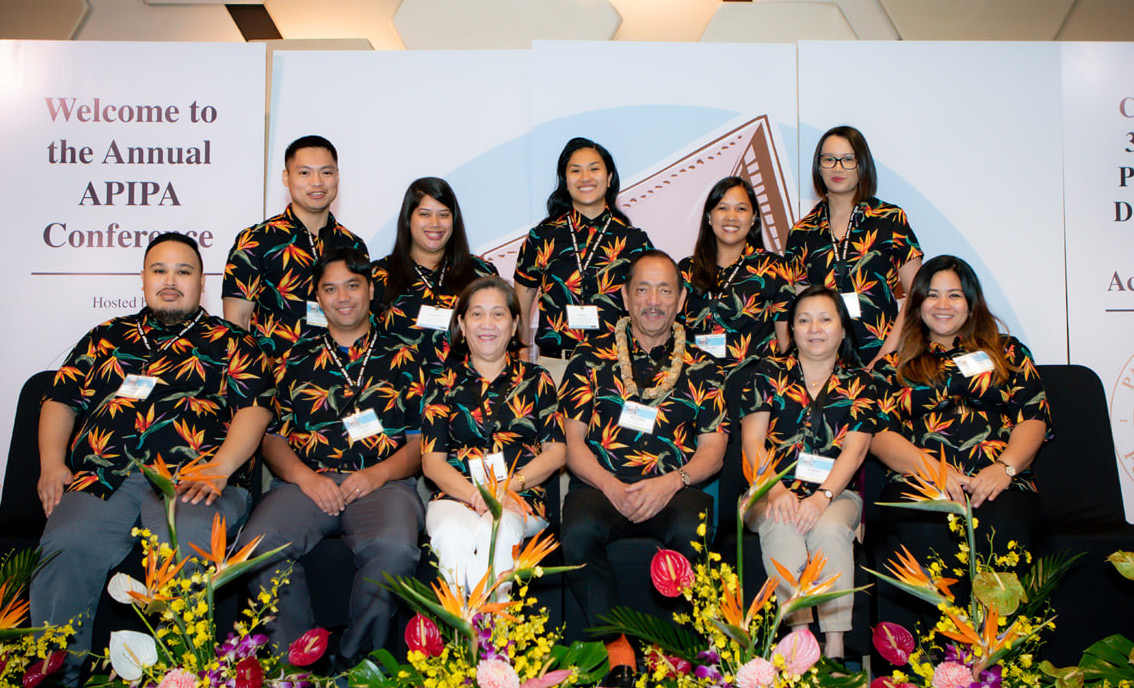
SAI Guam has made its mark at the regional level by sharing its experience in the SPMR initiative with other SAIs within and outside the PASAI region. A resource person from the SAI, Mr. Jerrick Hernandez, is providing technical support to the strategic management team of SAI Philippines, one of the largest and leading SAIs in the ASOSAI region. In addition, Mr. Hernandez is occasionally invited by the IDI to participate in delivering regional SPMR training courses as a co-facilitator.
The strategic management journey embarked on by SAI Guam through its participation in the SPMR initiative is a demonstration of commitment to the principle of continuous improvement advocated by INTOSAI P-12. Against all odds, SAI Guam completed a SAI PMF assessment to establish a baseline for its performance, developed and implemented a streamlined strategic plan and focused on enhancing its ability to deliver value and benefits to the citizens. There is tangible evidence indicating that the implementation of the SAI’s strategy is yielding the desired results. Despite its size, SAI Guam has also made significant contributions to the regional and global implementation of SPMR.
SAI Guam’s participation in the SPMR initiative has been a worthwhile undertaking for the SAI.
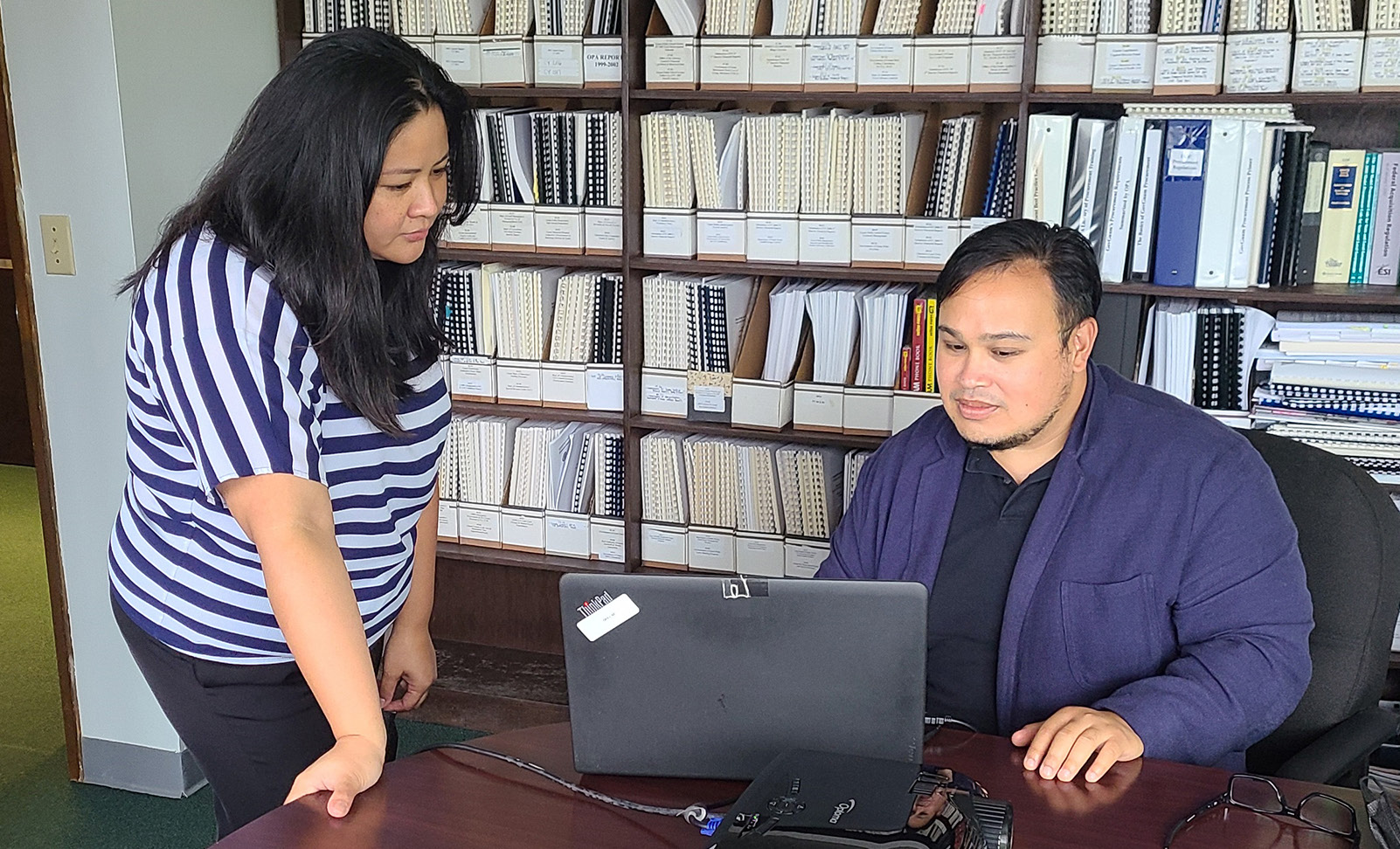
Our office has been blessed with a tremendous experience working with true professionals at PASAI and IDI and we are grateful for their time and effort in providing training and conducting the PMF assessment. We took their assessment to heart and used it to reflect on where we needed to focus our limited resources on. There were a lot of moving parts put into motion as early as January 2017. As a result of all the resources provided to us by IDI and PASAI and the hard work and dedication of my staff, we were able to create a sound, impactful strategic plan that really focuses on how best to make our office a model for good governance in the Pacific.