



Past Projects

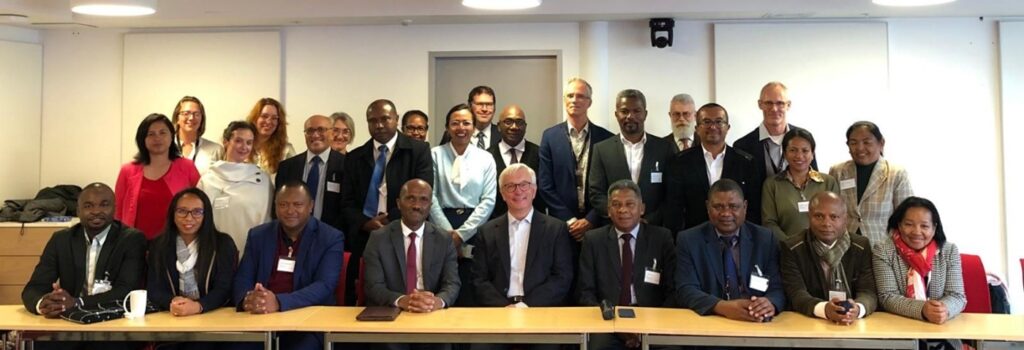
This initiative aims to strengthen the Court of Accounts’ capacity to promote integrity and transparency in public funds management through a comprehensive range of intervention areas. Despite strong commitment, the Court of Accounts continues to face challenges related to institutional independence, financial autonomy, and professional capacity, including modernizing audit control methodologies, improving internal governance, and building staff skills. Addressing these challenges is essential for the Court to become a credible, visible, and model institution, adding value or the Malagasy citizens’ lives, in line with the vision set in its Strategic Plan for 2020-2024.
INTOSAI REGION: CREFIAF
Key components of support
C1. High quality audits
Strengthens the Court of Accounts’ capacity to plan, conduct, report and follow up on performance, compliance and financial audits with high relevance and priority, as well as public policy evaluations. Through peer coaching and on-the-job guidance, it builds staff competencies, enhances audit quality, and develops manuals, tools, and governance systems supporting the auditing process.
C2. Jurisdictional controls
Strengthens the efficiency and quality of jurisdictional controls carried out by the Court of Accounts and Financial Tribunals. It focuses on improving processes for clearing and judging public accounts, addressing backlogs, modernizing methodologies and digital tools, and providing tailored training and coaching. Output includes updated guidance materials, faster and higher-quality account judgment, and enhanced staff capacity.
C3. External communications and stakeholders’ engagement
Seeks to enhance the Court of Accounts’ communication with the National Assembly, Government, civil society, and media. It focuses on implementing the stakeholder engagement strategy, strengthening outreach tools, and training staff and journalists to make audit results more accessible and impactful. The impact is improved visibility, public understanding, and citizen trust in the Court’s role in promoting good governance, integrity, and transparency.
C4. Independence and legal framework
Aims to strengthen the legal framework governing the Court of Accounts, to reinforce its institutional independence and autonomy. It focuses on analyzing existing legislation, drafting proposals and supporting stakeholder engagement and advocacy for reform. Following its 2023 budgetary elevation improving financial autonomy, efforts continue to enhance functional and administrative independence and build greater awareness and support among national decision-makers.
C5. Ethics and strategic governance
Supports the Court of Accounts in strengthening strategic management, governance, and ethical standards to enhance its own transparency and accountability. It includes guidance on planning, budgeting, monitoring, and change management, alongside the development of a Code of Ethics aligned with international standards and staff training on integrity and conduct.
C6. Digital Capacity
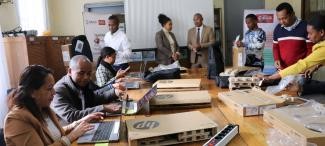
Supports the digital transformation of the Court of Accounts to improve audit quality and organizational efficiency. It includes developing an ICT strategy and management systems, providing essential infrastructure and digital audit tools, digitalizing audit processes and archives, and introducing software for data analysis. Staff members have been trained in ICT management and data-driven analysis to enhance performance.
C7. HR management: skills, motivation and inclusiveness
Supports the Court of Accounts’ staff by developing a comprehensive HR strategy, training and professional development plans, and recruitment improvements, to fulfill its mandate. This component also promotes gender equality, aligning HR policies with regional strategies to increase women’s participation in leadership and foster an inclusive institutional culture.
C8. Project coordination and management
Ensures effective project implementation through strong involvement and commitment of CdC members. A Steering Committee and Coordination Team, led by the CdC, oversees progress, aligns activities with institutional priorities, and ensures transparency. CdC leadership drives coordination, learning, and communication with IDI, USAID, and other development partners.
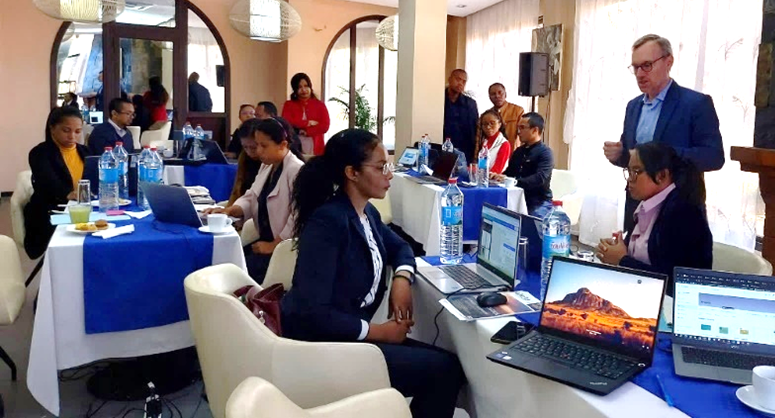
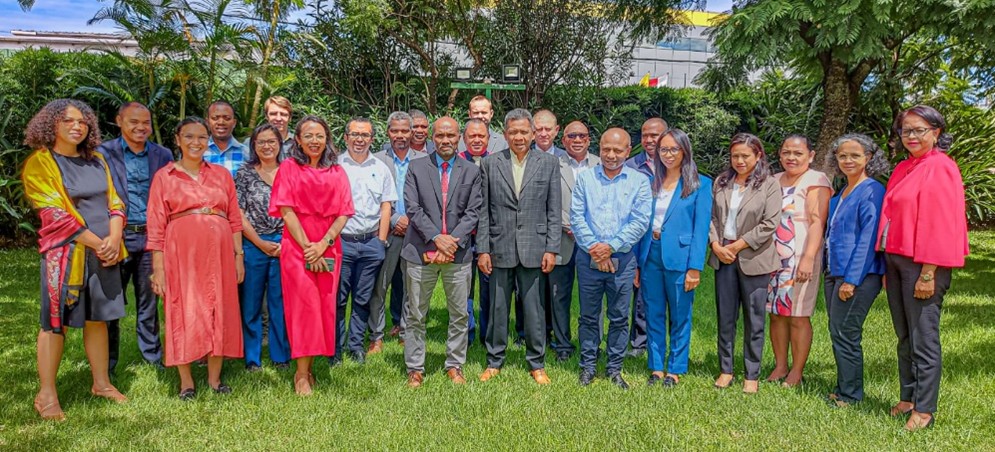
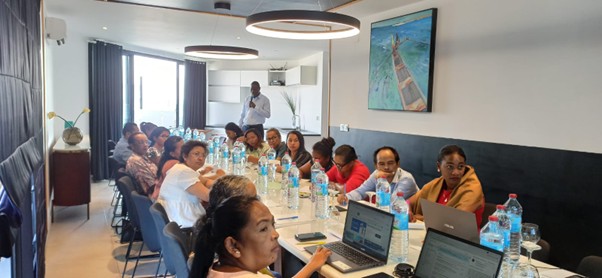
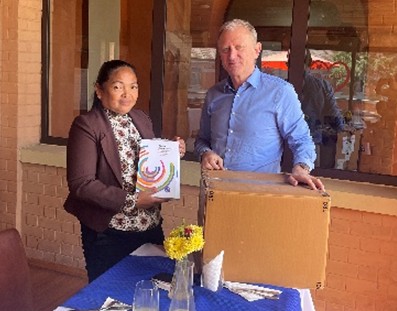
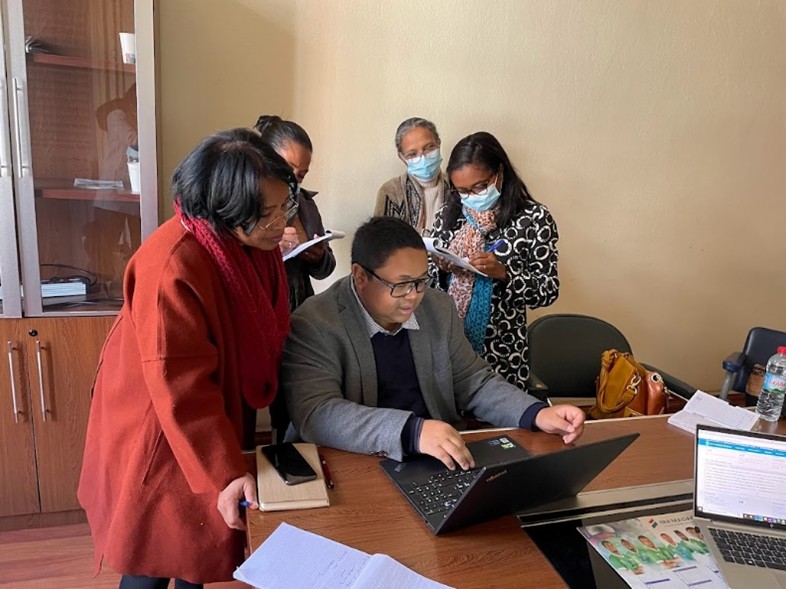
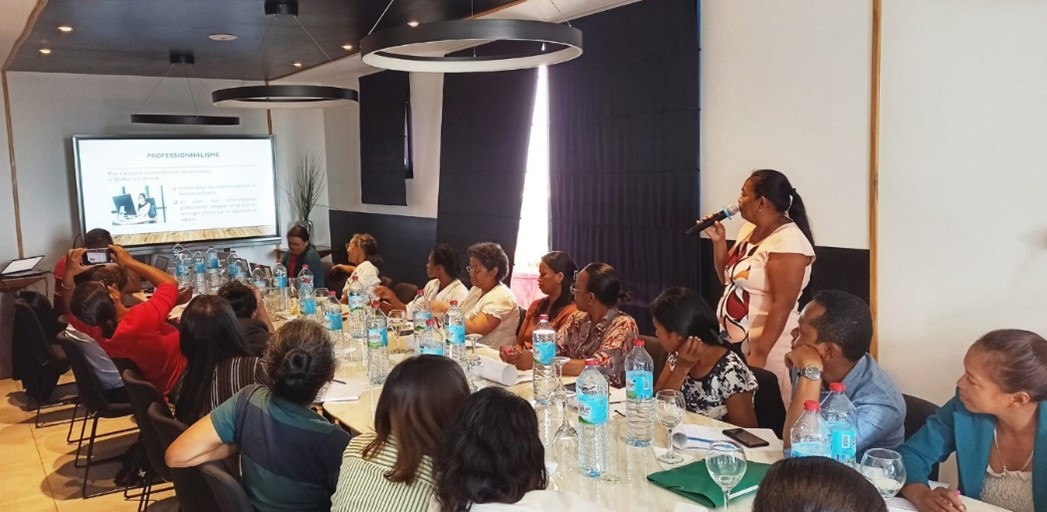
TANTANA in Action



FUNDING AND IMPLEMENTING PARTNERS

MADAGASCAR TANTANA PROJECT IDI MANAGERS

Eduardo Ruiz Garcia
SAI Governance Department

Tasiha Andriambelo
SAI Governance Department