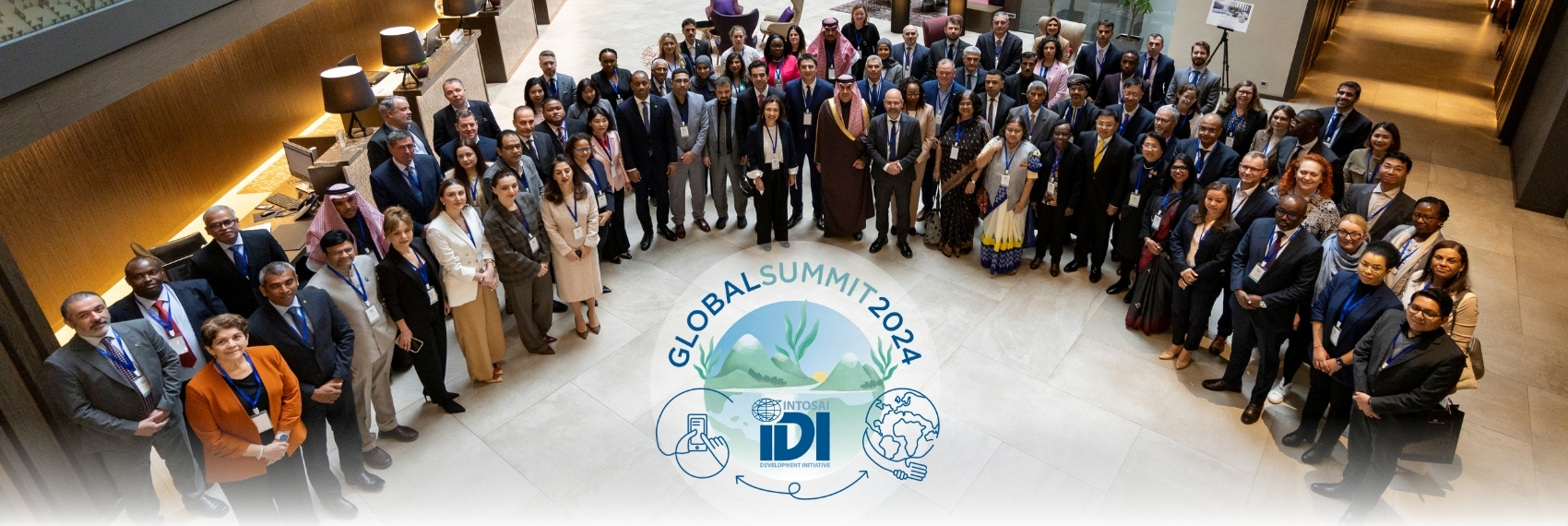
The Global Summit on SAI Audits Contributing to Digitalisation and Sustainability, held on November 18-19, 2024, in Tbilisi, Georgia, marked a significant milestone in the collective efforts of Supreme Audit Institutions (SAIs) worldwide towards current and emerging trends about sustainability and digitalisation. Hosted by SAI Georgia and the INTOSAI Development Initiative (IDI), the Summit welcomed a diverse group of leaders, including SAIs, international organisations, academia, and other key stakeholders.
The Summit’s discussions centred on the role of SAIs in fostering accountability in the areas of Sustainable Development Goals (SDGs), climate, equality and inclusion, and digitalisation. With over 300 online participants and nearly 100 in-person attendees from 30 countries, the event underscored the importance of international collaboration and dialogue.
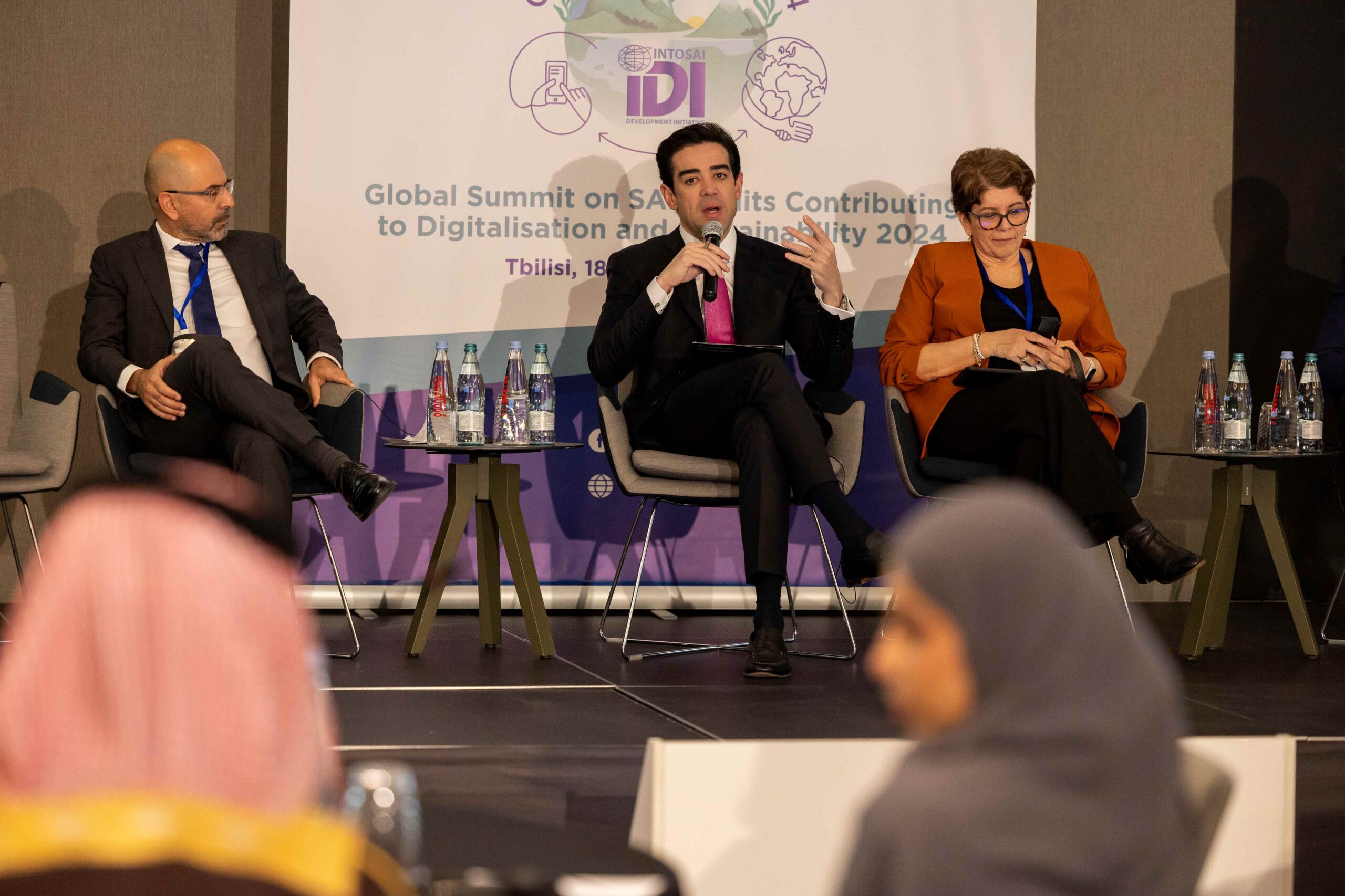
While welcoming the participants, Tsotne Kavlashvili, Auditor General of SAI Georgia, emphasised the importance of adapting to the global shifts of digitalisation and sustainability. In the same tone, Bruno Dantas, at the time chair of INTOSAI and President of SAI Brazil, stressed: “We must amplify the global voice of SAIs to address cross-border issues like digitalisation and climate change.”
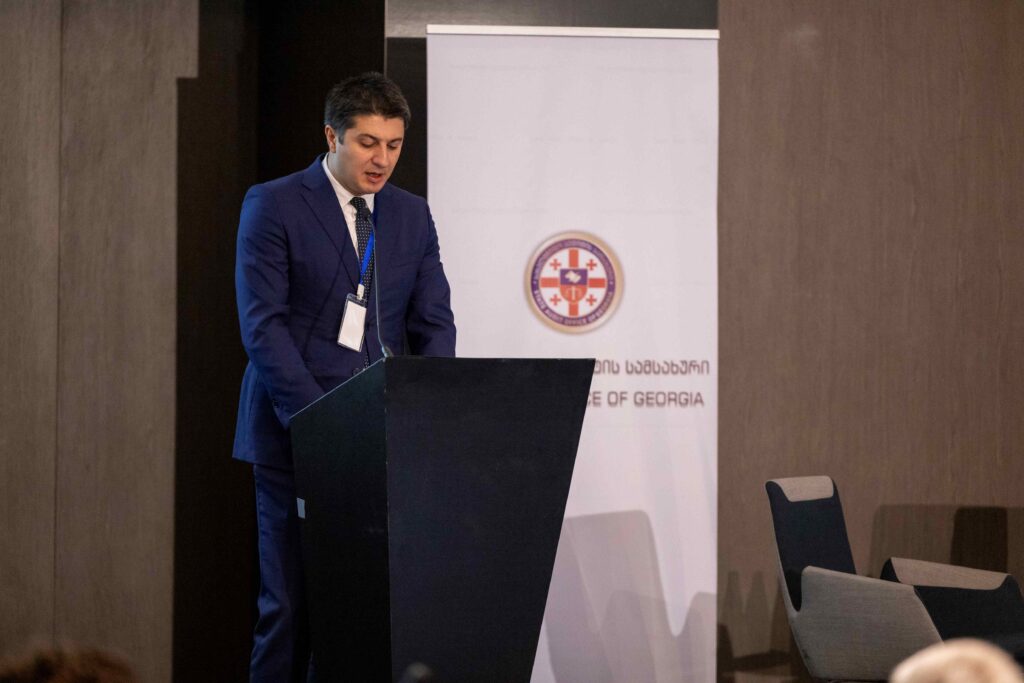
Tsotne Kavlashvili, Auditor General of Georgia. Source: IDI
The 2030 Agenda for Sustainable Development was part of the dialogue throughout the Summit. Speakers reflected on the SAIs’ contribution to the implementation of the Sustainable Development Goals (SDGs). They discussed the role of SAIs in monitoring and evaluating progress towards the SDGs, highlighting the cooperative audits of public health systems resilience and sustainable public procurement (linked to SDG targets 3.d and 12.7, respectively).
At the Summit, IDI launched two audit frameworks linked to IDI’s SDGs Audit Model (ISAM): one for auditing Leave No One Behind (LNOB) and another for auditing Policy Coherence. Together with ISAM, they will be used in the SAI SDG Auditor Initiative, to be launched in 2025, aiming to support SAIs in auditing the implementation of SDGs.
Participants were also invited to contribute to the forthcoming World Public Sector Report 2025, led by the United Nations Department of Economic and Social Affairs (UNDESA). This report is strategic for the INTOSAI community because it will focus on SAIs’ audit work and their contribution to SDG progress. “Each audit, each insight, and each recommendation strengthen the SDG framework globally,” stated Guillán Montero (UNDESA).
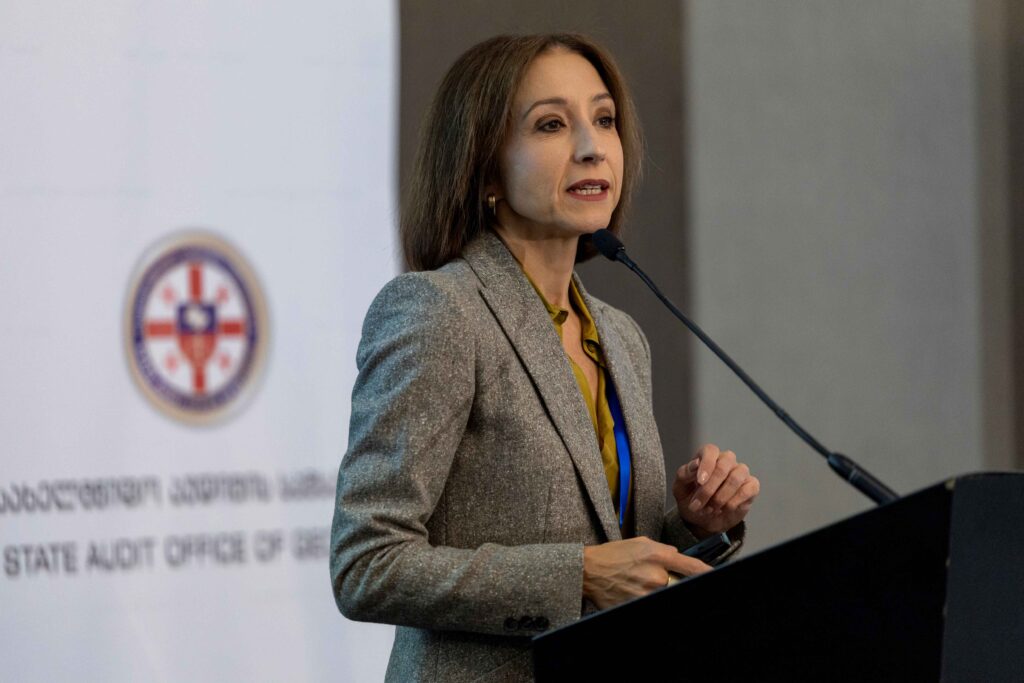
Aránzazu Guillán Montero, Senior Governance and Public Administration Officer at the Division for Public Institutions and Digital Government in the United Nations Department of Social and Economic Affairs (DPIDG /UN DESA). Source: IDI
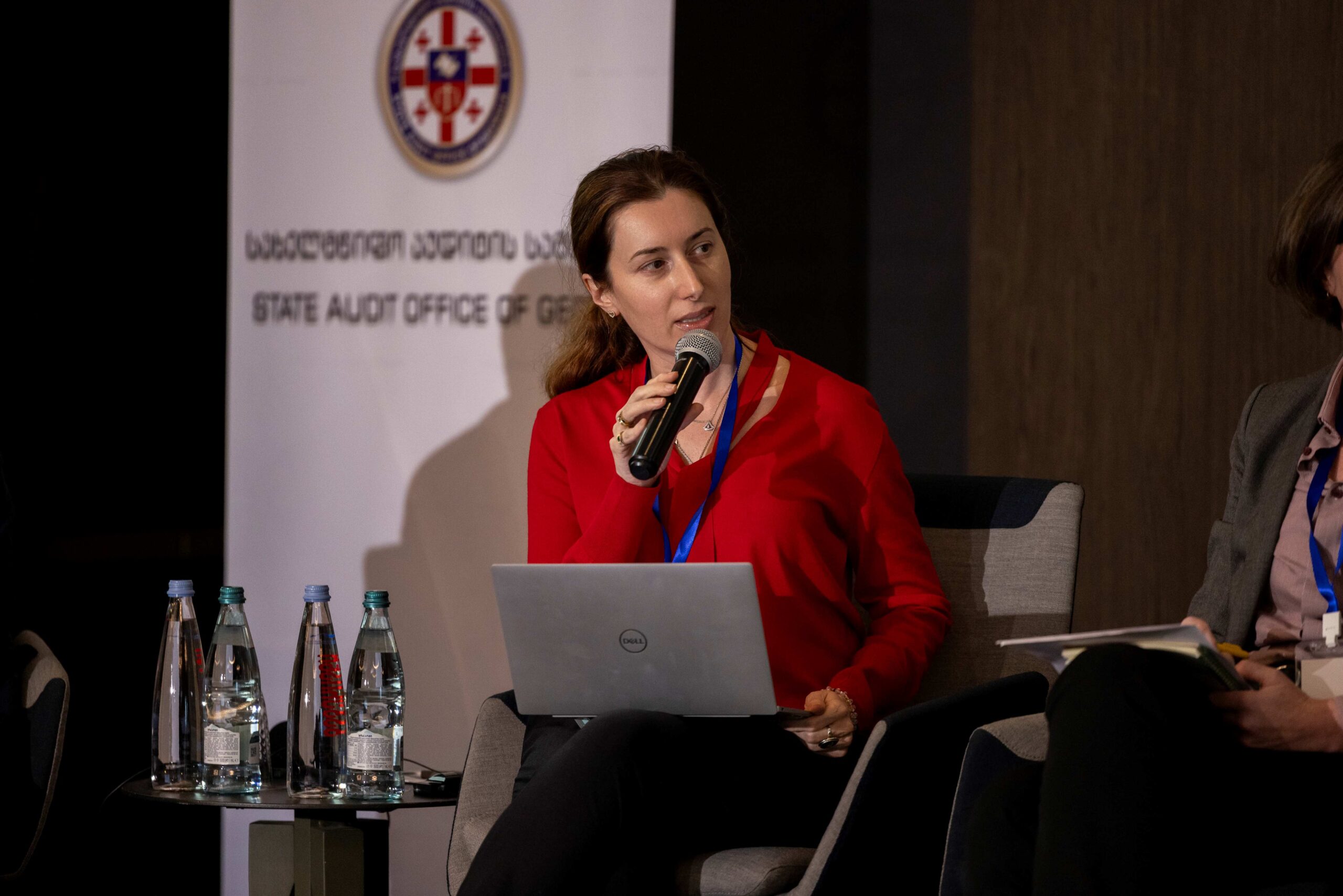
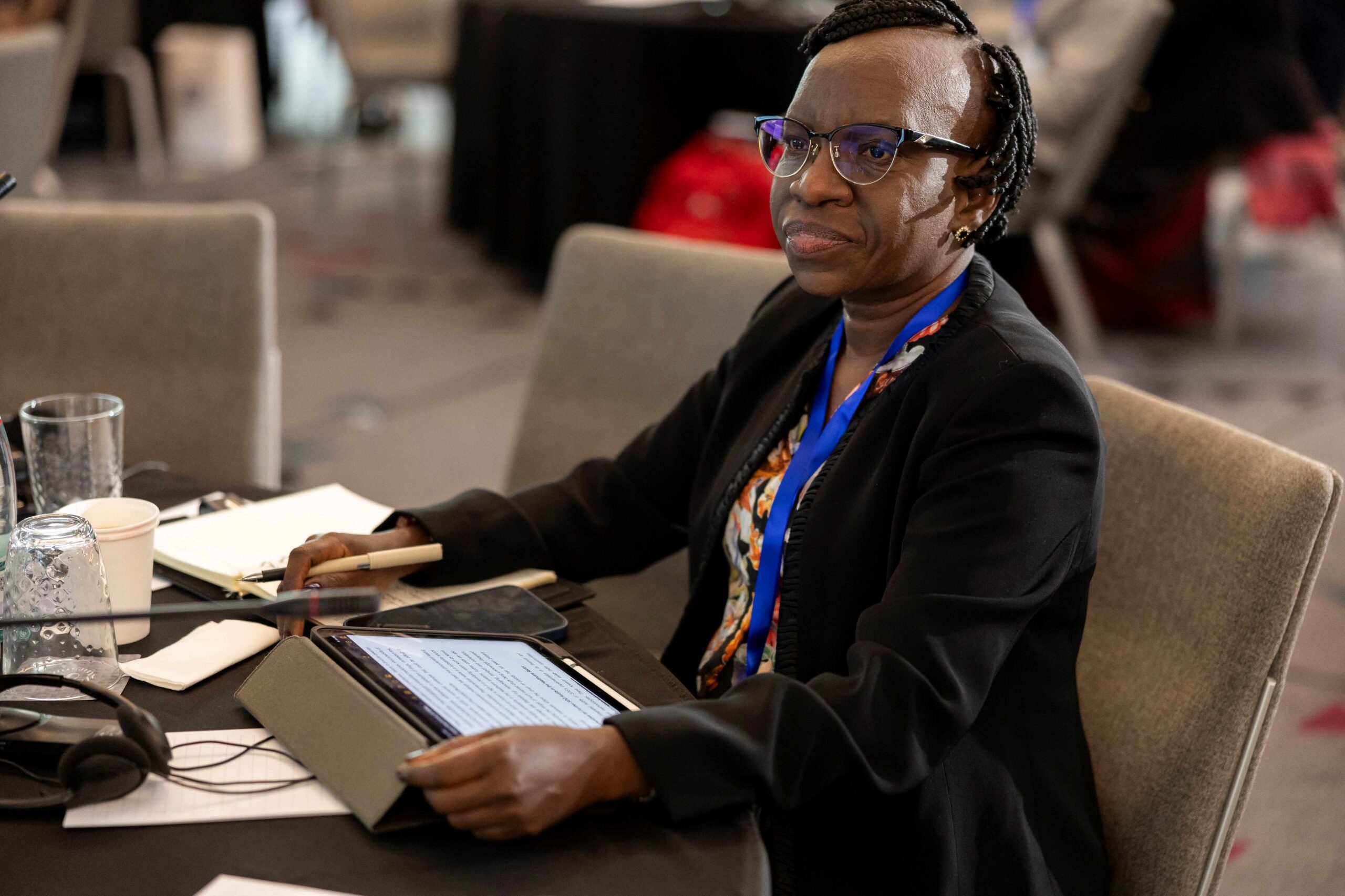
The Summit also underscored equality, inclusion, and gender. Panel discussions highlighted the need for audit practices to be inclusive and to consider the diverse needs and perspectives of all stakeholders. “Auditing inclusion is about amplifying the voices of the most marginalised,” stated Nancy Gathungu, Auditor General of SAI Kenya. IDI Deputy Director General Archana Shirsat highlighted the critical role of audits in looking at vulnerable populations, particularly considering the principle of LNOB: “Auditors have a unique vantage point to identify gaps and ensure inclusive governance frameworks.”
During the session about inclusion, the AGs from SAI Rwanda and Maldives shared experiences in strategising for auditing equality and inclusion, emphasizing the importance of planning for audit impact. The AG from SAI Maldives and a representative from SAI Chile shared the important results of their participation in the Equal Futures Audit Changemakers, an IDI initiative.
During a break-out session on harnessing data to explore marginalisation, stakeholders from UN Women, Public Expenditure and Financial Accountability (PEFA) Secretariat, Oxford Poverty and Human Development Initiative (OPHI), and International Budget Partnership (IBP) discussed the importance and challenges of collecting reliable and disaggregated data, and advocated for stronger collaboration among SAIs, civil society organisations and the community. Gender equality was a focal point, and participants underscored the need for SAIs to adopt a gender lens in their audits to ensure that gender disparities are identified and addressed. Through doing so, they can promote gender equality in their practices and contribute to more equitable and inclusive governance.
With the current global attention to climate change, Summit discussions also highlighted the need and opportunity for SAIs to hold governments accountable for climate action. In a session focused on SAIs’ audit work towards a liveable planet, speakers featured the cooperative audit of Climate Change Adaptation Actions (CCAA), and SAIs shared their experiences in auditing climate action.
Another SAI initiative related to climate action is the ClimateScanner, a tool for unified reporting that SAI Brazil spearheaded with the Working Group on Environmental Auditing (WGEA). “Data-driven tools like the ClimateScanner are transforming how we assess and improve government climate policies,” said Vivi Niemenmaa, Secretary General of the INTOSAI WGEA.
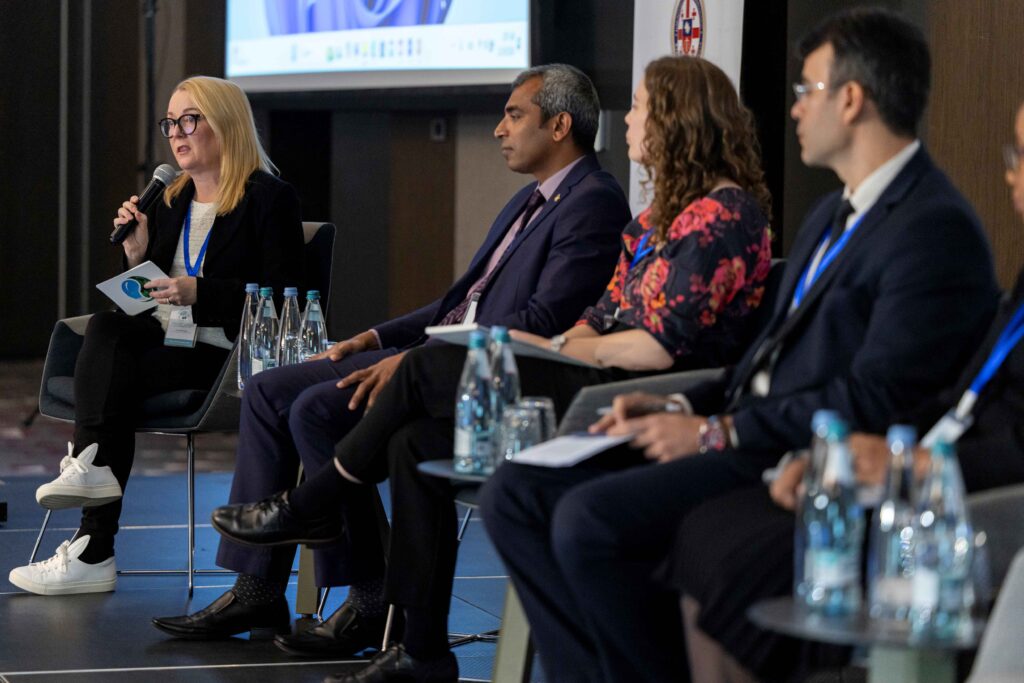
Vivi Niemenmaa, Secretary General of the INTOSAI Working Group on Environmental Auditing. Source: IDI
Auditing climate adaptation actions is key in regions vulnerable to rising sea levels and extreme weather, such as Small Island Developing States (SIDS), as underscored by Hussain Niyazy, AG of SAI Maldives: “For us, climate adaptation is not a future concern; it is a daily reality that demands accountability.”
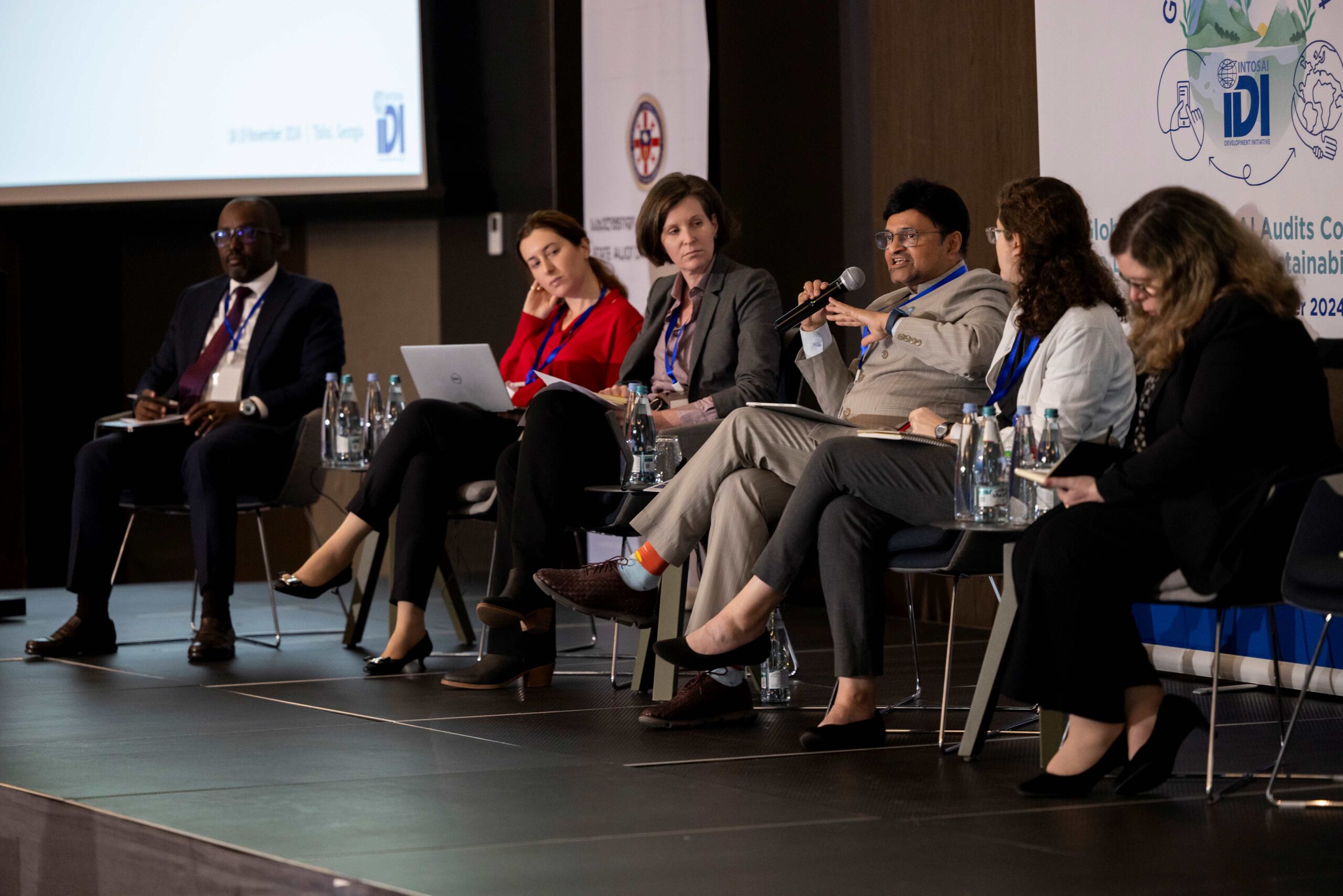
The Summit highlighted the transformative impact of digitalisation on SAIs, focusing on both the opportunities and challenges it presents. Leaders shared insights into harnessing advanced technologies like AI and blockchain to streamline audits, enhance data analysis, and improve accuracy. This rapid shift, however, demands continuous skill development and significant resource investment, especially for smaller SAIs.
Experts emphasised the need for robust digital infrastructure and capacity-building initiatives to address these challenges effectively. Collaboration was a recurring theme, with calls for global partnerships to share knowledge and establish artificial intelligence (AI) audit standards. “In an age of cyber risks, SAIs must become digital watchdogs, ensuring governments protect citizens’ data,” noted Chris Dimitriadis of ISACA.
The discussions highlighted practical applications, such as Costa Rica’s paperless audits and Egypt’s AI-enabled budget oversight. They also underscored the importance of ethical AI audits. “Our role as SAIs is not only to audit technology but to ensure its ethical and equitable application,” said panellist Farahnaaz Khakoo-Mausel from SAI USA. “By addressing issues like cybersecurity and equitable digital access, the summit underscored the evolving role of SAIs in safeguarding trust in the digital age.”
The spirit of collaboration and engagement throughout the Global Summit was captured in closing remarks. Looking ahead, it is essential to continue to build on innovation, emerging issues, and stakeholder engagement to create meaningful change.
“This Summit is a testament to the power of collective wisdom. Together, we have charted a course for SAIs to drive sustainability and innovation,” said Einar Gørrissen, IDI Director General. “The path forward is clear—through collaboration, innovation, and leadership, SAIs will continue to be catalysts for global progress.”
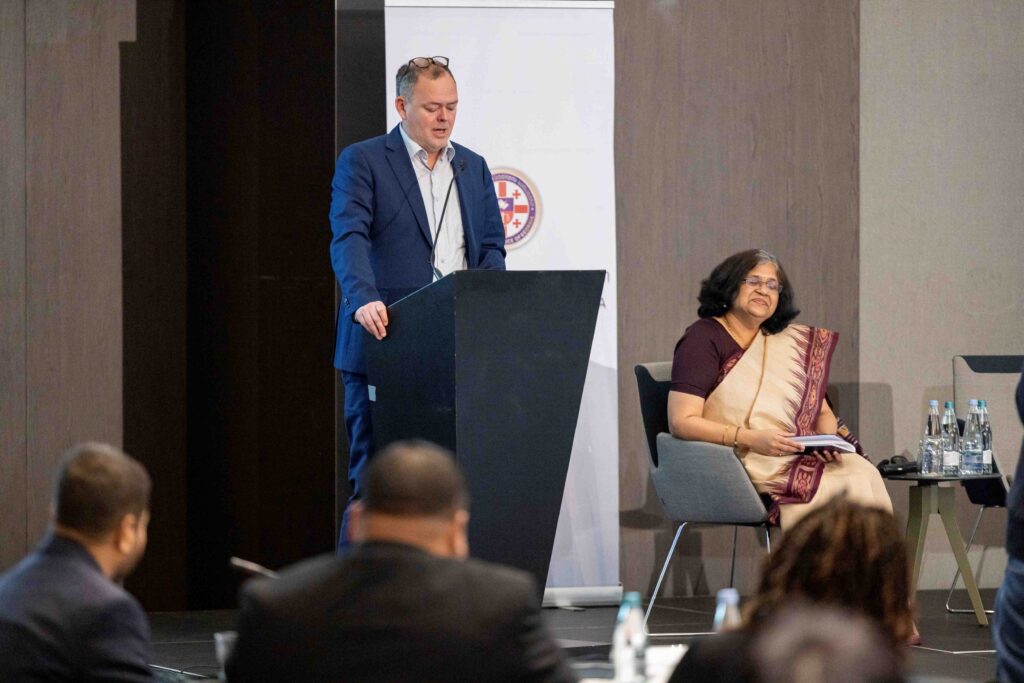
Einar Gørrissen, Director General of the INTOSAI Development Initiative (IDI). Source: IDI
Read more about the Global Summit 2024, view the session recordings and download the materials online.
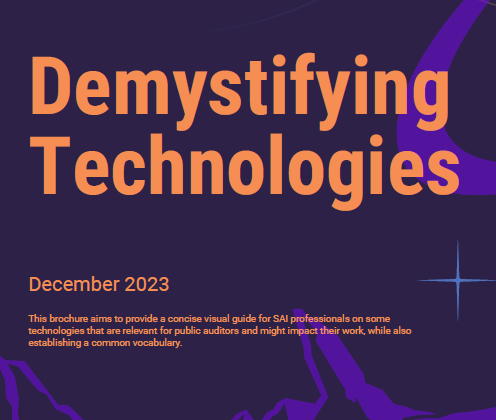
We are excited to share that the Demystifying Technologies brochure is now available.
This brochure is designed to provide a clear and concise visual guide for public auditors on various technologies that may impact their work and to establish a common language in the field. It is especially useful for non-technology professionals or auditors who want to learn about key technologies and concepts.
You can download the brochure in Arabic, English, French, and Spanish by visiting this link.
Additionally, you will find a library of additional resources related to the featured technologies, including use cases and audit-related information, in the “Other Resources” section of the page.

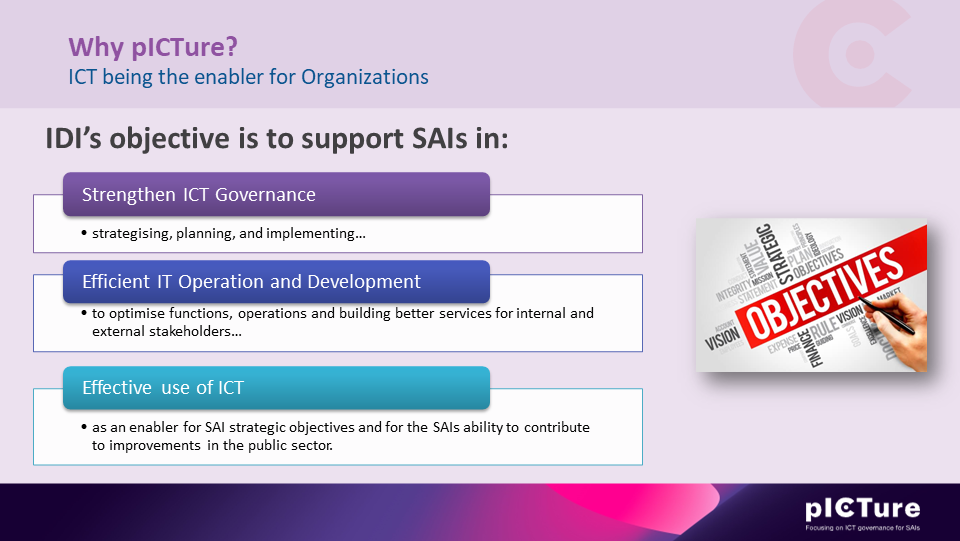
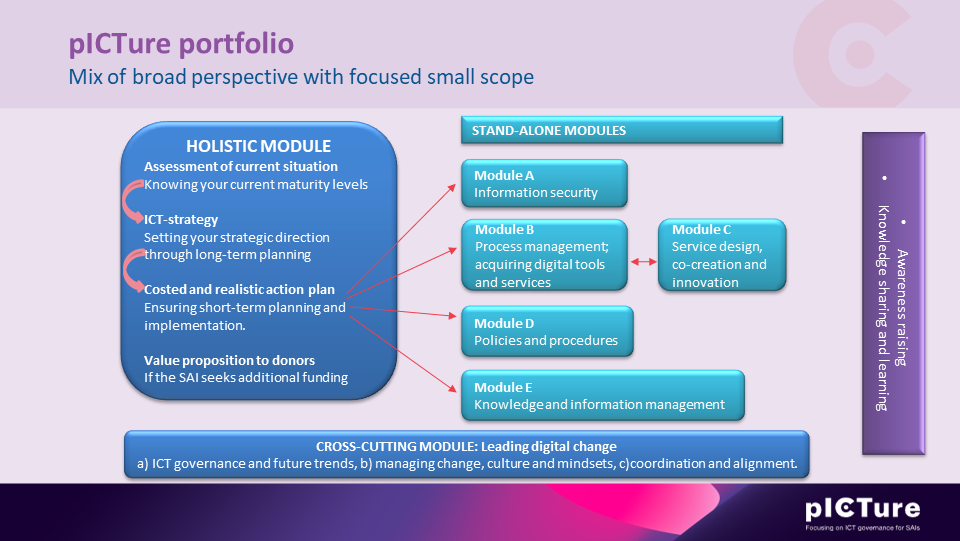
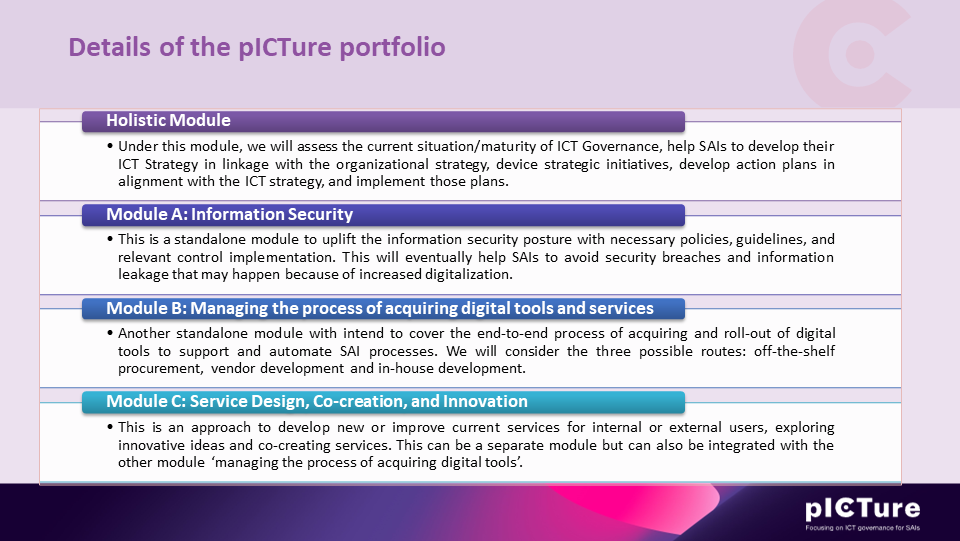
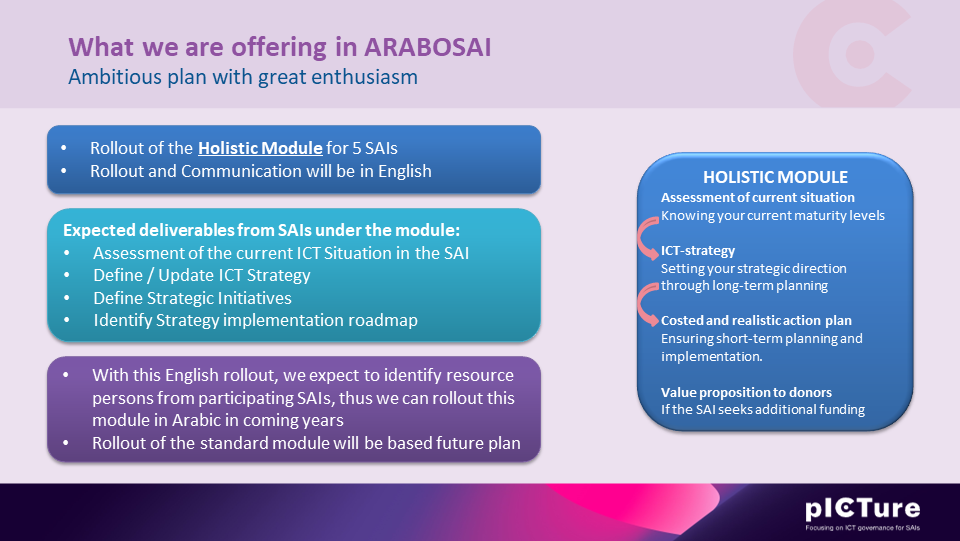
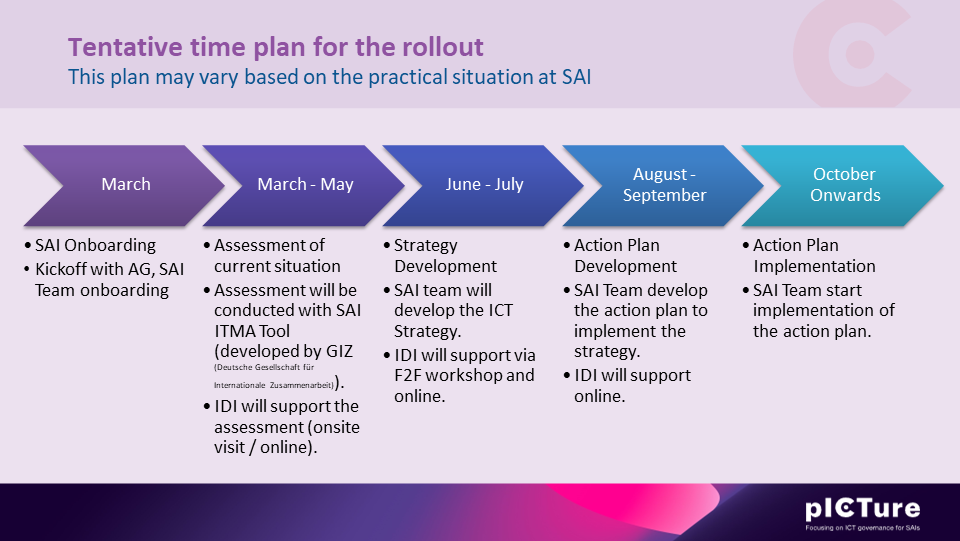
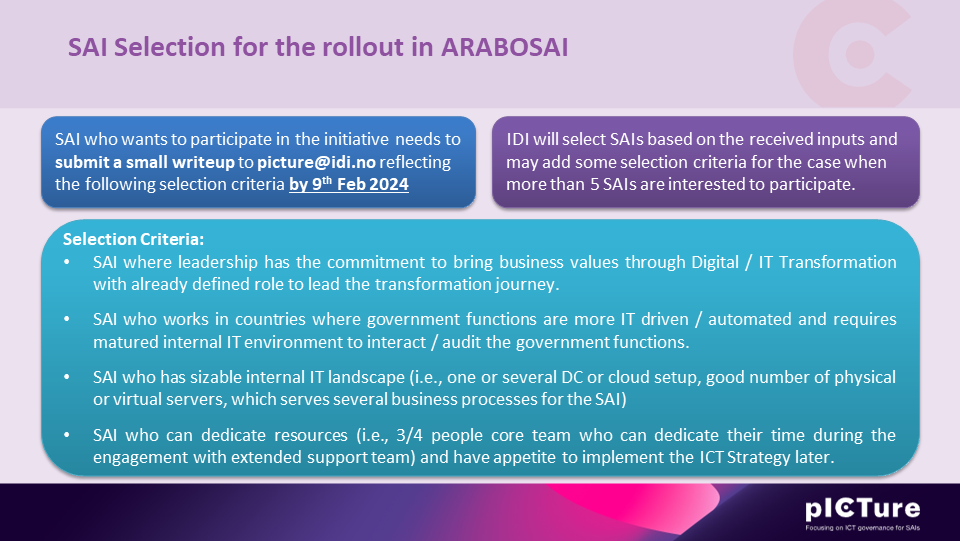
IDI is pleased to invite SAIs from ARABOSAI region to join the pICTure initiative. Under the initiative we are focusing to strengthen the ICT Governance along with efficient and effective use of ICT in the SAI.

In the second quarter of 2023, the International Journal of Government Auditing published Volume 50, Issue 2.
The issue focused on emerging science and technology issues in the public auditing sector.
In this publication, the International Organisation of Supreme Audit Institutions (IDI) shared how it is spearheading sustainable technology audit practices for better utilization of technology by governments and auditors.
Read the full article here.
The full issue may be found here.
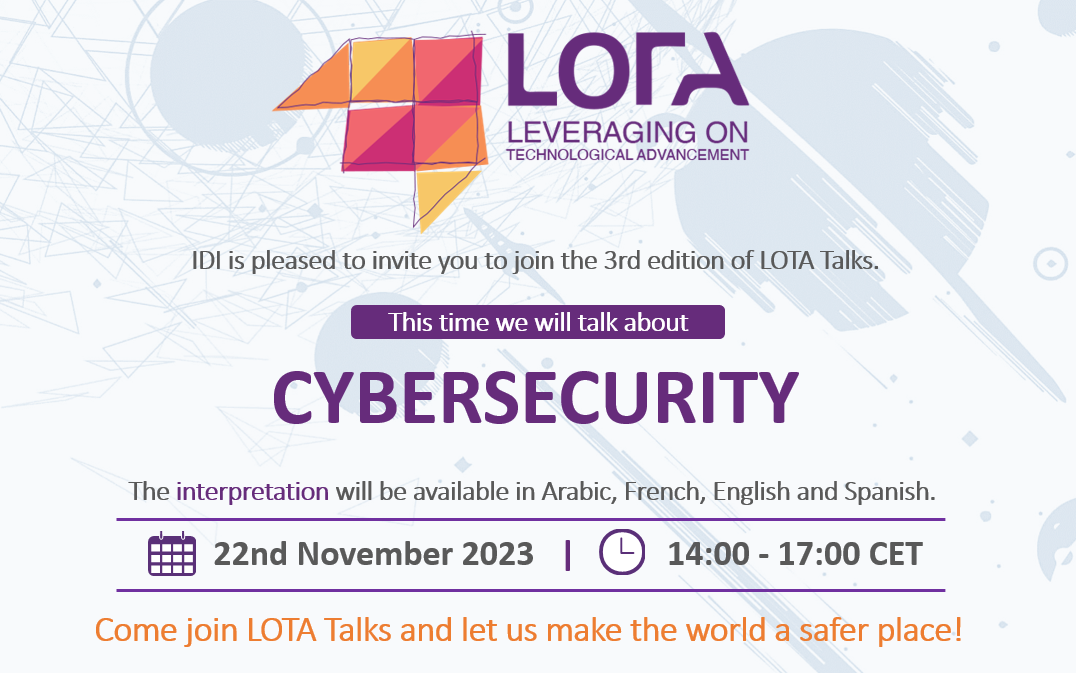
IDI is pleased to invite you to join the 3rd edition of LOTA Talks.
This time we will talk about Cybersecurity.
The interpretation will be available in Arabic, French, English and Spanish.
🕒 22nd November 2023 | 14:00 – 17:00 CET
Poster: Download Poster
Register: HERE
Our speakers:
Performance Audit of Preparedness for Cybersecurity: Bhutan Experience |
|
Kinley Zam | Performance Auditor, SAI Bhutan |
|
Audit of Cybersecurity |
|
Renato Braga | Security Information Audit Manager, SAI Brazil |
|
Andre Torres | Cybersecurity Specialist, SAI Brazil |
|
Audit of Zero Trust Architecture |
|
Jeffrey Knott | Assistant Director, IT and Cybersecurity, SAI USA |
|
Kevin Smith | Senior Analyst, IT and Cybersecurity, SAI USA |
|
Cyber Security in a rapidly evolving Space industry |
|
George Tountas | Senior Manager, Information Security Management, SESGeorge has a background in Computer Science and holds an M.Sc. Information Security from University College London. He has been working on Cyber Security and IT Audit for more than 13 years. He is passionate about the topic and loves to collaborate with teams to get the best and most secure solutions. Currently, he is a Senior Manager in Information Security Management at SES, a global satellite communications provider. He is CISA and CISSP certified. |
|
Cybersecurity and data protection |
|
Kareem Ismail | Senior Auditor, SAI EgyptKareem is the Senior Auditor, with over 12 years of experience in Auditing at the Supreme Audit Institution of Egypt, known as Accountability State Authority. He has a Bachelor’s degree in Accounting and Finance from Cairo University and a Master’s degree in Information Systems from DePaul University in the United States of America. Kareem is an active team member of two INTOSAI working groups – WGITA (Working Group of Information Technology Audit) and WGBD (Working Group of Big Data). |
|
Cybersecurity and data protection guidelines |
|
Roberto Hernandez Rojas Valderrama | General IT Audit Director, SAI Mexico |
|
Cyber security and internal auditors |
|
José Manuel Espinoza Reyes | System Engineer, SAI Costa Rica |
|
Come join LOTA Talks and let us make the world a safer place!
Register: HERE
For more information on the LOTA initiative, please visit:



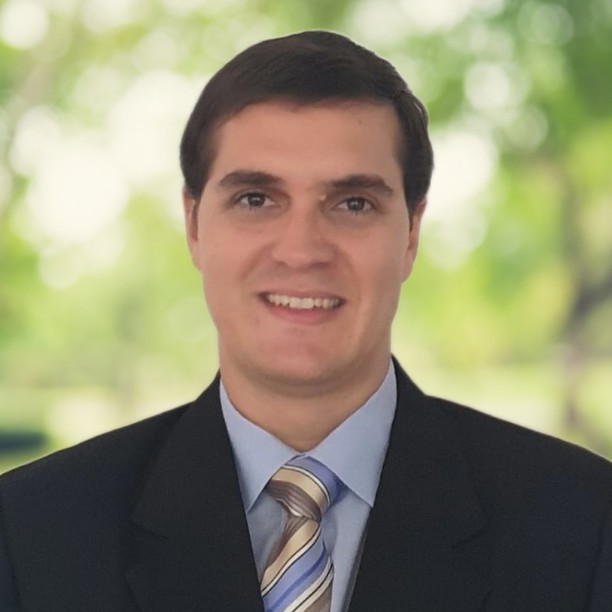
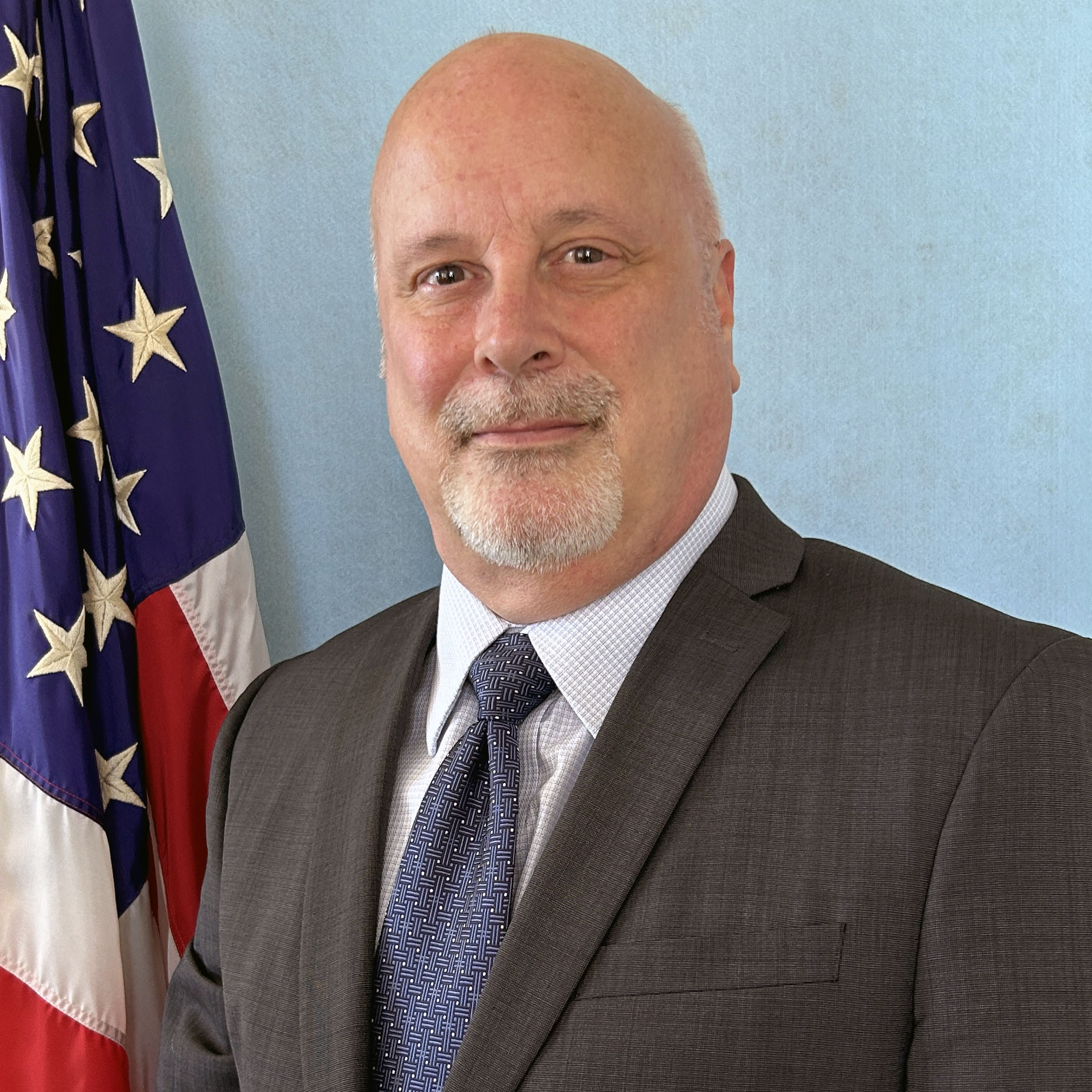

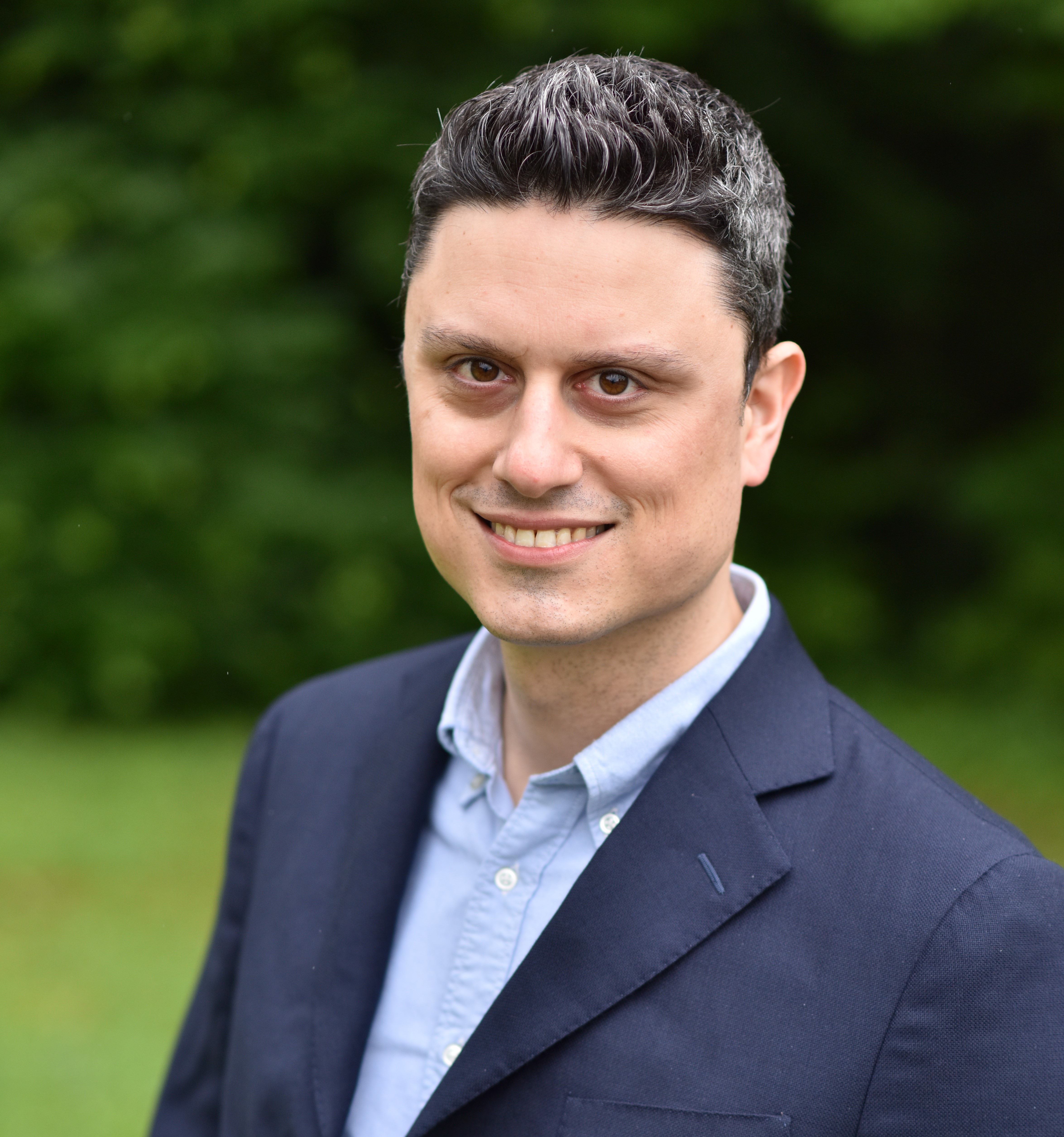
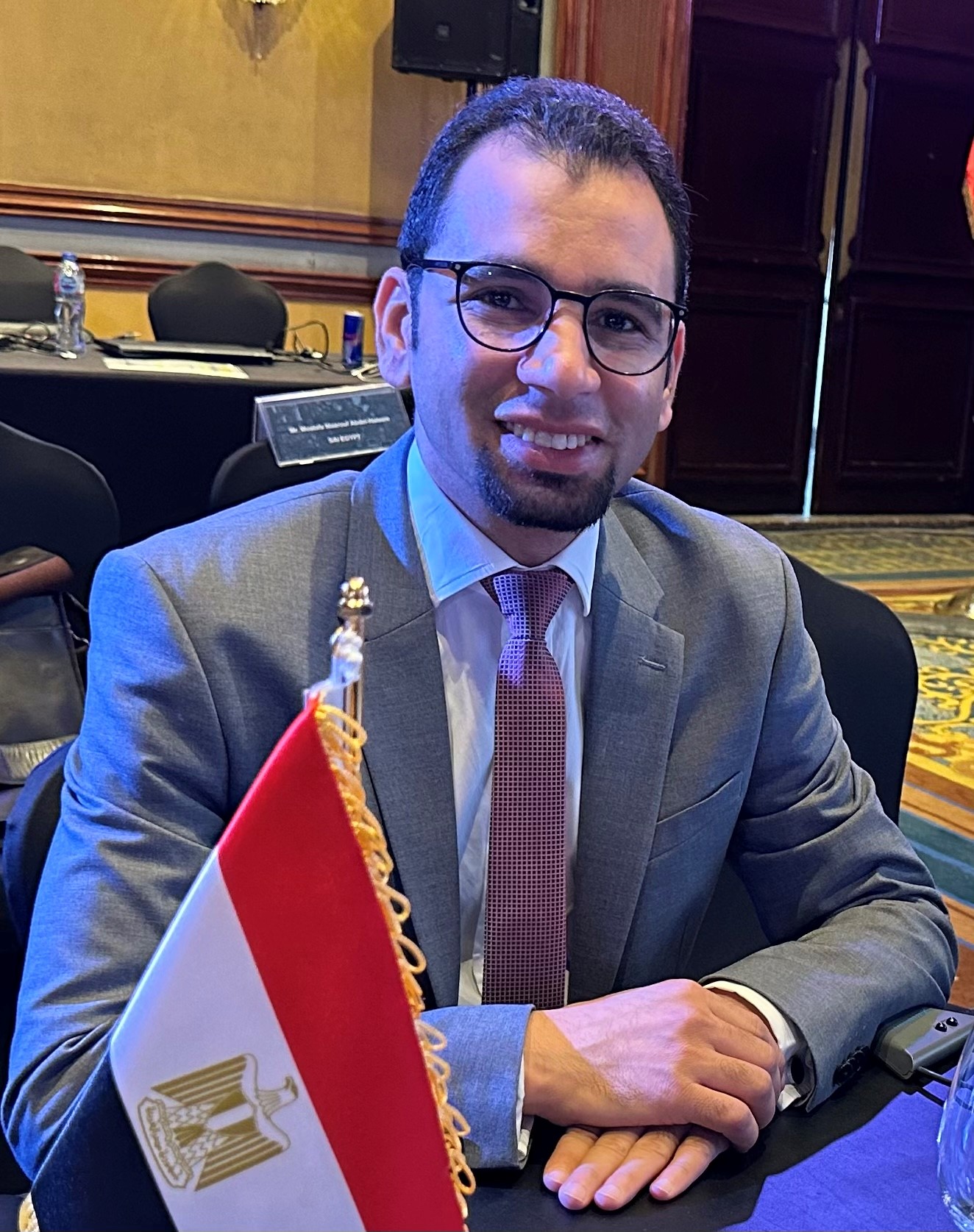
Roberto is the General IT Audit director in the Superior Audit of Mexico with more than 30 years of experience IT Audit Governance, risk and Cybersecurity. He is in charge of IT compliance audits and cybersecurity evaluations (based on NIST Cybersecurity Framework, Basel III, PCI, CSI and CCCM) in different government sectors, such as financial, energy, health, social development, telecommunications, and national security. He is also in charge of the Big Data and Analytics initiative and project leader of Cybersecurity and data protection guidelines in the Working Group of IT Audit WGITA. Roberto is a Subject Matter Expert in many IT standard-setting committees and in Cloud Security.