News
SAI Young Leaders build strong Supreme Audit Institutions (SAIs) – Fourth Edition
17/12/2025
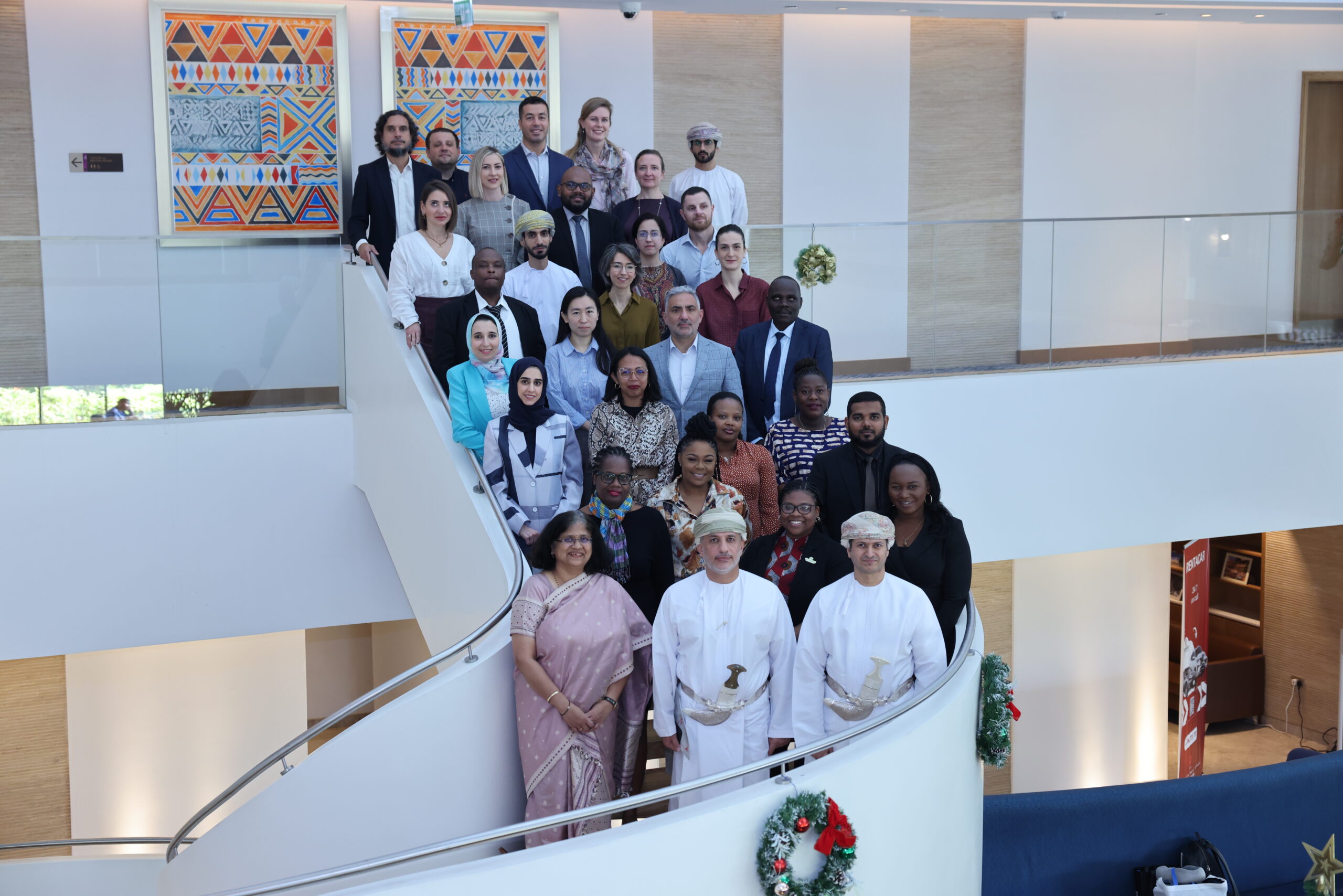
Muscat is hosting the fourth edition of the SAI Young Leaders initiative, running until 12 December 2025.
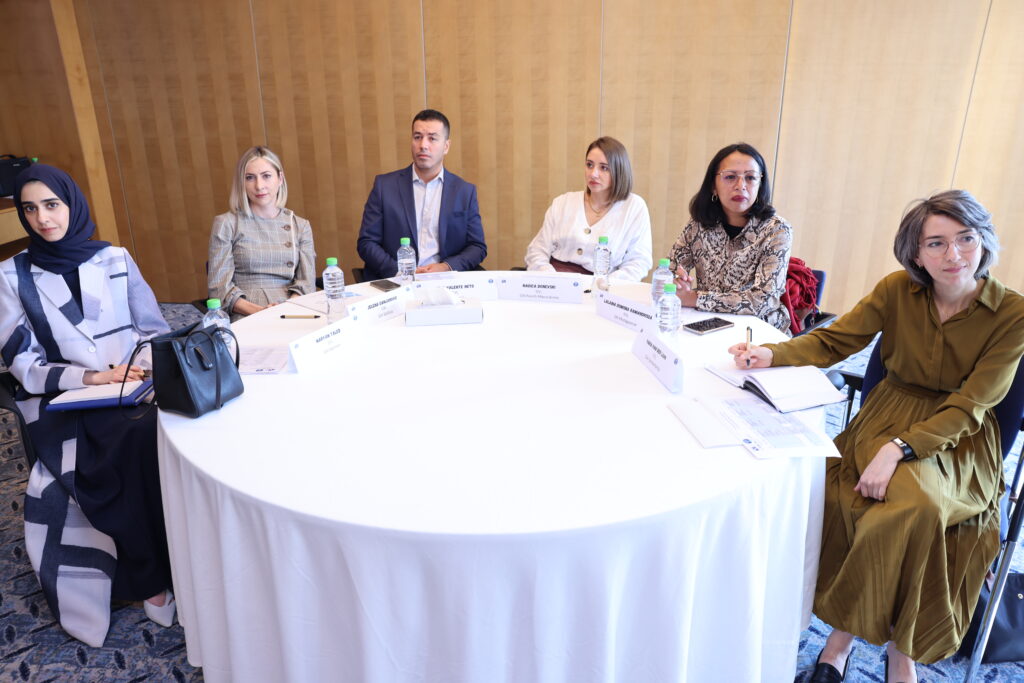
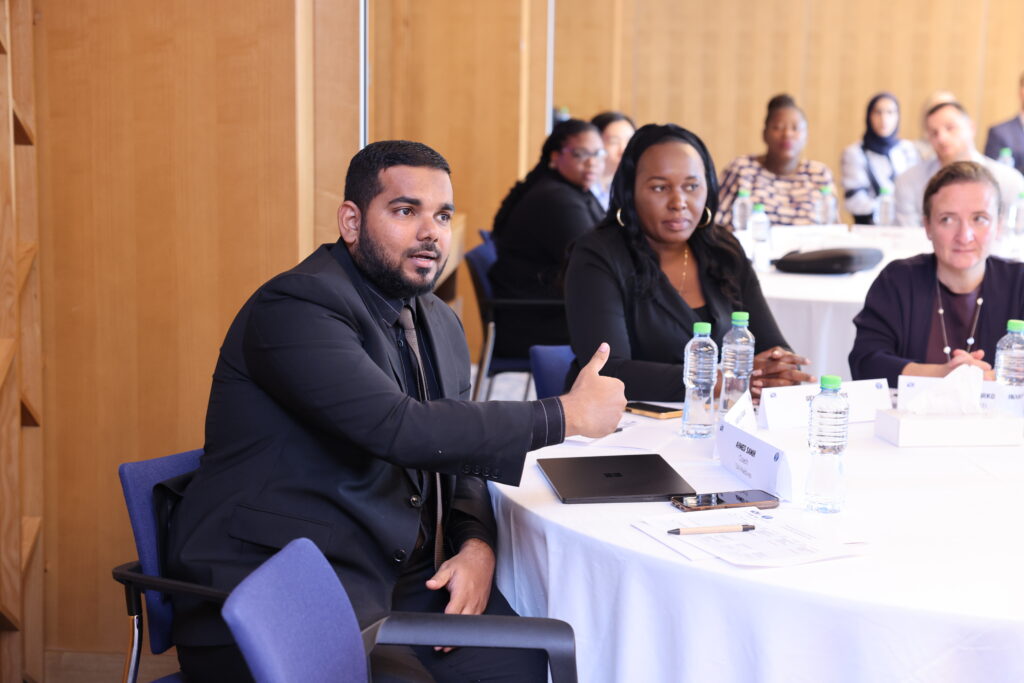
Leadership is not a title or a stage; it is a journey of growth and transformation. Over the past year, the Young Leaders have undertaken an intensive development journey that challenged them to reflect, evolve, and lead with purpose in an increasingly complex public sector environment.
As one of IDI’s flagship initiatives, it empowers emerging SAI leaders with modern leadership tools, practical methodologies, strong collaboration skills, and forward-looking insights into the future of public-sector auditing.
Throughout the year-long programme, participants progressed through four interconnected learning pillars:
🔍 Discover Self – building self-awareness, ethical leadership, and personal resilience
👥 Lead People – strengthening communication, teamwork, and inclusive leadership capabilities
🌐 Discover the Universe – understanding global trends, digital transformation, and the evolving role of SAIs
🎯 Deliver Value – translating leadership into impact, relevance, and public value for citizens

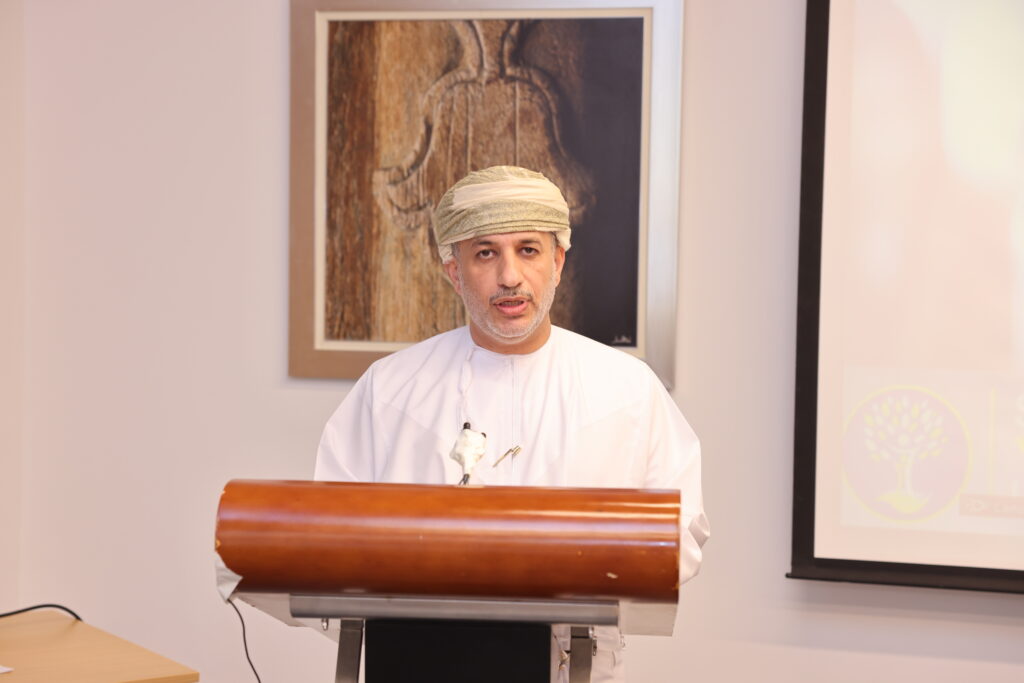

Equipped with modern leadership tools, practical methodologies, strong collaboration skills, and forward-looking insights into the future of public-sector auditing, the next generation of SAI leaders will be ready to create impact around the world.
We extend our sincere appreciation to our host, the State Financial and Administrative Audit Authority (SAI Oman), for its strong commitment to advancing the audit profession and investing in the next generation of SAI leaders.




To learn more about this initiative, check out our SAI Young Leaders page.
17-19 March, Dominican Republic
Language: Spanish
03-05 June, Benin
Language: French
11-13 February 2025, Kenya
Language: English

A significant milestone was reached as the fourth edition of the SAI Young Leaders initiative concluded, bringing together twenty emerging leaders for a year-long development journey. What began as a promising learning opportunity evolved into a period of deep reflection, personal growth, and meaningful change. Grounded in the belief that leadership is not a position but a continuous practice, participants engaged in an intensive learning experience designed to strengthen self-awareness, sharpen decision-making, and support leadership rooted in clarity and purpose.
This edition was made possible through the strong commitment of SAI Oman, whose support reflects a clear dedication to strengthening the audit profession and investing in the next generation of SAI leaders.
Many young leaders responded to our announcement. Download the announcement
Following an exacting selection process, our SAI Young Leaders were chosen. All our SAI Young Leaders 2022-2023 met in Bangkok, Thailand for their first interaction from 28 November to 02 December, 2022.
Congratulations to our latest SYLs! See the change strategy each SYL will be working on in the year to come:
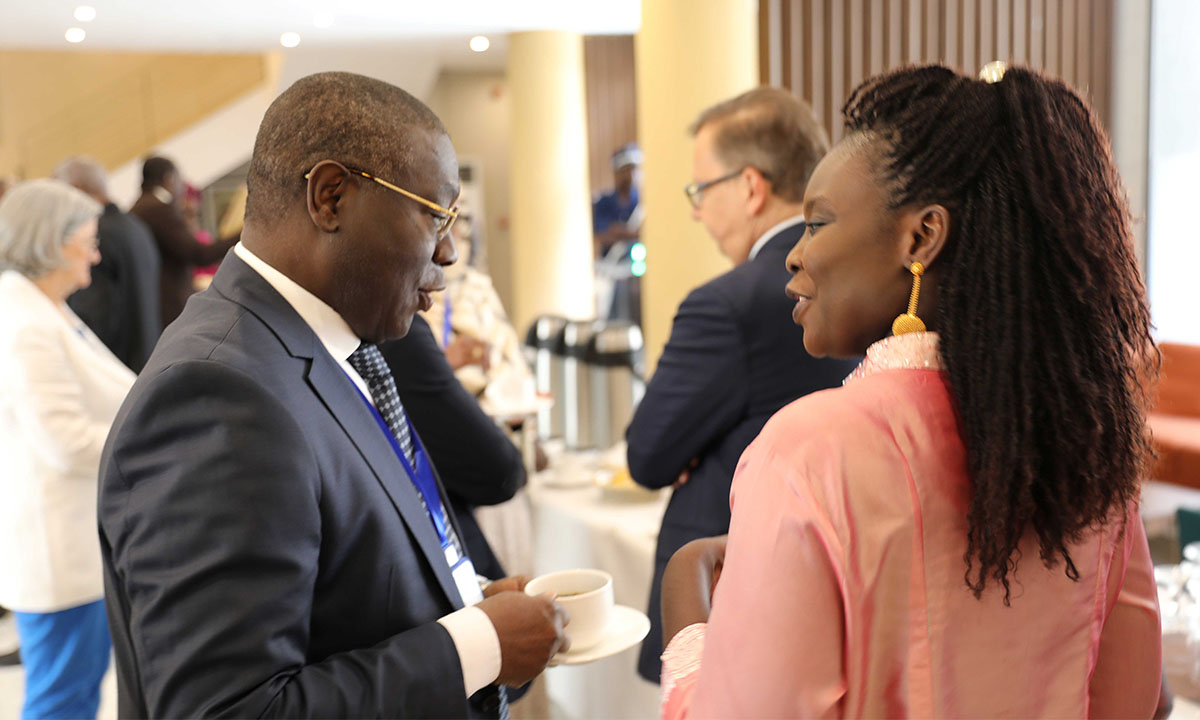
In today’s volatile global landscape, marked by democratic backsliding and growing calls for accountability, the role of Supreme Audit Institutions (SAIs) is more vital than ever. This is especially true in Sub-Saharan Francophone Africa, where SAI leaders must navigate political complexity, institutional constraints, and rising citizen expectations, all while upholding integrity and oversight.
From 28 to 30 May 2025, Heads of SAIs convened in Senegal for a high-level gathering focused strengthening their leadership skills and adapting to shifting realities. Far from a routine meeting, the event marked the expansion of IDI’s redesigned Mastery Initiative into the Francophone region, following its successful launch earlier this year for English and Spanish-speaking audiences.
Oversight leaders from Benin, Burkina Faso, Burundi, Comoros, Côte d’Ivoire, Djibouti, Senegal, and Chad—members of the Regional Council for Training of Supreme Audit Institutions of Sub-Saharan Francophone Africa (CREFIAF)—came together to exchange ideas, tackle shared challenges, and explore the demands of bold, future-focused leadership. Hosted by the Cour des Comptes of Senegal (SAI Senegal), the Masterclass gave Francophone SAIs a platform to take centre stage.
In Francophone Sub-Saharan Africa, where governance challenges reflect shared history and institutions, peer collaboration is vital for stronger public oversight. As participants arrived in Dakar for the Leading in a Global Context Masterclass, a sense of familiarity grew—from past exchanges and the common challenges uniting them.
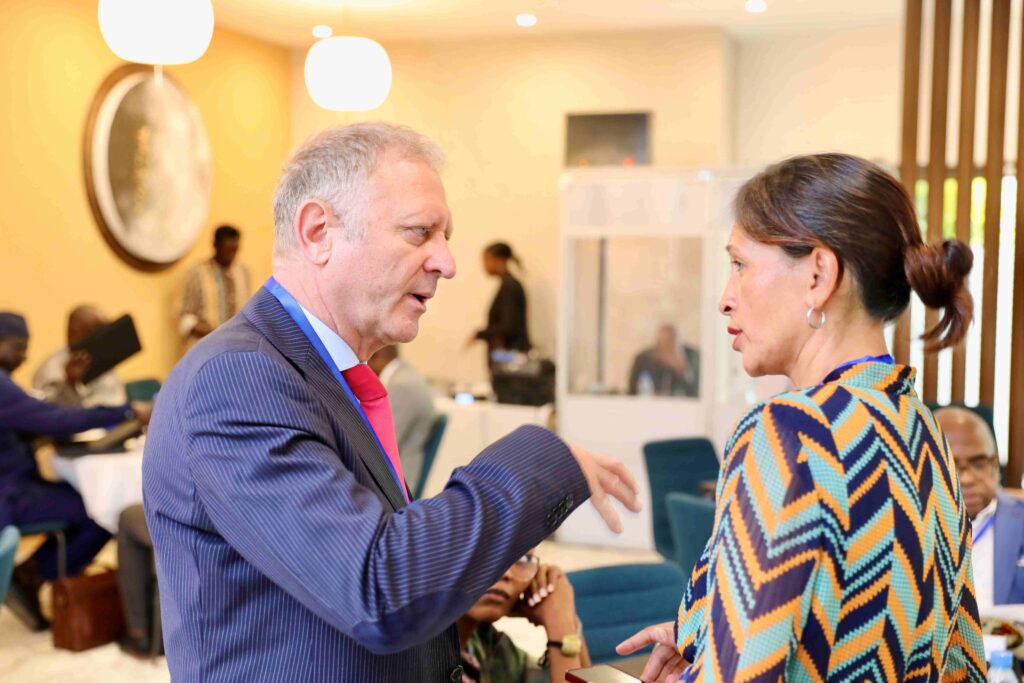
The Masterclass brought together a distinguished group of high-level leaders and experts, reflecting IDI’s strong strategic relationships across the public oversight and development community. Present were regional leaders representing the West African Economic and Monetary Union (UEMOA) and the Secretariat of CREFIAF, whose participation reinforced the collaborative spirit driving progress in Francophone Africa.
Additionally, panellists from institutions such as the World Bank, International Monetary Fund, European Investment Bank, European Court of Auditors, and the International Budget Partnership Senegal guided and enriched discussions throughout the event.
Their insights underscored a key reality: while national contexts differ, both threats and solutions cross borders.

SAI leaders also play a critical role in upholding transparency and accountability in such complex environments. Opening the event, Mamadou Faye, First President of SAI Senegal, emphasised the importance of this engagement, saying: “This is a unique platform for peer learning amongst SAI leaders in the region, who often face similar institutional and organisational challenges.”
To enhance CREFIAF’s leadership capacity, the event’s success depended on vital international support made possible by the Swiss State Secretariat for Economic Affairs (SECO).
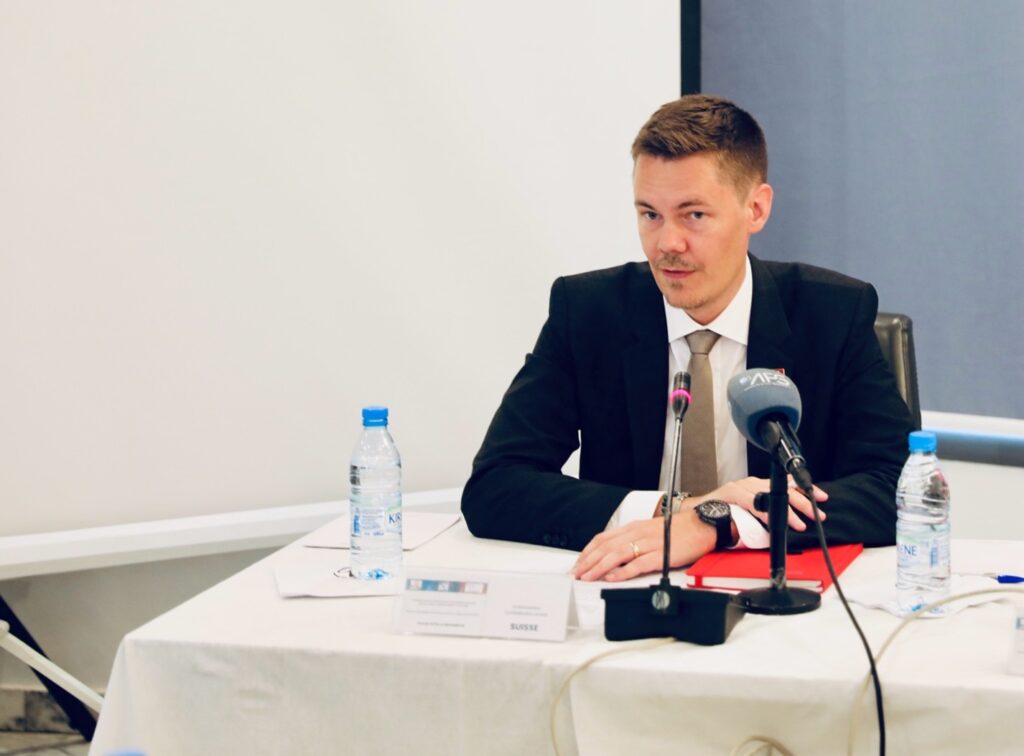
Representing Switzerland, Pablo Padrut, Chargé d’Affaires a.i. at the Swiss Embassy in Senegal, reaffirmed this commitment: “Switzerland proudly supports strengthening SAIs and their leaders, who are essential to safeguarding public resources and reinforcing public trust.”
In today’s climate of growing public doubt, institutions face a crisis of trust. SAIs are among the few that still hold credibility, but that trust cannot be taken for granted.
To meet this challenge, leadership must evolve.
But what does it mean to lead globally when your mandate is grounded nationally? For these SAI heads, it meant reimagining leadership itself by looking beyond domestic boundaries to engage with regional realities and global trends.
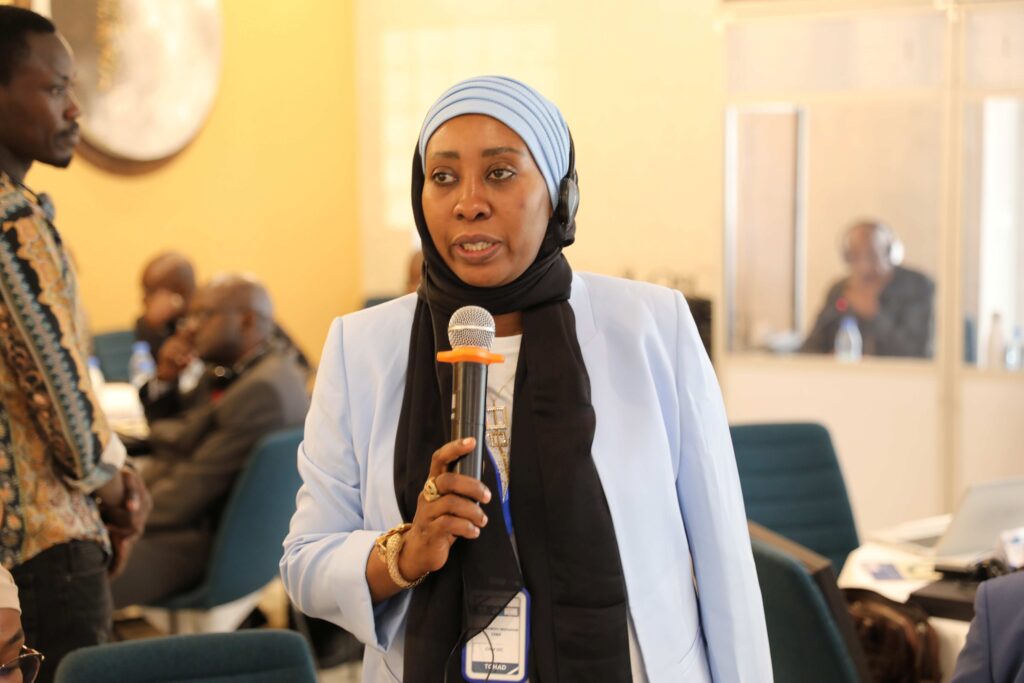
Throughout the week, a range of expert speakers and facilitators offered fresh perspectives that challenged participants to reflect critically on their leadership roles. Topics like corruption, political instability, and slow-paced reform were not abstract concepts—they were lived realities for many in the room prompting candid, engaging and thought-provoking discussions. Sharing these experiences created space for genuine connection, grounded in mutual understanding and professional solidarity.
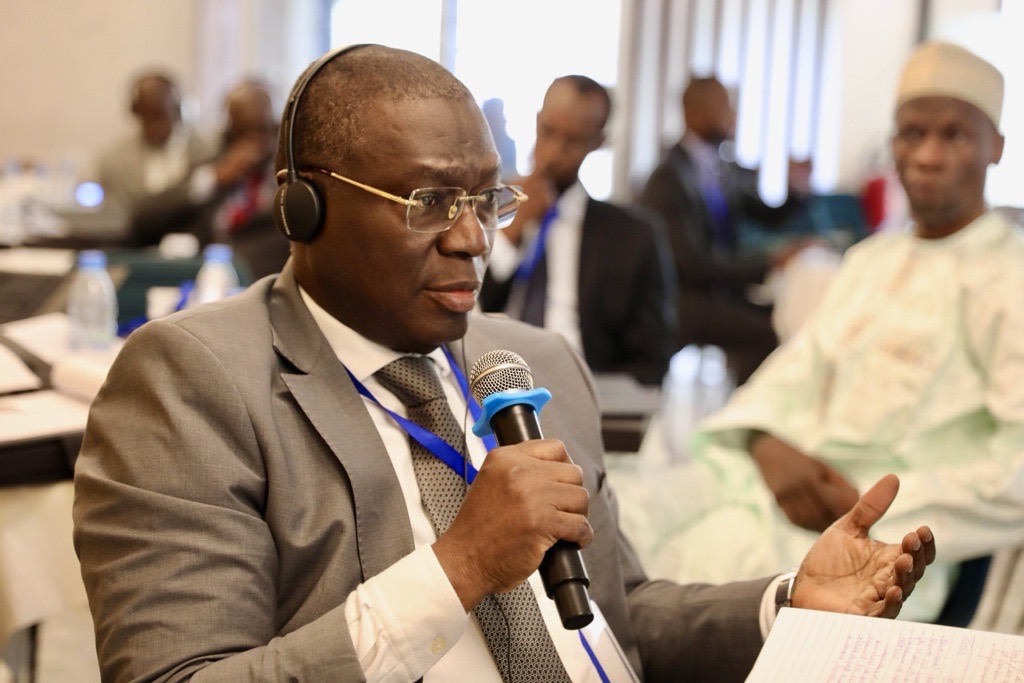
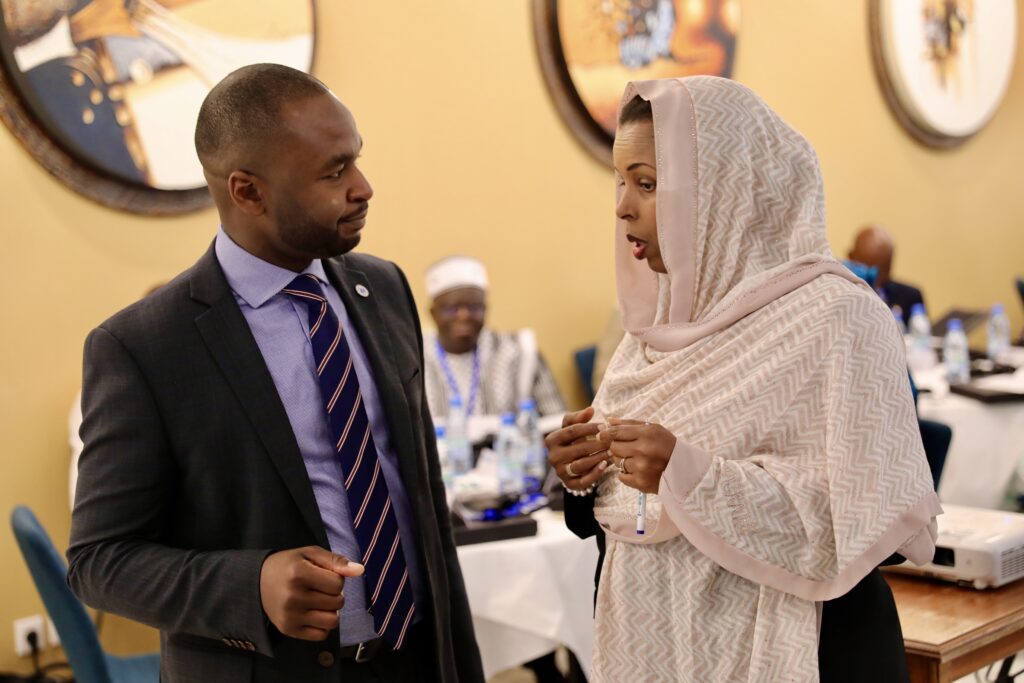
Ismahan Mahamoud, First President of the Court of Accounts of Djibouti (SAI Djibouti) and Chair of CREFIAF, confirmed the importance of this dialogue, saying: “The issues tackled during the Masterclass and the perspectives shared among heads of SAIs will equip us with precious insights in our roles as defenders of accountability.”
As conversations deepened, broader questions emerged about key topics for SAIs in the region: digitalisation, citizen engagement, and public trust.
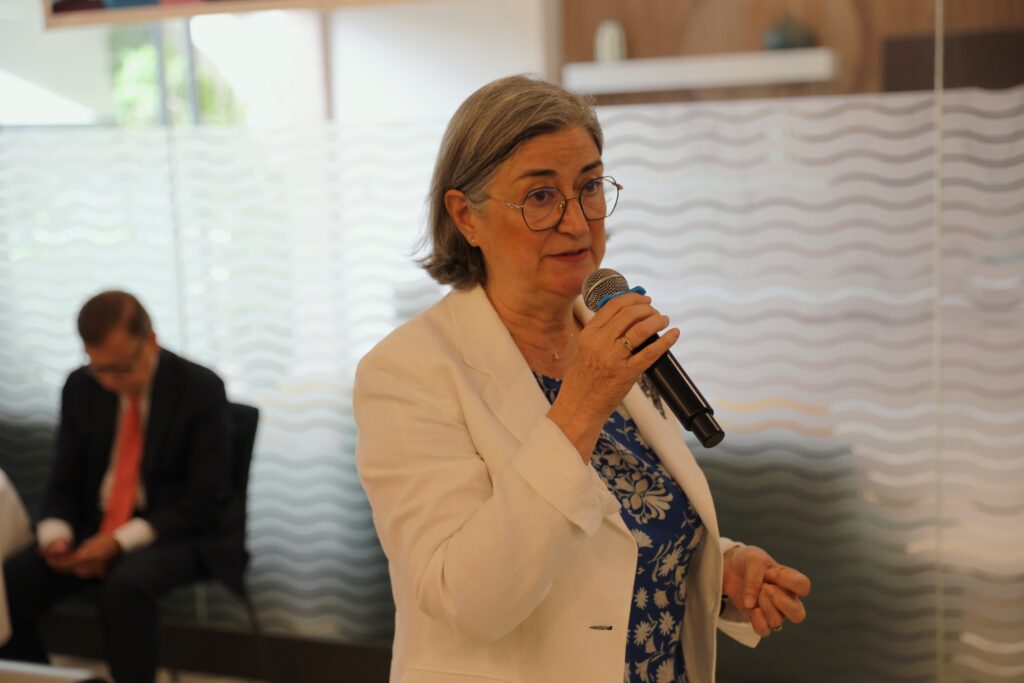
Digital Transformation Expert and former representative from the European Court of Auditors, Magdalena Cordero, addressed the need for institutional adaptation head-on. A long-time contributor to public sector digital reform efforts, she identified the perceived tension between transformation and tradition.
Rather than calling for a disruptive revolution, she emphasised that digital transformation for SAIs should be about pragmatic adaptation— meaning, meeting institutions where they are and building their capacity in context-sensitive ways.
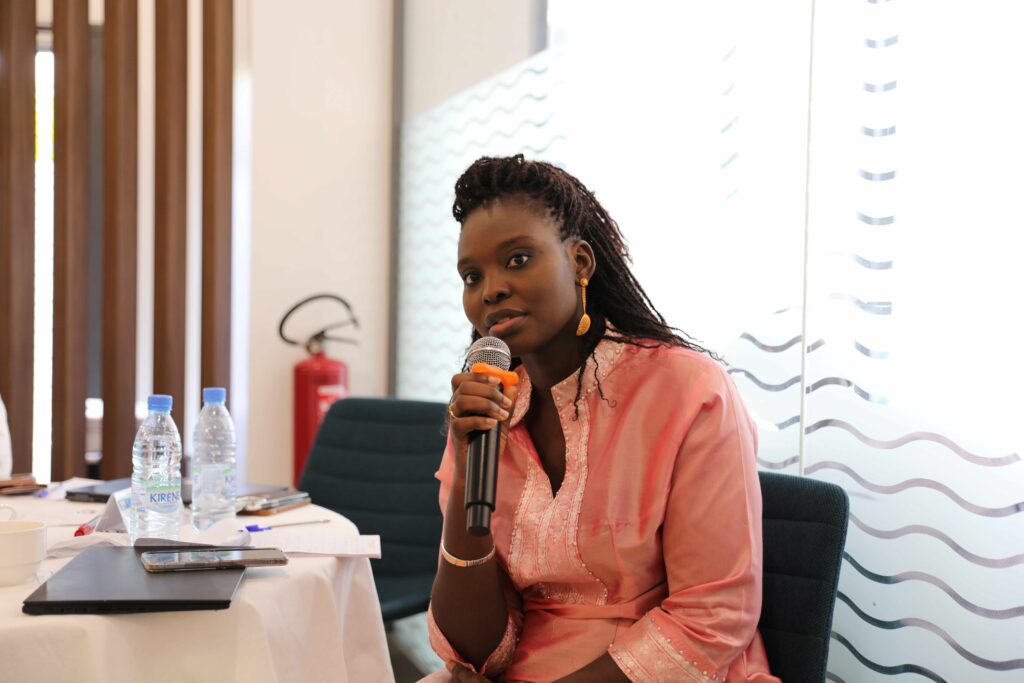
Participants also engaged with expert thought leadership from outside the SAI community, including insightful presentations from the World Bank and the International Budget Partnership (IBP). On the topic of citizen engagement, Aissatou Diop, Manager of IBP Senegal’s Public Policy Department, emphasised rising public demand for transparency.
While many SAI leaders in the CREFIAF region remain cautious about partnering with civil society due to political pressures and institutional sensitivities, IBP encouraged a shift in perspective. Importantly, civil society should be seen not as a threat, but as a strategic ally—one that can amplify oversight and strengthen public confidence when engagement is approached thoughtfully.
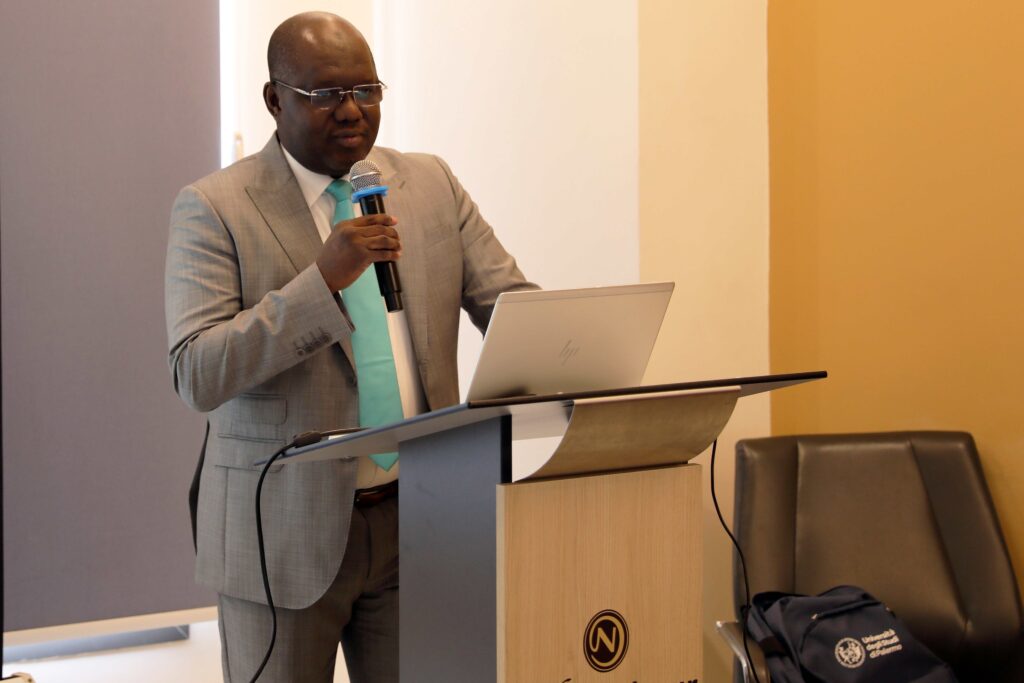
Additionally, in a region where trust in public institutions is fragile, SAIs remain one of the few oversight bodies still seen as credible by the public. Drawing on two decades of governance data across Sub-Saharan Africa, Saidou Diop, Lead, Public Sector- Western and Central Africa, from the World Bank offered a broader regional perspective.
To strengthen institutional trust, SAIs, particularly in Francophone Africa, must continue investing in performance, leadership, and resilience. From managing public debt to ensuring accountability in how public funds are used, capable and trusted SAIs are essential to tackling both long-standing development issues and emerging global risks.
Facilitating the Masterclass were INTOSAI Development Initiative (IDI)’s Senior Managers, Alain Memvuh, Eduardo Ruiz Garcia, and Abdelhakim Ben Lazreg. With their vast experience from capacity development and public financial management, they helped participants navigate complex issues and reflect on their leadership roles.

Unique to the Masterclass experience, their professional backgrounds from working directly within or with Francophone SAIs from the Sub-Saharan region, enabled them to insightfully address many of the shared challenges and solutions at hand.
As CREFIAF Regional Manager at IDI, Alain Memvuh shared: “This Masterclass was not just about knowledge-sharing—it was about empowering leaders to think critically, act strategically, and drive meaningful change within their institutions and beyond.”
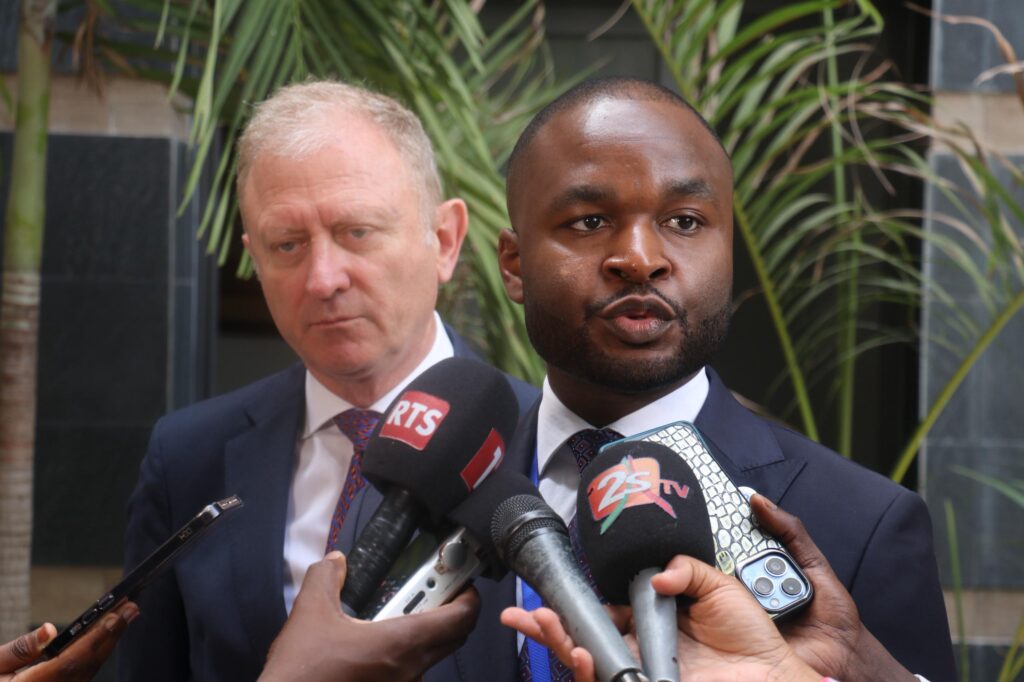
Combining regional and global expertise, these expert-led conversations are the heart of IDI’s Mastery Initiative. Going beyond theory, the topics discussed reflect the core demands of leadership today. Particularly for SAI leaders in complex settings, success requires more than maintaining the status quo. The Masterclass challenged participants from the region to rethink not just the institutions they lead, but how they lead them in a constantly changing world.
This Masterclass was just the beginning for Francophone leaders looking for inspiration. As the event ended, the energy in the room was palpable. Participants left not just with new ideas, but a renewed sense of direction and a network for further collaboration.
In a time when trust in public institutions is increasingly fragile, the commitment of these SAI leaders to strengthening accountability, embracing innovation, and adapting to new challenges may well be one of the region’s most valuable assets.
Having experienced the power of Mastery’s specialised dialogue and peer learning, Kanvaly Diomande, President of the Court of Accounts of Côte d’Ivoire (SAI Côte d’Ivoire) said: “The greatest benefit of the Masterclass approach is that it brings us, as SAI leaders, together to openly share our personal experiences. We were grateful to IDI for creating such a vital platform.”
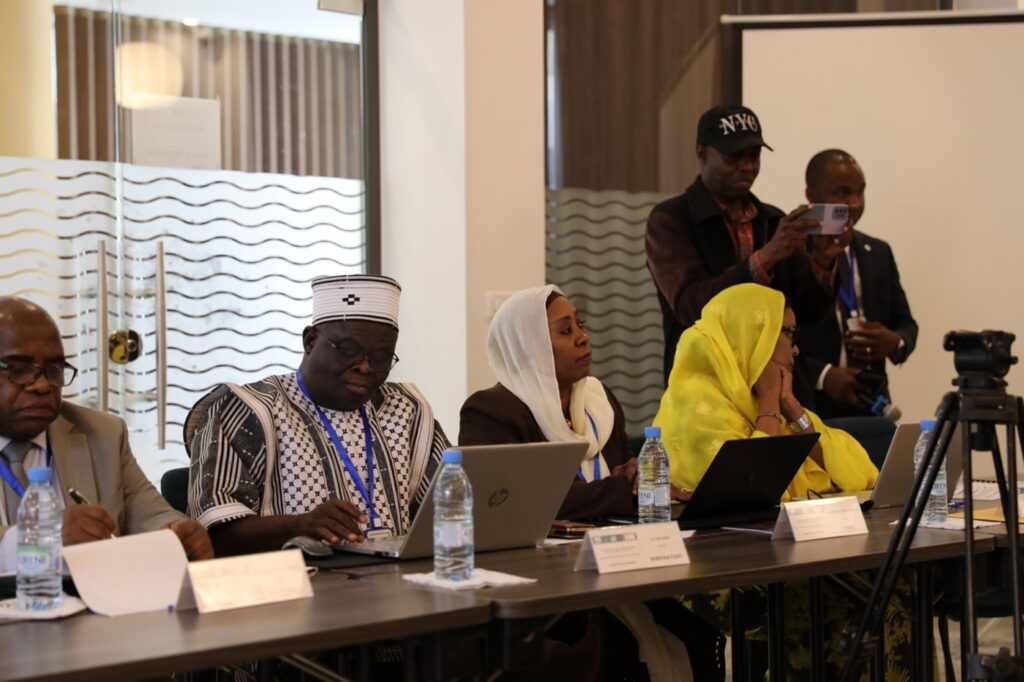
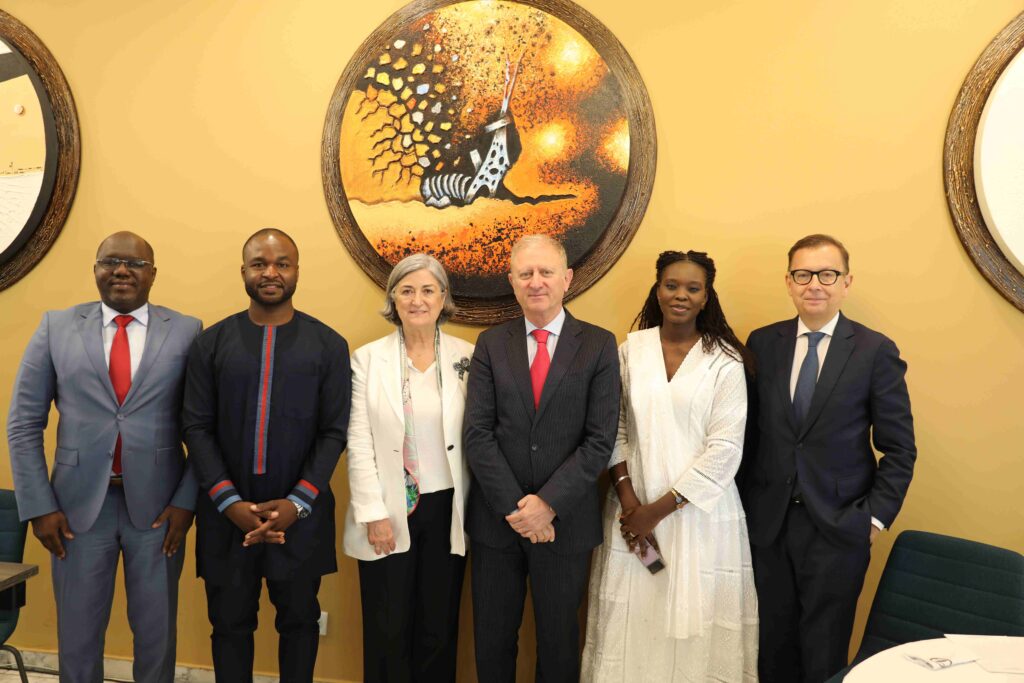
IDI is already preparing a follow-up Masterclass for CREFIAF SAI heads, this time focusing on Leading Institutional Change. If leadership in a global context is about vision, then institutional change is about action: turning ideas into impact.
Are you leading a Supreme Audit Institution? With upcoming events in Spanish, English, Arabic and French, learn more about how you can join our next event.
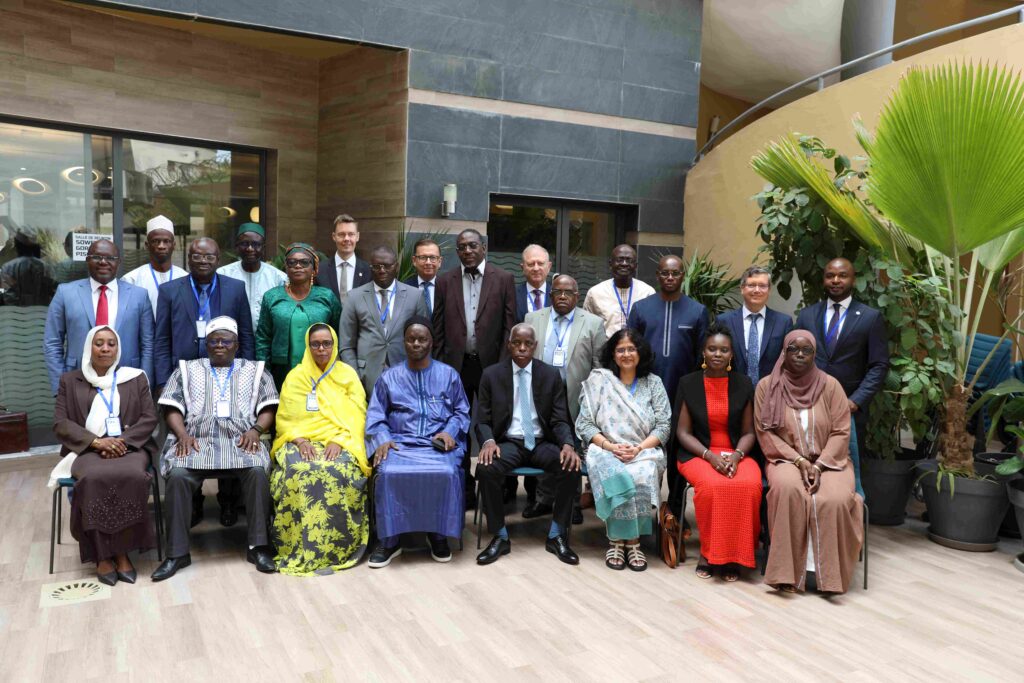
Pendant trois jours à Dakar, les dirigeants des ISC membres du CREFIAF ont partagé leurs expériences et exploré ensemble les défis du leadership stratégique. Cette Masterclass a permis d’enrichir la vision collective, de renforcer les capacités, et de bâtir des alliances pour une gouvernance publique plus transparente.
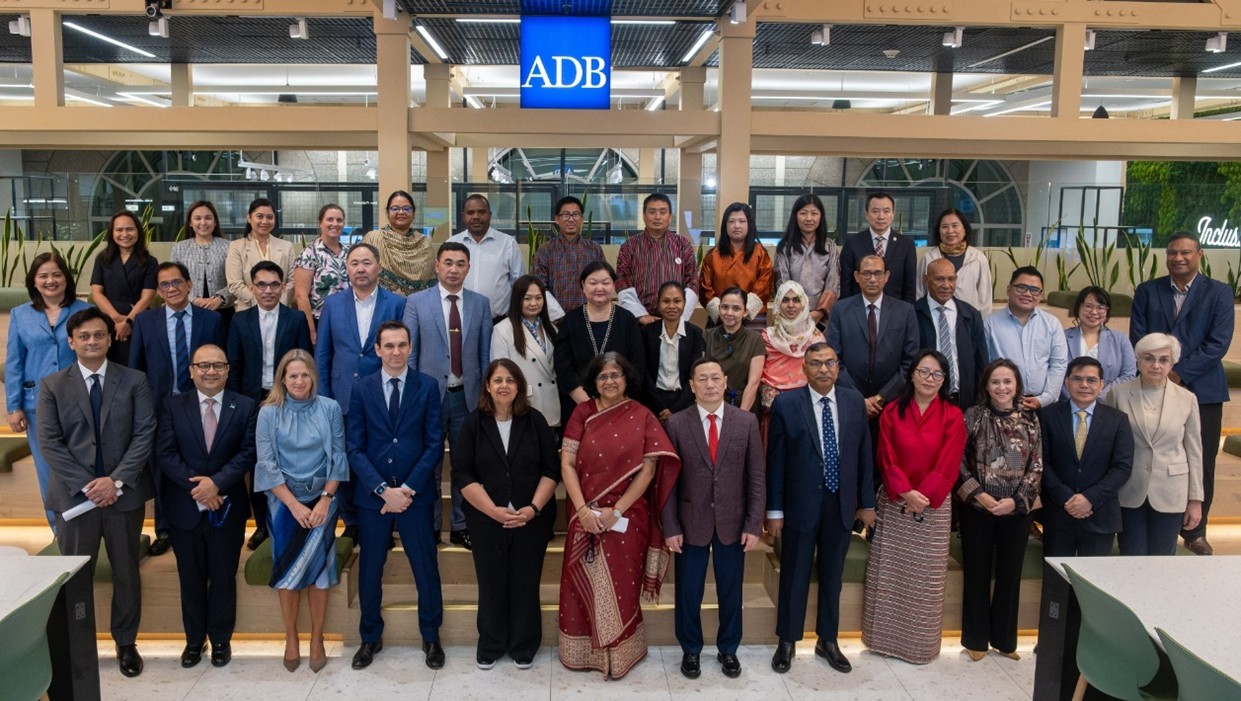
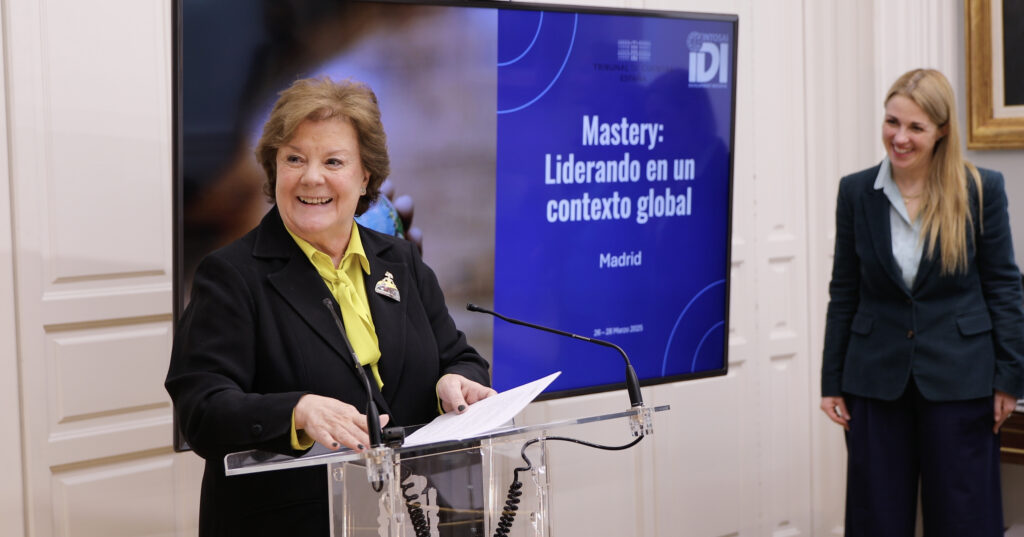
In March and April 2025, Supreme Audit Institution (SAI) leaders from across the globe gathered in Madrid for IDI’s Mastery—a high-level leadership initiative designed to stretch the thinking, strategy, and solidarity of those at the helm of national audit offices.
Hosted with the Tribunal de Cuentas de España (SAI Spain) and the Autonomous University of Madrid, the initiative brought together seasoned and newly appointed Heads of SAIs for two weeks of exchange, introspection, and insight. It was made possible with generous support from the Swiss State Secretariat for Economic Affairs (SECO), a key partner in IDI’s efforts to future-proof public sector oversight.
What unfolded was more than just a learning experience—it was a call to lead.
In an era of overlapping crises—climate, conflict, and economic volatility—SAIs are expected to do more than audit. They are called to safeguard public trust, hold governments accountable, and contribute to national resilience.
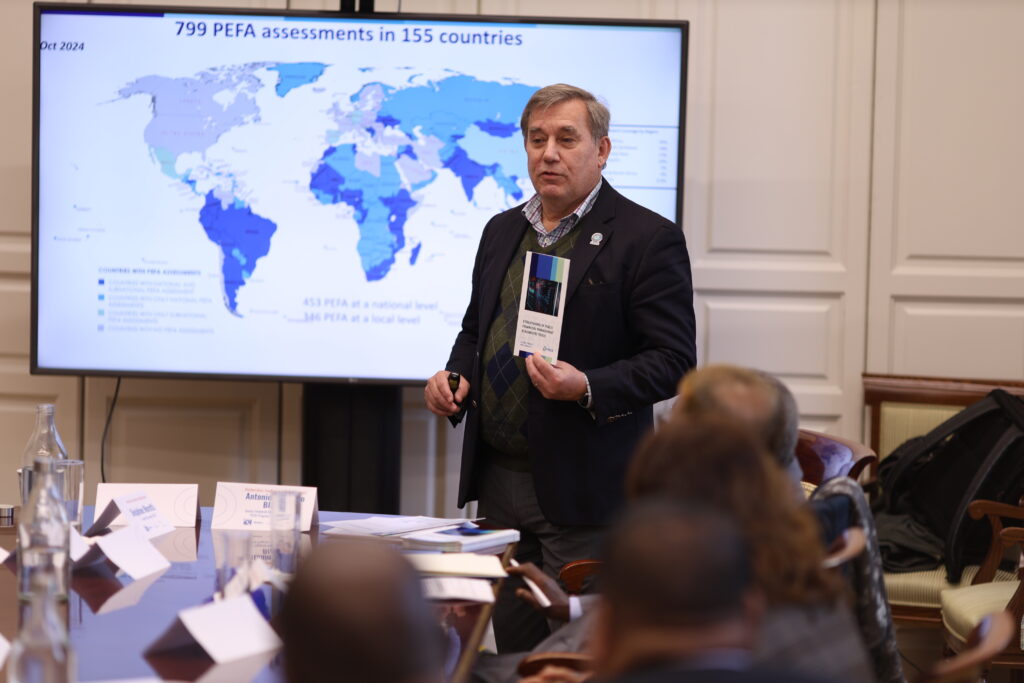
In the first Mastery Class, Leading SAIs in a Global Context, SAI leaders paused to reflect on these challenges and opportunities with insights from experts across the governance landscape. Sessions featured the OECD and the World Bank’s PEFA Secretariat speaking on Public Financial Management, the International Monetary Fund covering fiscal risks, and Transparency International Spain touching upon corruption and integrity systems—connecting global trends with local realities.
“The topic of this Masterclass—leading in a global context—everyone in leadership is looking for this,” said Dasho Tashi, Auditor General of Bhutan. “Things are changing all around and the tone starts at the top. To bring any change, it’s the leader. The leadership is the engine that drives an SAI.”
A standout moment was the discussion on SAIs’ roles in supporting judicial accountability. Leaders examined how audit findings can prompt legal action—if institutions are credible, coordinated, and independent.
Throughout the masterclass, participants examined what it means to lead institutions that must be both watchdogs and agents of change. Conversations centred on building cultures of purpose, cultivating internal ethics, developing strong bonds with stakeholders, and assuming a role as educators on transparency and accountability.
“Leadership is so important for an SAI because it builds public trust,” shared Brenda Neeley, Auditor General of the Bahamas. “You lead by example, with integrity, good ethics, accountability, and good governance as you advance the scene for your country.”
The dialogue sparked reflection on how SAIs can evolve to meet the expectations of a changing world—and what that demands from their leaders.
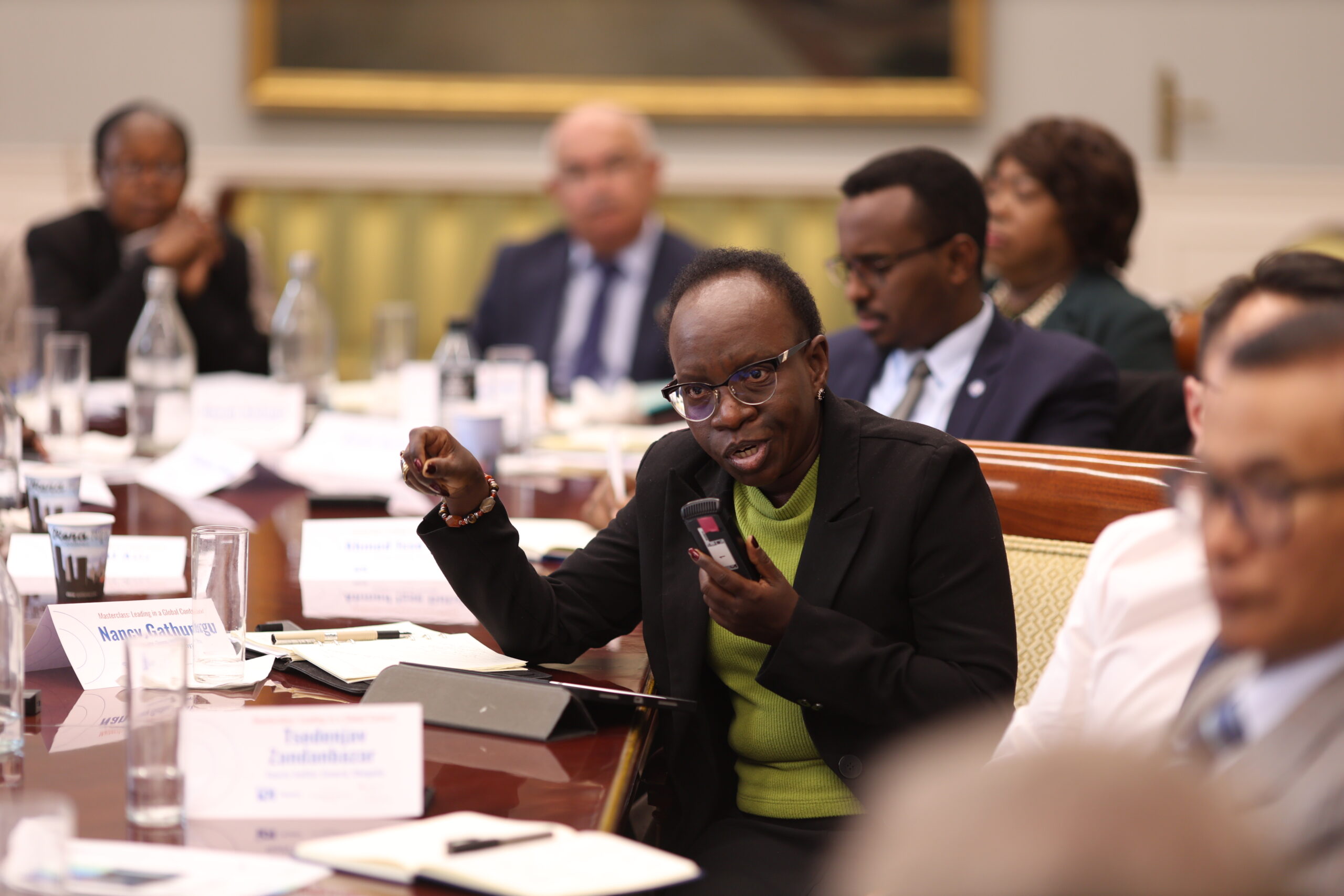
“Irrespective of your context—big or small SAI, developed or developing country—this is the programme to join,” said Nancy Gathungu, Auditor-General of Kenya. “Change is a constant, and you need to be equipped for it.”
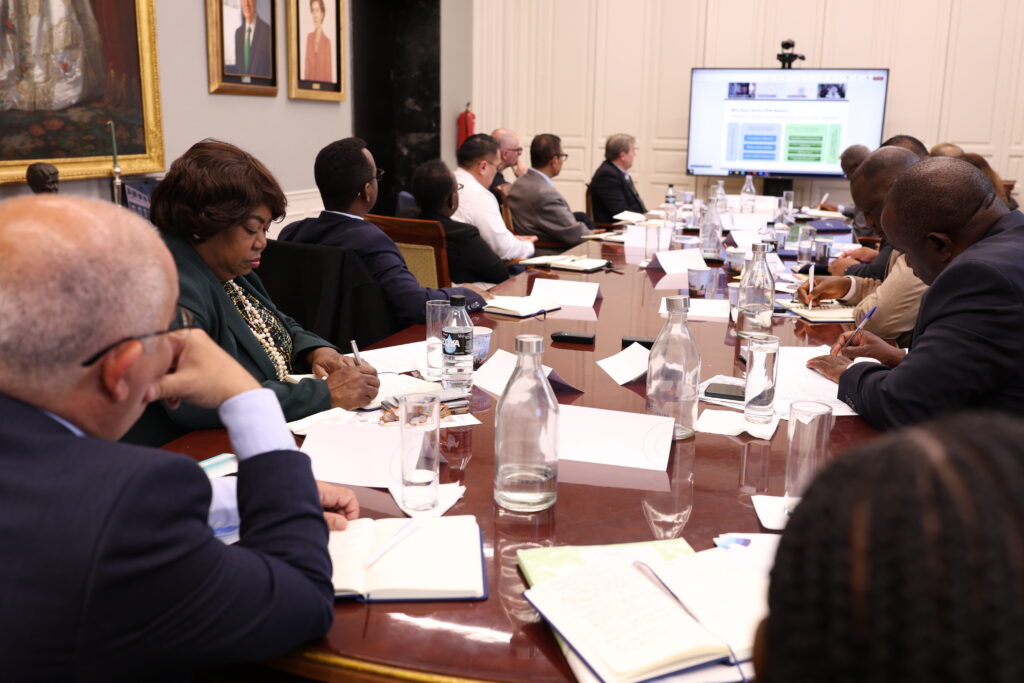
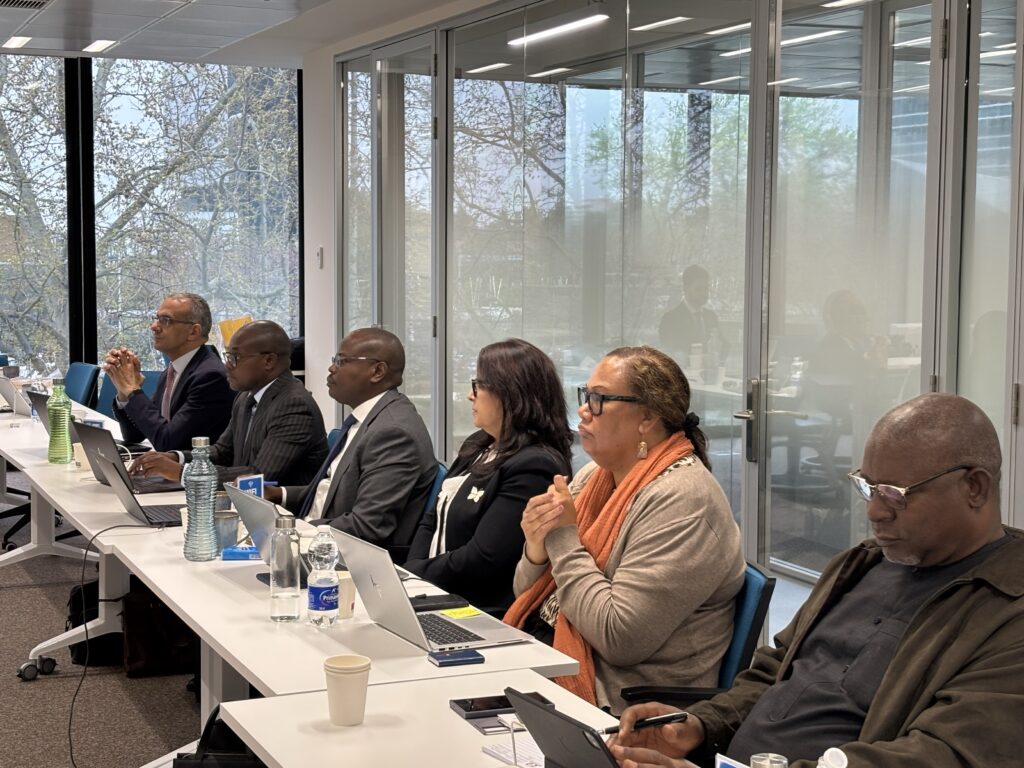
The second week, Leadership and Leveraging the Global SAI Network, shifted focus to the community that supports SAI leadership. Designed for newly appointed Heads of SAIs, this segment offered a pilot crash course in navigating—and contributing to—the global INTOSAI framework.
Held at the Universidad Autónoma de Madrid, the programme introduced participants to professional standards, peer support systems, and global strategic priorities. More importantly, it built connection.
Keynotes from leaders like Vitor Gaspar (IMF) and Ester Marco Peñas (UAM) underscored how global norms and partnerships can strengthen domestic oversight. Maria Dolores Genaro gave a vivid illustration on the importance of change management through presenting the transformation journey of SAI Spain. Breakout sessions also explored how strategic communications can help SAIs engage citizens, parliaments, and donors, and highlighted the value of internal stakeholder engagement in driving change.
“This was a valuable experience—very relevant to strengthening our institution, empowering staff, and reinforcing our independence,” said Dr. Radhi Al-Hamadeen, President of the Audit Bureau of Jordan. “It will help us deliver more professional audits that serve the public interest.”
The sessions also highlighted practical tools and networks that can support smaller SAIs facing resource constraints.
“We often feel like we don’t have what we need, but this showed us the resources are out there,” said Finau Nagera, the Auditor-General of Fiji. “This is a chance to learn what trends matter, and how to connect with global partners to improve how we lead and operate.”
The peer learning environment proved to be one of the most energising elements. Several participants, just months into their roles, found it transformative to connect with others navigating similar transitions, challenges, and aspirations.
Participants also gained a deeper understanding of INTOSAI’s structure and IDI’s role in supporting SAIs in areas such as independence, governance, strategic planning, digitalisation, climate, and sustainability.
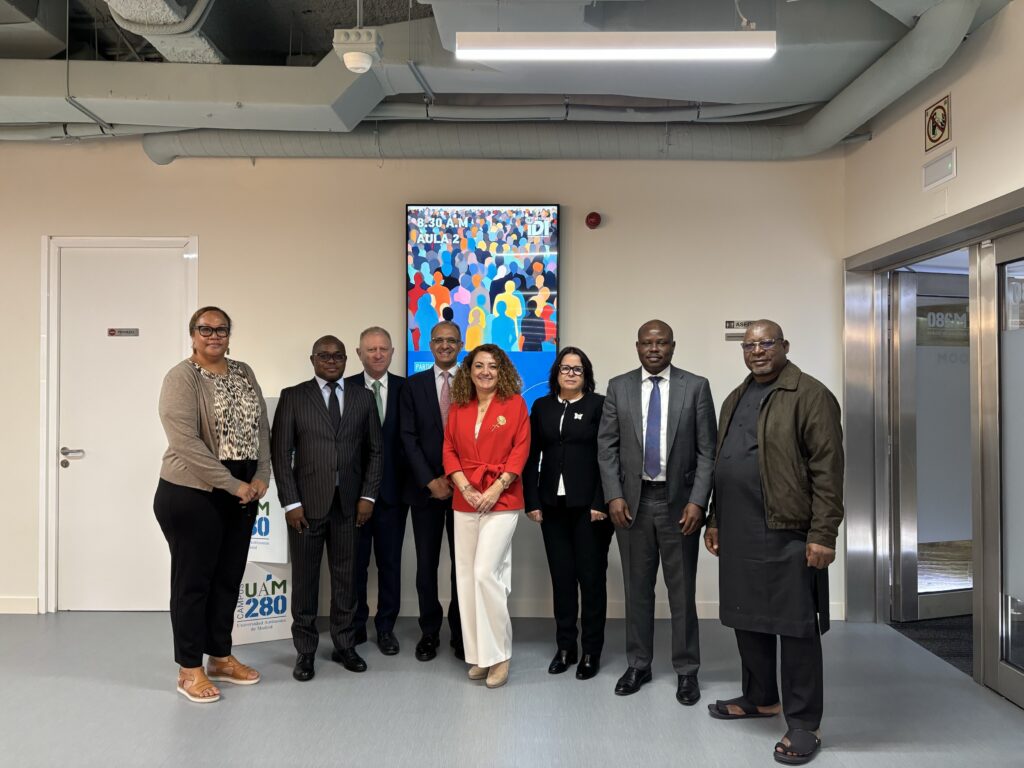
Mastery is not a training course. It’s a platform for reflection, transformation, and connection. It asks leaders: What kind of leader does my country need today? And who do I need to become to rise to that challenge?
It also embodies the belief that leadership development must be collective. In Madrid, SAIs from small island states to federal republics, from established audit institutions to those still emerging, came together. The diversity brought strength. The dialogue brought momentum.
With SECO’s support, IDI created an environment that honoured both the technical and the transformational—one where audit leaders were not just informed but inspired.
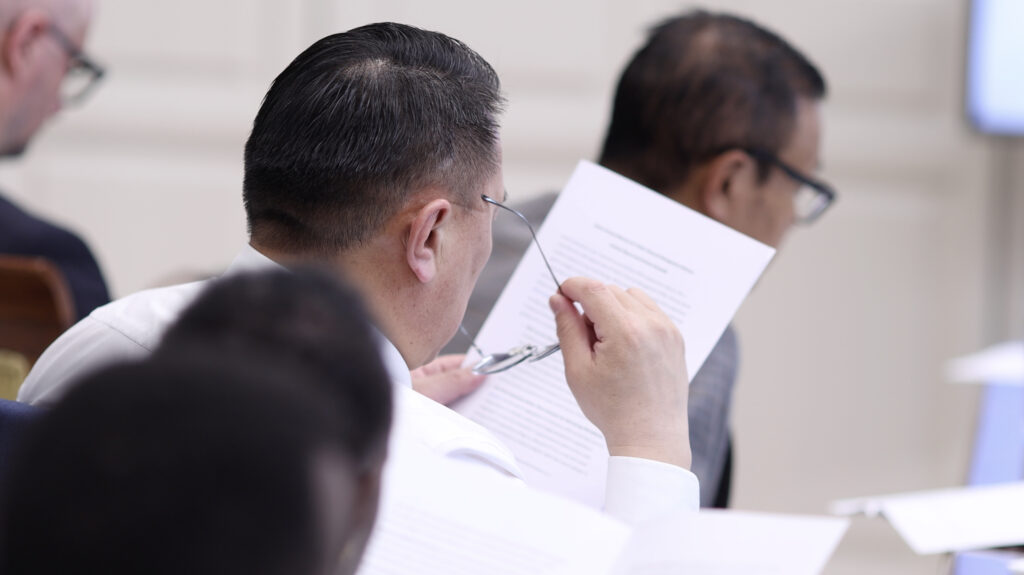
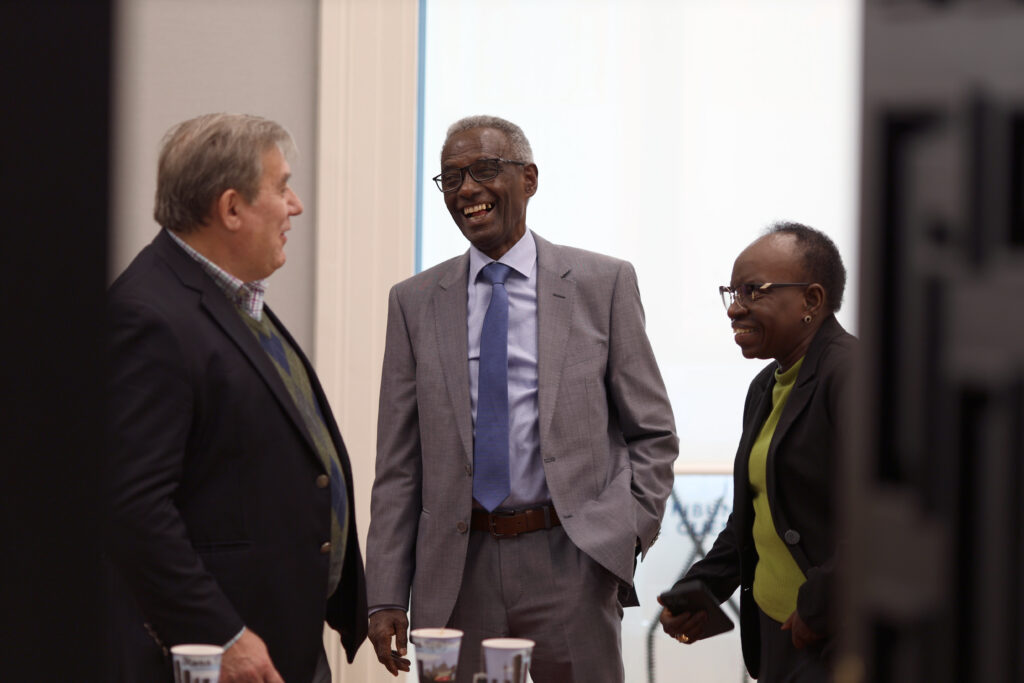
The message from Madrid was clear: this is just the beginning. Many participants left with action plans, reform ideas, and new allies to support their leadership journeys.
“For all the changes that need to happen in SAIs, leadership involvement is crucial,” said Ola Hoem, IDI’s Deputy Director General. “To operate and be independent as an SAI requires really strong leadership and high integrity—this program develops that.”
IDI will launch the next round of the Mastery Initiative in late 2025, with a fresh format, deeper engagement, and expanded collaboration with regional and global partners. Because in a world of growing uncertainty, we need leaders who are not just competent, but courageous change agents for accountability.
🎥 Stay tuned for our upcoming Mastery Initiative video and hear from the SAI leaders reshaping the future of accountability around the world.