News
Launch of IDI’s Equal Futures Audits
05/11/2022
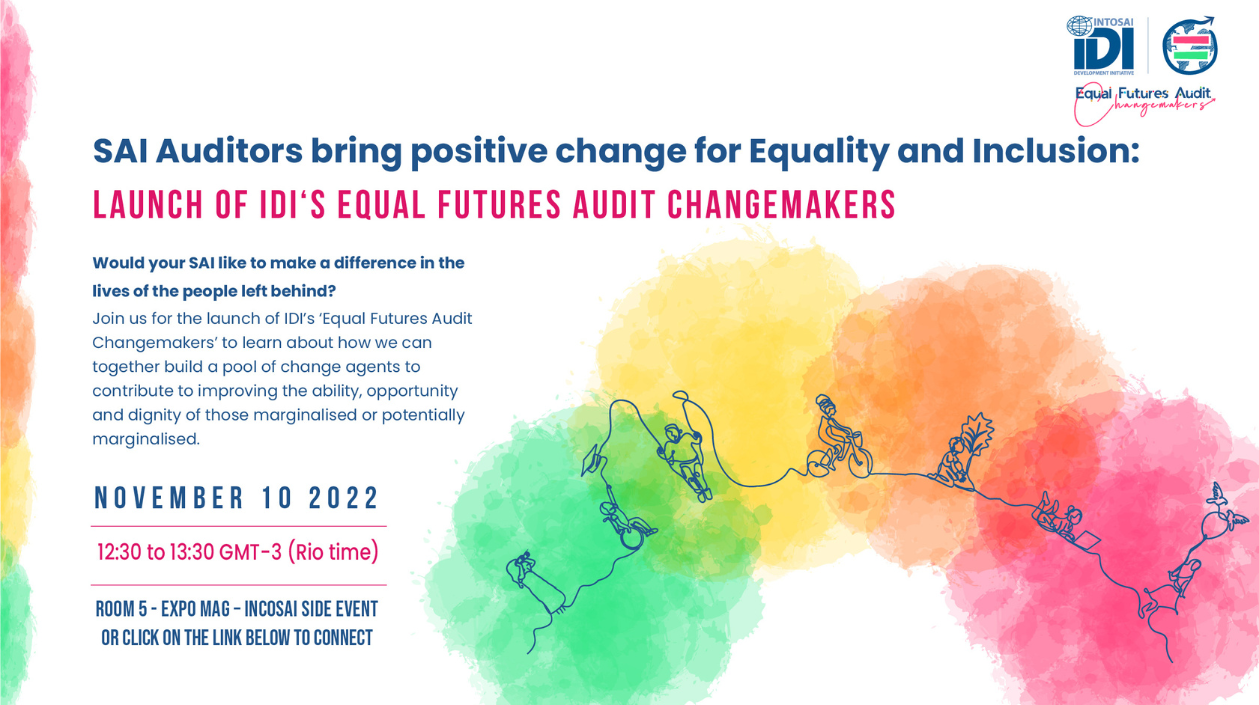
SAI Auditors bring positive change for Equality and Inclusion: Launch of IDI’s Equal Futures Audits
Would your SAI like to make a difference in the lives of the people left behind?
Join us for the launch of IDI’s ‘Equal Futures Audit Changemakers’ to learn about how we can together build a pool of change agents to contribute to improving the ability, opportunity and dignity of those marginalised or potentially marginalised.
10 NOVEMBER 2022
12:30 to 13:45 Rio time (GMT -3)
Room No. 5 – Expo Mag – INCOSAI SIDE EVENT
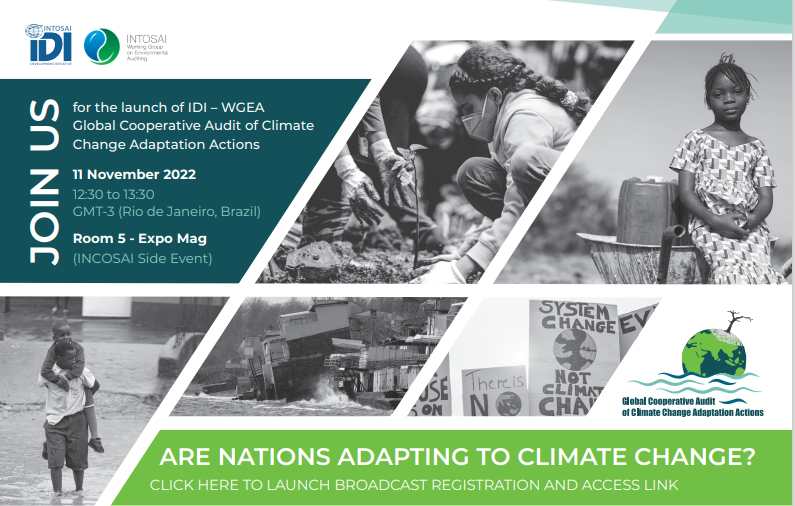
Are governments acting to adapt to climate change?
Join us for the launch of IDI – WGEA Global Cooperative Audit of Climate Change Adaptation Action
11 NOVEMBER 2022
12:30 to 13:45 Rio time (GMT -3)
Room No. 5 – Expo Mag – INCOSAI SIDE EVENT
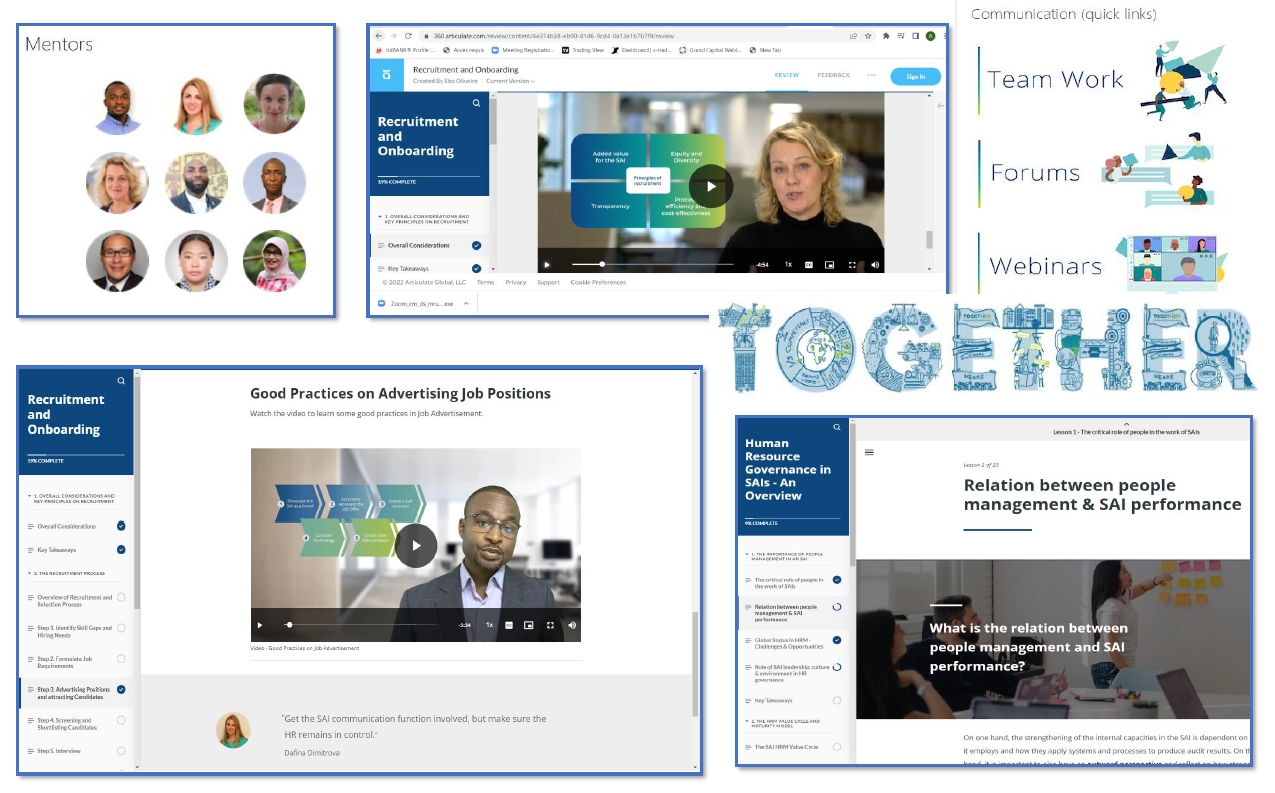
IDI’s TOGETHER Initiative on Human Resource Management, Ethics, Gender, and Inclusion for SAIs has launched, after nearly a year of design work, maturing the concept, research and consultations at different levels.
After nearly a year of design work, maturing the concept, research and consultations at different levels, IDI’s TOGETHER Initiative on Human Resource Management, Ethics, Gender, and Inclusion for SAIs finally takes off!
Selected based on interest, needs and priorities, 13 SAIs from AFROSAI-E, ASOSAI and EUROSAI regions will participate in the pilot round. The group, which includes SAIs from various institutional models, administrative traditions, organisational cultures, levels of independence and size, is comprised of: Bhutan, Botswana, Cyprus, Gambia, Indonesia, Latvia, Liberia, Maldives, Moldova, Namibia Romania, Tanzania, and Türkiye.
The diversity of SAIs will allow a unique experience of knowledge-sharing throughout the initiative, which strives to seek a balance in focus between aspects that are core to any successful contribution of HRM to SAI overall performance, and providing appropriate space for reflecting SAIs’ context-based specifics.
Building on the new INTOSAI CBC HRM Guide for SAIs, to which IDI contributed, the TOGETHER Initiative suggests a comprehensive approach to the different HRM dimensions across the entire “SAI Human Resource Management Value Cycle”. TOGETHER is based on a blended delivery approach which combines online activities and remote support with in-person interactions. A valuable team of resource people from the SAIs of Bhutan, France, Ghana, Indonesia, Liberia, and Sweden is providing support.
Once participating SAIs have completed the 6-weeks eLearning Course on HRM Fundamentals for SAIs launched on 26 October 2022, country teams will conduct an Integrated Self-Review (ISR) of their HRM practices against the “SAI HRM Maturity Model”, with the support of IDI and a team of resource people.
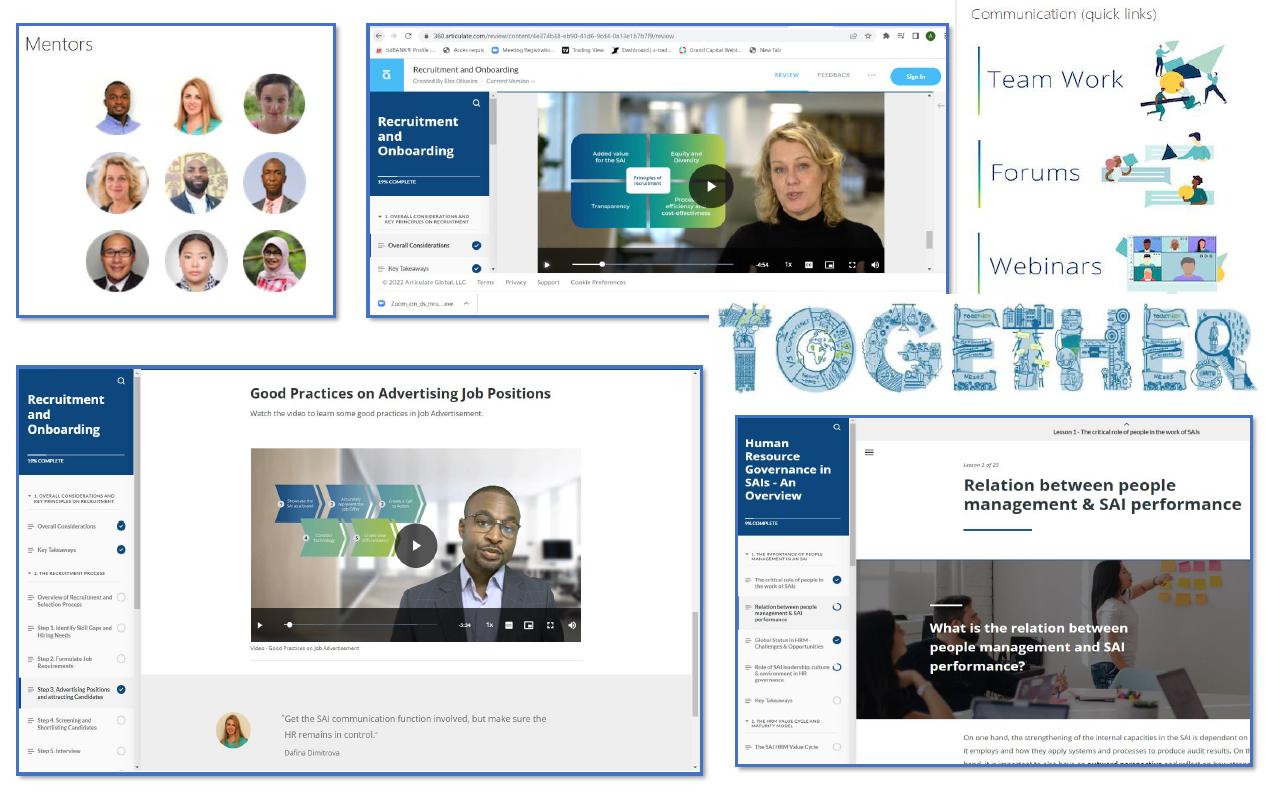
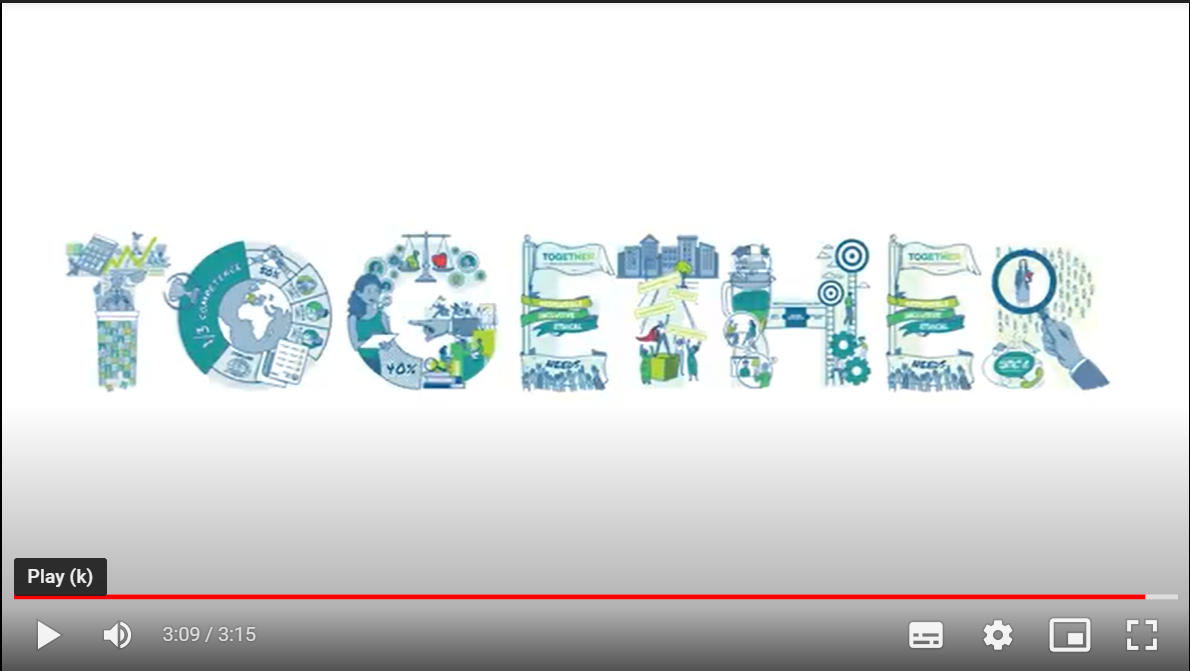
The TOGETHER eLearning platform at a glance, and IDI’s new TOGETHER video
These results will help SAIs identify gaps and define room for improvement in different HRM dimensions such as HR strategy, set-up of the HR function, recruitment and staff onboarding processes, systems for competence and performance management, approaches to staff professional development and diversity management, ethics management, and inclusion. Then in 2023, based on request and capacities, IDI will explore SAI-level support in prioritised areas.
Each participating SAI is represented by a cross-sectional team that includes HR practitioners, other relevant professionals such as audit managers, staff involved in strategic management, and members of the SAI’s management. And with 29 female (56 %) over a total of 51 people enrolled, these SAIs are sending a positive indication that a SAI’s organisational performance and impact is, after all, a matter of inclusion of all; in fact, a matter of working TOGETHER!
Discover more about the TOGETHER initiative here.
Watch the TOGETHER video
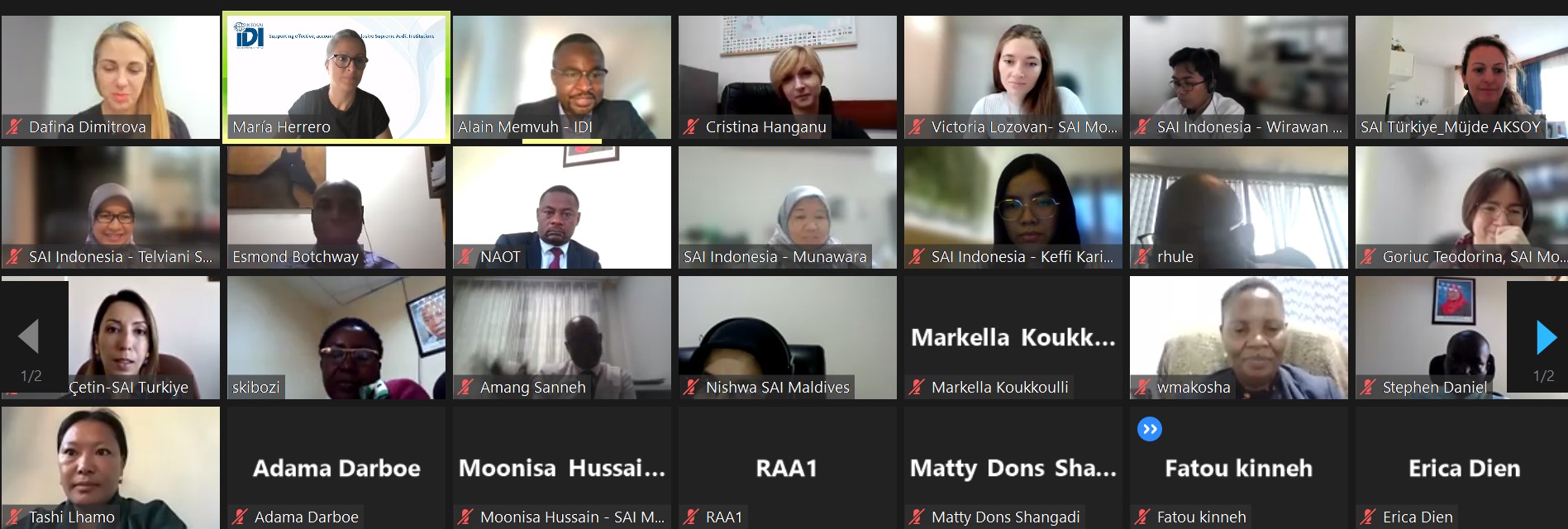
Particpants at the TOGETHER Initiative attending the introductory webinar on 26 October 2022
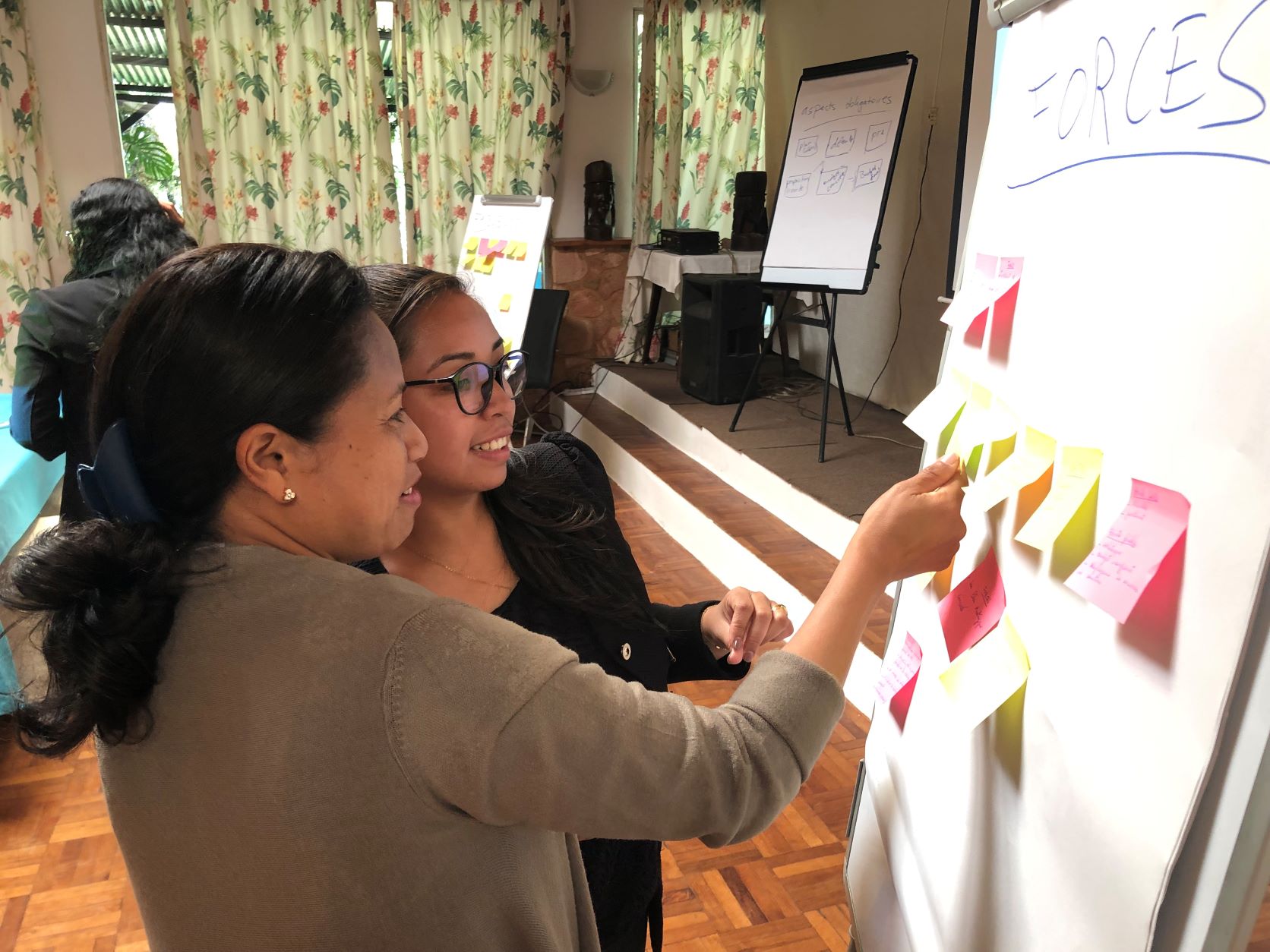
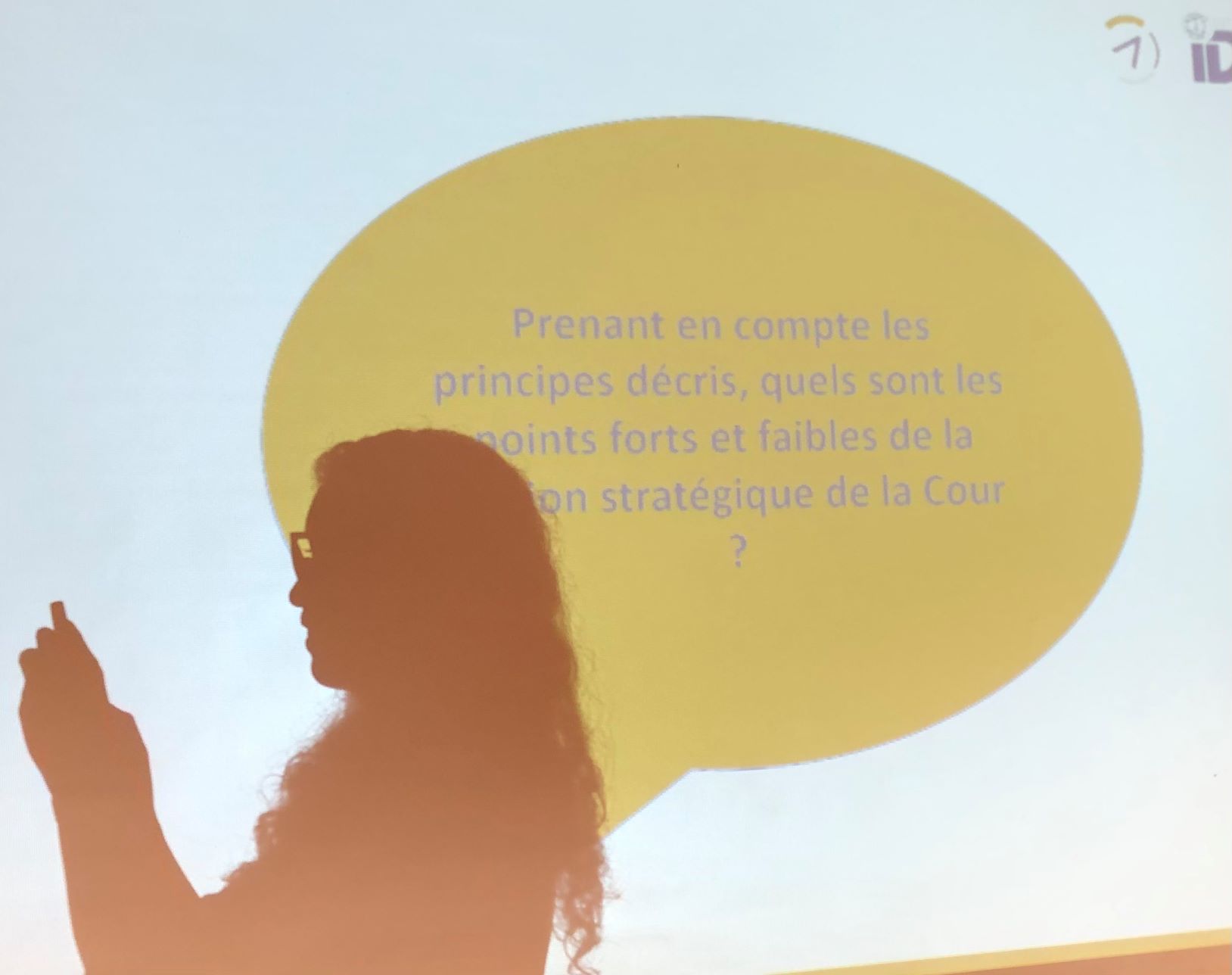
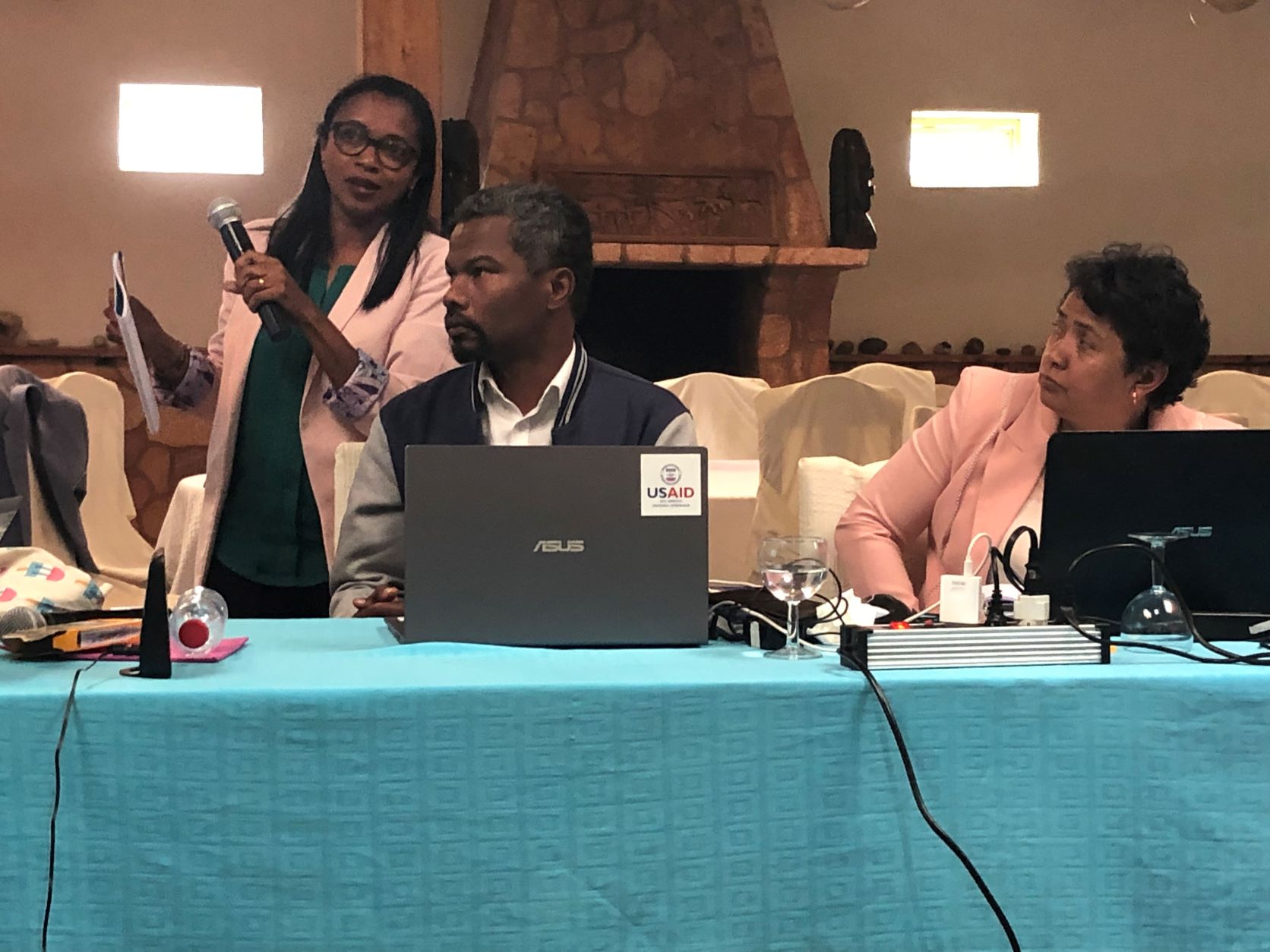
From the 10th to the 12th of October, the Court of Accounts of Madagascar and the INTOSAI Development Initiative organised a Strategic Management Workshop to establish the Annual Work Program for 2023. The Malagasy auditors scanned the expectations of their stakeholders, notably the National Development Plan (Emergence Madagascar) and analysed the impact and the risks implied by the government spending.
The Court staff has established a draft Work Program for 2023, including the audit of relevant topics in key areas, such as environment, gender, economic growth and financial governance.
The Court of Accounts will thus be able to plan the resources requirements, control public funds more effectively and ensure its proper use benefits Malagasy citizens
This workshop is part of a capacity building project funded by US Agency for International Development (USAID) with USD 4 million.
Du 10 au 12 octobre, la Cour des comptes de Madagascar et l’Initiative de développement de l’INTOSAI ont organisé un atelier de gestion stratégique pour établir le programme de travail annuel pour 2023. Les auditeurs malgaches ont fait un tour d’horizons sur les attentes des parties prenantes, en portant une attention spéciale au Plan Emergence Madagascar (le plan national de développement) et ont analysé l’impact et les risques pressentis des dépenses publiques.
Le personnel de la Cour a établi un projet de programme de travail pour 2023, y compris l’audit de sujets pertinents dans des domaines clés, tels que l’environnement, le genre, la croissance économique et la gouvernance financière.
La Cour des comptes sera ainsi en mesure de bien planifier les besoins en ressources, de contrôler plus efficacement les fonds publics et de veiller à ce que leur bonne utilisation profite aux citoyens malgaches.
Cet atelier fait partie d’un projet de renforcement des capacités financé par l’agence de développement des Etats Unis (USAID) à hauteur de 4 millions de dollars.
 |
 |
 |
For more on the work being done in Madagascar, go to IDI’s website
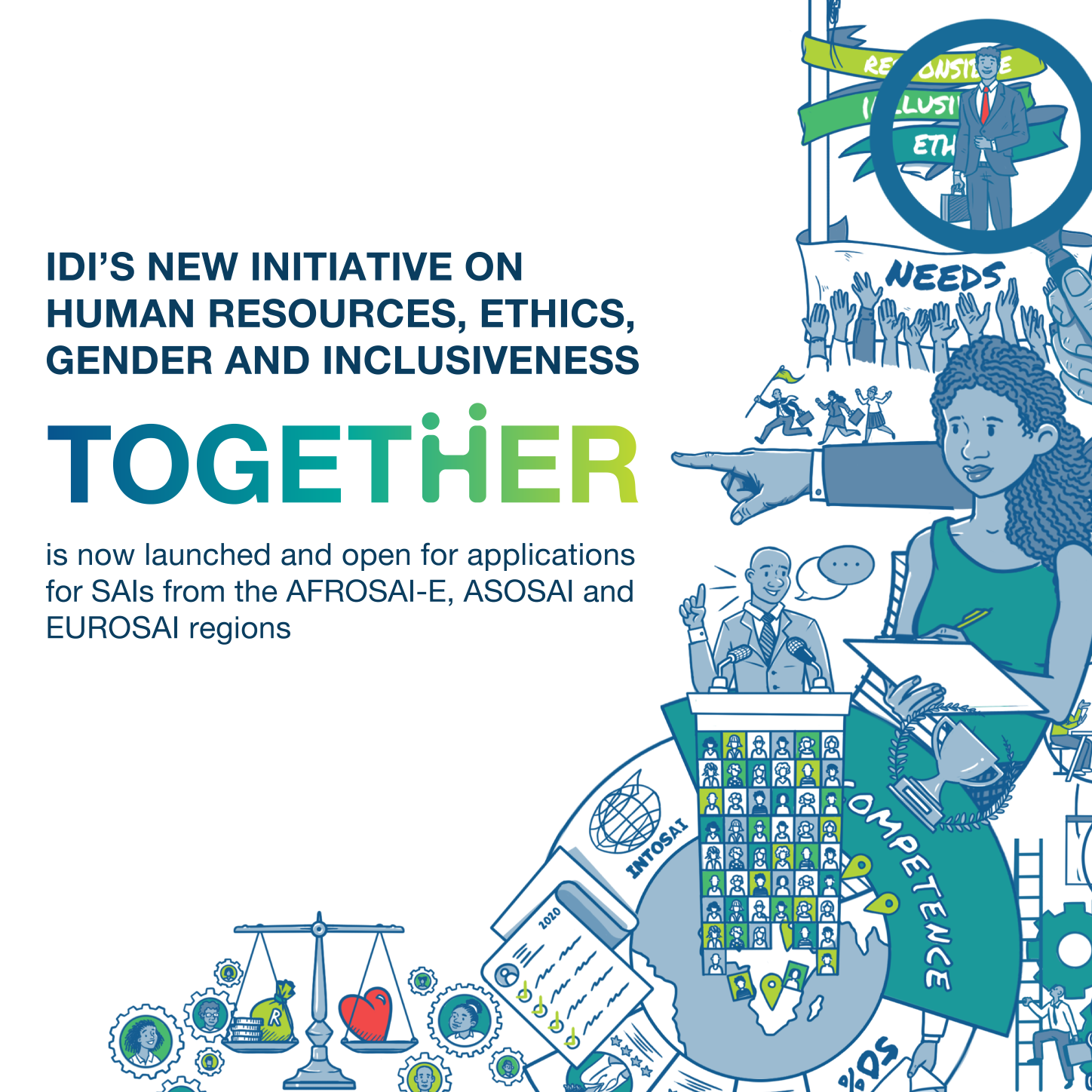
Following two very successful Open Houses, the TOGETHER initiative welcomes applications from SAIs in three regions.
On 13 and 15 September 2022, 131 people from 51 SAIs across three targeted regions attended the launch event Open Houses for the TOGETHER initiative, to hear about IDI’s support in Human Resource Management, Ethics and Gender and Inclusiveness.
Participants included SAI leaders, HR practitioners, audit managers, and staff involved in strategic management. They were able to learn more about the initiative’s rationale, its objectives, the delivery approach, and the conditions for participation. The open house was also an opportunity for raising awareness and in-depth experience sharing on the topic, by knowledgeable speakers and subject matter experts from SAIs, the Canadian Audit and Accountability Foundation and from IDI. They discussed challenges that SAIs face in the area of HR governance, but also shared good practices and opportunities.
You can watch the recording of the Open House, and view or download the speakers’ presentations.
For more about TOGETHER, go to the initiative’s pages on IDI’s website.
Applications for TOGETHER are now open
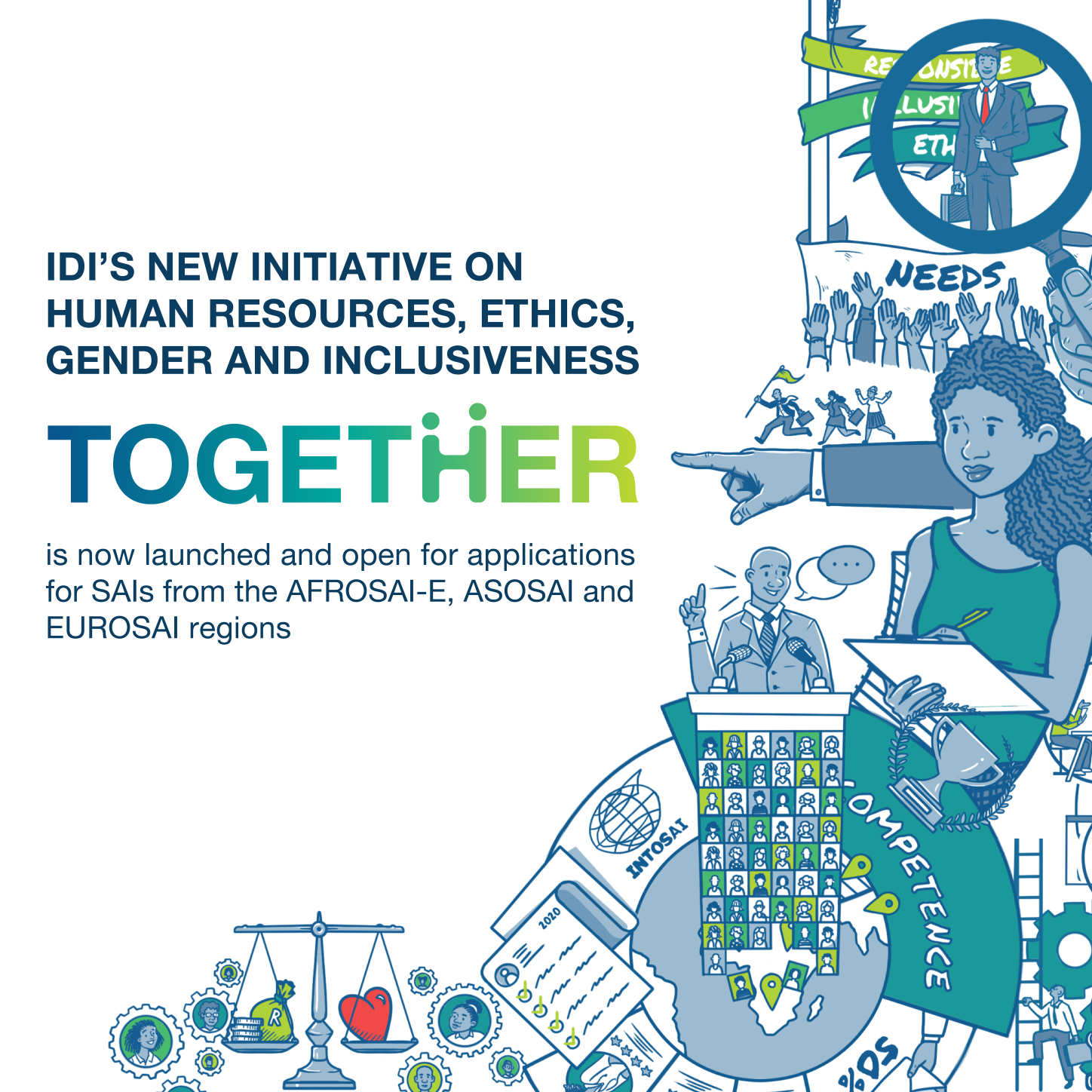
TOGETHER is now open for application to interested SAIs from the AFROSAI-E, ASOSAI and EUROSAI regions. For the pilot round, we are targeting a group of 10-12 SAIs, with an aim to ensure a diverse group of SAIs in terms of size, institutional model, legal autonomy and HR set-up.
The application process entails three stages:
First, by 7 October 2022 :
Fill out a brief application form to express interest
Second, for SAIs that have applied:
Participate in a selection discussion via videoconference with the TOGETHER team
Third, for selected SAIs:
Sign a statement of commitment after the discussion with the TOGETHER team.
For more on the above or for any other TOGETHER details, please contact together@idi.no
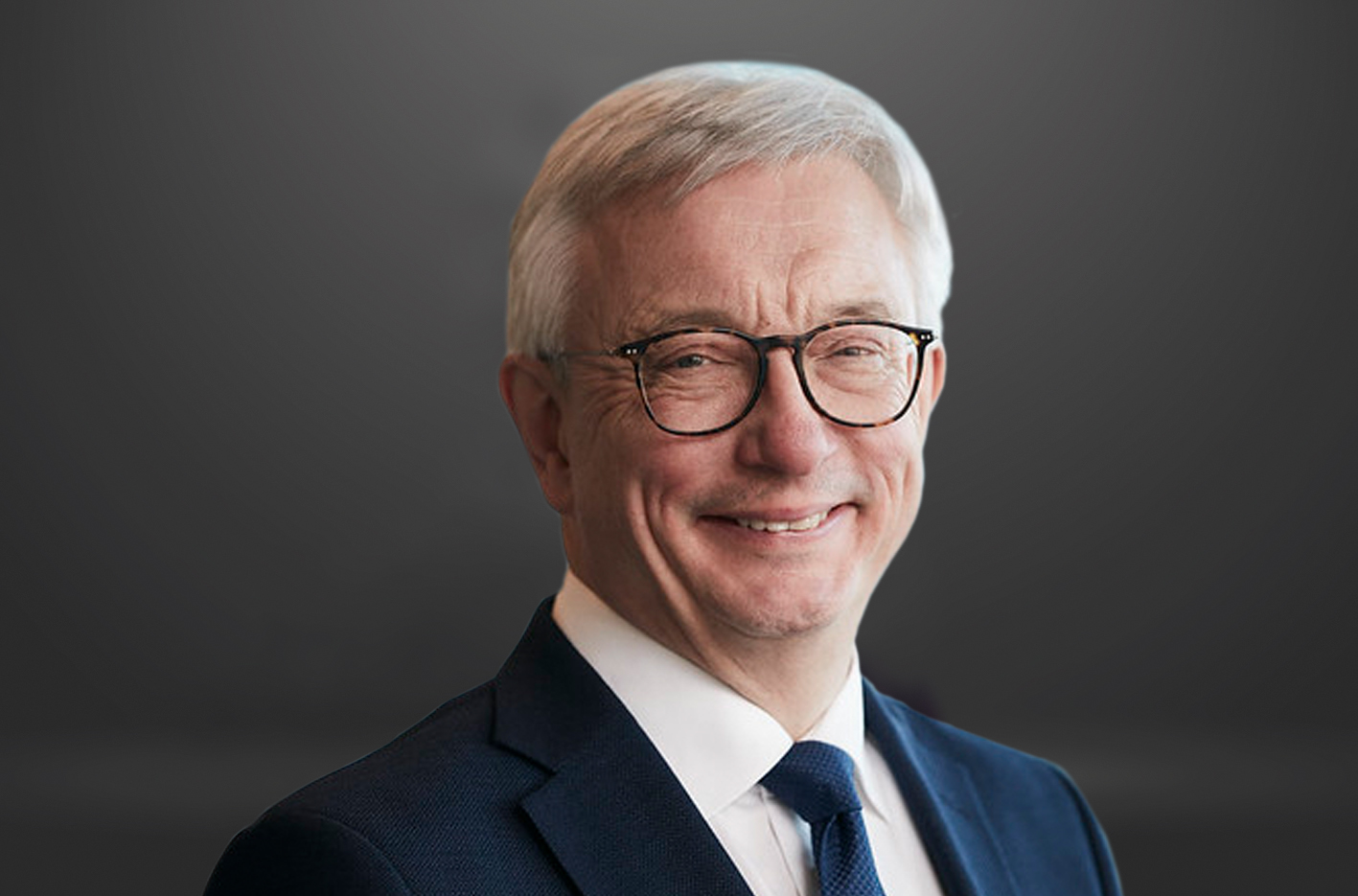
It’s a pleasure to feature the recently appointed Chair of IDI’s Board, Karl Eirik Schjøtt-Pedersen, Auditor General of Norway, in IDI’s ‘Meet the Board’ series
Mr. Schjøtt-Pedersen is the Auditor General of Norway and became the Chair of the IDI Board on 1 January 2022. From 2014 to 2017, Mr. Schjøtt-Pedersen served as the Vice Chair of the Office of the Auditor General of Norway’s Board of Directors.
Mr. Schjøtt-Pedersen was a member of the Norwegian Parliament from 1981 to 2009, during which time he chaired the Finance Committee from 1993 to 1996.
He was the Norwegian Minister of Fisheries from 1996 to 1997 and Minister of Finance from 2000 to 2001. He served as Chief of Staff in the Prime Minister’s Office (PMO) from 2006 to 2013, being Minister of the PMO from 2009 to 2013.
First, I would like to emphasise that I am very pleased to be the Chair of IDI´s Board. This position is meaningful to me. IDI´s mission is to work towards effective, accountable and inclusive Supreme Audit Institutions (SAI) making a difference in the quality of public sector governance and service delivery for the value and benefit of citizens. This is all about building and strengthening governance, public financial management and, ultimately, democracy in developing countries.
In other words, IDI is important.
We must constantly remind ourselves what the role of SAIs really is. The people elect the National Assembly, the Parliament. Based upon the trust given to them by the people through elections, the Parliament adopts laws and state budgets. However, the Parliament (the legislative power) is dependent upon the government and the public administration (the executive power) to implement their decisions. Nevertheless, the executive power must be supervised. This is what SAIs all over the world do, and their audits are of crucial importance to democracy and the sovereignty of the people.
To secure and develop independent institutions that oversee how government and public administrations are performing their duties is crucial. However, democracy is backsliding in many countries, and we can never take it for granted. I believe in strong institutions and international cooperation, and I believe that established democracies, like Norway, are obliged to share our democratic knowledge and experience. In short, as the Chair of IDI I want to contribute to strengthening the political system all humans deserve.
Yes, I have served in different functions in both the Norwegian Government and the Parliament, and I´ve had roles in many different Boards and Committees throughout the years. I hope this experience will be useful also in the IDI Board. The way I see it, the most important part of this is the fact that I have seen and faced SAIs from many different angles and positions. However, regardless of my position, I have always stressed the importance of independent public sector auditing to secure transparency and trust between citizens and the authorities.
From my experience, strategic planning processes are very important, and I must say that I quite like them. It is not possible to do everything at once. If you try that, you won`t succeed. We have to choose which areas we want to focus on to reach our goals. In addition, we must not forget this – to choose also means to opt out. I also stress this in SAI Norway, where we have now chosen six main audit areas to obtain our vision and strategic goals. I believe in shorter strategy documents, preferably just a couple of pages. These should form the basis for the daily operations in the organisation.
Several trends and drivers will influence SAIs over the next 10 years according to social, technological, economic, environmental and political dimensions. However, as we all know it is difficult to predict the future. As I have already mentioned, democracy is threatened. That is a major challenge, and it concerns SAIs all over the world.
I would like to highlight four main challenges. These are:
SAIs’ independence from the government.
SAIs’ abilities to deliver relevant audit reports, for example on topics like climate change and efficiency in the public sector.
SAIs’ relation to and dialogue with the parliament.
SAIs’ dialogue with stakeholders in society.
Facing these challenges, I believe that IDI should focus on areas where we have a comparative advantage over other providers of support and where we can make a real difference for SAIs.
How is the IDI Board involved in this process and how do IDI Board members add value?
The Board is a driving force in IDI’s strategic planning process. That is an important part of our responsibility as board members. This includes Board discussions on future trends and drivers, strategic questions and options – all of which form the basis of developing IDI’s strategic plan.
The IDI Board members come from Bhutan, Indonesia, Jamaica, South Africa, Sweden, Sierra Leone, Austria and Norway – very different countries and very different SAIs, but I believe that this diversity is highly valuable. It gives us a broader perspective, which is important in strategic planning processes. As a Board, we need to be actively involved in the strategic process and use our different experiences to choose the right target areas.
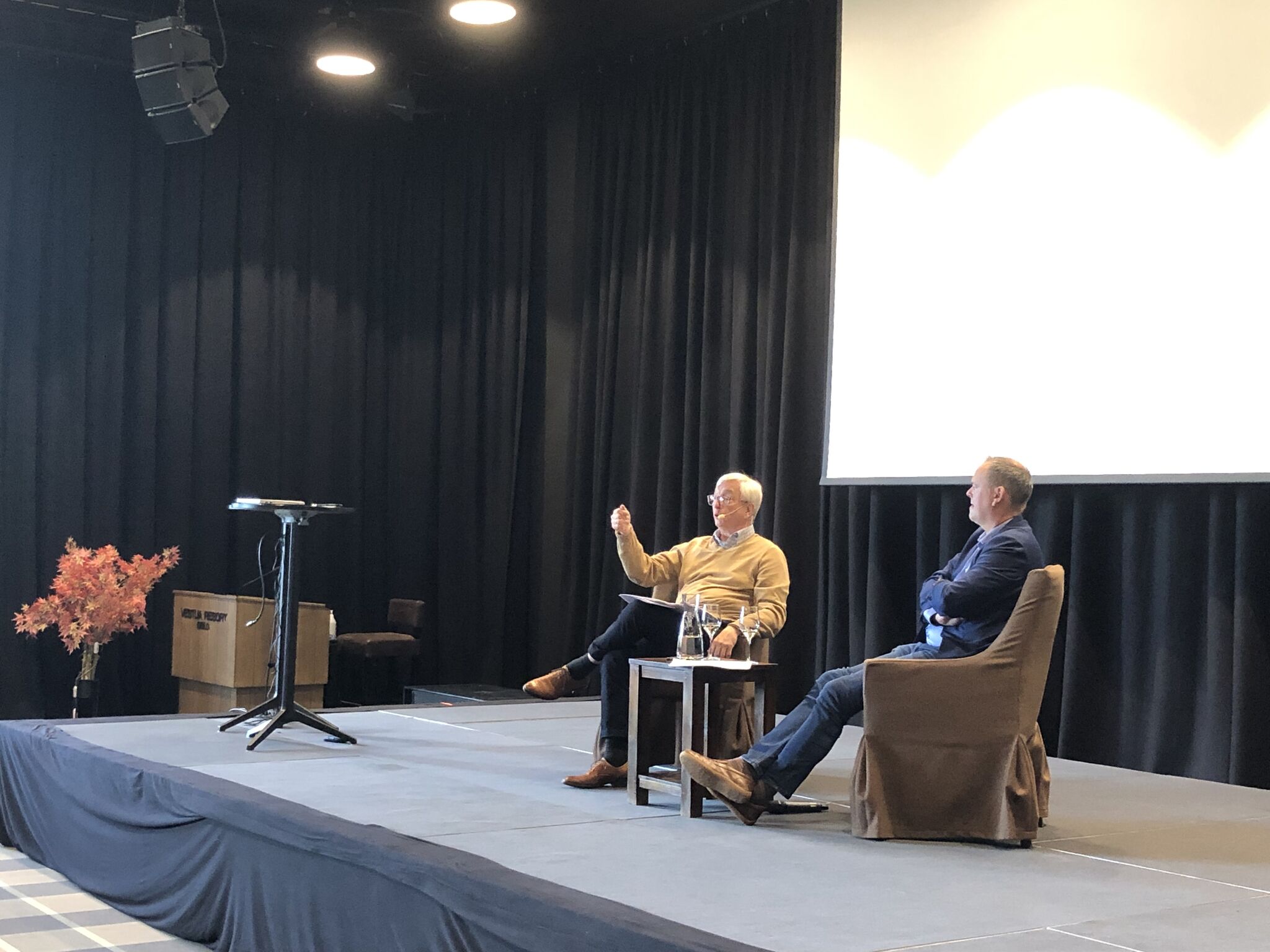
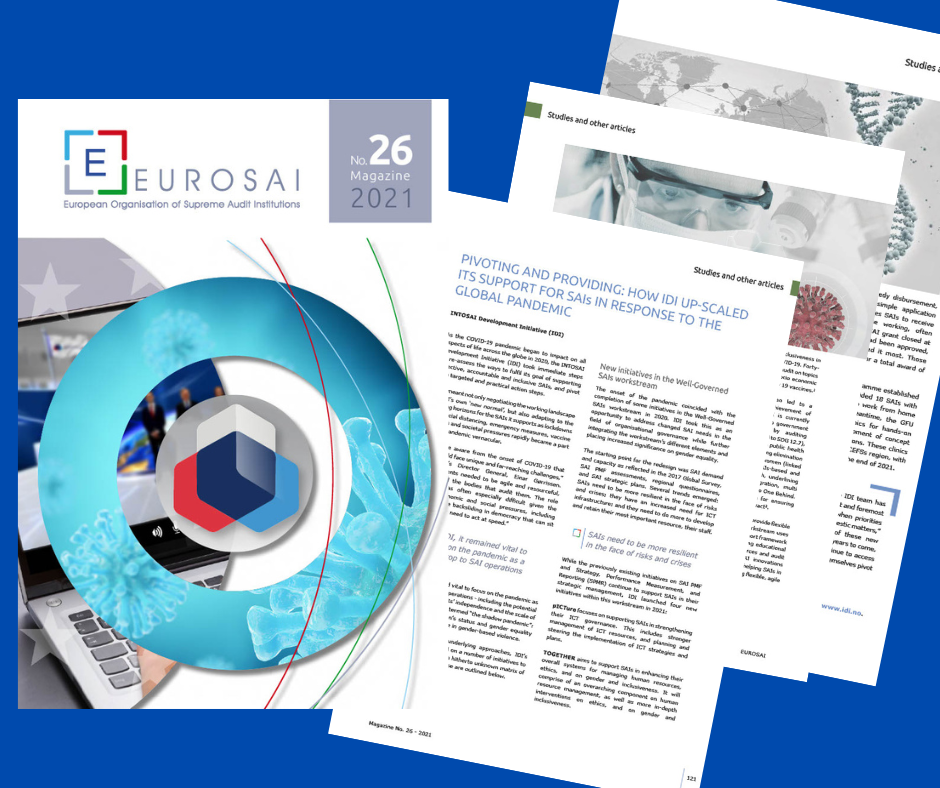
In EUROSAI Magazine Issue 26, issued July 2022, IDI shared how it pivoted to provide up-scaled support to SAIs as the pandemic took hold.
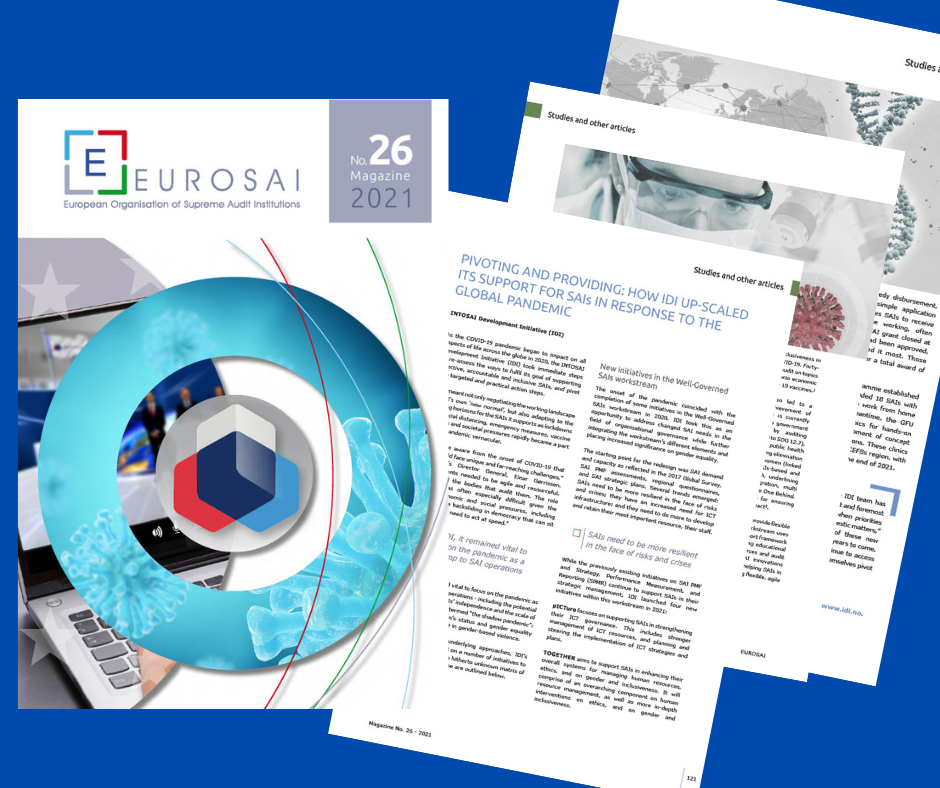
As the COVID-19 pandemic began to impact on all aspects of life across the globe, IDI took immediate steps to re-assess the ways to fulfil its goal of supporting effective, accountable and inclusive SAIs, and pivot into targeted and practical actions steps …
Read the full article here.
Read Issue 26 of EUROSAI Magazine.
 |
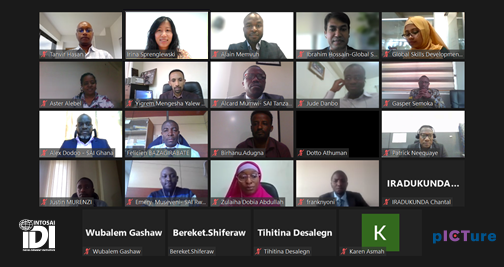
The new pICTure initiative will help SAIs fulfill their digital ambitions by uplifting their ICT Maturity.
pICTure is a new initiative to fulfill a digitization ambition in SAIs by uplifting their ICT Maturity.
The pICTure team in the IDI launched the pilot phase of the pICTure initiative on 14 July 2022 with a webinar where participants joined from SAI Ghana, Rwanda, Tanzania, and Ethiopia, who confirmed their participation in this pilot.
The objective of this kick-off session was to introduce the nominated SAI team members with the roadmap of the initiative along with the expected outcomes and objectives, as well as getting to know each other and share expectations.
Further along with the SAI Teams we will:
It was fantastic to meet the SAI Teams, and we are very much looking forward to the continuation and further collaboration.
Learn more about pICTure on IDI’s website.
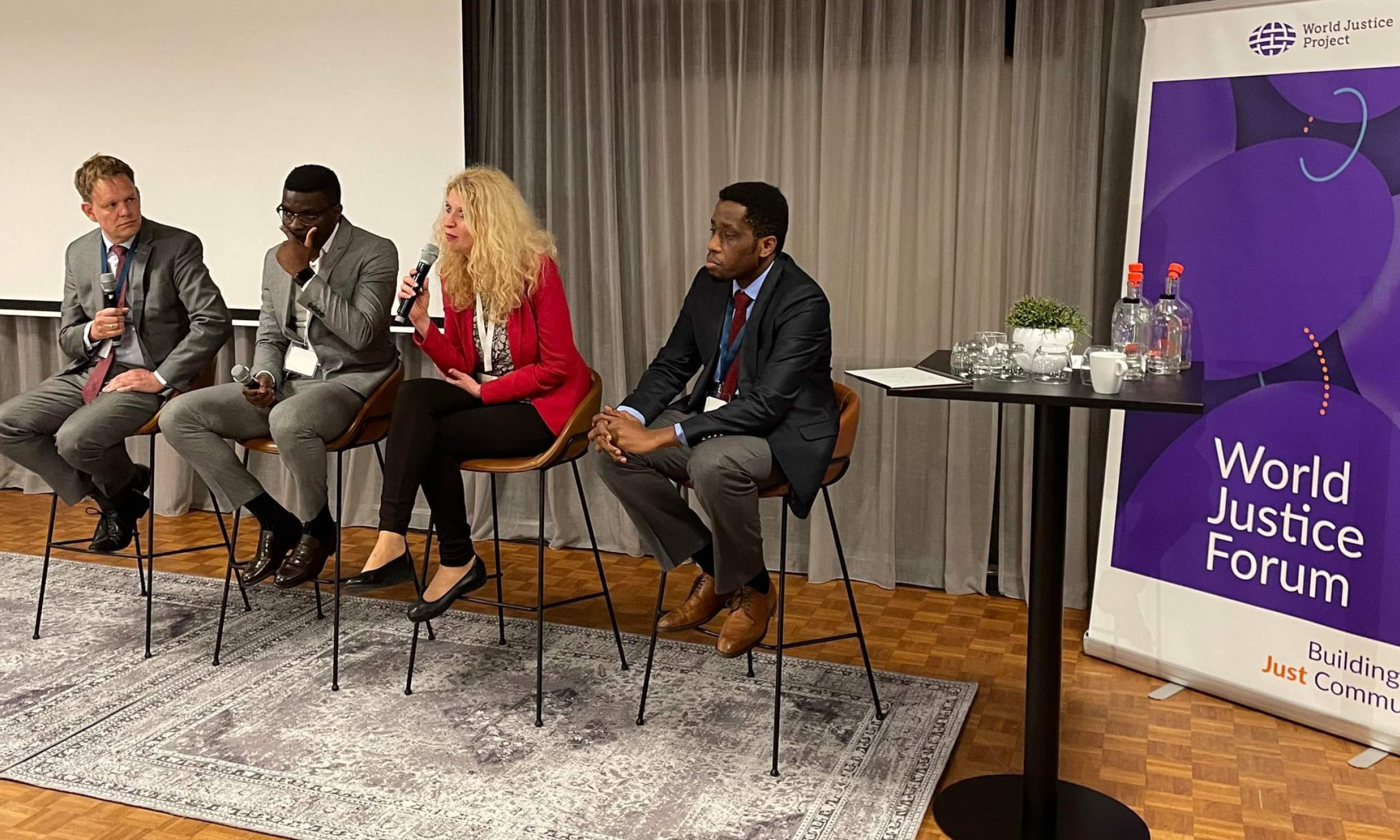
IDI’s SAI Independence team attended a number of events and meetings in the Hague in May, discussing the significance of independent SAIs in strong public governance and accountability.
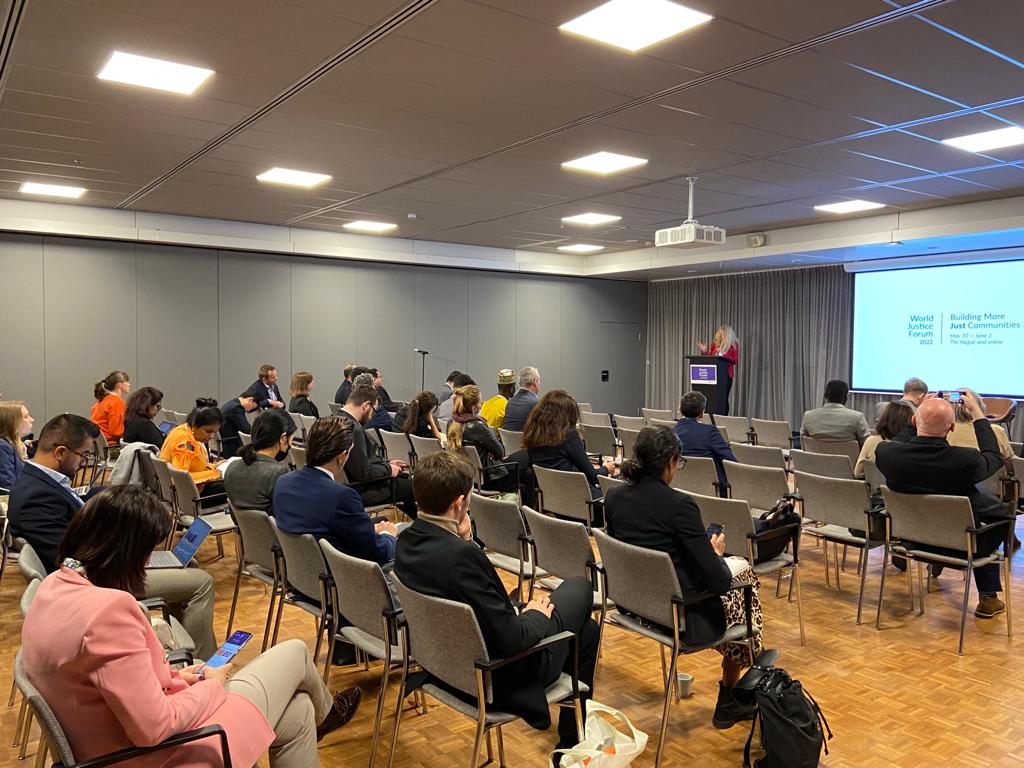
1. World Justice Forum
The World Justice Forum is the premier international event for the rule of law. Global and community leaders gather in the Hague and online to share insights, strategies and solutions for advancing justice, opportunity and peace.
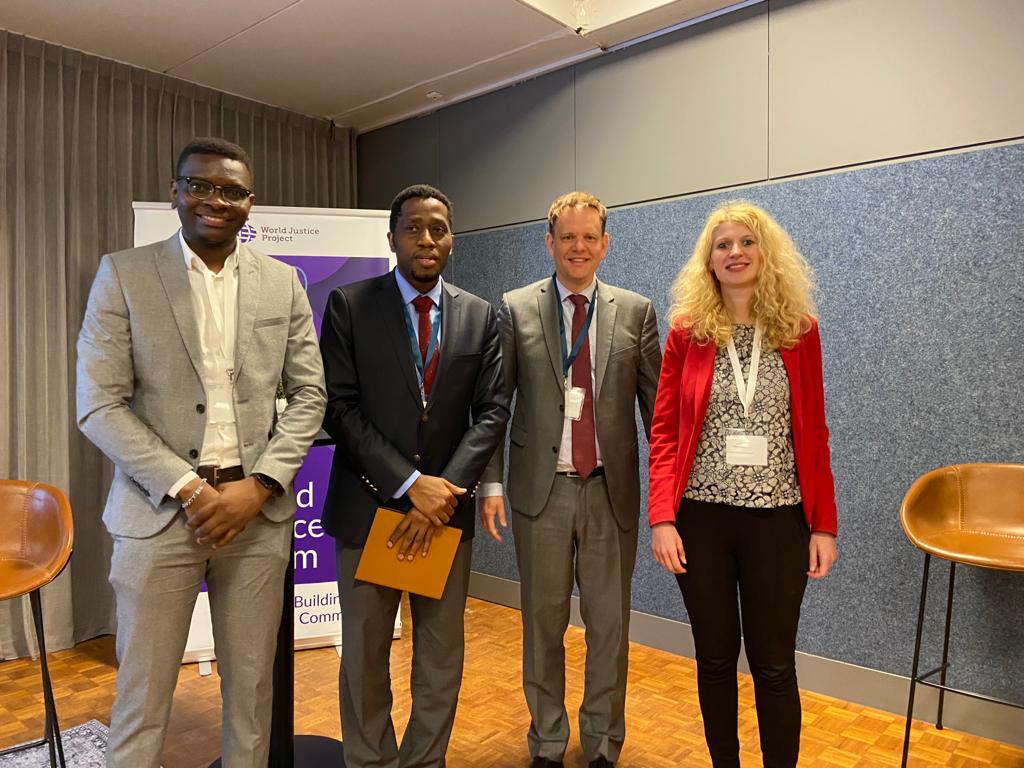
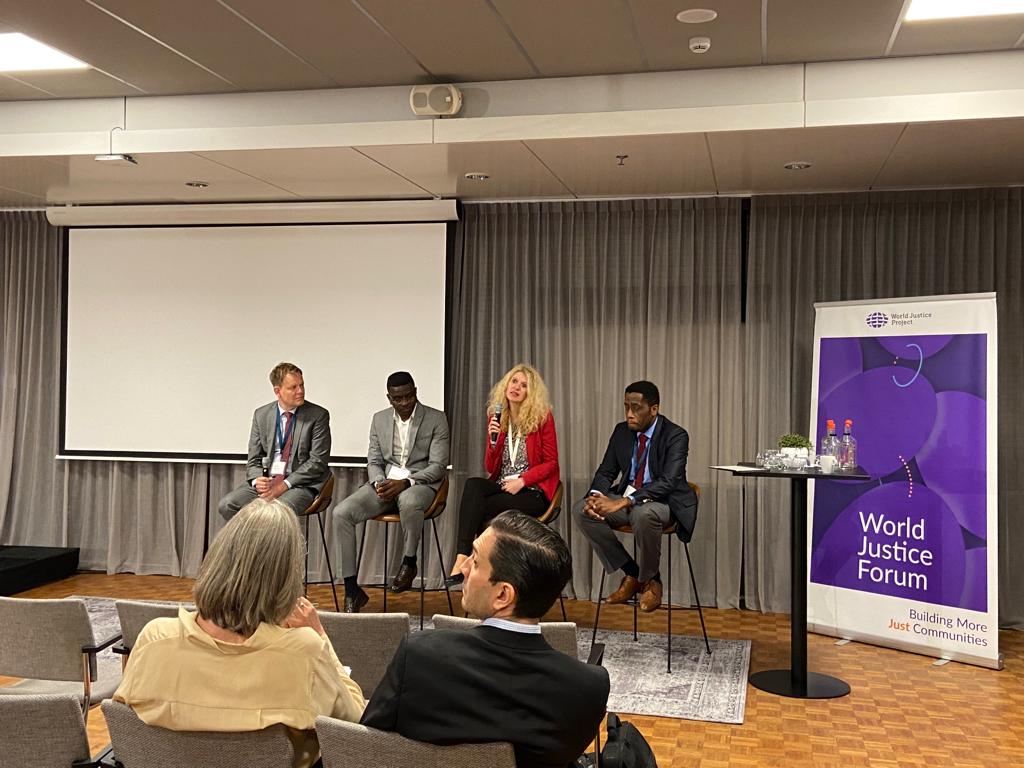
At the invitation of the WJF, IDI’s SAI Independence team hosted a session entitled ‘Challenges and Trends for Accountability Institutions’, with a panel discussion featuring Silke Steiner from INTOSAI’s General Secretariat, Jorum Duri of Transparency International, Tim Steele of UNODC and Ewout Irrgang representing the Netherlands Court of Audits.
‘Supreme Audit Institutions (SAIs) are key actors that link the priorities of society and state accountability processes. A necessary condietion for SAIs to be valuable is that they are independent from external interferences.’ Silke Steiner.
 |
 |
 |
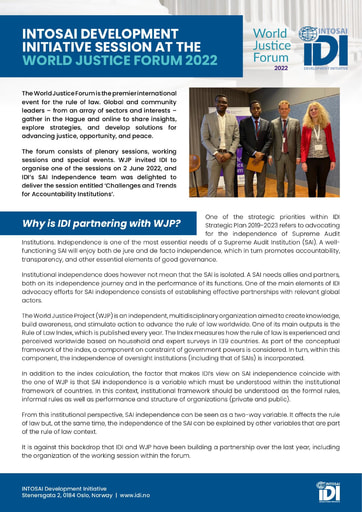
Read more about the WJF:
2. SAI Independence Discussions with Global Partners
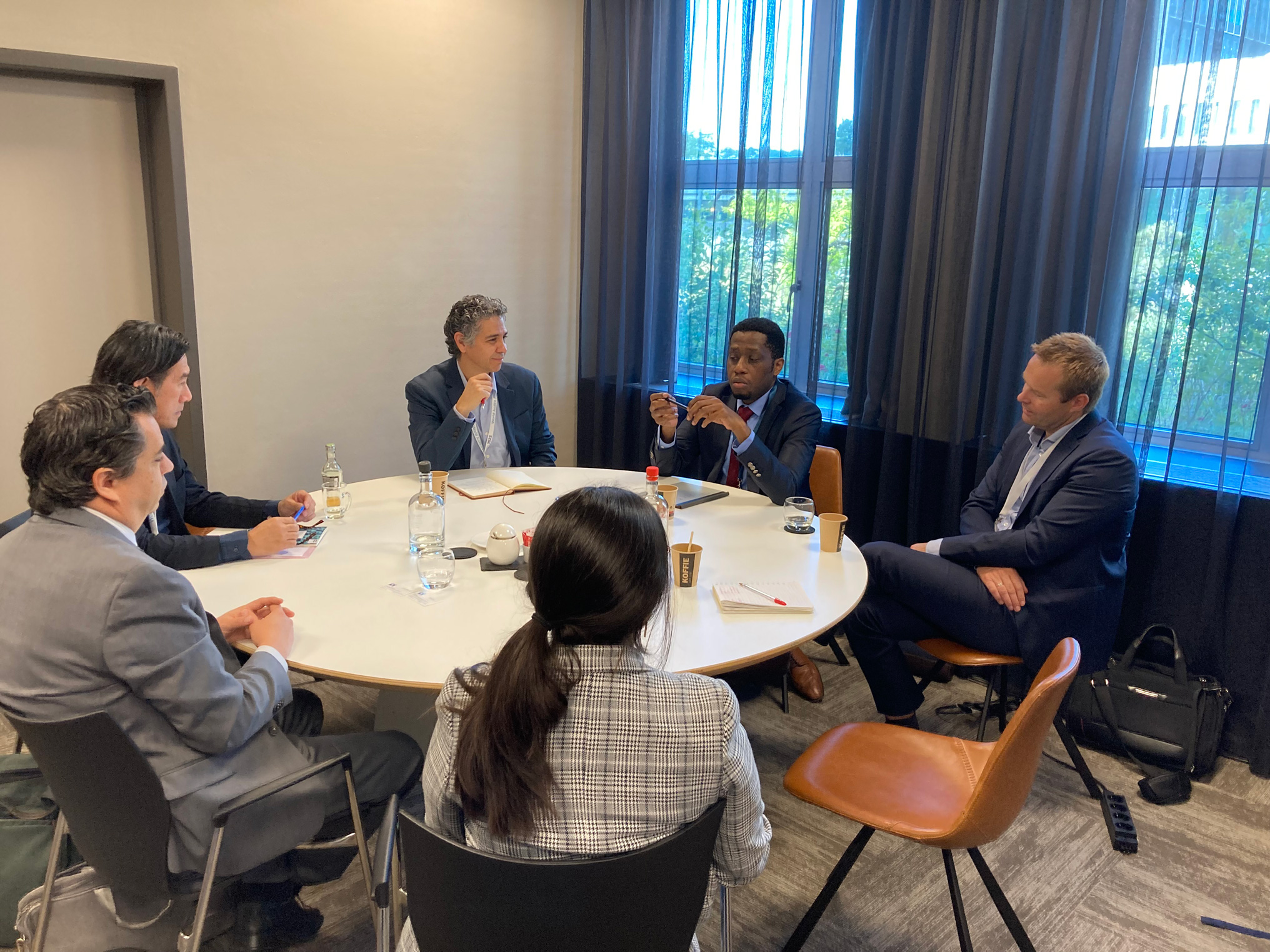
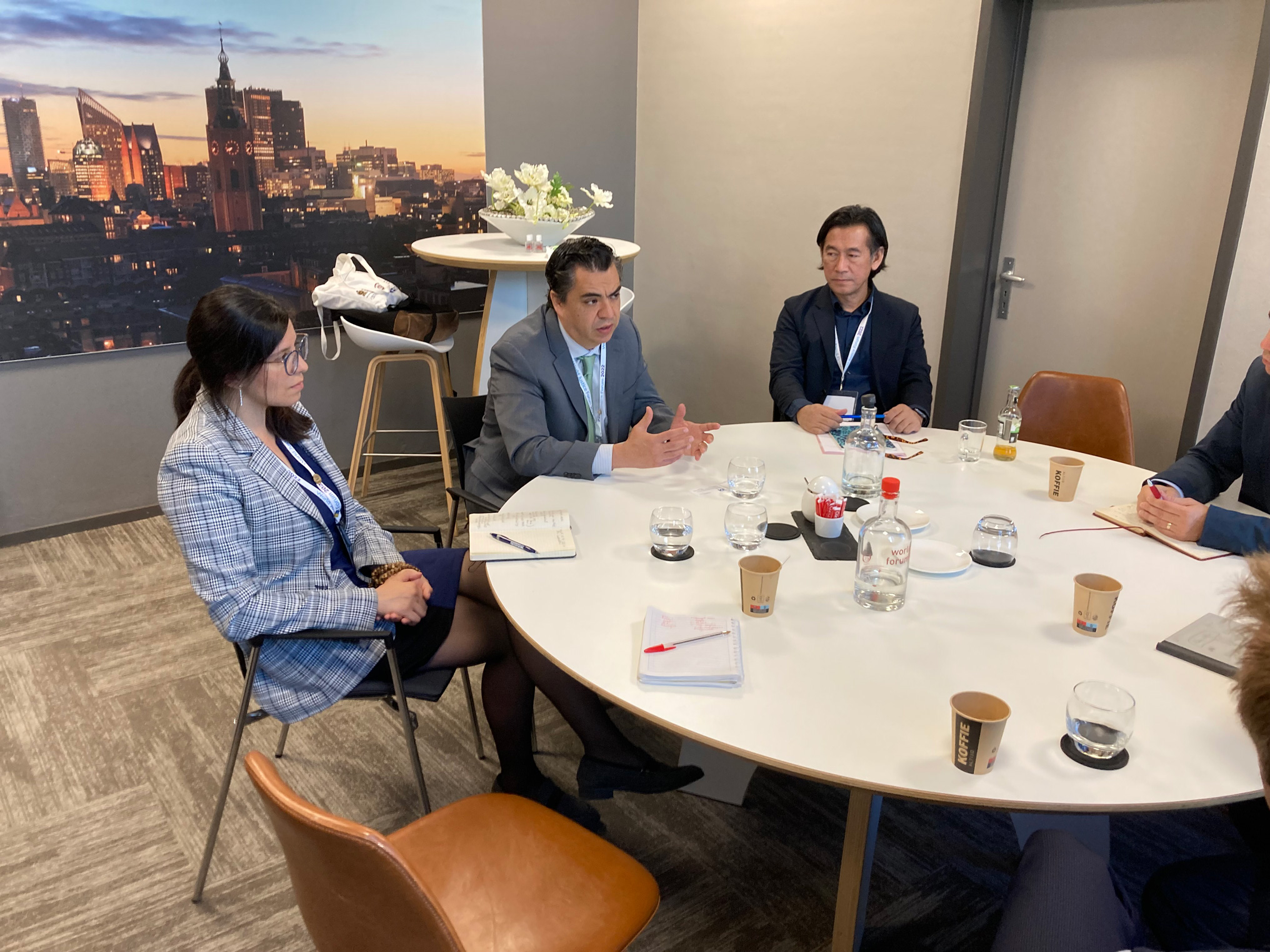
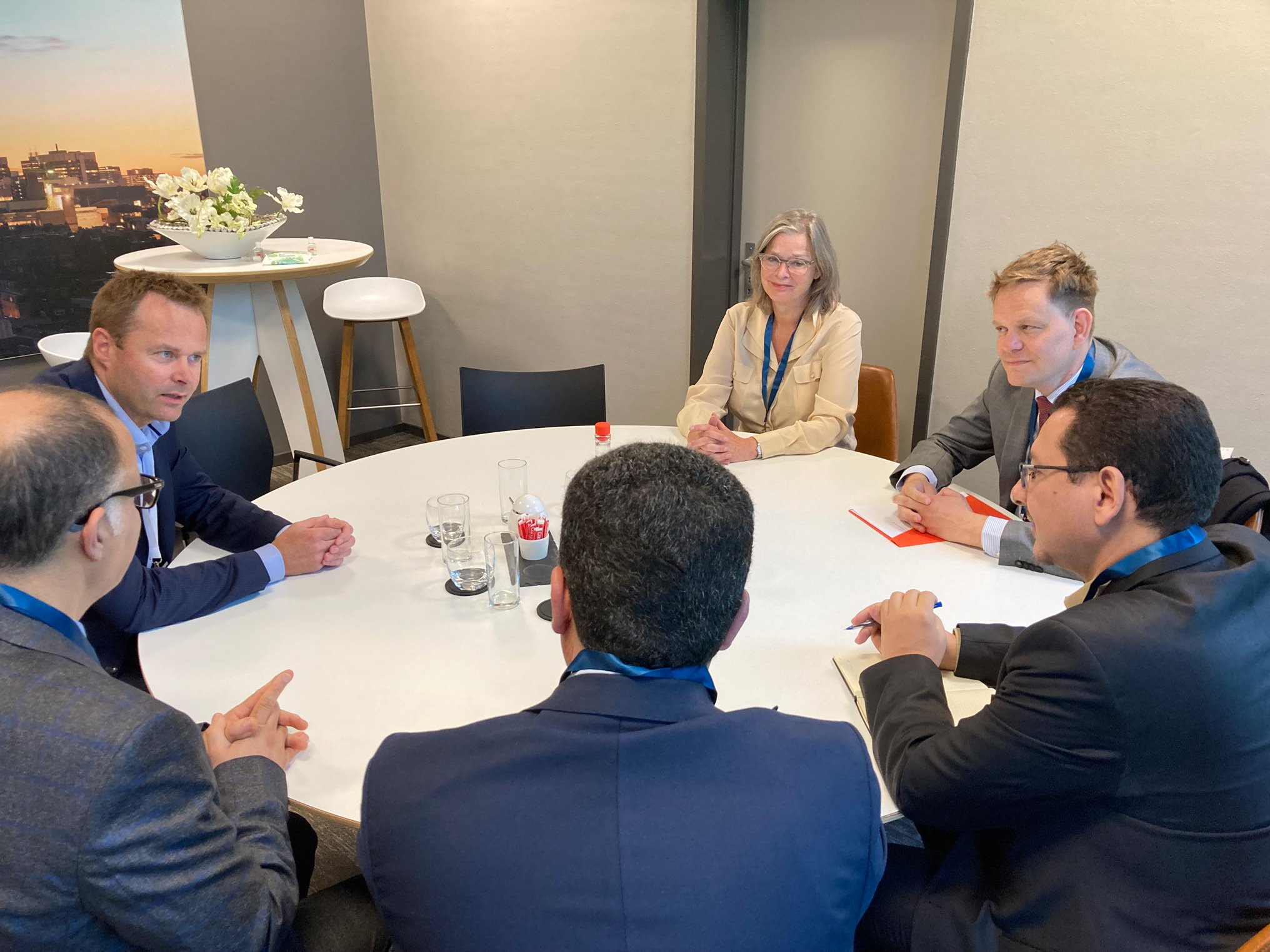
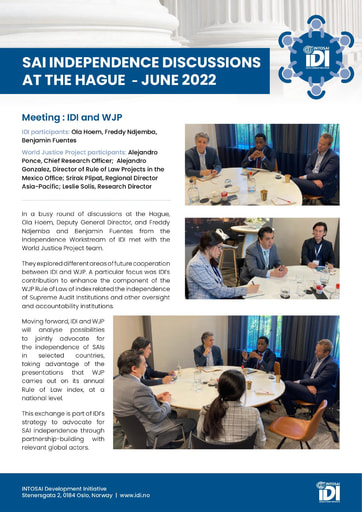
As part of IDI’s strategy to advocate for SAI independence through partnership-building with relevant global actors, Ola Hoem, Deputy General Director and Freddy Ndjemba and Benjamin Fuentes from the SAI Independence workstream held a number of conversations with other agencies and organisations.
Lively and informative bilateral discussions took place with the Secretariats of the World Justice Project, Transparency International and INTOSAI, and with the SAIs of the Netherlands and Libya.
 |
 |
 |
Find out more about the meetings:
Independence Discussions at the Hague 2022
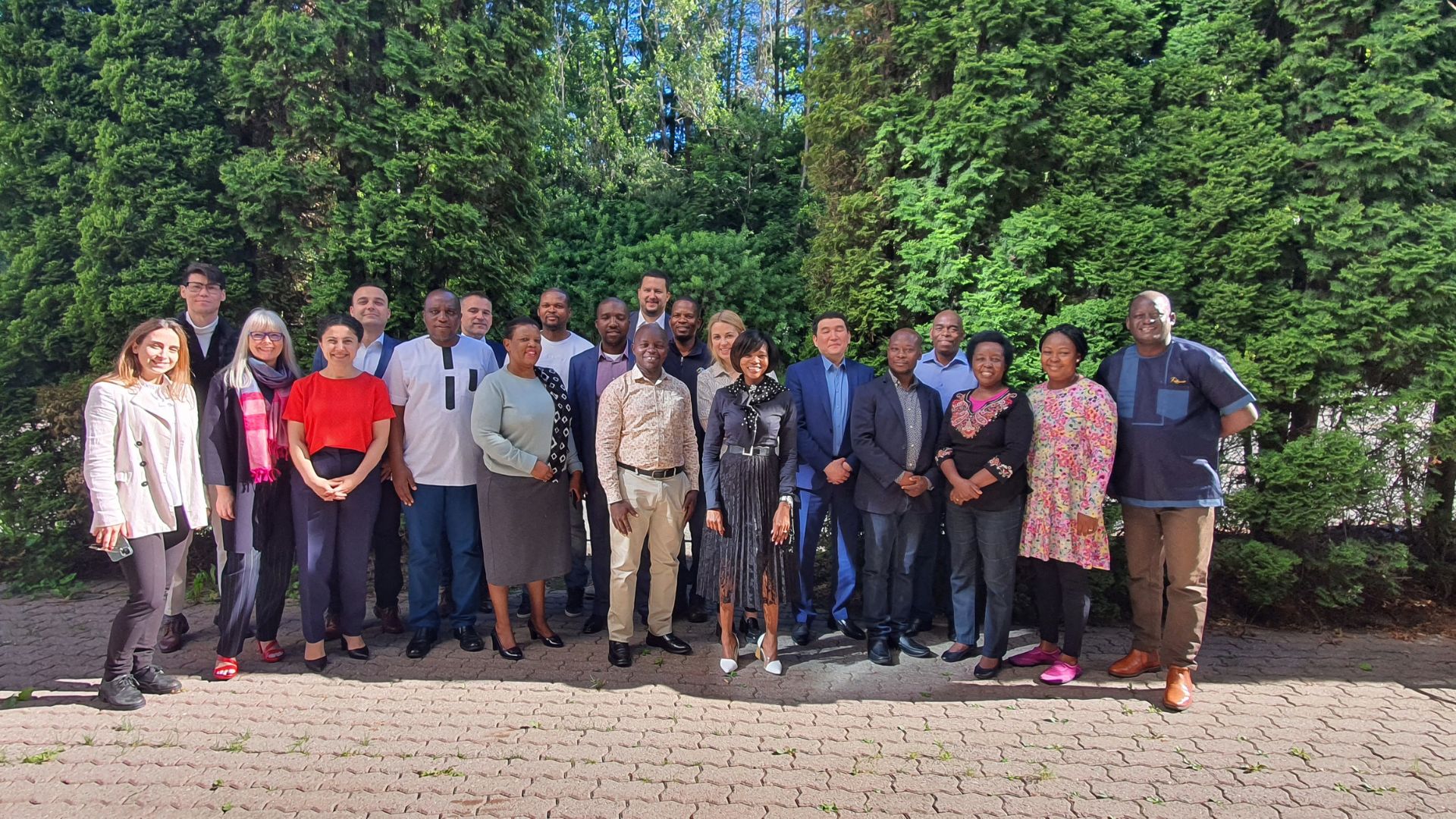
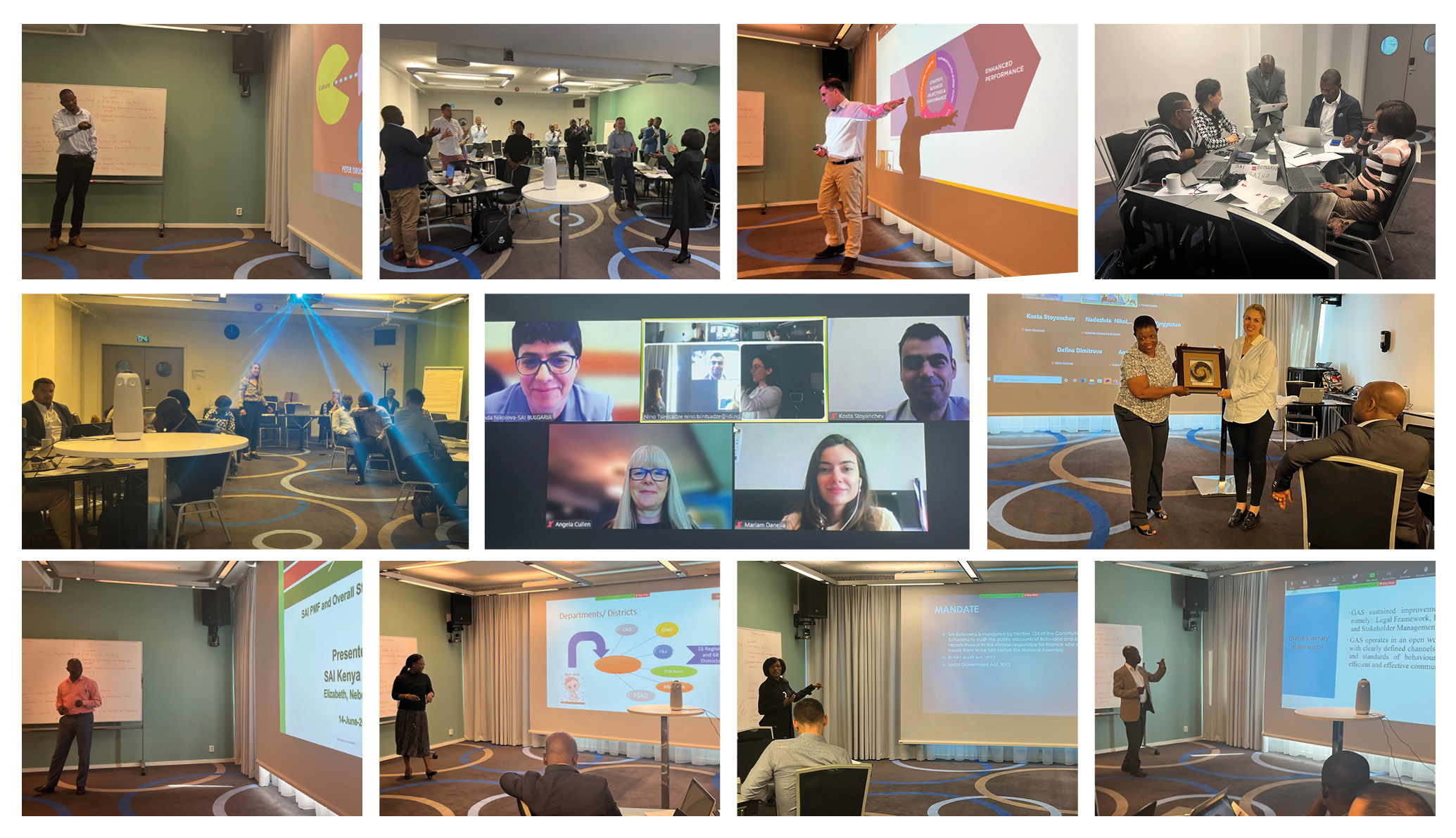
Over the past four years, many SAIs participating in the Strategy, Performance Measurement, and Reporting (SPMR) initiative have achieved significant progress in terms of strategic management. Therefore, the need for an in-depth exchange of learning and experiences across the participating SAIs has been rather certain. Consequently, IDI organized a hybrid, 5-day workshop for a diverse group of SAIs from AFROSAI-E and EUROSAI regions.
The focus of the workshop was to hear and reflect on how SAIs have used and adapted the SPMR methodology to their needs and circumstances, and on what have been some unforeseen and additional needs and factors affecting strategic management.
The workshop included refresher sessions on performance assessment, strategic and operational planning, performance monitoring, and risk management. All participating SAIs had an opportunity to share their experiences on all the covered topics and engage in lively discussions and feedback sessions.
On the final day of the workshop, the IDI team introduced the new initiatives and innovative tools that are currently being developed, such as E-SAI PMF and the online strategic planning tool – StORy.
In total 10 SAIs and more than 30 participants joined the workshop, including SAIs of Azerbaijan, Botswana, Bulgaria, eSwatini, Georgia, Ghana, Kazakhstan, Kenya, Kyrgyzstan, and Serbia. The workshop adopted a hybrid approach, whereby most of the teams participated onsite, while others joined remotely.
Going forward, IDI is planning to organize more knowledge-sharing workshops for various INTOSAI regions within the framework of the SPMR initiative.
The SPMR initiative is funded by the Swiss Secretariat for Economic Affairs (SECO).