News
Launch of CRISP Initiative
17/09/2021
IDI launches its new initiative on Crisis and Risk Management, with webinars forthcoming in October
Join us as we present IDI’s new initiative CRISP – Crisis and Risk Management for SAI Performance.
The INTOSAI community faced unprecedented challenges during the COVID-19 pandemic and resilience became a new focus for SAIs. With this new initiative IDI is focusing on strengthening SAI resilience through improving risk and crisis management systems.
To kick off the initiative, IDI invites you to attend sensitization webinars on the topics. In theses webinars, some SAIs will present their experience of implementing risk and crisis management systems and the IDI will present a draft methodology. We hope for active participation and your feedback is encouraged and requested.
The webinars will be conducted in English and French on the following dates:
In English:
5th October 10-12 am (UTC+2): Risk Management
7th October 10-12 am (UTC+2): Crisis Management
In French:
12th October 3-5 pm (UTC+2): Risk Management
14th October 3-2 pm (UTC+2): Crisis Management
To register for the Zoom webinars in English please follow:
https://forms.office.com/r/sK3DrDLf86
Pour s’enregistrer pour les webinaires en Zoom, veuillez suivre le lien :

SAIs have a key role to play in addressing the deepening inequalities during such pandemics and in ensuring vulnerable segments of the population are not left behind.
by IDI’s Sustainable Development Goals Team
As the world deals with a global health crisis, the immense importance of strong and resilient public health systems to achieving United Nations Sustainable Development Goal 3 (SDG 3)—ensure healthy lives and promote well-being for all at all ages—has never been more evident. Supreme Audit Institutions (SAIs) have a key role to play in addressing the deepening inequalities during such pandemics and in ensuring vulnerable segments of the population are not left behind.
To that end, the INTOSAI Development Initiative (IDI), in collaboration with the regional secretariats and Knowledge Sharing and Knowledge Services Committee (KSC), is supporting a cooperative performance audit linked to SDG target 3.d (strengthen the capacity of all countries, in particular developing countries, for early warning, risk reduction and management of national and global health risks). The World Health Organization’s (WHO) Health Services Resilience team is providing technical support for this effort. This cooperative audit may have impact at both the country and regional levels, as the audit reports from several SAIs in a region will provide a comprehensive picture of the status of SDG 3.d implementation.
To build SAIs’ capacity to conduct these audits, IDI has developed an Integrated Education & Audit Support Platform with four elements: education contents (asynchronous units and synchronous classes), social learning (discussion forums, parking lots, cafes, webinars, and audit question bank), other resources (library, audio and video links, and links to other courses), and audit support (feedback and support for each stage of the audit). In addition to the IDI team, nineteen mentors are engaged to deliver this support.
Thirty-nine SAIs in five regions are participating in the 3.d audits, and most teams are currently at the end of the planning phase. Reports are expected to be completed around the end of the first quarter of 2022.
Resilient public health systems mitigate, prepare for, respond to, and recover from disruptive events while continuing to provide essential health services, and they use their experiences to guide improvements. Achieving resilience requires a multifaceted, whole-of-society approach to public health emergencies at the policy, operational, and service delivery levels, including strengthening essential public health functions. According to WHO, examples of such functions include surveillance, health protection and promotion, and public health preparedness.
Resilient public health systems align “health emergency planning with broader health sector strategy and vice versa, including appropriate budgets and monitoring and evaluation (M&E) frameworks for planned as well as unexpected interventions” (Mustafa et al., 2021).
While public health system resilience has many dimensions, the 3.d audits focus on those included under this specific target. In their 3.d audits, SAIs can examine how governments are enhancing their capacity to do the following (depending on their national context and risk):
SAIs should focus on policy coherence and integration across the government, as well as on the extent to which the government has involved diverse stakeholders in its efforts. One of the principles of the UN 2030 Agenda is that all processes for implementing the SDGs be participatory and inclusive. Stakeholders include all levels and sectors of government, civil society and the private sector, members of parliament, and national human rights institutions.
Stakeholder engagement is closely linked to another important principle that undergirds 3.d audits: “leave no one behind.” Poverty and inequality can prevent vulnerable groups from participating in and benefiting from progress on the SDGs. To evaluate governments’ efforts to leave no one behind in the implementation of SDG 3.d, SAIs can ask questions such as:

As outlined in IDI’s SDGs Audit Model (ISAM), SAIs should focus on impact at all stages of their SDG audits, including when designing, conducting, and reporting on the audits. The guide includes practical “Spotlight Questions on Audit Impact” for SAIs to consider throughout the process.
After issuing their audit report, SAIs can take further actions to enhance audit impact:
In recent meetings of SAI leaders and stakeholders in the Arab Organization of SAIs (ARABOSAI), Asian Organization of SAIs (ASOSAI), Pacific Association of SAIs (PASAI), and Caribbean Organization of SAIs (CAROSAI), external stakeholders affirmed the contribution of these audits to making public health systems more resilient and better able to respond to future crises.
By undertaking these audits in the midst of the current global health crisis, SAIs are demonstrating to citizens, decision- makers, and external stakeholders that they can respond effectively to changing environments and emerging risks. More information on auditing SDG 3.d can be found here.
 |
To read more, click here. |
IDI in 2020 launched the MASTERY Initiative aimed at supporting SAI leadership in their role to effectively perform their mandates.
MASTERY is an initiative which supports Heads of SAIs in leading their organization through change towards greater, effectiveness, impact and sustainability. It focuses on crucial topics for effective SAI governance, provides a closed-room discussion forum where selected SAI leaders and peers can interact, share experiences and receive advice. It establishes in-depth understanding of the focus topic and translates it into concrete actions for and by SAI Leadership. MASTERY consists of a carefully crafted set of reading materials and supporting tools; two half-day workshop-style sessions led by IDI and other experts, as well as individual guidance and coaching by a dedicated IDI adviser for each selected participant. It foresees that participating Heads of SAIs will develop and implement succinct action plans in relation to the specific topic aiming to spearhead the transformation process in their SAI. MASTERY involves internationally renowned speakers and experts from and beyond the SAI community.
Initiative Objectives:
SAI Independence will be the first topic to be rolled out during the period 2021 with the first Webinar scheduled for 8th September 2021. Alongside this, Strategic Foresight and other topics are still under consideration and will be rolled out starting 2022.
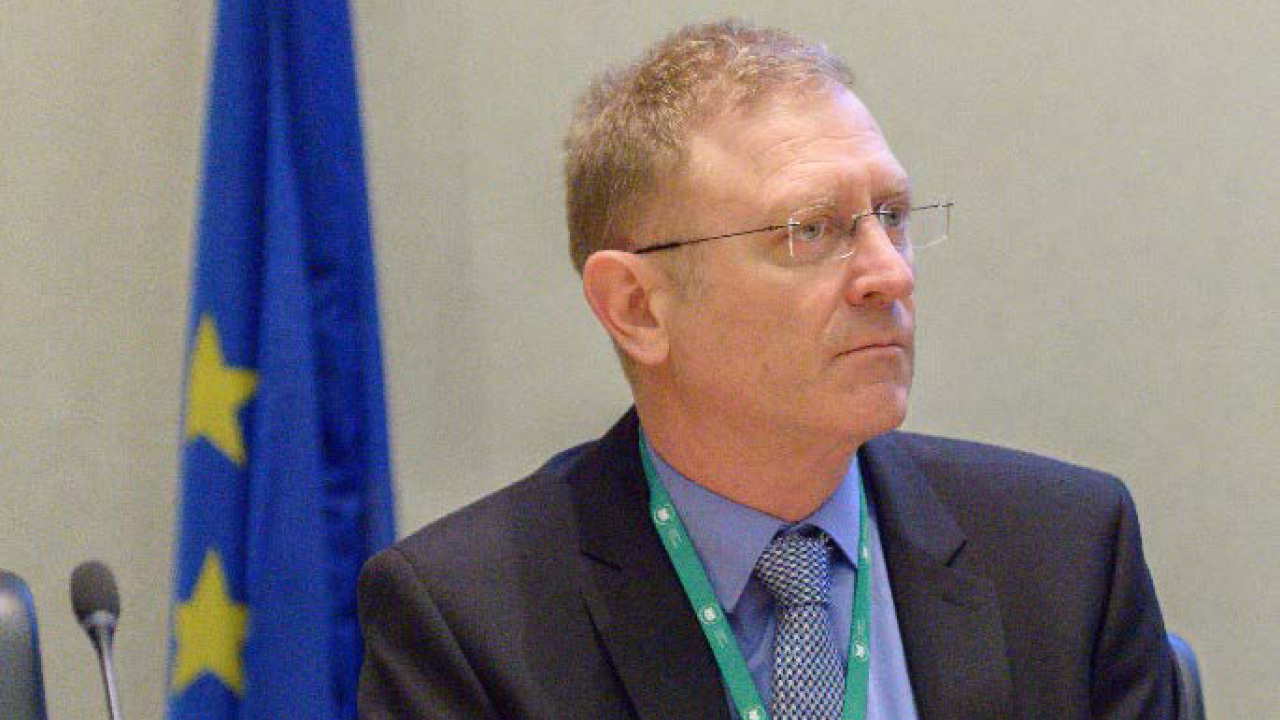
‘It’s our people who make the difference!’ On 1 June 2020, Eduardo Ruiz García finished his mandate as the ECA’s SecretaryGeneral after more than 11 years.
By Gaston Moonen.
On 1 June 2020, Eduardo Ruiz García finished his mandate as the ECA’s SecretaryGeneral after more than 11 years. With over 30 years of working experience at the ECA, Eduardo Ruiz García both witnessed and initiated changes – adapting and reacting to and acting upon new developments in the EU’s audit environment. Looking back, he identifies a number of key aspects that the EU’s public auditor, and particularly its leadership and staff members, may consider for now and the future, both from a practical and strategic point of view.
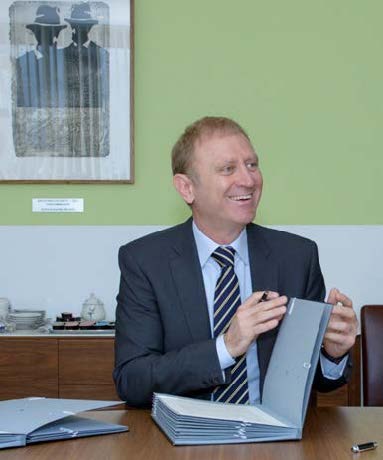
Strategic lessons from the pandemic
At the end of May 2020, Eduardo Ruiz García left the ECA in the midst of the first wave of the COVID-19 pandemic, as was foreseen before the start of the pandemic. This was not an easy step for him. ‘Leading the ECA’s administration through the pandemic was one of the most challenging and most difficult things during my time as Secretary- General.’ But he thinks it is also an important lesson on how the ECA can provide added value in times of crisis. ‘The first thing citizens expect from the European Union is that it ensures coherent action. This includes making sure that the rules and measures related to fighting the Covid-19 pandemic are consistently applied, by all Member States. However, what one can observe is that there are even differences within Member States. And I hope that the relief offered under the recovery fund will be available soon, to ensure social and economic cohesion in the Union. Moreover, we can learn lessons from this crisis for the political set-up of the Union, on how to improve our decision-making, and how to promote best our strategic interests and reduce our dependence on others.’
Eduardo believes that the ECA can look at a variety of issues here, to add value regarding process and outcome. ‘But in a smart way, looking at things where there is a role to play for auditors in the short term, for example looking at procurement procedures, crisis management on the spot, where EU authorities are involved. At the same time we must avoid interfering with the political authorities in the middle of a crisis.’ He believes that for the longer term the ECA needs to look at the horizon and look forward. ‘Such as projecting the consequences of the pandemic, remaining pragmatic and helping the political authorities to learn lessons quickly, so that the audit work can have an impact on how this crisis and future crises are mastered.’
He agrees that this might not be seen as part of the traditional role of an external public audit institution. ‘This can actually create a dilemma for auditors. On the one hand we have to follow procedures, rules and standards. But in any modern organisation – and audit is not an exception – you have to be creative, innovative, you have to adapt to change, this is necessary. And you cannot improvise that. Just because a pandemic arrives doesn’t mean that you can suddenly become creative. It is mainly a cultural thing. You have to be prepared, build this spirit of openness, curiosity, the ability to anticipate, the appetite for change. It has to be in the DNA of your organisation. And that takes years, I think.’ He adds that the ECA is close to being such an audit organisation. ‘But I think the ECA needs to take it a step further and be ready to take a risk, and to accept potential failures and errors. These last years I often heard us saying this, but in practice we may not always have been sufficiently daring.’
From an organisation of professionals to a professional organisation
When discussing what he sees as the biggest change in the ECA over the last 30 years, Eduardo does not have to think long. ‘When I started working for the ECA in 1989, I had the impression that my colleagues were professional auditors, very capable at what they were doing, with good skills and expertise. But pretty soon I realised, there was a lack of strategic orientation, structure and guidance. For example, at that time, we had no audit manual. I recall that at some moment I thought: “This is an organisation with very good professionals, but it is not a professional organisation.”’ He believes this has changed tremendously. ‘Now the ECA is a professional organisation, with good audit methodology, with clear standards in most areas, a more agile organisation, with a management more open to change than it used to be. We have been successful in creating this change .’
He also believes that the ECA has successfully adjusted to a new institutional role. ‘The ECA used to be more on the side lines, but is more active now, more focused on topics that are relevant to its stakeholders. As the EU’s public auditor, the ECA needs to stay close to the action in the EU.’ In his view, it will be important for the ECA to add value by having an impact and promoting trust in EU action. ‘As set out in its mandate, the ECA’s ambition must be to express an opinion on how the situation looks in reality on the ground. For the auditor, this means reporting on positive and negative things. And the impact will be the trust that the citizen can place in the accounts – and in the actions of the EU, relating to their performance.’ In his view, this requires selecting audit topics that matter and reporting on them objectively. ‘The ambition should go beyond finding errors, the ECA’s mission is wider: to report on the reality of the financial management, appropriately presenting both shortcomings and achievements.’
He believes the ECA has improved a lot in its reporting during the past years. ‘In my view there is still something lacking, which goes for many other external audit institutions: how to formulate recommendations. This can be quite difficult and tricky. It requires common sense and a balanced approach.’ For this, the auditor must be able to place findings in the right context. ‘In my life as an auditor, I have seen that a better result was sometimes achieved even if an error was made, than if the rules had been applied to the letter. Here common sense must kick in.’
A professional life in audit…but outside the ECA
|
Box 1 – Working for the INTOSAI Development Initiative The INTOSAI Development Initiative (IDI) is a not-for profit, autonomous implementing body operating from Norway, mandated by the International Organisation of Supreme Audit Institutions – INTOSAI, the global umbrella organisation of external public audit institutions – to support supreme audit institutions (SAIs) in developing countries to sustainably enhance their performance and capacity. |
In July 2020, Eduardo Ruiz García started a rather different job: as manager in the INTOSAI Development Initiative (IDI). After his first months working with the IDI he continues to be enthusiastic, calling it ‘a dream coming true.’ ‘The IDI is a fantastic place to work because it combines audit and development policy, which are two areas which I like very much.’ Then he reveals: ‘My happiest time at the ECA was when I was working for the predecessor of the ECA audit chamber currently auditing the EU’s external actions, so in third countries, together with colleagues like Michel Hervé, Philippe Froidure, John Speed and Jean-Michel Gavanier, for example regarding the European Development Fund. Audit and development.’
He explains that at the IDI they are lucky, since they have a very strong e-learning branch. ‘But one of the main problems is the difficulties SAIs are having in continuing their activities in the field, because some of them cannot continue auditing as the ECA does. Part of our work is, for example, coaching some of the SAIs’ audits, helping them put the audit together. The situation is not homogeneous, and for my work it was tough because I could not start on the spot, nor in Norway or my projects with SAIs all over the world.’
For Eduardo, the IDI is contributing in an area where he sees major opportunities for SAIs to add value: sustainable development. ‘I think this will be key. Sustainable development is not only an issue for developing countries, it is also most relevant to Member States and the EU.’ He adds that it is also about becoming a better institution and helping other audit institutions. ‘For example, in Sweden and in Norway SAIs have development programmes and carry them out. Several SAIs collaborate through the IDI, capacity development implemented through peers. For example, in the case of Madagascar, a project I am working on, we will have colleagues from France, Norway and Morocco.’
When speaking about contacts between the ECA and the IDI, it turns out that the ECA has participated in some of the IDI’s activities through workshops and in working groups. ‘But it has not done so yet as peer partner in a specific project for a specific country or region. I am sure our IDI management would be delighted to have the ECA participate in one such project and I invite the ECA to do so.’ He adds that it would be beneficial for the ECA to get involved. ‘You learn a lot from the others, too, as a mirror reflecting your own activities .’
Opening up to other knowledge organisations
As Secretary-General, Eduardo was very active in promoting a structured approach to knowledge management at the ECA. He explains that the main trigger for him to do so was his belief that, for a public audit institution, as for any organisation that depends on its people, its core knowledge is embedded in its staff. ‘Staff and knowledge are actually two faces of the same coin. So staff development is key for a knowledge organisation such as the ECA. I only fully realised this when I worked as manager in what is now the Directorate of Audit Quality Control in the ECA. Then I saw that the professional training we organised was good, but also, what I would call, too “endogamous”: most of the time we were training ourselves.’ He has no doubt that training on the job is very important. ‘But it should not be the only thing, or even be predominant. Especially, in times where many innovations are going on, you have to catch these developments outside.’
Eduardo decided to change the approach to the ECA’s knowledge management. ‘I wanted to open up to good practices outside, at other institutions, experts and academia. Because most of the new knowledge will come from universities, including pedagogical techniques to transfer such knowledge: knowledge and how to learn.’ To nourish their thinking he wanted to confront the auditors with a different environment. ‘And not only to learn but also to realise that what we were doing was quite good. To identify where we stood and where we needed to excel further.’
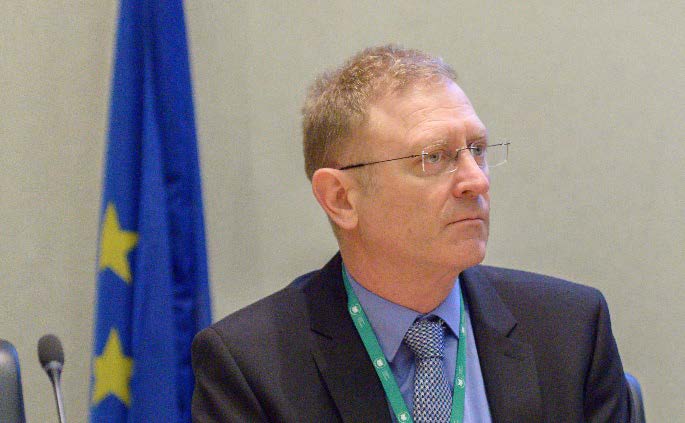 He brings up another motivation for his endeavour: ‘One of the problems for public organisations is that you have relatively few incentives that you can offer to your staff. Things are quite regulated, limiting the tools available to motivate people. I think that our colleague – sorry, my former colleague – Magdalena Cordero, once defined it very well for the physical environment. She said something like “I have a vision of the ECA as a campus, with the garden in between the different buildings, the cafeteria and the ‘aula’ where people can meet.’ With a laugh, but then serious again: ‘I then said: “Agreed: let us organise the way we work as on a campus: to have work, events, conferences, discussions, people working together, also in the canteen, exploring in a class or meeting room, so making the campus idea more than merely physical.’
Many will agree that the Eduardo Ruiz García put great energy into turning this idea into practice. During his mandate as Secretary-General the number of lectures and presentations, particularly by experts from outside the house, increased tremendously. ‘When I saw something interesting and we had the possibility and the capacity to do it I always tried to organise an event at our premises in Luxembourg. And most often with different layers: an open session in the ECA conference room, followed by a workshop for a more select group of people who also worked on that topic.’ He explains that the speaker always came for free, with only transportation and possibly hotel costs reimbursed. ‘For them it was also interesting to meet ECA people. To create more informal settings, we sometimes also organised working lunches, inviting people who would also be interesting for our guest to talk to. Because we sometimes forget that the ECA can be an interesting counterpart to discuss with.’
Eduardo Ruiz García hosting one of the many events he and his team organised
Creating an advanced line of defence
From his over 30 years at the ECA, Eduardo recalls that some topics always reappear when the discussion turns to long-term strategic objectives. One of them is the dilemma of being objective and fair while not being sensational and feeding into unjustified mistrust of public governance. ‘This is something most public audit institutions are struggling with and you have to find the right balance. As an auditor you would like to see impact in the way of improvements, but not contributing to scepticism and distrust. You have your legal obligations to report, the audit standards to follow. And a responsibility to report objectively. The question is how to achieve this best. This is a fine line and can be difficult.’
In any case, he is convinced that SAIs need to play their role when it comes to informing citizens. ‘And now we not only have the press, but also the social media. They play an increasingly important role in keeping the citizen informed and aware.’ Then he refers to a presentation he gave during a conference in Spain a number of years ago. ‘We were then discussing the first line of defence: risk management; the second line of defence – such as internal control, and also the third line of defence, which is the external auditor giving independent assurance. But what I call the ‘advanced’ line of defence is well-informed public opinion and citizens that are aware of what is going on, also regarding public finances. That is crucial.’
He explains that this advanced line of defence has only become more important in times of social media, where extreme views are easily expressed and enlarged upon. ‘This is an area where the ECA, as an audit institution, should use social media not only to inform people about our activities but also about how public finances are working, raising awareness. I think that the ECA is lucky to have the communication team it has because they recruited very committed people, with good skills in social media. This has changed communication by the ECA in the right direction.’
Making a difference for staff and therefore for the institution
When asked on which issue, which topic he felt that he contributed most as Secretary-General, Eduardo says that, in all modesty, he would like to mention two issues. ‘The first one, which is also the most emotional one for me, is the ECA’s response to the COVID -19 situation. For me it was crucial we handled this one as well as we could. And this is not really my achievement but the achievement of many people in the house. My pride lies in the privilege of working with all the people who helped us to successfully overcome the difficulties in the initial phase of the pandemic. The ECA continued to be operational and in mid-March 2020, 100% of our staff went into remote working within two days.’
He observes that the foundations for maintaining business continuity so effectively were laid well before, in terms of investments in IT, security, and health measures. Plus a flexible approach to dealing with the situation the best way you can. ‘Because you need to be practical. For example, I still remember somebody asking me, in March 2020 when the lockdown started, if a colleague could take his computer screen home. I replied: “The screen, the keyboard, even the chair if you want.” Later on, I understood that in other institutions they had not been that flexible. But for me it was clear that we had to do as much as possible to facilitate teleworking.’
The second issue Eduardo identifies as where he thinks he made a difference relates to staff development and knowledge acquisition. ‘I wanted to place both these aspects at the core of our management approach and I think we were successful in this. As an audit institution, you add value when you have a positive impact on how things are done on the ground. But how? Unlike a production line, the performance of an audit institution – be it in the public or private sector – relates to good governance, good procedures, the right tools and resources.’ He argues that this is multiplied by staff performance, which works as a kind of coefficient to increase your organisation’s performance. ‘You can have the best governance, the best procedures, etc., but if your staff’s performance is bad, your final performance will be meagre or could even be negative.’
Eduardo also considers that his influence as Secretary-General on the ECA’s governance was limited. ‘This is arranged for in the Treaty and is the College. Regarding audit procedures, I used to have some influence when I was in what is now called Audit Quality Control, but as Secretary-General, again: limited or no influence. I concluded that where I could really make a difference was in setting the right framework to increase staff performance.’ For this, he was also inspired by a presentation given by Victor Küppers, a Dutch professor from the University of Barcelona, who has also given TED talks on staff performance. ‘He spoke about people’s performance in the sense of a formula, which is: knowledge plus skills, multiplied by the attitude you have. He very much emphasised motivation: if you are motivated you will boost the combination of your knowledge and skills.’
Eduardo lights up as he continues. ‘I said to myself: “This is a nice formula and I can intervene to make a difference in all three: knowledge, skills and attitude.” Because in the end, it’s our people who make the difference! As to knowledge, we can work on audit techniques, analysis of data, economic analysis, public policy review, etc. And we did, for example through the Masters programme we developed and the statistical diploma, both with the University of Nancy. Or the summer school initiative with the University of Pisa, or our learning cooperation with the Commission and Deloitte, the private audit firm.’ Concerning skills, he gives as examples the training staff can have on oral, written and non-verbal communication, presentation techniques, leadership skills development and others. ‘We have boosted the courses on offer, and participation – relating to soft skills training.’
Regarding attitude he believes this relates to a large variety of issues: ‘This can range from inclusion in a peer review team, addressing gender and equality issues, ethical guidelines. And introducing signs of recognition beyond promotion and career development tools, such as the performance awards we introduced, and facilitating participation in studying at universities.’ Other elements he sees are creating sports facilities – the ECA ‘Makarena’ playfield, the ECA’s gym – or organising the staff summer party, supporting the ECA football or the ECA sailing team. ‘By offering such opportunities you increase the feeling among staff of belonging to an organisation that cares! And the ECA does.’
While discussing staff development – relating to knowledge, skills and attitude – as a key area where he tried to make a difference, Eduardo also identifies it as the area where he had to take the toughest decisions. ‘The most difficult issue for me as Secretary-General related to delicate staff matters. You have to decide on things that have quite an impact on individuals. This can relate to the choices you have to make regarding people, such as on promotions, but also on measures which can have an impact on a colleague’s career or on individual well-being. It includes a whole range of people’s issues you have to deal with. Those are difficult, of course part of your job as Secretary-General, but they nevertheless can be – and sometimes were – quite a burden.’
Contributing to trust, both outside and inside the ECA
For Eduardo it is clear that one of the core roles the ECA has to play is to contribute to trust, the trust EU citizens can have in EU measures and the organisations carrying them out. ‘This was the key theme of the 2018-2020 ECA Strategy and I think it will continue to be important for the future. The ECA’s main role is to help EU measures to have most added value, to help EU institutions to function better and show that they are held accountable for that. And I think the ECA needs to highlight the tasks the EU has committed to contribute to.’ In this respect, he explicitly refers to the Sustainable Development Goals (SDGs). ‘I really like these SDGs and I think it is the first time that there is really a global agenda, for the rich countries, for the poor countries.’
Eduardo also underlines the importance of using foresight as a tool for SAIs to identify topics that will matter in the future and optimise an SAI’s added value. ‘The COVID -19 pandemic has shown how fast circumstances and activities can change and foresight exercises can identify relevant areas for public auditors to consider: research, climate change, defence, new agricultural approaches, etc.’ He points out that the EU public wants to know how the EU budget, but also new instruments such as the Next Generation EU, have performed. ‘The ECA can provide insights into that, in particular through its performance audits, thereby contributing to this advanced line of defence I referred to earlier.’
Trust is also a key element in the relations he developed with his colleagues at the ECA. ‘Honestly, what I am very proud of was to be able to work with all my colleagues. This is not an empty phrase. It is a life experience ! I learned so much from different colleagues, from auditors, from translators, from IT experts, people in the administration, in security, my cabinet staff. Both from a professional and personal point of view. I consider myself very lucky to have been surrounded by these people. I had the privilege to work very closely to several ECA Presidents: J.O. Karlsson, J.M. Fabra Vallés and V. Caldeira. And this is what I really miss, my colleagues at the ECA. I miss the meetings with my managers, my office, my staff. But I also miss playing football with my colleagues, having a talk with a security colleague or with one of the drivers.’
For Eduardo, it is the staff and their diversity, in terms of age, nationality, knowledge and character that exemplify what the ECA stands for. ‘The ECA really offers a cosmopolitan professional environment. This needs to be preserved, for example by means of recruitment. We launched recruitment for IT specialists, data analysists, statisticians. I think this should be extended to other areas, to also bring in people with a social science background. Not all ECA staff need to be trained auditors to provide added value.’ This is the most important since for SAI, developing Digital Audit is paramount to remain relevant.
Speaking about trust also brings Eduardo to one of the things he regrets not pursuing further, which relates to teleworking. ‘I regret that I was not brave enough to push for teleworking before the ECA went into remote mode in March 2020, following the first lockdown. The more because I really wanted to. But I met a lot of resistance and I thought that without support it would be difficult to implement such a move.’ In his view, the willingness to embrace remote working is directly related to trust. ‘My vision of teleworking was that I did not want a set of complex rules. No, I wanted trust. If you want to go out and telework, then, as manager I would say: “Please, go ahead, do it.” And if there is a problem, if trust is abused, as a manager you have to tackle that. And this was difficult for some managers. But people feel responsible. This was already the case before the pandemic hit us, and was then demonstrated by ECA staff in their work and commitment when there was no other option than to work remotely.’
Then Eduardo concludes: ’This is also the main advice to my successor, Zac Kolias. Trust your staff! I am confident he will.’
To read more go to : https://www.eca.europa.eu/en/Pages/Journal.aspx
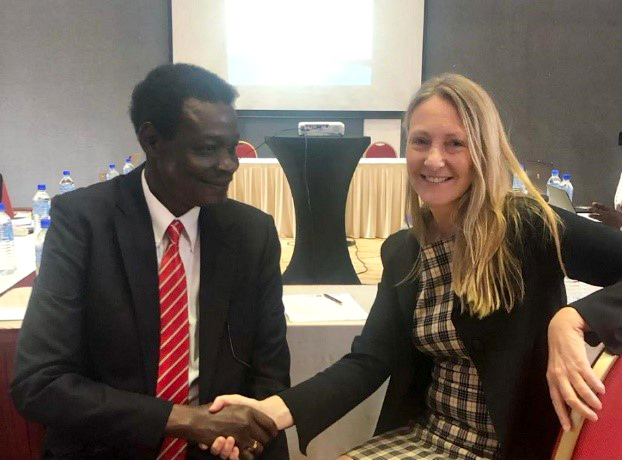

The Norwegian MFA grants over NOK 15 million to the National Audit Chamber (NAC), via IDI, for the implementation of its strategic plan. The IDI, together with SAI Kenya and AFROSAI-E , will work closely with NAC for a five-year period to enable the office to implement key strategic priorities including those relating to the Peace Agreement.
NAC has developed a Strategic Plan for 2019-2024 that clearly aims to meet the obligations of the peace agreement and for it to generally contribute to better public financial management in South Sudan. This includes expanding the audit coverage of government at the central level, as well as at state and local level.
The main goal of the project is to enable the NAC to implement their strategic plan, especially in the areas of auditing, new legal framework, stronger internal governance, new ICT-systems, HR-management, professional development and training, stakeholder engagement, communication and general coordination with partners. A combination of technical advice and logistical support will be provided.
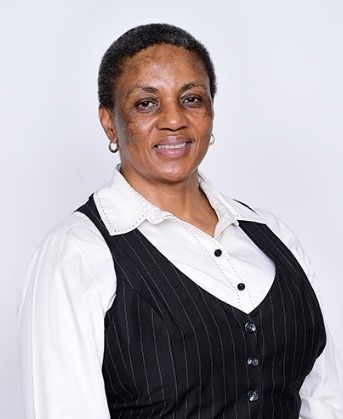
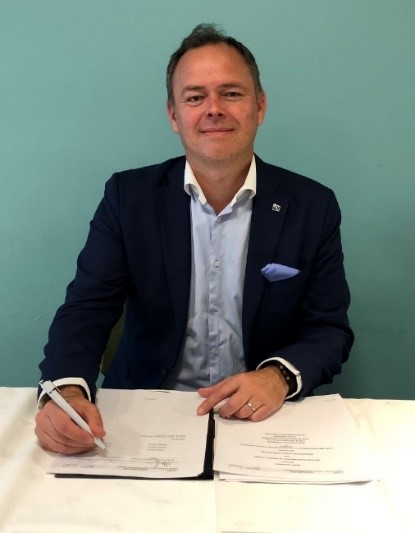
“We in the National Audit Chamber are strongly committed to play our part for improving governance in South Sudan, and the implementation of the peace agreement. Our strategic plan is our guiding document, and together with our peers and the financial support of the Norwegian embassy, I am sure we can achieve great results over the next years,” says Amb. Steven Wondu, Auditor General of South Sudan.
South Sudan is currently in a very challenging economic, political, security and humanitarian situation. The Revitalized Peace Agreement (R-ARCSS) of September 2018 provides for a number of steps to be taken to improve the situation, hereunder strengthening public financial management and NAC.
“The National Audit Chamber can play a key role in improving public financial management in South Sudan,” says the Norwegian Ambassador to South Sudan Siv Kaspersen. “Efficient and transparent use of public funds is critical for continued stability and trust building in South Sudan. Through their audits, the audit office can show what the government, Parliament and stakeholders can do to enhance accountability and transparency. Our expectation is that the NAC will get an enhanced capacity and independence in the next years as clearly stated in the Revitalized Agreement on the Resolution of the Conflict in the republic of South Sudan (R-ARCSS).”
|
|
|
For more info about the project, contact the NAC Deputy Auditor General, Dr. Justin Droko (justindroko@hotmail.com) or IDI Project Manager Jostein F. Tellnes (Jostein.tellnes@idi.no).
 |
For more information on IDI’s work in South Sudan, click here. |
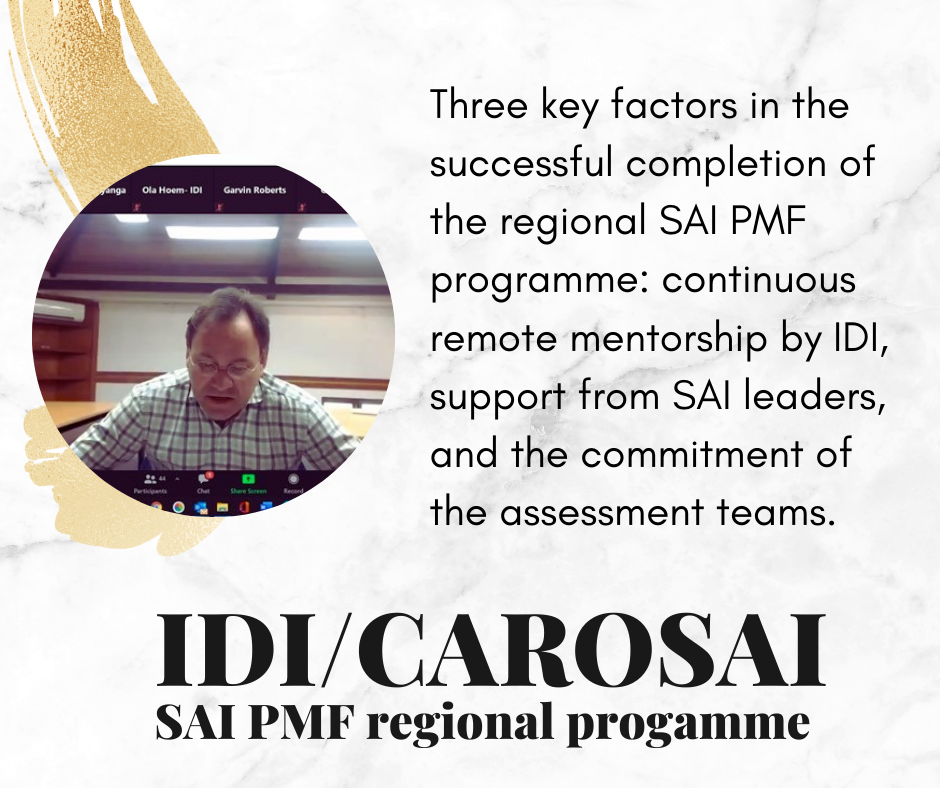
IDI/CAROSAI’s regional SAI PMF facilitation programme comes to a successful close.
The year-long IDI/CAROSAI SAI PMF facilitation programme launched on 7 May 2020 has been successfully completed, and closed officially on 7 July 2021 with a virtual meeting.
With a group of SAIs from the CAROSAI region all conducting SAI PMF assessments at the same time, the participating SAIs – namely Aruba, Belize, Dominica and St Lucia – were able to share their experiences and learn from each other as peers.
The SAI PMF assessments were conducted as self-assessments. IDI provided continuous remote support to the entire assessment process by allocating a mentor to each assessment team. This mode of delivering the facilitated programme resulted in high quality performance reports, as evidenced by the findings of the independent reviewers.
The dedication to the assessment demonstrated by SAI leadership and the assessment teams was exemplary. This combination of three factors – continuous remote mentorship by IDI, SAI leadership support and the commitment of the assessment teams- were the key drivers for the successful completion of the regional facilitation programme.
The Heads of SAI are delighted to have the final independently reviewed SAI PMF reports. They have expressed their commitment to putting measures in place within their SAIs, to further strengthen areas where performance is good and close the gaps in the areas that need to be improved.
If your region would like to conduct a similar facilitation programme, please contact the IDI’s SAI PMF Team.
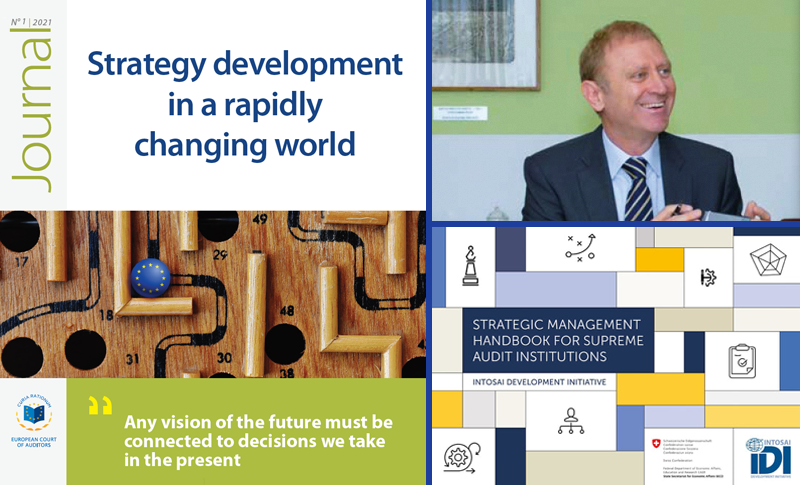
IDI featured in two articles from the latest issue of the European Court of Auditors Journal.
IDI made two contributions to the latest Journal of the European Court of Auditors (ECA), dedicated to the theme of strategy development in a rapidly changing world:
‘It’s our people who make the difference!’: Interview with Eduardo Ruiz García, former Secretary-General of the ECA
Eduardo Ruiz-Garcia, who leads IDI’s bilateral work in Madagascar, reflects on his time as a Secretary-General of ECA and the strategic challenges and dilemmas for SAIs.
Supporting public auditors in strengthening their strategic management
Dafina Dimitrova and Nils Vösgen present the much-in-demand SAI Strategic Management Handbook and discuss implementing the Strategy, Performance Measurement and Reporting (SPMR) initiative, which supports over 40 SAIs in developing and implementing strategic plans. They elaborate on how the pandemic tested both SAIs and the SPMR initiative itself but ultimately facilitated a more relevant and future-proof approach for strategy development.
The current issue of the ECA Journal includes over 50 exciting articles and contributions on strategic planning and SAIs, including from ECA staff and the SAIs of Sweden, Estonia, Poland, Portugal and the USA, from Oxford University, OECD, as well as EU institutional leaders like Ursula von der Leyen and Charles Michele.
Developing a long-term strategic plan is a demanding undertaking for any organisation and public audit institutions are no exception.
By By Dafina Dimitrova and Nils Vösgen, INTOSAI Development Initiative
Developing a long-term strategic plan is a demanding undertaking for any organisation and public audit institutions are no exception. The INTOSAI Development Initiative (IDI), which belongs to the INTOSAI global umbrella organisation of supreme audit institutions (SAIs), tries to provide guidance and capacity development to SAIs all over the world. Dafina Dimitrova is Senior Manager in the SAI Governance Department of IDI and Nils Vösgen is Manager in the same department. Below they provide insights into how their organisation tries to help SAIs with strategic development and management in a versatile audit environment, including by using the recently published SAI Strategic Management Handbook.
A new perspective on strategic planning and management
A strategic plan is one of the most powerful tools supreme audit institutions (SAIs) can use in the quest to enhance their performance in an increasingly complex and uncertain world and to influence the quality of public sector governance and service delivery for the benefit of all. Even more, a strategic plan, paired with robust management and decision-making processes, helps SAIs to deliver their mandate more effectively and to enable them to become the model institutions they aspire to be.
SAIs have been preparing strategic plans for a long time. In line with its mandate to support SAIs in developing countries, the INTOSAI Development Initiative (IDI), as an autonomous implementing body of the International Organisation of Supreme Audit Institutions (see Box 1), has been assisting SAIs in the strategic planning area since as early as 2009. Traditionally, SAI strategic plans have mostly targeted improvements in audit practices and internal processes. Over the last decade, however, SAIs’ understanding of a strategic plan’s role and scope, and with it, the IDI’s support, have gradually evolved. The narrower strategic planning focus has expanded towards a more comprehensive and externally oriented strategic management approach.
 Box 1 – the INTOSAI Development Initiative (IDI)
IDI is a not-for profit, autonomous implementing body, mandated to support SAIs in developing countries to sustainably enhance their performance and capacity.
With a needs-based approach, IDI seeks to empower SAIs by peer-to-peer cooperation. Activities range from reporting and advising on SAI’s independence, promoting SAI governance (for example through the SAI Performance Measurement Framework), Peer-support Partnerships, professional education for SAI auditors, support in auditing SDGs, or launching
Several important innovations in the international community of SAIs lie at the heart of this transformation. First, in 2010, the INTOSAI community adopted the International Standards for Supreme Audit Institutions (ISSAIs), which provided a common foundation for the work of SAIs worldwide. Linked to the adoption of the ISSAIs, a second impetus for the change in the understanding of and approach to strategy development happened in 2016, when INTOSAI endorsed the SAI Performance Measurement Framework (SAI PMF). The SAI PMF offered a globally accepted framework for measuring SAI performance holistically and objectively against the ISSAIs and other good practices. For many SAIs, SAI PMF reports have served as a starting point for developing their strategies.
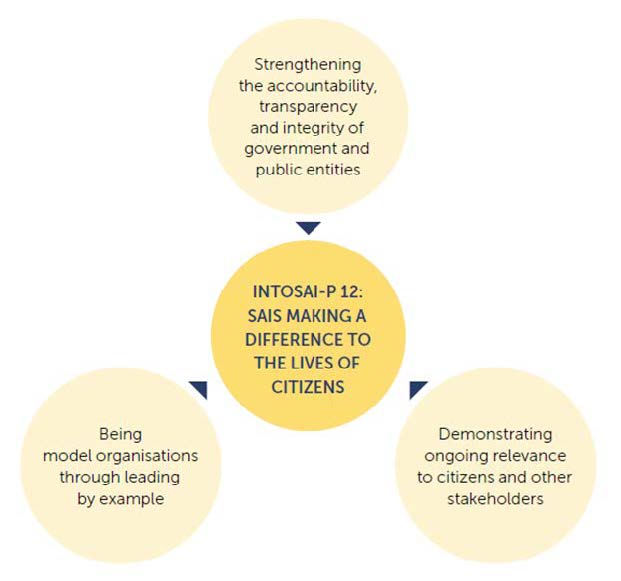
In parallel, one of the core INTOSAI principles for SAIs, INTOSAI P-12, on the value and benefits of SAIs, was endorsed in 2013. INTOSAI P-12 (see Figure 1) called for SAIs to make a difference in citizens’ lives not just by contributing to public sector transparency, accountability and integrity. It put the onus on SAIs to become more responsive and relevant to their public sector environment and to act as model organisations of good governance.
Figure 1 – INTOSAI P-12
To respond to these developments and better support SAIs in preparing and implementing strategic plans in line with INTOSAI P-12 expectations, the IDI developed the SAI Strategic Management Framework (SSMF). The SSMF is closely aligned to SAI PMF but provides a forward-looking perspective to aide SAIs in strategic planning and management (see Figure 2).
Figure 2 – SAI Strategic Management Framework

Source: IDI
The SSMF functions as a high-level results framework that defines a hierarchical chain of performance improvements that SAIs must address to effect change. The SSMF clarifies that internal capacity developments, such as improvements in human resources or audit methodologies, systems and processes, need to lead to tangible positive changes in external audit quality and other core work. But the SSMF does not stop there. It emphasises the need to frame, measure and report on SAI performance, as manifested in the quality, coverage and timeliness of its audits and other core work, in relation to its contribution to more robust public sector governance, implementation of United Nations Sustainable Development Goals (SDGs), and ultimately to better lives of citizens.
A handbook on Strategic Management for SAIs
As part of its capacity development support to SAIs, the IDI released its strategic planning book for SAIs in 2009. SAIs from both developing and developed countries widely applied the handbook as a blueprint for strategic planning. However, the 2009 guide did not fully respond to the changing need of SAIs to consider a broader and more externally oriented strategic management approach as captured by INTOSAI P-12. Neither did it capture the logic of the SSMF.
Data on SAI achievements and outstanding needs in the strategic management area confirmed that the guidance needed updating. According to the 2017 Global SAI Stocktaking Report, the share of SAIs worldwide with a strategic plan increased from 73 % to 91 % between 2010 and 2017. Most of those SAIs also had annual operational plans in place. However, a significant share of SAIs did not link the two; neither had they linked their strategic priorities to resource allocation. 61 % of respondent SAIs in 2017 said that they only monitored the implementation of their strategies at activity level and not at the level of improved performance. In conclusion, the global SAI community was lagging behind its good governance aspirations as laid down in INTOSAI-P-12 on several counts.
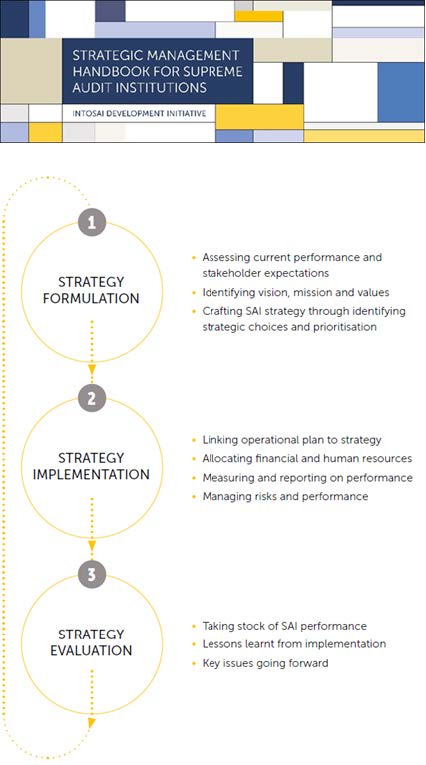
To respond to these challenges, the IDI completely overhauled and expanded its strategic planning handbook. The new SAI Strategic Management Handbook was published in late 2020, after an extensive development and public exposure phase. The handbook presents a holistic strategic management approach, based on the SSMF. It covers in detail all stages of the process, from assessment, through strategic and operational planning, to monitoring, implementation and reporting (see Figure 3).
Figure 3 – SAI Strategic Management handbook
The methodology emphasises inclusiveness when developing the strategy in line with the INTOSAI P-12 objective of SAIs being responsive to their environment. It recommends a stakeholder analysis to supplement the objective SAI PMF assessment. Through it, SAIs can identify those results and needs that matter for their stakeholders and strengthen both internal ownership and external buy-in from those stakeholders critical to the SAI’s performance.
The new handbook also goes in-depth into the link between strategy and implementation. It focuses on operational plans as a critical strategic management tool and emphasises the need for prudent resourcing at the strategic and operational levels. Other novel elements of the methodology are a focus on prioritisation in light of factors such as available resources, potential impact or legality, and an integrated approach to measurement and monitoring of performance and risks at strategic and operational levels. Finally, it supports SAIs in their strategy implementation with guidance on decision-making and change management.
While the IDI’s mandate is, in principle, to support developing-country SAIs, the handbook’s approach is versatile. SAIs from both developing and developed countries can apply it, irrespective of their institutional set-up and model. Each chapter contains practical guidance and examples and distinguishes between basic and more advanced strategic management features. Depending on their current capacities, practices and context, SAIs can decide which elements are most useful. Many SAIs of EU Member States may already be following to a large degree the good practices described. Still, they can use the handbook to confirm their processes’ quality and identify outstanding improvement areas.
Supporting strategy development in testing times
The SAI Strategic Management Handbook was prepared in the framework of IDI’s Strategy, Performance Measurement and Reporting (SPMR) capacity development initiative. SPMR supports SAIs through the whole cycle of strategic management, from conducting SAI PMF assessments and engaging with stakeholders to gather their views, through strategy development to set up relevant, operational planning, monitoring, and reporting routines that underpin strategy implementation. The initiative is delivered in regional groups over several years through workshops, individual advice to SAI teams, and online interactions. The regional set-up allows participating SAIs to learn from peers and lend mutual support.
IDI first piloted the SPMR initiative and the methodology that later on fed into the SAI strategic management handbook in the Pacific and Caribbean. The global roll-out of SPMR commenced in 2019, with the financial support of the Swiss State Secretariat for the Economy (SECO). Over 40 SAIs from Europe, Asia, Africa, and Latin America presently participate in the global phase. Among those are several SAIs from developed countries.
It was precisely at the strategy development phase of the SPMR initiative when the global COVID-19 crisis struck. Like all other institutions, SAIs faced a heightened level of uncertainty as the pandemic hit. At first, they had to react to the health threat to their staff and organise short-term functionality. However, the focus quickly reverted to strategy, and as it unfolded, the pandemic drastically changed the outlook and significance of strategy development for the participating SAIs.
SAIs promptly realised that the changed situation provided some crucial opportunities for SAIs. They could strengthen their relevance and image by ensuring effective oversight of unprecedented volumes of emergency spending. Audit work on health and social security systems, disaster relief, crisis management and gender equality in times of crisis received new attention. On the other hand, SAIs also faced significant challenges, with many experiencing reduced budgets, staff shortages, and auditing limitations in non-digitised environments. How to reconcile such challenges with the elevated expectations from SAIs and at the same time deliver on their mandate became the central question SAIs looked to answer through their strategic and operational plans (see also Box 2).
Box 2 – Covid-19 related strategic planning priorities considered by SAIs participating in SPMR
Contribute to the government’s ICT and digitalisation efforts (SAIs of Costa Rica and Malaysia)
Ensure accountability of vaccination procurement and support implementation of disaster risk management across public institutions(SAI of Peru)
Enhance awareness of and trust in the SAI through audits on COVID-related topics such as gender equality, health care or emergency spending (SAIs Botswana and United Arab Emirates)
SPMR provided participating SAIs with the right tools to adapt their strategy development to the new circumstances. With heightened uncertainty, risk management and scenario planning became more integral parts of the approach. Resource estimation and allocation received unprecedented attention. Covid-19 also underscored the importance of regular periodic review of progress, continuous learning and the flexibility to adapt and adjust both strategy and implementation along the way. In particular, such strategic changes need to be rooted in a thorough analysis of the external environment, stakeholder needs and opportunities. SAIs also recognised the communication power of strategic plans as a tool to demonstrate relevance, highlight a shared agenda for influencing positive change and serve as an advocacy platform. Such experiences from strategy development during the onset of Covid-19 greatly informed the SAI Strategic Management Handbook’s final version.1
The future of IDI’s Support for Strategic Management
The Covid-19 crisis is far from over and continues to have long-lasting effects on societies and institutions within them. SAIs are reacting to those changes by re-evaluating the focus of their audit work and factoring emerging issues into their strategies. In many places, the pandemic has given a final push towards the overdue digitisation of SAI processes and the establishment of sound ICT infrastructure and governance processes. The pandemic has also shown that SAIs are susceptible to risks and were not all well prepared to handle crises. Finally, in many ways, Covid-19 has accentuated persisting inequalities, specifically gender inequality, where SAIs are yet to prove that they lead by example.
The various repercussions and implications of Covid-19 also underscore the need for the IDI to plan and provide its support in a holistic and multi-faceted manner. The IDI is launching several new initiatives in the governance area in 2021, closely related to the experiences with strategic planning and management gathered through SPMR and the handbook development. These initiatives will focus on SAI leadership, ICT governance, human resources, ethics and gender, and risk and crisis management for SAIs. The SPMR initiative’s roll-out continues in 2021 and will be open to new entrants. All SAIs are welcome to express interest in participation.
1 IDI also prepared specific guidance on Covid-19 implications for SAI strategic management. https://www.idi.no/covid-19/covid-19-strategic-management
To read more go to: https://www.eca.europa.eu/en/Pages/Journal.aspx
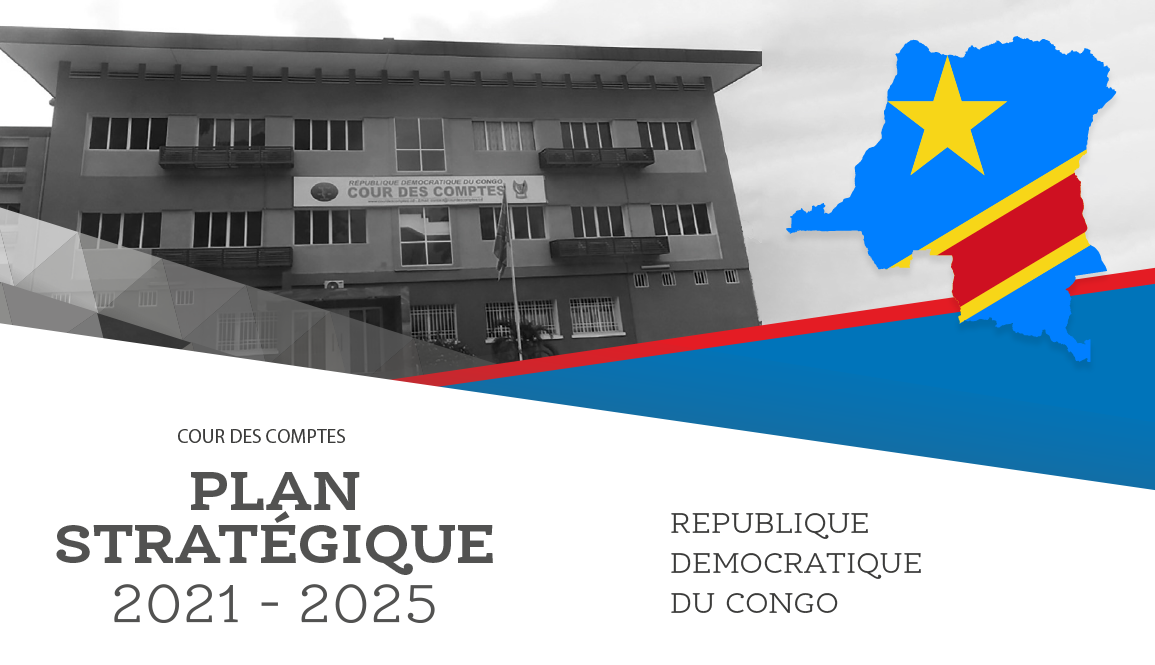
The Cour des Comptes of the Democratic Republic of the Congo launches its latest Strategic Plan online for the first time
Under the auspices of PAP-APP programme – a joint initiative of IDI AFROSAI-E and CREFIAF – the SAI of DRC continues its drive to be visible, modern, and lead by example in the public sector in the Democratic Republic of Congo-DRC.
The SAI published its ambitious strategic plan 2021-2025 on its website, a first in its history. The document is the result of months of consultations with stakeholders, workshops, a thorough status and needs assessment and numerous onsite and online support from peers.
The SAI wants to be of value and benefit to citizens by contributing towards the outcomes of:
The first president and staff are delighted with the development. They hope that this will be an avenue for more people to know the plans of the SAI and hopefully accompany them in the exciting journey of implementing the plan.
We invite you to take a look at the strategic plan here.
| |
For more information on IDI’s work in the Democratic Republic of the Congo, click here. |
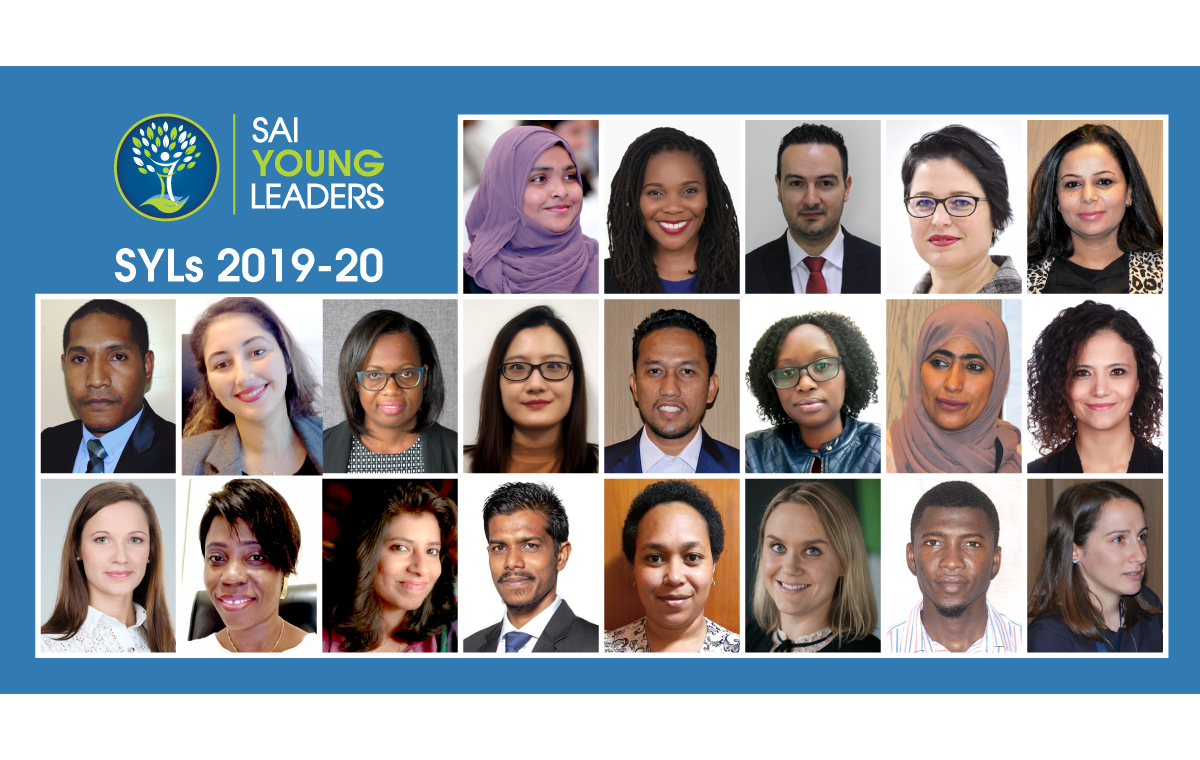
IDI is delighted to announce that 21 participants from 17 countries successfully graduated from the SAI Young Leader (SYL) initiative.
Throughout the initiative, the SAI Young Leaders focused on both their own development and change strategies for bringing about positive change in their SAIs. They each developed an integrated change plan that incorporated a coaching plan, an exposure plan and a ‘Me’ plan, in addition to the change strategy they implemented in their SAIs.
In December 2020 the 21 SYLs who had successfully met the implementation milestones and completed the education made a presentation to IDI, their peers and SAI management on the implementation of the integrated change strategy. They outlined the successes and challenges that they had faced both personally and professionally.
We were proud to see SYLs demonstrate resilience and flexibility in responding to the changes in their environments. Their reflections during the final presentations showed that the SYLs had been supporting each other as a community despite interacting only virtually during 2020.
SYLs implemented change strategies in the following areas: Effective communication and stakeholder engagement; High Impact SAI Audits; Enhanced SAI Performance and Capacity; Leverage on Technological Advancement and Strategy for Reporting on the Implementation Status of Audit Recommendations. The successful SYLs and the focus of their change strategies are outlined below.
The successful SYLs and their SAIs have been informed of the graduation. All successful SYLs will be invited to apply for the SYL Awards later in 2021.
IDI will offer the initiative again in 2021-2022 to find out more about the initiative and to register for further information please see here.
Watch out for these rising stars in SAI Leadership.
|
SAI |
SAI Young Leader |
Change Strategy |
|
|
|
First name
|
Last name
|
|
|
Botswana |
Malebogo Sanah |
Mogapi |
Development of guidelines for quantitative data collection and processing: Enhancing the use of quantitative data collection and analysis in performance audit |
|
Costa Rica |
Erick |
Alvarado Muñoz |
Use of the GROW model and other coaching principles in the audit process to generate changes and promote efficiency through the empowerment of public officials |
|
Estonia |
Kristiina |
Visnapuu |
Developing an audit follow-up system for the National Audit Office of Estonia |
|
Fiji |
Makereta |
Dyer |
Fostering Information Security Through the Establishment of a Robust Organisational Information Security Policy |
|
Finland |
Outi Elina |
Jurkkola |
Relevant SAIs – SDGs in NAOF’s Action Change Programme |
|
Hungary |
Bettina Szandra |
Martus |
Broaden our Horizon – New Method of Risk Based Audits as a Capacity Development Tool |
|
India |
Stefi |
Sofi |
Strategy for Audit of Targets Under SDG 14: Life Under Water |
|
Jamaica |
Kelisha |
Salmon |
Measuring SAI Performance: A Compass for Change |
|
Jamaica |
Nicaria |
Stewart |
Rise with Me SAI Jamaica – Committed to Information Security |
|
Kosovo |
Qëndresa |
Mulaj |
Three Elements Strategy – Communication, Impact and Integration |
|
Liberia |
Obelia P. |
Kofi |
Strategy to Enhance GAC Audits’ Recommendations Implementation |
|
Malaysia |
Mohd Nazim Mat Siam |
Selecting Performance Audit Topic through Big Data Analysis |
|
|
Maldives |
Rauhath |
Hussain |
Reaching out to Citizens |
|
Maldives |
Abdulla |
Shahid |
Audit Quality Upheld by Keeping up with Evolving Environment |
|
Oman |
Huda Said |
Al Wahaibi |
Staff Development System |
|
P. R. China |
Su |
Boyuan |
Promoting Thematic-oriented audit methodology in Real-time Audit of the Implementation of Major National Financial Policy Measures |
|
PNG |
Raymond |
Veratau |
Performance Management |
|
The Gambia |
Abdourahman |
Badjie |
Developing a Management and Task Time Allocation System |
|
Tunisia |
Mounira |
Snoussi |
Enhancing the quality of reports, to more relevant and professional audit results |
|
Tunisia |
Linda |
Mzoughi |
Follow up reports to maximize the added value for stakeholders |
|
Turkey |
Emine |
Ersöz |
Developing an Efficient Communication Strategy |
| For more information on the SAI Young Leaders initiative click here. |  |
 |