News
PEFA and IDI: How Their Collaboration Is Strengthening PFM Systems Globally
30/07/2024
From 10-15 June 2024, taking advantage of a PEFA Steering Committee meeting held in Oslo, Norway, a significant collaboration unfolded during the week between the PEFA Secretariat and the INTOSAI Development Initiative (IDI), complementing the two-day PEFA Steering Committee meeting proceedings. This collaboration marked a milestone as an example of two custodian institutions (PEFA and SAI PMF) in the efforts to enhance public financial management globally.
The collaboration was characterised by a series of technical meetings, presentations, and a rich technical dialogue that underscored the shared commitment of both institutions to improve governance and accountability.
The technical meetings served as a cornerstone of this collaboration, providing a platform for both entities to discuss the intricacies of public financial management. These sessions were about sharing knowledge and learning from each other’s experiences and expertise. IDI and PEFA Secretariat discussed and shared experiences on common issues and problems. The IDI presented during a session of the PFEA Steering Committee meeting where the influence of PEFA in the methodological approach of the SAI PMF was expressed, and the PEFA Secretariat visited the IDI headquarters for holding technical meetings and delivered a presentation on the PEFA Gender and PEFA Climate that was the subject of great interest and stimulating discussion.
As the week of collaboration ended, reflections on the interactions and the potential long-term impacts of the collaboration became apparent. It clearly emerged that the joint efforts of the PEFA Secretariat and IDI could significantly enhance the effectiveness of public sector auditing and financial management practices worldwide and enhance the analytical value for accountability institutions. This collaboration shows the potential of collaboration in achieving common goals and the continuous pursuit of excellence in public financial management globally.
About PEFA:
The Public Expenditure and Financial Accountability (PEFA) program is a collaborative initiative that provides a framework for assessing the condition of a country’s public expenditure, procurement, and financial accountability systems. Established in 2001 by multiple development partners, PEFA aims to enhance the management of public finances and ensure that government spending is efficient, effective, and aligned with desired social and economic outcomes. The program uses a set of high-level indicators to identify strengths and weaknesses in public financial management (PFM), guiding reforms and monitoring their progress over time. PEFA’s assessments are critical tools for governments, international development agencies, and financial institutions to inform policy decisions, foster transparency, and support Sustainable Development Goals.
To know more about PEFA, visit https://www.pefa.org .
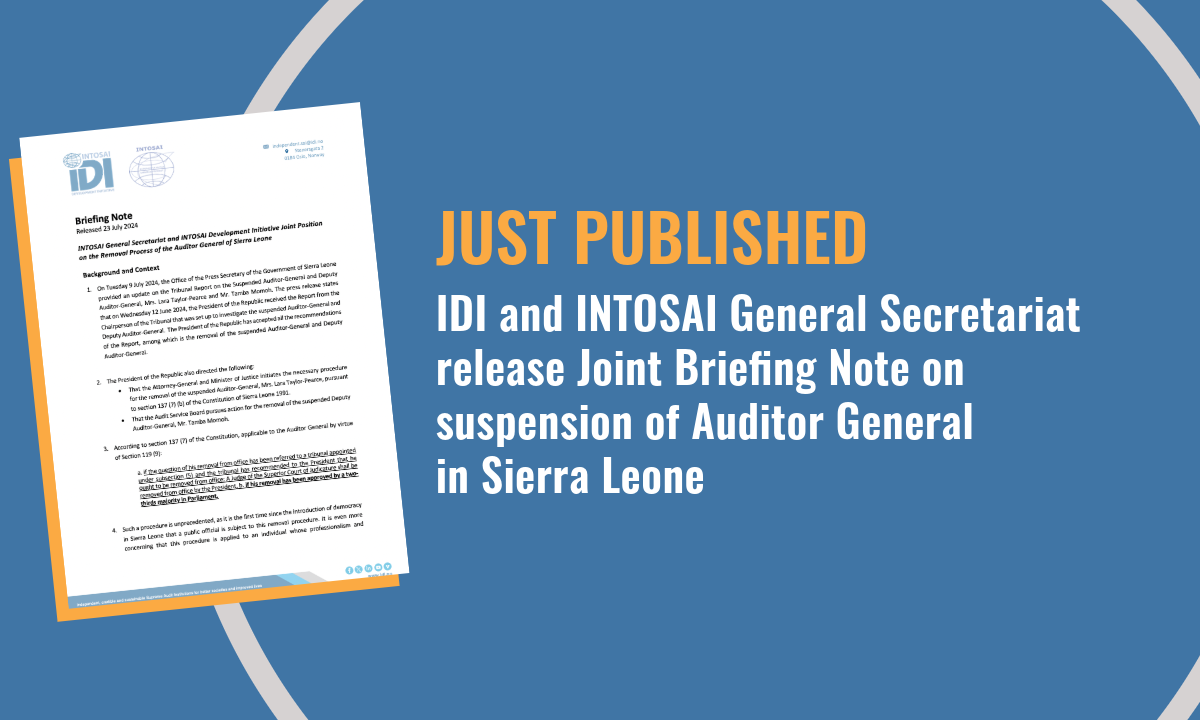
The (IDI) the INTOSAI General Secretariat have released a joint briefing note to express their concern and position on the recent developments regarding the removal process of Sierra Leone’s Auditor General, Mrs. Lara Taylor-Pearce, and Deputy Auditor General, Mr. Tamba Momoh.
The INTOSAI Development Initiative (IDI) and the INTOSAI General Secretariat have released a joint briefing note to express their concern and position on the recent developments regarding the removal process of Sierra Leone’s Auditor General, Mrs. Lara Taylor-Pearce, and Deputy Auditor General, Mr. Tamba Momoh. The decision to progress the case to Parliament, announced on 9 July 2024, marks an unprecedented and concerning move within Sierra Leone’s democratic landscape and a step back in safeguarding the independence of the Supreme Audit Insitution in the country.
On 9 July, the Office of the Press Secretary of Sierra Leone provided an update on the Tribunal Report concerning the suspended Auditor General and Deputy Auditor General. Stating therein that the President of Sierra Leone had accepted the Tribunal’s recommendations, including the removal of both officials. The President has now directed the Attorney-General and the Minister of Justice to initiate the necessary procedures for Mrs. Taylor-Pearce’s removal, including taking the process under Parliamentary review, and instructed the Audit Service Board to act similarly for Mr. Momoh.
This decision is historic, as it is the first time such a procedure has been applied to a public official since Sierra Leone’s transition to democracy. Additionally, Mrs. Taylor-Pearce has a highly respected reputation within the INTOSAI community and beyond, and is recognised globally for her integrity and professionalism.
The INTOSAI General Secretariat and IDI express significant concerns over the implications of this removal process, particularly as it poses a real and significant threat to the SAI’s independence in Sierra Leone. The Audit Service of Sierra Leone (ASSL) has been a pillar of accountability within the country. Therefore, the removal of its leadership could deter future auditors from acting independently, fearing similarly motivated actions. This not only undermines the establishment of a robust audit and oversight function in Sierra Leone, but also could deter other oversight actors within the accountability ecosystem from enforcing institutional mandates.
Moreover, the stability of an independent audit function is crucial for the trust placed in government systems by citizens, development partners and financial institutions. The outcome of this case will have far-reaching repercussions beyond Sierra Leone, which could impact the global community of external auditors and governance institutions. If you would like to read more in-depth information on the developments and implications of the case, please review IDI and INTOSAI’s jointly published Information Brief.
INTOSAI has been actively monitoring this case since 2021, having issued statements of concern during the indefinite suspension of the Auditor General and Deputy Auditor General. IDI’s released analysis and expert opinion highlighted significant deviations from constitutional processes, and during the Tribunal proceedings, IDI provided expert interpretations related to the auditing standards and alleged professional misconduct. Going forward, the INTOSAI General Secretariat and IDI emphasise the necessity for a transparent and timely Parliamentary process. The allegations against Mrs. Taylor-Pearce and Mr. Momoh, along with the Tribunal’s Report, should be made public to ensure the credibility and legitimacy of the proceedings. This transparency is essential for maintaining trust and accountability in Sierra Leone’s governance.
As this unprecedented case reaches its final stages, the INTOSAI General Secretariat and IDI call on all stakeholders, including civil society organisations, development partners, and the media, to stay informed. The global audit community must ensure that due process is observed and that Sierra Leone’s Parliament exercises its duties with due care and objectivity.
Would you like to get in touch conerning the developments of the case? Contact Mr. Freddy Yves Ndjemba at independent.sai@idi.no for further information and follow-up.
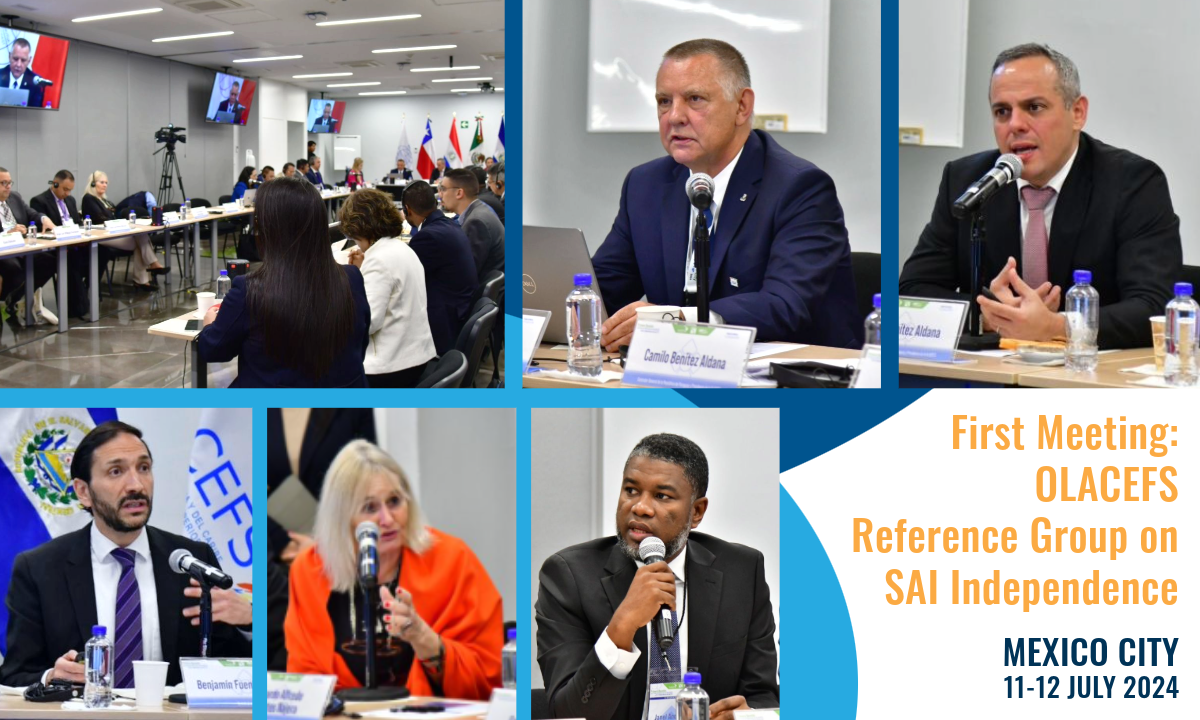
On July 11-12, 2024, the Supreme Audit Institution of Mexico hosted the inaugural meeting of the OLACEFS Reference Group on SAI Independence in Mexico City. The event was a significant milestone, gathering leaders and representatives from Supreme Audit Institutions (SAIs) across the OLACEFS region, along with key stakeholders from the INTOSAI Development Initiative (IDI). The focus of the meeting was to address the pressing issue of SAI independence through both reactive and proactive measures, offering a platform for discussion, knowledge exchange, and strategic planning.
A success, the inaugural meeting of the OLACEFS Reference Group on SAI Independence laid a strong foundation for future efforts. Participants left with a deeper understanding of IDI’s tools and initiatives available to support SAI independence, as well as a renewed commitment to collaborative action. As threats to SAI independence continue to rise, the importance of such gatherings cannot be overstated. The OLACEFS region, along with IDI, will continue to build on this momentum and leverage shared knowledge to uphold the principles of independence and accountability.
Previously, IDI has supported OLACEFS’ SAIs through various tools and activities, employing both reactive and proactive approaches to SAI independence. Since 2018, IDI has utilised the SAI Independence Rapid Advocacy Mechanism (SIRAM) to aid SAIs facing threats to their independence from political actors. The mechanism has addressed issues such as delays in the appointment process, dismissal of SAI heads, restrictions on access to information, and unjustified budget cuts. As shown in the latest IDI Global Stocktaking Report from 2023, an increase in reported threats to SAI independence highlights a concerning trend tied to broader global issues like the decline of the rule of law and shrinking civic space.
To counter these threats, IDI has also launched the Global Project on SAI Independence in collaboration with the OECD, the World Bank and and the International Monetary Fund. This project focuses on analysing informal factors affecting SAI independence from the perspectives of the Executive and Legislative branches. Additionally, the LEG SAI initiative supports legal units within SAIs, while workshops designed to strengthen collaboration between SAIs and Civil Society Organisations (CSOs) aim to enhance public accountability. During the Reference Group meeting, both programmes and their affiliated advocacy approaches were presented to and discussed amongst SAI representatives and advocates for independence.
The Reference Group led by IDI and OLACEFS is similar to other successful, regionally-based SAI Independence Reference Groups, such as in EUROSAI. The primary objectives of the OLACEFS Reference Group are to:
The constitution of the reference group was approved by the XXXII General Assembly of OLACEFS, comprising the Presidency, Technical Secretariat, Presidency of EFSUR, and the Presidency of OCCEFS. The inaugural meeting invited all regional members following the EUROSAI-OLACEFS joint conference held earlier in the week. Please read below to get a recap and the key takeaways from the reference group meeting.
The first day commenced with inaugural messages from representatives of the IDI, OLACEFS General Secretariat, and OLACEFS Presidency, setting the tone for the event and outlining the objectives and goals of the reference group.
The second day focused on global initiatives and specific programmes designed to support SAI independence.
The meeting concluded with a closing message from the OLACEFS Presidency, encapsulating the event’s key takeaways and reiterating the commitment to safeguarding SAI independence. The collaborative efforts and shared experiences of the participants underscored the importance of regional solidarity and proactive advocacy in the face of growing challenges.
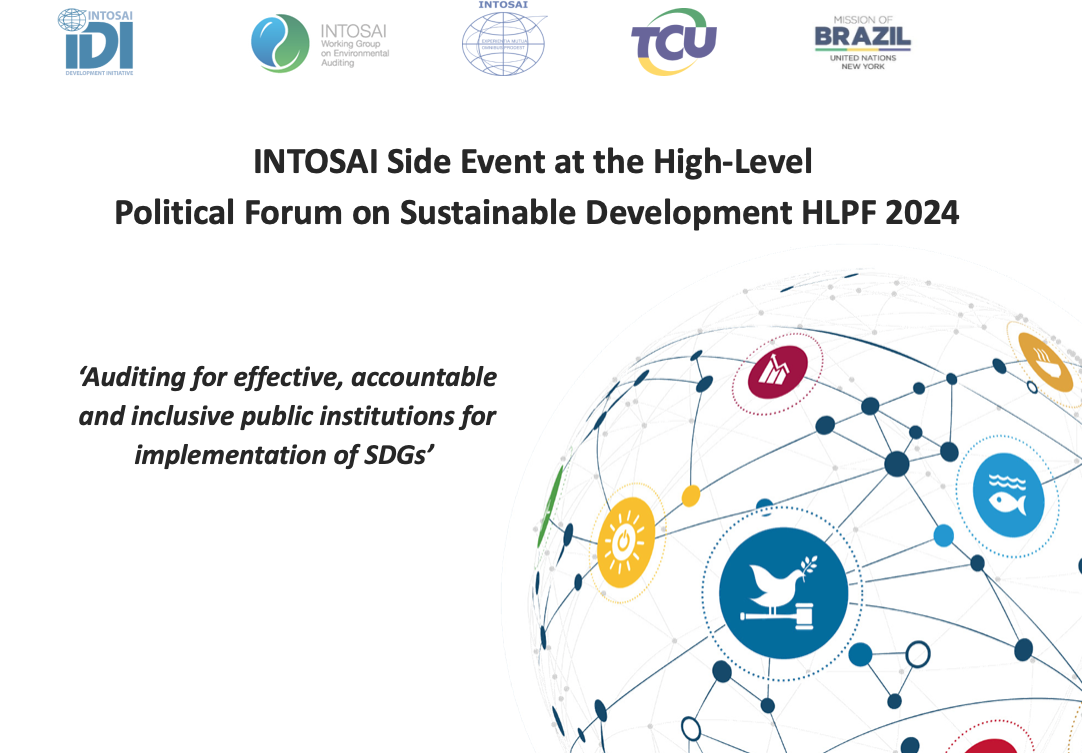
On July 15, IDI and its partners will host an INTOSAI Side Event at the United Nation’s High-level Political Forum.
As the 2030 Agenda for Sustainable Development reaches its mid-point, the International Organisation of Supreme Audit Institutions (INTOSAI) and its member Supreme Audit Institutions (SAIs) continue their strong engagement and contribution to effective, accountable, and inclusive public institutions for the implementation of Sustainable Development Goals (SDGs). On July 15, IDI and its partners will host an INTOSAI Side Event at the United Nation’s High-level Political Forum. This event aims to bring together SAIs and key stakeholders to showcase SAI contributions to effective, accountable, and inclusive public institutions, as envisioned in SDG 16, through audits of SDG implementation. The full agenda includes remarks and panel discussions with subject matter experts, and will highlight areas such as the elimination of poverty, climate action, and core processes for implementation of the SDGs.
Additionally, the event will launch an updated version of IDI’s SDGs Audit Model (ISAM), designed to support SAIs in continuing to conduct high–quality and hight–impact audits of SDG implementation.This event is being co-organised by the INTOSAI General Secretariat, the INTOSAI Development Initiative (IDI), the INTOSAI Working Group on Environmental Auditing (WGEA), SAI Brazil and the Permanent Mission of Brazil to the United Nations (UN), in collaboration with the UN Department of Economic and Social Affairs (UNDESA).
View the full agenda for the event here
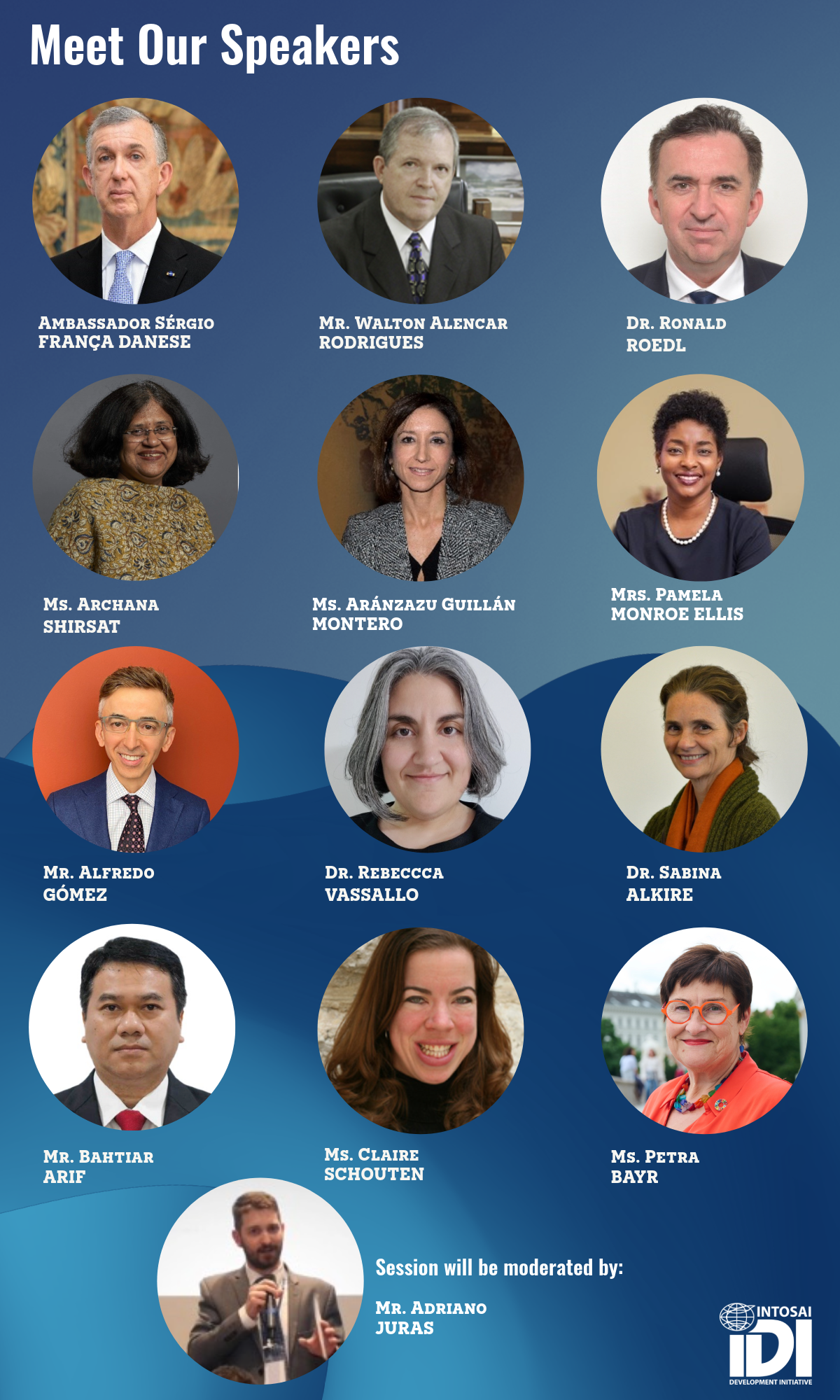
Speaker Bios:
Ambassador Sérgio França Danese (Sao Paulo, Brazil, 1954), a career diplomat, is, since June 28, 2023, the Permanent Representative of Brazil to the United Nations in New York. A former high school student in the Colégio de Aplicação of the University of São Paulo, he graduated at that University in 1976 with a major in Modern Languages, and was a graduate student in Hispanic American Literature at the National Autonomous University of Mexico (1977-1979). He entered the Instituto Rio Branco, Brazil’s Diplomatic Academy, in 1980, and graduated as a Third Secretary of Embassy in December 1981, having received the Rio Branco Award and the Vermeil Medal. He was promoted to Second Secretary in June 1984, First Secretary in June 1989, Counselor in December 1994, Minister in June 2000, and Ambassador in December 2008.
Mr. Walton Alencar Rodrigues, Minister of the Brazilian Federal Court of Accounts since 1999, is a renowned jurist with a distinguished career in law and public administration. A law graduate from the University of Brasilia, where he also completed his master’s degree in Public Law with distinction, Rodrigues has a solid academic base complemented by studies in Constitutional Hermeneutics. His career in the Public Prosecution Office has included prominent positions, such as Attorney General of the Public Prosecutor’s Office at the Brazilian Federal Court of Accounts (MPTCU), reflecting his expertise in various areas of law. Internationally, he served as Secretary General of the Organization of the Supreme Audit Institution of the Community of Portuguese-Speaking Countries (OISC/CPLP) from 2014 to 2024 and, as of 2024, will assume the role of Coordinating Minister for Brazil’s auditors on the UN Board of Auditors, highlighting his influence and competence in auditing and oversight at national and global levels.
Dr. Ronald Roedl took over in December 2020 the position as Director General and Authorized Representative of the INTOSAI Secretary General.Roedl studied business administration and public administration in Austria and New York (Syracuse University), and his prior experience includes managing, inter alia, the Austrian Federal Province of Styria Liaison Office with the European Union in Brussels, Belgium. During his professional career, he has gained comprehensive knowledge in digital government and change management at the national and international levels
Ms. Archana Shirsat is a Deputy Director General at INTOSAI Development Initiative (IDI) based in Oslo, Norway. IDI is an INTOSAI body that works towards effective, accountable, and inclusive Supreme Audit Institutions (SAIs) for better societies and improved lives. IDI has a strategic focus on sustainability, digitalization, and public trust in SAIs. Within IDI, she is a part of the management team and heads a department that works towards a vision of professionalism and relevance of SAIs. Her team delivers its mandate by supporting SAIs in developing competent SAI audit professionals, effective SAI audit leaders, sustainable SAI audit practices and raising the profile of SAI audits. As a part of supporting SAI relevance her department currently facilitates audits of SDGs implementation, equality & inclusion, digital transformation and climate action for SAIs across the world.
Ms. Aránzazu Guillán Montero is a Senior Governance and Public Administration Officer at the Division for Public Institutions and Digital Government in the United Nations Department of Social and Economic Affairs (DPIDG /UN DESA). Before joining DESA, she was a Senior Program Advisor at U4 Anti-Corruption Resource Centre (Norway) with a focus on mainstreaming anti-corruption into sector programs and strengthening people’s engagement in anti-corruption. Previously, she worked for the World Bank, both in operational work and capacity development, on public sector management reform, transparency, access to information and accountability in Latin America, the Middle East, South Asia and South-East Europe. Aránzazu holds a PhD in Government and a Master in Public Policy from Georgetown University (USA).
Mrs. Pamela Monroe Ellis was appointed Auditor General of Jamaica in 2008. Since then, she has served on the Board of the International Federation of Accountants (IFAC), the Board of the INTOSAI Development Initiative (IDI) as well as Chair of the International Financial Reporting for Non-Profit Organizations (IFR4NPO) Steering Committee. She has been appointed Secretary-General of the Caribbean Organization of Supreme Audit Institutions (CAROSAI) and Chair of the Caribbean Community (CARICOM) Secretariat Audit Committee. She is also a member of the ACCA Global Forum for the Public Sector. Mrs. Monroe Ellis also served at the Institute of Chartered Accountants of Jamaica (ICAJ) for over 15 years in various capacities. Currently, she is one of the Commissioners of Jamaica’s New Integrity Commission and a member of the Board of the Governor-General of Jamaica Trust. She is a Fellow of the Institute of Chartered Accountants of Jamaica (ICAJ) and the Association of Chartered Certified Accountants (ACCA, UK).
Mr. Alfredo Gómez serves as a Director in the Natural Resources and Environment team of the U.S. Government Accountability Office (GAO). He manages the team’s work in environmental protection and climate change issues. His portfolio includes, for example, work in cleanup of hazardous substances, drinking and clean water issues, ecosystem restoration, management of toxic chemicals, and climate resilience. Mr. Gómez has produced numerous reports and congressional testimonies addressing a wide range of environmental, natural resource and agency management issues. He has represented SAI USA in the INTOSAI WGEA for over 10 years. He holds a bachelor’s degree in chemical engineering from Rice University and a master’s degree in public policy studies from the Harris School at the University of Chicago.
Dr. Rebecca Vassallo has been working within SAI Malta for the last eleven years, conducting compliance and performance audits. Given her academic background in applied statistics and research methodology, she also assists others units within the SAI with related tasks. Rebecca also has strong expertise in audits of SDG implementation, having contributed to the development of IDI’s SDG Audit Model (ISAM), participated in the IDI’s SDG 3d audit programme as a mentor to ASOSAI participants, organised and delivered SDG training held in collaboration with UNDP Bosnia and Herzegovina and conducted two audits of SDG implementation, one focusing on poverty and the other on obesity.
Dr. Sabina Alkire is the Professor of Poverty and Human Development and directsthe Oxford Poverty and Human Development Initiative (OPHI) at the University ofOxford. Previously, she worked at the George Washington University, HarvardUniversity, the Human Security Commission, and the World Bank. She has a DPhilin Economics from the University of Oxford. Together with Professor James Foster, Sabina developed the Alkire-Foster (AF)method for measuring multidimensional poverty, a flexible technique that canincorporate different dimensions, or aspects of poverty, to create measurestailored to each context. With colleagues at OPHI this has been applied andimplemented empirically to produce a Multidimensional Poverty Index (MPI). TheMPI offers a tool to identify who is poor by considering the range of deprivationsthey suffer. It is used to report a headline figure of poverty (the MPI), which canbe unpacked to provide a detailed information platform for policy designshowing how people are poor nationally, and how they are poor by areas,groups, and by each indicator.Sabina was elected a Fellow of the Academy of Social Sciences in the UK 2021and was voted one of the top 100 thinkers by Forbes magazine in 2010.
Mr. Bahtiar Arif has been BPK Secretary General since March 2018. Prior to his current position, he was Director General of Audit Department II (auditing economic and financial sector) from September 2016 – March 2018. He led the Directorate General of Planning, Evaluation and Development from March 2014. He was Auditor in Charge for auditing SDG Preparedness in Indonesia (2017) as well as for auditing International Atomic Energy Agency (IAEA), International Maritime Organization (IMO), Inter-Parliamentary Union, and Coral Triangle Initiative on Coral Reefs, Fisheries, and Food Security (CTI-CFF).He holds Doctoral degree in Management from University of Padjadjaran, Indonesia (2022) and Master in Development Finance from the University of Manchester, UK (2000), while his Bachelor degree was in Economics – from the University of Indonesia (1996). He is Chartered Accountant and Certified Public Accountant.
Ms. Claire Schouten works with government institutions, civil society actors, international organizations, investors and development partners around the world to advance budget transparency, participation, credibility and accountability practices. Claire is a specialist in social accountability, action learning, capacity development, and policy guidance. Claire has held positions in the Canadian government, United Nations and non-governmental organizations and has worked in Africa, the Americas, the Caribbean, Central and Southeast Asia, and the Middle East over the last twenty-five years. She holds degrees from McGill University and the London School of Economics and Political Science.
Ms. Petra Bayr is a Member of the Austrian National Council and SPÖ spokesperson for global development. She is currently President of the European Parliamentarian Forum on Sexual and Reproductive Rights (EPF), General Rapporteur on Combating Racism and Intolerance at the Parliamentary Assembly of the Coucil of Europe, Member of the Committee on Strategy, Investment and Policy of the International Planned Parenthood Federation, Board Member and Treasurer of Parliamentarians for Global Action (PGA).
Mr. Adriano Juras works as Manager for Sustainable Development Goals (SDGs) and Facilitating Audit Impact (FAI) at the INTOSAI Development Initiative (IDI). He has served as a performance auditor for 10 years at the Federal Court of Accounts, the Supreme Audit Institution of Brazil, as has been working with preparedness and SDG audits since 2016. Adriano coordinated the last two editions of the Coordinated Audits on Protected Areas, in which 23 SAIs and 9 subnational audit institutions from Latin America, Europe, Africa and Asia took part.
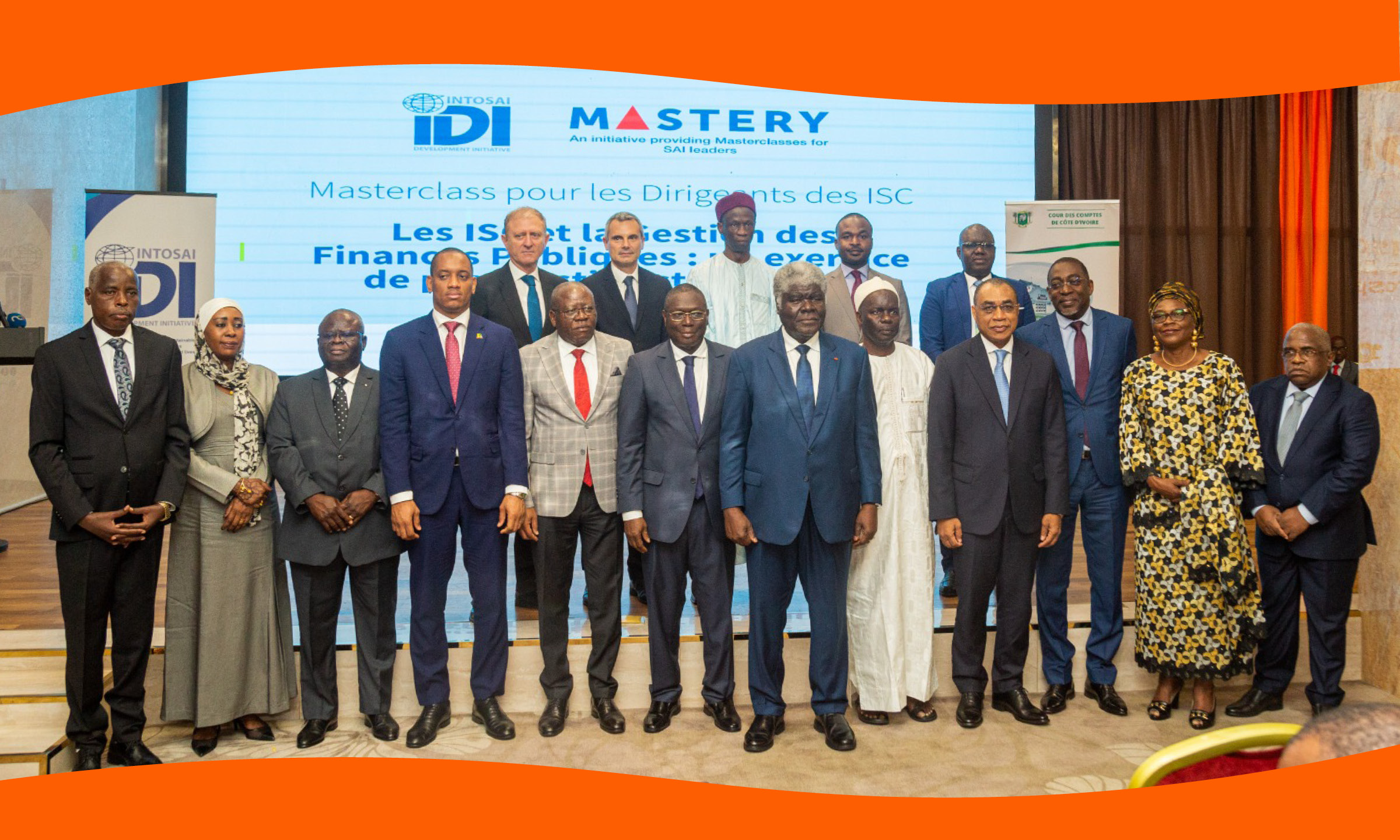
SAIs Leaders in Francophone Africa reflect on promoting excellence in public finance management through strategic foresight
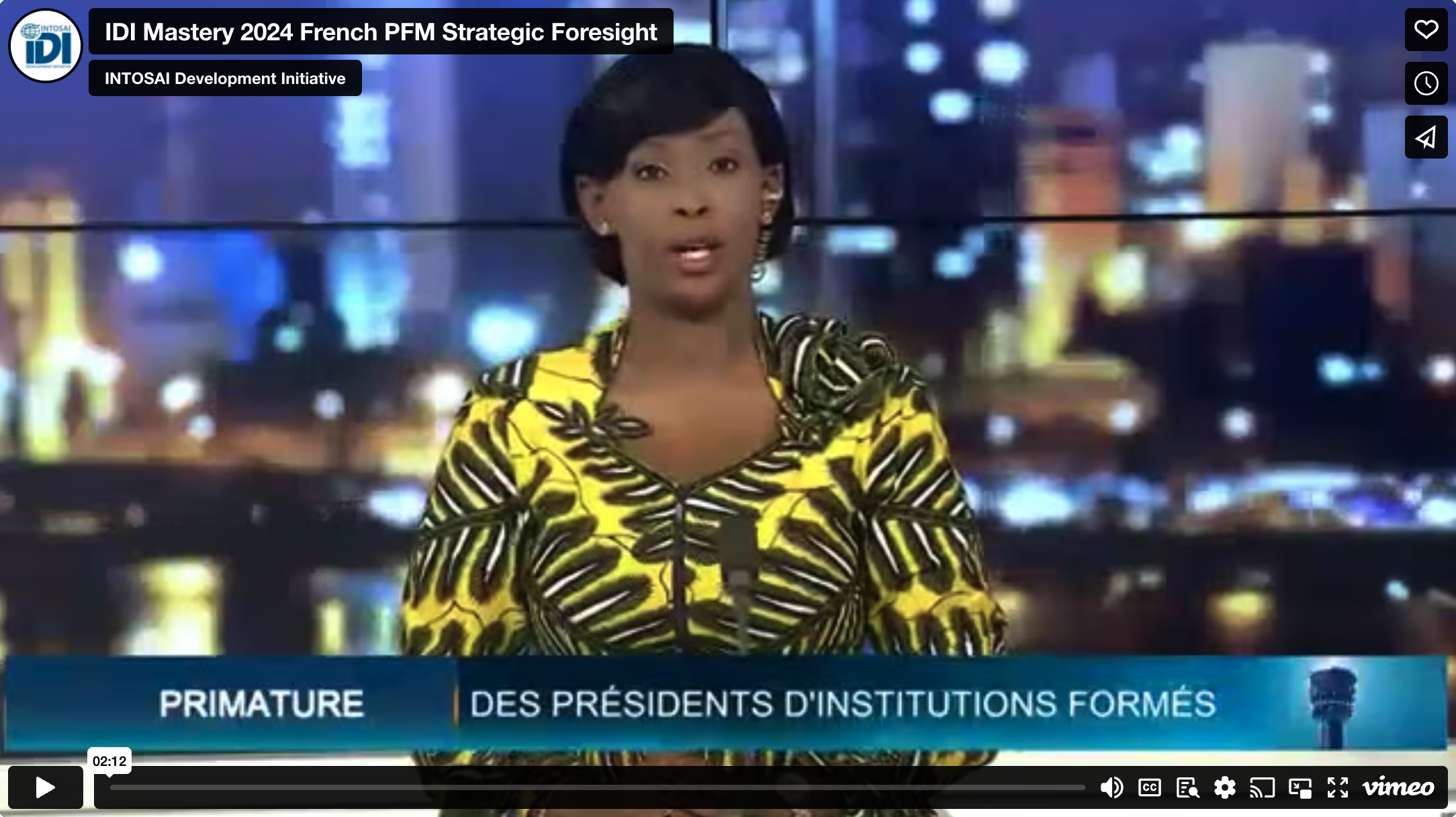
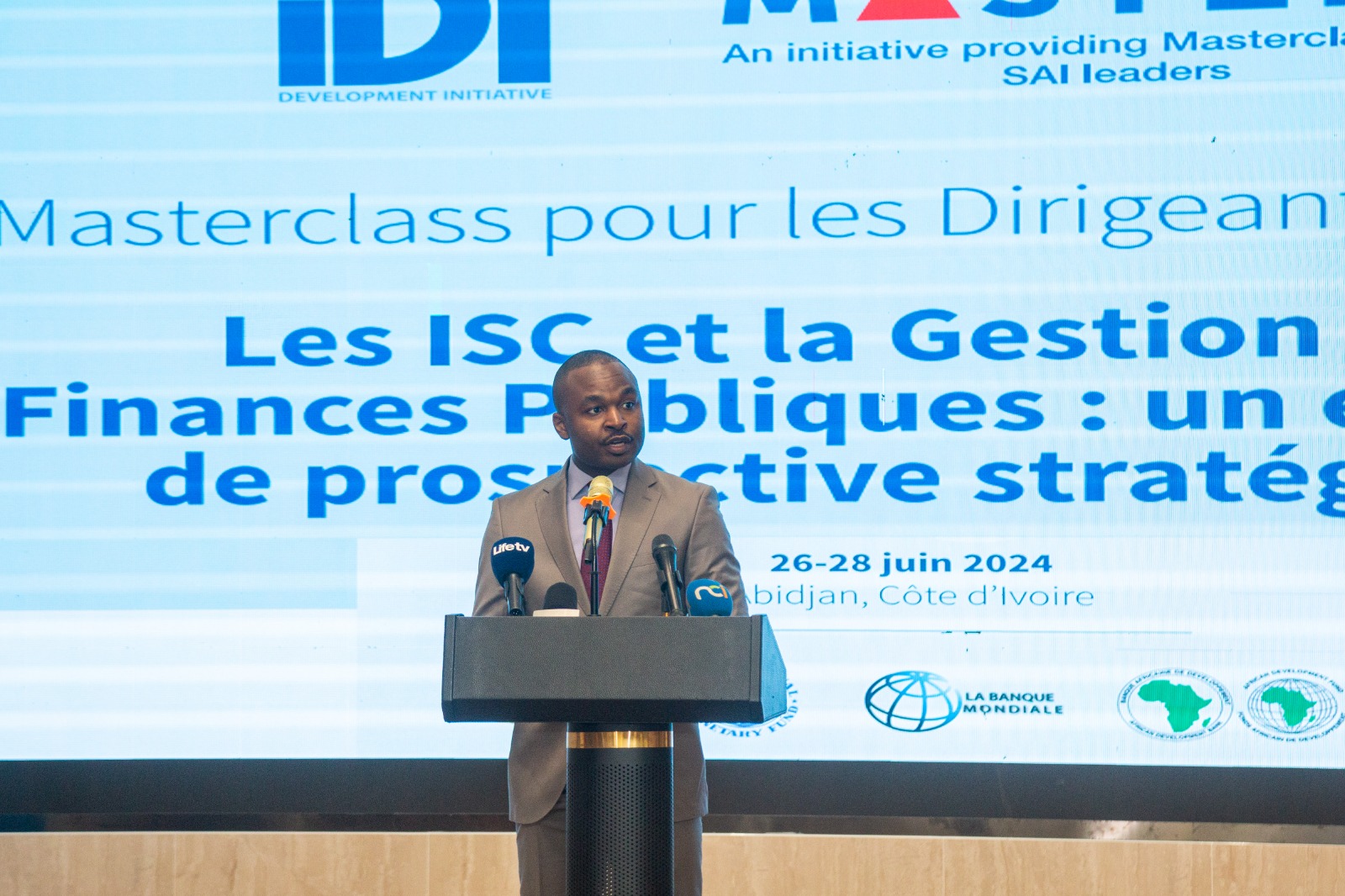
After successfully launching the Mastery Initiative for SAI Leaders in English-speaking regions of INTOSAI over the past two years, IDI has expanded its reach to the French-speaking world with its platform dedicated to sharing knowledge and experiences between heads of SAIs. This was showcased during the Masterclass on Public Financial Management and Strategic Foresight for francophone African heads of SAIs, held from June 26-28 in Abidjan, Côte d’Ivoire.
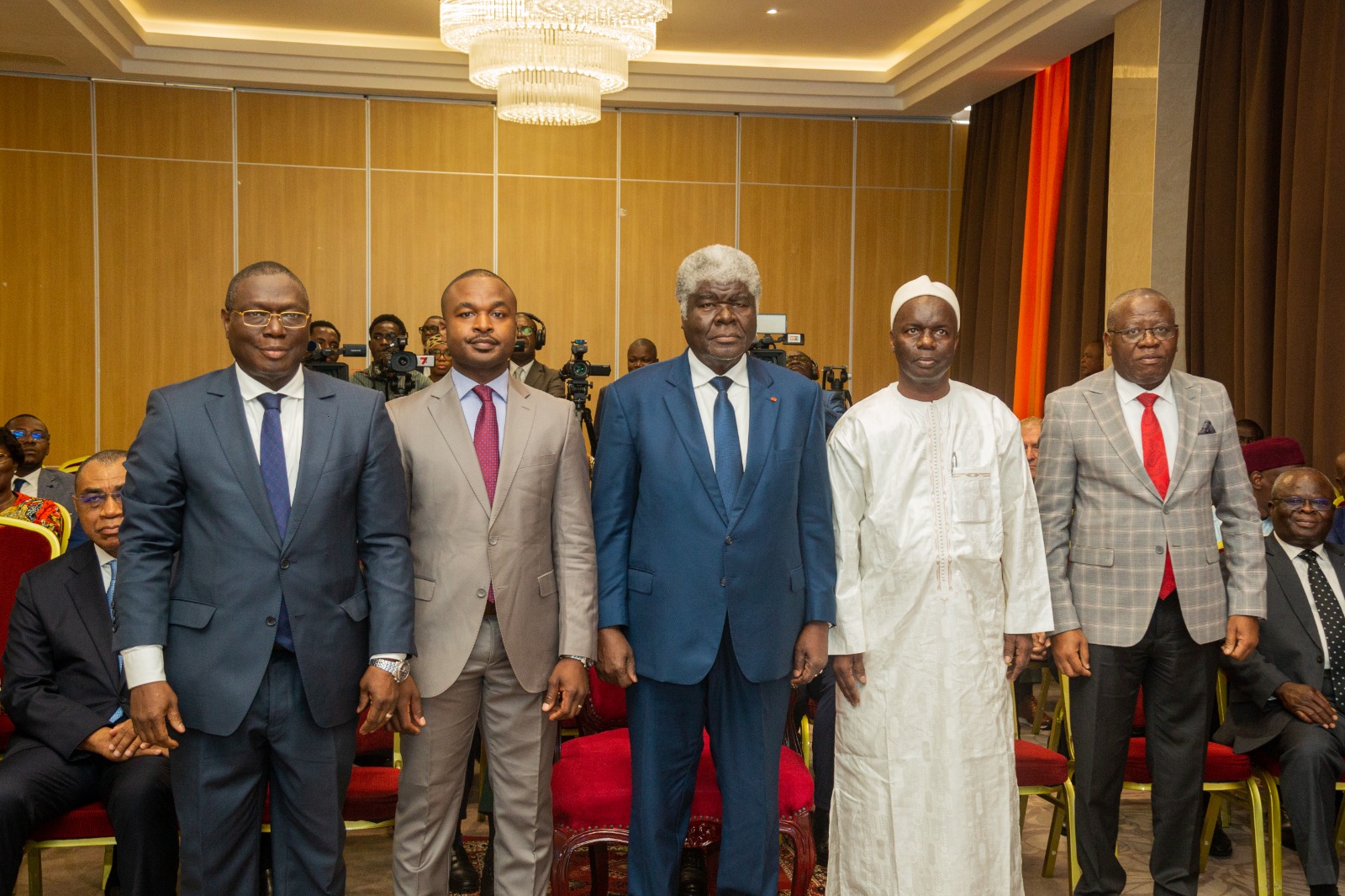
The event counted with esteemed guests, including Mr. Robert Beugré Mambé, Prime Minister of Côte d’Ivoire, and the Minister of Finance and Budget, Mr. Adama Coulibaly. Both emphasized the importance of robust collaboration between SAIs and their various stakeholders in addressing today’s public financial management challenges, particularly the government and other actors such as parliament and civil society.
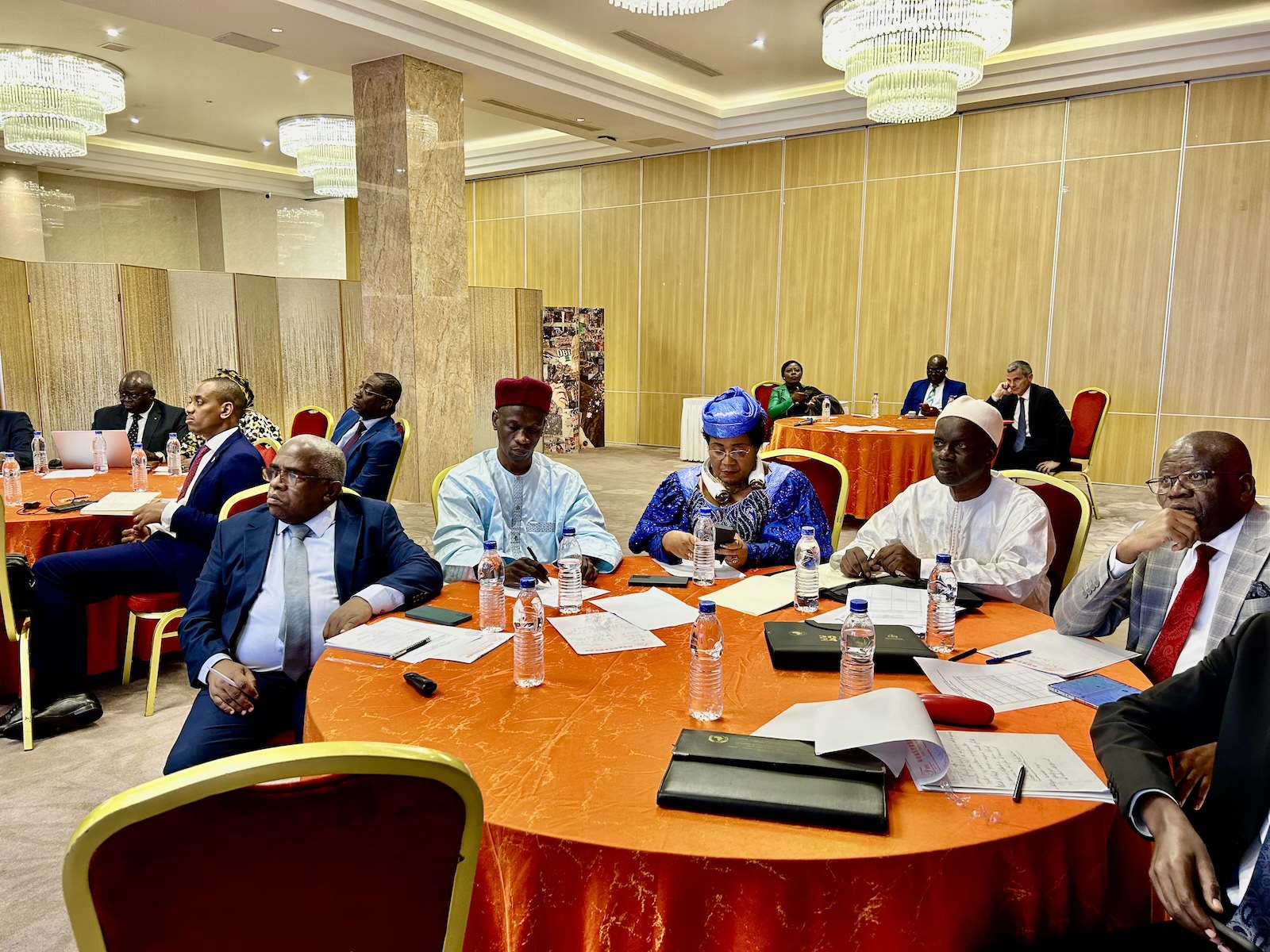
The event was attended by heads of SAIs from Benin, Burkina Faso, Burundi, Cameroon, Comoros, Côte d’Ivoire, Guinea-Bissau, the Democratic Republic of the Congo, Senegal, Chad, and the UEMOA Court of Auditors.
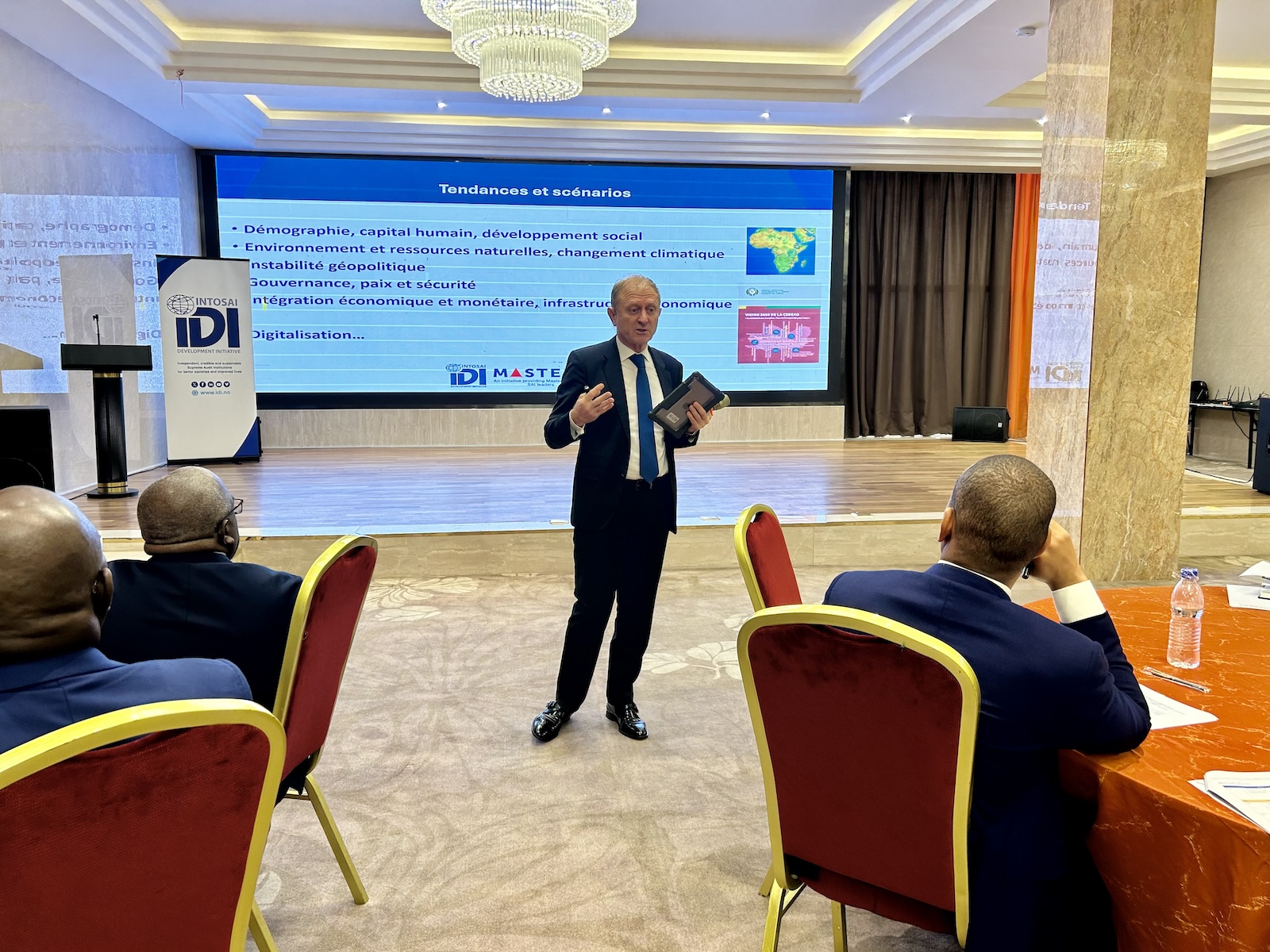
Discussions revolved around PFM and strategic foresight, focusing on the role of SAIs in regional PFM reforms. The Masterclass also featured engaging conversations with heads of SAIs seizing opportunities and addressing challenges in Public Finance Management related to global trends like the digital transformation of the public sector, fiscal risk management, climate-sensitive PFM, demographic shifts, and managing global crises.
IDI Senior Managers Alain Memvuh and Eduardo Ruiz Garcia facilitated the event, supported by expert panellists from the World Bank, the African Development Bank, the International Monetary Fund, the European Investment Bank, and the French Directorate General of Public Finance.
 |
 |
 |
 |
 |
Translation in French
Les dirigeants des ISC d’Afrique francophone réfléchissent à la promotion de l’excellence dans la gestion des finances publiques à travers la prospective stratégique.
Après avoir lancé avec succès l’Initiative de Mastery pour les dirigeants des ISC dans les régions anglophones de l’INTOSAI au cours des deux dernières années, l’IDI étend son dialogue avec le monde francophone grâce à sa plateforme dédiée au partage de connaissances et d’expériences entre dirigeants d’ISC. Cela a été démontré lors de la Masterclass sur la gestion des finances publiques et la prospective stratégique destinée aux dirigeants des ISC d’Afrique francophone, qui s’est tenue du 26 au 28 juin à Abidjan, en Côte d’Ivoire.
L’événement a été honoré par des invités de marque, dont M. Robert Beugré Mambé, Premier Ministre de Côte d’Ivoire, et le Ministre des Finances et du Budget, M. Adama Coulibaly. Tous deux ont souligné l’importance d’une collaboration solide entre les ISC et leurs différentes parties prenantes, en particulier le gouvernement mais également d’autres acteurs tels que le parlement et la société civile, pour relever les défis actuels de la gestion des finances publiques.
Les présidents des ISC du Bénin, du Burkina Faso, du Burundi, du Cameroun, des Comores, de la Côte d’Ivoire, de la Guinée-Bissau, de la République démocratique du Congo, du Sénégal, du Tchad et de la Cour des comptes de l’UEMOA ont participé à l’événement.
Les discussions ont tourné autour de la GFP et de la prospective stratégique, en se concentrant sur le rôle des ISC dans les réformes régionales de la GFP. La Masterclass a également comporté des conversations engageantes sur les approches par lesquelles les dirigeants des ISC peuvent saisir les opportunités et relever les défis de la gestion des finances publiques en ce qui concerne les tendances mondiales telles que la transformation numérique, la gestion des risques budgétaires, la GFP sensible au climat, la transformation numérique du secteur public, les changements démographiques et la gestion des crises mondiales.
Les Managers Seniors de l’IDI, Alain Memvuh et Eduardo Ruiz Garcia, ont animé l’événement, soutenus par des experts de la Banque mondiale, de la Banque africaine de développement, du Fonds monétaire international, de la Banque européenne d’investissement et de la Direction générale française des finances publiques.
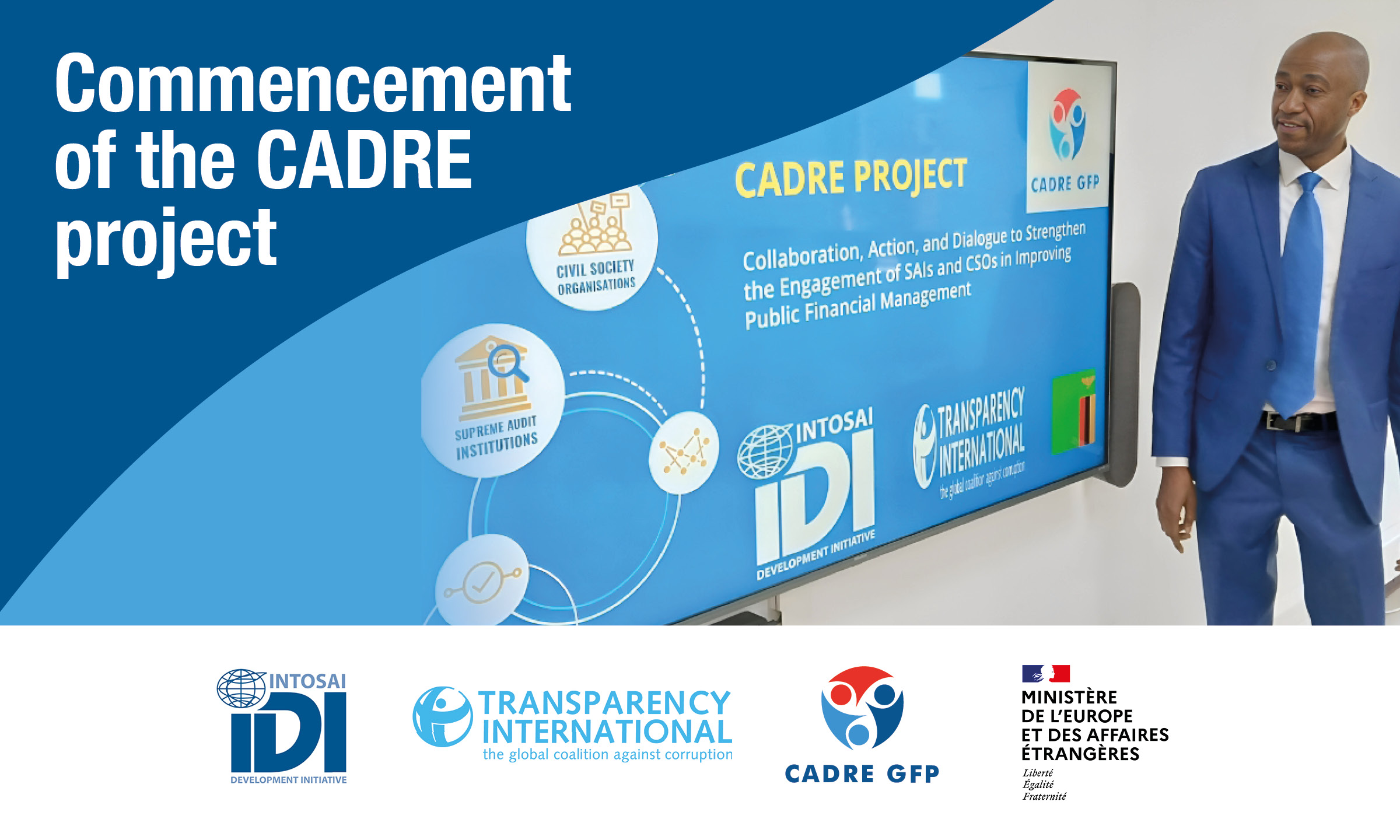
We are delighted to announce the commencement of the CADRE Project: Collaboration, Action, and Dialogue to Strengthen the Engagement of SAIs and CSOs in Improving Public Financial Management.
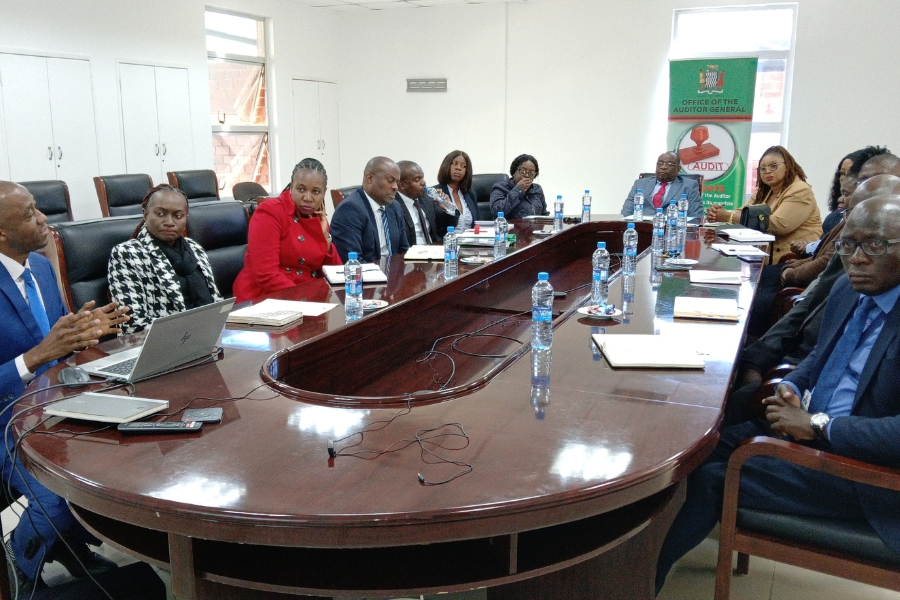
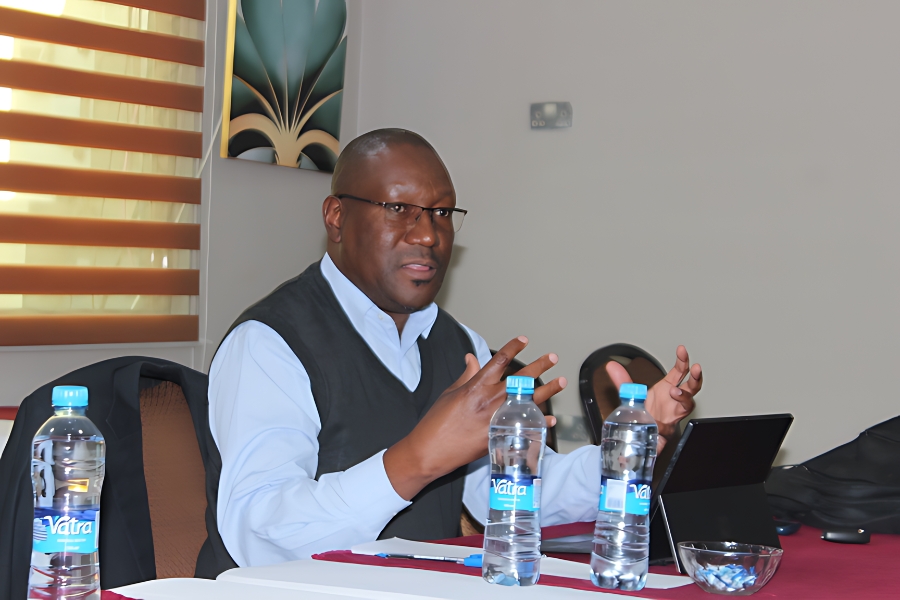
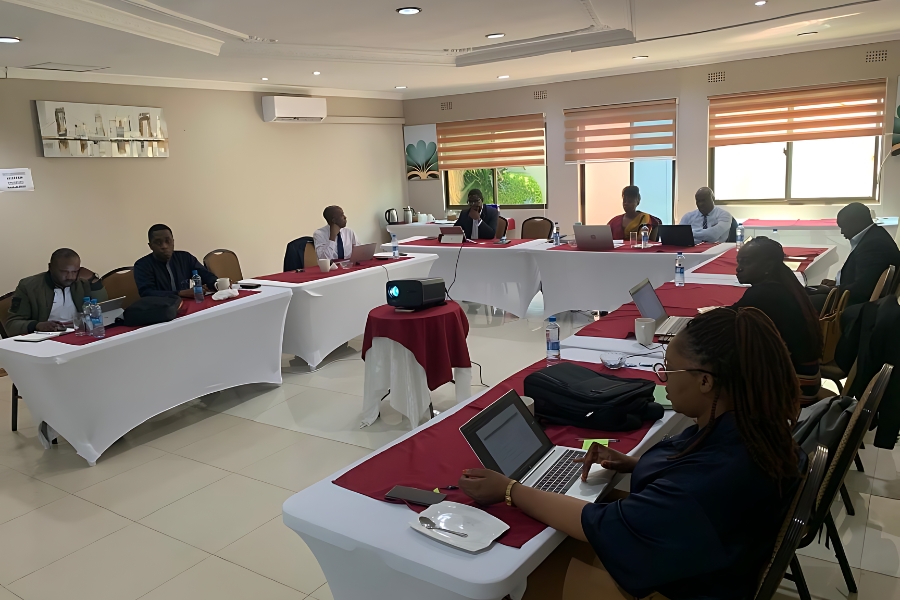
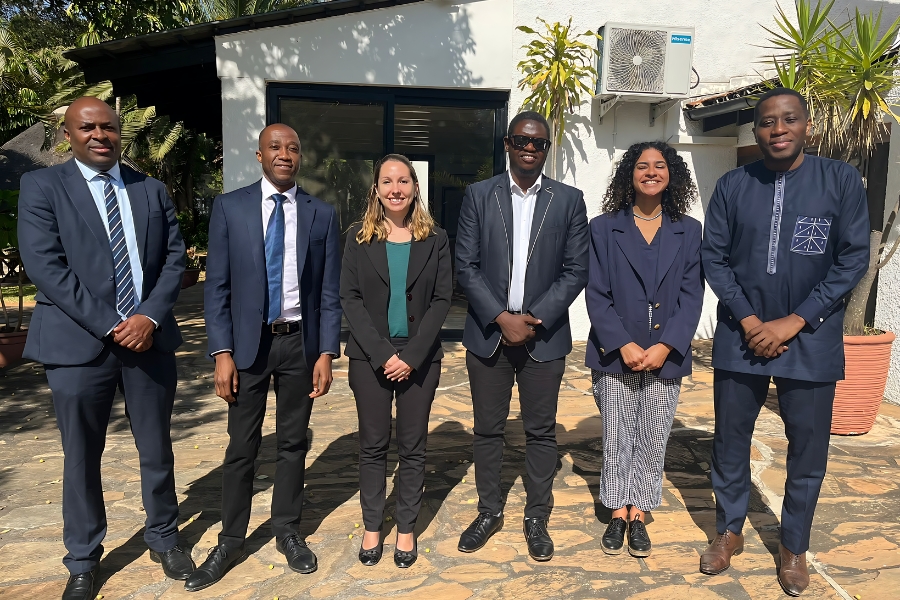
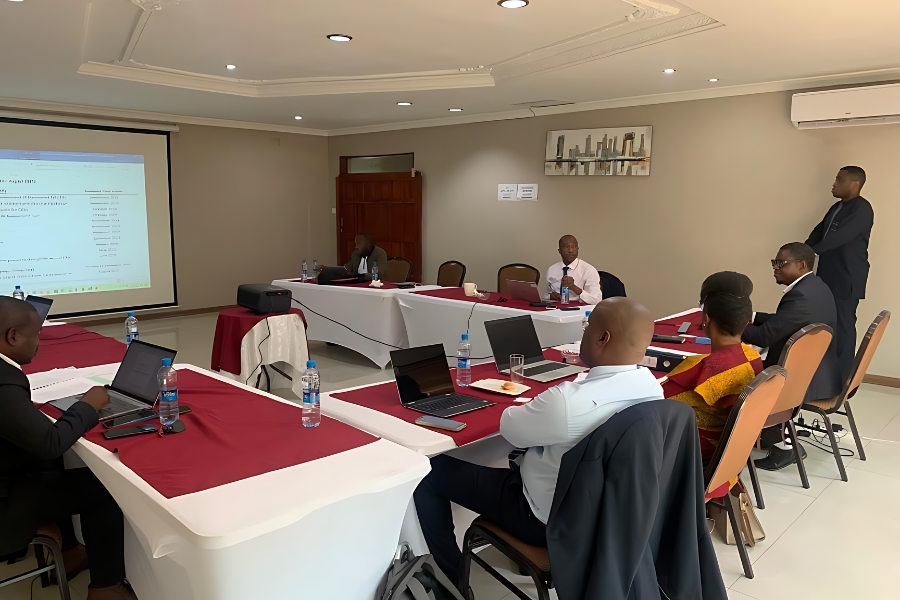
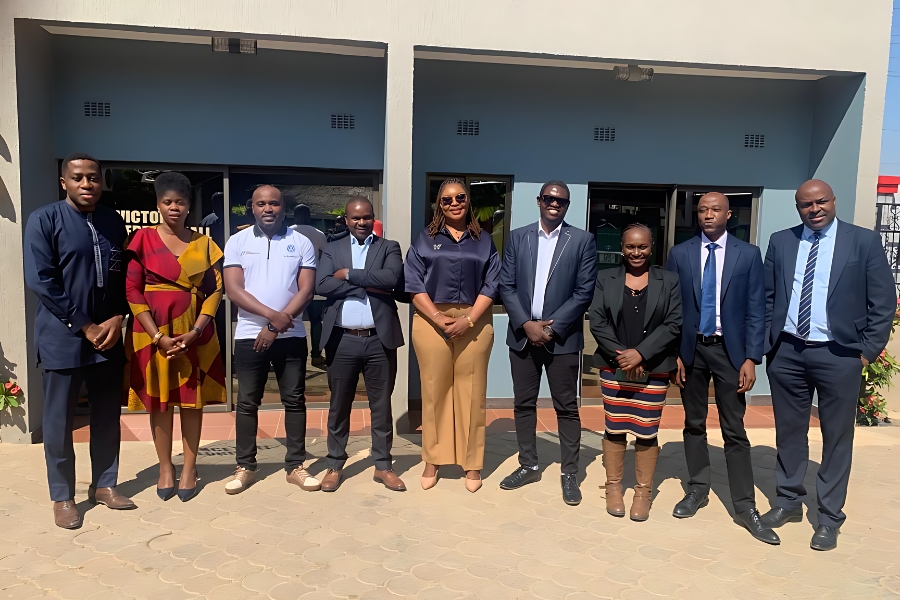
The Collaboration, Action, and Dialogue to Strengthen the Engagement of SAIs and CSOs in Improving Public Financial Management (CADRE) Project was launched in June 2024. As the first activity, we conducted a comprehensive stocktaking to assess the needs, knowledge, and skills in Public Financial Management. Our interactions with the Office of the Auditor General-Zambia (OAG) and Transparency International Zambia (TI-Z) were insightful and productive.
Additionally, we had valuable discussions with the team from the Embassy of France in Lusaka, exploring further project dimensions. This Project is supported by the Ministry of Foreign Affairs- France.
The conversations will continue this week as we identify effective collaborative activities between the OAG and TI-Zambia. Stay tuned for more updates on our progress!
 |
 |
 |
 |
 |
 |
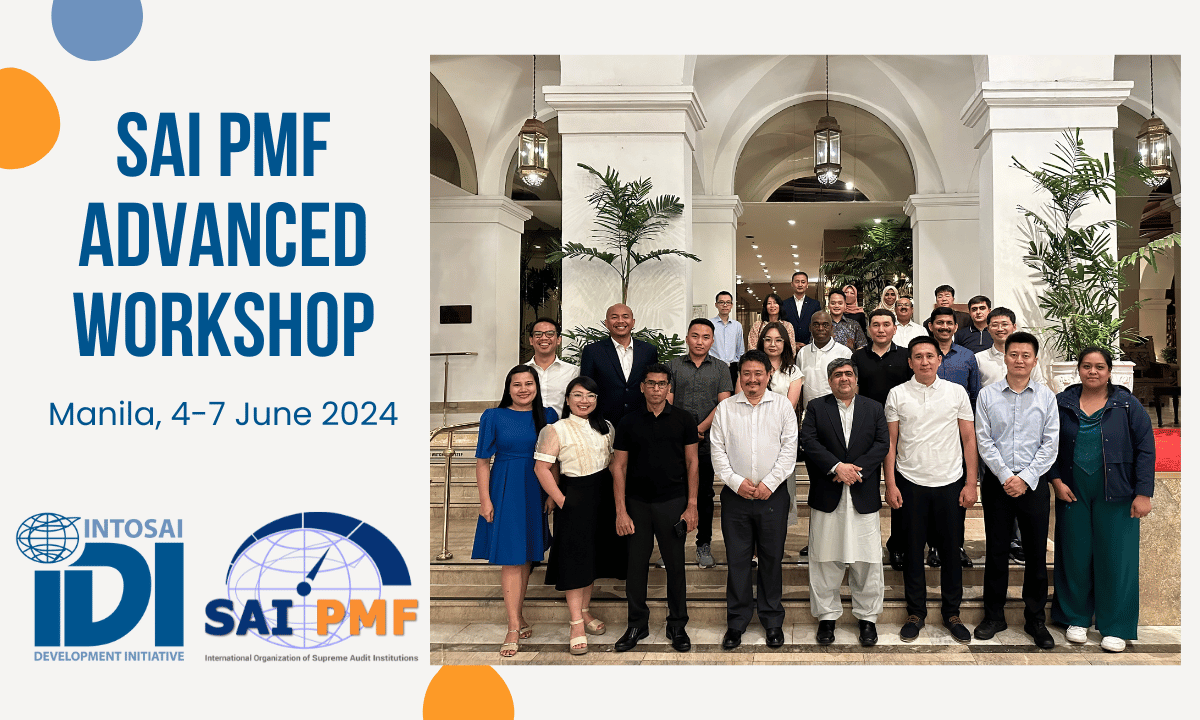
The IDI conducted a SAI PMF Advanced Workshop for SAIs in the ASOSAI region in Manila in June, aiming to enhance regional participation and capacity in line with the SAI PMF Implementation Strategy 2023-28
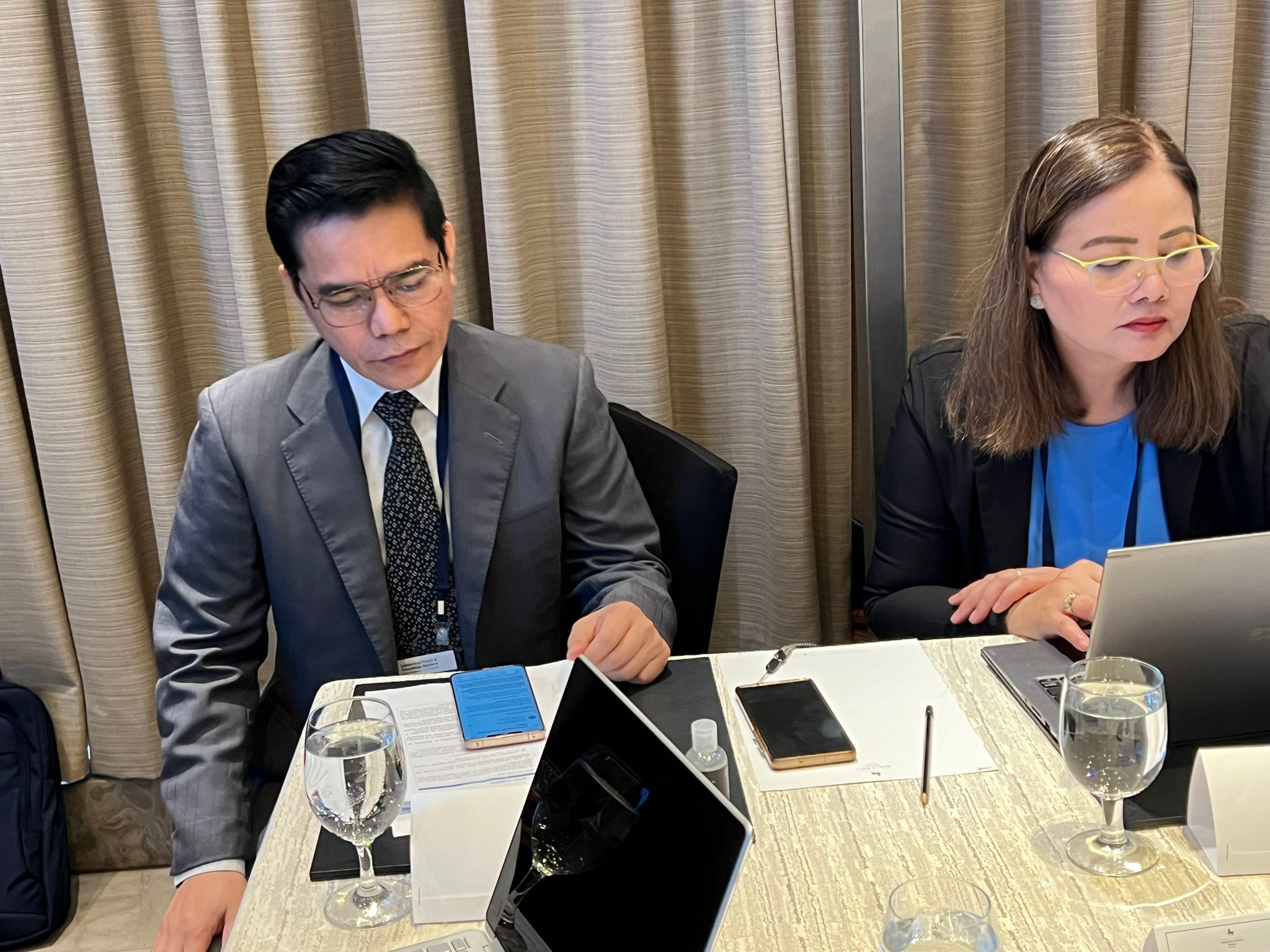
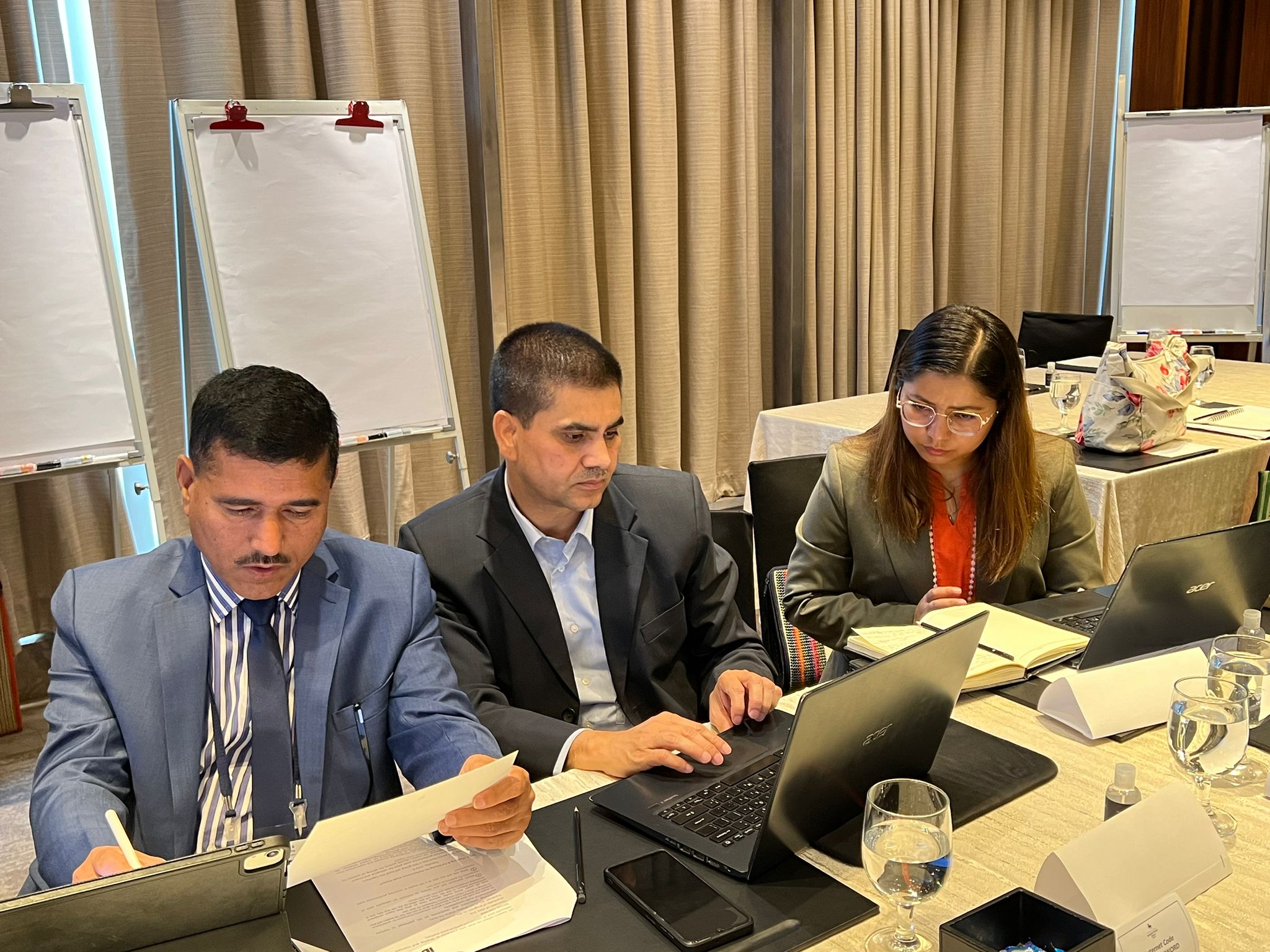
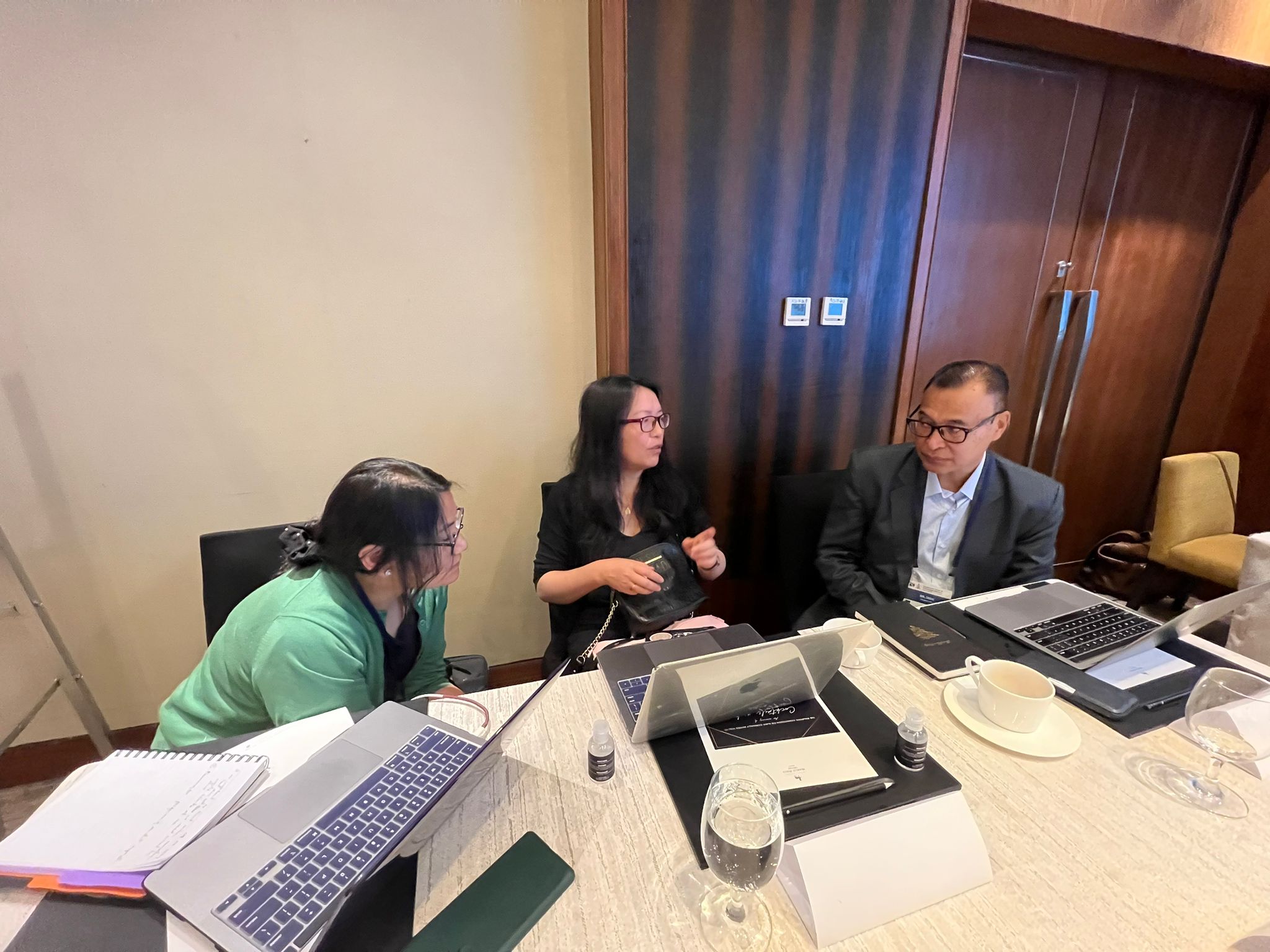
In its continued efforts to facilitate a stronger uptake of SAI PMF responsibilities at the regional level, the IDI conducted a SAI PMF Advanced Workshop for SAIs in the ASOSAI region from 4 to 7 June 2024 in Manila, the Philippines. This is in line with the SAI PMF Implementation Strategy 2023-28, which acknowledges stronger regional participation as a key success factor in the global implementation of SAI PMF.
The advanced workshop was attended by 23 participants from 11 SAIs. The IDI team of facilitators was joined by two co-facilitators, Mr Paul Jonel Jimenez Pollicar and Ms Abigael Jamille Paraiso Julao, from the host SAI of the Philippines. This is the second such workshop, the first conducted for SAIs in the ARABOSAI region in December 2023.
The workshop aims to strengthen SAI PMF capacity in the ASOSAI region (and other regions) by empowering SAI staff with extensive knowledge about SAI PMF and its application. The following topics were covered during the workshop: SAI PMF basics, lessons learnt from the implementation of the framework since 2016, quality management, report writing and introduction to new tools. In addition, the latest developments, such as revisions to the SAI PMF and the repeat assessment methodology, were covered during the workshop. The use of e-SAI PMF, an online application that supports SAIs in conducting rapid, high-quality, and efficient assessments throughout the key stages of the assessment process, was highlighted.
The IDI plans to roll out this workshop to the other INTOSAI regions, subject to the availability of resources.
To learn more about this initiative, please visit the SAI PMF webpage.
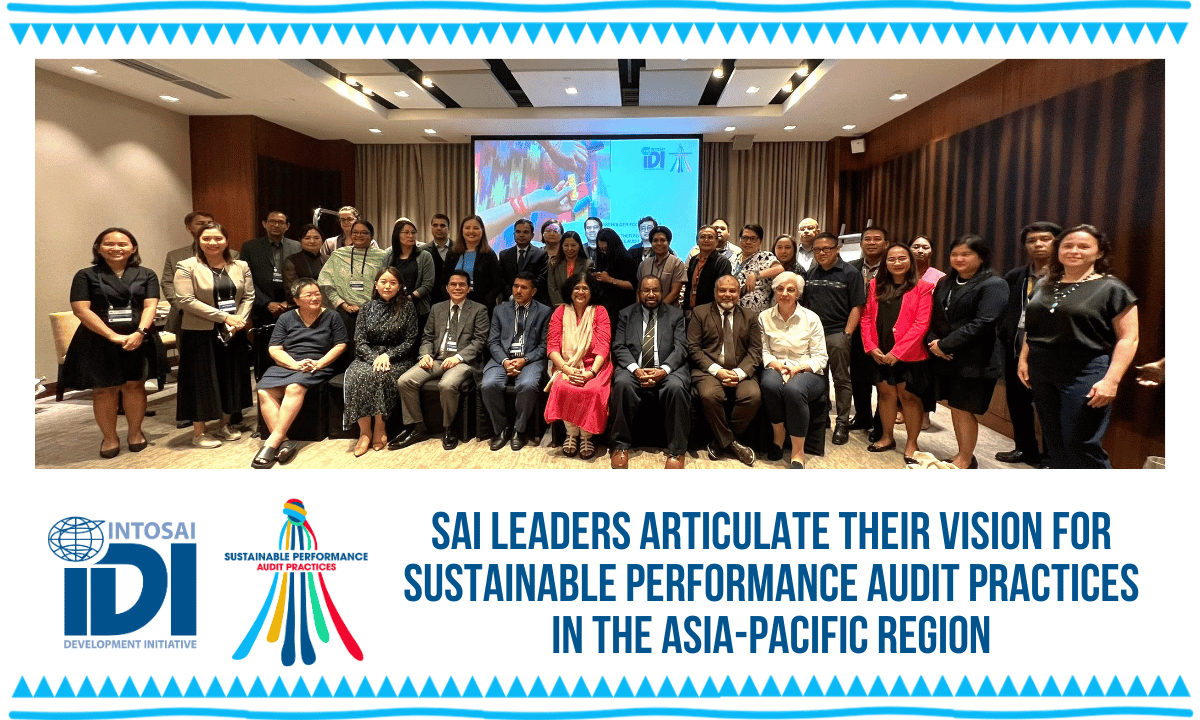
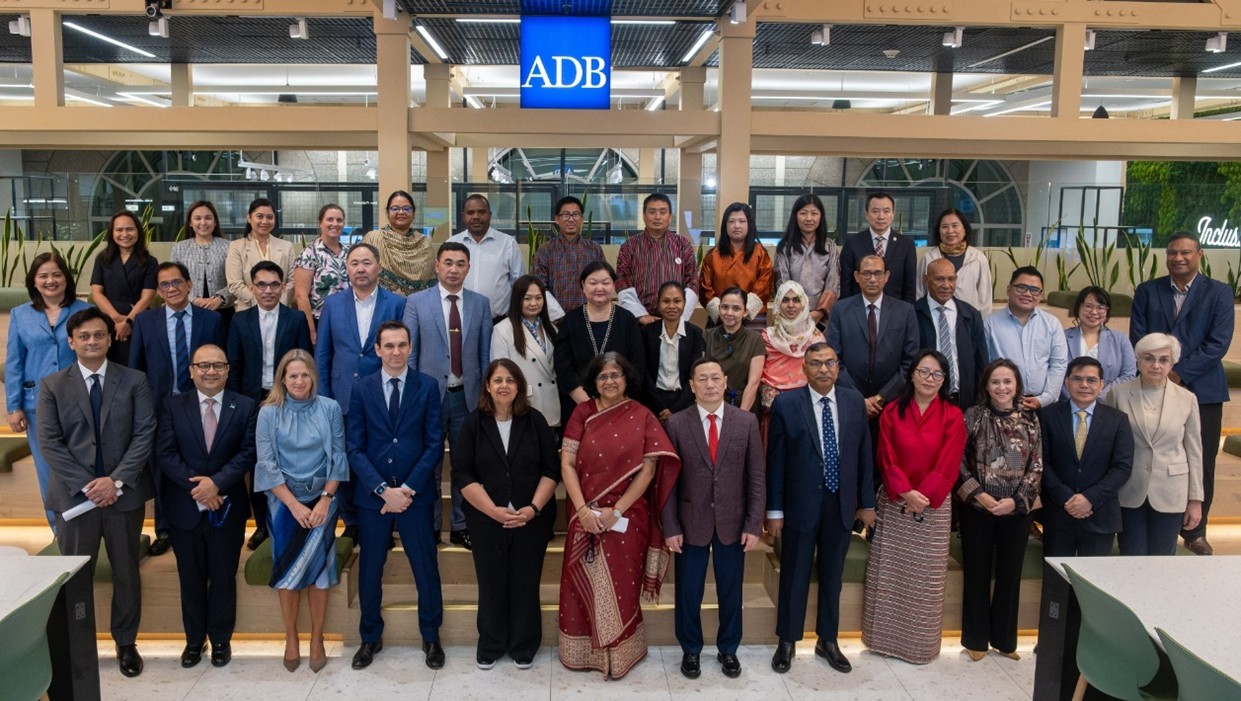
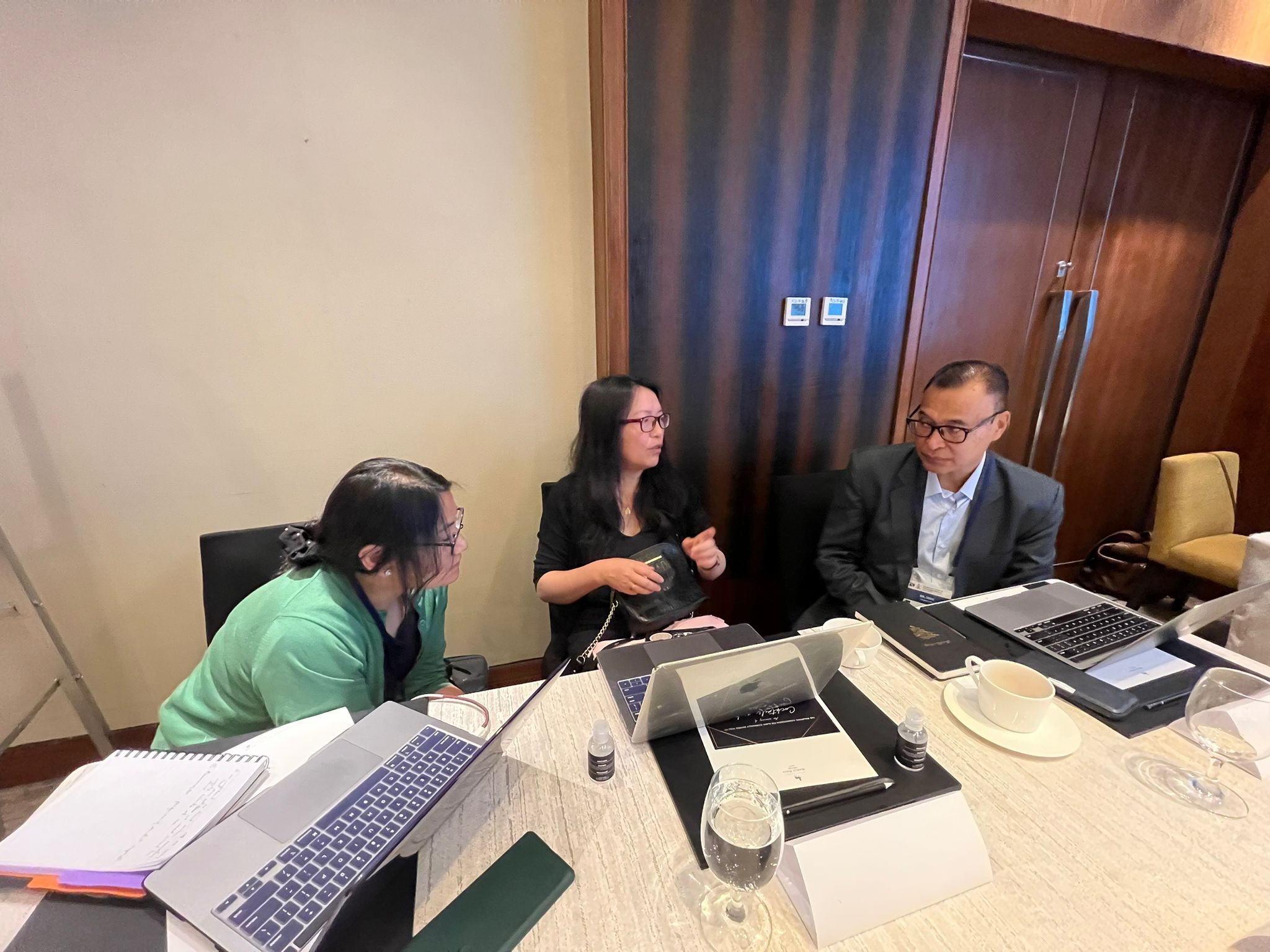
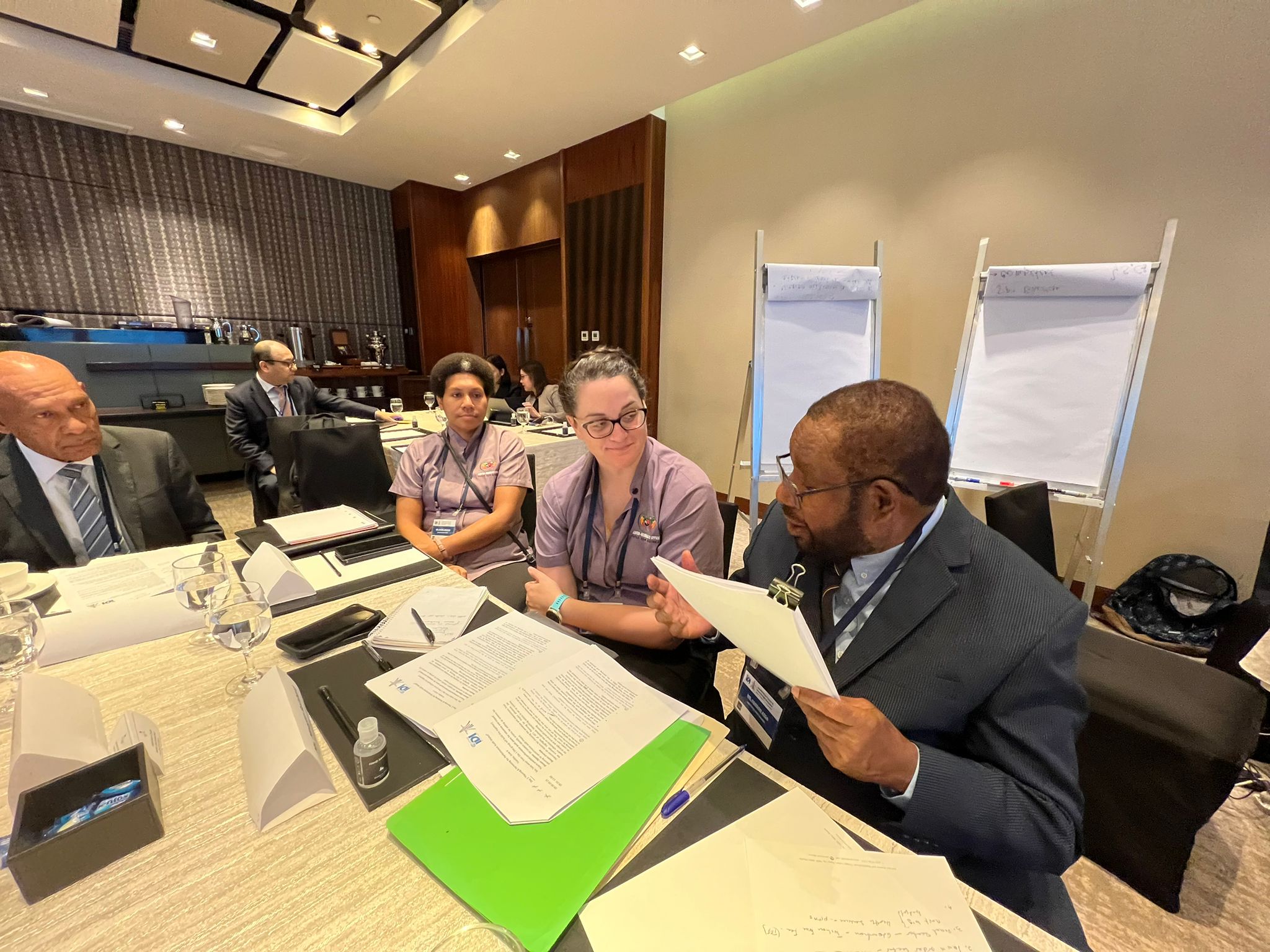
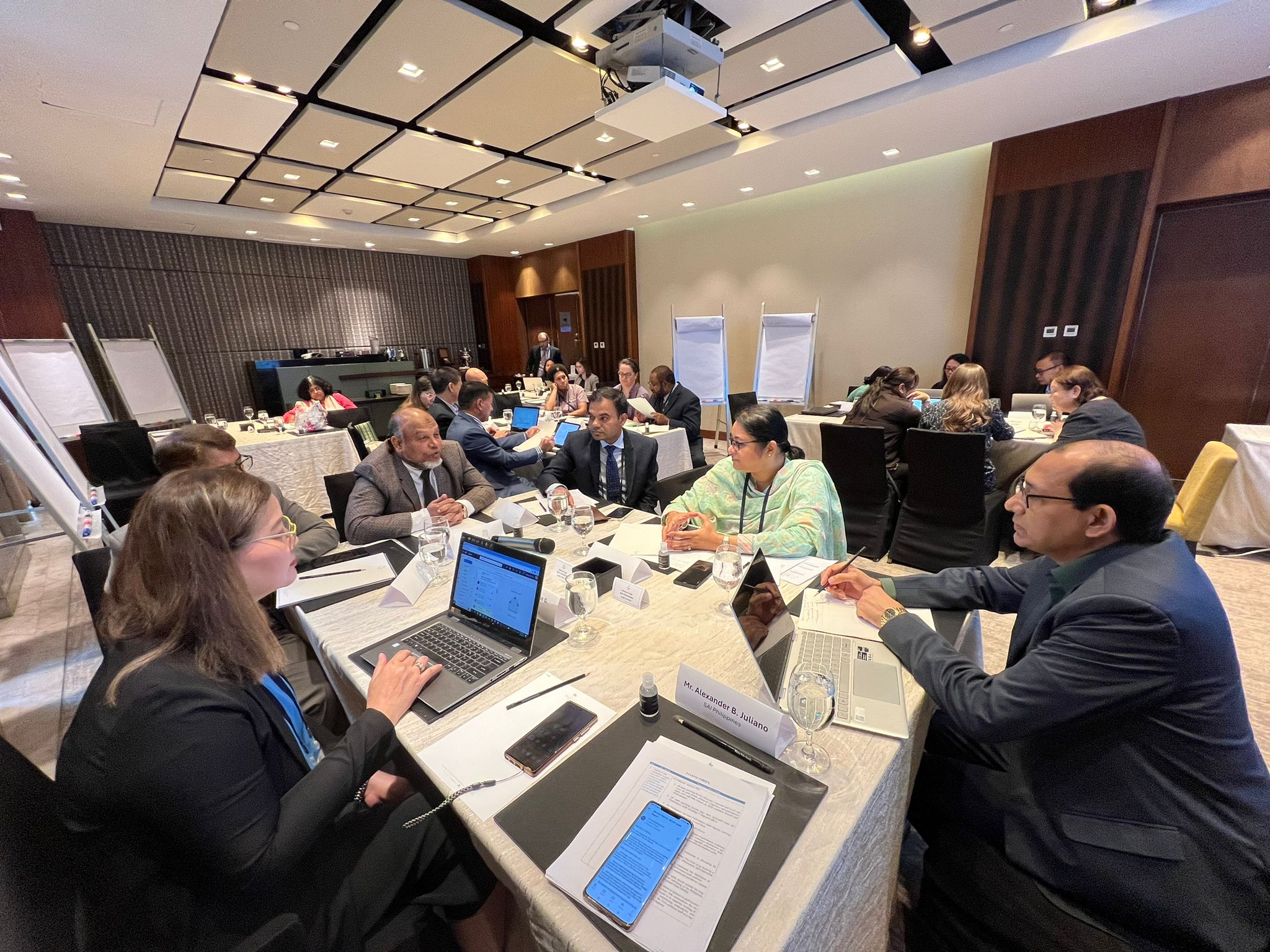
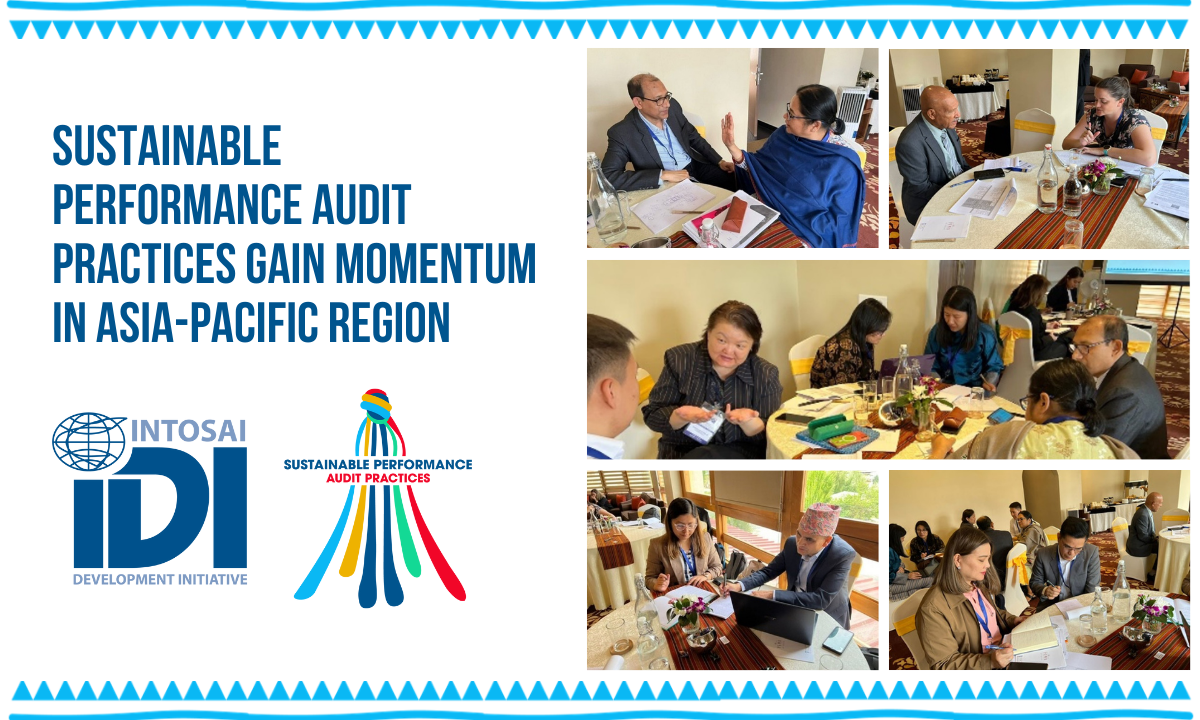
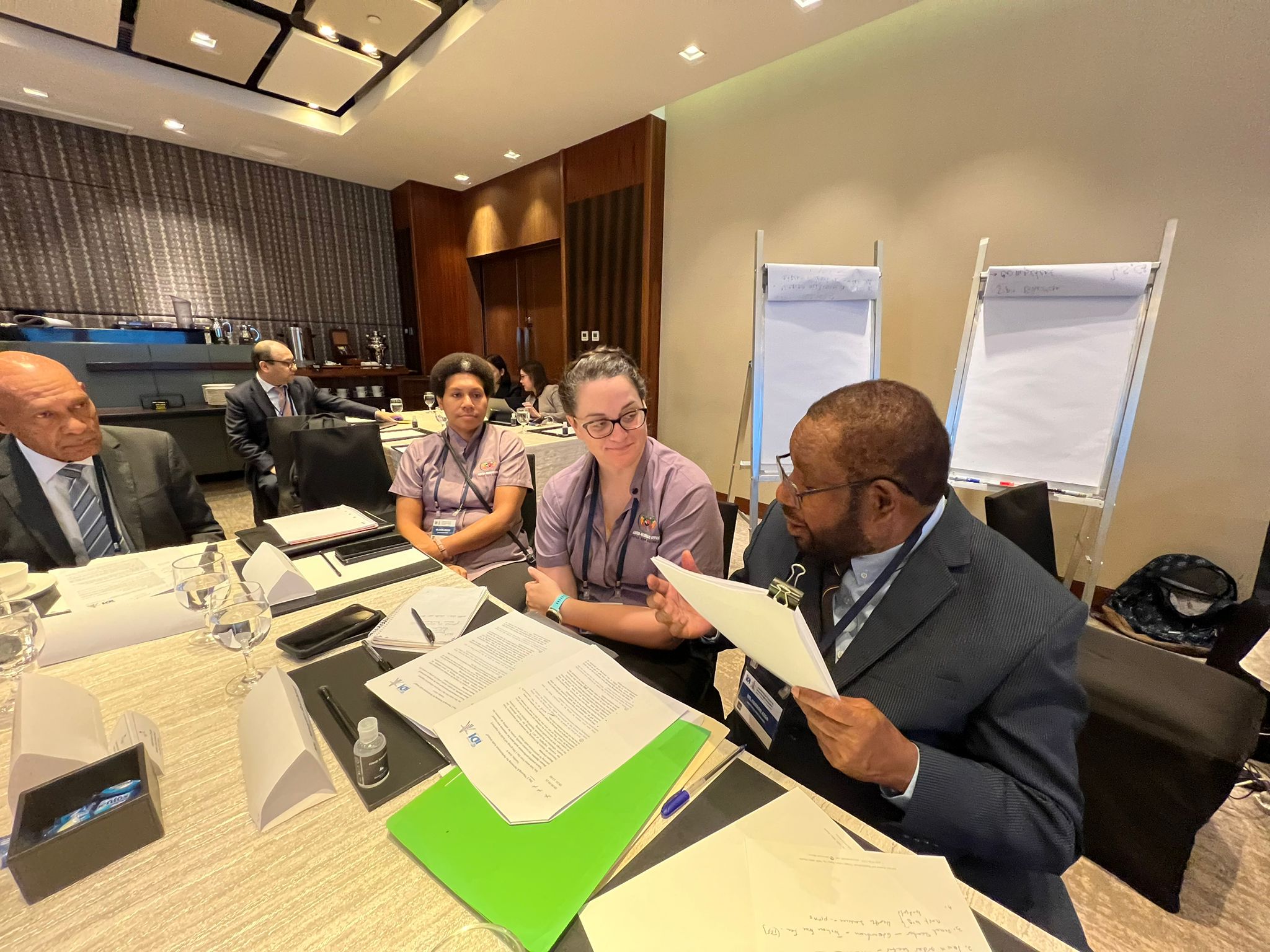
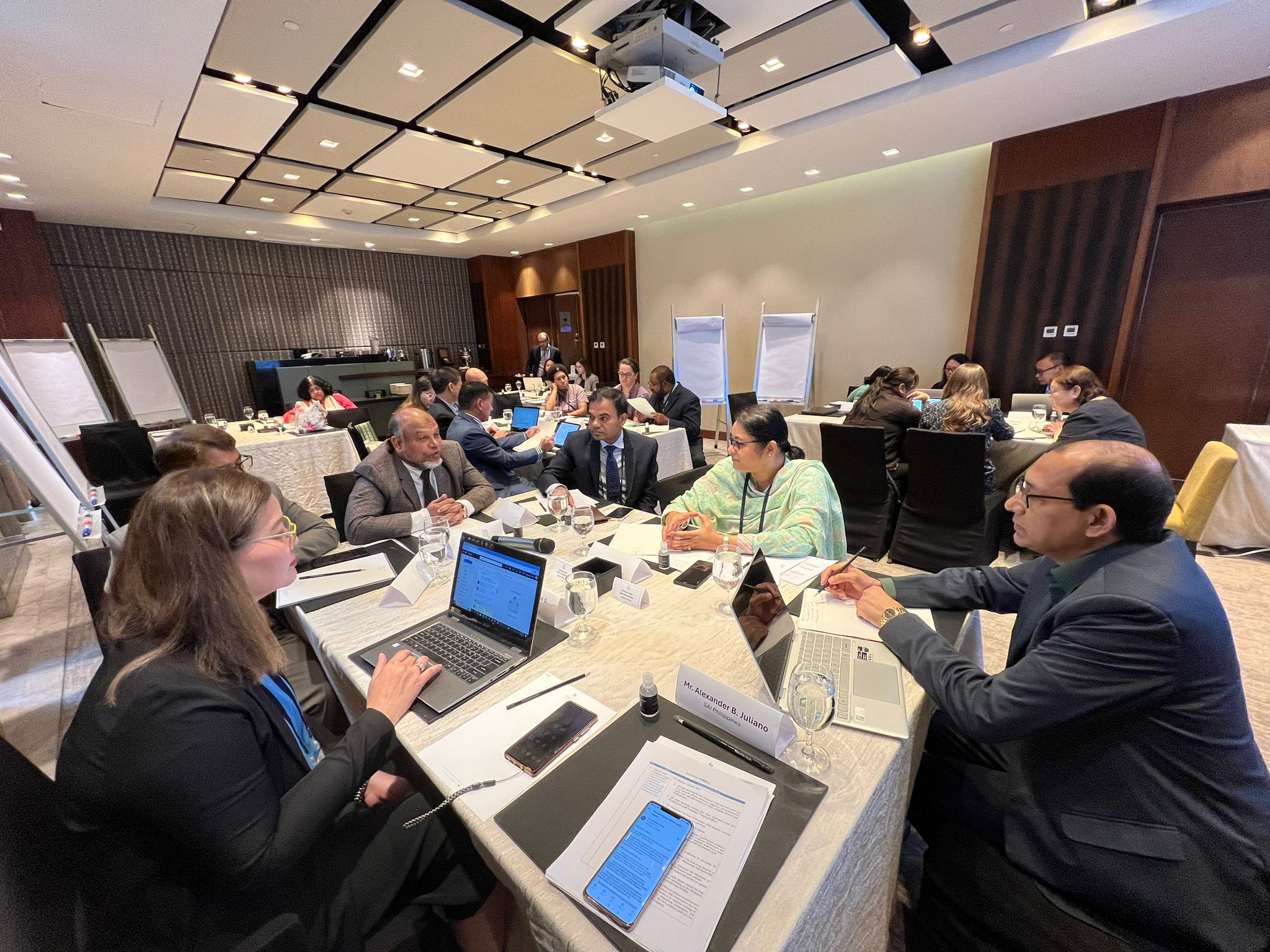
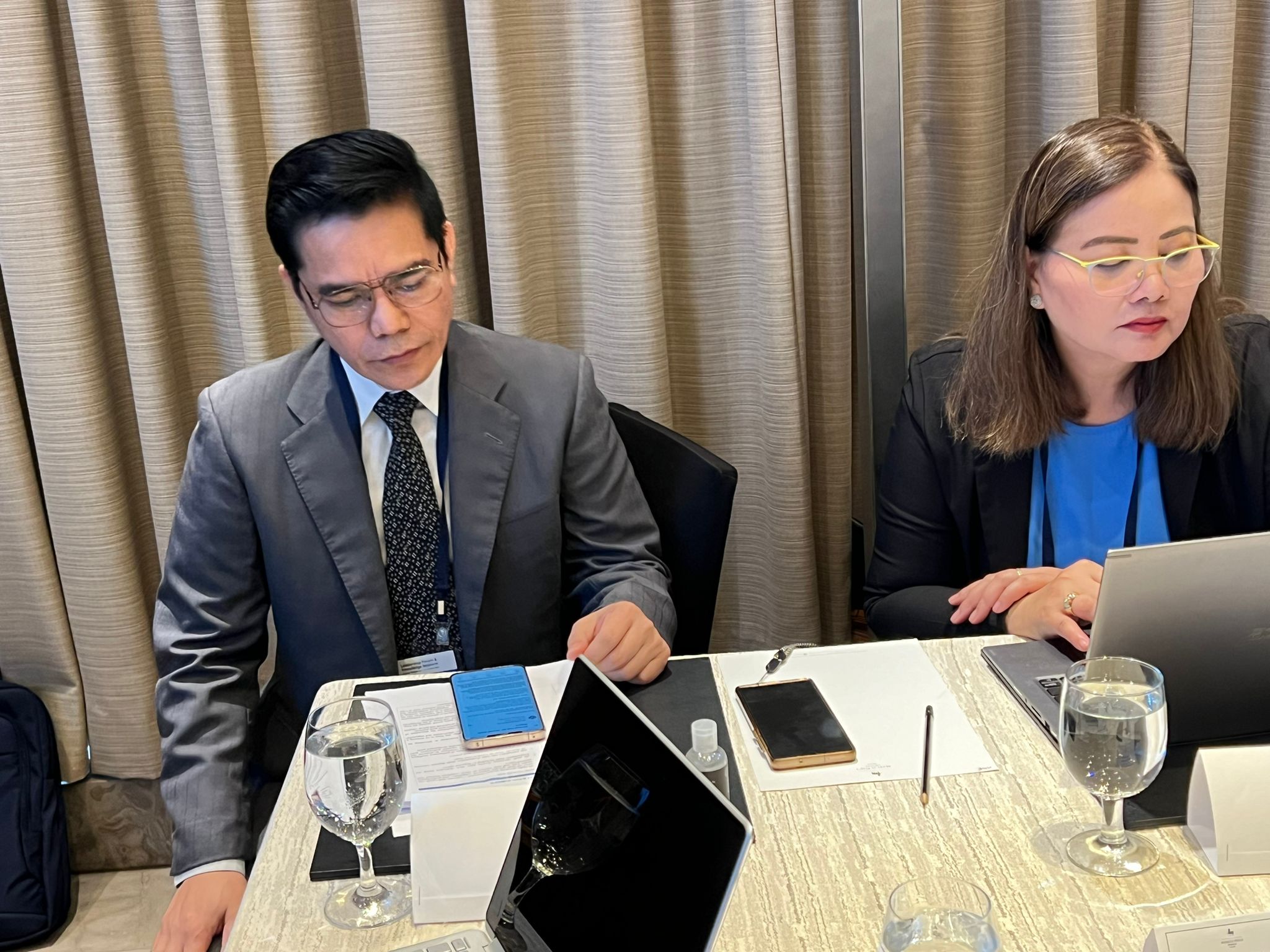
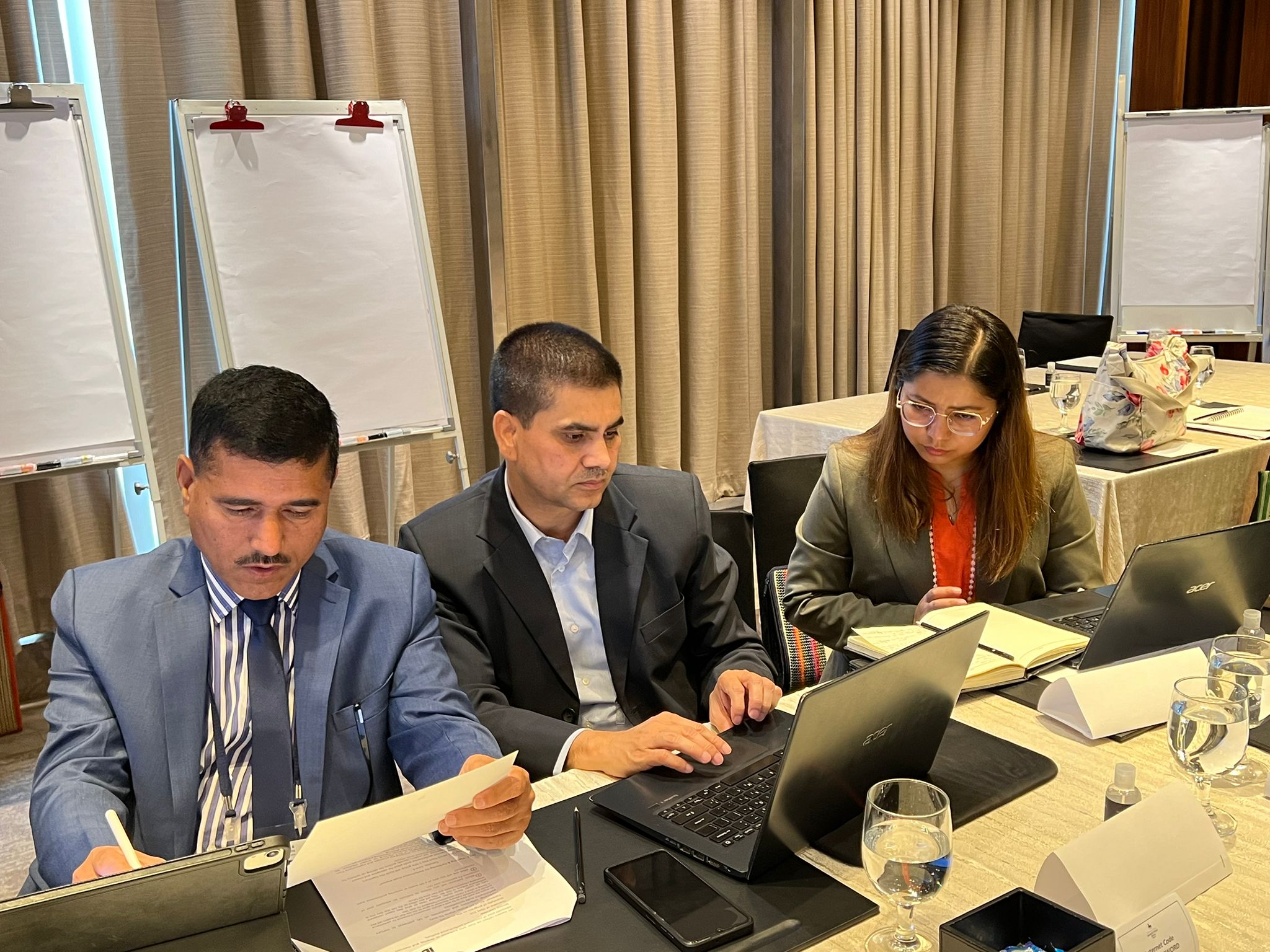
SAI Leaders from Bangladesh, Bhutan, Mongolia, Nepal, Papua New Guinea, and the Philippines met on June 3-4 at the IDI-ADB SAI Leadership Forum in Manila to articulate their vision of sustainable performance audit practices. They shared reflections on performance auditing within their respective SAIs in a six-year outlook, discussing their aspirations, desired goals, and personal commitments to reach these goals. Not every day do you see such high-calibre commitment or so many auditors in one room plotting the future with such precision!
The forum saw intense and frank discussions and interaction between SAI leaders and their teams and amongst peers.
While each SAI leader expressed a vision which reflected their local context, the visions had a common thread of commitment to delivering value and benefits to the public by conducting highly regarded and recognised performance audits on relevant issues such as achieving the Sustainable Development Goals, managing climate change, implementing social programmes, ensuring food security. Furthermore, SAI leaders recognised performance audits as essential tools in the fight against corruption. The leaders succinctly captured their collective vision with the three Cs: Competent, Committed, and Cognizant. They also envisioned their SAIs as centres of performance auditing excellence and strong advocates for performance-driven governance.
The actions envisioned by SAI leaders to achieve their visions 2030 were tailored to fit their respective national contexts, yet they all aimed to be impactful, logical, and sequential. These actions ranged from strategically balancing different audit types in their annual and long-term planning to maximise impact to building a critical mass of performance auditors and ensuring a robust pipeline of skilled auditors dedicated to upholding the standards of excellence in performance auditing.
Stakeholder engagement was unanimously voted as the key to success, and SAI Philippines took the lead in setting the stage for vibrant discussions. With leaders from the other five SAIs in attendance, this stakeholder conversation included a broad spectrum of SAI Philippines stakeholders—members of parliament, representatives from key public entities, civil society organizations, and universities. This gathering was balanced with mutual respect with open and frank dialogue. It was an exchange of opportunities, particularly spotlighting new potential partnerships and stakeholder coalitions, especially between SAI Philippines and universities.
SAI leadership recognised that while the forum was enriching and motivating, it was time to convert vision into action.
Stay tuned! We shall be back with more updates about the educational workshops for sharpening the competencies of performance auditors and strategising for maximum impact.
 |
 |
 |
 |
 |
SAI Leaders from Bangladesh, Bhutan, Mongolia, Nepal, Papua New Guinea, and the Philippines met on June 3-4 at the IDI-ADB SAI Leadership Forum in Manila to articulate their vision of sustainable performance audit practices. They shared reflections on performance auditing within their respective SAIs in a six-year outlook, discussing their aspirations, desired goals, and personal commitments to reach these goals. Not every day do you see such high-calibre commitment or so many auditors in one room plotting the future with such precision!
The forum saw intense and frank discussions and interaction between SAI leaders and their teams and amongst peers.
While each SAI leader expressed a vision which reflected their local context, the visions had a common thread of commitment to delivering value and benefits to the public by conducting highly regarded and recognised performance audits on relevant issues such as achieving the Sustainable Development Goals, managing climate change, implementing social programmes, ensuring food security. Furthermore, SAI leaders recognised performance audits as essential tools in the fight against corruption. The leaders succinctly captured their collective vision with the three Cs: Competent, Committed, and Cognizant. They also envisioned their SAIs as centres of performance auditing excellence and strong advocates for performance-driven governance.
The actions envisioned by SAI leaders to achieve their visions 2030 were tailored to fit their respective national contexts, yet they all aimed to be impactful, logical, and sequential. These actions ranged from strategically balancing different audit types in their annual and long-term planning to maximise impact to building a critical mass of performance auditors and ensuring a robust pipeline of skilled auditors dedicated to upholding the standards of excellence in performance auditing.
Stakeholder engagement was unanimously voted as the key to success, and SAI Philippines took the lead in setting the stage for vibrant discussions. With leaders from the other five SAIs in attendance, this stakeholder conversation included a broad spectrum of SAI Philippines stakeholders—members of parliament, representatives from key public entities, civil society organizations, and universities. This gathering was balanced with mutual respect with open and frank dialogue. It was an exchange of opportunities, particularly spotlighting new potential partnerships and stakeholder coalitions, especially between SAI Philippines and universities.
SAI leadership recognised that while the forum was enriching and motivating, it was time to convert vision into action.
Stay tuned! We shall be back with more updates about the educational workshops for sharpening the competencies of performance auditors and strategising for maximum impact.
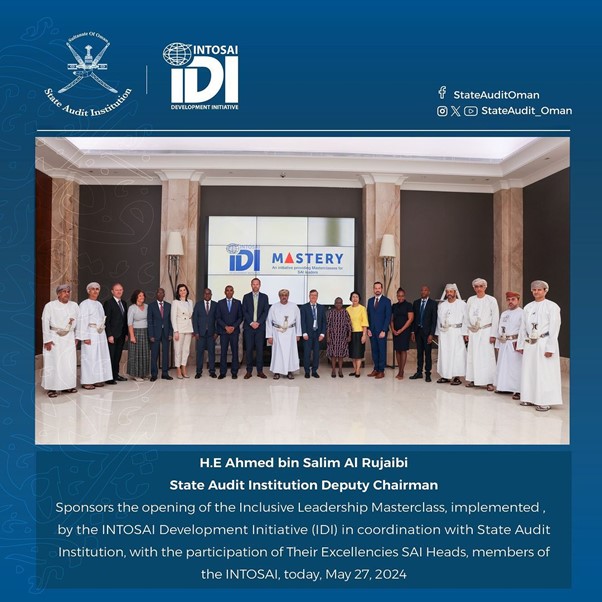
The INTOSAI Development Initiative (IDI) and the State Audit Institution of Oman hosted a compelling Masterclass on Inclusive Leadership from May 27 to 29 in the vibrant city of Muscat. This transformative event brought together nine distinguished SAI leaders from Malta, Thailand, Saint Kitts and Nevis, Eritrea, Malawi, Kenya, Somalia, Maldives, and Oman. These leaders united in a dynamic forum to delve into the essential concept of inclusive leadership, exchange best practices on diversity, and gain invaluable insights from renowned international experts, making it a truly enriching experience for all involved.
Participants had the opportunity to hear from Virginija Langbakk, a Freelance Consultant renowned for her expertise in EU management and leadership, gender equality, and organizational change, and Zamira Grigiene, a visionary strategist known for nurturing talent and creating collaborative, safe learning spaces in complex international environments.
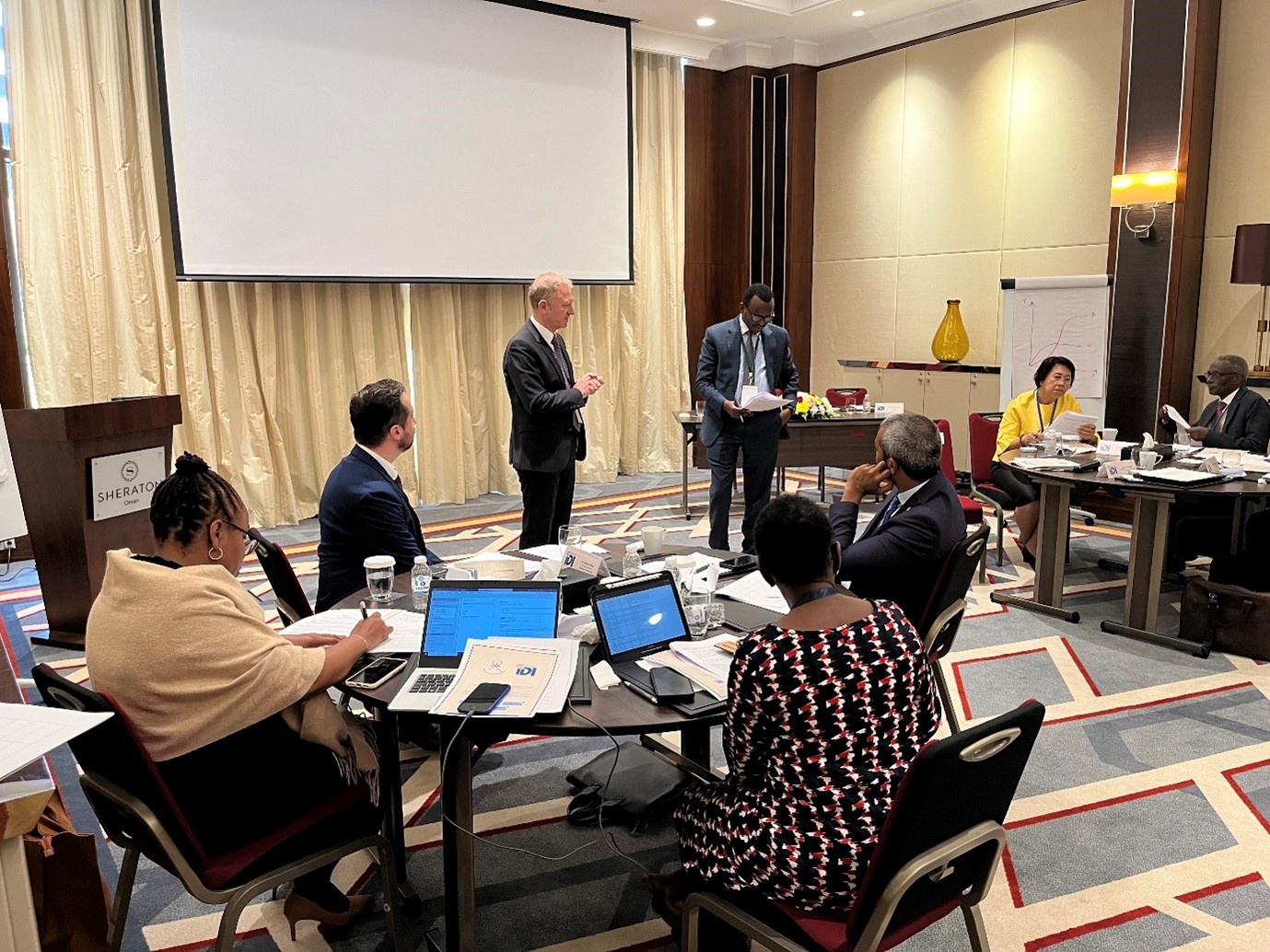
Mr. Ola Hoem, Deputy Director General of IDI, inaugurated the Masterclass with a powerful message: “In today’s rapidly evolving world, where change is the only constant, organisations and leaders must recognise the tremendous value that diversity brings to the table. Inclusive leadership is not merely a buzzword or a trendy concept; it is a fundamental pillar that drives innovation, fosters collaboration, and creates a positive impact on individuals, teams, and entire communities.”
Over the course of the three days, participants delved deep into the essence of inclusive leadership, understanding its crucial role in successful governance. They openly shared their current diversity and inclusiveness practices within their respective SAIs, fostering a collaborative and enriching environment.
Masterclass on Public Financial Management – A Foresight Exercise, 26-28 June 2024 (French Global)
Masterclass on Transformation – Leading Change, October 2024 (English Global)