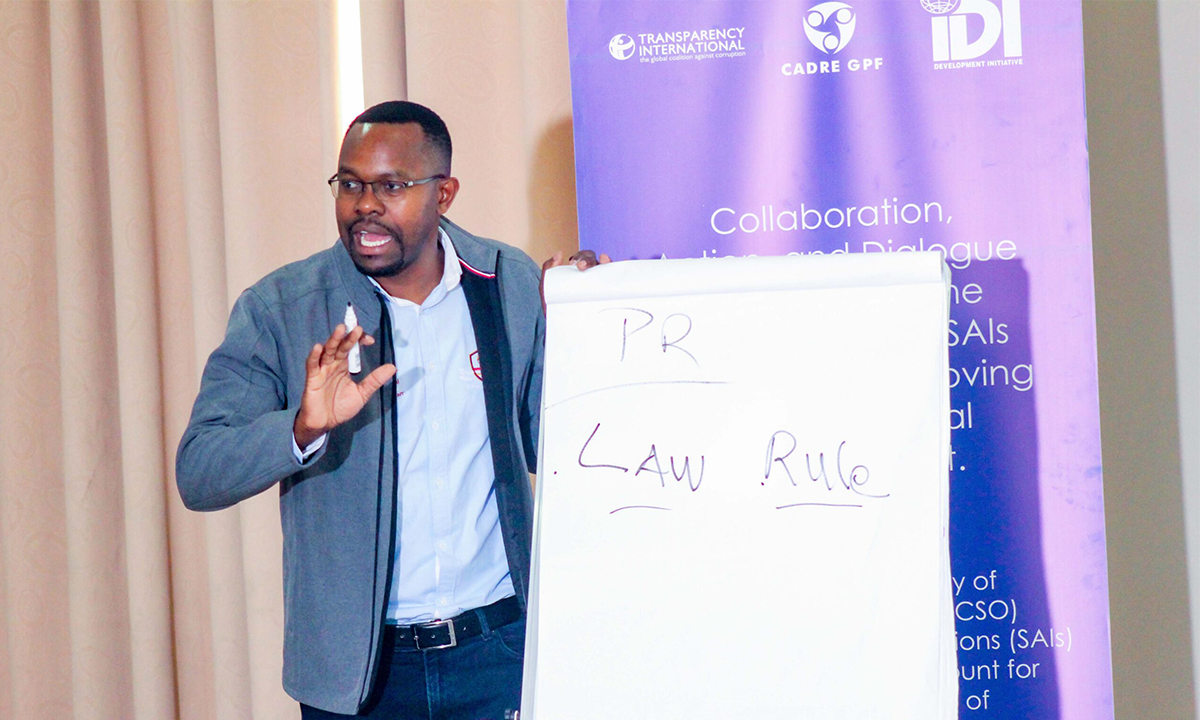
Investigative journalism plays a key role in exposing corruption, mismanagement, and inefficiencies in public financial management (PFM). The latest CADRE workshop in Zambia, held from March 18-20, 2025, brought together journalists, civil society organisations (CSOs), and other accountability actors to sharpen their skills and build stronger collaborations for transparency.
This three-day event built on a previous session in February, helping participants improve their investigative storytelling, data journalism, and advocacy strategies. The goal was clear: to strengthen journalists’ ability to hold power to account and engage the public in governance issues.
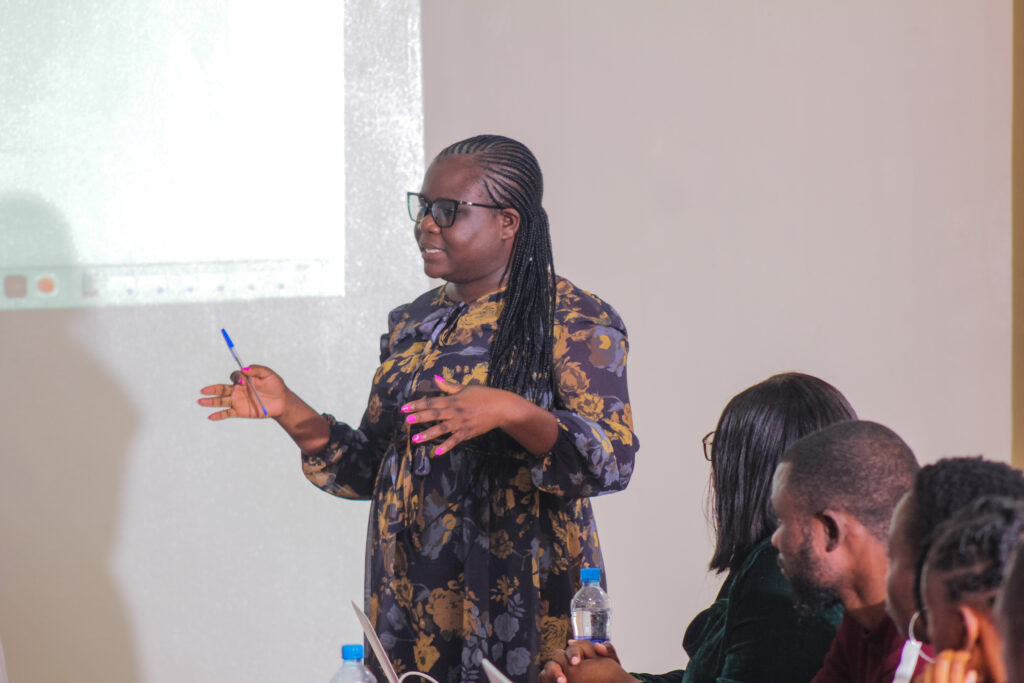
The workshop focused on two main areas: investigative journalism techniques and collaboration with key stakeholders. Many participants had already started their investigations and used this opportunity to refine their findings and discuss challenges.
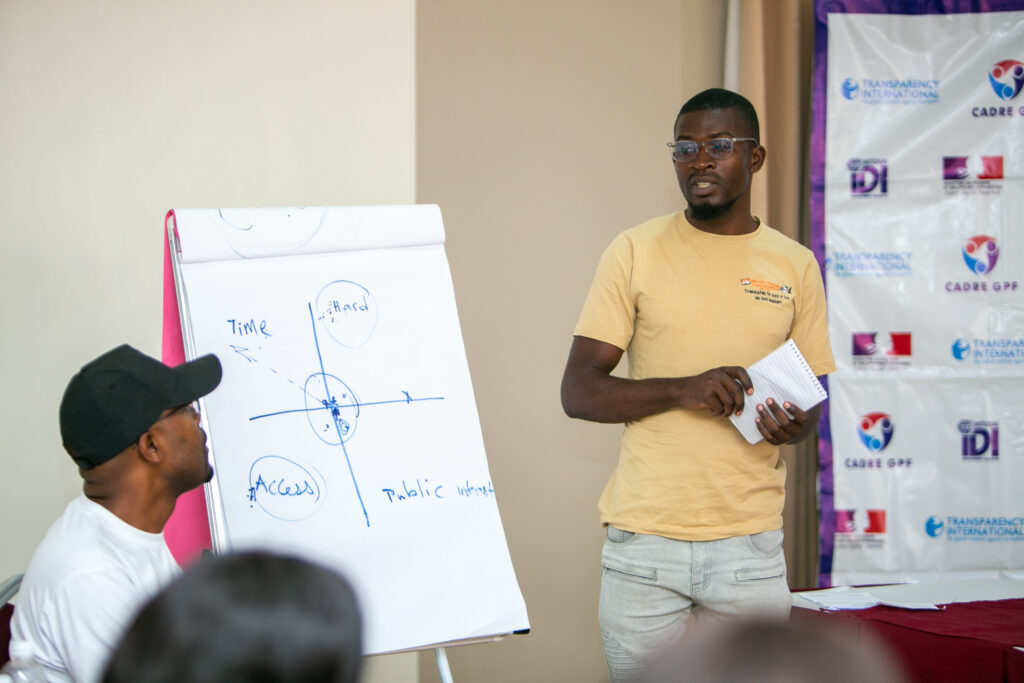
A key session involved peer and expert feedback on investigative stories. Journalists shared insights from their deep dives into PFM issues in Zambia, uncovering inconsistencies in government reports and tracking irregularities in public spending. These discussions not only strengthened their analytical skills but also fostered a sense of community and support among investigative reporters.
Another important aspect was the use of digital investigative tools. Participants explored:
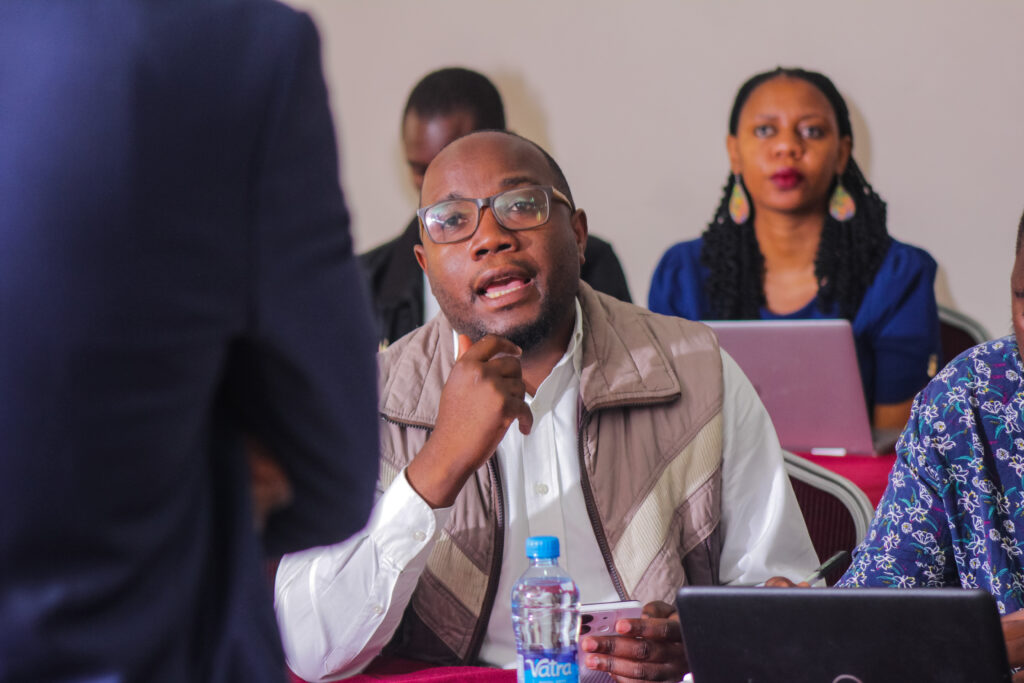
Uncovering the truth is only the first step—making sure it reaches the right audiences is just as crucial.
The workshop introduced advocacy strategies, helping participants learn how to:
A highlight of the final day was the presentation of refined investigative reports, where journalists showcased their progress since the first workshop. Their findings on PFM mismanagement sparked discussions on how to push these stories forward—whether through media coverage, legal action, or CSO advocacy.
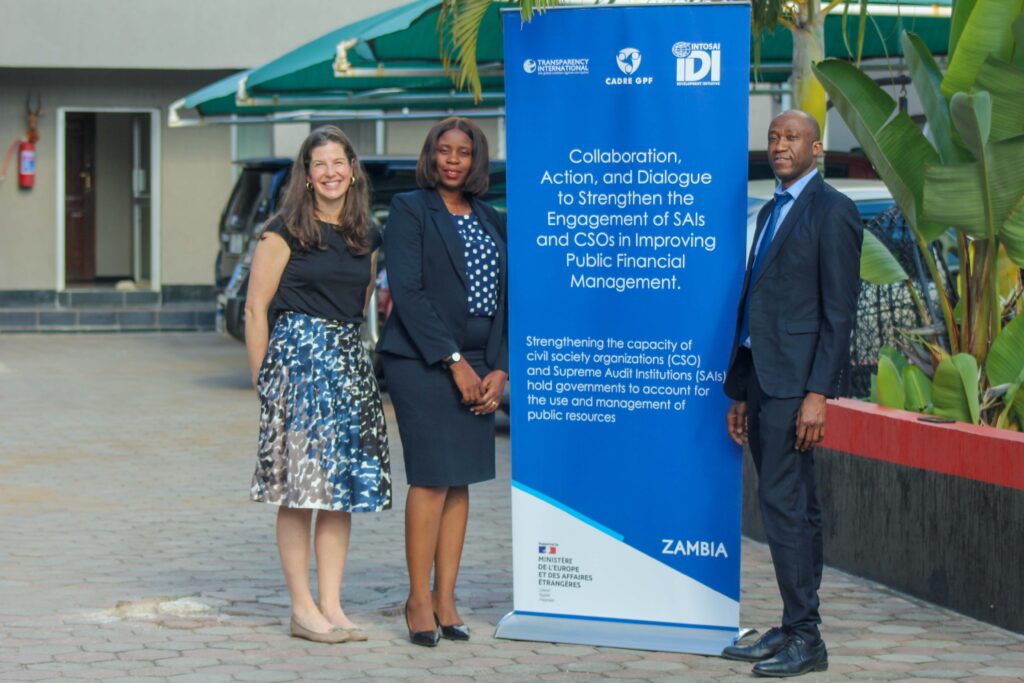
The CADRE workshop reinforced the importance of investigative journalism in good governance. By connecting journalists, CSOs, and accountability institutions, this initiative is driving a movement for better, more holistic transparency in Zambia.
Participants left with sharper skills, stronger networks, and a renewed commitment to holding those in power accountable. Moving forward, their investigations will continue to push for greater public awareness and institutional accountability in managing public funds.
At a time when misinformation spreads easily, initiatives like this workshop are more important than ever. Investigative journalism remains a powerful tool for ensuring public resources serve the people—not private interests. Through collaboration and innovation, the CADRE project continues to promote transparency and accountability to create lasting change.
Investigative journalism plays a crucial role in holding public institutions accountable. To support this vital oversight work, the INTOSAI Development Initiative (IDI) and the Office of the Auditor General (OAG) Zambia hosted an Investigative Journalism Workshop from February 4-6, 2025, in Lusaka. Part of the CADRE Project, the workshop aimed to equip journalists with the skills to analyse audit reports, uncover critical financial management issues, and translate complex findings into compelling stories that drive action.
The CADRE Project, funded by the French Ministry for Europe and Foreign Affairs, is jointly implemented by IDI and Transparency International (TI), with OAG Zambia and TI-Zambia leading efforts at the country level. The project fosters collaboration between Supreme Audit Institutions (SAIs) and Civil Society Organisations (CSOs) to enhance transparency, accountability, and SAI independence.
This three-day workshop brought together 17 media houses from across Zambia, focusing on investigative techniques that help translate complex audit findings into compelling stories that inform the public and drive action.
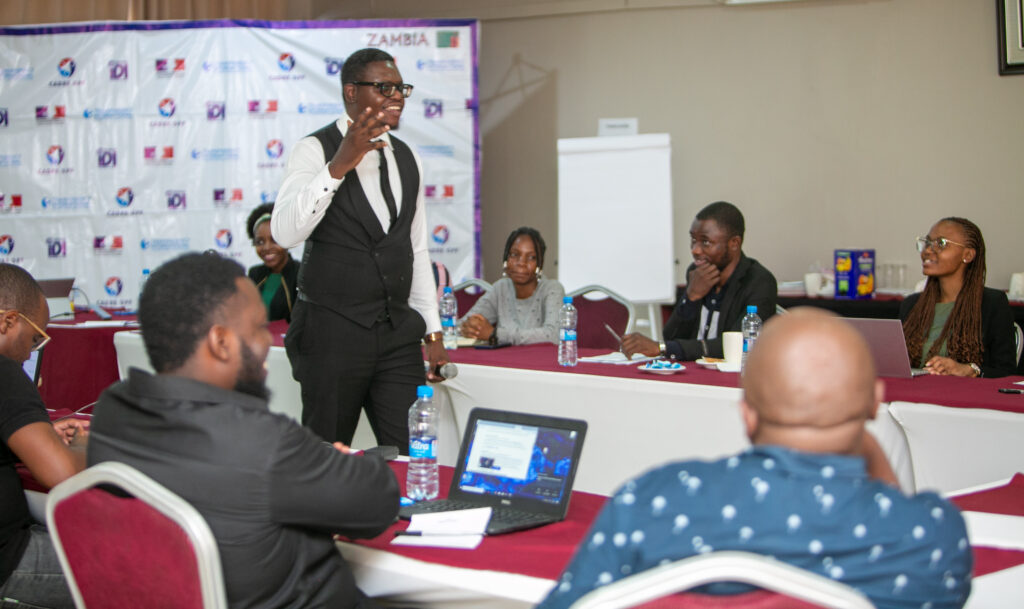
The event was officially opened by Zambia’s Auditor General, Dr. Ron Mwambwa, and Transparency International Zambia’s Executive Director, Mr. Maurice Nyambe. Dr. Mwambwa underscored the importance of media collaboration with the OAG, emphasizing that investigative journalism can transform audit findings into meaningful action by exposing inefficiencies and misconduct in public finance management. He also stressed the need for responsible and factual reporting.
Mr. Nyambe echoed these sentiments, highlighting the media’s role as a key player in the fight against corruption. He called for stronger partnerships between journalists, CSOs, and audit institutions to ensure public funds are used transparently and effectively.
Speaking at the opening, IDI reinforced the workshop’s objective: empowering journalists with the knowledge and tools to interpret financial oversight data and produce impactful investigative reports that promote good governance.
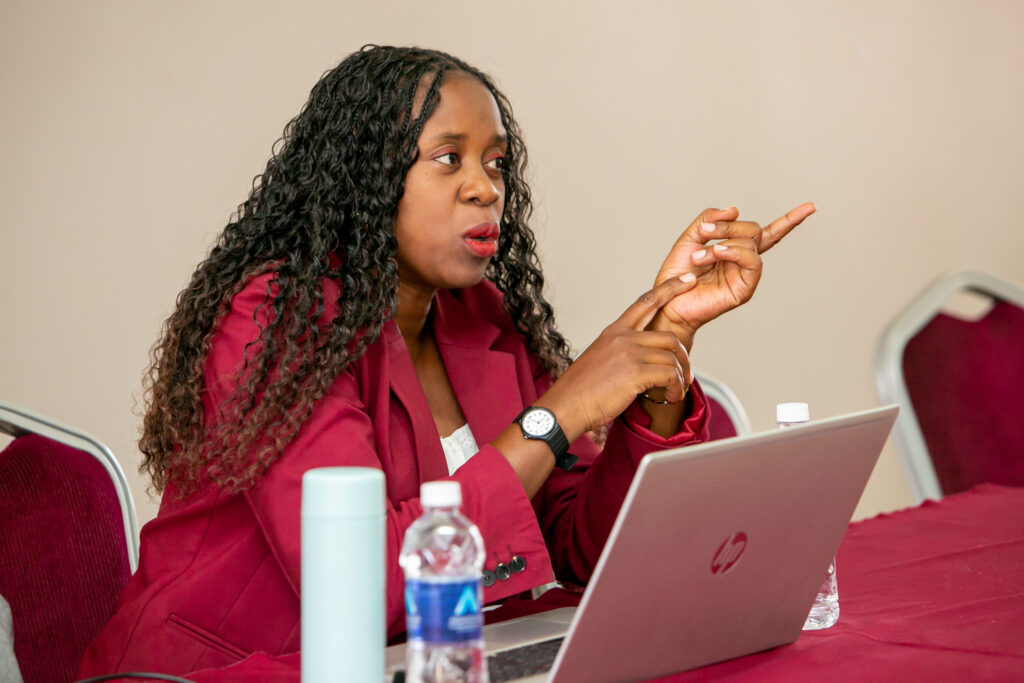
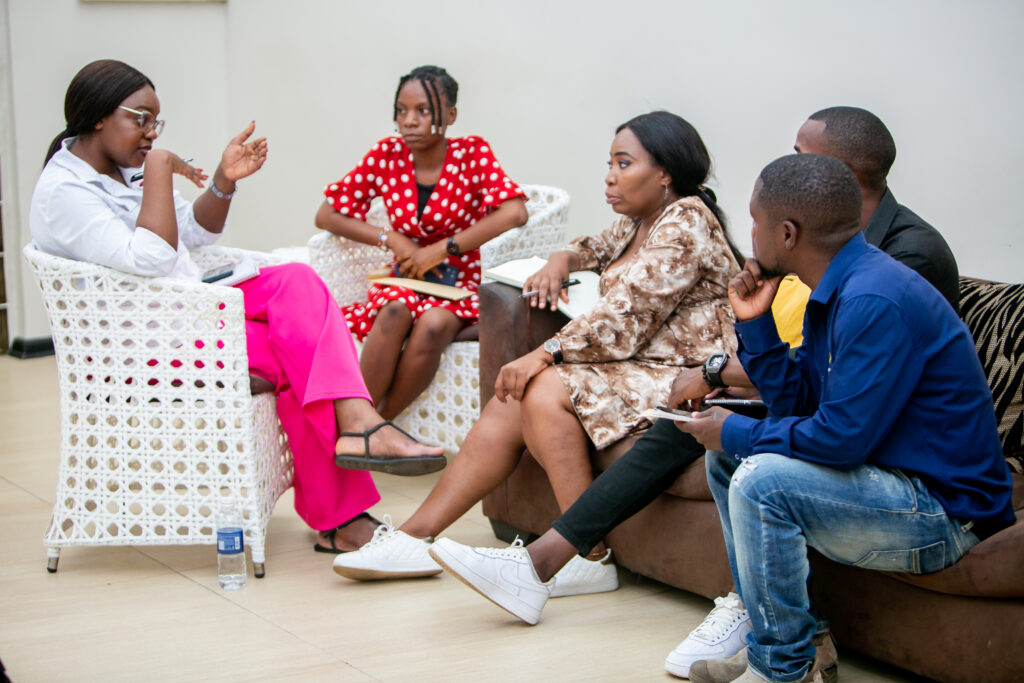
Investigative journalism plays a crucial role in holding public institutions accountable. To support this vital work, the INTOSAI Development Initiative (IDI) and the Office of the Auditor General (OAG) Zambia hosted an Investigative Journalism Workshop from February 4-6, 2025, in Lusaka. Held under the CADRE Project, the workshop equipped journalists with the skills to analyse audit reports, uncover financial mismanagement, and transform findings into compelling stories that drive action.
Led by investigative journalism expert Mr. Joseph Mwenda of News Diggers, along with facilitators from OAG Zambia, TI-Zambia, and BBC Media Action, the sessions provided in-depth training on key topics:
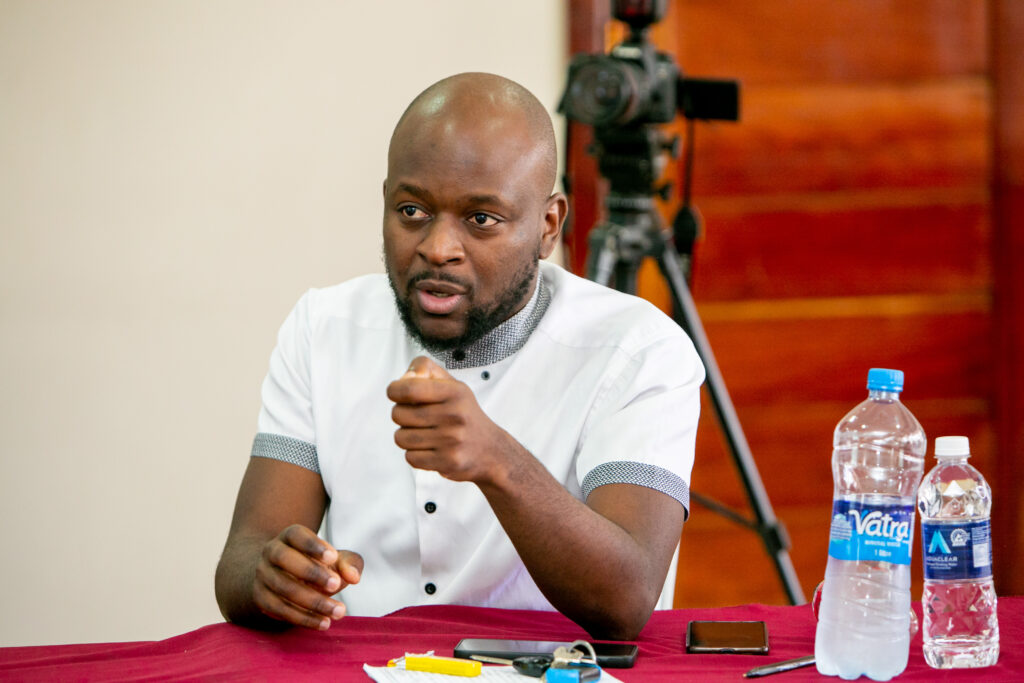
By the end of the workshop, participants developed key action points to implement before the next session in March 2025, including publishing investigative stories based on findings from the OAG 2023 Report and conducting in-depth investigations into critical issues highlighted in audit reports.
The second phase of the workshop, taking place next month, will continue to build on these efforts, further refining investigative techniques and strengthening collaboration between journalists, CSOs, and SAIs.
This workshop reaffirmed the vital role of investigative journalism in ensuring that audit findings lead to real governance improvements. Through the CADRE Project, IDI, OAG Zambia, and their partners remain committed to supporting journalists and accountability actors in the mission to promote transparency and impactful storytelling.
Stay tuned for updates from the March 2025 follow-up workshop!
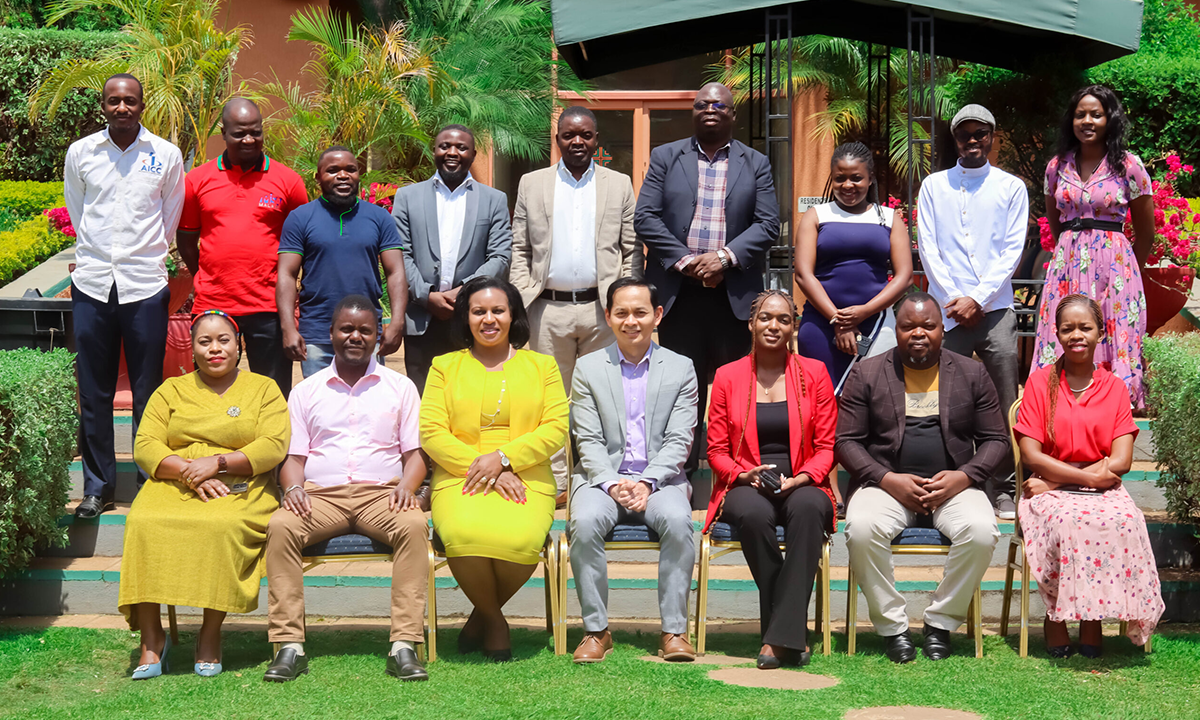
This month, stakeholders from civil society and integrity institutions have been making significant strides in promoting good governance and accountability in Malawi. Part of the CADRE GFP Project, two workshops held in Lilongwe brought together key stakeholders to address critical aspects of public financial management. The focus? Strengthening partnerships between accountability actors and equipping civil society actors to utilize tools to drive transparency and accountability.
Learn more about the outputs and highlights by reading a summary of the takeaways from both workshops below:
Workshop 1: Framework for National Audit Office and Civil Society Collaboration (November 4–8, 2024)
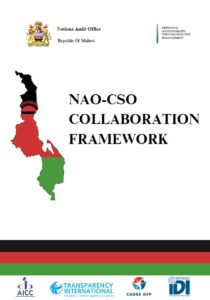
The first workshop aimed to develop a framework to enhance collaboration between the Malawian National Audit Office (NAO) and civil society organisations (CSOs). Building on insights gathered from a previous joint workshop held in Lusaka, Zambia, participants from both the NAO and key CSOs in Malawi crafted a draft framework outlining principles, roles, and strategies for sustained engagement between the NAO and CSOs.
Key Takeaways:
Workshop 2: Building CSO Capacity to Track Audit Recommendations (November 11–13) This follow-up workshop tackled another pressing issue for SAIs: the effective implementation of recommendations from the Auditor General’s report. It focused on equipping CSOs with skills to analyse, track, and advocate for the adoption of these recommendations.
Key Takeaways:
The Broader Impact
These workshops are a testament to the power of collaboration in governance. Attended by global leaders in the transparency space, such as Transparency International, and key CSOs in Malawi, such as Basel Institute on Governance, the Initiative for Climate Action and Development (ICAD), African Institute of Corporate Citizenship, and Malawi Economic Justice Network, the information shared will empower CSOs to strengthen their partnerships with the NAO. Indeed, Malawi is taking bold steps towards a more transparent and accountable use of public resources and is better enabling stakeholders to engage in the budget cycle.
Looking Ahead
The momentum generated by these workshops is just the beginning. The draft collaboration framework and CSO advocacy strategies, as part of the ongoing CADRE GFP project, will be refined and implemented in 2025, ensuring lasting impact. Malawi’s journey in transparency and accountability continues to offer valuable lessons for other stakeholders involved in building stronger and more united integrity systems.
Join the Conversation
How can we further promote collaboration and accountability in public audits? Learn more about the CADRE GFP project here.