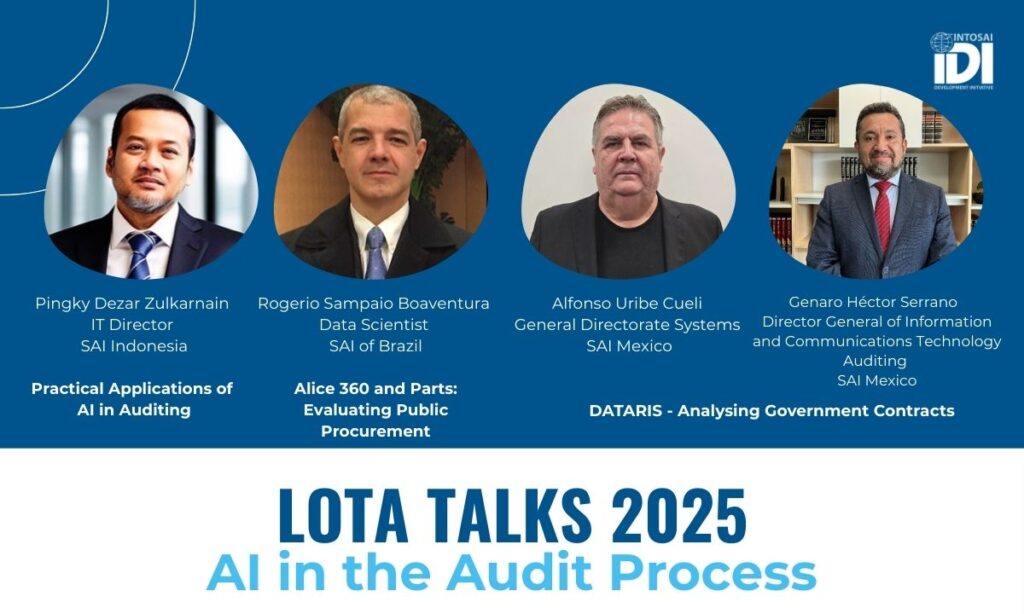
Through the LOTA initiative, IDI is working with stakeholders to explores ways of integrating AI tools and techniques into public sector audits and auditing AI. AI can help auditors analyse large datasets, identify anomalies, and generate insights more efficiently. By adopting AI, SAIs can enhance audit quality, detect risks earlier, and provide more timely recommendations. The IDI’s resources and training equip auditors with the skills needed to navigate the complexities of AI, ensuring audits remain robust and relevant in a digital world.
This year’s theme is “AI in the Auditing Process.” The session will explore not only the use of artificial intelligence but also its integration into the audit workflow, featuring practical examples and real-world experiences.
The recording of the session is available in English, French, Spanish, and Arabic.
👉 Access the recordings here.
Audio Settings Guidance
To ensure you hear the correct language during playback:
To listen in English: select “Original Audio” in the settings.
When the Spanish-language presentation begins: To listen in Spanish, switch to Original Audio. To continue listening in English: switch to English.
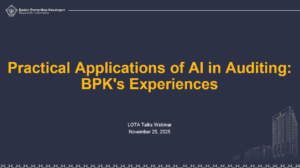
Practical Applications of AI in Auditing: SAI Indonesia’s Experiences
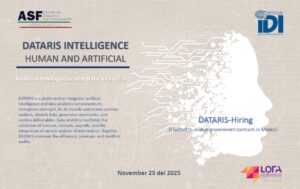
DATARIS Contrating: SAI Mexico
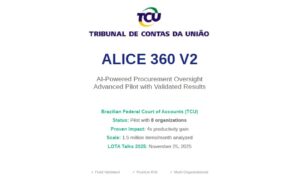
ALICE 360 V2.0 – AI in Procurement Oversight – SAI Brazil
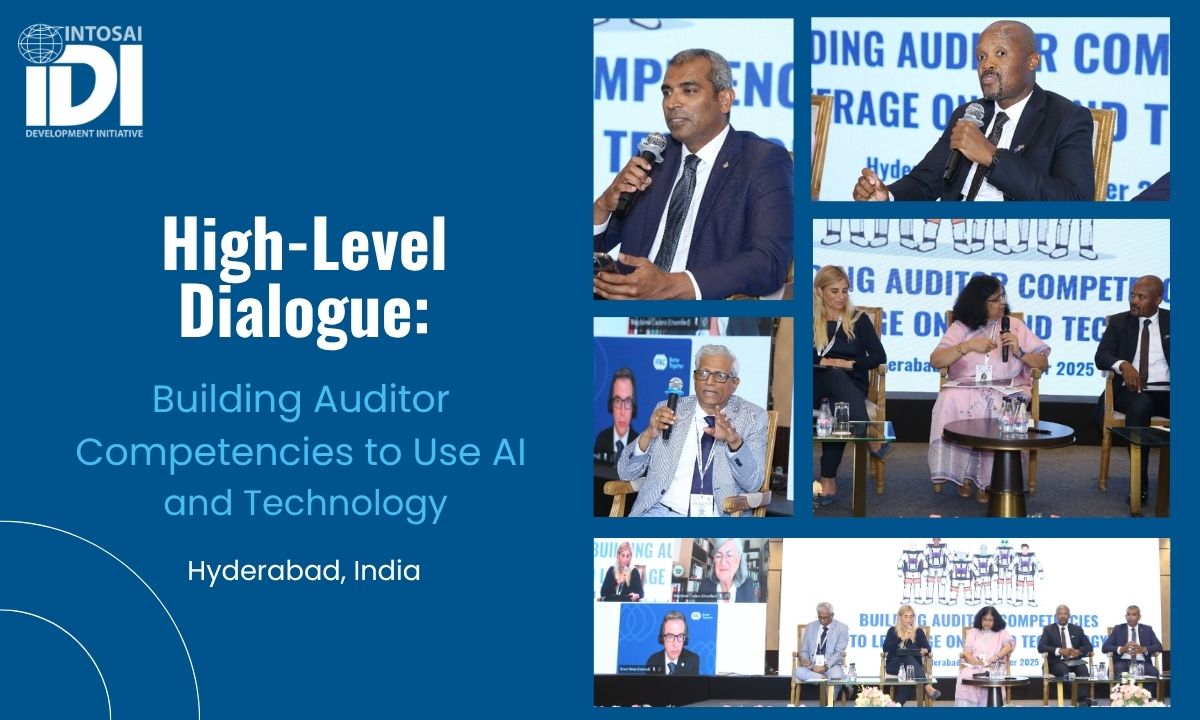
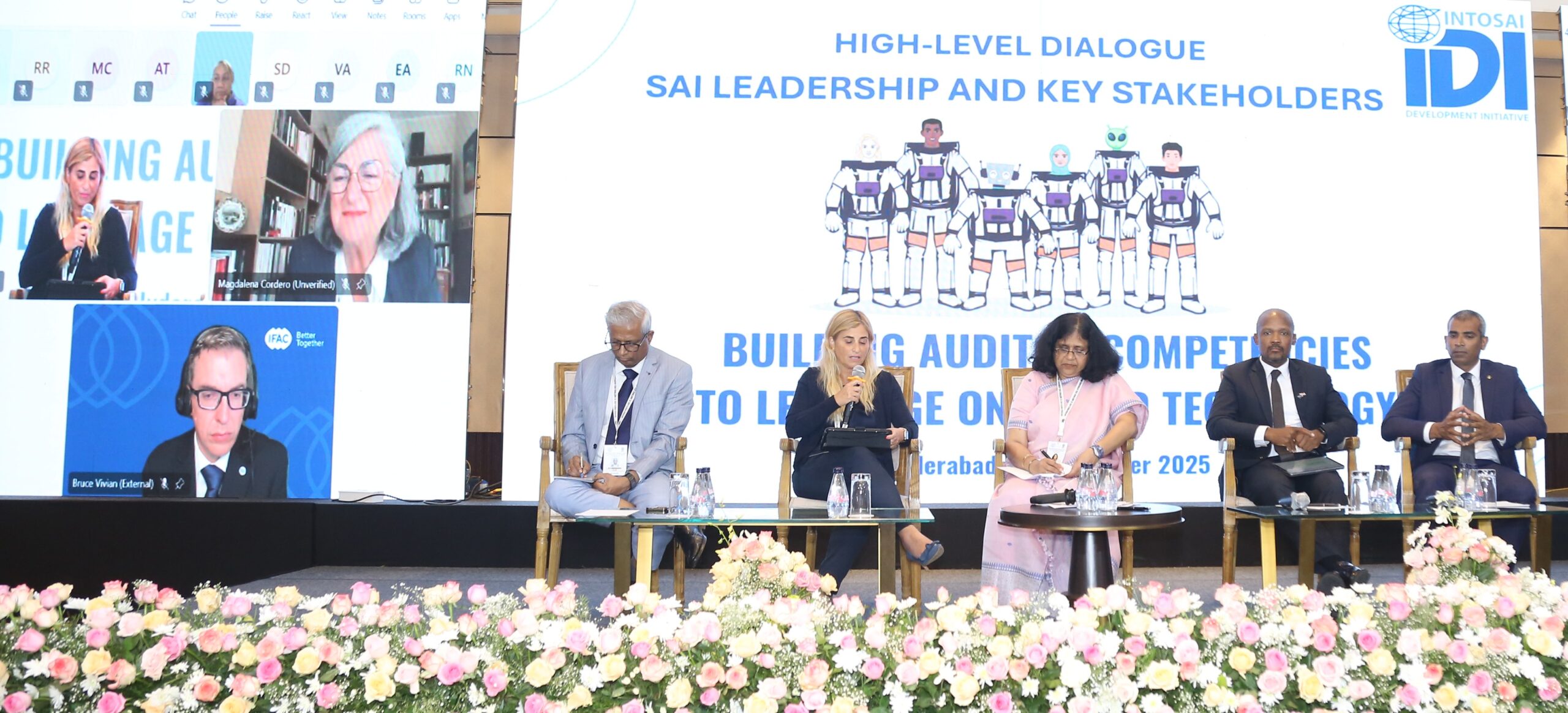
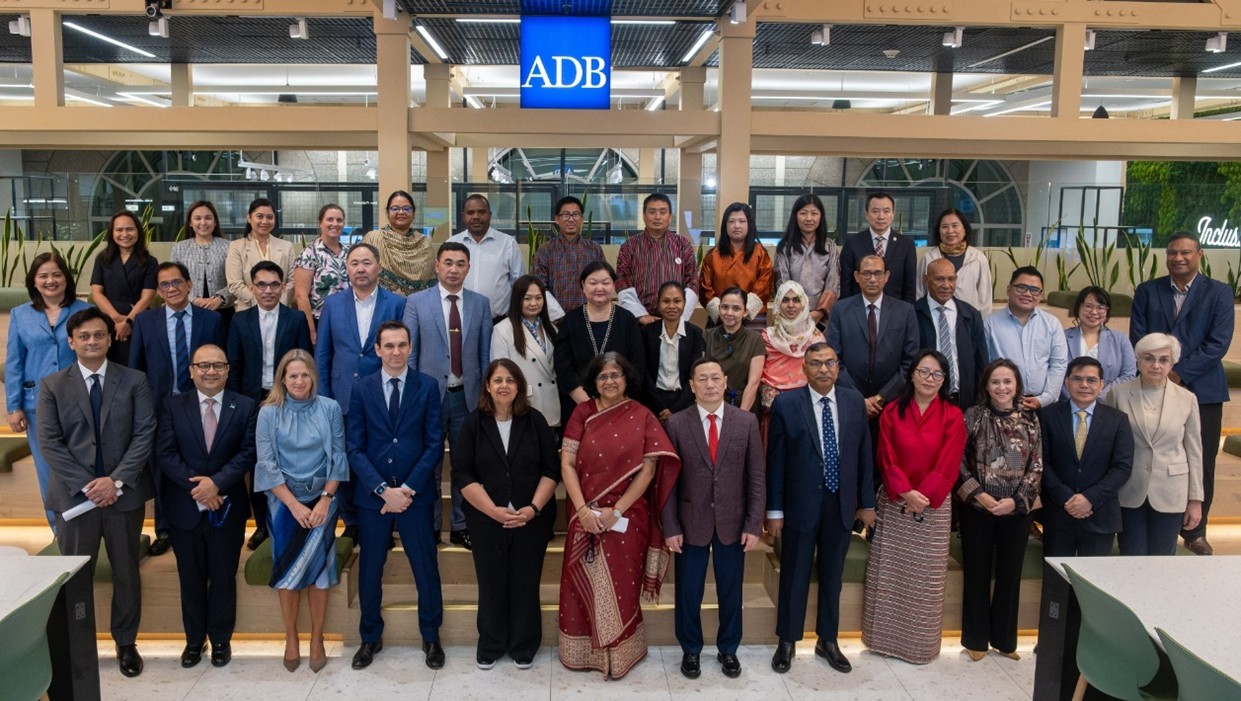
On 11 September 2025, the INTOSAI Development Initiative (IDI) hosted a High-Level Dialogue in Hyderabad, India, in conjunction with the INTOSAI WGITA Meeting and Summit. The event brought together leaders and experts from Supreme Audit Institutions (SAIs) to discuss ‘Building Auditor Competencies to Use AI and Technology’.
Conducted in a hybrid format, the dialogue explored how technologies such as Artificial Intelligence (AI) and data analytics are transforming public sector auditing and the competencies needed by a future-ready SAI auditor. The dialogue also created an opportunity for IDI to share its plans for supporting SAIs with using data analytics and to celebrate success by giving away the LOTA awards.
Archana Shirsat, Deputy Director General IDI, moderated the Strategic Dialogue on Building Future Ready SAI Auditors for leveraging on technology and AI. She facilitated the panel of distinguished panellists in deliberating on the competencies needed by SAI auditors to leverage on and audit technological advancements, including AI, how SAIs were building these competencies, the specific challenges of Small Island Developing States (SIDS), and working together to grow future-ready SAI Auditors.
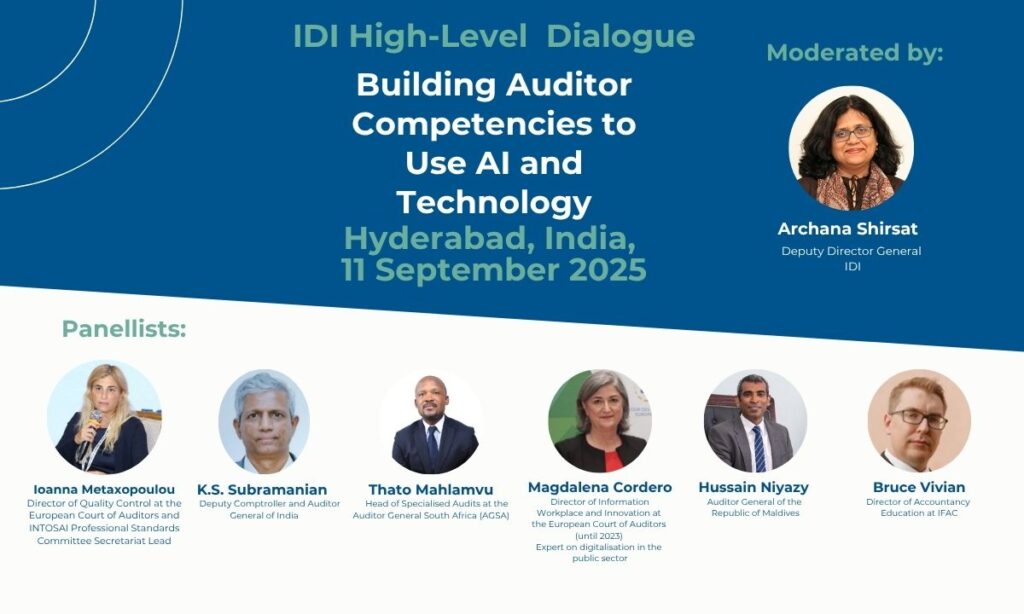
Key messages from the panel discussion
Ioanna Metaxopoulou stated that technology and audit methods must integrate within SAIs. She affirmed that existing international audit standards (ISSAIs) remain the main guide, with technology enhancing audit quality and efficiency. She stressed that auditors need digital fluency, data analytics skills, and adaptability. She also highlighted team-based competence, combining audit skills with IT knowledge, and fostering collaboration within the INTOSAI community.
K.S. Subramanian quoted, “AI will not replace human beings, but a human being who knows AI will replace a human being who doesn’t know AI,” showing why all auditors need basic tech skills. He proposed a three-part plan: basic IT skills for all auditors, advanced skills for tech and AI expert auditors, and Tech and AI competencies for SAI leaders. He detailed SAI India’s initiatives, including a 10-month online training for 5,000 auditors in AI and ML with, and a 3-day programme for senior management. He also shared SAI India’s initiative of urging and encouraging the audited entities to digitise, and the need for SAIs to build confidence of audited entities through non-disclosure agreements, security assessments, and robust data handling protocols.
Thato Mahlamvu reiterated that SAIs’ main job is to improve citizens’ lives, ensuring all tech investments support this goal. He spoke about balancing technical skills with soft skills like critical thinking, professional scepticism, adaptability, and digital knowledge. AGSA has a programme for young data analysts and a cyber centre to centralise tech support. He stressed that strong leadership and smart investments are key. He ended by saying AI should be a ‘co-pilot,’ not the ‘pilot,’ meaning human judgment and ethics are still most important.
Hussain Niyazy spoke about challenges faced by smaller SAIs in Small Island Developing States (SIDS), which often have few staff. He noted that even AI tools don’t seem to know much about SAIs in SIDS, showing a lack of information about them. He said smaller SAIs need new and specific ways to use technology and do IS audits. He suggested clear plans and public communication about what audits cover. SAI Maldives first hired private companies for IS audits, but now has a small team of six to help other audit departments with data analysis. He stressed simple checks, like making sure data is backed up offsite, and how certified experts (like CISA) make audit reports more trustworthy.
Magdalena Cordero focused on how technology changes organisations and how they work. Ms. Cordero explained that training auditors means preparing people for the whole process of new ideas, not just teaching tech skills. She listed three main jobs for SAIs in digital change: SAIs must change themselves, audit government bodies that are changing digitally (like using algorithms), and help the public sector become more digital through advice. She said auditing algorithms means checking data, code, and how they are used, with data being the hardest part. She stressed that learning must be continuous because technology changes so fast. She also said that auditors need to work in teams with different skills, as no single ‘super auditor’ exists.
Bruce Vivian stated that AI, especially generative AI, will completely change auditing and the skills auditors need. He sees AI as an ‘audit team member,’ rather than a tool, which brings up questions about how to train AI to follow ethical rules and be professionally doubtful. He warned that AI could seriously challenge traditional audit firms if they don’t adapt to new AI-powered audit tools. He emphasised the importance of being open-minded and continually adapting, as technology is constantly evolving. Mr. Vivian also spoke about ‘democratisation of education’ through AI, meaning high-quality learning will be available to more people worldwide. He divided skills into ‘human-to-AI’ (using tech, writing good prompts, understanding AI rules) and ‘human-to-human’ (communication, critical thinking, professional doubt). He stressed that humans must stay in charge of audit decisions.
SAI Audit Analytics Initiative
Nicole Silva de Freitas, Manager IDI, shared IDI’s plans for supporting SAI auditors in using data analytics and AI in auditing. The ‘SAI Audit Analytics’ Initiative offers support to SAI auditors at three levels – foundational, intermediate and advanced levels to address the diversity of needs. Based on discussions with key stakeholders, IDI plans to link this initiative with the SAI Technology Auditor initiative and, going forward, focus more on integrating audit and tech skills, focus on systems of digitalisation, stakeholder coalitions for tech and AI and a digital mindset and culture in the SAIs.
LOTA Pioneer Awards
The High-level dialogue also provided us with an opportunity to celebrate excellence by presenting two LOTA Pioneers Awards:
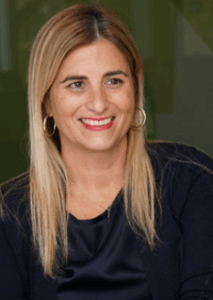
Joanna Metaxopoulou has extensive experience in the European public sector. Currently, she leads the Directorate of the Audit Quality Control Committee (that includes also the Data and Technology for Audit team) at the European Court of Auditors (ECA) in Luxembourg. Joanna also heads the secretariat for the INTOSAI Professional Standards Committee which leads the way in setting audit standards for the public sector. Her journey at the ECA began in 1998, when she specialised in audit methodology, before progressing to senior roles, including Senior Auditor and Head of Task. In 2018, she became Director of Chamber IV, where she led and oversaw performance audits across critical areas such as banking and financial systems, economic policy, and major EU investment programmes.
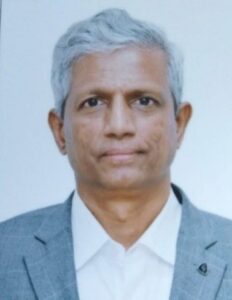
Mr K.S. Subramanian, IA&AS, has been working with the Office of the Comptroller & Auditor General of India (CAG) since 1990.
Presently, he is working as Deputy Comptroller & Auditor General and looking after Human Resources, International Relations and Legal charges.
He is also a Qualified Cost Accountant (CA) and Company Secretary (CS), a Certified Information systems Auditor (CISA), Certified Internal Auditor (CIA) and Certified Fraud Examiner (CFE).
Mr Subramanian has vast experience in international relations including auditing multilateral agencies like United Nations (UN), UN Peace Keeping Force, World Food Programme (WFP) and World Health Organization (WHO).
Since 2001 he has been involved with several international capacity development programmes and conducted several training programmes across continents.
From May 2005 to May 2010, Mr Subramanian worked on Secondment with the Audit Office of Qatar as an expert for five years.
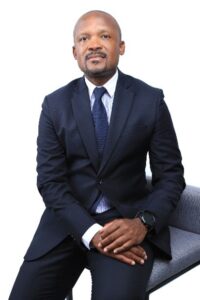
Thato Mahlamvu is a results-oriented leader with a strong track record in internal and external audit, IT audit, IT governance, and risk management within sectors like ICT, transport and logistics, financial services, mining, and energy. Since January 2024, he has been the Head of Specialised Audit Services at the Auditor-General of South Africa (AGSA), where he leads Information Systems Audit, Performance Audit, Innovation and Integration, and Investigations, and contributes as a member of the Executive Committee and Chairperson of the Project Portfolio Investment, and IT Steering Committees. His prior 10-year tenure as Head of Advisory Services at a leading consultancy saw him drive critical business turnaround, restructuring, and team integration efforts. Thato’s qualifications include an Honours in Bachelor of Science (Information Systems) and an MBA, equipping him with a comprehensive perspective for effective business leadership.
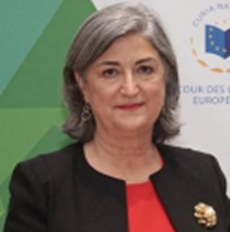
Magdalena Cordero is renowned international expert on digitalization in the public sector. For the last 15 years, she was Director of Information, Workplace and Innovation at the European Court of Auditors. She was, among others, Director of the Data Bank of the Centre for Sociological Research and Head of Sector for Information Systems for Human Resources Management at the European Commission. Her interest was always innovation and change management, particularly the impact of information technologies on process digitalization and, above all, on organisational transformation. At present, she is focused on digital audit, a great challenge of this beginning of the 21st century.
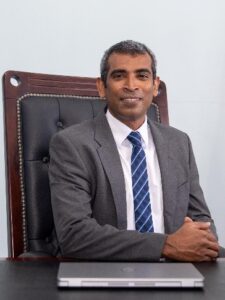
Auditor General Hussain Niyazy is a public audit professional with extensive experience in finance, accounting, and auditing. He is a Chartered Management Accountant (ACMA) and Chartered Global Management Accountant (CGMA) with over 25 years of service at the Auditor General’s Office (AGO).
Mr. Hussain Niyazy began his career at the AGO, formerly the Maldives Audit Office, as an Accounting Officer Trainee in 1997. Since then, he has shown strong commitment and contributed greatly to strengthening public audit and financial management in the Maldives.
He is a former President and current Council Member of CA Maldives and serves internationally as Vice Chair of the INTOSAI Working Group on Environmental Auditing (WGEA).
Prior to his appointment as Auditor General, he led the Financial Audit Division as Assistant Auditor General and oversaw the regulation of the private sector audit profession. He also chaired the Licensing and Disciplinary Committee of the Auditor General.
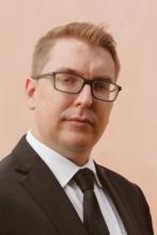
Bruce is a Chartered Accountant (SA) and executive leader with 18 years of experience working in and for the accountancy profession at local, regional, and international levels. He has expertise in accountancy education and a passion for sustainable development and international cooperation. He has worked in the public, private, and non-profit sectors. He believes in the power of bringing together stakeholders and volunteers from different cultures and contexts to drive positive change.
Bruce joined the IFAC staff in 2021. He currently serves as Director for Accountancy Education, leading IFAC’s work to advance accountancy education around the world.
High-Level Dialogue on Building Auditor Competencies to leverage on AI and Technology
11 September 2025, Hyderabad, India

| Continuous Auditing of municipal procedures vulnerable to corruption Rocío Alfaro Vargas | Systems Engineer, SAI Costa Rica |
| Automated data flow and processing for financial auditing Alvar Nouakas & Hanna-Marleen Penno | IT Audit manager & Financial audit manager, SAI Estonia & Head of EUROSAI ITWG Secretariat |
| Setting up an analytics platform in CDMA for Continuous Monitoring Raj Kamal Ranjan | Director at the Centre for Data Management and Analytics at SAI India, SAI India |
| Governance Risk Assessment System: Advanced Data Analytics to Deter Corruption Daniel Ortega Nieto | Lead Governance Specialist / Program Manager GovTech and Innovation, World Bank |
After discussing “Innovative SAIs Going F.A.R.” in 2020, we reflected on “Innovating for Impact” as the main theme of SAI Innovations for 2021, in 2022 we plan to meet LOTA (Leveraging on Technological Advancement) initiative as our SAI panelists share their experience on the use of data analytics in Financial Audit.
Under this theme, we want to share experiences and practical use case from 11 SAIs representing different INTOSAI regions. The questions that SAI panelists will answer include:
Ensuring the availability of healthcare services during and after COVID-19
Mr. Māris Svilāns | CEO, Infotrust
Maris Svilans has 20 years of experience as BI consultant, helping customer to extract value out of their data and applying analytics techniques to solve real-world issues. For the past four years significant part of projects were related to healthcare industry. He is part of the Infotrust team of 40+ data analytics and data management experts. Maris is sharing his experiences on ensuring the availability of healthcare services during and after Covid-19 by auditing of existing processes and using data to locate process improvements potential.
Applications of Data Analytics in different types of Healthcare Audits
Mr. Ajie Amiseno | Senior Auditor and Data Analyst, BPK Indonesia
Ajie is a Senior Auditor and Data Analyst at BPK Indonesia. He is a performance audit team leader in Health Resources Management and Health Financial Management. Ajie is also involved in Healthcare Foresight Opinion Project, and Covid-19 Disease Control Thematic Audit Task Force. Ajie shares his experience on how data analytics may be used in different types of Healthcare Audits and show cases one of recently finished projects.
This time we met to talk about Cybersecurity
Our speakers:
| Performance Audit of Preparedness for Cybersecurity: Bhutan Experience
Kinley Zam | Performance Auditor, SAI Bhutan |
|
| Audit of Cybersecurity
Renato Braga | Security Information Audit Manager, SAI Brazil |
|
| Audit of Zero Trust Architecture
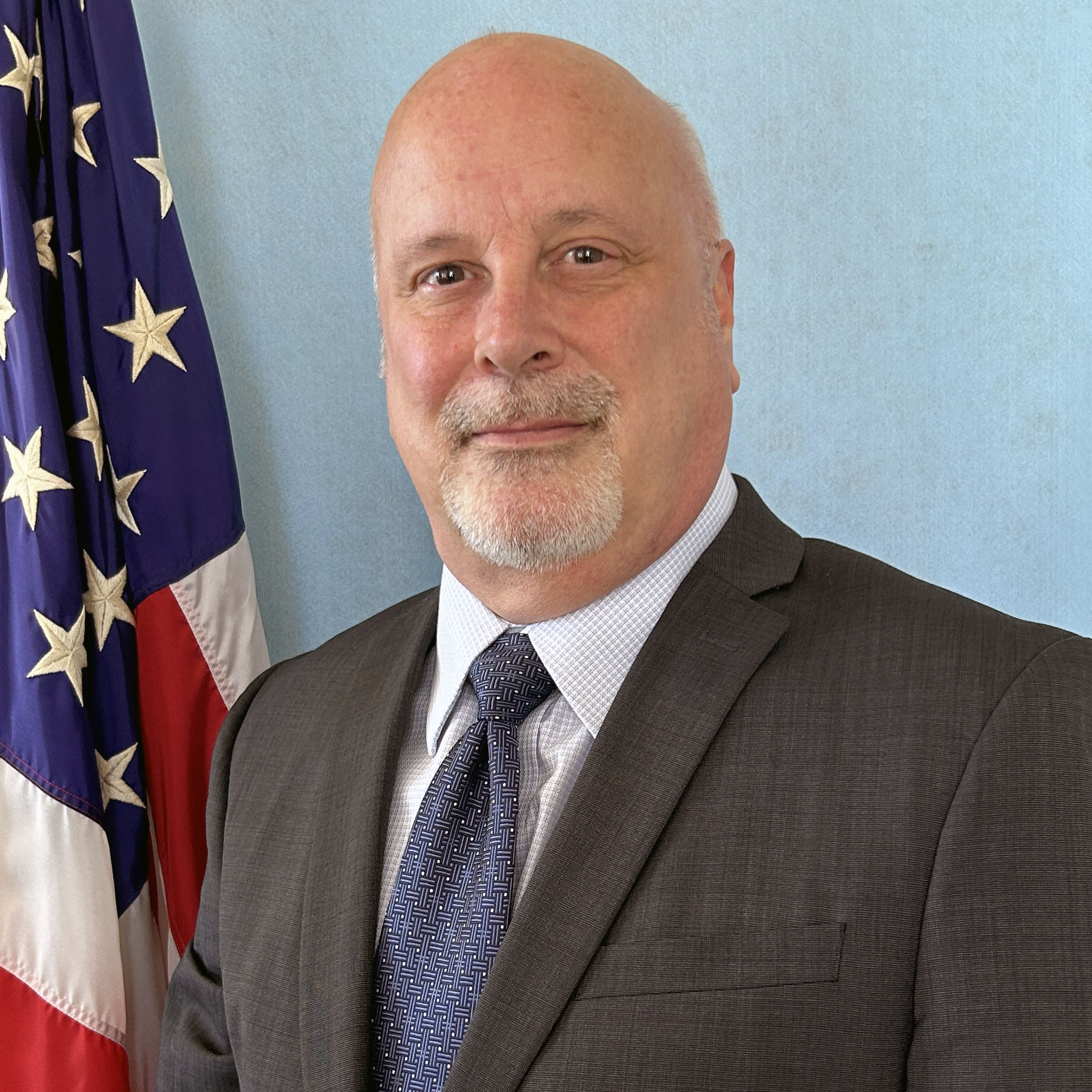
Jeff Knott | Assistant Director, IT and Cybersecurity, SAI USA |
|
| Cybersecurity in a rapidly evolving Space industry
George Tountas | Senior Manager, Information Security , SES Satellites |
|
| Cybersecurity and data protection
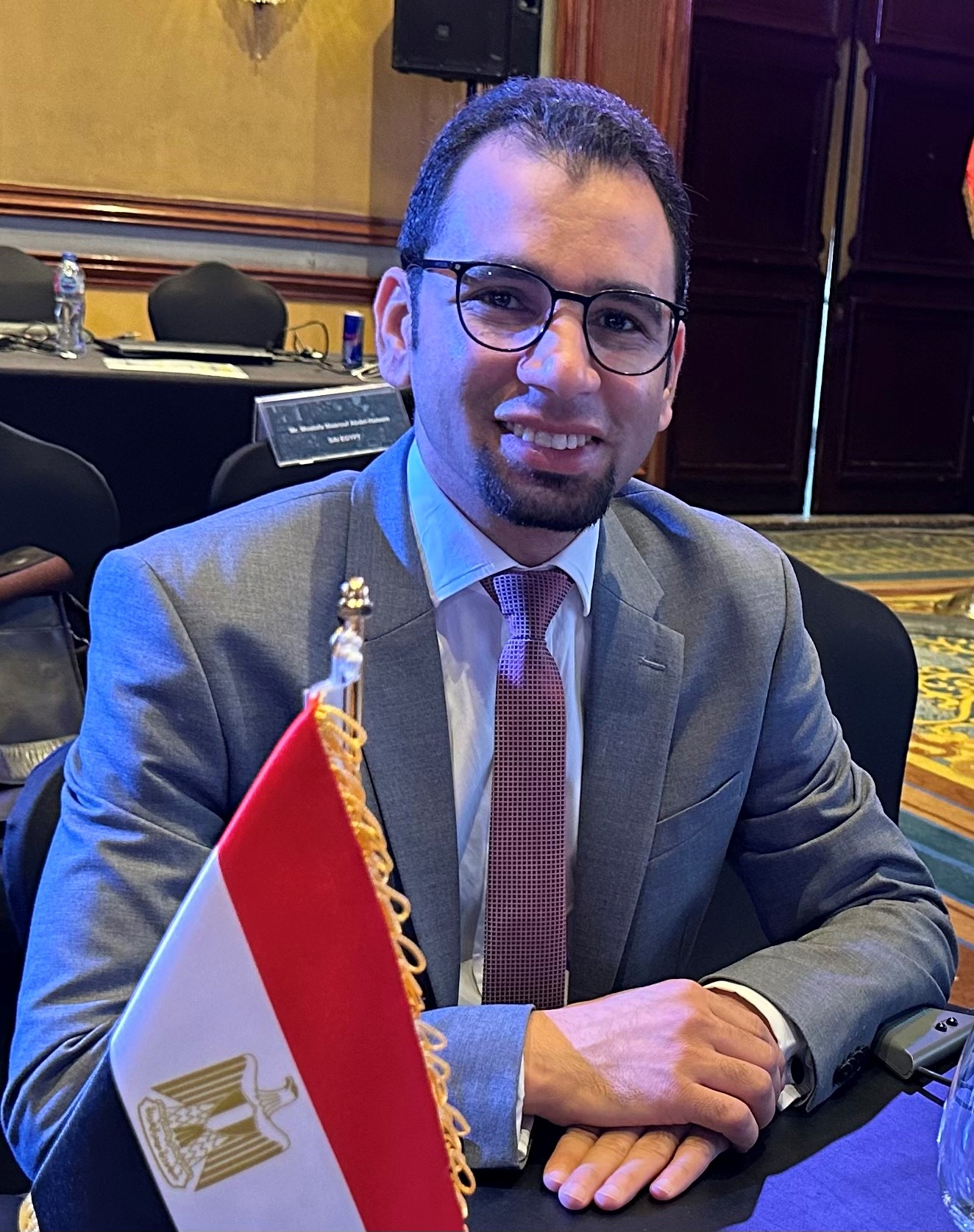
Kareem Ismail | Senior Auditor, SAI Egypt |
|
| Cybersecurity and data protection guidelines
Roberto Hernandez Rojas Valderrama | IT Audit Director, SAI Mexico |
|
| Cybersecurity and internal auditors
José Manuel Espinoza Reyes | System Engineer, SAI Costa Rica |