News
Headway made on IDI’s Global Project at latest planning meeting in Paris
06/03/2025
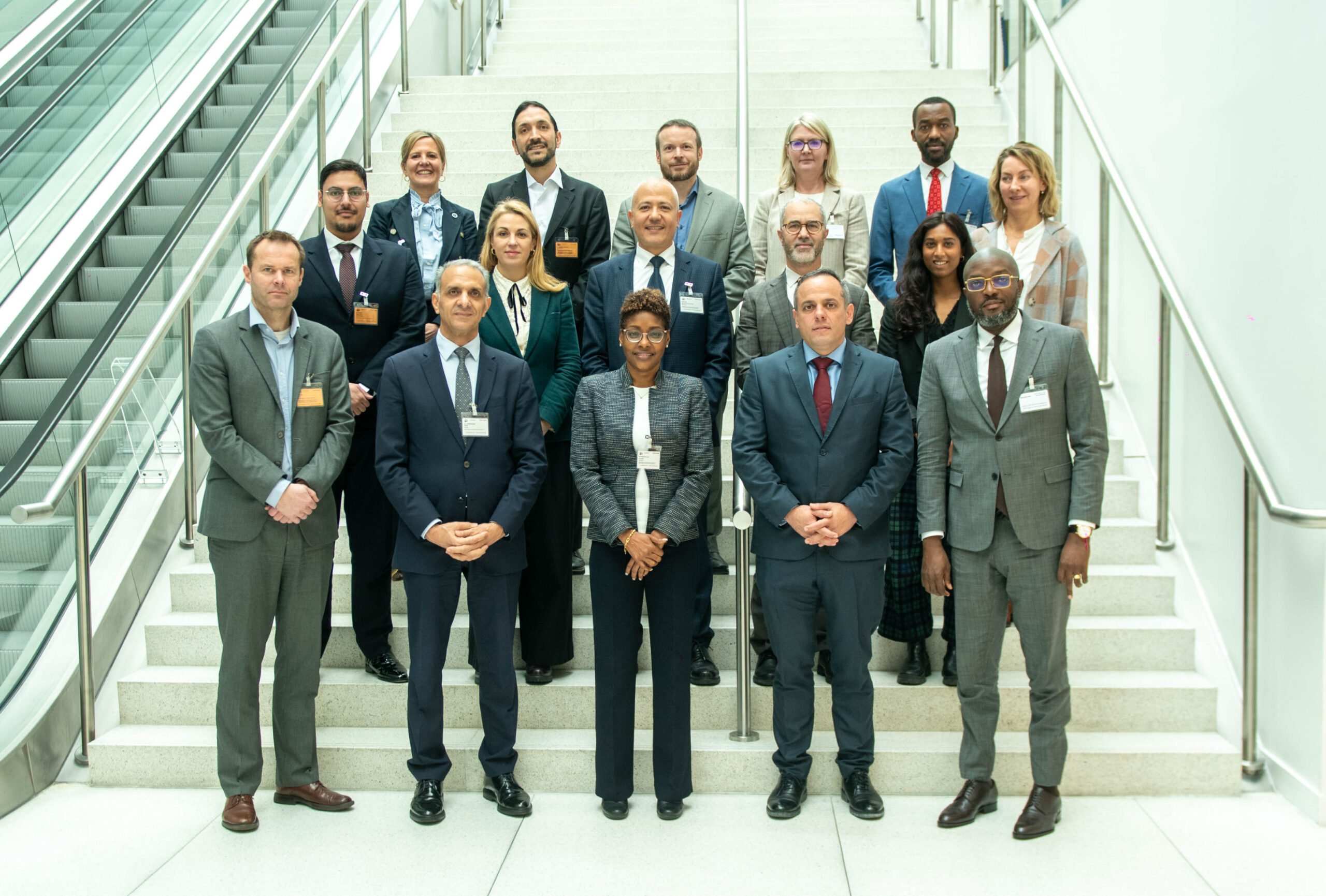
IDI and OECD recently hosted a high-level meeting and planning session in Paris to advance the Global Project on SAI Independence. The event, held from 27-29 January, 2025 brought together key stakeholders, including INTOSAI leadership, international organisations, and Supreme Audit Institutions (SAIs), to discuss the evolving challenges to SAI independence and the critical role of collaboration in safeguarding public accountability.
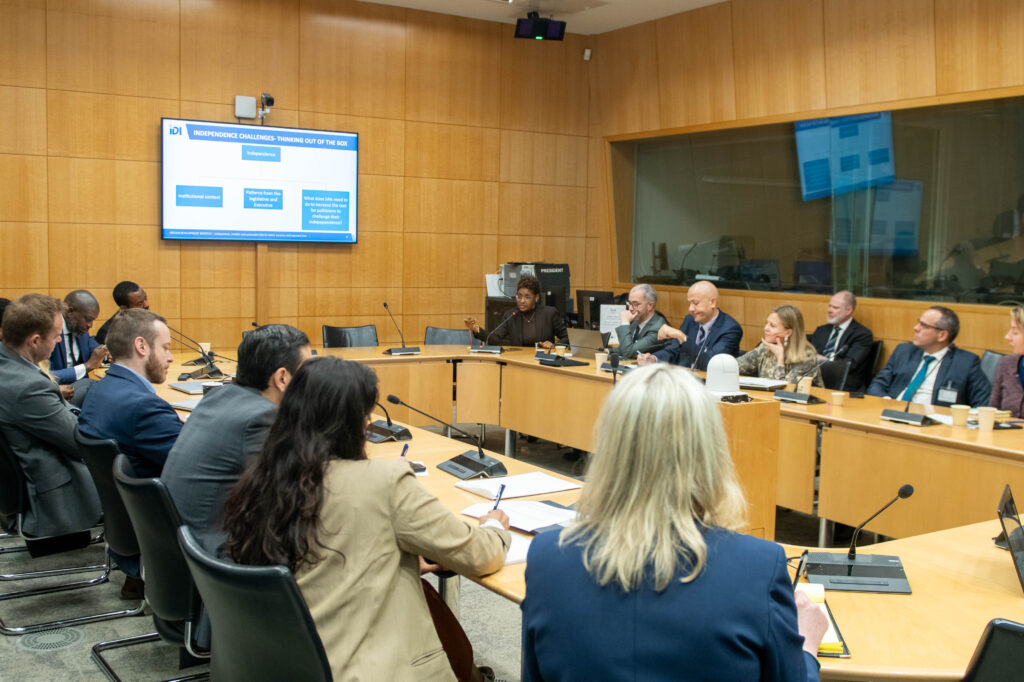
The high-level meeting underscored the urgency of protecting SAIs from undue influence, emphasising that independence is not just a legal matter but a dynamic process influenced by political, institutional, and societal factors. Representatives from INTOSAI, OECD, the World Bank, and key national audit institutions highlighted the need for a more comprehensive approach that considers both formal and informal influences on SAI independence.
Gene Dodaro, Comptroller General of the United States, reinforced that defending SAI independence requires more than legal frameworks—it is a relationship-driven effort that depends on strong alliances at both the country and global levels. Similarly, Karl Eirik Schjøtt-Pedersen, Auditor General of Norway and Chair of the IDI Governing Board, highlighted data from IDI and the World Bank showing that SAIs worldwide face increasing threats to their ability to operate independently. In addition, Dr. Hussam Alangari, Chair of the Policy, Finance and Administration Committee, as well as President of the General Court of Audit of Saudi Arabia, highlighted that the importance of SAI independence has been globally recognised since the Lima Declaration over 40 years ago, and remains an ongoing process that SAIs continue to strive for.
The Global Project, a joint initiative between IDI and OECD, aims to address these challenges by identifying the informal factors that shape SAI independence, such as political dynamics, organisational culture, and stakeholder interactions. By leveraging research and strategic advocacy, the project seeks to provide actionable recommendations for strengthening SAI independence beyond legal provisions.
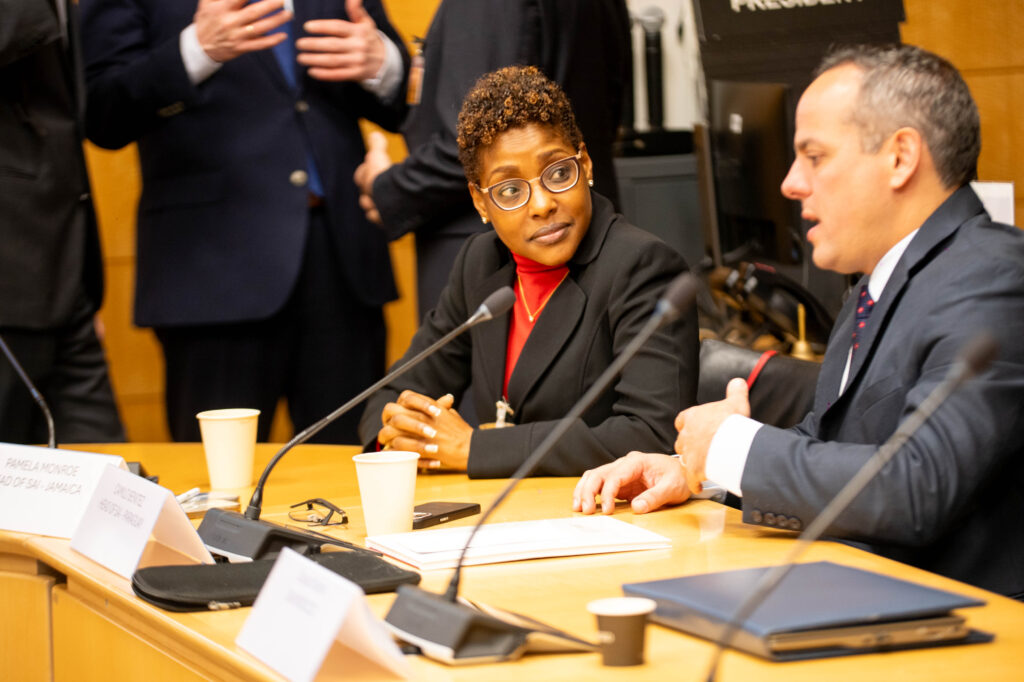
Following the discussions, the project will now enter its next phase: conducting in-depth country visits to identify good practices and assess the real-world challenges SAIs face. These visits will gather critical insights on how SAIs navigate informal pressures and the mechanisms that help sustain their independence. Representatives from Jamaica, Liberia, Jordan, Morocco, and Spain have committed to participating in this effort, alongside key international partners such as the INTOSAI General Secretariat, the Saudi Arabian General Court of Audit (GAC), the US Government Accountability Office (GAO), the Swiss State Secretariat for Economic Affairs (SECO), and the World Bank.
An IDI-OECD report summarising the findings will be developed, offering a set of recommendations based on international best practices. This report will serve as a valuable resource for SAIs and their allies, helping to shape future advocacy efforts and policy decisions to protect audit institutions from political and institutional pressures.
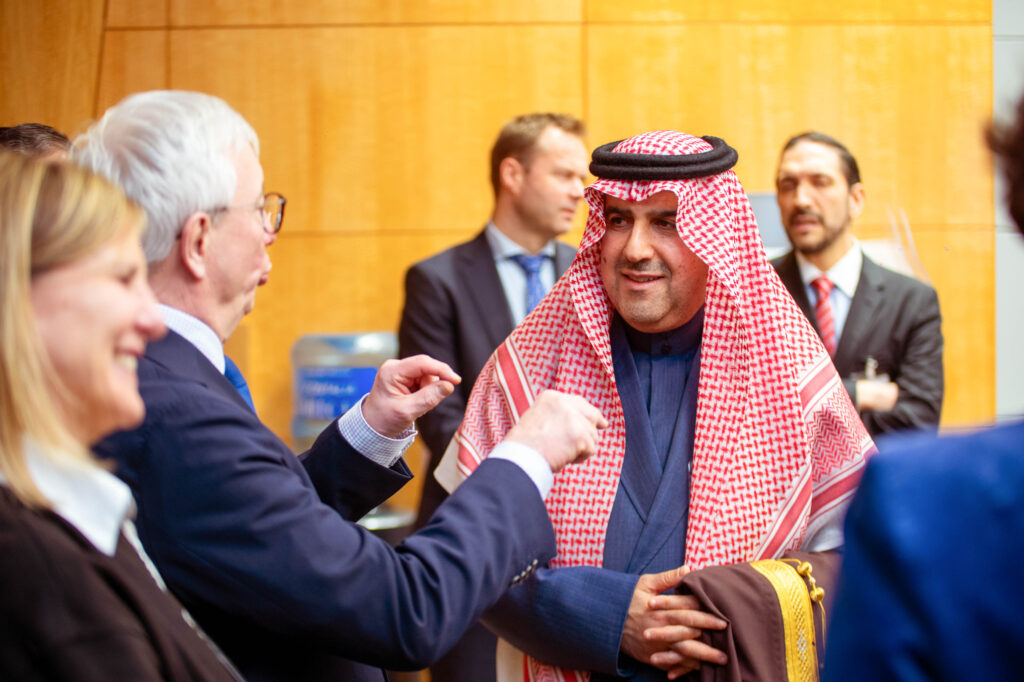
Beyond shaping the content of the Global Project, the meeting in Paris reinforced the importance of global partnerships in advancing SAI independence. A notable highlight was a meeting between US Comptroller General Gene Dodaro and the OECD Secretary-General Mathias Cormann, further strengthening collaboration between key international actors.
The Global Project is not just about research—it is about fostering a movement that mobilises governments, oversight bodies, and civil society to champion SAI independence as a pillar of good governance. Through continued dialogue, data-driven advocacy, and strategic alliances, the project aims to ensure that SAIs worldwide can fulfil their crucial role in holding power to account.
As the project progresses, IDI and OECD will continue engaging with stakeholders to drive meaningful change. Stay tuned for updates as we move forward in this collective effort to enhance public sector accountability and governance.

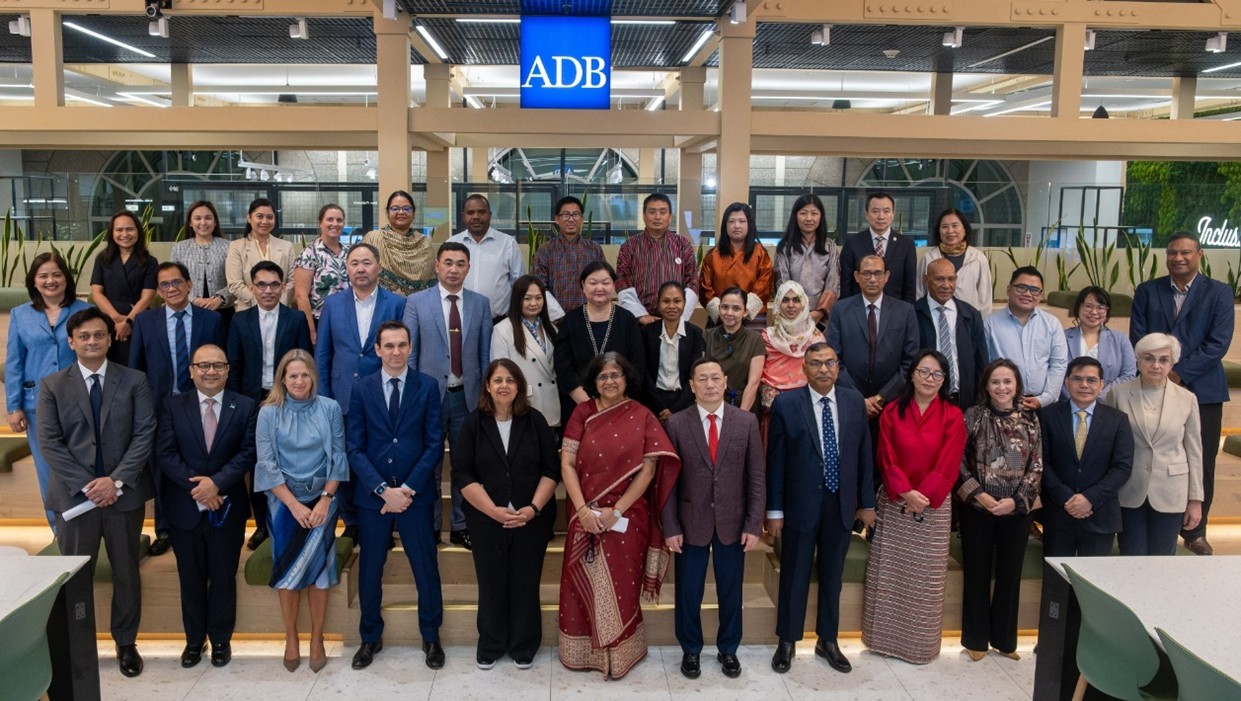
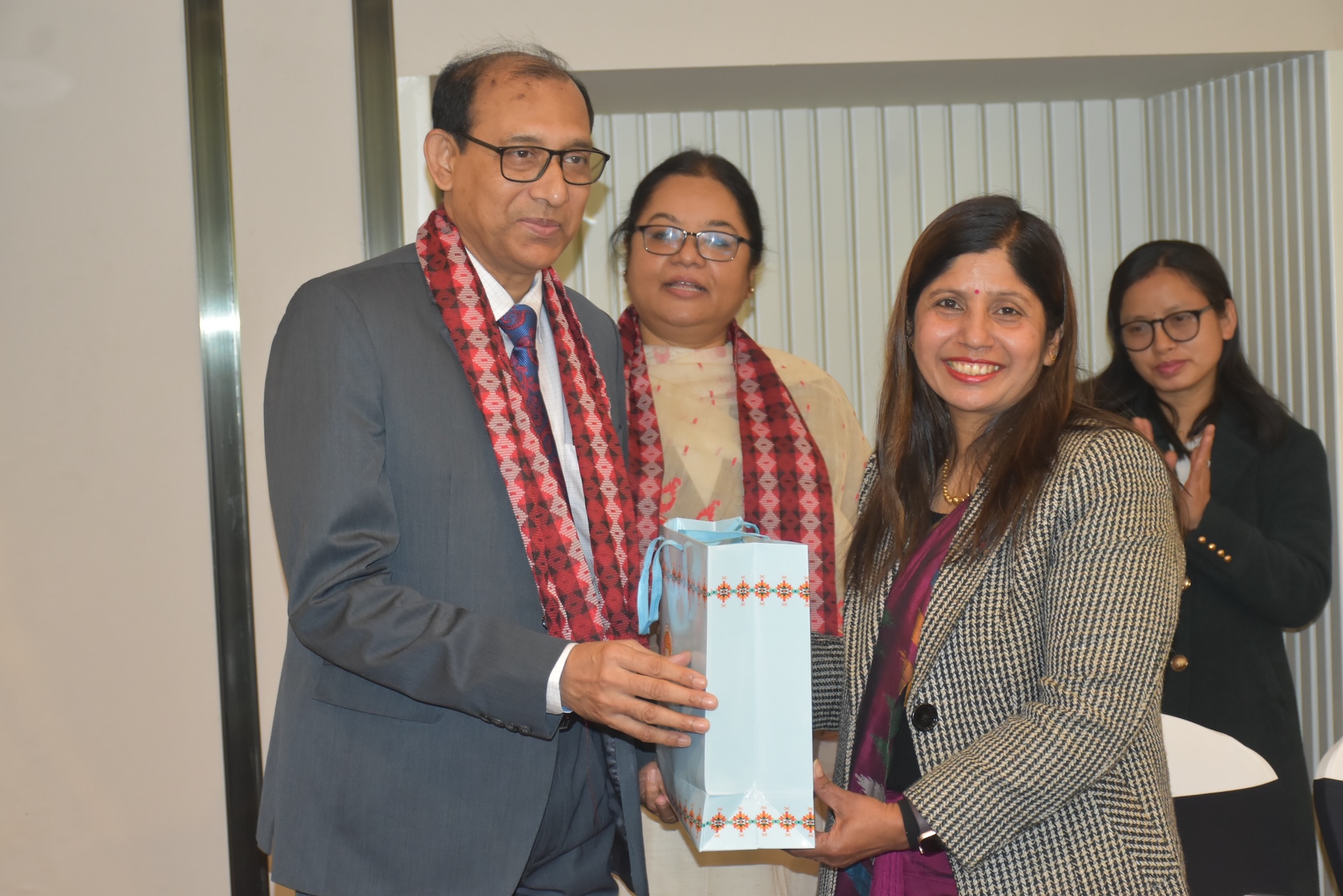
Below, you can hear from our esteemed host, the Honourable Auditor General of SAI Nepal. He shares his valuable insights on the event. He explains why SAI Nepal is committed to participating in the IDI-ADB Sustainable Performance Audit Practices in Asia and the Pacific Initiative.
What makes a great performance auditor? Skills, knowledge, and experience – but how do you build them systematically?
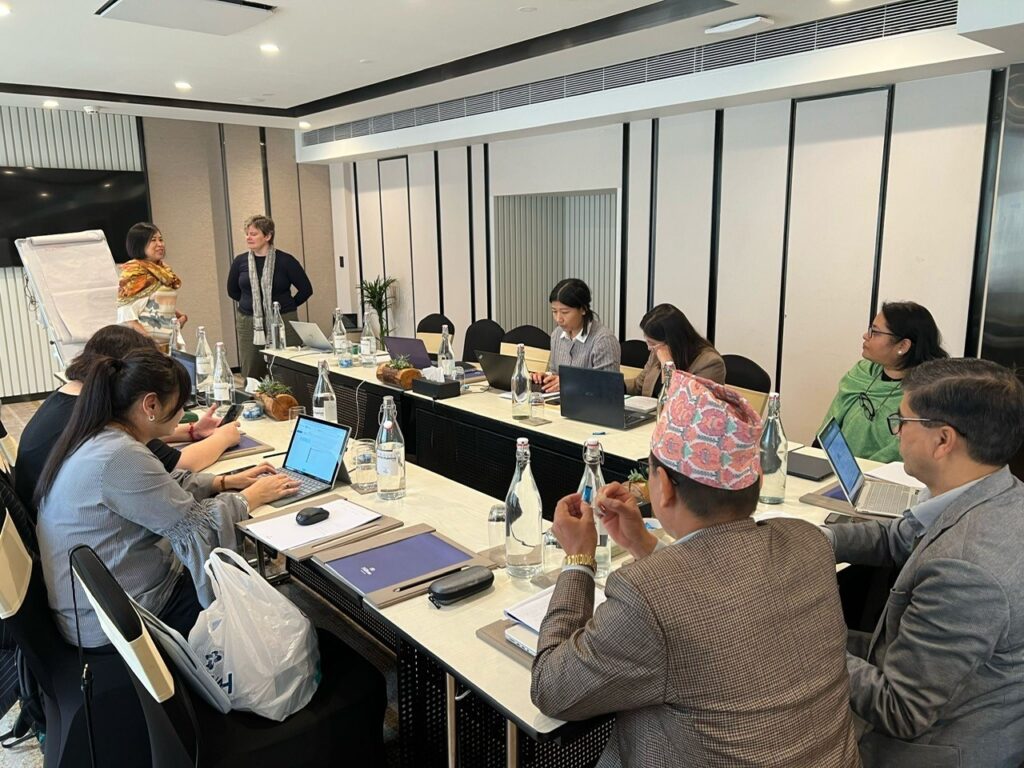
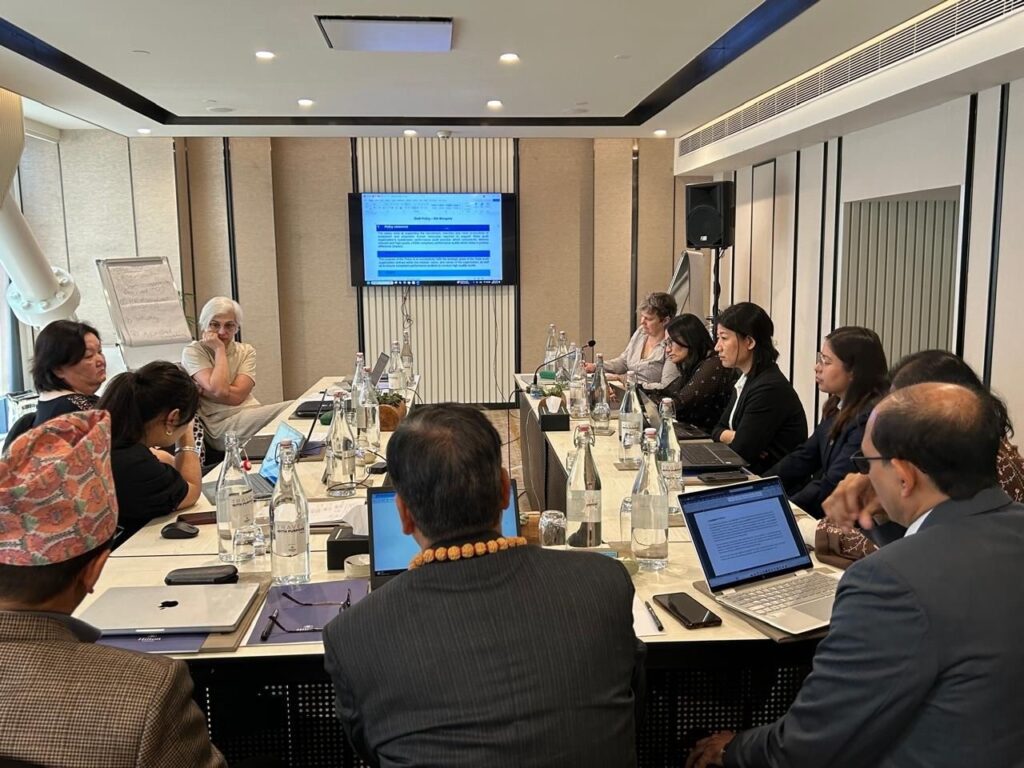
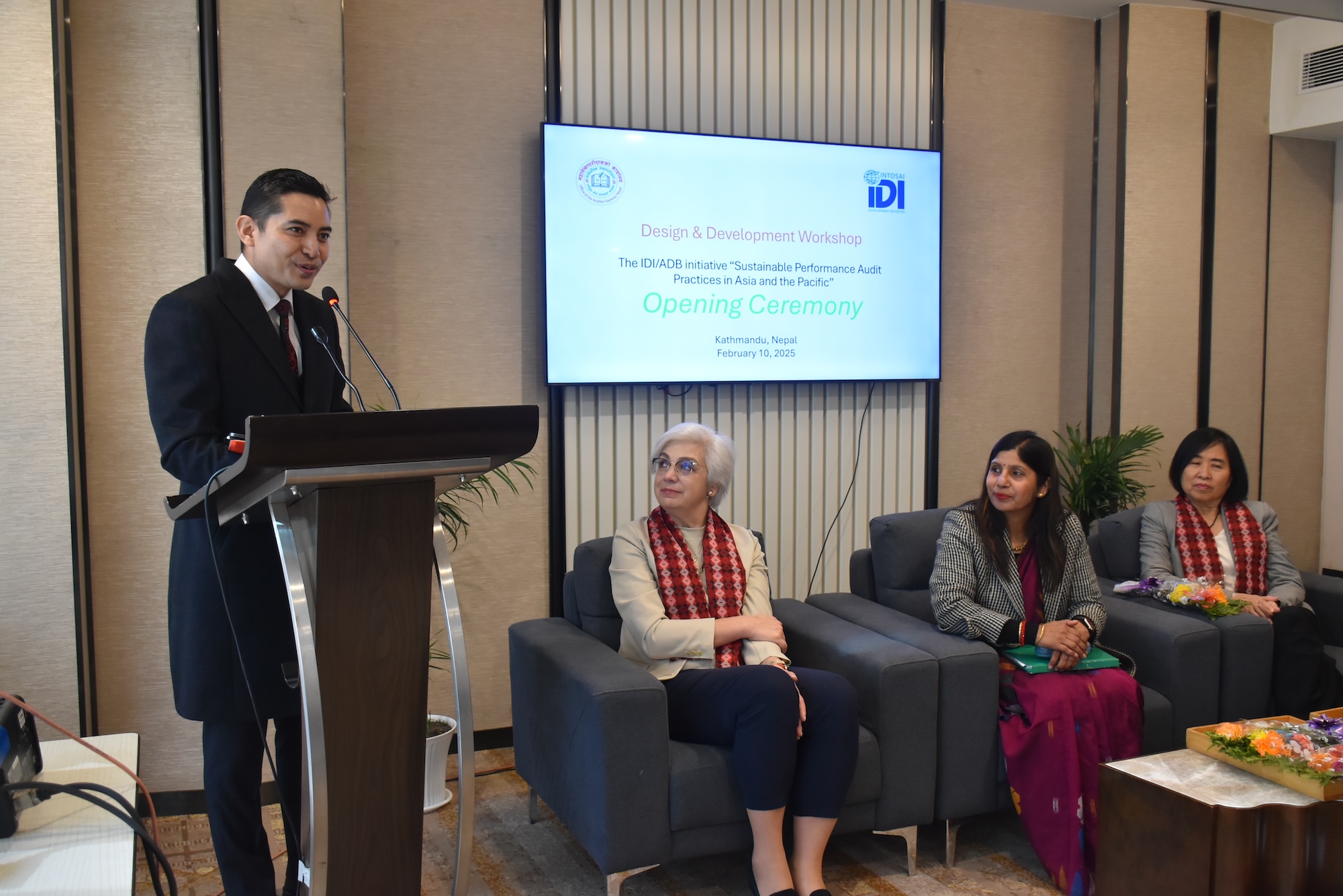
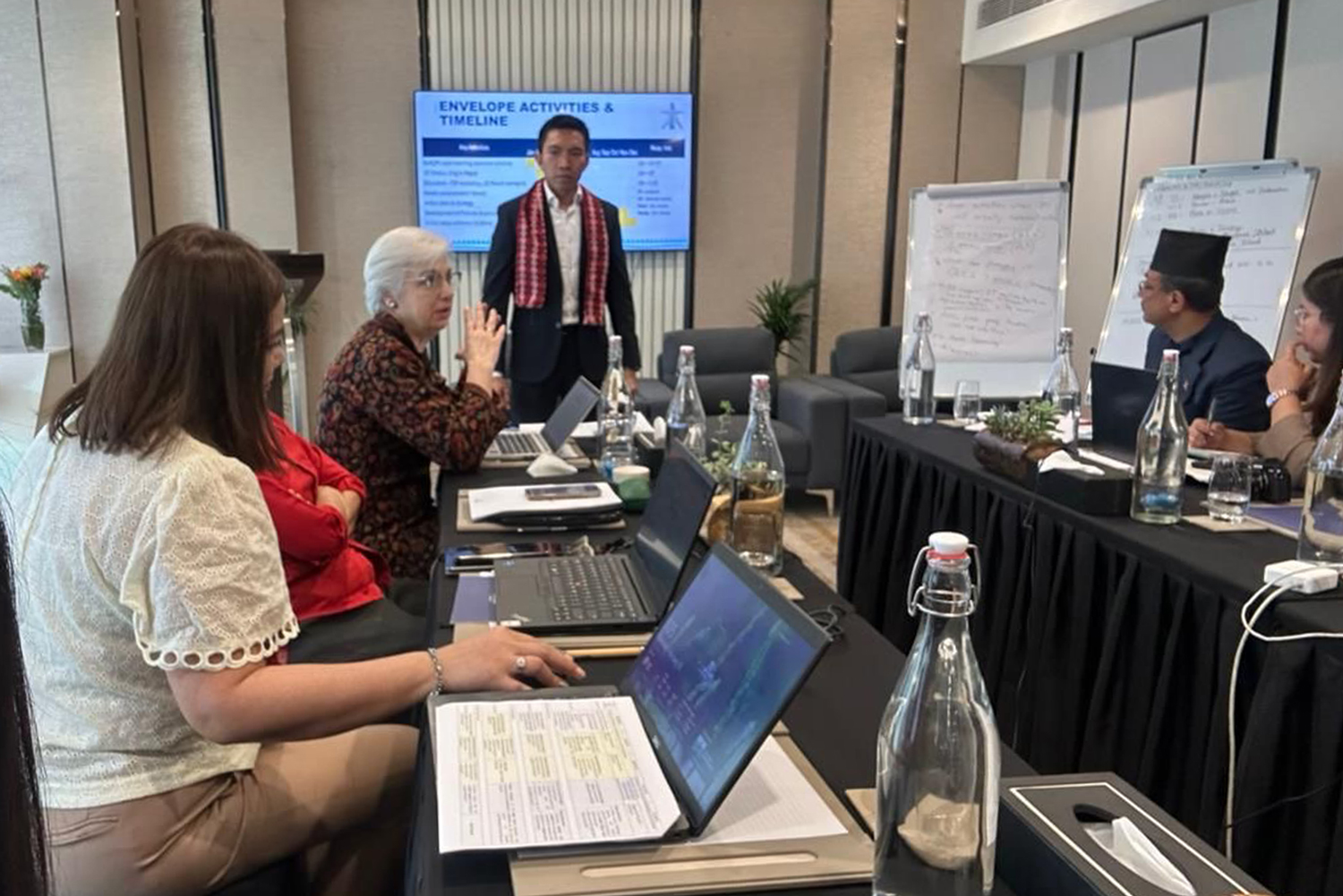
We’re back to share insights from the third Design and Development Workshop in Kathmandu, Nepal. Last week, the SAIs participating in the INTOSAI Development Initiative (IDI)- Asian Development Bank (ADB) Sustainable Performance Audit (PA) Practices in Asia and the Pacific Initiative focused on enhancing the competency development of performance auditors.
How does the initiative work?
In 2024, six participating Supreme Audit Institutions (SAIs) – Bangladesh, Bhutan, Mongolia, Nepal, Papua New Guinea, and the Philippines – developed ISSAI 150-based multi-level competency frameworks tailored to their unique contexts and practices. The participating SAIs gained a clear understanding of the competencies required for performance auditors at various levels of expertise.
Building on this foundation, the participating SAIs will use 2025 to translate competency frameworks into action. SAIs are working on plans for competency development – identifying existing gaps, mapping current capabilities against desired competencies, and designing targeted actions to bridge those gaps on a systematic basis. Global team members developed a blueprint for competency development within their SAI context, integrating existing practices with potential improvements.
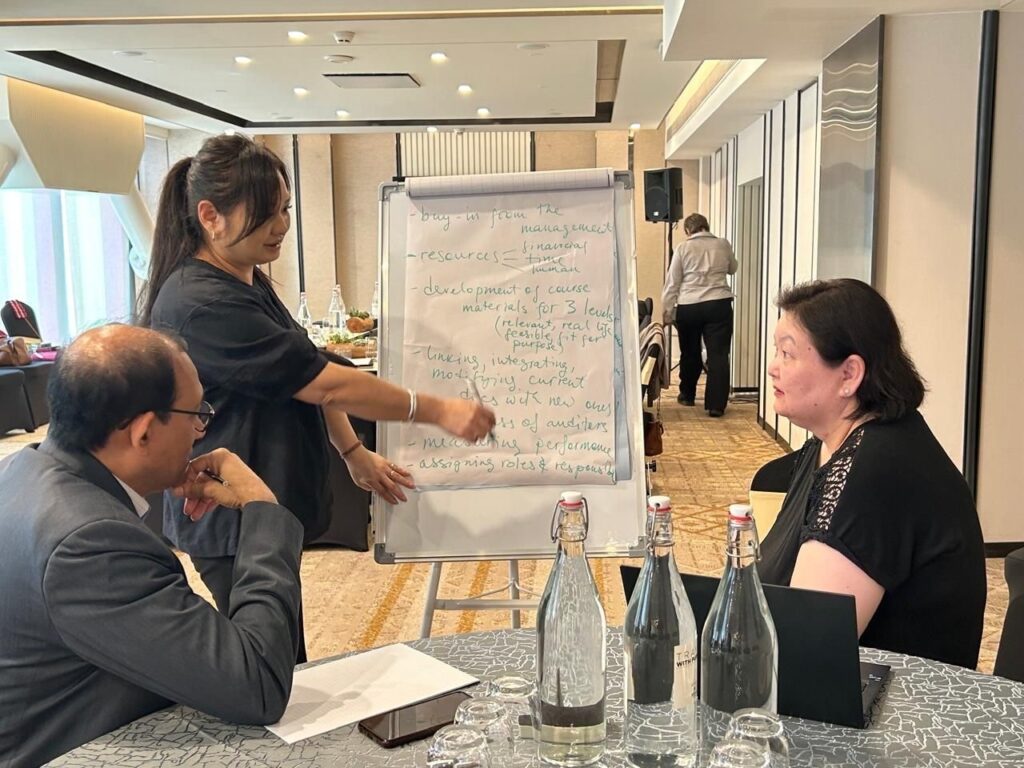
During this intensive and highly productive week, SAI resource persons designed syllabi for competency framework-based PA Induction and Intermediate learning courses for their SAIs. This is one of the key elements of competency development journey where IDI support was sought for.
The path ahead has challenges.
Creating balance for auditors working in all three streams of auditing is a challenge. They require both specialized and integrated support. Questions remain as to how effective learning and corporate continuity can take place when auditors are rotational.
Balance is also critical with blended learning programmes. While structured courses are essential, on-the-job learning, coaching, and practical experience play an equally crucial role.
What’s next?
After two weeks of intensive work, SAIs defined their next steps in three key areas: developing competency-based learning for performance auditors, strengthening audit follow-up for real impact, and enhancing audit quality management. Explore key insights on audit follow-up and quality management.
With the support of IDI and ADB, these SAIs are not just making plans: they are building the foundations for long-term, sustainable improvements. The goal is to set up systems by the end of 2025.
A warm thank you to the Office of the Auditor General of Nepal and the Asian Development Bank for their unwavering support in making this initiative a reality. As we wrap up two weeks of intensive collaboration, the real challenge begins – turning insights into action for lasting impact.
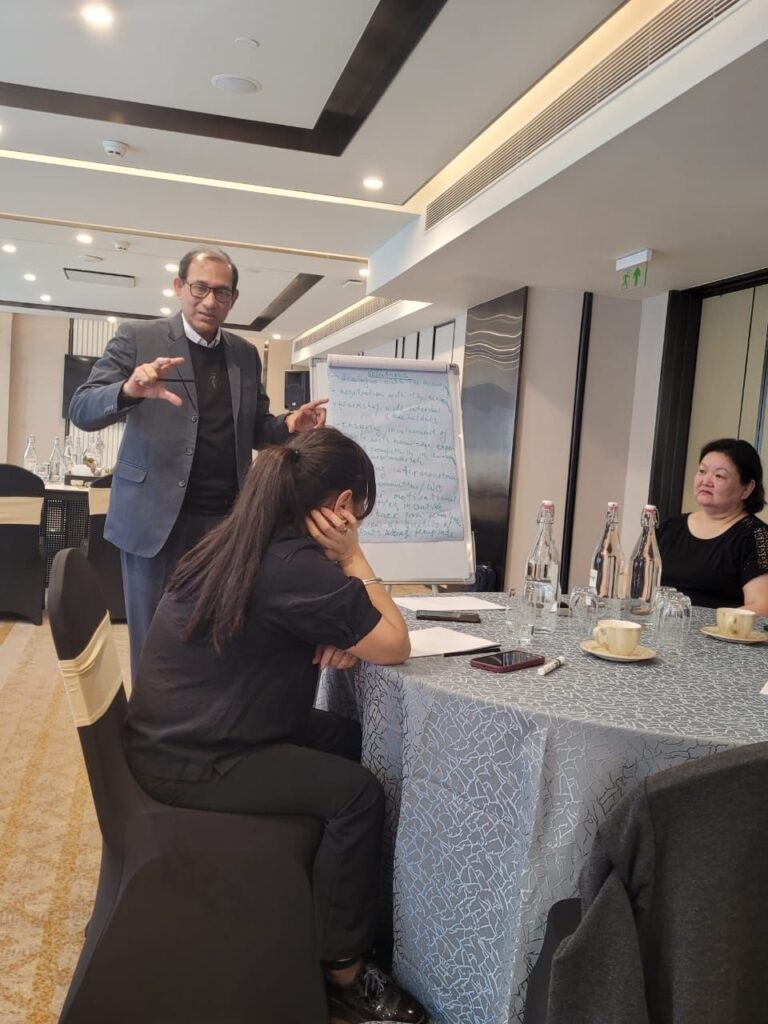
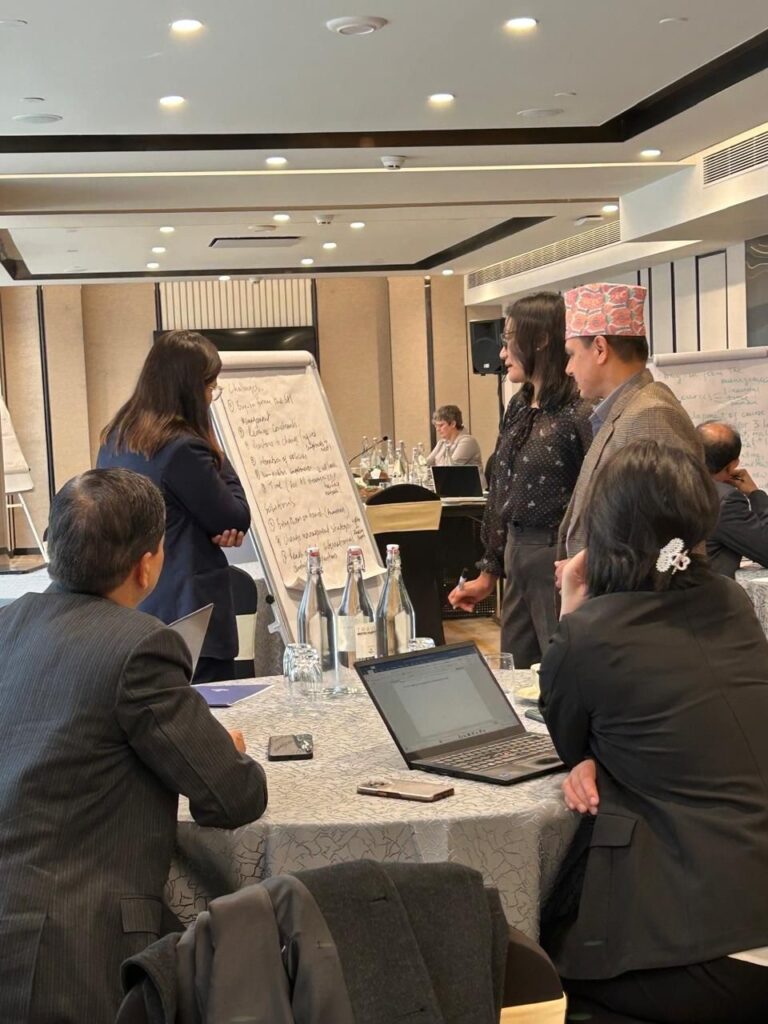
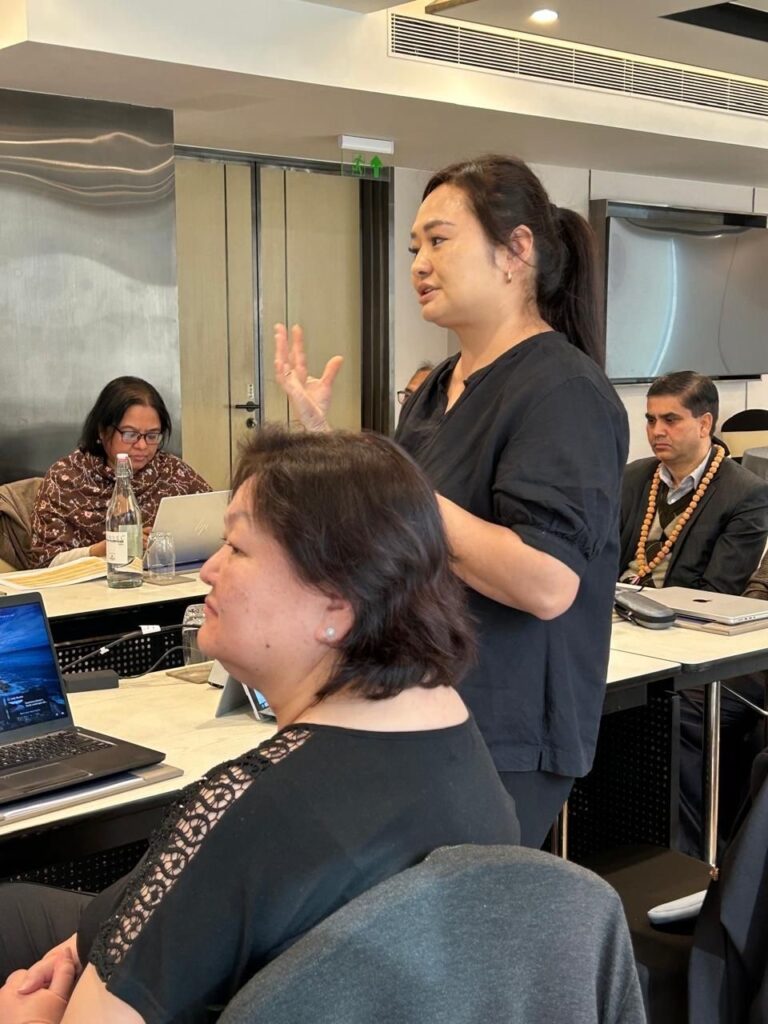
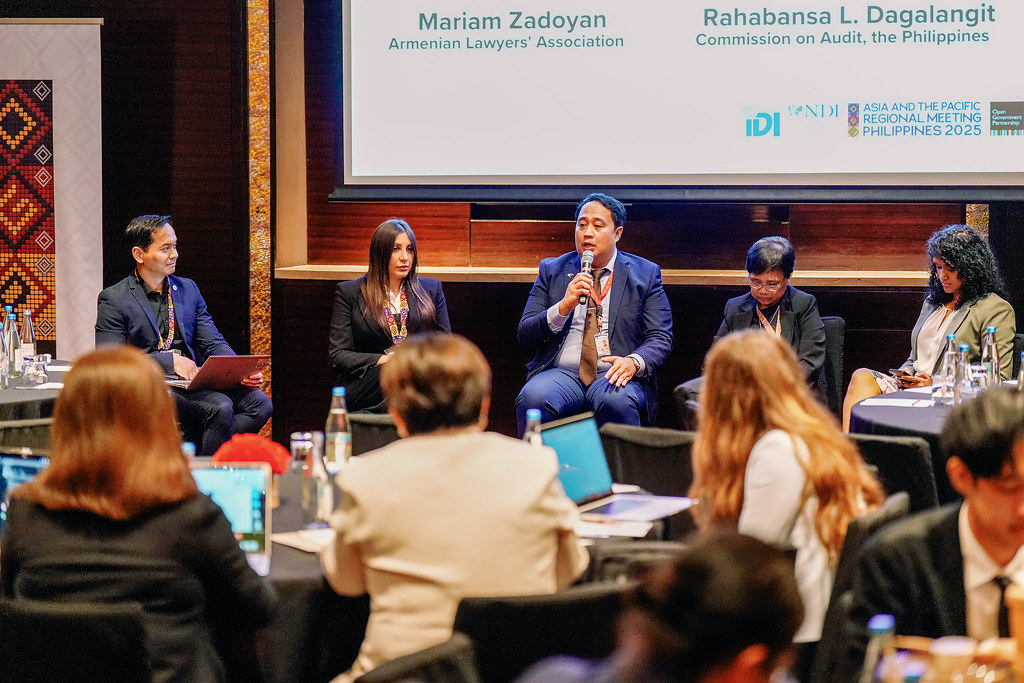
On 6 Feburary 2025, at the Open Government Partnership (OGP) Asia-Pacific Regional Meeting, IDI hosted a dynamic panel discussion exploring a critical question: What does it take to fight corruption and build stronger integrity systems? The consensus was clear—no single actor can do it alone. It takes a network. Learn more about the key takeaways and learnings from the invited thoughtleaders present at the event below.
Ms. Malou Mangahas from the Right to Know, Right Now! Coalition (R2KRN) emphasised the power of bringing together diverse stakeholders. Governments, civil society organisations (CSOs), businesses, academia, youth groups, and even critics and skeptics all have a role to play. The strength of integrity systems comes not just from individual institutions, but from how well they collaborate in pursuit of common goals—transparency, accountability, and meaningful citizen participation.
The coalition’s work demonstrates the importance of shared power. By building inclusive networks, groups like R2KRN have been able to advocate for access to information laws, improve transparency in public procurement and strengthen election integrity. However, as Ms. Mangahas highlighted, trust is key. Genuine efforts to collaborate must be based on openness, mutual respect, and a commitment to truth.
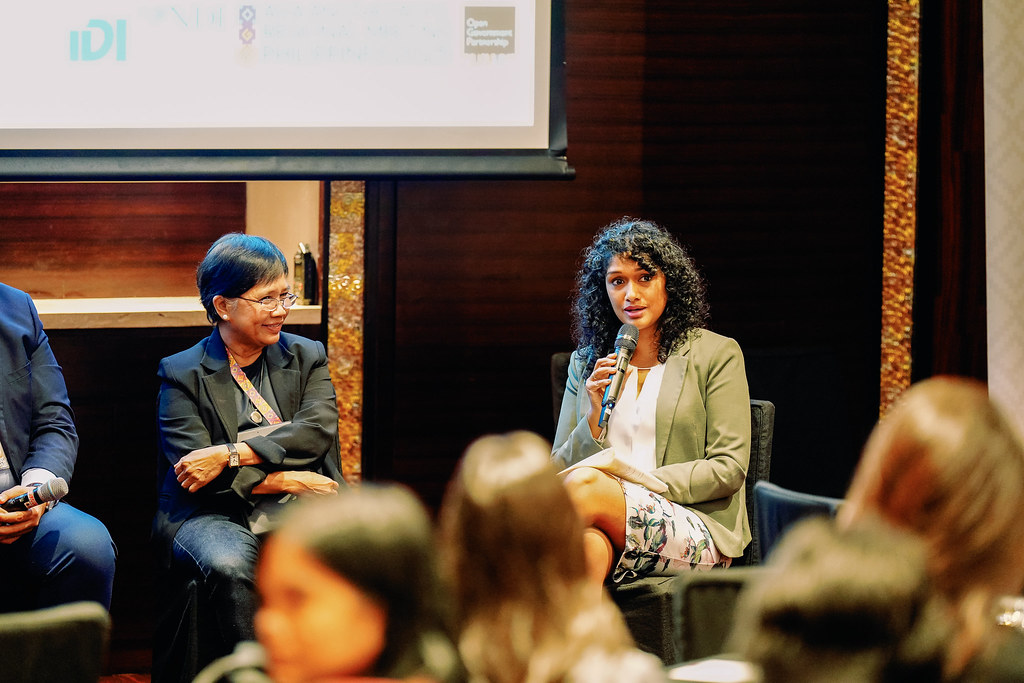
Sri Lanka’s recent economic collapse exposed not just financial mismanagement but also serious governance failures. As Ms. Sankhitha Gunaratne of Verité Research pointed out, this was the first time the International Monetary Fund (IMF) acknowledged governance as a root cause of a crisis in Asia. Local CSOs seized this moment to push for reforms, providing critical insights on state capture and demanding accountability in the IMF negotiations.
Despite initial resistance, sustained pressure from a coalition of six CSOs ensured that governance reforms became part of the conversation. They conducted independent assessments and shared research to hold decision-makers accountable. Their experience underscores a crucial point: civil society is most effective when it has credibility, strong evidence, and strategic alliances.
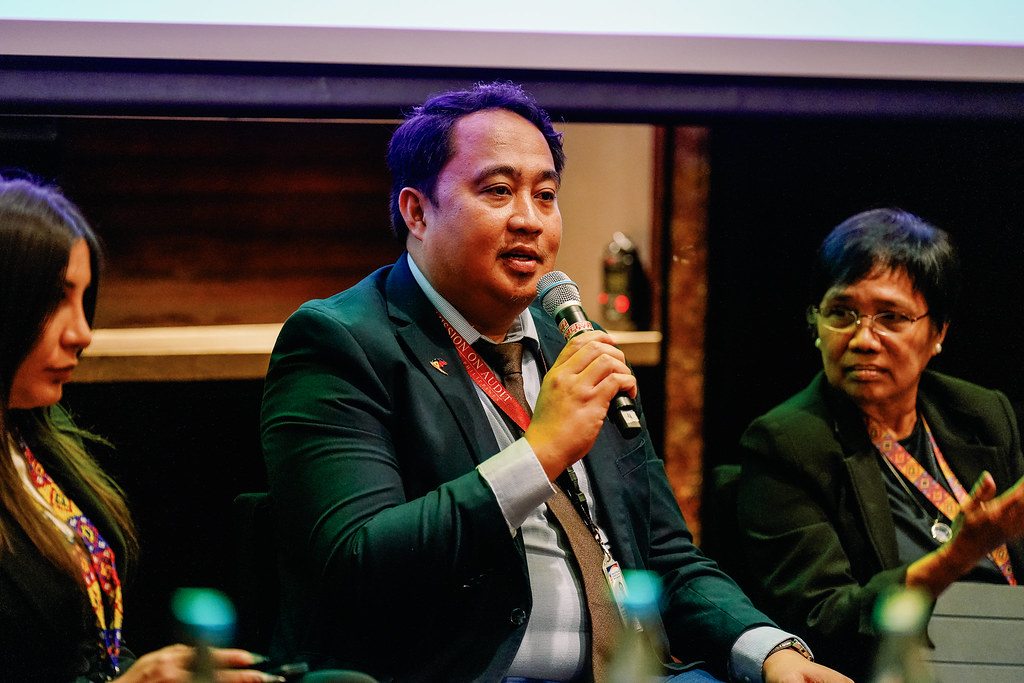
Atty. Rahabansa Dagalangit from the Commission on Audit of the Republic of the Philippines (COA) highlighted the role of citizen engagement in government oversight. The Philippines has institutionalised citizen participatory audits, allowing CSOs and the public to be involved in auditing government programs. COA also invests in digital platforms to enhance efficiency and transparency in its audit processes.
Yet challenges remain, including ensuring that anti-corruption institutions remain independent and resilient to political influence. Speakers agreed that sustained engagement—rather than one-time consultations—is essential for real impact.
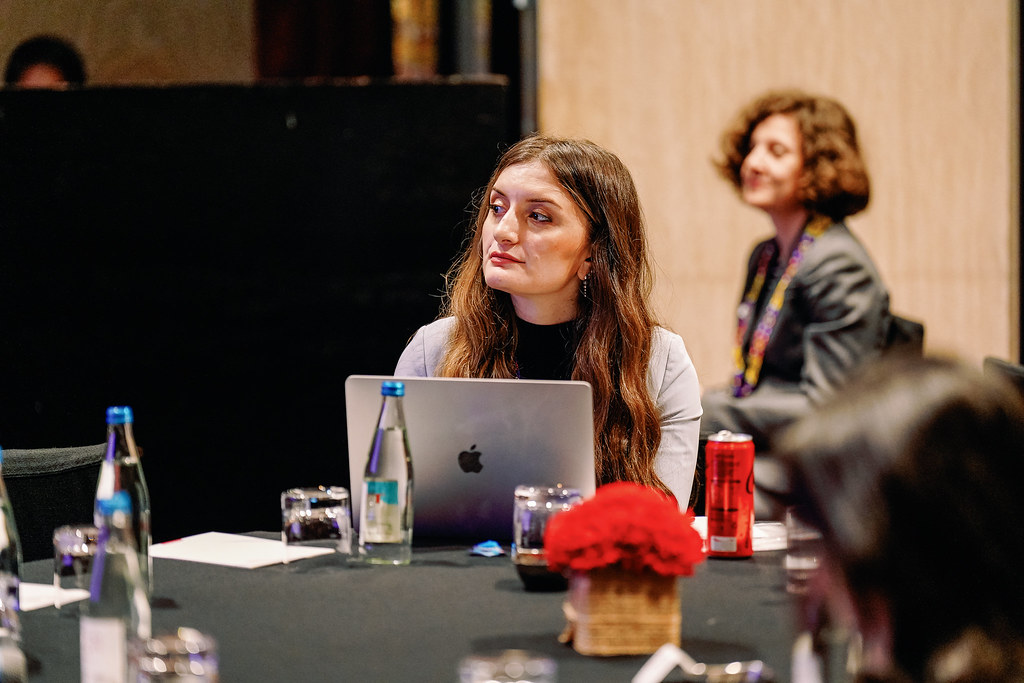
In Armenia, the Armenian Lawyers Association (ALA) has taken a proactive approach to integrity-building. By forming an anti-corruption coalition with over 60 CSOs, they have successfully pushed for legal reforms, including whistleblower protections and beneficial ownership transparency. Their evidence-based policy advocacy, supported by strong research and legal expertise, has made them a credible voice in governance reform.
Their work also highlights the role of academia in supporting anti-corruption efforts. Researchers and scholars can provide the in-depth analysis and data-driven insights that strengthen CSO advocacy. By bridging the gap between policy and practice, academia plays a vital role in ensuring reforms are not only well-designed but also effectively implemented.
The panel discussion reinforced that the fight against corruption and the strengthening of integrity systems require collective action. Some key takeaways include:
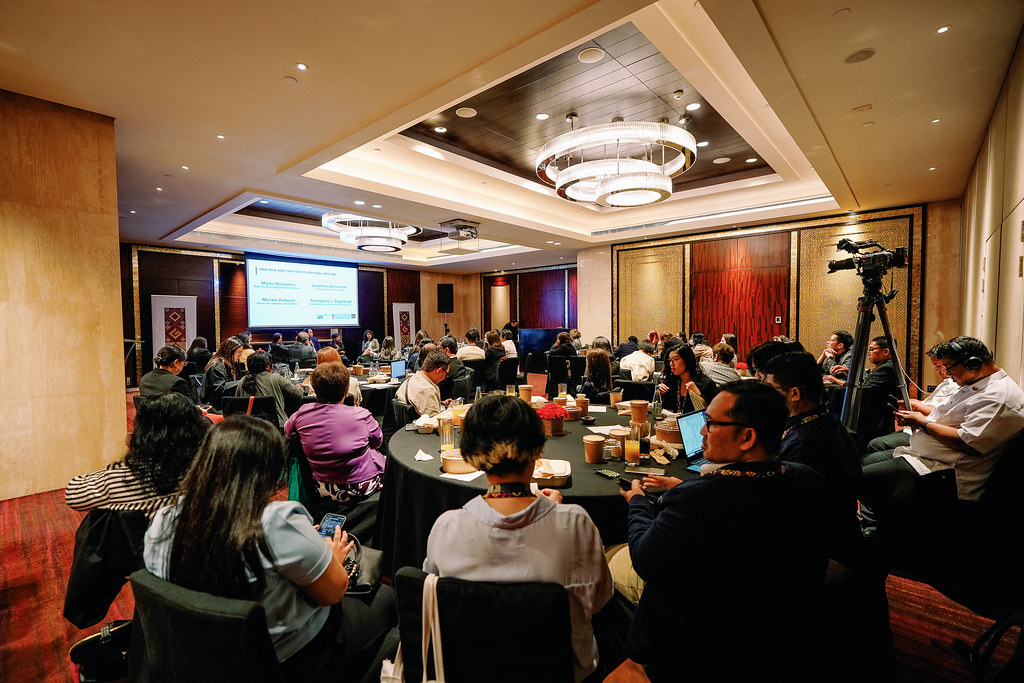
As OGP and its partners continue working to advance transparency and accountability, this discussion served as a powerful reminder: integrity is a collective effort. Strengthening networks, fostering trust, and ensuring sustained action is key to IDI in driving meaningful change with our stakeholder networks in governance across the Asia-Pacific region and beyond.
At IDI, we are dedicated to supporting Supreme Audit Institutions (SAIs) worldwide in strengthening their performance, independence, and impact. As part of this commitment, we are excited to announce that our SAI PMF Repeat Assessment Self-Learning Course—previously available only in English—is now accessible in Arabic, French, and Spanish. This expansion marks an important step towards ensuring that our capacity-building initiatives are more inclusive and accessible to a diverse global audience.
The SAI Performance Measurement Framework (SAI PMF) is a key tool for assessing and enhancing the effectiveness of SAIs. The ability to conduct repeat assessments using this framework is essential for tracking progress, identifying areas for improvement, and reinforcing accountability and transparency. With the availability of the self-learning course in multiple languages, we aim to empower more SAIs and audit professionals by providing them with the resources they need in a language that best supports their learning.
Our SAI PMF Repeat Assessment Self-Learning Course is designed to be flexible, accessible, and user-friendly, ensuring that participants can engage with the material at their own pace. The course includes:
The expansion of our self-learning course reflects our broader mission to foster stronger, more effective, and independent SAIs. By breaking language barriers, we ensure that more audit professionals can build their capacity, improve their methodologies, and contribute to more transparent and accountable governance.
Whether you are looking to enhance your skills, deepen your understanding of SAI PMF, or support your institution in strengthening its performance, this course provides the flexibility and resources to help you achieve your professional goals.
We invite all interested professionals to take advantage of this valuable resource and embark on their SAI PMF learning journey today. Access the course in your preferred language by viewing instructions in English, Arabic, French or Spanish, and learn more about SAI PMF by visiting our SAI PMF programme page.
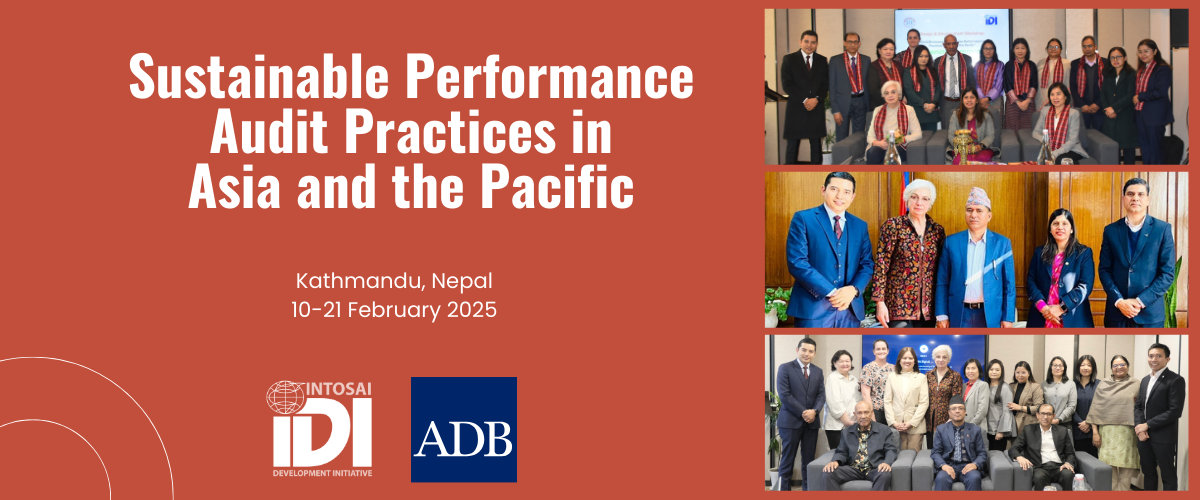
Two highly interactive Design and Development Workshops on Follow-Up for Audit Impact and Systems for Audit Quality Management took place in Kathmandu, Nepal, from 10-21 February 2025. These workshops were part of the IDI-ADB Sustainable Performance Audit Practices in Asia and the Pacific Initiative, with six participating SAIs – Bangladesh, Bhutan, Mongolia, Nepal, Papua New Guinea, and the Philippines – driving the action.
Now in its third year, the Initiative has already tackled key areas such as raising the profile of performance audits, strategic and annual audit planning, developing multi-level competency frameworks for performance auditors, and maintaining updated performance audit methodologies. The 2025 agenda kicked off with two major priorities: strengthening follow-up systems to demonstrate audit impact and implementing quality management systems in line with ISSAI 140, which officially took effect on January 1, 2025.
Instead of sitting back and passively absorbing information, participating SAIs got straight to work – an approach that has become the trademark of this Initiative. With IDI’s structured guidance and dedicated tools, SAIs were not just listening to how things should be done, – they were building their solutions to fit their realities. Learning by doing? More like learning by doing it for real.
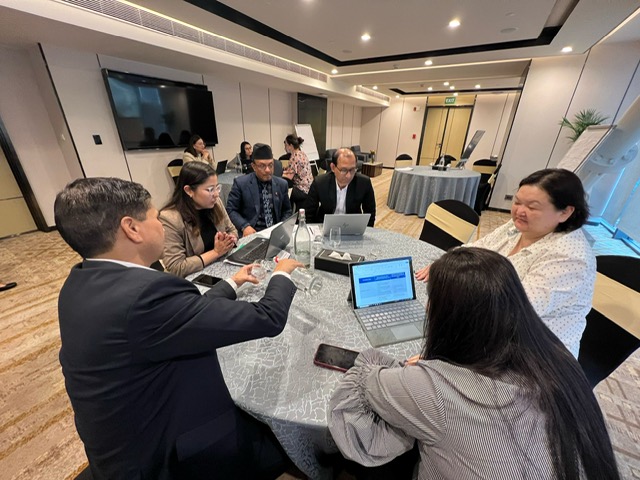
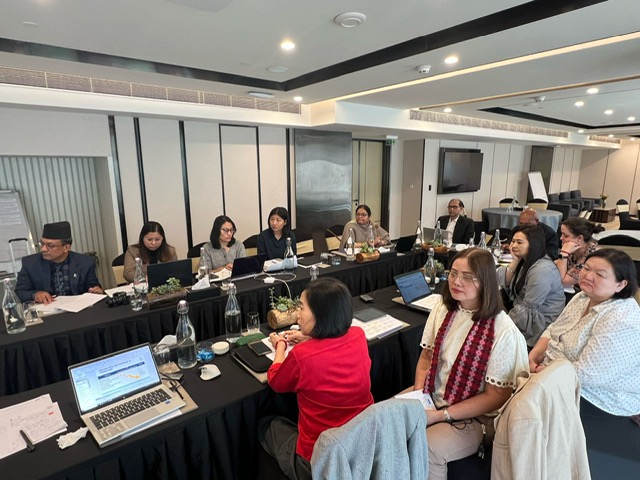
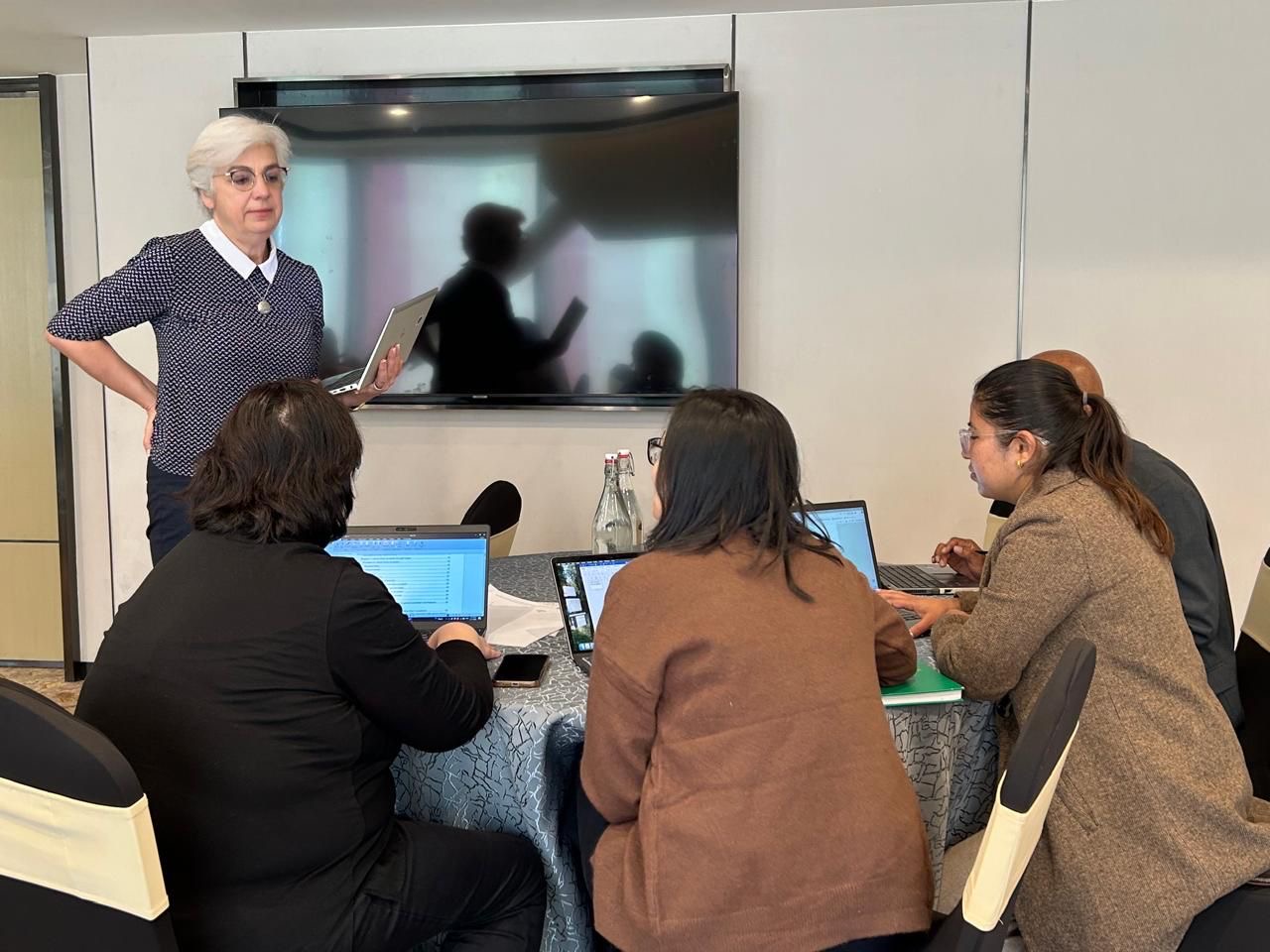
For Follow-Up for Audit Impact, SAI resource persons – we call them the Global Team – designed and developed a learning course that will be delivered in their SAIs before they begin the process of establishing or updating impact-driven follow-up systems. The goal? To move beyond counting the number of implemented recommendations and ensure audit results lead to real change.
For Systems for Audit Quality Management, the Global Team worked through the operational challenges of structuring and managing ISSAI 140 implementation in their SAIs. The focus was not just on what needs to be done but how to make it work in practice.
One of the most rewarding moments of the workshops was seeing SAIs take full ownership of the process – recognising challenges, developing solutions, and leading improvements in their own institutions. The shift from learning about reforms to actively shaping them was evident, and the commitment from participants was impressive.
Let’s hear what they had to say:
🔹 “A roadmap for real change”
“This workshop gave us clarity and the tools to foster change. I am clear on my role and now know exactly what to do when I return to my SAI. As we say in Mongolia – ‘If I am alone, I make mistakes. If we do it together, we excel’, – I feel I am not alone in this journey! I will do my utmost to ensure that this journey helps my SAI”.
🔹 “From theory to action”
“More practice, less theory and structured, purposeful approach – this workshop was about solving real challenges together. We clarified all our questions and strengthened our ability to help our SAI to make a real difference in the lives of our people.”
Let’s look at how the system of Audit Quality Management meeting went by watching this short video.
The work is not over yet! The Global Team remains in Kathmandu for another week, this time to design and develop a learning course for induction and intermediate-level performance auditors for constant delivery at their SAIs, based on competency frameworks SAIs developed with IDI-ADB support in 2024.
Stay tuned for the journey toward stronger and more impactful SAIs continues! To learn more, please visit the initiative´s page.
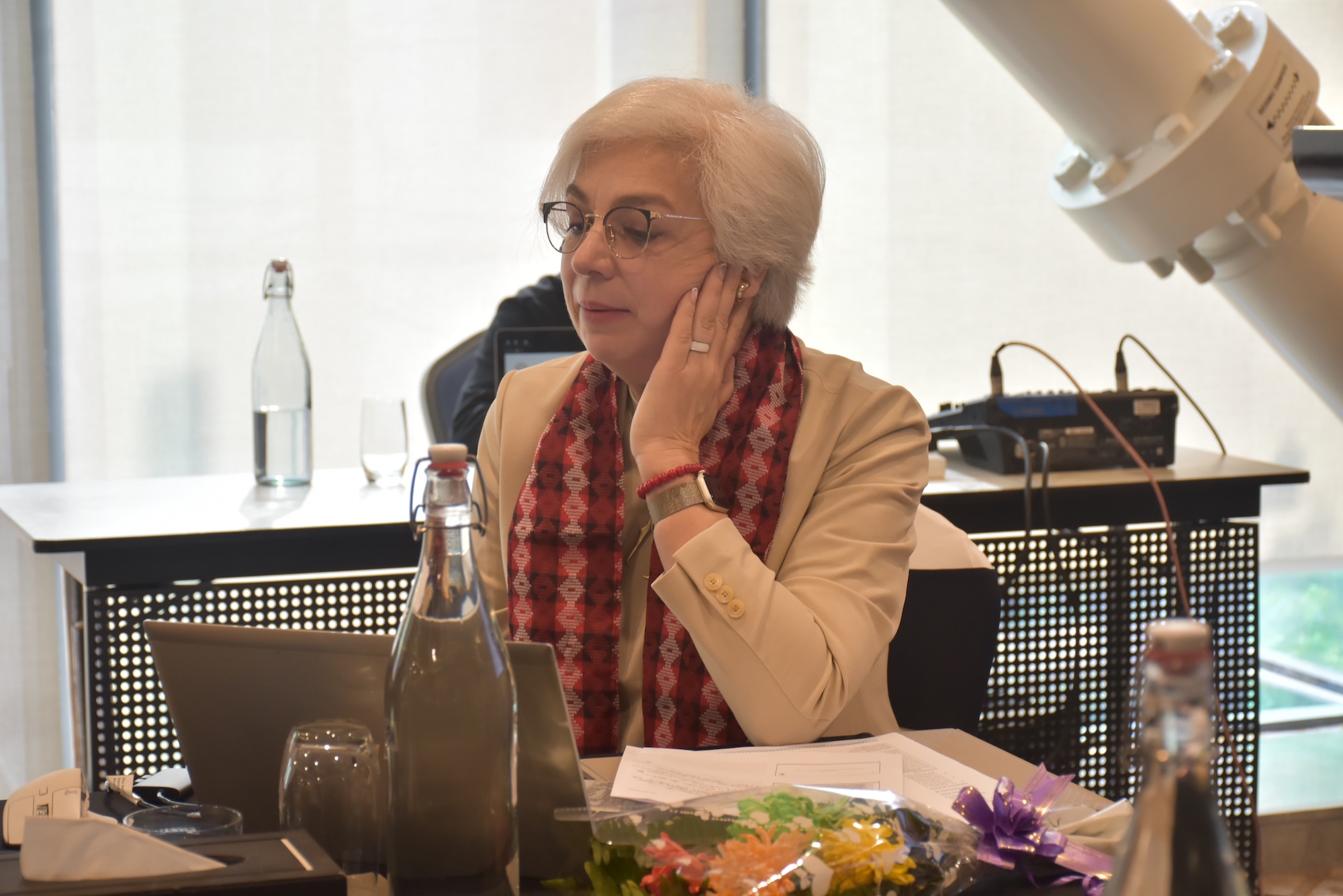
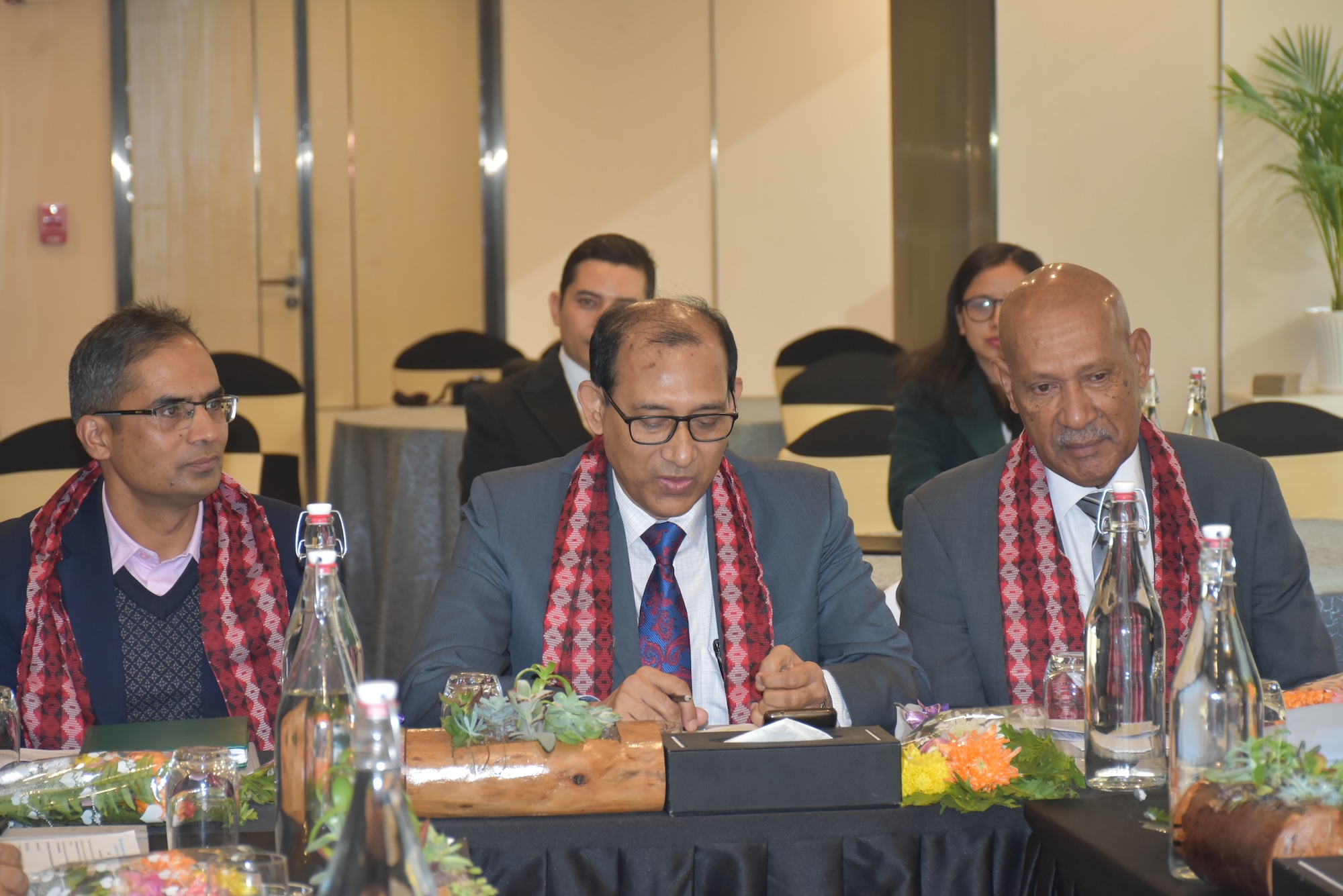
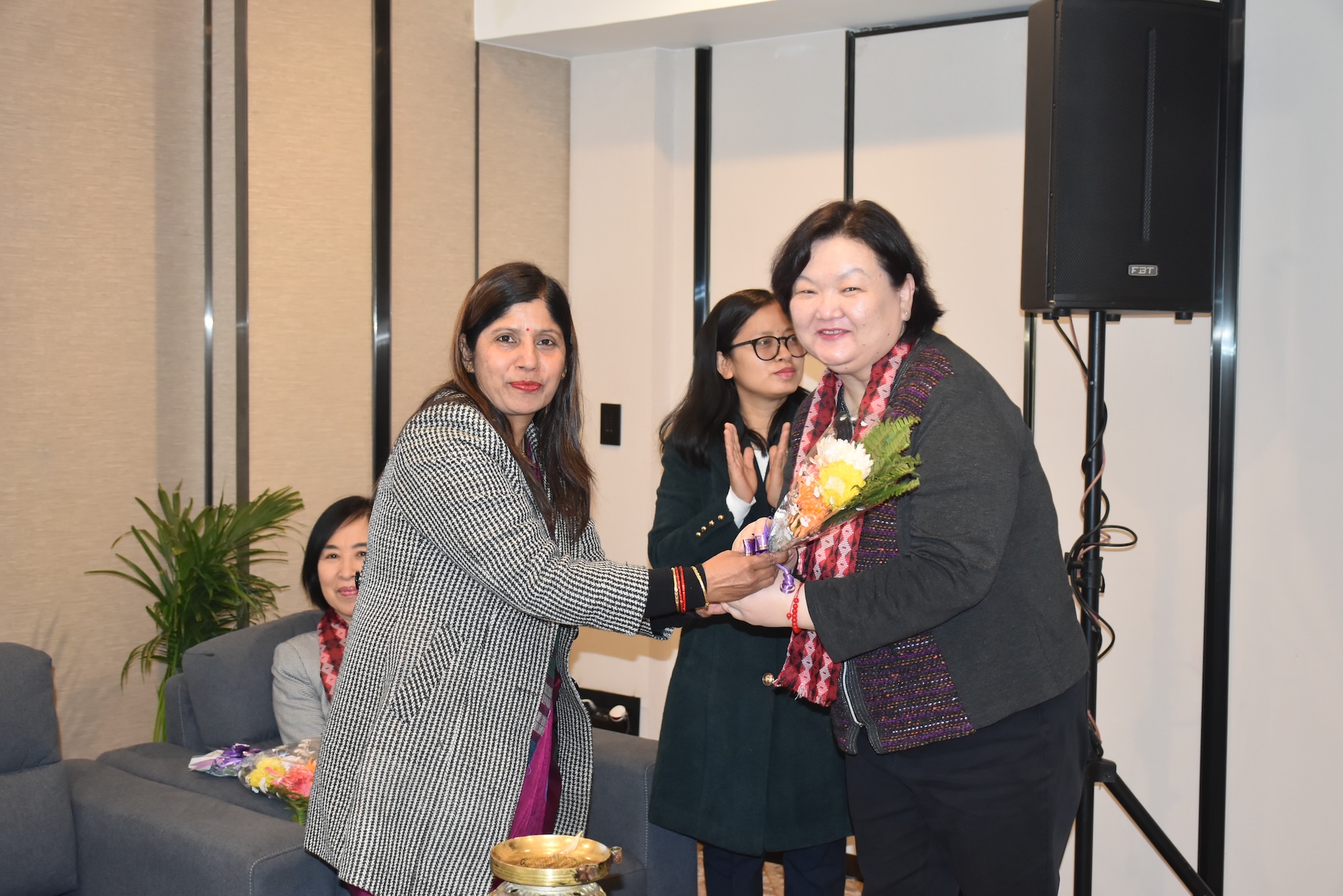
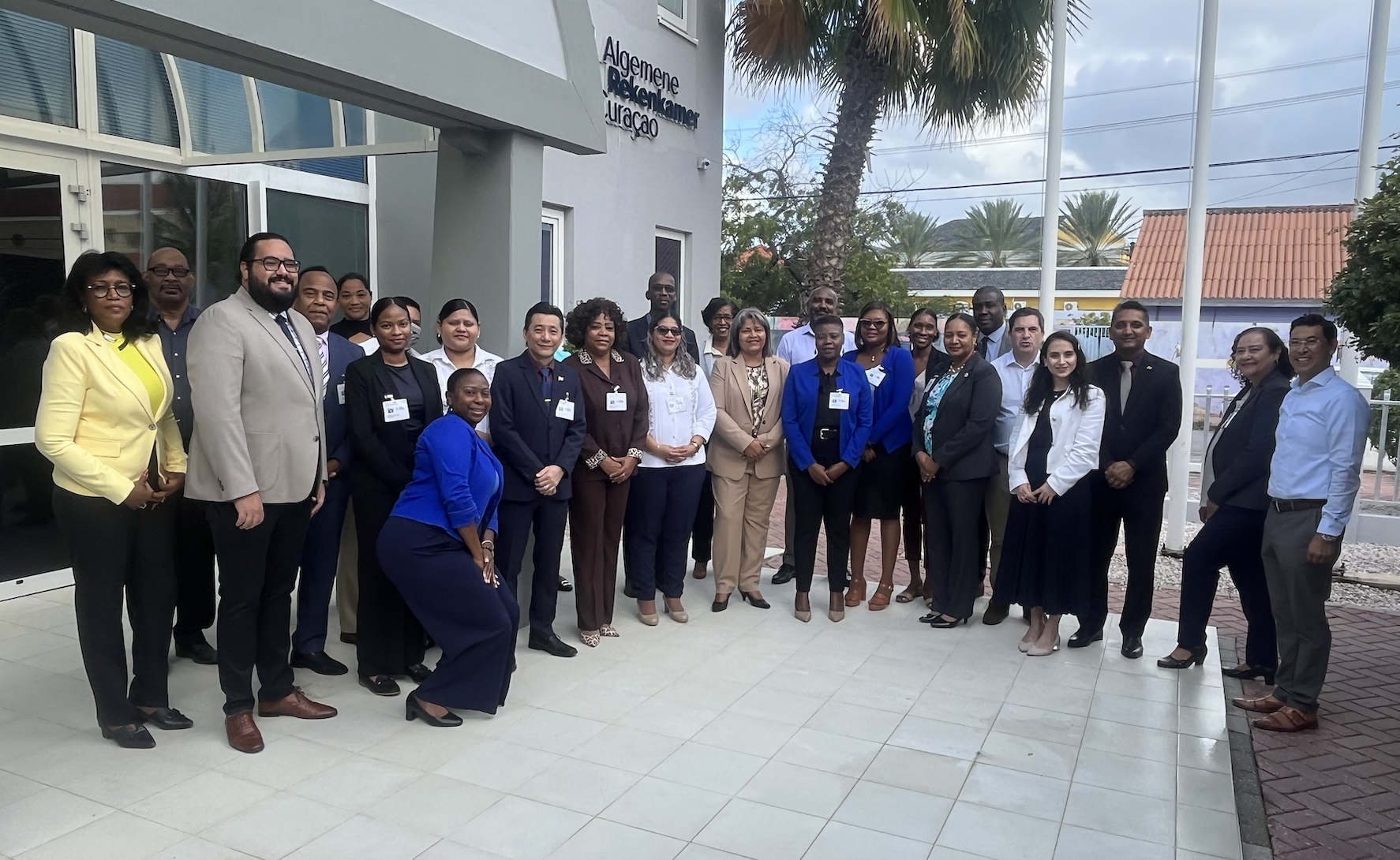
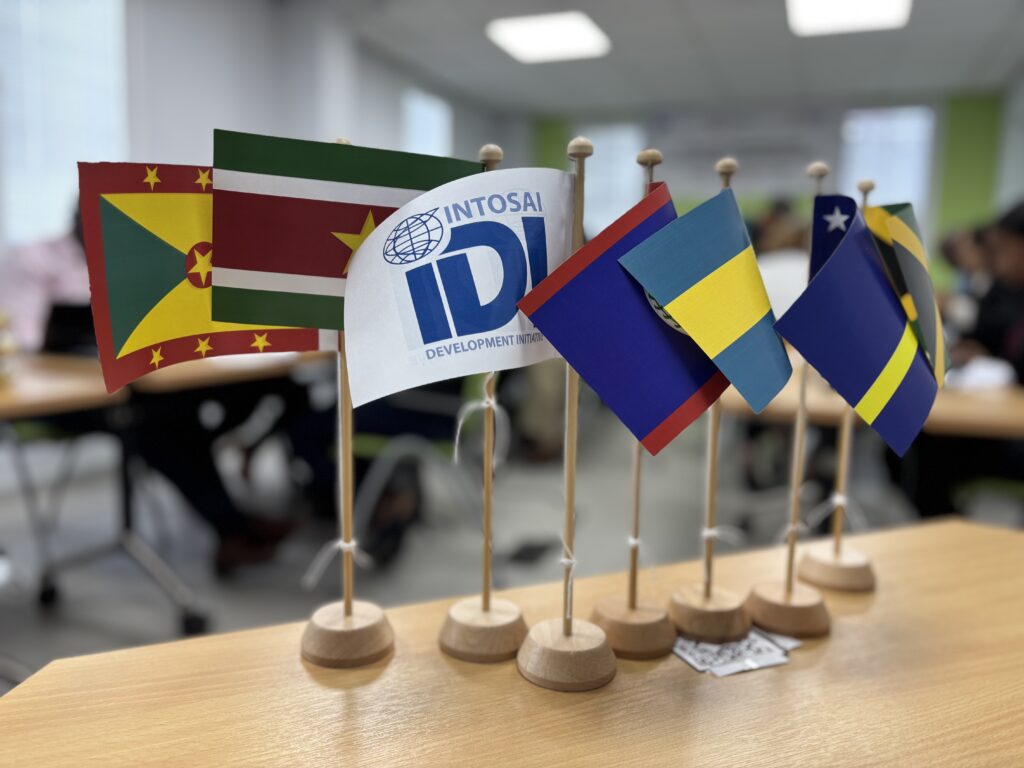
A well-defined strategy is the backbone of a high-performing Supreme Audit Institution (SAI). Without it, institutions risk becoming inefficient, uncoordinated, and unable to fulfil their mission of strengthening transparency and accountability. Recognising this, INTOSAI Development Initiative (IDI) launched the fourth round of the Strategy, Performance Measurement, and Reporting (SPMR) initiative in CAROSAI from 3-7 February 2025, bringing together Heads of SAIs and team leaders from the Bahamas, Belize, Curaçao, Grenada, Jamaica, and Suriname. Hosted by SAI Curaçao in Willemstad, this workshop set the stage for these institutions to develop strong strategic plans that drive meaningful change.
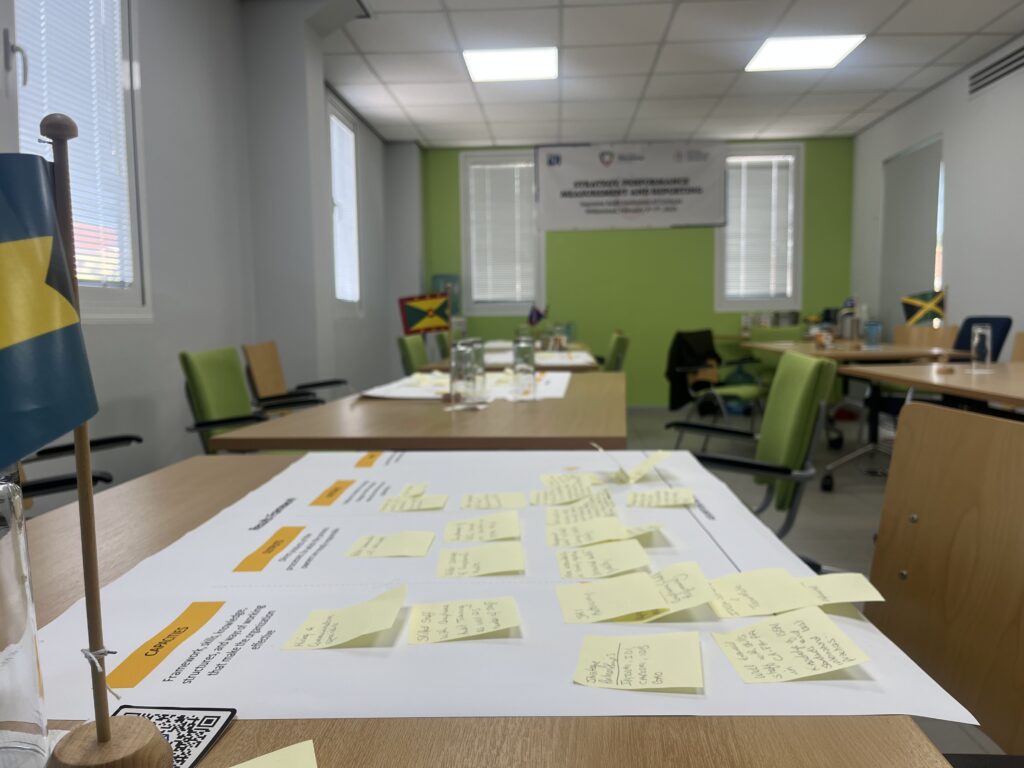
During the workshop, participants discussed the disadvantages of working without a strategic plan, which can cause “frustration,” “disorganisation,” and even “organisational chaos.” Without a clear direction, SAIs struggle to allocate resources effectively, set priorities, and measure their performance. These challenges weaken their ability to hold governments accountable and ensure public funds are used effectively.
To counter this, discussions focused on key elements of strategic planning, including:
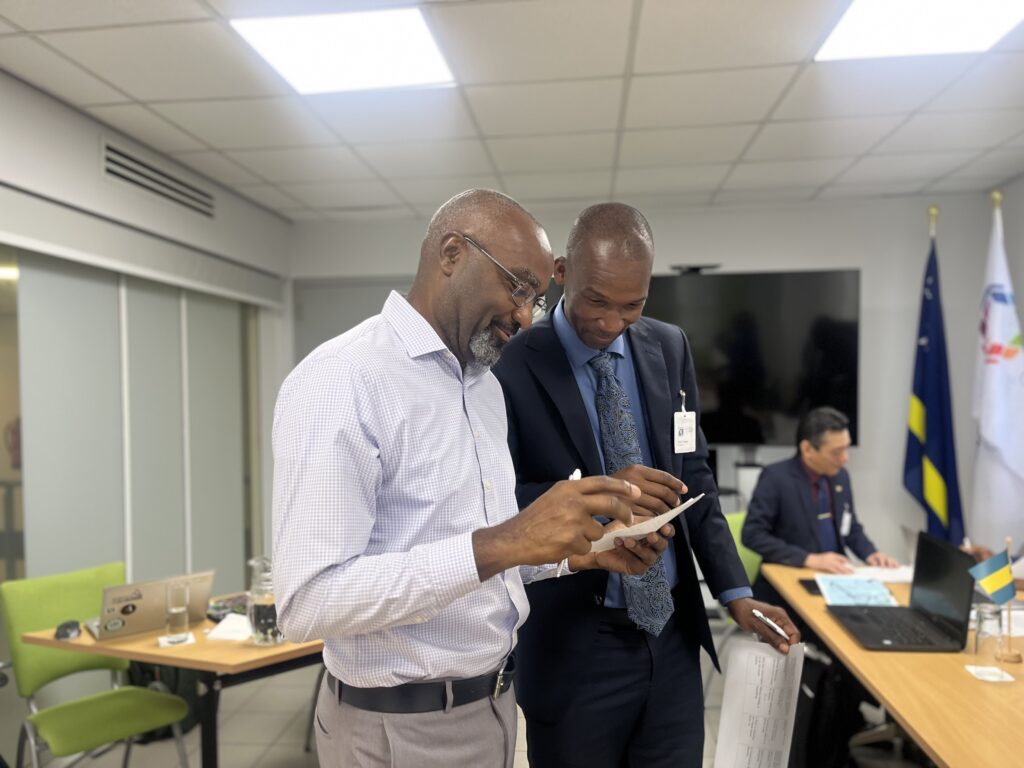
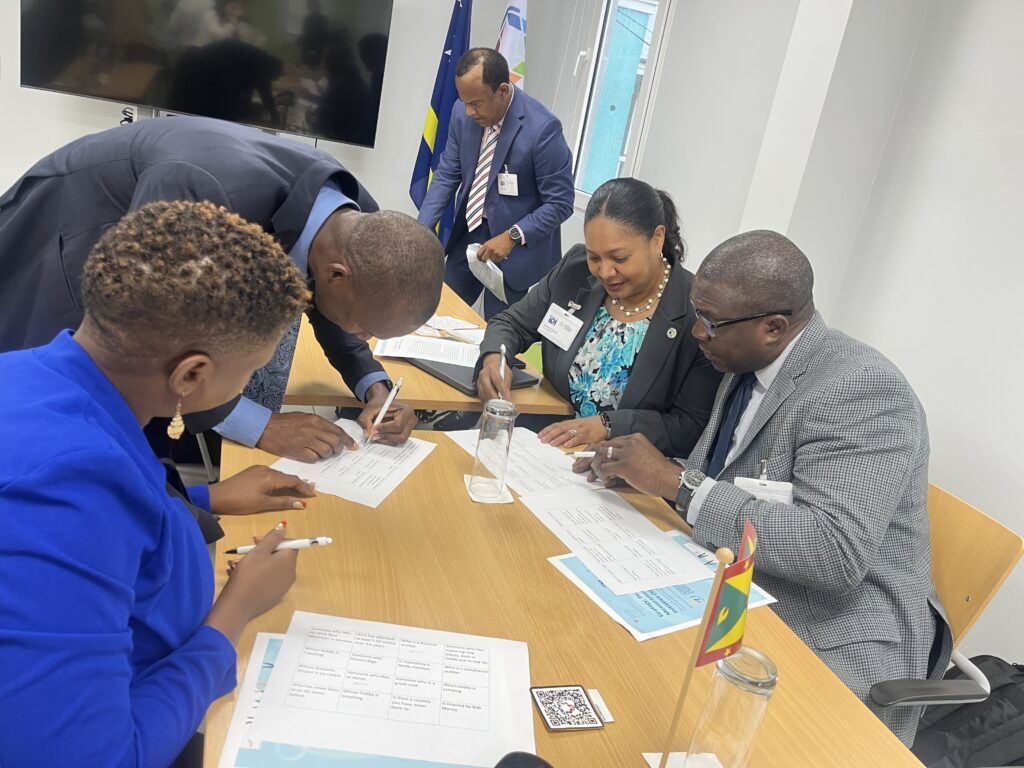
Guided by the IDI Strategic Management Handbook, participants worked through essential steps for building an effective strategy. They examined how to:
This workshop is just the first step. SAIs will now refine their strategic plans and move into operational planning, performance monitoring, and reporting—ensuring their strategies translate into real-world impact. By the end of the initiative, each participating SAI will have a roadmap that not only guides their internal decision-making but also strengthens their role as independent oversight bodies.
One of the key highlights of the event was the opportunity for SAIs to learn from each other. Participants exchanged ideas, shared challenges, and collaborated on solutions tailored to their unique national contexts. The peer-learning approach fostered a sense of shared responsibility for improving governance and accountability across the region.

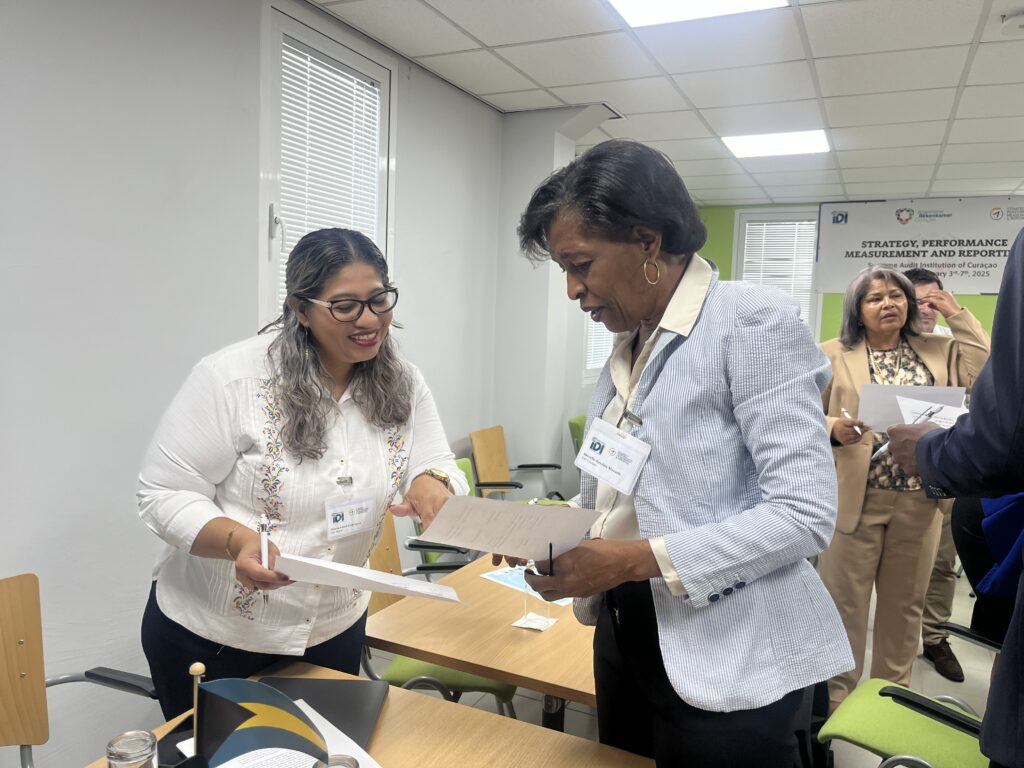
SAIs without strategic plans face inefficiencies and a reduced ability to fulfill their mandate. During the workshop, an emphasis was placed on evidence-based planning and stakeholder engagement as critical for effective strategic management, helping SAIs align their objectives with national priorities. A well-structured strategy can not only strengthen accountability and transparency, but also enhance decision-making, resource allocation, and risk management. Additionally, the event highlighted the power of peer learning and collaboration in refining strategic approaches and fostering regional cooperation.
As participating SAIs advance in their planning process, these insights will help them build more resilient and impactful institutions for the benefit of citizens. Moving forward in this journey, the lessons from this workshop will help shape stronger, more resilient institutions capable of delivering lasting benefits for citizens. IDI extends its heartfelt thanks to SAI Curaçao for hosting this important gathering and creating an environment where collaboration and learning could thrive. The SPMR initiative is made possible through the generous support of the Swiss State Secretariat for Economic Affairs (SECO).
What happens when Supreme Audit Institutions (SAIs) and Civil Society Organisations (CSOs) come together to reimagine accountability? Stronger institutions, greater transparency, and better outcomes for citizens.
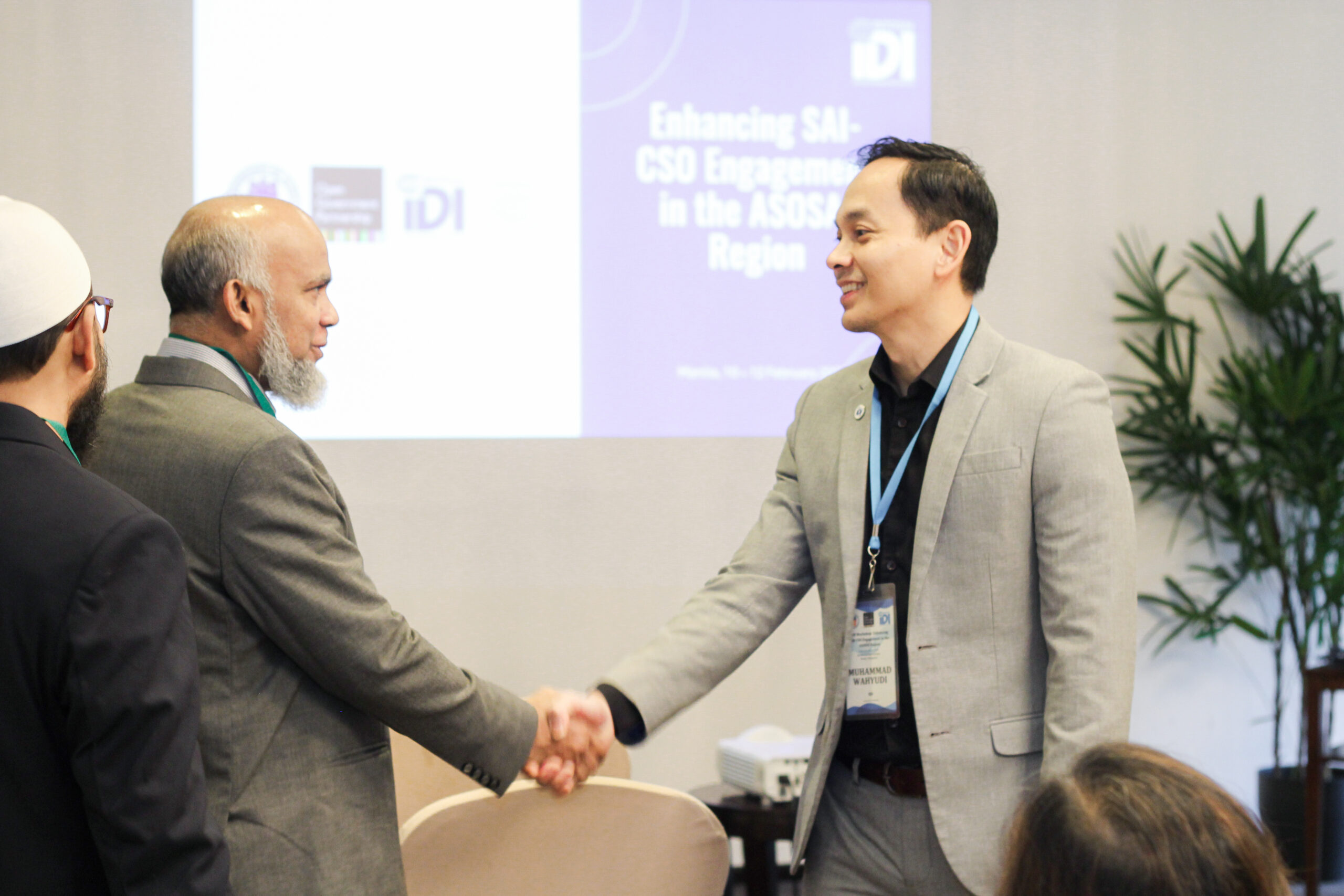
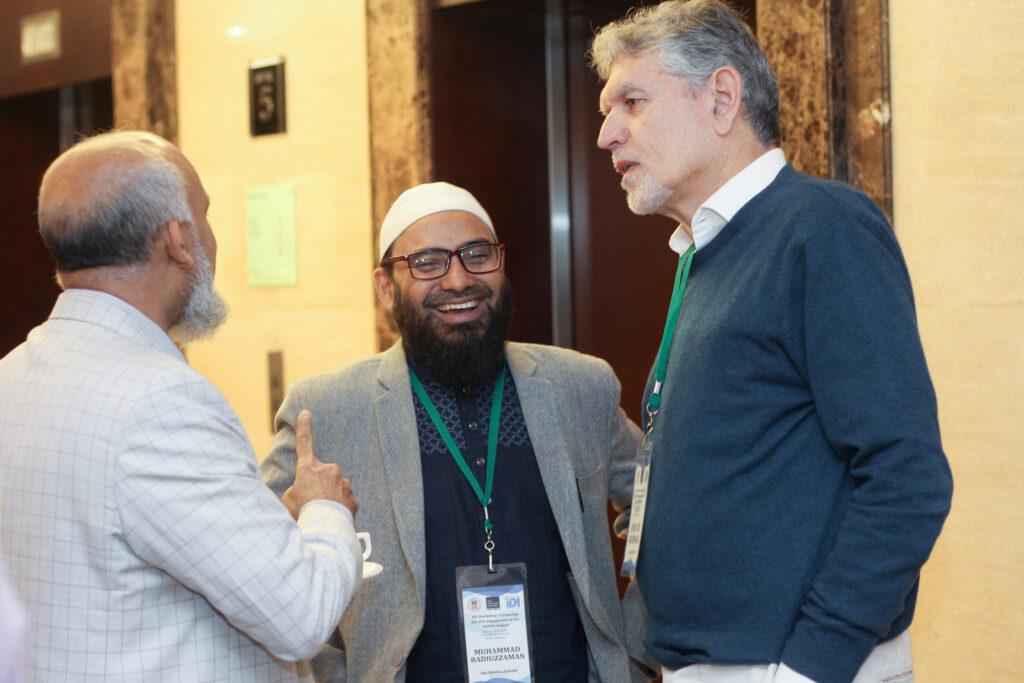
This week, key accountability actors from across Asia convened for the ASOSAI Regional Workshop on Enhancing SAI-CSO Engagement, co-hosted by the INTOSAI Development Initiative (IDI), ASOSAI Secretariat, the Commission on Audit (SAI Philippines), the INTOSAI Capacity Building Committee Task Force on Citizen Participation, and the Open Government Partnership (OGP). The event focused on bridging gaps, fostering collaboration, and equipping SAIs and CSOs with tools to enhance public financial management and governance.
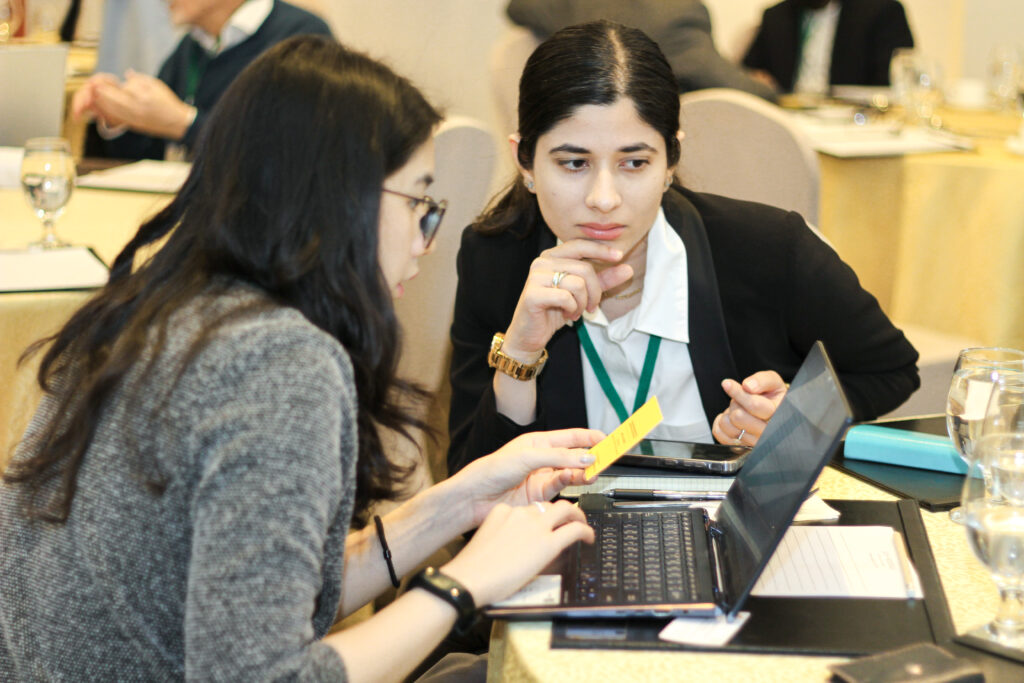
SAIs play a critical role in ensuring public funds are used effectively, while CSOs amplify transparency efforts and hold governments accountable. When these two forces collaborate, the result is stronger oversight, better service delivery, and more trust in institutions. However, despite its importance, engagement between SAIs and CSOs remains inconsistent across many countries. This workshop aimed to break down barriers, explore best practices, and develop actionable roadmaps for meaningful collaboration.
Key Takeaways
Effective partnerships require a deep understanding of the national landscape. Participants mapped key players and discussed how to tailor engagement strategies to their specific country contexts.
SAIs and CSOs have different strengths, but by working together, they can enhance public financial management and governance. Discussions highlighted successful engagement models and how to adapt them across diverse country settings.
From open data initiatives to digital tools, technology is reshaping accountability. Participants explored how tech-driven approaches can increase citizen participation and improve transparency.
An independent SAI is a more effective SAI. CSOs can play a vital role in safeguarding SAI independence by advocating for stronger legal frameworks and amplifying challenges SAIs face.
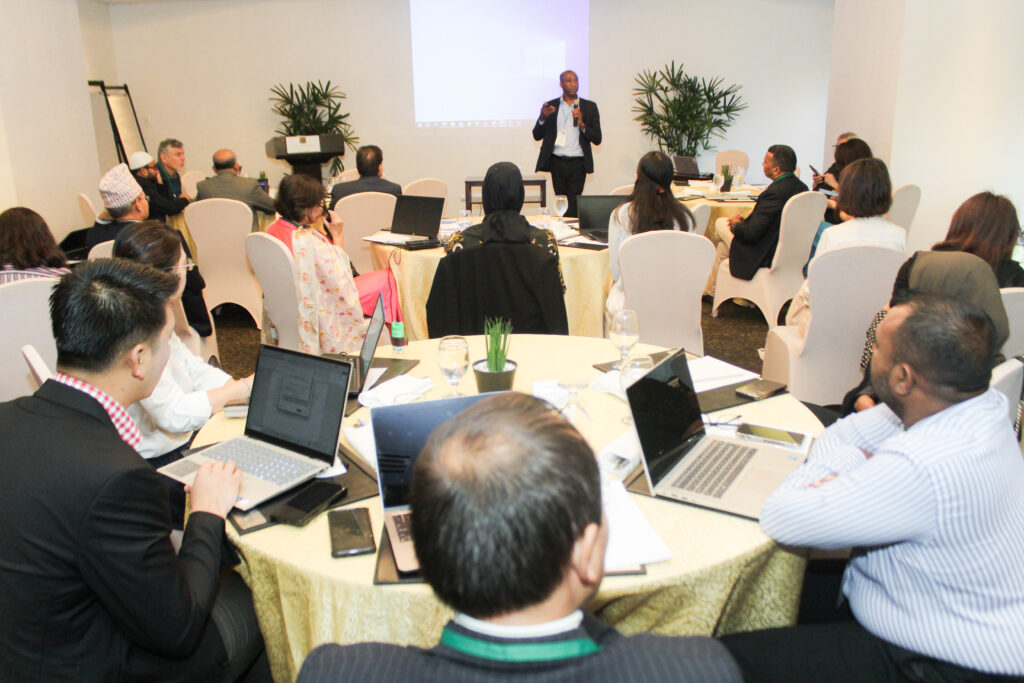
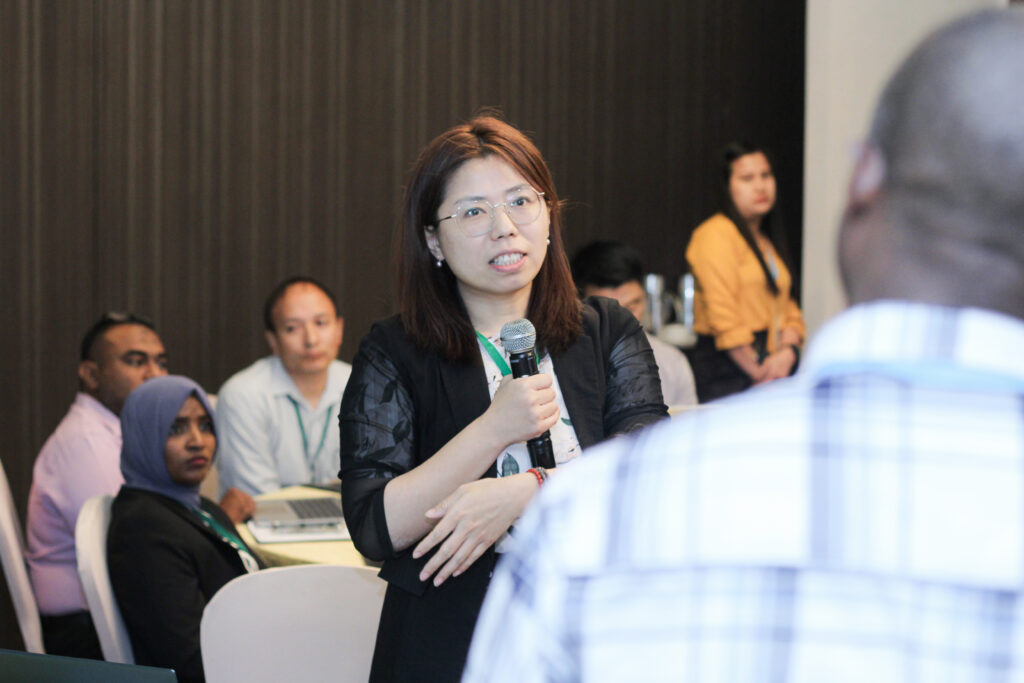
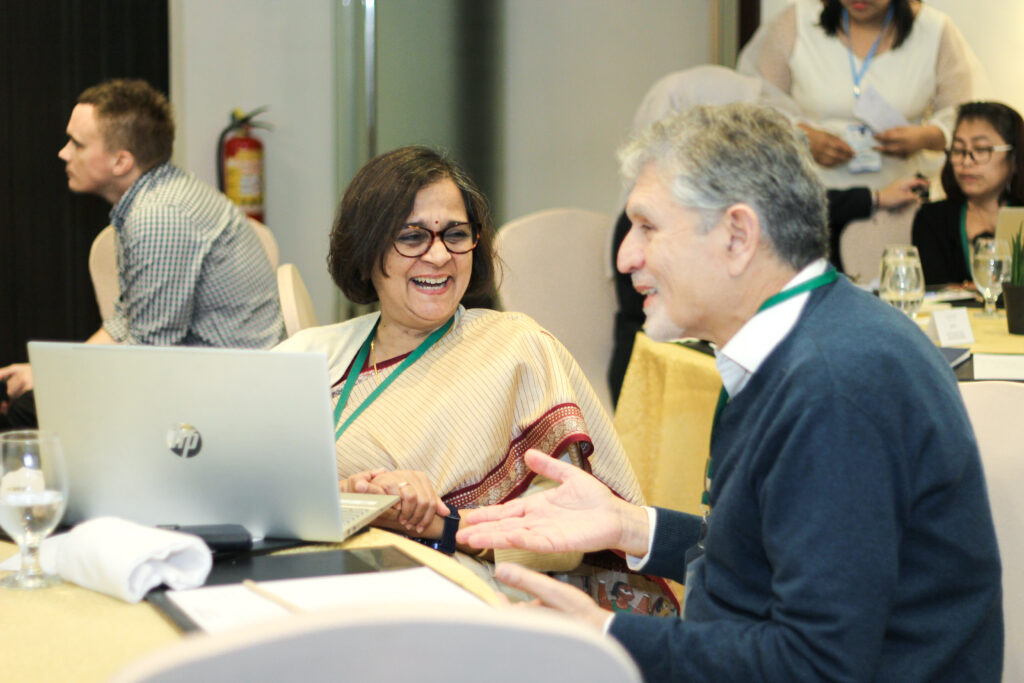
The momentum built at the ASOSAI Regional Workshop won’t stop here. Through these working sessions, participants have now co-developed action plans and a regional rollout strategy through 2026, ensuring continued engagement beyond the event. The insights, strategies, and commitments made will fuel ongoing collaboration, influence national accountability agendas and could contribute to stronger, more transparent institutions across Asia.
We extend our gratitude to all our partners, speakers and participants for making this event a success. Stay tuned for updates on how these discussions translate into action!
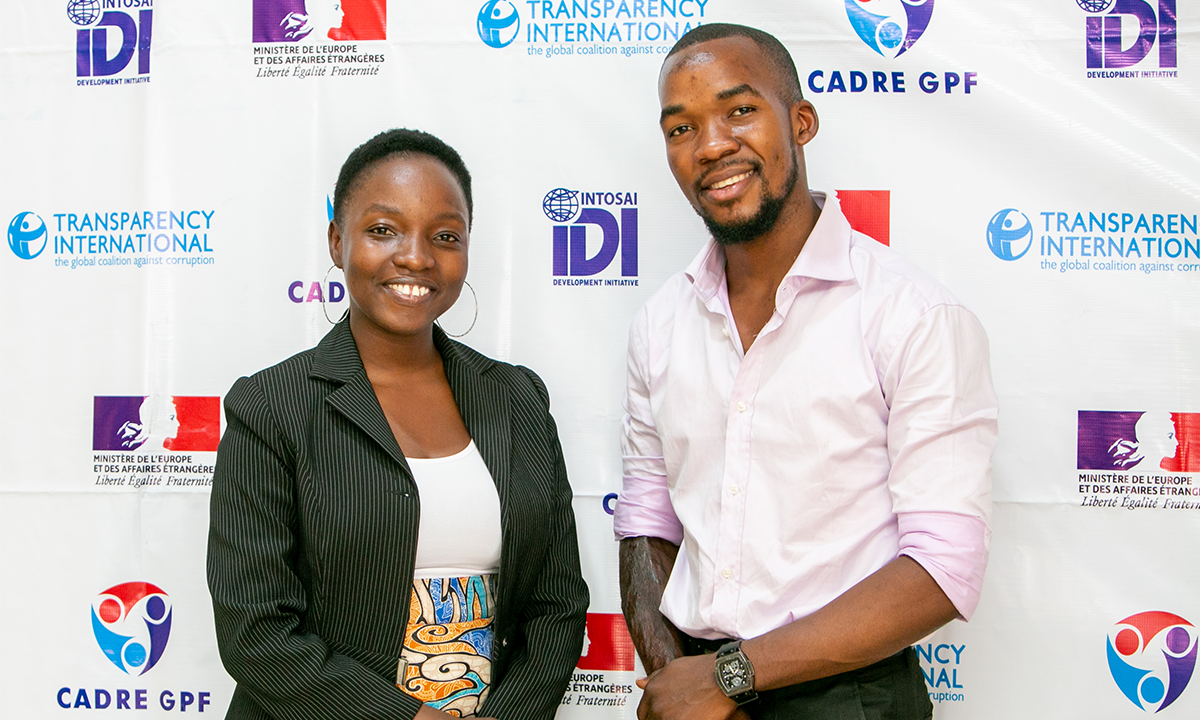
Investigative journalism plays a crucial role in holding public institutions accountable. To support this vital oversight work, the INTOSAI Development Initiative (IDI) and the Office of the Auditor General (OAG) Zambia hosted an Investigative Journalism Workshop from February 4-6, 2025, in Lusaka. Part of the CADRE Project, the workshop aimed to equip journalists with the skills to analyse audit reports, uncover critical financial management issues, and translate complex findings into compelling stories that drive action.
The CADRE Project, funded by the French Ministry for Europe and Foreign Affairs, is jointly implemented by IDI and Transparency International (TI), with OAG Zambia and TI-Zambia leading efforts at the country level. The project fosters collaboration between Supreme Audit Institutions (SAIs) and Civil Society Organisations (CSOs) to enhance transparency, accountability, and SAI independence.
This three-day workshop brought together 17 media houses from across Zambia, focusing on investigative techniques that help translate complex audit findings into compelling stories that inform the public and drive action.
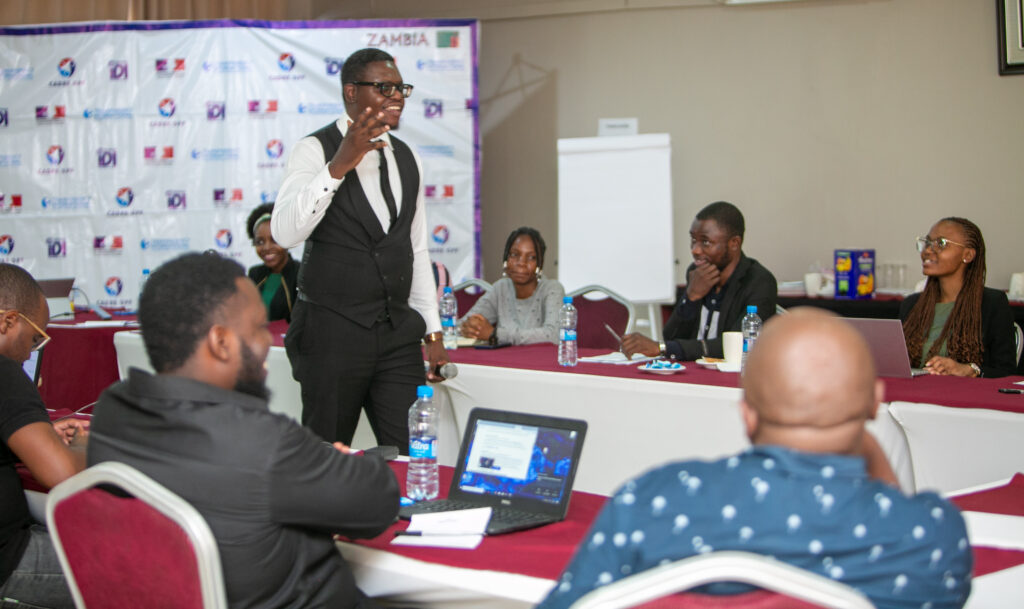
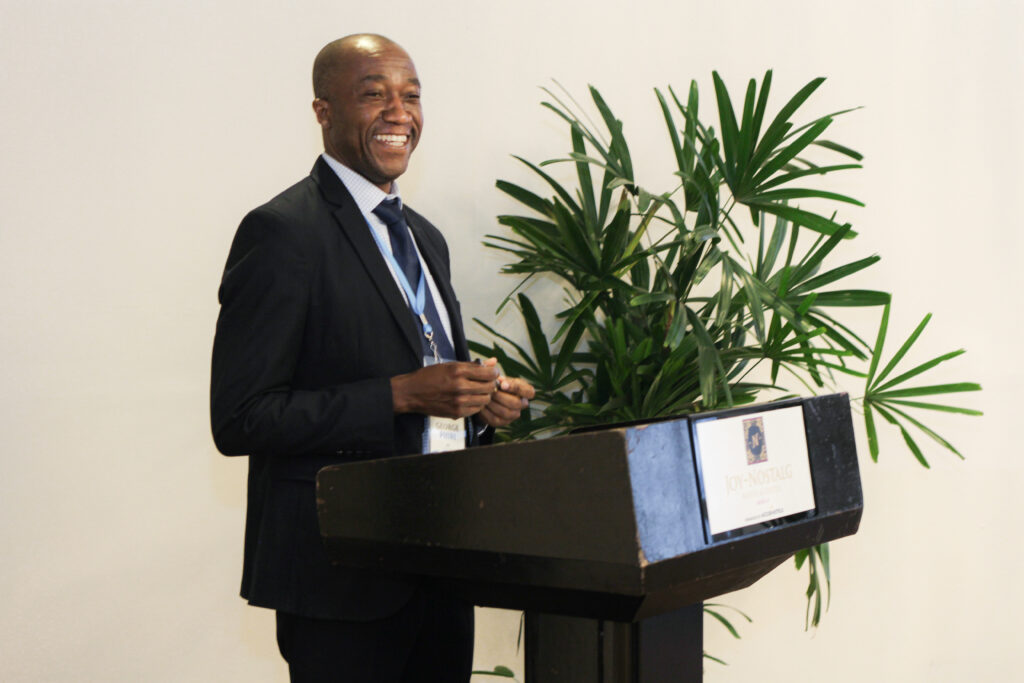
The event was officially opened by Zambia’s Auditor General, Dr. Ron Mwambwa, and Transparency International Zambia’s Executive Director, Mr. Maurice Nyambe. Dr. Mwambwa underscored the importance of media collaboration with the OAG, emphasizing that investigative journalism can transform audit findings into meaningful action by exposing inefficiencies and misconduct in public finance management. He also stressed the need for responsible and factual reporting.
Mr. Nyambe echoed these sentiments, highlighting the media’s role as a key player in the fight against corruption. He called for stronger partnerships between journalists, CSOs, and audit institutions to ensure public funds are used transparently and effectively.
Speaking at the opening, IDI reinforced the workshop’s objective: empowering journalists with the knowledge and tools to interpret financial oversight data and produce impactful investigative reports that promote good governance.
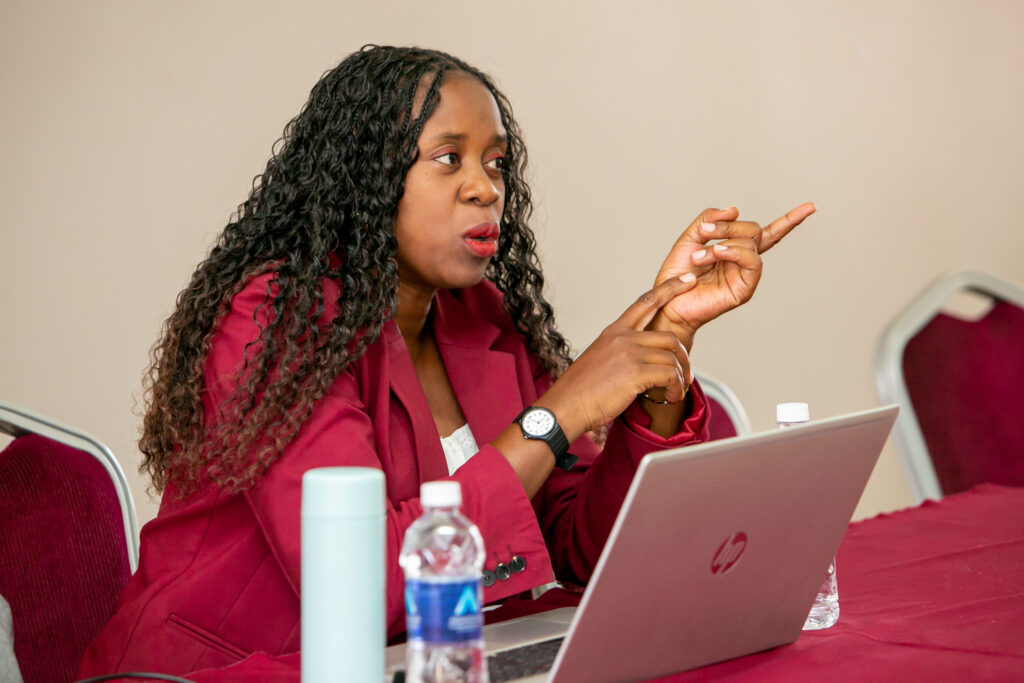

Investigative journalism plays a crucial role in holding public institutions accountable. To support this vital work, the INTOSAI Development Initiative (IDI) and the Office of the Auditor General (OAG) Zambia hosted an Investigative Journalism Workshop from February 4-6, 2025, in Lusaka. Held under the CADRE Project, the workshop equipped journalists with the skills to analyse audit reports, uncover financial mismanagement, and transform findings into compelling stories that drive action.
Led by investigative journalism expert Mr. Joseph Mwenda of News Diggers, along with facilitators from OAG Zambia, TI-Zambia, and BBC Media Action, the sessions provided in-depth training on key topics:
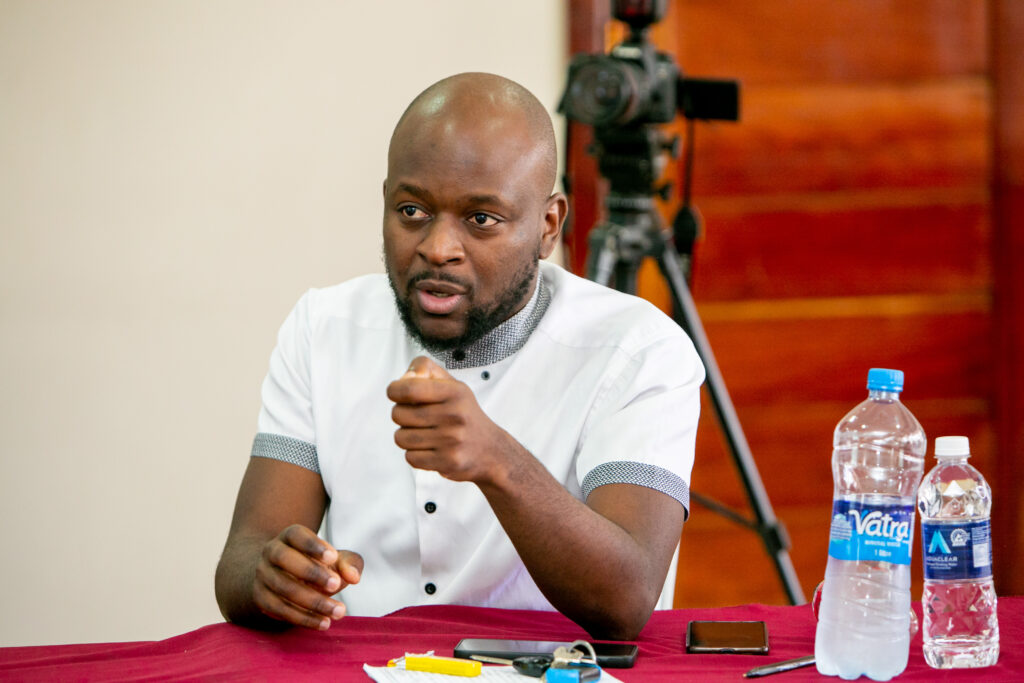
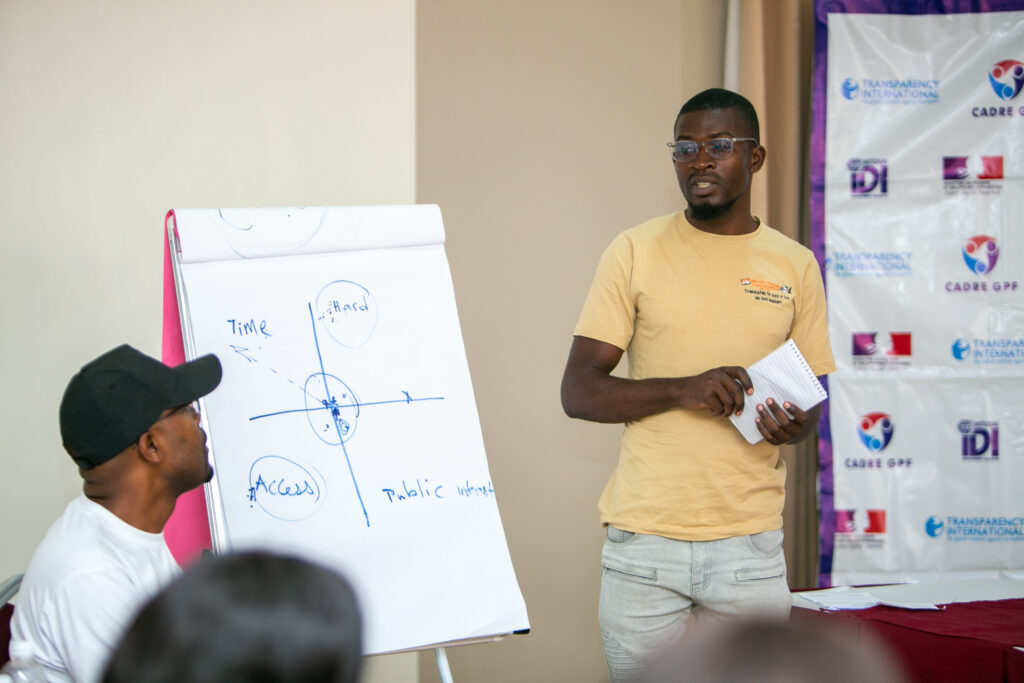
By the end of the workshop, participants developed key action points to implement before the next session in March 2025, including publishing investigative stories based on findings from the OAG 2023 Report and conducting in-depth investigations into critical issues highlighted in audit reports.
The second phase of the workshop, taking place next month, will continue to build on these efforts, further refining investigative techniques and strengthening collaboration between journalists, CSOs, and SAIs.
This workshop reaffirmed the vital role of investigative journalism in ensuring that audit findings lead to real governance improvements. Through the CADRE Project, IDI, OAG Zambia, and their partners remain committed to supporting journalists and accountability actors in the mission to promote transparency and impactful storytelling.
Stay tuned for updates from the March 2025 follow-up workshop!
The UN’s 2030 Agenda is the first global plan to address social challenges through the Sustainable Development Goals (SDGs). In this context, Supreme Audit Institutions (SAIs) play a fundamental role in monitoring public policies, assessing progress, and ensuring the inclusion of the most vulnerable groups. They must also strengthen their transparency and accountability.
To support SAIs in this effort, the INTOSAI Development Initiative (IDI) has implemented various actions, including strengthening governance, developing methodologies for SDG audits, and promoting sustainability audits. In the article published in the Revista Española de Control Interno (#77), written by Eduardo Ruiz Garcia and Sebastian Gil, IDI Senior Managers, highlights the need for SAIs to deepen their understanding of sustainable development, optimise resource allocation, and enhance collaboration with key stakeholders while maintaining their independence.
El rol de las EFS en la Agenda 2030
La Agenda 2030 de la ONU es el primer plan global para abordar los desafíos sociales a través de los Objetivos de Desarrollo Sostenible (ODS). En este contexto, las Entidades Fiscalizadoras Superiores (EFS) desempeñan un papel clave en el monitoreo de políticas públicas, la evaluación de avances y la inclusión de grupos vulnerables. También deben mejorar su propia transparencia y rendición de cuentas.
La Iniciativa para el Desarrollo de la INTOSAI (IDI) ha implementado diversas acciones para apoyar a las EFS, incluyendo el fortalecimiento de su gobernanza, el desarrollo de metodologías para auditorías de los ODS y la promoción de auditorías de sostenibilidad. El artículo publicado en la Revista Española de Control Interno #77 escrito por Eduardo Ruiz Garcia y Sebastian Gil, Gerentes Senior de la IDI, resalta la necesidad de que las EFS profundicen su comprensión sobre el desarrollo sostenible, optimicen la asignación de recursos y fortalezcan la colaboración con actores clave, manteniendo siempre su independencia.
IDI is pleased to invite SAIs to join the IT Strategy Development Programme under the pICTure initiative funded by The Swiss State Secretariat for Economic Affairs (SECO). The Target of this program is to strengthen ICT governance with an actionable IT Strategy to fulfil SAI’s requirements.
The purpose of this IT Strategy Development Programme is to help SAIs across the globe improve the organisation’s IT governance practices. This programme will cover 360-degree aspects of the IT Landscape to meet the organisational needs. Experts from IDI will handhold and guide the SAI Team to ensure the IT Transformation aspect of the SAI.
The IT Strategy programme will assess the current IT maturity of the SAI using the SAI IT Maturity Assessment (SAI ITMA) Tool developed by GIZ. Further, the ICT Strategy will be outlined based on the SAI context. A roadmap will be defined to implement different strategic and transformation initiatives related to IT.
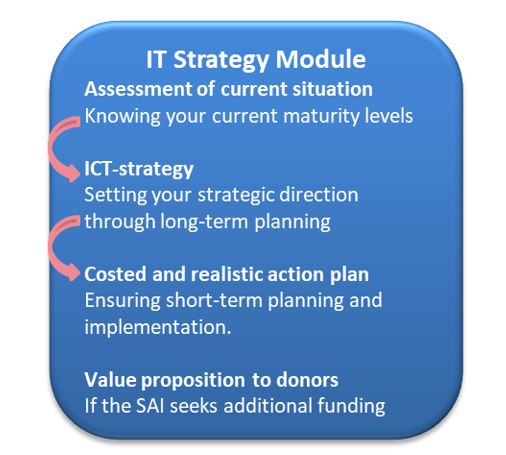
For the 2025 rollout, we will select 6 SAIs for the programme from English-speaking INTOSAI regions. SAIs must submit their expression of interest to join the program by 13 February 2025, covering the selection criteria mentioned in the IT Strategy Programme brief.
For any clarification please write to us: picture@idi.no
To learn more about pICTure, please visit the pICTure page