Past Projects

Venue: Kenya
Language: English
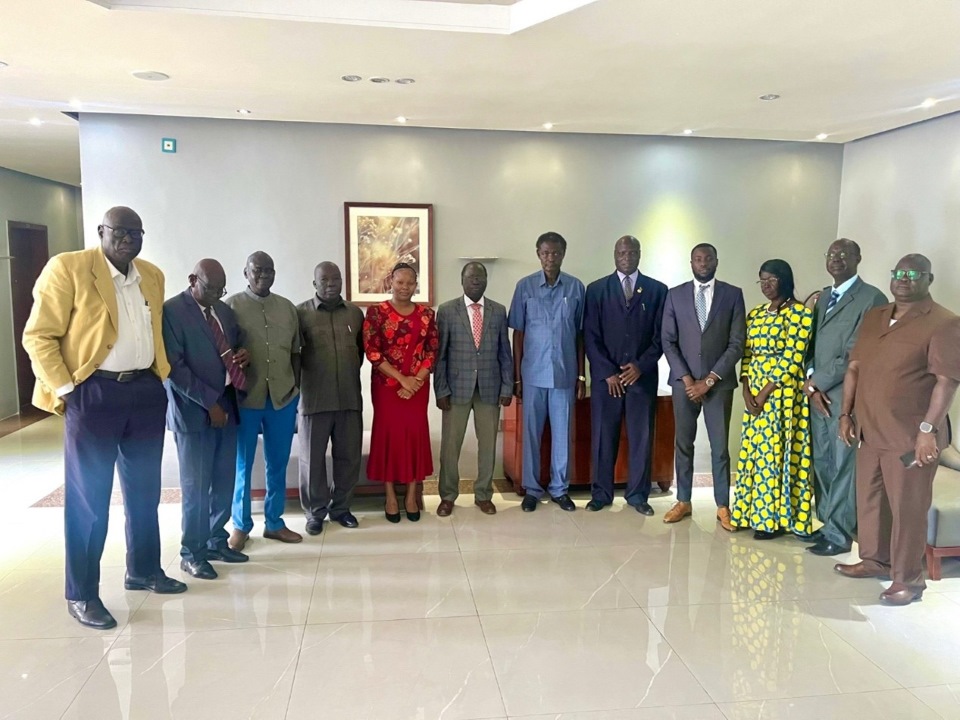
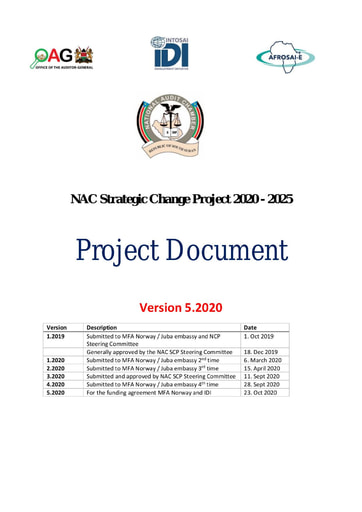
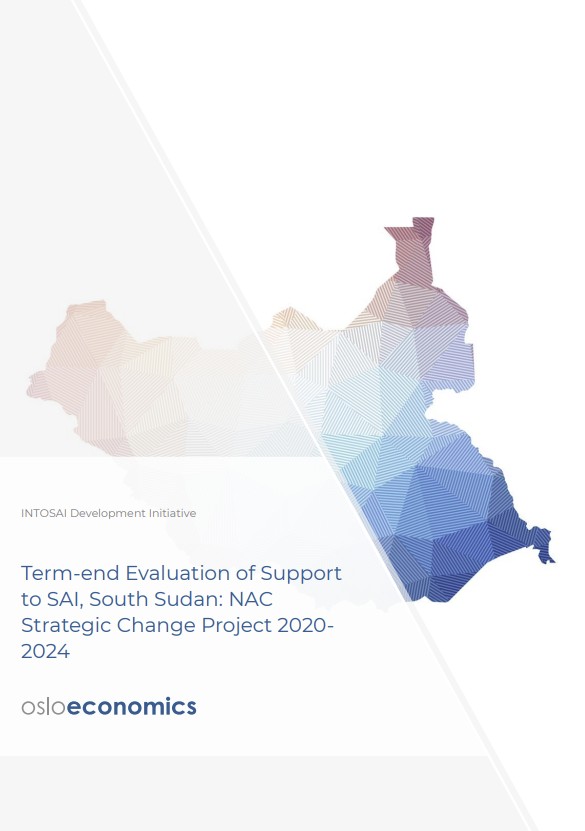
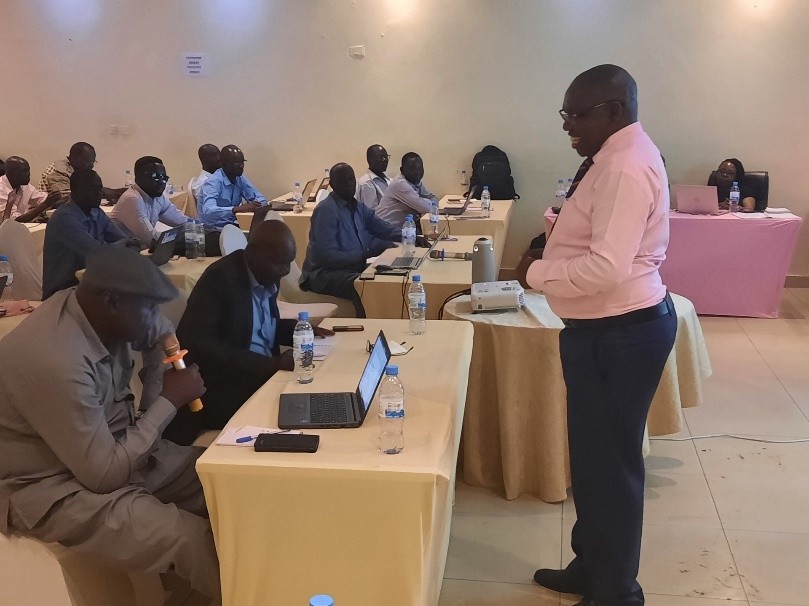
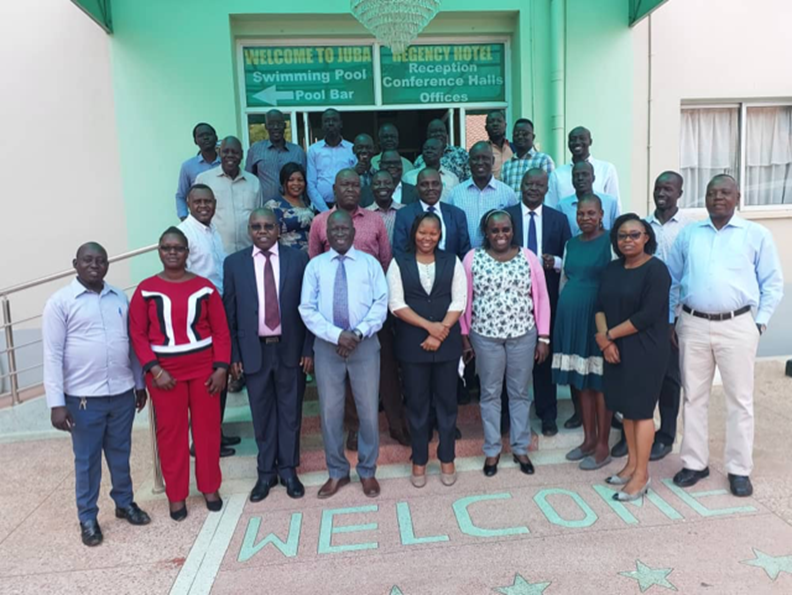
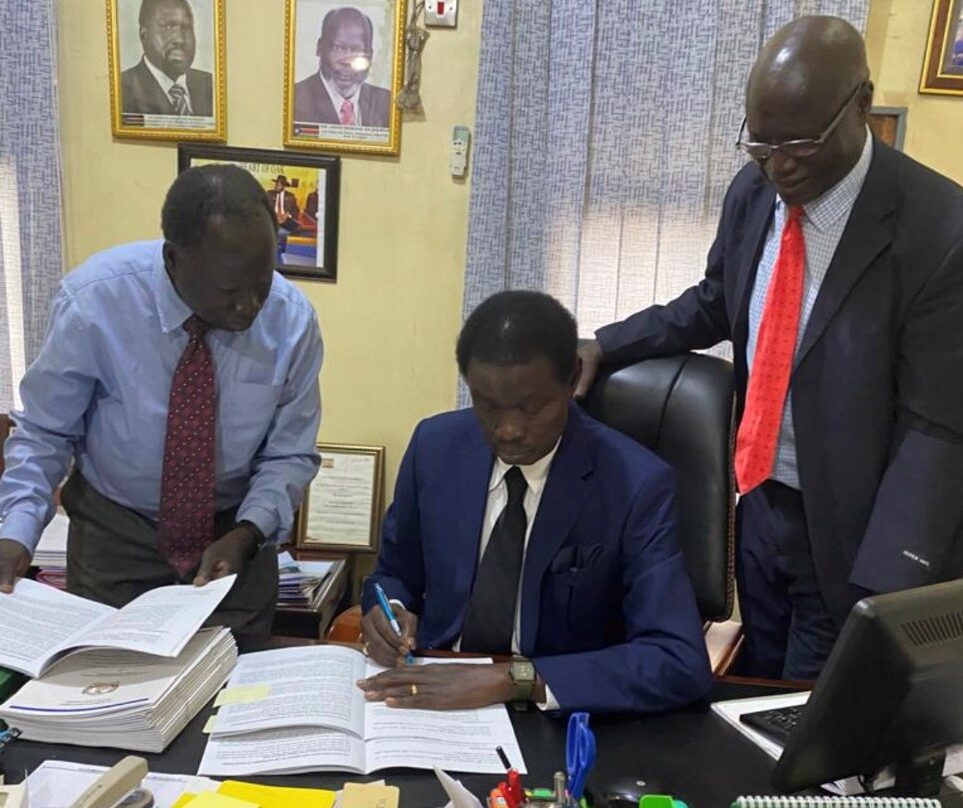
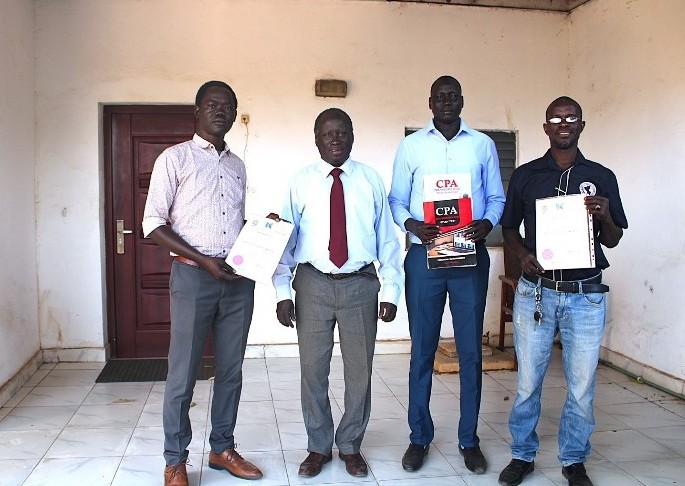
With around 150 staff and limited, unpredictable domestic funding, NAC required external support to implement its priorities effectively. To this end, the INTOSAI Development Initiative (IDI), the Office of the Auditor General of Kenya, and AFROSAI-E partnered with NAC under a Cooperation Agreement signed in 2019, supported by funding from the Norwegian Ministry of Foreign Affairs through the Embassy in Juba. The NOK 20 million project (2020–2024) focused on strengthening NAC’s capacity in core audits, legal and governance frameworks, ICT systems, HR management, professional development, and stakeholder engagement to enable full implementation of its Strategic Plan.
This component focused on strengthening NAC’s capacity to deliver high-quality audits across key sectors. It aimed to improve the timeliness, scope, and quality of financial, compliance, and performance audits, contributing to more transparent and accountable public financial management.
This component supported efforts to reinforce NAC’s legal framework and independence. It involved technical guidance on revising the Audit Act and enhancing institutional safeguards that promote the autonomy and authority of the National Audit Chamber within South Sudan’s governance architecture.
This component aimed to modernize NAC’s audit systems and methodologies in line with international standards. It promoted digitalization, standardized audit practices, and improved planning and review mechanisms to ensure consistency, efficiency, and ISSAI compliance in audit execution.
Support under this component targeted stronger institutional governance and strategic management. It emphasised operational planning, performance monitoring, and ICT-driven systems to enhance coordination, internal reporting, and the overall management of audit operations.
This component focused on building NAC’s human capital and professional capacity. It promoted structured training, professional certification, and performance management systems to strengthen the competence, integrity, and motivation of audit staff.
This component sought to deepen NAC’s engagement with key oversight stakeholders, including the National Assembly, auditees, and the public. It aimed to improve awareness, dialogue, and transparency through structured communication and knowledge-sharing platforms.
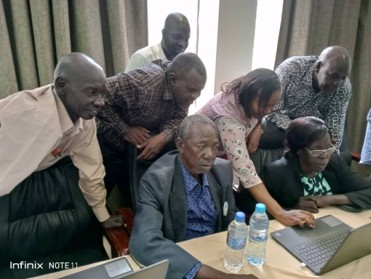
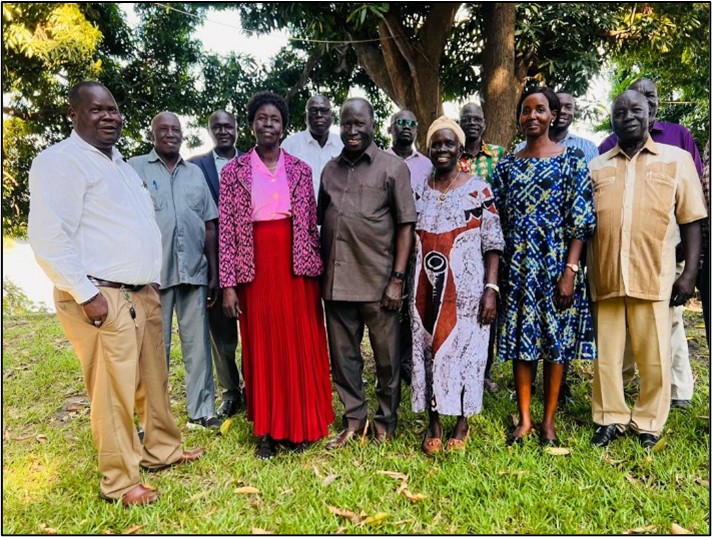
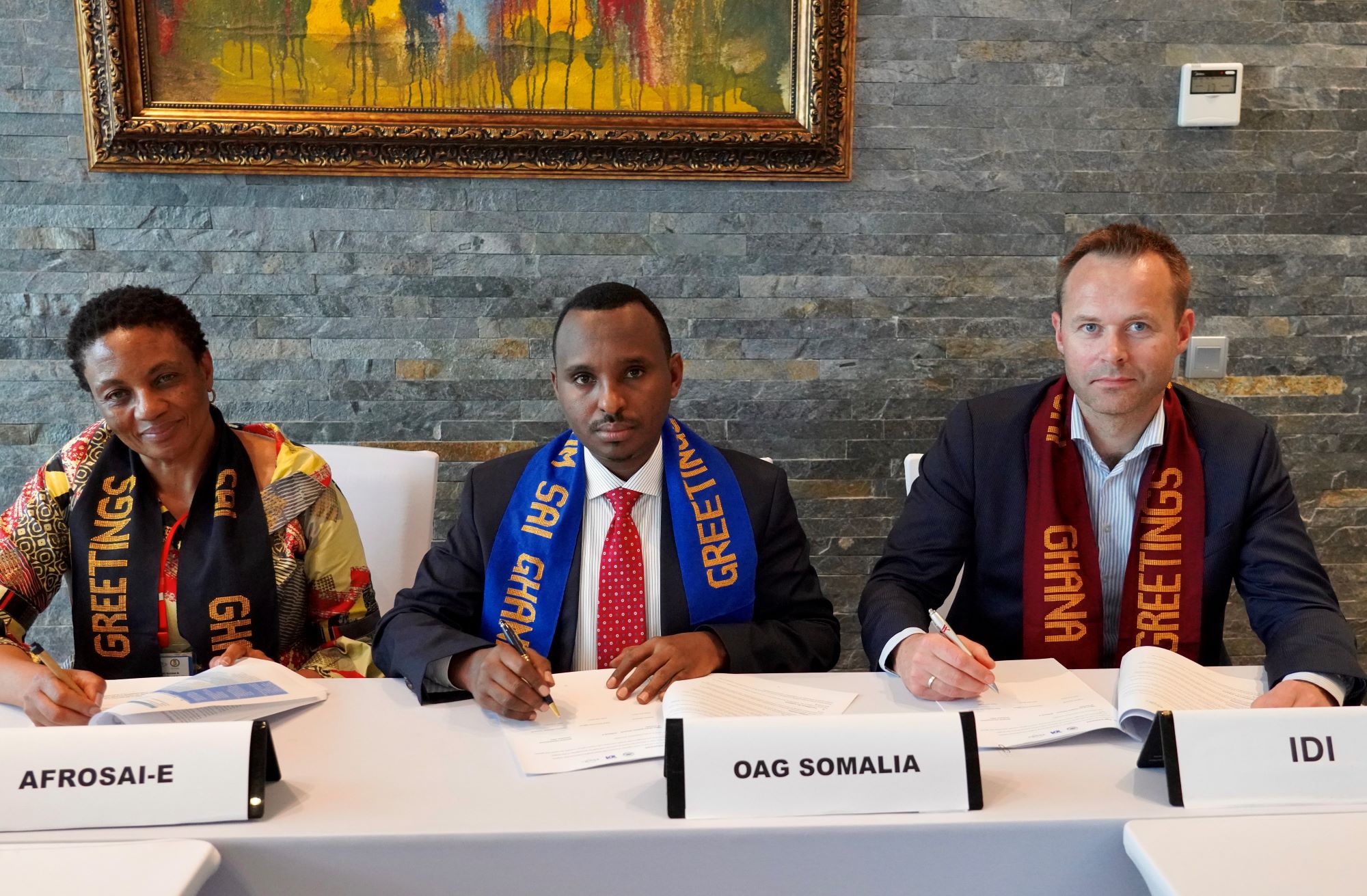
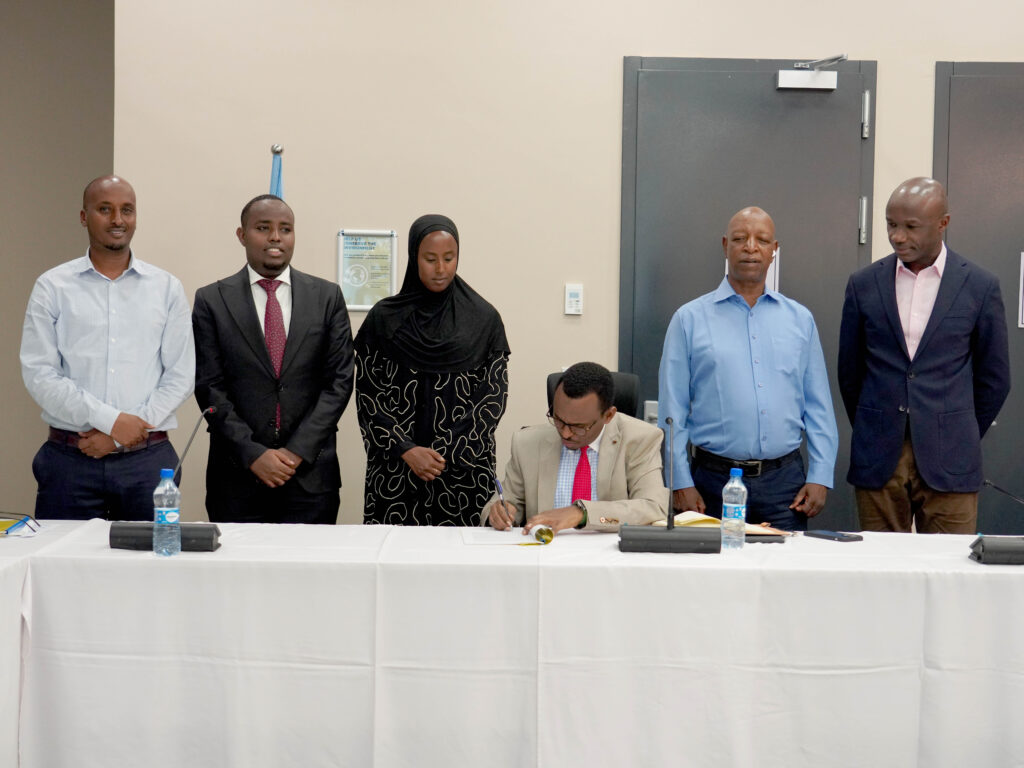
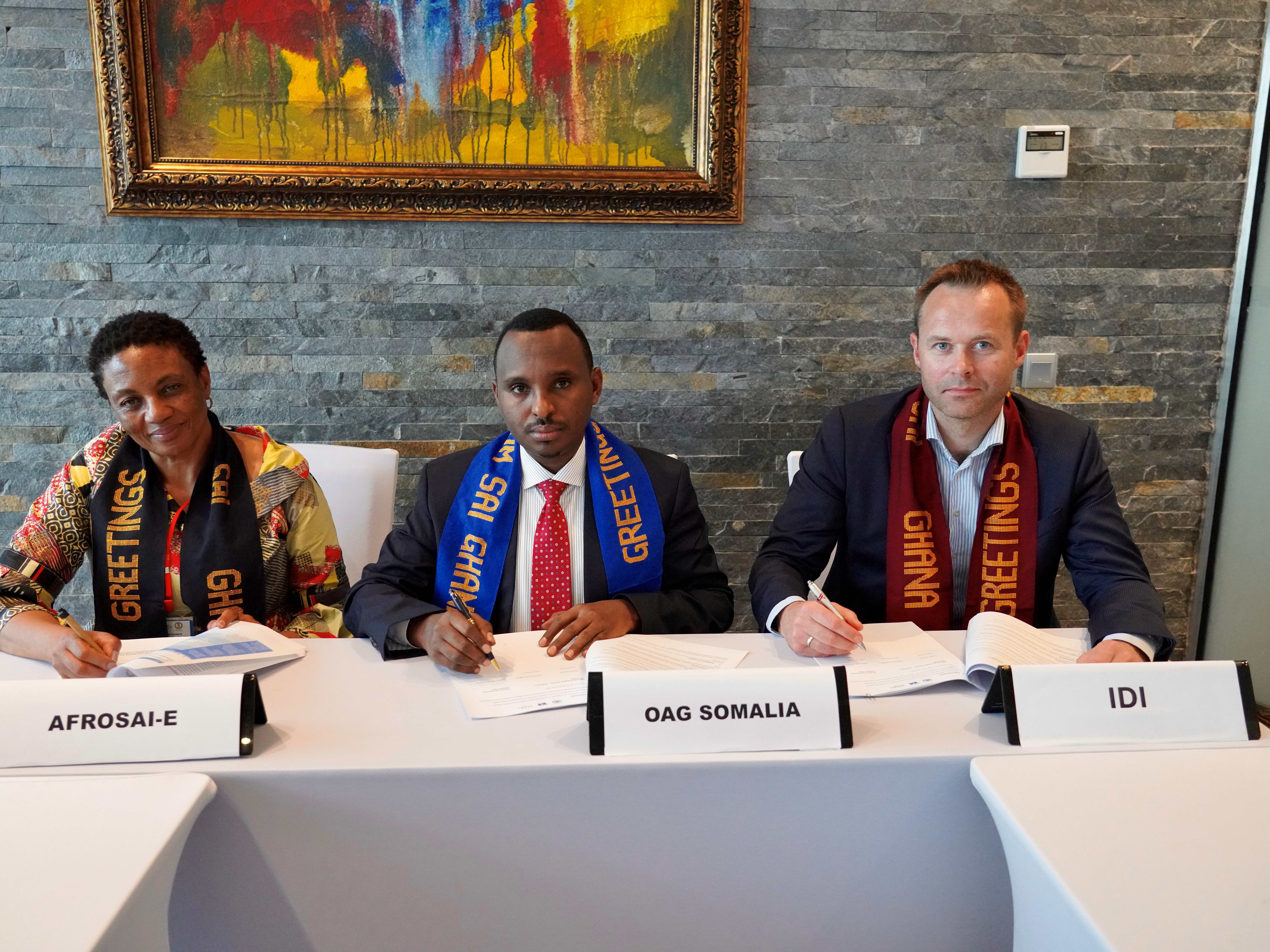
The Office of the Auditor General of the Federal Republic of Somalia (OAGS) has a crucial role in promoting and ensuring good governance in Somalia. The OAGS is responsible to audit all the federal government institutions and the independent enterprises provided with a public private partnership. Over the last five years OAGS has demonstrated its commitment to play a strong role in enhancing public financial management in Somalia.
The OAGS, IDI and AFROSAI-E has had a close collaboration since 2018. On the basis of the new OAGS strategic plan for 2023-2027, the partners have agreed a new phase of collaboration. The overall objective of the project is to “Enable OAGS to achieve its planned strategic outputs related to core audits and stakeholder engagement for the period 2023-2024.” The project will in particular support OAGS in its work to achieve the following strategic outputs:
Support activities include on-the-job advice for audits and organizational systems and processes, various trainings, and financial support for events and the salary of the AG Special Assistant. While IDI is financially responsible for the project, peers from the SAIs of Uganda and Malawi deliver technical support together with staff of IDI and AFROSAI-E. The OAGS has an active role as lead of the Steering Committee and the project management team. Please see the cooperation agreement for more info on the expected results, roles and responsibilities of the project.
The EU, World Bank and peer SAIs with their own funding are also key partners of OAGS. The peer support project seeks to have an advisory role for the totality of external support to OAGS, and assist OAGS in their work to create a well-functioning support ecosystem. To succeed in delivering all the strategic outputs of the 2023 – 2027 plan, OAGS will rely on additional support to the peer support project.
Funding
For 2023 – 2024 funding is provided by the Norwegian embassy in Nairobi and IDI core funds. To read the funding contract click here.
In partnership with AFROSAI-E, IDI supports the Office of the Auditor General of Somalia to implement key strategic priorities. This includes support to ongoing audits, a new legal framework, stronger internal governance, HR-management, professional development, stakeholder engagement and communication and general coordination with partners. Funding is provided by the Norwegian government.
The Office of the Auditor General of the Federal Republic of Somalia (OAGS) has a crucial role in promoting and ensuring good governance in Somalia. Over the last years OAGS has demonstrated a strong ability to deliver audit results and develop the organization.
The OAGS, IDI and AFROSAI-E had a joint project for the years 2018 – 2020.
There was a good dynamic in the partnership and significant results (see the evaluation report here and an article in the INTOSAI Journal here).
The current cooperation is for 2021-2022. The overall objective of project is to “Enable OAGS to successfully implement the strategic priorities in the period 2021-22.” The 2021-22 OAGS Strategic Plan has the following six goals:
The peer support project will provide support to selected objectives and areas within each goal, contributing to OAGS achieving the goals. Please see the Cooperation agreement for the expected results and roles of the partners.
To ensure robust and relevant support for all the six strategic goals of OAGS, multiple mechanisms of support are needed in addition to the peer support project.
The World Bank and other donors are also partners of OAGS. IDI seeks to have an advisory role for the totality of external support and be the responsible provider of peer-support in cooperation with AFROSAI-E.
For 2018-2021 funding is provided by the Norwegian embassy in Nairobi and IDI core funds. To read the funding contract click here.
From 2015-2017 IDI supported SAI Somalia to enhance its performance by developing a strategic plan based on a thorough needs assessment. SAI Somalia completed their needs assessment and strategic plan and shared this widely both internally and externally the second half of 2017. The SAI has also with IDI support developed an operational plan, a plan for financial and technical support to implement the strategic plan and established a good dialogue with financial donors.
For 2018-2020 IDI and AFROSAI-E are supporting SAI Somalia to implement the six strategic goals:
Timely, relevant and high-quality audit reports in line with international standards
Strengthening Internal Governance for efficient and Effective Audit Services
Strengthen external communication and stakeholder relations to ensure audit recommendations are implemented and reports have an impact on governance and accountability
Well qualified and professional staff and management
Sufficient infrastructure and ICT capacity for efficient operations
Amend the old legal framework OAGS currently operates under
The support is provided as a combination of technical peer-support and logistical support to key events and trainings. This is organized through two peer-teams (audit and internal governance and independence) with representatives of IDI, AFROSAI-E and regional SAIs.
To ensure robust and relevant support for all the six strategic goals of OAGS, multiple mechanisms of support are needed, including support for recruitment of new staff, engagement of long-term advisors, peer-support mechanisms and direct financial support for procurements related to ICT and infrastructure.
The World Bank and other donors are also partners of SAI Somalia. IDI seeks to have an advisory role for the totality of external support and be the responsible provider of peer-support in cooperation with AFROSAI-E. Funding For 2015-15 the funding was provided by the Norwegian Agency for Development Cooperation (NORAD) and IDI core funds. For 2018-2020 funding is provided by the Norwegian embassy in Nairobi and IDI core funds. To read the funding contract click here.
Project Agreements and Reports
OAGS Peer-Support Project 2018-2020 Cooperation Agreement
OAGS Peer-support Project 2018 Report
OAGS Peer-support Project 2019 Report
OAG Somalia Strategic Plan 2017-2020
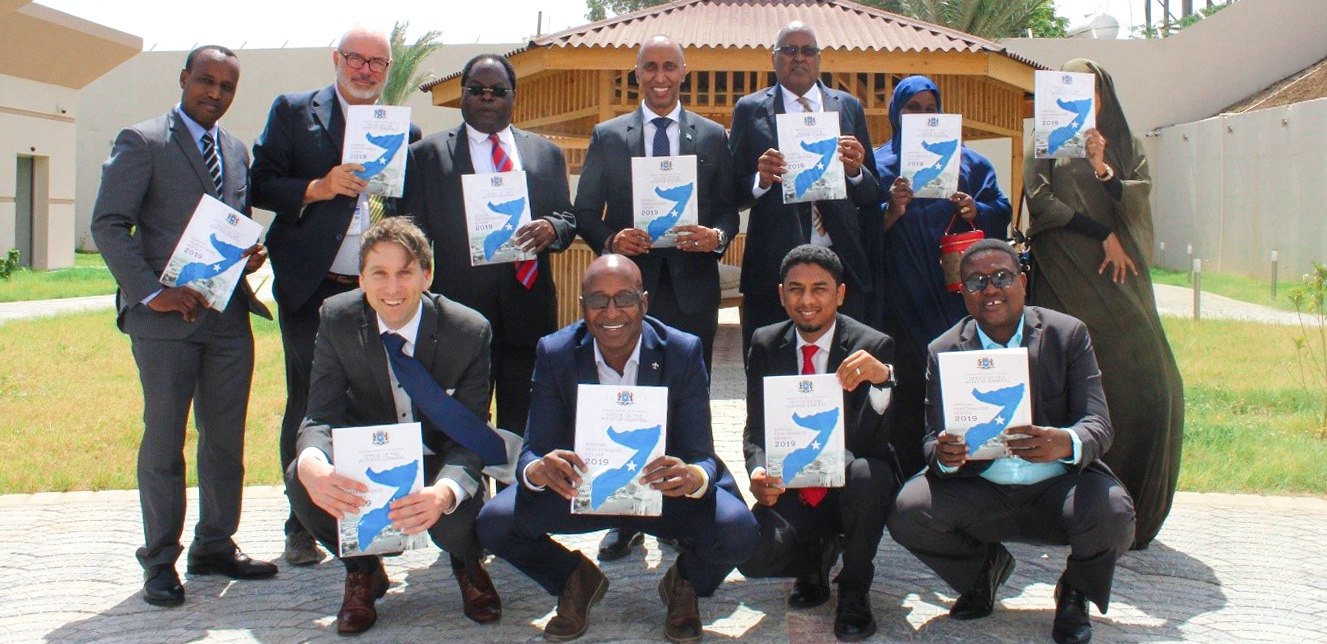
* Please note that the OAGS Strategic Plan 2023 – 2027 that was available from 20 June 2023 to 12 July 2023 has been removed pending updates, and is therefore null and void. The authorised version will be uploaded shortly for you to view.
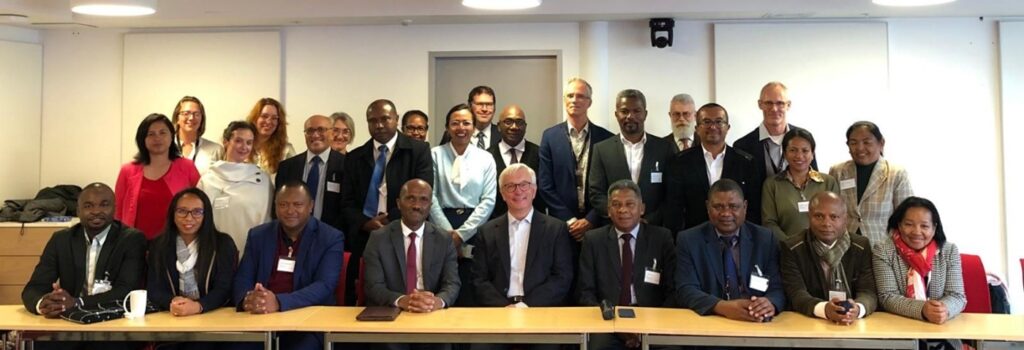
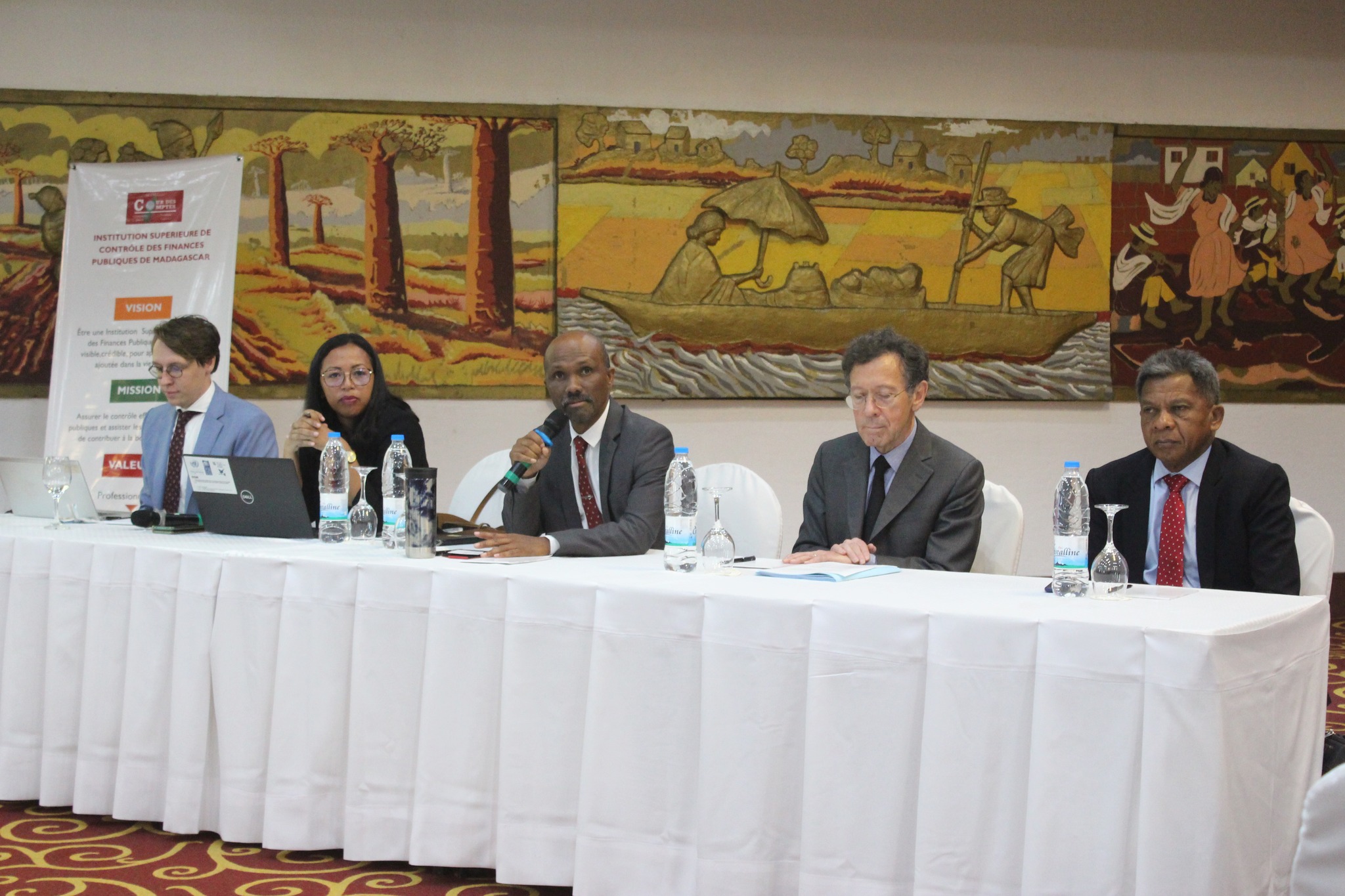
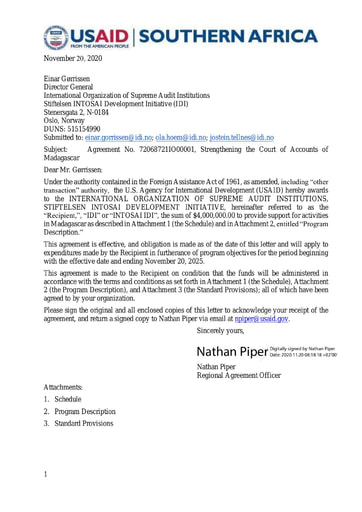
This initiative aims to strengthen the Court of Accounts’ capacity to promote integrity and transparency in public funds management through a comprehensive range of intervention areas. Despite strong commitment, the Court of Accounts continues to face challenges related to institutional independence, financial autonomy, and professional capacity, including modernizing audit control methodologies, improving internal governance, and building staff skills. Addressing these challenges is essential for the Court to become a credible, visible, and model institution, adding value or the Malagasy citizens’ lives, in line with the vision set in its Strategic Plan for 2020-2024.
INTOSAI REGION: CREFIAF
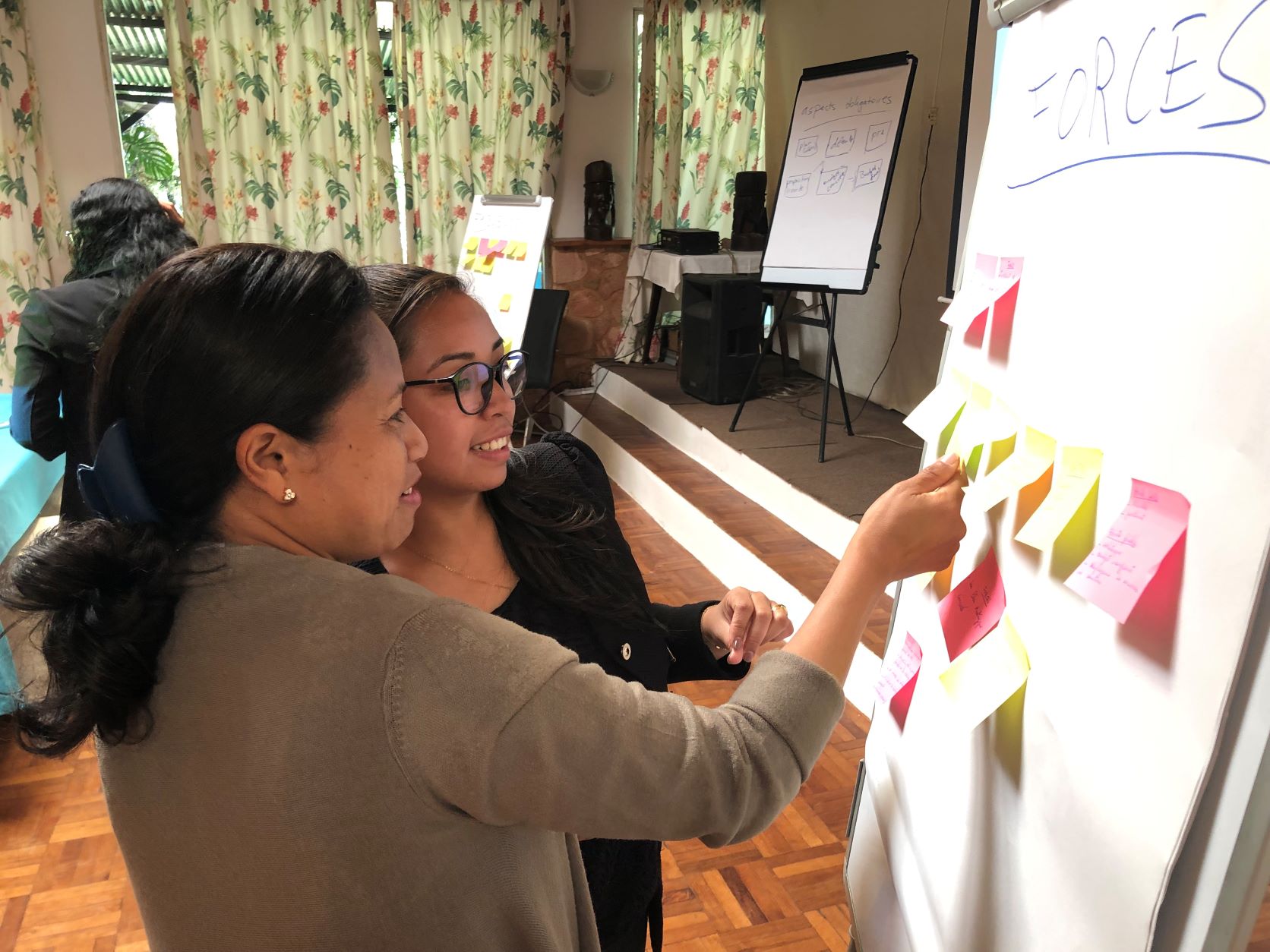
Strengthens the Court of Accounts’ capacity to plan, conduct, report and follow up on performance, compliance and financial audits with high relevance and priority, as well as public policy evaluations. Through peer coaching and on-the-job guidance, it builds staff competencies, enhances audit quality, and develops manuals, tools, and governance systems supporting the auditing process.
Strengthens the efficiency and quality of jurisdictional controls carried out by the Court of Accounts and Financial Tribunals. It focuses on improving processes for clearing and judging public accounts, addressing backlogs, modernizing methodologies and digital tools, and providing tailored training and coaching. Output includes updated guidance materials, faster and higher-quality account judgment, and enhanced staff capacity.
Seeks to enhance the Court of Accounts’ communication with the National Assembly, Government, civil society, and media. It focuses on implementing the stakeholder engagement strategy, strengthening outreach tools, and training staff and journalists to make audit results more accessible and impactful. The impact is improved visibility, public understanding, and citizen trust in the Court’s role in promoting good governance, integrity, and transparency.
Aims to strengthen the legal framework governing the Court of Accounts, to reinforce its institutional independence and autonomy. It focuses on analyzing existing legislation, drafting proposals and supporting stakeholder engagement and advocacy for reform. Following its 2023 budgetary elevation improving financial autonomy, efforts continue to enhance functional and administrative independence and build greater awareness and support among national decision-makers.
Supports the Court of Accounts in strengthening strategic management, governance, and ethical standards to enhance its own transparency and accountability. It includes guidance on planning, budgeting, monitoring, and change management, alongside the development of a Code of Ethics aligned with international standards and staff training on integrity and conduct.
Supports the digital transformation of the Court of Accounts to improve audit quality and organizational efficiency. It includes developing an ICT strategy and management systems, providing essential infrastructure and digital audit tools, digitalizing audit processes and archives, and introducing software for data analysis. Staff members have been trained in ICT management and data-driven analysis to enhance performance.
Supports the Court of Accounts’ staff by developing a comprehensive HR strategy, training and professional development plans, and recruitment improvements, to fulfill its mandate. This component also promotes gender equality, aligning HR policies with regional strategies to increase women’s participation in leadership and foster an inclusive institutional culture.
Ensures effective project implementation through strong involvement and commitment of CdC members. A Steering Committee and Coordination Team, led by the CdC, oversees progress, aligns activities with institutional priorities, and ensures transparency. CdC leadership drives coordination, learning, and communication with IDI, USAID, and other development partners.


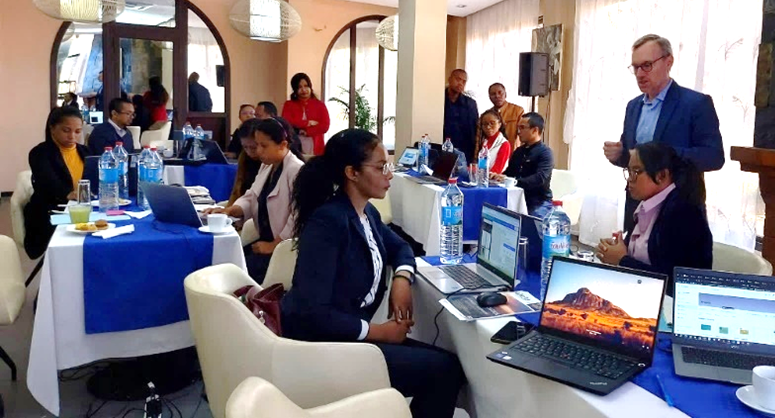
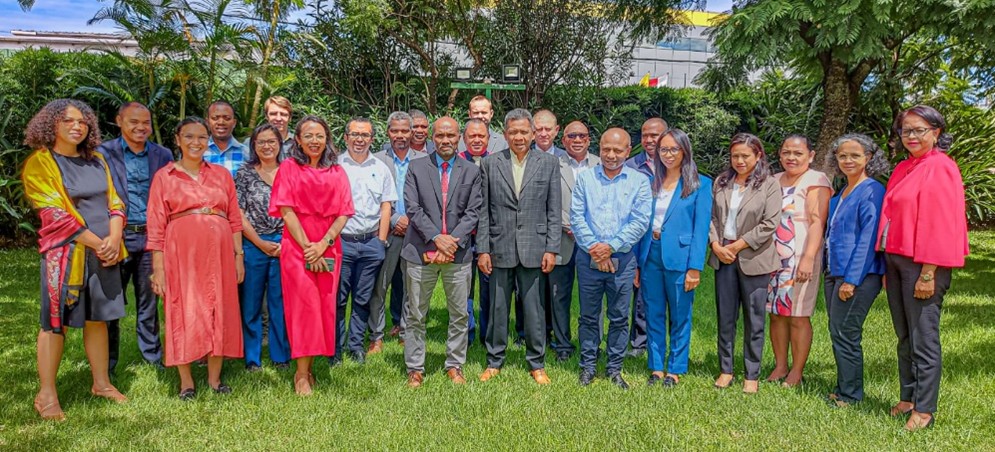
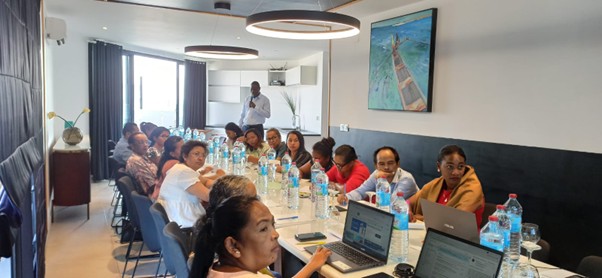
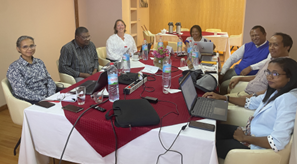
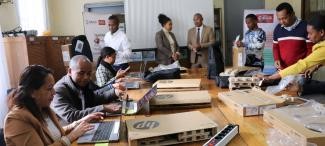
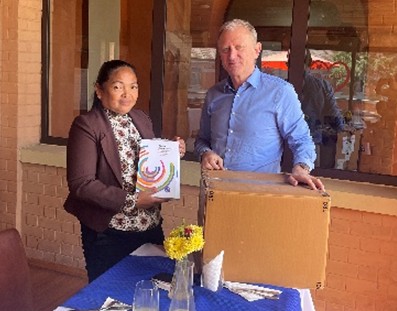

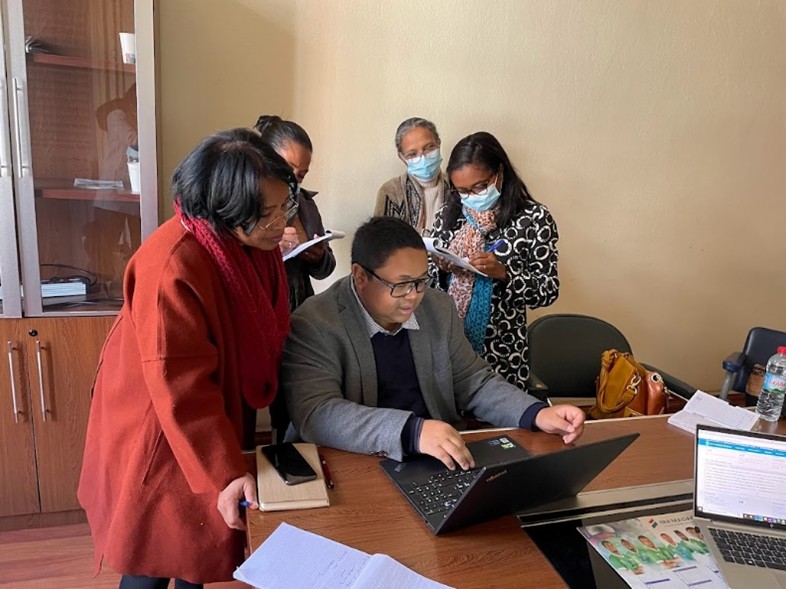
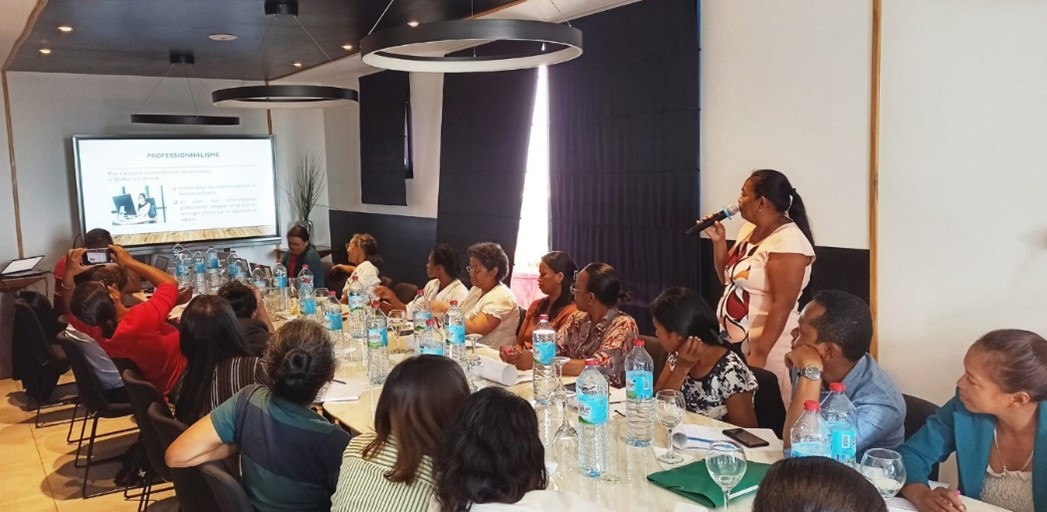
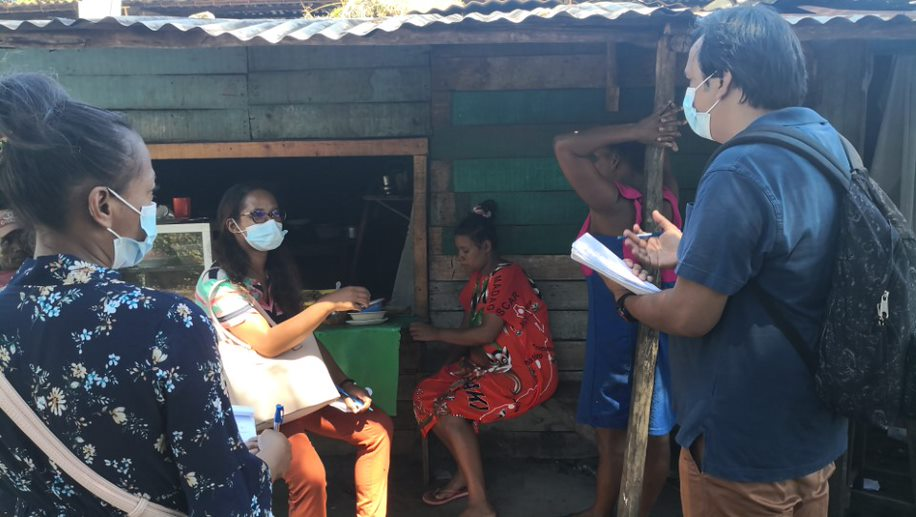
Ny Fitsarana momba ny Kaonty eo anivon’ny Repoblikan’i Madagasikara dia mametraka tetikasa hanamafisana ny fahaiza-manaony mba hanatsarana ny fampiasana ny volam-bahoaka. Izany tetikasa izany, dia nomena ny anarana hoe TANTANA, vatsian’ny vondrona Amerikana ho an’ny fivoarana manerantany (USAID) ary tohanan’ny IDI (Ezaka fampivoarana ny INTOSAI) miaraka amin’ny Fitsarana momba ny Kaonty any Frantsa, sy Maraoka ary Norvezy.
Ny teny hoe TANTANA dia mampahatsiahy ny fitanantanana tsara, fa koa raha alavaina amin’ny teny anglisy dia midika hoe “Transparency & Accountability Through Audit of National Accounts”, izany hoe Fangaraharana sy Fandraisana andraikitra amin’ny alalan’ny fitsirihana ny kaonty nasionaly.
Ny tanjona amin’ny TANTANA dia ny hanamafisana ny fahaiza-manaon’ny Fitsarana momba ny Kaonty ary koa ny hanohanana azy hametraka tsara ny drafitra stratejikany ary hahatratra ireto vokatra manaraka ireto :
Noho izany io tetikasa io dia mandray anjara amin’ny Tanjona Fampivoarana Maharitra SDG16 (Fandriam-pahalemana, Fahamarinana ary Andrim-panjakana Matanjaka), izay mikendry ny hahatonga ny andrim-panjakana handaitra, handray andraikitra ary tsy manavaka. Manampy koa izy io hahatratrarana ny SDG5 (Fitovian’ny lahy sy ny vavy ary Fampaherezana ny vehivavy) amin’ny alalan’ny fomba fiasa mampitovy lenta ny lahy sy ny vavy. Farany, io tetikasa io dia mikendry koa ny fampiharana ny fototra, rafitra ary fehin’ny andrim-panjakana fanamarinam-bola faratampony INTOSAI eo anivon’ny Fitsarana momba ny Kaonty.
TANTANA dia antenaina fa hitondra tombontsoa ho an’ny olom-pirenena Malagasy satria ny fitsirihana tsara kokoa dia hampahatanjaka kokoa ny fitantanam-bolam-bahoaka sy ny raharaham-panjakana.
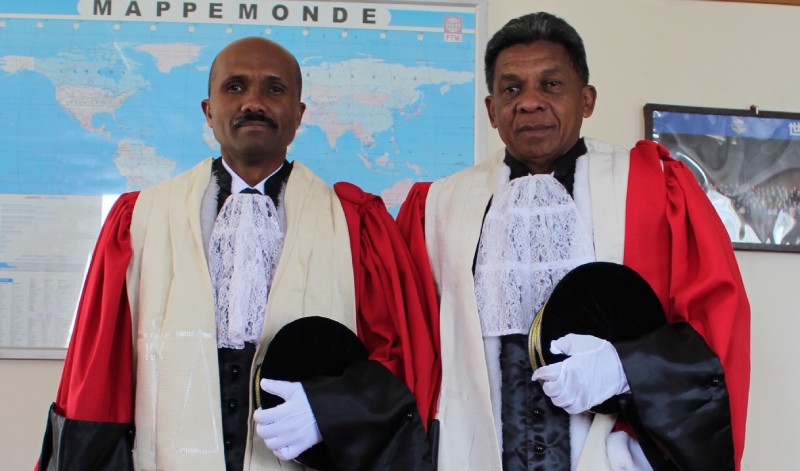
“Mendrika Fitsarana momba ny Kaonty mahaleo tena, hita maso ary azo atokisana ny vahoaka Malagasy. Ankehitriny dia mampatanjaka ny andrim-panjakanantsika isika, mba hatoky tena tanteraka ny firenena momba ny fitantanana ny volam-bahoaka.”
Atoa Jean de Dieu Rakotondramihamina. Filohan’ny Fitsarana momba ny Kaontin’i Madagasikara.
“Ny Fitsarana momba ny Kaonty dia tsy maintsy miasa faingana, amin’ny fomba mirija, mandray andraikitra, mandaitra ary mahitsy ho amin’ny ady atao amin’ny kolikoly sy ny fahantrana. Izany dia ho fandraisana anjara amin’ny fampivoarana ny fiainana andavanandron’ny olom-pirenena.”
Atoa Olivier Ernest Andriantsoa Herison. Mpampanoa Jeneralin’ny Tahirim-bolam-panjakan’i Madagasikara.
Ny tetikasa dia ampahany amin’ny fandaharan’asa lehibe sy maharitra kokoa atao hoe “Partenariat d’Appui Accéléré par des Pairs – Accelerated Peer-Support Partnership (PAP-APP)” izany hoe fiaraha-miasa amin’ny tantsoroka faingana avy amin’ireo mitovy asa, izay mikendry ny hampivoarana ny andrim-panjakana fanamarinam-bola faratampony misedra fahasarotana.
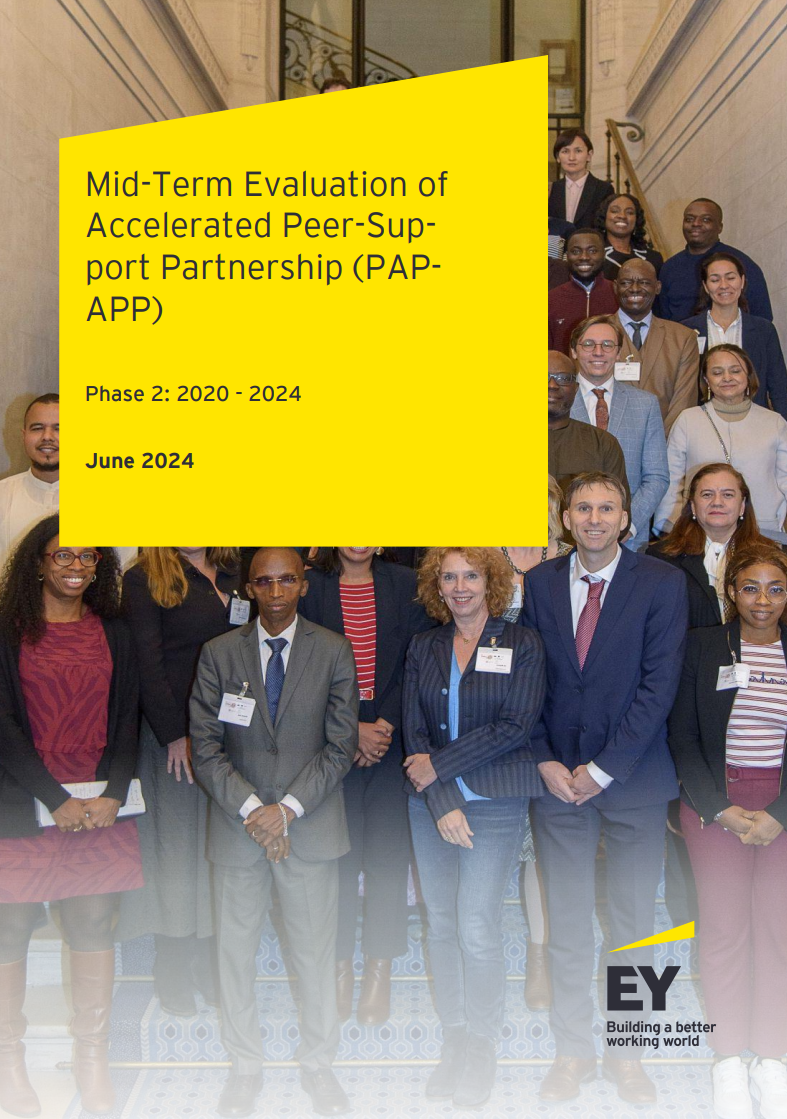
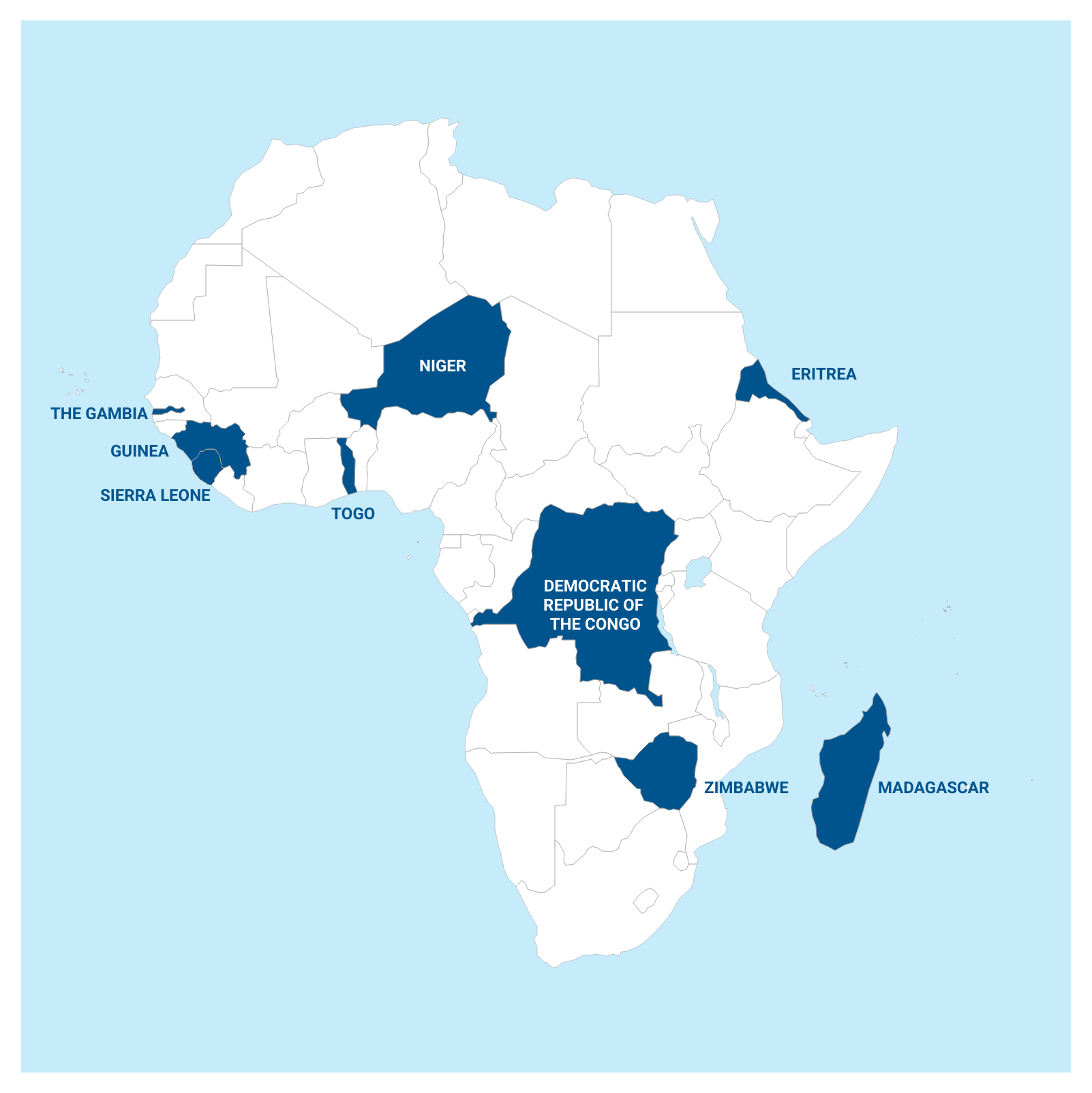
Between 2017 and 2024, the programme supported SAIs in nine countries—the Democratic Republic of Congo, Madagascar, Guinea, Togo, Niger, Eritrea, Zimbabwe, Sierra Leone and The Gambia. Through peer-to-peer collaboration, strategic guidance, and technical assistance, PAP-APP helped these SAIs strengthen institutional capacity, improve audit performance, and enhance their contribution to good governance and accountability in line with ISSAI-P 12.
The programme concluded having built stronger partnerships between SAIs, regional bodies, and donors, leaving behind improved strategic management, more effective audit processes, and a foundation for continued peer learning and sustainable institutional growth.
The programme worked to increase the scale and quality of peer-to-peer engagement, enabling coordinated and effective support from more experienced SAIs to those operating in fragile and resource-constrained contexts.
It developed strong capacities among SAIs and partners in areas such as strategic change management, coordination, and learning, while integrating gender, diversity, and inclusion considerations. The programme also supported knowledge exchange on emerging themes, including COVID-19-related audits.
The programme contributed to global learning by documenting and disseminating good practices and success stories from SAIs in challenging contexts, demonstrating how targeted peer support and collaboration can drive institutional strengthening and performance improvement.