News
I was eager and delighted: My experience as SYL 2019-2020
14/02/2022
I was eager and delighted when I was informed of the nomination for SAI Young Leader Initiative by IDI,INTOSAI Development Initiative. My happiness was boundless when SAI Young Leader of 2018-2019 from SAI India gave me feedback about the programme, the exposure she had and how the Programme bettered her personality moulding out a wonderful leader of her. After much brainstorming with my colleagues and friends, I decided on my SYL Proposal topic on SDGs.My proposal is preparation of an ‘Audit Guideline for review of efforts towards SDG 14-Life on Water.’ My proposal was shortlisted out of applications from 69 countries and I was to attend an online interview. Following the interview I was informed that I am, one among the 25 SYL 2019-2020s shortlisted for the current year. I was curiously looking forward for the first SYL interaction.
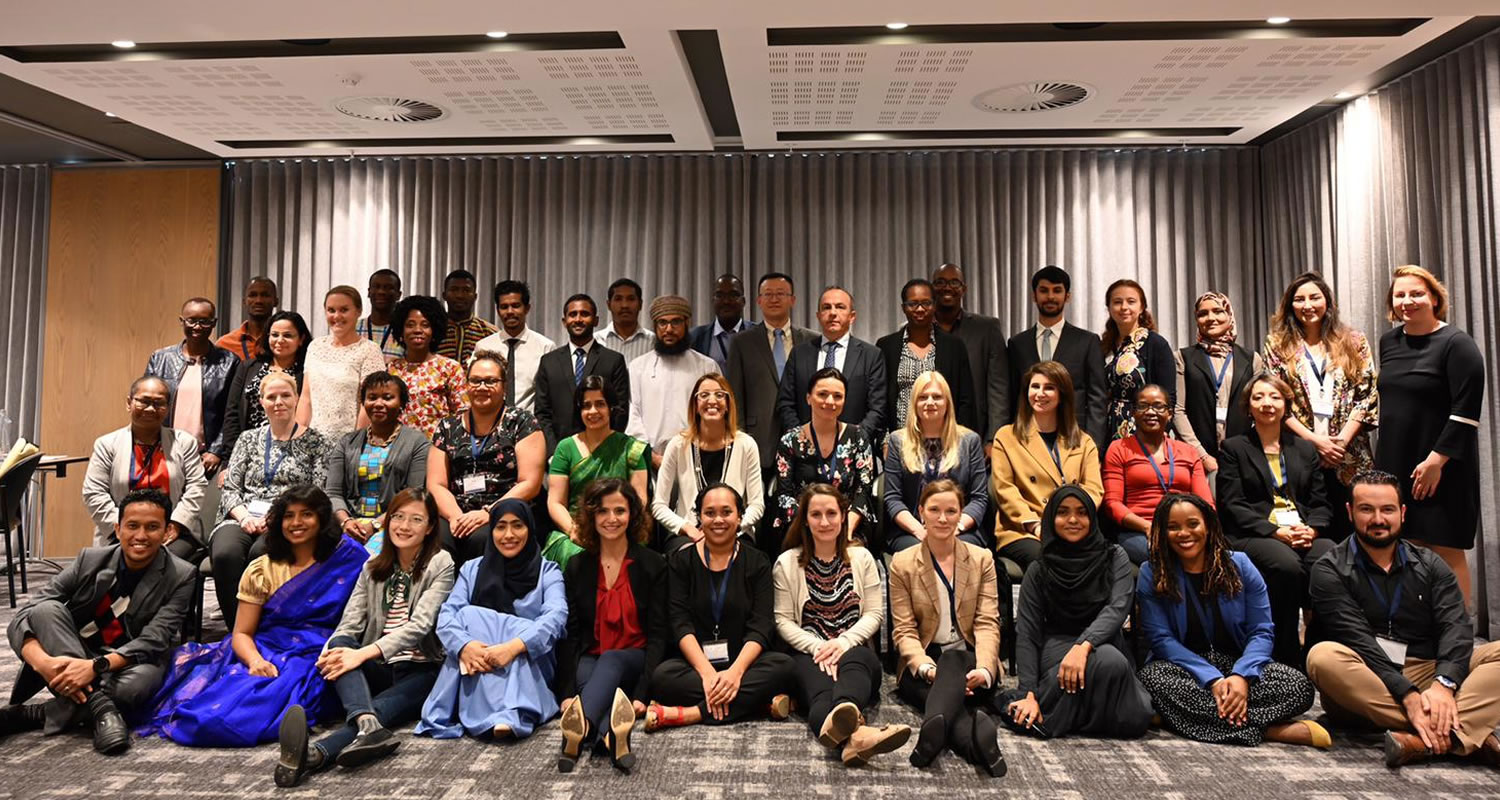
SAI Young Leader First Interaction of 2019-20 was held in Cape Town, The Tavern of the Seas from 13.05.2019 to 24.05.2019.We, a group of 23 from 19 countries all around the world gathered under one roof with huge expectations and ardour.Ms.Archana Shirsat,The Director General,IDI welcomed us following which, Ms.Jade Quarell, the Course Coordinator did enlighten us on the objectives of the interaction. The interaction began with a short introduction by Mr.Eugene de Han,SAI Young Leader 2017-18 wherein he shared his Change strategy and experience of his transformation journey to a ‘Young Leader’. During the week we discovered core values of our community and attended to the workshop on EI skills. Various sessions by Ms.Archana Shirsat and Ms.Jade on change management and stakeholder management guided us to act on our strategy Proposal.
The workshop on EI skills by Mr. Michael Henderson was an eye opener to most of us. We discovered ourselves; our weaknesses and strengths as leaders, and the way forward. Discovery of learning styles suiting our personalities will help us in our long career at respective SAIs. He explained us ADKAR model, the importance of involving stake holders to bring out change and also, made us realise that management approaches should be different to different set of people in the organisation. During the workshop we were to give feedback on each SYL, on their overall personality. This was a turning point when we realised how we portrayed ourselves to colleagues around. We could also identify areas of improvement. Also, during the week, based on guidance from the faculty, we streamlined our strategy projects according to the expectations from IDI. We developed indicators and milestones for our strategy project under the close guidance of Ms.Jade and Ms.Archana.I should mention Ms.Chithra Subramaniam who was co coordinating and organising the sessions. She was energetic all through the day, ever ready to extend help to each of the SYL.
The weekend was time for knowing each other within the community. We, from different countries, different ethnicities and cultures mingled and bonded each other to form a community and unveiled the charm of diversity like of a rainbow. The trips we arranged to explore the Mother City and around further helped us to ensure that these moments are everlasting in the dells of our memory-The sky and the water was vivid blue, clear and welcoming. We chilled together in the windy seashores of Cape, ’alas’ed at Penguins strolling to the blue waters, rambled along the Fynbos strips up, above the Table Top Mountain and down, the meandering vista of Cape of Good Hope.
During the second week of the programme, we had interaction with a panel of representatives from various SAIs. The leadership story by Ms.Pamel Ellis Monroe was very much motivating. After attending to her session in pin drop silence, most of us felt empowered, strong and galvanising. The week provided us good opportunity to interact with various regional associations of SAIs such as OLACEFs , PASAI and AFRO SAI. Mr Osvaldo Rudloff from OLACEF, shared his experience on working with SDG 5-Gender Equality which had very interesting aspects.SYL coaches from respective SAIs joined us in the second week and we were given a considerable time to discuss our Change Strategy plan with the coach community. This had helped us in understanding the shortcomings and scope for improvements.
We could attend a session with INTOSAI Regional Co ordination Platform. It was enthralling to listen to voices from various SAIs, their appreciation and expectations from the leadership programme. This further reminded us of the dedication to be provided in the coming days (Yes, Commitment is one of the core values of our community.)The interaction and knowledge sharing with coaches from various SAIs helped us in designing the Integrated Plan for the Change Strategy.
Story telling by Ms. Tytti Yli Viikari,AG of Finland comes to my mind when I conclude the experience sharing. Power of storytelling while presenting a matter to the audience was conveyed to us by her. I strongly believe that, during the forthcoming interaction, all of us we will have a story, a story of success-of how we completed our Change Strategy, to which the IDI can listen to, with pride and happiness. Last, of course least to be mentioned though, from my personal side, I shall treasure the reminiscence of kind gesture IDI offered to me, the Red Velvet yummy birthday cake on 13.05.2019 eve followed by birthday wishes in 19 different languages all over the world, still ringing in my head.
Stefi
Deputy Director, SAI India
“I saw the garden as a metaphor for certain aspects of my life. A leader must also tend his garden; he, too, plants seeds and then watches, cultivates, and harvests the results.”
—Nelson Mandela
When Nelson Mandela was imprisoned, he tended his garden and spoke of throwing seeds on the ground, watering them and watching them grow. Similarly, the INTOSAI Development Initiative (IDI) has observed and nurtured young leaders from Supreme Audit Institutions (SAI) worldwide through the SAI Young Leader (SYL) initiative.
As these future leaders take the journey from seedling to blossoming tree, the SYL initiative, now in its second iteration, provides nourishment through enriching exchanges, as well as leveraging work and support from the pilot program.
Before gardeners sprinkle seeds upon the ground, they must survey the land. Time and again, IDI’s experience shows that leadership drives SAI transformation and performance enhancement. While IDI and other partners can certainly play supporting roles, leadership remains at the forefront of change.
Once the ground has been prepared, we must plant the seeds. The SYL program selection process is designed to identify candidates with the highest potential to grow and succeed. Selection also includes examining each candidate’s change strategy project (an integral component of the SYL program) having the highest likelihood for SAI implementation.
These criteria meant ensuring a SAI environment conducive to change and possessing leadership fully dedicated to the young leader, as well as the program as a whole. The IDI fulfilled both objectives through a two-stage process—assessing change strategy projects then interviewing nominated candidates.
As spring began in March 2018, IDI and the participating SAIs began nurturing and growing the select young leaders. Through an intense interactive, engaging program that included workshops, communication platforms, support from SYL coaches, and innovative evaluation methods, candidates continued learning leadership skills and perfecting their change strategy projects.
Individual responsibility combined with INTOSAI community support further cultivated young leader transformation. The many gardeners tending to the seedlings provided valuable inputs—SAI-coordinated and hosted interactions, specialists and leaders sharing personal journeys, coaches providing extensive support beyond the call of duty, and, perhaps most significantly, a network that created a climate necessary for encouragement and growth.
The inaugural young leaders established five core values, identified behaviors best reflecting those values, and endeavored to hold one another accountable for them. They also introduced the “SYL Digital Yearbook” to capture experiences, memories and achievements on the personal journeys of discovery and change.
As autumn nears, a gardener takes stock of progress and seeks to uncover key ingredients to his flourishing crop. As IDI reflects on the SYL initiative and the young leaders born from the pilot program, there is an enormous sense of pride at the blossoming trees that have taken root.
Twenty young leaders completed the first iteration of the SYL program and developed change strategy proposals on a wide variety of topics—including communications, digital solutions, data analytics employment, value chain reporting—that have already impacted SAI capacity and performance.
Some ideas and experiences have also been published (SAI Malta Unveils Audit Smart; SAI Estonia Shares Stakeholder Engagement Strategies), enabling broader outreach to the global accountability community.
To motivate SYLs in change strategy implementation, the IDI will present the “Best Change Initiative” award at the XXIII INTOSAI Congress in Moscow to the young leader who demonstrated the highest level of innovation, impact, quality, inclusiveness, personal growth and community values.
Fallon Stephany Arias Calero from SAI Costa Rica earned this year’s award for her innovative change strategy on design thinking, which has profoundly impacted the SAI—Fallon developed design thinking methodology, trained a design thinking team, and facilitated a design thinking audit approach while displaying significant leadership growth.
A gardener can never rest, and when spring comes, it is time to plant a new garden. Twenty-five seedlings were selected in March 2019 to represent the new crop of SAI young leaders.
They began the SYL journey in Cape Town, South Africa, in May, and are already benefiting from the fruits of the pilot program, as previous graduates extend support and provide valuable lessons learned.
by Tytti Yli-Viikari, Auditor General, SAI Finland, and SAI Young Leader Coach, Mentor
Just before the turmoil and havoc, the sea was translucent and calm. Soft sounds of oars diving in the water—pushing a wooden boat smoothly forward—were in unison as a team of men rowed toward the shy promise of sunrise. Seconds later, the Sampo, a magical machine that could create riches, was lost forever as it slipped into the sea that now rolled and roared.
This story, “The Stealing of the Sampo,” from the epic tale “Kalevala,” has left a cultural footprint on Finnish society. Perhaps the Sampo could allow today’s young auditor to easily master challenging, emerging topics—employing data analytics, ensuring Sustainable Development Goal (SDG) policy coherence, applying design-thinking to audits, enhancing stakeholder relations, ensuring audit work independence and quality. However, no such magical machine exists, so we must come together as a professional community and build new competencies to tackle such issues.
I had the honor to evoke the Sampo with the first cohort of IDI SAI Young Leader candidates, where I observed a journey that required determination, courage and a strong belief in one’s ability to turn challenges into opportunities. I witnessed a group of bright minds, warm hearts and inspired audit professionals grow—as persons, as well as a network.
As the one-year program came to its end last October, I was touched by the magnitude of a common path and its impact—the young leaders had been transformed, and they exuded empowerment, positive self-awareness and joy. They supported each other, valuing the chance to reflect on leadership skills and openly share lessons learned.
The change projects they were charged with writing as part of the program compelled their respective institutions to discover and share new ways of thinking and working. Coaches encouraged similar participation and outreach efforts in what was clearly a change-making journey.
The SYL program contributes to my strong belief in the future of public audit. The operating environment, methods and stakeholder expectations are rapidly changing, but our young leaders give us a great source of inspiration. Personal leadership journeys link peers to experimentation and change, and such exposure to global challenges brings about a wider understanding and incorporates enthusiasm from a community of change leaders.
Let us welcome the next generation of IDI SAI young leaders, who cultivate the future of public external audit by working together, discovering the INTOSAI community, and sharing insights in transforming challenges into opportunities.
The treasure they gain will not disappear when storms come—it carries on in their hearts and minds and is shared by alumni eager to cheer them on!
“The SYL Program, one of the best development programs I have experienced, provides a holistic approach that includes all facets of leadership.
Through the program, I completed a project from concept to implementation and was able to share it with other teams. It was an empowering, eye-opening experience, as the challenges I faced helped me exercise knowledge and skills and helped me grow in my leadership journey.”
—Seolebaleng Nkhisang, SAI Botswana
2018 SAI Young Leader Graduate
“There is a Chinese idiom that weaves the tale of a group of blind men touching an elephant for the first time. Each touch results in a completely different answer in describing an elephant. Before this project began, I was like one of the tale’s blind men—not knowing what I would learn and experience.
Though the young leaders are from different countries, different backgrounds and different cultures, we have similar expectations—seeking growth and change. As we met for the first time in Cape Town, perhaps we hoped to touch the elephant exactly as we envisioned. Yet, much like the tale, communicating, cooperating and coordinating with others was key, particularly as personal observations tend to have limited data and biased interpretations.
I am confident to continue the SYL journey with my peers and with the help and guidance from IDI and inspirational INTOSAI leaders to further explore the “elephant” (change and transformation).”
—Boyuan Su, SAI China
2019 SAI Young Leader Candidate
Visit http://intosaijournal.org/inform-consult-involve-collaborate-empower/ for the full article.
The International Organization of Supreme Audit Institutions (INTOSAI) Development Initiative (IDI) recently launched the Supreme Audit Institution (SAI) Young Leaders (SYL) program geared toward enabling the growth of young leaders and spurring them to contribute toward SAI development through specific initiatives.
As part of the SYL program, Dr. Rebecca Vassallo, Principal Auditor with SAI Malta, is currently undertaking a project designed to establish and integrate data analytics into SAI Malta’s audit functions.
Under the supervision of Mr. Keith Mercieca, SAI Malta’s Assistant Auditor General, and with senior management support, the project—#AuditSmart—will improve audit efficiency, effectiveness and coverage.
Data analytics will be used to augment analysis, allowing for population-wide testing and profiling, smarter non-statistical sampling (when full population testing is not possible), as well as the use of automated and repeatable analytical processes. Envisaged as a useful tool in audit planning, data analytics will also focus on risk-based areas of interest and anomaly identification, resulting in more meaningful analysis and objective sampling.
A data analytics team has been created, drawing on resources from across the SAI. The team, operating in a functional and decentralized manner, is comprised of analysts who are embedded in each unit. The Maltese National Statistics Office conducted technical training sessions in April 2018, and the data analytics team has commenced planning future audit work that employs data analytics as primary audit techniques.
One planned audit will assess social assistance beneficiary eligibility by compiling corresponding income and asset profiles using multiple government data sources and drawing out inconsistencies. Another audit seeks to flag possible income tax evasion cases by examining motor vehicle registration and licensing. Both audits will:
Capitalize on the rich data available to government;
Link data from various sources; and
Allow for population testing, enabling a more comprehensive and systematic review.
The #AuditSmart project also aims to perform exploratory studies with key external stakeholders to assess readiness of the audit environment and identify current data limitations, as well as areas that require active management and long-term intervention from the SAI.
The SYL program is contributing to #AuditSmart by imparting relevant theories and best practices on managing and implementing this initiative, sharing experiences and creating networking opportunities with subject matter experts.
The work of SAIs is ensuring effective public sector auditing matters, and it is increasingly recognized that strong and well-functioning SAIs can be key pillars in developing effective states, democratic development and trust in governments.
by Einar Gørrissen, Director General of the INTOSAI Development Initiative (IDI)
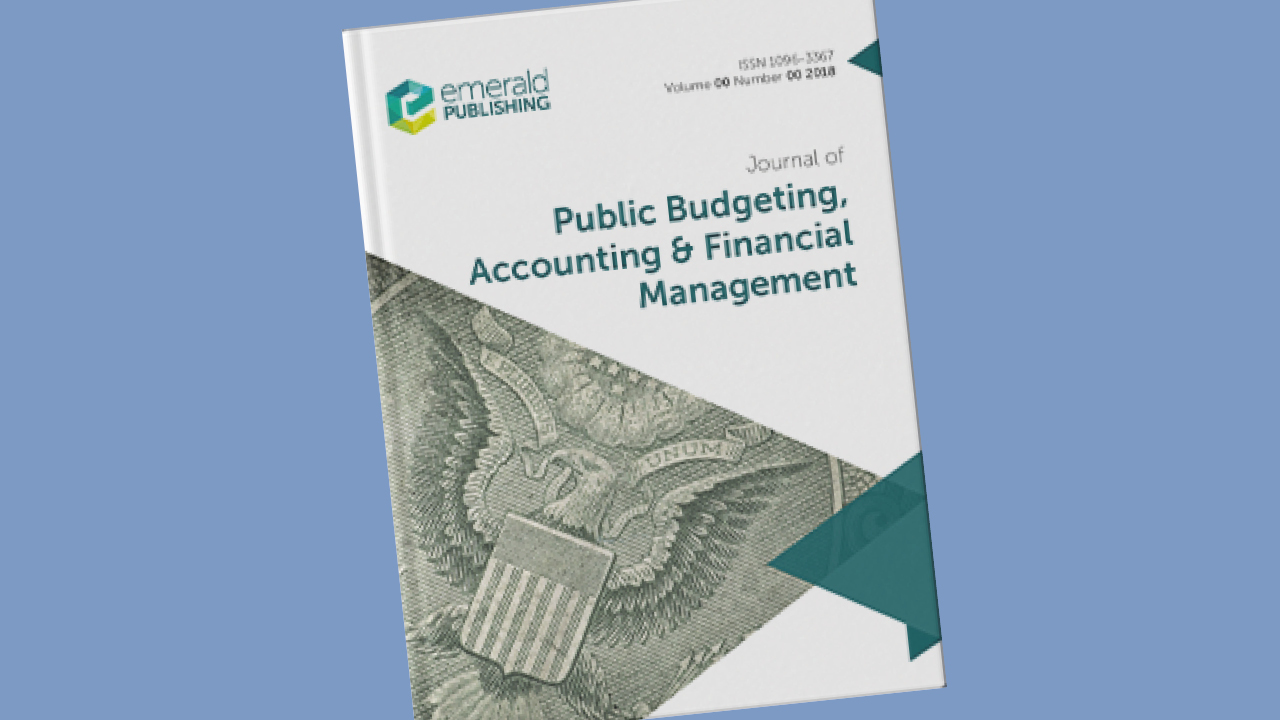
This article from the article from the Journal of Public Budgeting, Accounting & Financial Management seeks to contribute to dialogue between practitioners and academics. The article discusses the importance of supreme audit institutions (SAIs), challenges and opportunities facing SAIs (also in light of COVID-19) and how the INTOSAI Development Initiative (IDI) supports SAIs in developing countries in enhancing their performance and capacity.
Read full article here. (Note: A subscription is required to read this article)
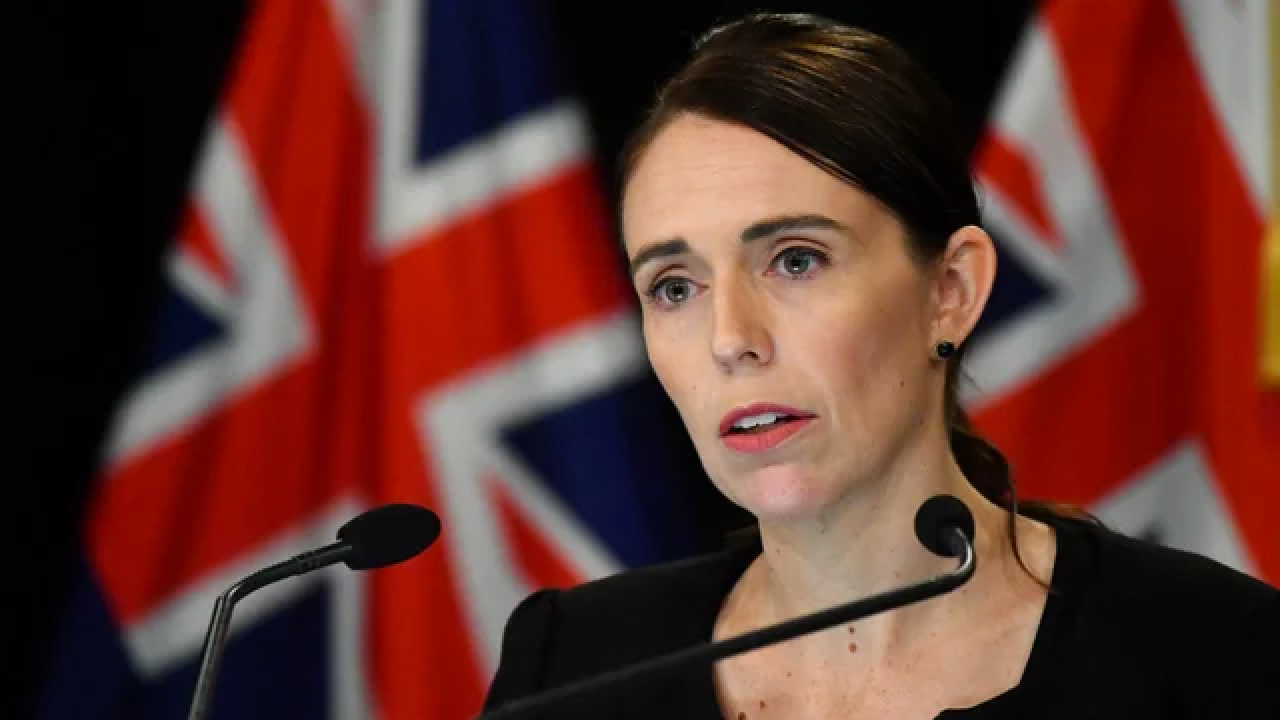
Why in particular do we have such a strong predilection to denying women the highest seats in office that hold the national purse strings?
BY MALADO KABA AND EINAR GØRRISSEN, OPINION CONTRIBUTORS
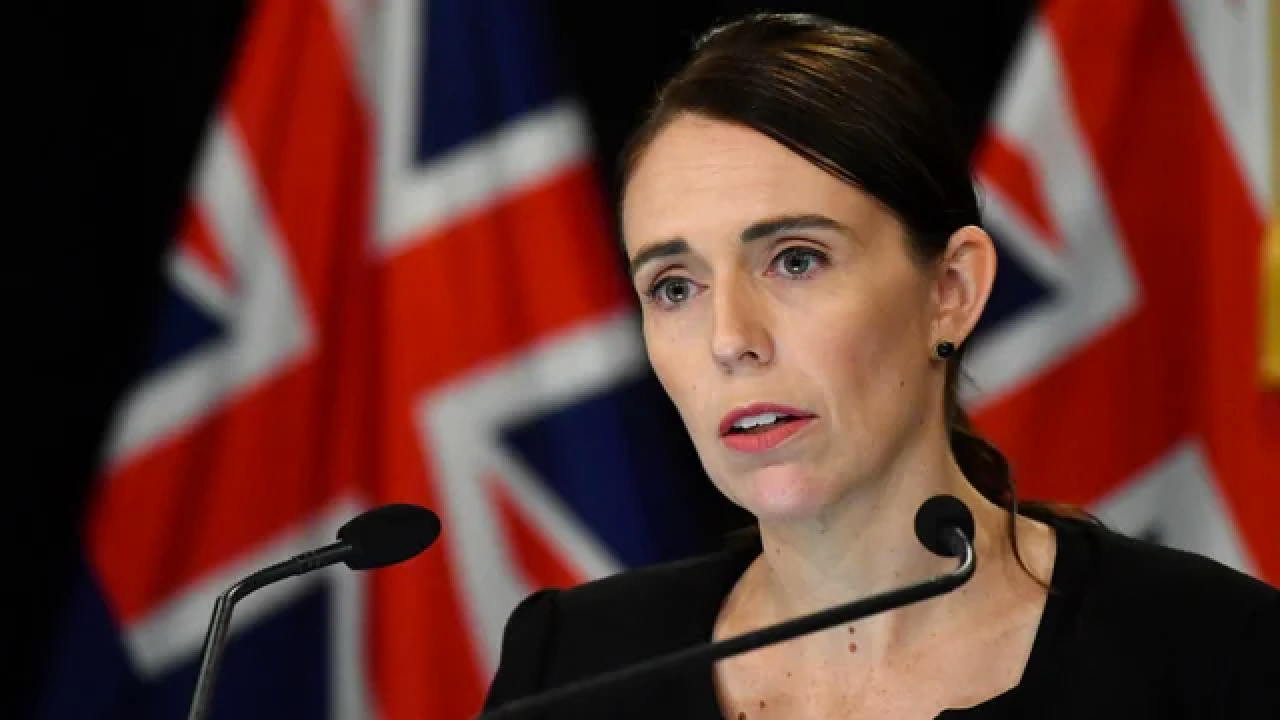
© Getty Images
Ellen Johnson Sirleaf. Michelle Bachelet. Christine Lagarde. Jacinda Ardern. You have heard the stories about their effective leadership. So why are there so few women leaders out there? Why in particular do we have such a strong predilection to denying women the highest seats in office that hold the national purse strings?
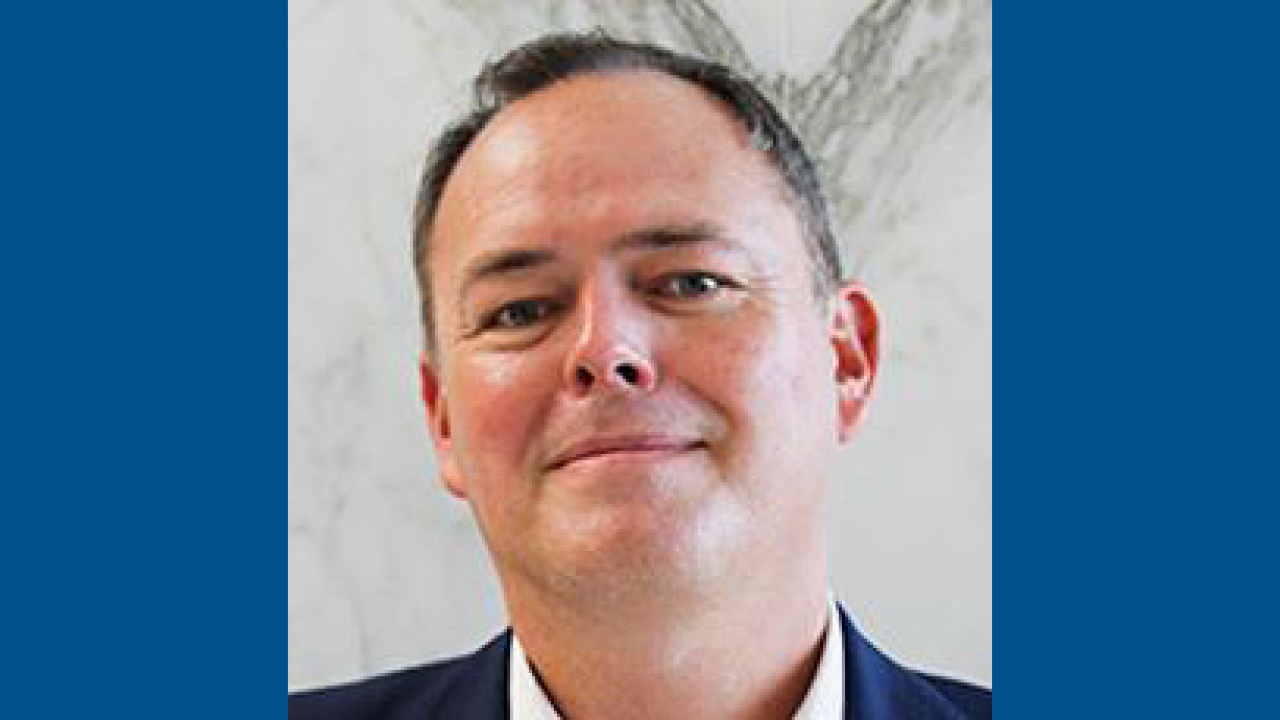
by Einar Gørrissen, Director General of the INTOSAI Development Initiative (IDI)
We all know the effects of the COVID-19 pandemic have been devastating and—the word of the year— unprecedented. Faced with the urgent need to be more agile, flexible, and transparent, Supreme Audit Institutions (SAIs) across regions have had to rethink the timing, visibility, and scope of their audit work.
This situation has complicated an already complex matter: the ability of an SAI to act independently of its government. While many SAIs have been able to hold firm and contribute effectively to accountability during the crisis, others have found their independence eroded.
This is not a new phenomenon. The INTOSAI/IDI 2017 Global SAI Stocktaking Report and other data sources have shown that even though some progress has been made in recent years on the eight pillars of SAI independence, key elements are at risk. For several SAIs, financial independence appears to be an area of concern. Legal protection from removal for SAI Heads is particularly critical in some INTOSAI regions. Many SAIs report that they face restrictions in making their reports publicly available, and legislative follow-up on recommendation needs to be strengthened.
In light of these alarming trends, we felt there was a need to do more, to move from raising awareness to tangible support for SAIs on the issue. As part of our significant upscaling of IDI’s independence activities, we have expanded the independence team from one person to three and embarked on several new or strengthened initiatives in this critical area.
IDI’s SAI independence support builds on the significant body of work conducted by INTOSAI and the donor community over the years. The Lima Declaration on Auditing Principles (INTOSAI P-1) and the Mexico Declaration on SAI Independence (INTOSAI P-10) both constitute a solid foundation on which all efforts related to SAI independence should be anchored. They form the backbone for United Nations General Assembly Resolutions A 66/209 and A 69/228.
Ensuring SAI independence is also a shared objective of INTOSAI and the donor community, and constitutes the first strategic goal in the INTOSAI-Donor Cooperation 2020-2030 strategy.
Taking a Bolder Approach to SAI Independence
“We first decided that more needed to be done in 2018, when we started our portfolio review and consulted our stakeholders as part of the development of our 2019-2024 strategic plan,” says Ola Hoem, Deputy Director General of IDI. “A clear message coming out of that process was a need to step up our efforts on SAI independence and align our ambition to the magnitude of the challenge and the expectations coming from different sides of the spectrum. Then we asked ourselves how we could do it.”
It was with this increasing awareness and renewed focus that IDI decided to take a more immediate and targeted approach to supporting SAI independence at the global level. What has emerged is a three-pronged approach to supporting global advocacy of SAI independence:
Leveraging the strategic platform provided by the INTOSAI-Donor Cooperation
Responding to emerging threats to independence
Establishing a knowledge hub to help analyze trends and disseminate data on SAI independence
 Leveraging Synergies between Development Partners and SAIs
To respond to demands from development partners to assist them in raising the awareness and building the knowledge of their in-country staff on SAI independence, IDI developed the SAI Independence Resource Kit. This quick reference guide, available in all four IDI working languages (English, Arabic, French, and Spanish), helps donor staff better understand the challenges SAIs face in obtaining and safeguarding independence, and advocate effectively for SAI independence at the global, regional, and in-country levels. The kit will also be used to provide training to interested parties.
In another new initiative spearheaded by the Swiss State Secretariat for Economic Affairs (SECO), IDI—along with other members of a task force that comprises representatives from the World Bank, SECO, the INTOSAI General Secretariat, the U.S Government Accountability Office, and the General Court of Audit of Saudi Arabia—is helping to establish an INTOSAI-Donor Cooperation Goodwill Ambassador for SAI Independence. The Ambassador will give voice to the topic of independence, raising awareness beyond the external audit community and gaining high-level policy access.
Forging new partnerships, and building on existing ones, is an important element of IDI’s strategy on independence.
“There is a need to firmly position SAI independence in global policy discussions on public financial management, integrity, and accountability,” says Marte Briseid, Manager on SAI Independence, who recently joined the team from the Norwegian Agency for Development Cooperation. “We have to raise awareness on the issue beyond the INTOSAI community, leveraging the vantage points and perspectives of multilateral institutions, civil society actors, and multi-stakeholder initiatives that also work to promote transparency and accountability in the public sector.”
Mobilizing Rapid and Timely Advocacy Support to SAIs Facing Immediate Threats or Challenges
The second paradigm shift in our approach has been to strengthen our ability to address immediate threats and challenges to SAI independence through the SAI Independence Rapid Advocacy Mechanism (SIRAM).
As we know, SAI independence can be challenged in various ways. These include amendments to a country’s constitution, changes to the budget or audit law, attempts to remove the Head of the SAI, delays or interference in the appointment of the Head of the SAI, and in extreme cases, proposed abolition or downgrading of the SAI itself. Challenges can also include political appointments of Heads of SAIs and interference in or blocking of audit reports.
Structured around four stages (information-gathering, assessment, response, and follow-up), SIRAM has been set up to enable IDI, INTOSAI, development partners, and other stakeholders to collaborate on solutions that will help SAIs secure and maintain their independence.
When IDI identifies or receives a report of a threat to an SAI’s independence, it conducts a preliminary review to establish that the threat is genuine. Before proceeding further, IDI must obtain the approval of the leadership of the SAI in question. Then, within 30 days of being alerted to the threat, IDI works with the SAI and stakeholders to deliver an advocacy response that is both rapid and based on a thorough assessment.
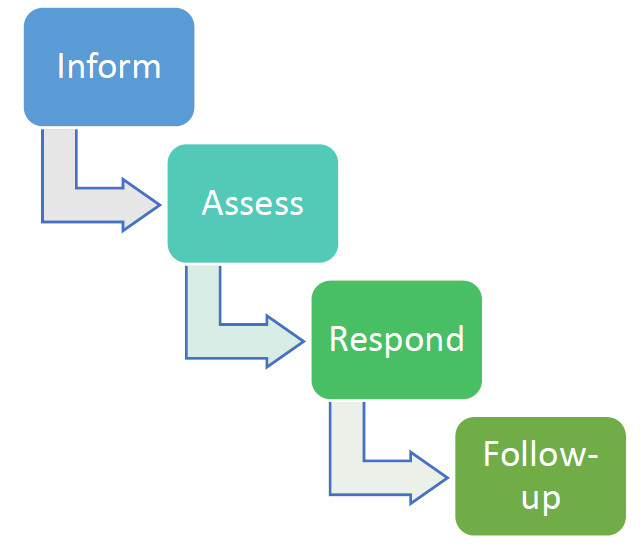
Based on the sharp increase in cases IDI has processed over the last two years and on feedback received, we believe that the overall impact of SIRAM has been positive. One response that can be taken through SIRAM—the release of statements of concern, such as those for Cyprus, Chad, Ghana, North Macedonia, and Somalia—has drawn significant attention.
However, SIRAM is much more than just the release of statements. Other potential responses include in-country missions to engage with stakeholders and support in drafting legal provisions. We are pleased that as SIRAM has matured,
development partners have become more involved in its implementation, and our ability to engage with stakeholders at the country level when processing a case has grown.
SIRAM is having a positive impact and drawing the attention of significant global actors to the need to shore up SAI independence. One lesson IDI has learned, though, is that while SIRAM is a useful advocacy tool for responding to crises as they occur, it should be accompanied by more long- term and proactive efforts to advance SAI independence across countries.
Establishing a Knowledge Hub on SAI Independence
We have developed the SAI Independence Resource Center (SIRC), an online knowledge hub which provides guidance and materials for SAI staff, development partners, and civil society organizations to advocate for SAI independence in the countries where they operate. The SIRC includes the Independence Resource Kit, among a variety of other support mechanisms that can be readily accessed around the world.
Freddy Yves Ndjemba, who heads IDI’s independence team and was instrumental in the development of the SIRC, is enthusiastic about its ability to positively impact independence: “The SIRC will serve as an information and resource portal for all parties interested in promoting transparency and strengthening accountability in Public Financial Management. We believe that this goes far beyond SAIs, development partners, and civil society organizations, and could include parliamentarians and media.”
The second phase of the knowledge hub will focus on producing and disseminating research on SAI independence. This effort includes a literature review synthesizing concepts of SAI independence from both academic and practitioner viewpoints. From preliminary findings, Ndjemba comments: “It is very interesting to see that the Lima Declaration remains the most influential tool in shaping the academic definition of the independence of SAIs. The survey of the literature also shows an evolution in the perceived role of SAIs: they have moved from being considered as purely technical entities, confirming that financial resources have been used properly, to essential actors in the accountability ecosystem.”
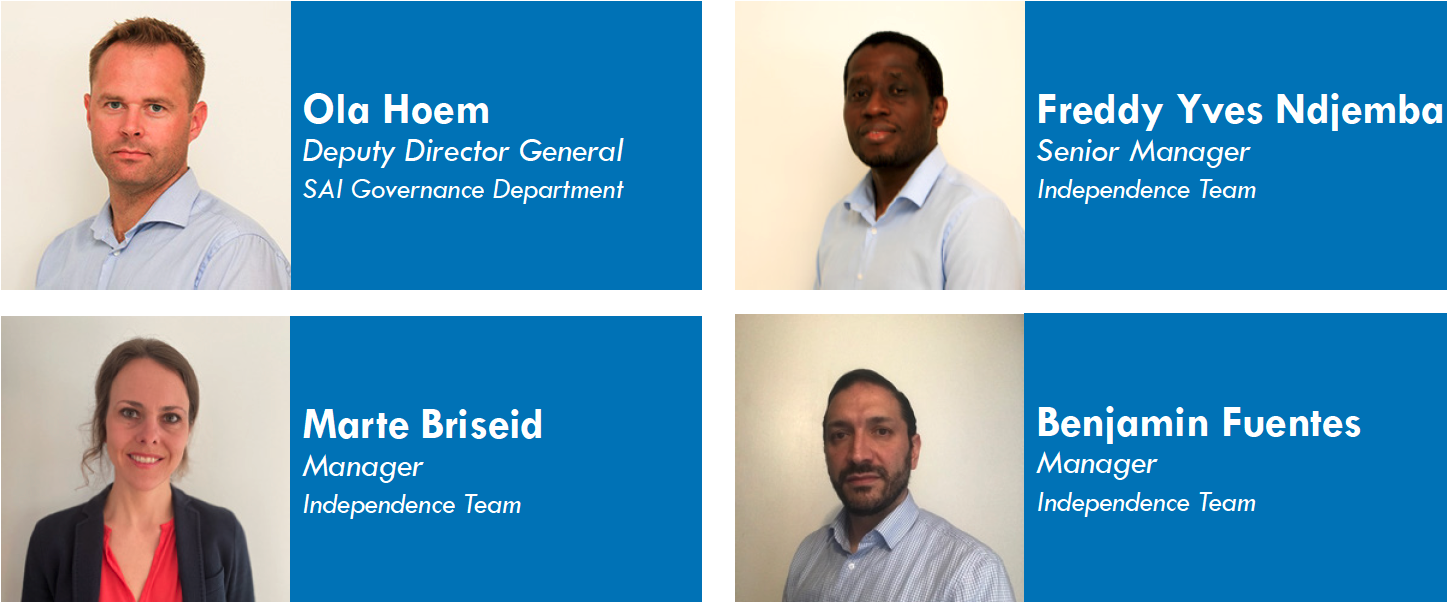
IDI’S INDEPENDENCE TEAM
In the future, IDI will engage academia from different regions, along with other global partners, to examine independence from a variety of perspectives, including statistics and sociopolitical research. Using this work, we plan to create concrete advocacy tools, such as case studies related to individual SAIs’ advocacy efforts. We would encourage SAIs to engage in shaping the research agenda.
The Outlook for IDI’s Work on SAI Independence
The results of the 2020 Global Survey and Stocktaking Report are currently being analyzed. While this report will give us an indication of whether the challenges to SAI independence are expanding or contracting, we have already identified some directions to explore going forward.
Strengthening existing partnerships and getting new global actors on board—including those who may have less understanding of what SAI independence means and why it matters—will be a key task for IDI. Other critical goals will be to strive for greater impact at the country level and to support the INTOSAI agenda on independence.
“Strengthening SAI independence should take into consideration the contextual factors as well as international best practices encapsulated in the Lima and Mexico Declaration,” says Benjamin Fuentes, new member of IDI’s independence team. “All IDI’s efforts should focus on both dimensions to become a trusted partner of SAIs when engaging on independence. Continual improvement and permanent streamlining of our activities is a direction to explore.”
The first step is to raise awareness of the benefits and real scope of the independence work stream tools and activities across all INTOSAI regions through seminars, webinars, and use of the SIRC. SAIs should not feel they are on their own when it comes to advocating for their independence or dealing with an institutional crisis.
In Conclusion
At IDI, we look forward to continuing to provide hands-on support to SAIs in their quest for independence and to raise awareness of this important issue. With INTOSAI currently developing its next Strategic Plan, we hope that promoting SAI independence will remain a key focus. As we build on the vast practical experience derived from our work on independence over the last years, we feel confident that we can continue to align with INTOSAI’s efforts on this issue.
 |
To read more, click here. |
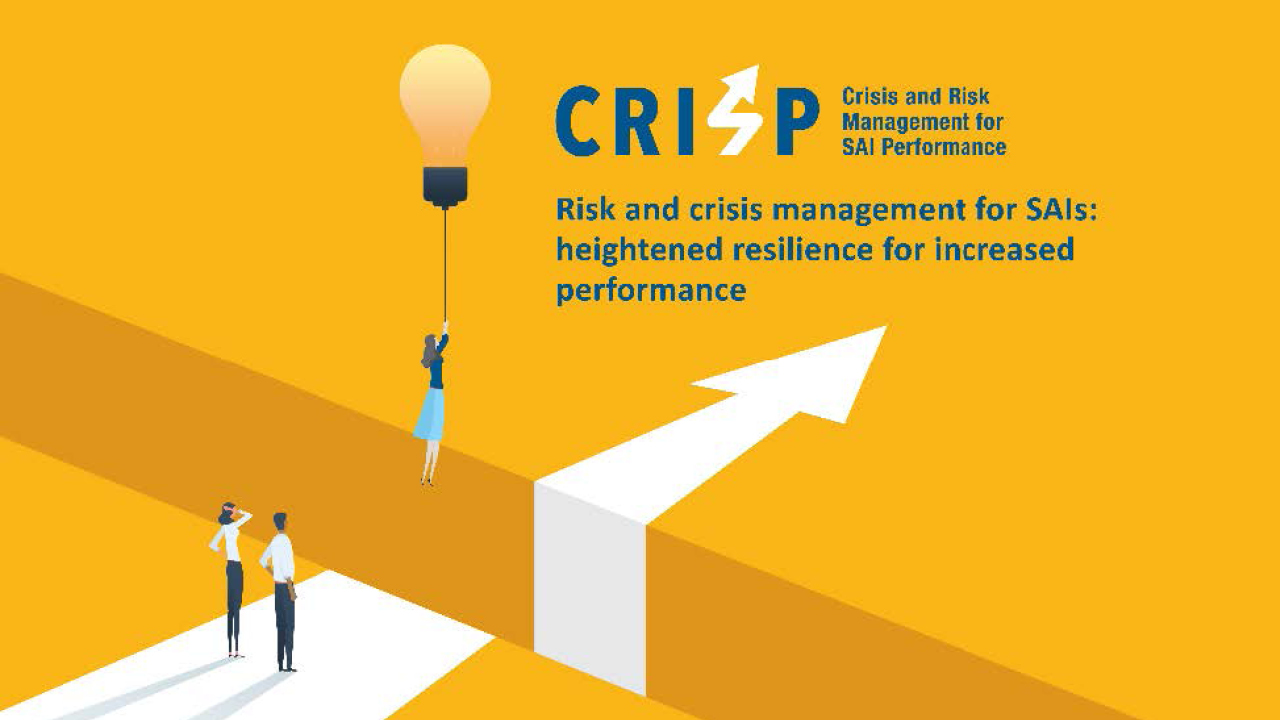
IDI is rolling out a new initiative—Crisis and Risk Management for SAI Performance (CRISP)
During the COVID-19 pandemic, outdated and ineffective crisis and management systems have exacerbated disruptions to the work of many Supreme Audit Institutions (SAIs), potentially undermining their ability to ensure accountability. Often, these systems do not take into account risks that have intensified during the pandemic, like limited human and financial resources, or emerging risks, like those that accompany digitization.
In response to these challenges, INTOSAI Development Initiative (IDI) is rolling out a new initiative—Crisis and Risk Management for SAI Performance (CRISP)—that helps strengthen SAI resilience by establishing, or improving upon, crisis and risk management systems. By having systems in place that reflect both direct risks to SAIs and broader risks to public financial management and accountability, SAIs are better able to fulfill their mandates even in difficult circumstances.
From 2022 onwards, the CRISP initiative will offer support for SAIs that want to improve in these areas through eLearning courses and direct implementation support. To present its initial approach, reflect on experiences from some SAIs, and gather feedback and suggestions, IDI offered sensitization webinars in English and French in October 2021.
The premise behind CRISP is that SAIs need to strengthen both risk and crisis management systems, and to link these systems with their strategic management. The INTOSAI community has extensive experience with risk management, which is a well- developed field with applicable international standards (ISO 31000). SAIs have less experience with crisis management, but INTOSAI organizations have published several resources to help remedy this: a business continuity planning guide developed jointly by the Caribbean Organization of SAIs (CAROSAI) and the Pacific Association of SAIs (PASAI), and guidance developed by the African Organization of English- speaking SAIs (AFROSAI-E) on disaster response and crisis communication.
CRISP aims to build on these efforts by focusing on the two- way link between SAIs’ crisis and risk management. On the one hand, crisis management can be viewed as an element of risk management, because a crisis is the realization of an unlikely yet impactful risk for which the SAI has no simple mitigation tools. Crisis management systems thus function as a risk mitigation measure. On the other hand, most SAIs are currently recovering from the COVID-19 crisis, a process that involves reviewing and updating risk management procedures.
IDI would very much appreciate SAIs’ contributions as it continues to develop this initiative. SAIs that would like to share their experiences with IDI or nominate resource persons can do so by emailing nils.voesgen@idi.no and laurent.grosse- kozlowski@idi.no.
| |
To read more, click here. |
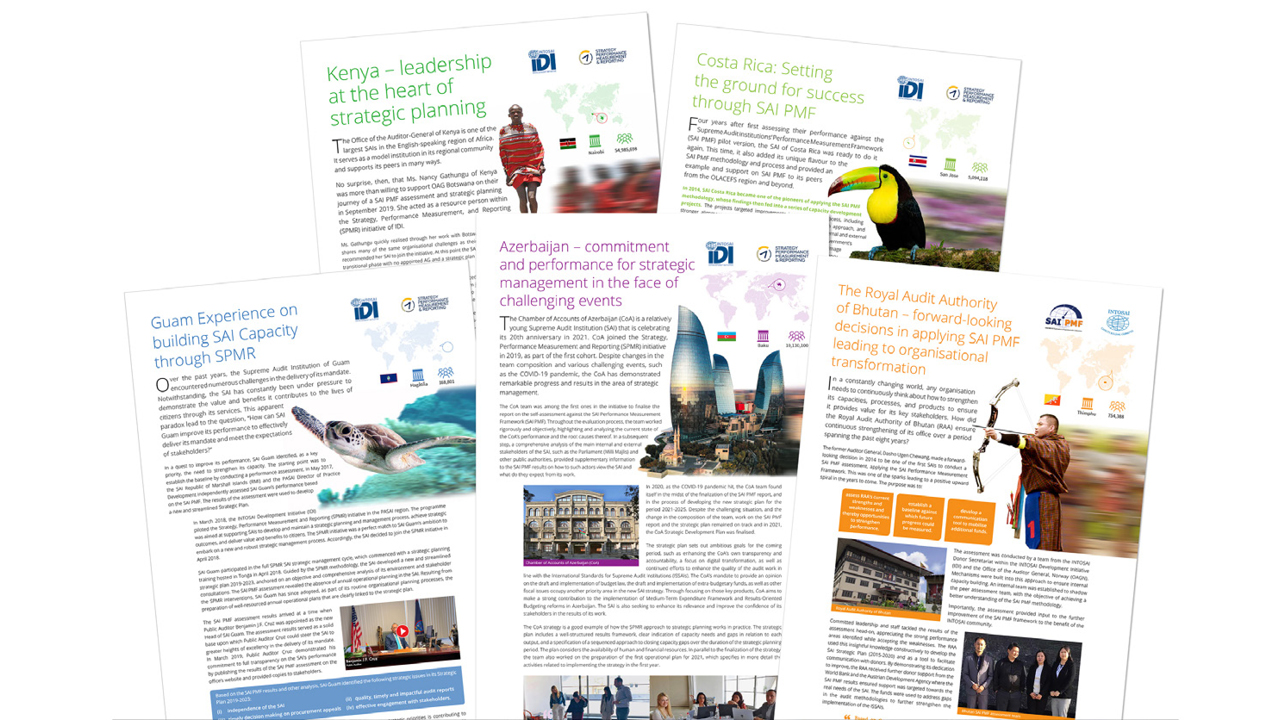
When the COVID-19 pandemic hit, SAI teams participating in IDI’s SPMR inititaivefound themselves in a precarious situation.
by Dafina Dimitrova, Senior Manager of SAI Governance, IDI
When the COVID-19 pandemic hit in March 2020, 22 Supreme Audit Institution (SAI) teams participating in INTOSAI Development Initiative’s (IDI) Strategy, Performance Measurement and Reporting (SPMR) initiative found themselves in a precarious situation. They had spent over a year assessing their performance and crafting a strategic plan, which seemed to be turned upside down in the face of the dramatic events that were unfolding. As teams struggled with access to information, communication, and safety, was there any space to focus on strategic planning and management, or would their efforts prove futile?
SPMR’s global rollout, supported by the Swiss State Secretariat for Economic Affairs (SECO), launched in late 2018 for 22 SAIs from three INTOSAI regional groups: the African Organization of English-speaking SAIs (AFROSAI-E), the Asian Organization of SAIs (ASOSAI), and the European Organization of SAIs (EUROSAI). Three other regional groups—the Arab Organization of SAIs (ARABOSAI), the Regional Council for the Training of SAIs of Sub-Saharan Francophone Africa (CREFIAF), and the Organization of Latin American and Caribbean SAIs (OLACEFS)—joined in 2019, bringing the total number of participating SAIs to over 40.
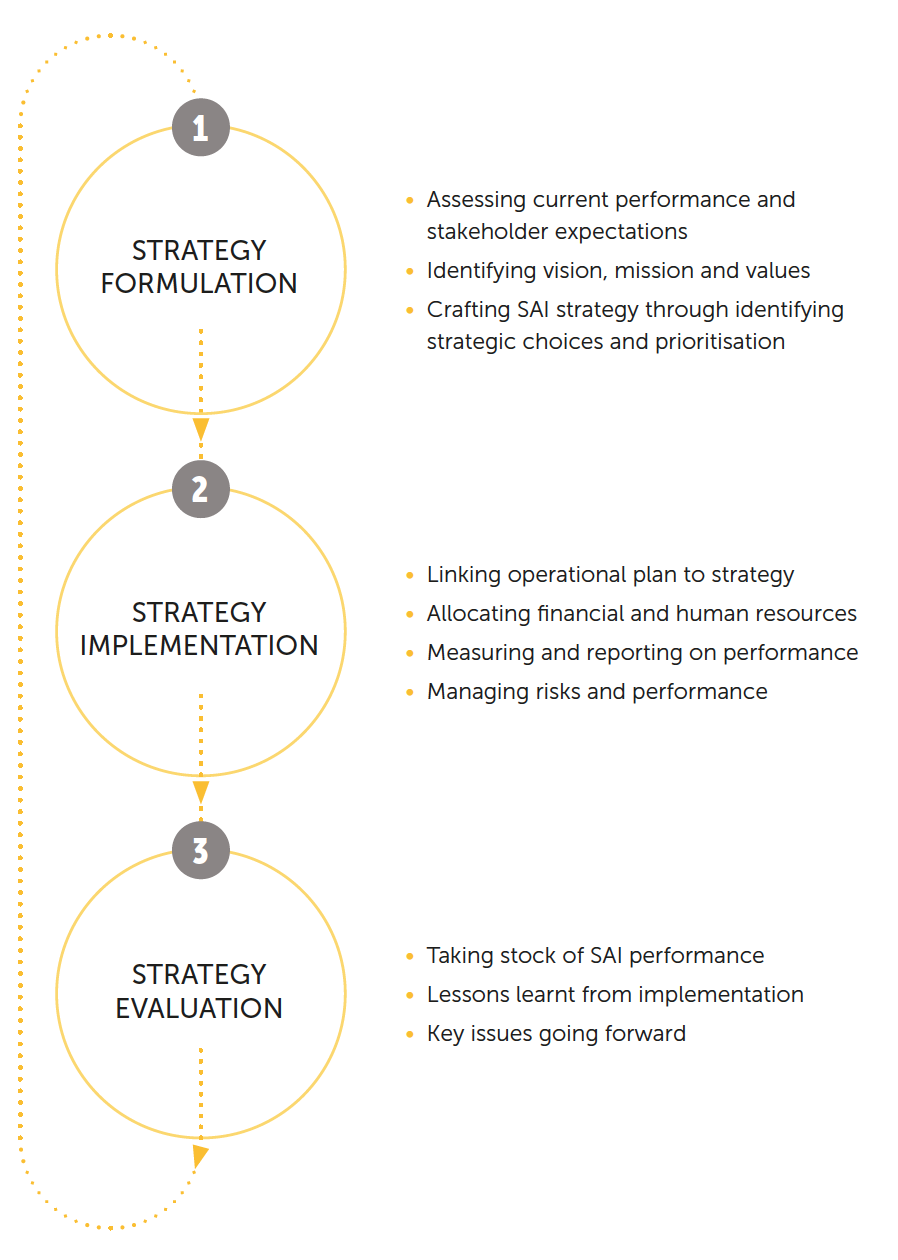
The initiative’s premise was that SAIs can improve their overall performance in a sustainable manner by holistically strengthening their strategic management processes. To that end, participating SAIs work through key elements of strategic management in a relatively linear, albeit iterative, process: from assessing performance using the SAI Performance Measurement Framework (SAI PMF), through strategic and operational planning, to establishing regular monitoring and reporting procedures. The final step is to conduct another SAI PMF assessment, to measure progress and provide inputs for the next strategic plan.
THREE MAIN STAGES OF THE SAI STRATEGIC MANAGEMENT PROCESS
COVID-19 acted as an unprecedented stress test to the SPMR approach. The pandemic called into question the content and duration of strategic plans, exacerbated operational planning challenges, and made evident the scarcity of resources available to many SAIs. It also posed fundamental questions regarding the relevance and role of SAIs as public sector institutions, and how these are captured in organizational plans and processes.
Originally, SPMR consisted of face-to-face regional workshops, as well as in-country and remote support provided by a dedicated advisor from IDI or a resource person. The pandemic put a stop to planned workshops and in-country activities, and in many cases, it disrupted the IDI team’s contact with participating SAIs. IDI grappled with the question of what kind of strategic management support was needed and how to provide it. When faced with such adverse events, it was fair to wonder if SAIs would and should prioritize finalizing their SAI PMF assessments and crafting strategic plans.
The SAIs from the first three regional groups, which had advanced the furthest within the initiative when the pandemic hit, soon realized that the progress they had made in SPMR could help them emerge stronger from the crisis. After the initial shock, most SPMR participants quickly established remote work routines and restored contact with the IDI team, despite ongoing challenges related to information access, technology, connectivity, and work-life balance. On the IDI side, the team quickly re-arranged workflows and explored the possible short- and longer-term impacts of the pandemic on SAI strategic management.
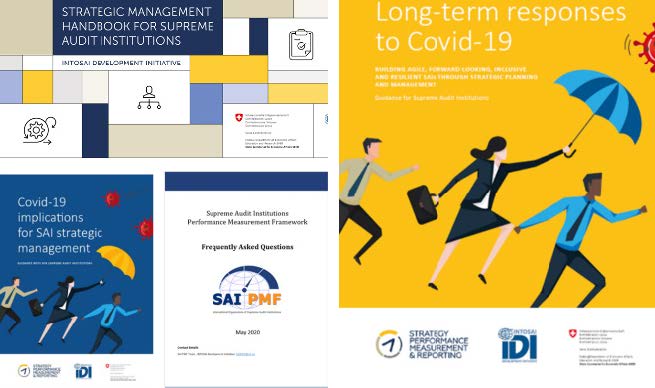
IDI published guidance materials and rolled out a COVID-19 webinar series in April and May 2020. The SAI Strategic Management Handbook, published at the end of 2020, incorporated material on COVID-19 and reflected on initial experiences responding to it. Subsequent bilateral support and courses on operational planning, monitoring, and implementation shifted to a fully digital mode, enabling a more agile approach.
Three factors supported SAIs in leveraging their participation in SPMR during the pandemic.
First, SAI PMF results, even at the draft stage, were still to a large extent valid, relevant, and helpful. SAI PMF provides a holistic assessment of performance across six fundamental domains: independence and legal framework, internal governance and ethics, audit quality and reporting, financial management, human resources, and external communication. These detailed findings provide a solid basis for understanding the strengths and weaknesses of SAI performance.
SAI PMF’s panoramic analysis supported SAIs in making short-term decisions and prioritization to ensure business continuity in the first months of the crisis. While SAIs may have viewed the findings through a different lens during the pandemic, the baseline information remained relevant.
Second, feedback from internal and external stakeholders—such as members of parliament, the executive branch, and civil society, as well as SAI staff—has helped participants craft a strong SAI strategy. Participating SAIs were at different stages of gathering stakeholder feedback when the pandemic struck. Nevertheless, the pandemic offered a new opportunity to approach stakeholders and better understand the role SAIs can play in ensuring the transparency and accountability of COVID-19 emergency funding.
Third, SAIs took a fresh look at their draft strategic plans, defining new outcomes related to tackling the effects of the pandemic. SAIs also adjusted their priorities in light of the human and financial resource pressures that many were experiencing. SAIs’ strategic plans had to serve as blueprints for meeting their mandates, remaining relevant in the face of new challenges, and improving performance sustainably in the most critical areas.
More than a year after the onset of the pandemic, how have the SPMR SAIs weathered the pandemic through strategic management?
By mid-2021, participating SAIs from the first three regional groups (AFROSAI-E, ASOSAI, and EUROSAI) had completed the formal methodological aspects of the SPMR initiative. Eighteen of those 22 SAIs have finalized their SAI PMF reports or are at the final stage of IDI’s independent review of their quality.
Eleven of the 22 SAIs have had their new or revised strategic plans approved by management or are in the final draft stage pending management approval. The other eleven SAIs are developing a new strategic plan for 2022. Plans focus on the challenges posed by the pandemic and prioritize, among other things, digitalization, enhanced internal and external communication, the introduction of new audit types and topics, management of human resources, and staff welfare. The SAIs have also prepared improved operational plans that address financial and human resources, risk monitoring, and prioritization. The SAIs in the three regional groups that joined later are still progressing toward results.
SAI Success Stories
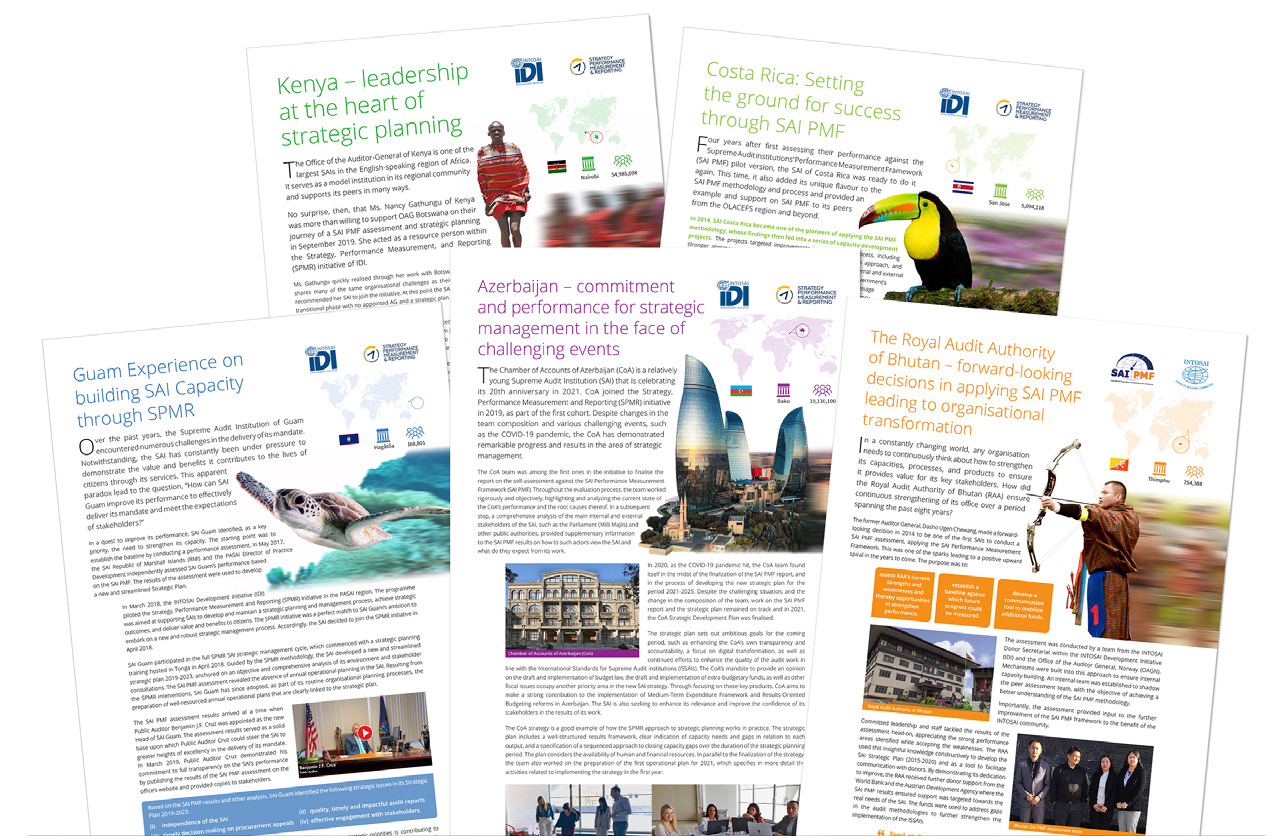
Each participating SAI has brought its unique context and experience to the SPMR initiative and supported peer learning. IDI has captured some of these experiences in a series of SAI PMF and SPMR success stories. For example:
The experiences of Bhutan and Costa Rica show how a repeat SAI PMF assessment can help SAIs measure progress and achieve improvements across strategic planning cycles.
The cases of Azerbaijan and the Maldives illustrate how teams can persevere and achieve great results despite an array of additional challenges, such as changes in team composition and political turmoil.
These stories reflect the wide range of planned and unexpected changes to which SPMR has contributed. They also demonstrate how SPMR participants can have an amplifying effect as they take on new roles. For example:
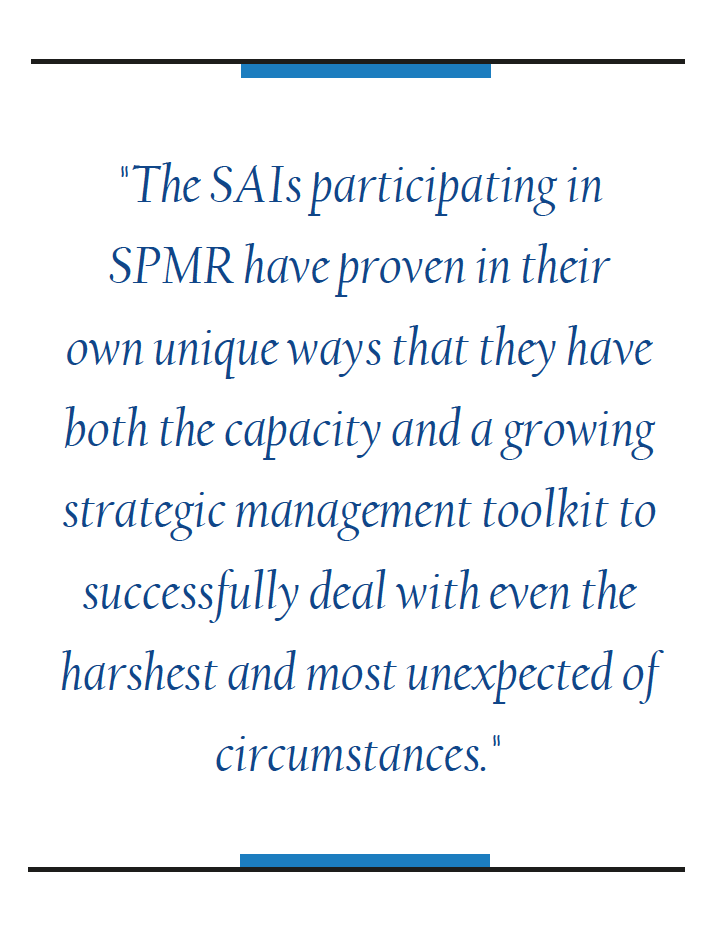
Strategic management can be a challenging process. It requires an open mind, perseverance, leadership commitment, agility, and collaboration. The SAIs participating in SPMR have proven in their own unique ways that they have both the capacity and a growing strategic management toolkit to successfully deal with even the harshest and most unexpected of circumstances.
| |
To read more, click here. |

Gender equality is necessary for flourishing societies and growing economies, and its positive effect has been proven by research.
Camilla Fredriksen, Einar Gørrissen, Siri Hellevik, Alain R. Memvuh Lindouyou, Petra Schirnhofer, and Tonje Fremstad- Waldron, INTOSAI Development Initiative (IDI)

Gender equality is necessary for flourishing societies and growing economies, and its positive effect has been proven by research. For example, according to the Norwegian Ministry of Finance, if women participated in the country’s labor market at a lower rate—specifically, at the average rate for industrialized Organization for Economic Cooperation and Development (OECD) countries—then Norway would lose the equivalent of the value of the entire Government Pension Fund Global, one of the world’s largest funds.
It is therefore in the interest of all countries to ensure everyone has equal rights and opportunities. Gender equality and women’s empowerment is even a specific United Nations Sustainable Development Goal (SDG 5), one that cuts across all sustainable development. Yet, to date, no country in the world has achieved gender equality.
Furthermore, the COVID-19 pandemic has exacerbated the “shadow pandemic” of gender-based violence, economic crises, and care deficits, with disproportionate effects on women and girls. Inequalities have widened between different groups of women and men based on disability, race and ethnicity, income, age, and more.
In an effort to monitor the responses of governments worldwide to tackle the pandemic, the United Nations Development Program (UNDP) and UN Women initiated the COVID-19 Global Gender Response Tracker. The tracker
shows that many governments have taken individual positive measures to support women, girls, and gender equality, but overall, responses are insufficient and uneven. To fight poverty, enable sustainable development, and ensure fair government responses to the pandemic, we cannot neglect gender equality.
Supreme Audit Institutions (SAIs) have an important stake in this effort, as organizations and through their audit work. SAIs can make a positive mark by actively contributing to greater equality in their countries, and by making gender visible in their organizations and their audit work. SAIs can also demonstrate the costs of gender inequality. For example, gender-based violence has enormous individual and economic costs.
However, the INTOSAI Development Initiative’s (IDI) recent 2020 SAI Global Survey and Stocktaking Report, with a special Gender Annex, shows that many SAIs do not see gender equality as an important issue. Globally, gender balance among SAI staff is tilted the higher one climbs up the career ladder. In 2020, only 29 percent of SAI leaders and 39 percent of senior management were female.
Moreover, less than a third of SAIs globally have strategic plans with objectives related to gender equality, and only 10 percent inform their planning by conducting gender analysis. Globally, there is slow take-up of audits that contribute to gender equality, with exceptions such as the Organization of Latin American and Caribbean SAIs (OLACEFS) region and a number of SAIs across the globe. Furthermore, very few SAIs have developed capacities in gender equality.
Through its 2020 Gender Strategy and updated Gender Policy, IDI aims to take its gender engagement a step further. Together with other stakeholders, such as UN Women, International Budget Partnership (IBP), Association of Chartered Certified Accountants (ACCA), and the Canadian Audit and Accountability Foundation (CAAF), IDI supports SAIs in becoming more gender-responsive organizations and conducting audits that contribute to gender equality.
At the same time, IDI wants to lead by example as an organization itself. A recent effort to build equality more firmly into the upcoming INTOSAI Strategic Plan is an encouraging step.
IDI has a dedicated gender team, consisting of an IDI Gender Focal Point and four internal Gender Champions aligned with the different organizational entities. Here’s what they have to say about their work and IDI’s support for gender equality:
More Interesting Information on Gender Equality
“We all have a responsibility to shape a better tomorrow for all of us, and this includes a more gender-equal world. I am exceptionally proud of our journey on gender equality and inclusiveness, and I hope many more SAIs will join these efforts.”
—Einar Gørrissen, IDI Director General
Spotlight on IDI’s Gender Team
Petra Schirnhofer, Gender Focal Point, Strategic Support Unit

“Privilege is often invisible to those who have it. If we want a just and sustainable world, we need to take a closer look at factors such as gender, age, ability, and ethnicity that contribute to power and privilege for some but not for others. In IDI, we have embarked on a gender journey with our current Strategic Plan, and we have learned a lot so far. This includes the need to be consistent and inclusive, share responsibilities, and have the necessary capacities, allies, and supportive leadership. It has been great to lead our work on a more robust gender framework, with a new Gender Strategy and Policy. I am thrilled to see initial successes in our own organization and in our support for SAIs and their audit work.”
Siri Hellevik, Gender Champion, Professional & Relevant SAIs Department

“In order for SAIs to be relevant to all citizens and contribute to the SDG 2030 Agenda of “leaving no one behind,” it’s important to mainstream gender and inclusiveness in audits or embark upon audits that focus on gender and/or inclusiveness. As the country contexts vary among the SAIs we support, we are always seeking to find the appropriate practical angles to provide a focus on gender and inclusiveness in their specific audit work. As we move forward from our pilot activities, and as both IDI and SAIs gain more experience and lessons, we aim to expand our work on this with the Equal Futures Audit initiative, launching in 2022.”
Alain R. Memvuh Lindouyou, Gender Champion, Well-Governed & Independent SAIs Workstreams and Bilateral Support Unit

“Supporting my colleagues on applying a gender and inclusiveness lens to their work is a new and exciting challenge, with valuable learning opportunities. You get to discover perspectives you wouldn’t have considered without a structured approach. Leading by example for SAIs also means being gender responsive and considering inclusiveness. A key lesson learned for me so far is that all three areas of institutional, organizational, and professional capacities provide interesting entry points for advancing on this journey with SAIs. Our new initiative on Human Resources, Ethics and Gender for SAIs (TOGETHER), to be rolled out next year, is part of this perspective.”
Camilla Fredriksen, Gender Champion, Global Foundations Unit

”Working with the gender analysis in the Global Stocktaking Report really reminded me about the need to take gender equality seriously at the organizational level if you want to see change, especially by promoting women into leadership positions. The interesting thing about doing such an exercise is that it opens your eyes to what happens around you in your own organization and society. I’m very excited that the gender analysis has been presented as an annex to the report. In fact, it’s a small report in itself, showing INTOSAI and its partners the extent to which SAIs are working toward making their organization more gender equal and an inclusive workplace.“
Tonje Fremstad-Waldron, Gender Champion, IDI Administration
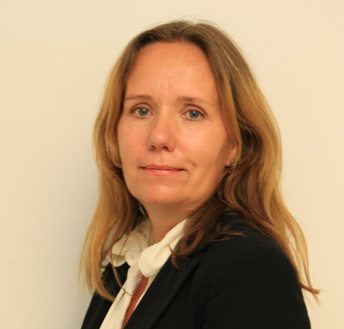
“Upholding equality in the workplace means giving people equal opportunities, equal pay, and accepting and appreciating everyone for their differences. With the support of an external gender and human resources expert, we have started to critically review our internal processes, including recruitment, career progression, and pay. This external viewpoint can reveal flaws that those inside the organization may not be able to see. As a human resource professional, it feels extremely rewarding to be part of the gender champion team, and I would encourage other organizations to designate gender focal points and champions.”
| |
To read more, click here. |