SAI Story
Tajikistan
09/10/2024
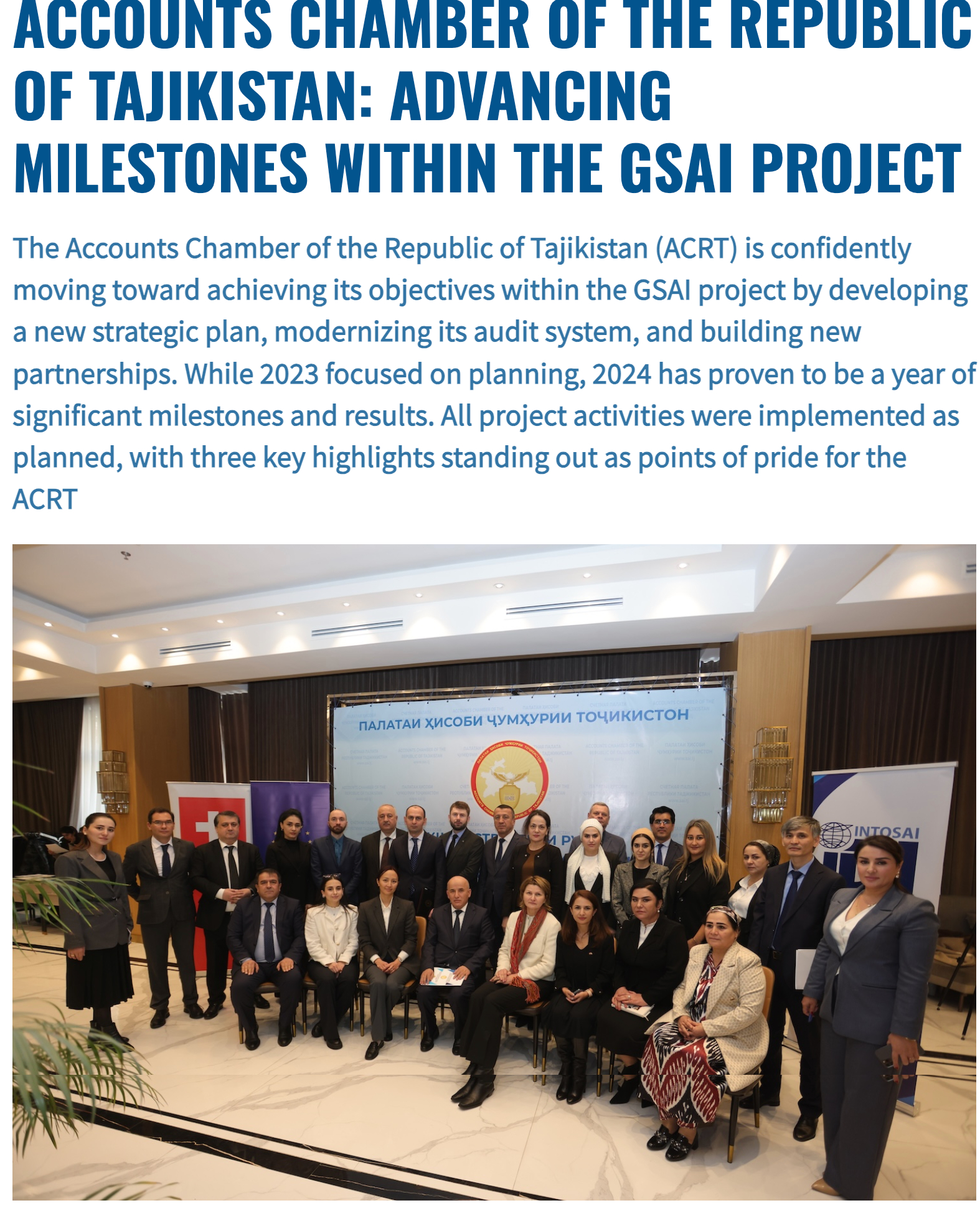
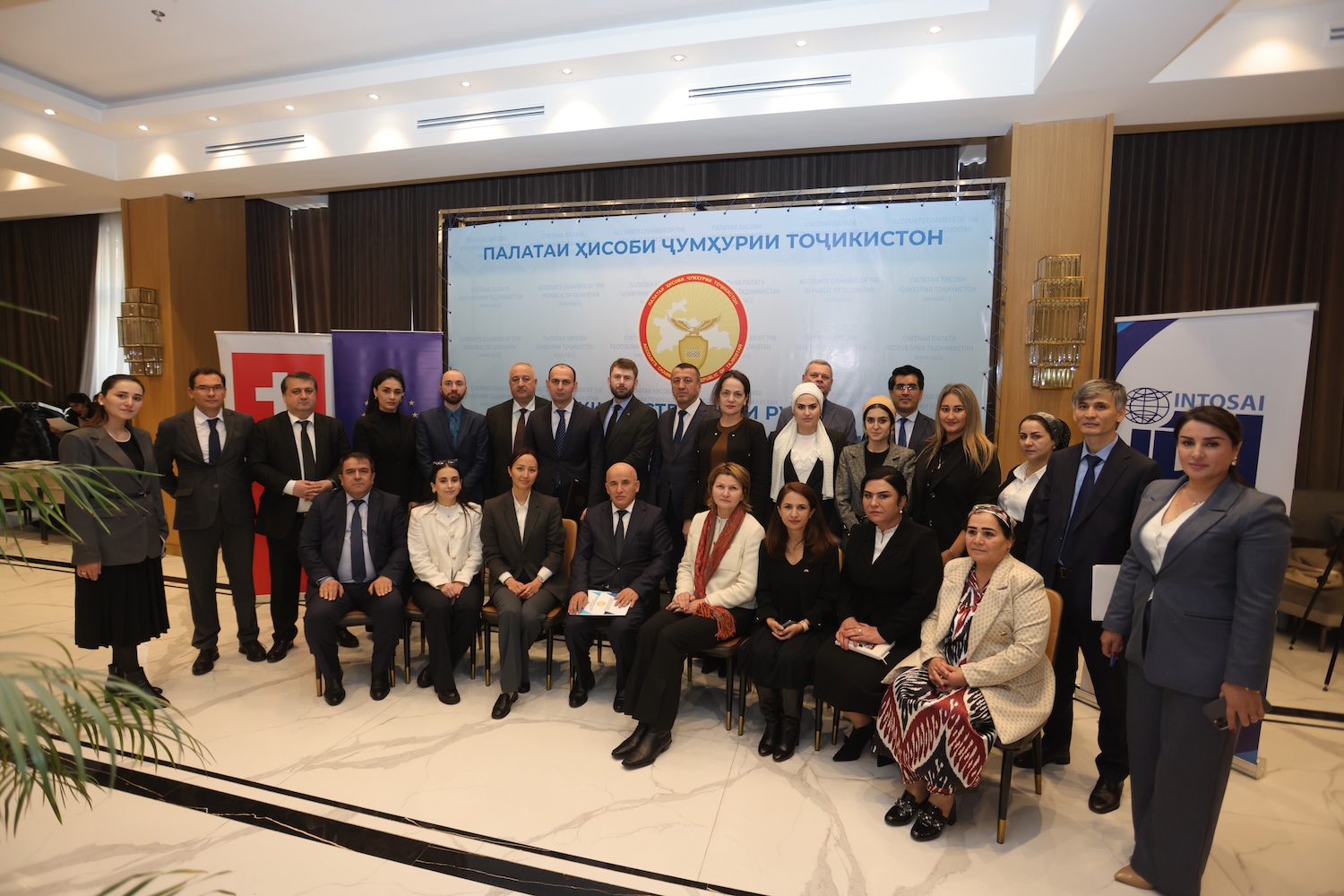
During 2023 and 2024, the Accounts Chamber focused on developing its new Strategic Development Plan for 2024–2028. The foundation for this plan was laid through the evaluation of the previous strategic plan, a SAI PMF conducted for the first time in the Accounts Chamber by their peer partner, SAI Azerbaijan, and a stakeholder analysis, also conducted for the first time, with support from IDI.
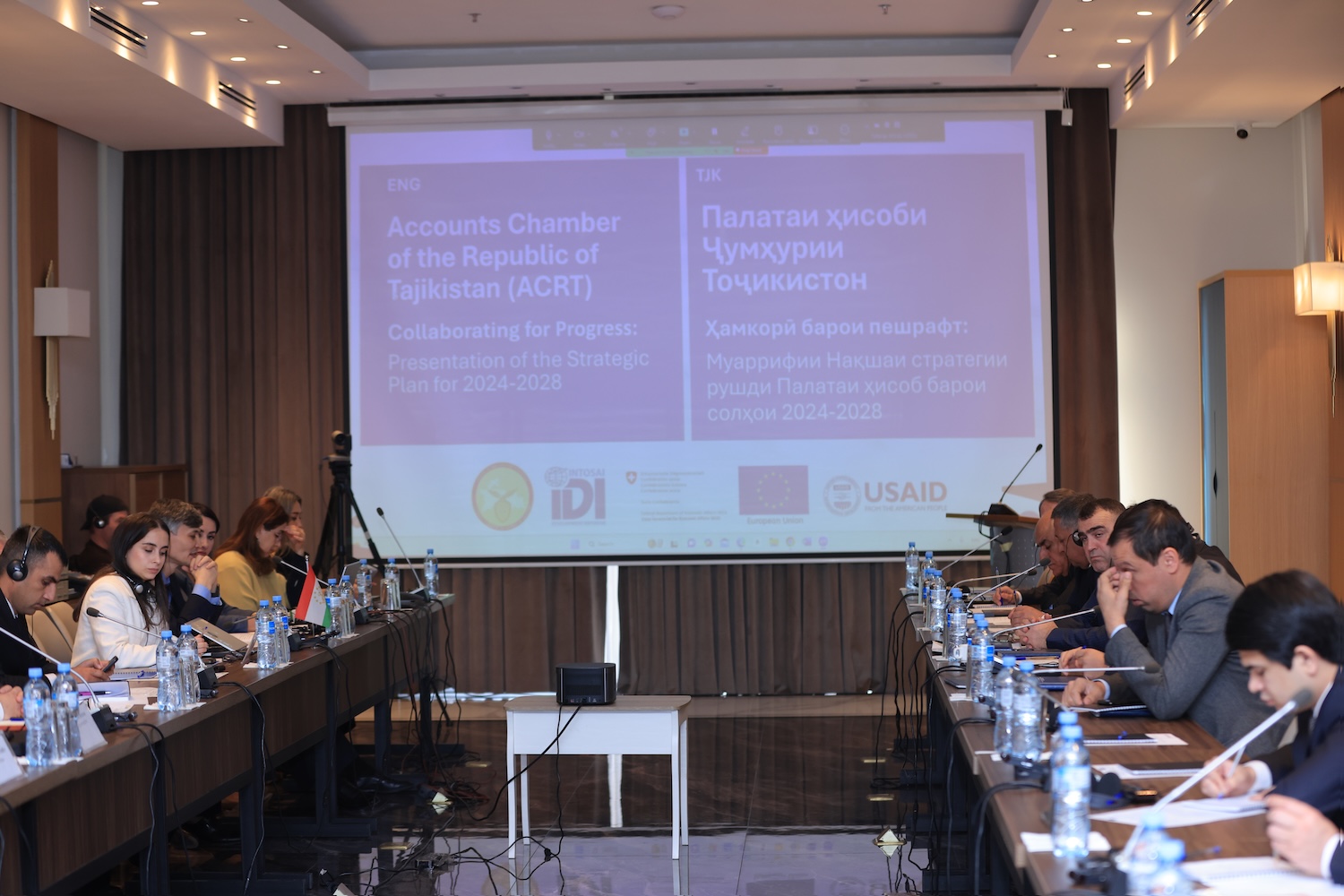
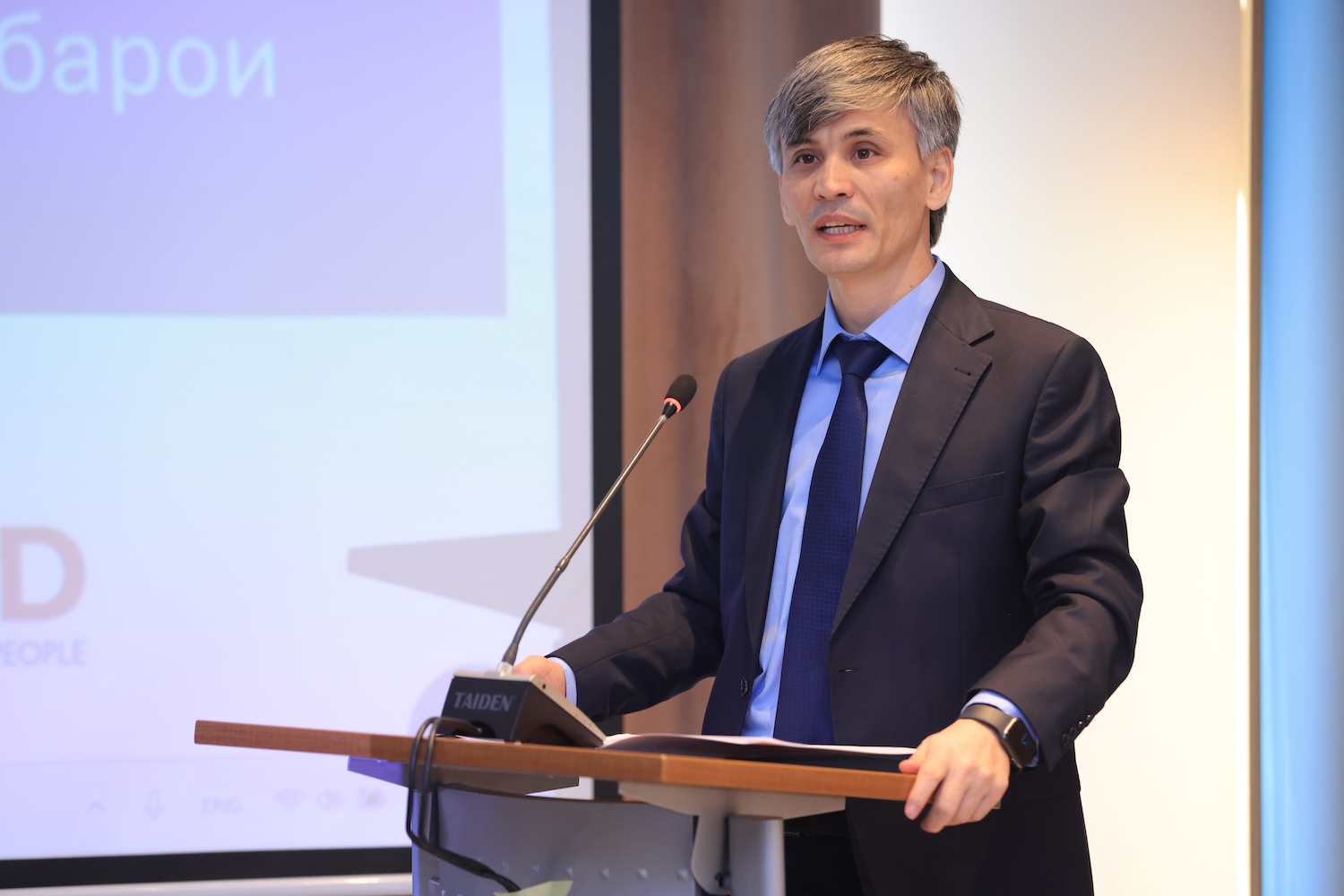
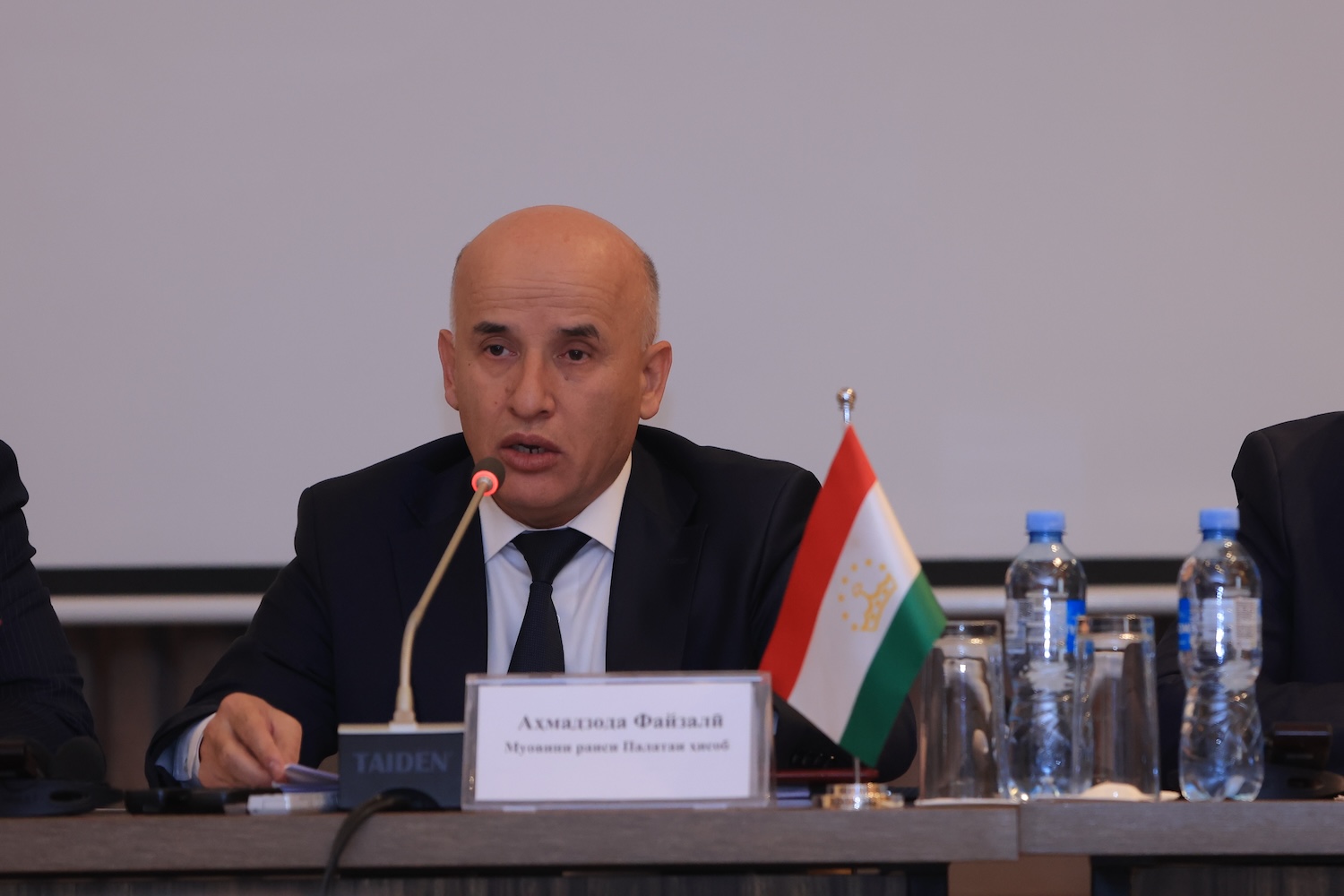
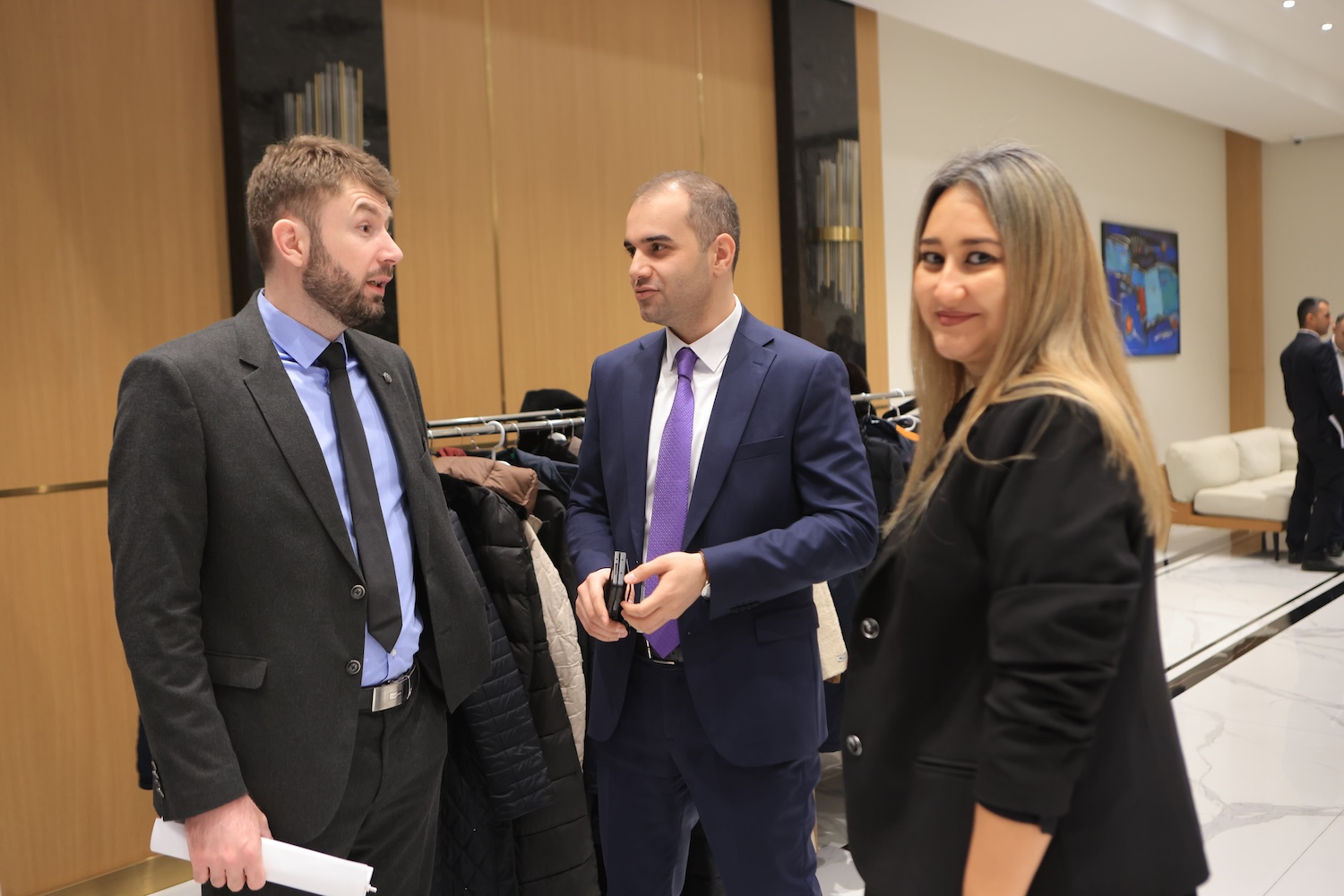
On December 11, 2024, the Accounts Chamber held a major multi-stakeholder event under the framework of IDI’s SPMR ACT and GSAI initiatives during which the Accounts Chamber presented its 2024–2028 Strategic Development Plan, outlining its mission and key objectives for the next five years. The presentation was followed by a discussion on opportunities for enhanced collaboration with key stakeholders, including representatives from the Parliament of the Republic of Tajikistan, ministries, government agencies, mass media, and civil society organizations. Peer partners from SAI Azerbaijan and SAI Georgia, along with development partners, also attended the event, extending their support.
The main objective of the event was to foster trust and strengthen cooperation between the Accounts Chamber and its stakeholders. The Accounts Chamber views this initiative as a significant step toward improving collaboration with key stakeholders and intends to continue such practices in the future.
The modernization of the Audit Management System (AMS) represents another significant milestone. AMS used to support comprehensive audit processes, including financial, performance, and compliance audits, as well as human resource management. In 2024, critical updates to AMS introduced functionalities such as tracking violations, implementing recommendations, and generating quality reports. These enhancements, supported by the GSAI initiative, have elevated the system’s efficiency. Moving forward, the ACRT aims to train its auditors comprehensively to leverage AMS’s full potential.
As part of its Strategic Development Plan for 2024–2028, the ACRT also plans to expand AMS integration with key government systems and agencies. This will improve data accessibility, elevate audit quality, and facilitate the preparation of detailed reports for the President and Parliament of Tajikistan, aligning the ACRT with global standards.
Bilateral cooperation with the State Audit Office of Georgia (SAOG) has emerged as a pivotal aspect of the project. Drawing from SAOG’s positive experience in transitioning to international audit and strategic management standards, the ACRT has established a robust peer partnership with the Georgian SAI.
In 2024, SAOG joined the GSAI Tajikistan as a technical partner, contributing expertise to the “Audit Methodology, Quality, and Reporting” and “Stakeholder Engagement” components. Training seminars in April and September 2024 focused on audit activities, the implementation of audit recommendations, and stakeholder engagement, offering invaluable insights for the ACRT’s ongoing transition to international standards.
This collaboration is set to deepen, with SAOG’s expressed commitment to support the Chamber in the planned next phase of the GSAI. By learning from Georgia’s best practices and fostering this partnership, the ACRT aims to further strengthen its institutional capacities and promote a culture of excellence in public accountability.
As the Accounts Chamber of Tajikistan reflects on its progress, it remains steadfast in its commitment to advancing transparency, accountability, and effective public resource management. These achievements represent more than just milestones; they are stepping stones toward a stronger, more effective Supreme Audit Institution. By embracing modernization, fostering peer partnerships, and prioritizing stakeholder engagement, the ACRT is well on its way to setting new benchmarks for excellence. The Chamber is confident that through sustained effort, collaboration, and innovation, it will continue to build trust and deliver value for the citizens of Tajikistan.
Congratulations to the SAI of Lebanon who entered in 2024 into a partnership with the SAI of France and IDI as part of the Global SAI Accountability Initiative (GSAI)!
The SAI of Lebanon entered into a partnership with the SAI of France and IDI as part of the Global SAI Accountability Initiative. In April 2024, SAI Lebanon signed a 2024-2025 cooperation agreement for peer-to-peer development support.
This strategic partnership, which also involves collaboration with the OECD-SIGMA, marks a significant milestone in Lebanon’s efforts to rebuild its public administration and regain the trust of its citizens.
This collaborative endeavor exemplifies the spirit of trustful peer cooperation within the International Organization of Supreme Audit Institutions (INTOSAI) community.
For further details about this partnership, please visit this page.
How can capacity development projects supporting Supreme Audit Institutions be managed better, ensuring steady progress, a joyful collaboration and sustainable results?
Ambitious peer-support projects are ongoing for the SAIs of Belize, Benin, Dominica, DRC, Eritrea, Guinea, Haiti, Honduras, Kyrgyzstan, Lebanon, Madagascar, Sierra Leone, Somalia, South Sudan, Tajikistan, The Gambia, Togo and Zimbabwe. In all these countries, there are peer-SAIs engaged who are providing technical support. The projects aim for significant institutional strengthening of the SAI and delivery of audits of national value. This means the projects must deal with quite complex processes and many stakeholders.
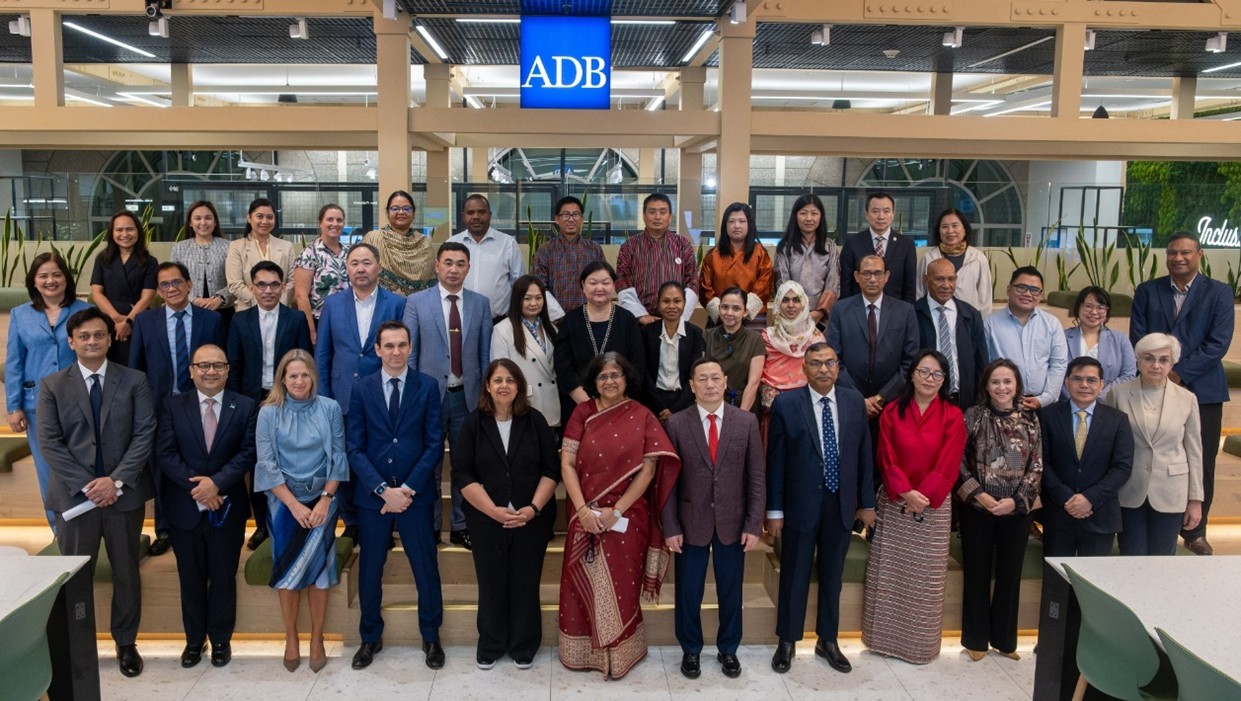
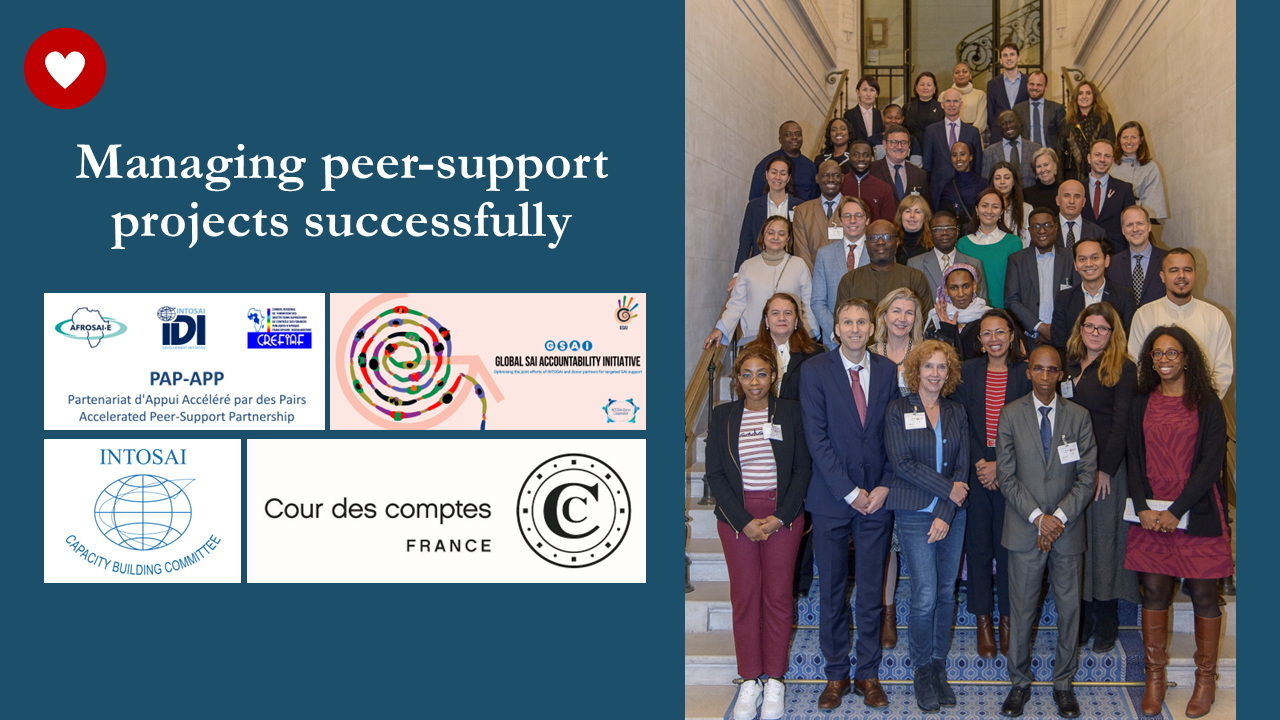
In mid-November 2023, representatives of both beneficiary and provider SAIs met in Paris to discuss how these projects can be well managed. The actual project management differs in a number of ways between the country projects, such as the role that partners carry out, the use of digital tools and how coordination with external partners is done. These differences created a unique opportunity for comparison and learning.
Inspired by the 2005 Paris declaration of aid effectiveness, the partners identified key principles and practical approaches for managing peer-support projects. This is captured in a 3-page “new Paris declaration” titled “Managing peer-support projects succcesfully”.
The partners hope the text can be widely used to benefit similar projects and ensure that lessons learned arising from the PAP-APP and GSAI country projects are well-utilised globally.
The event in Paris was conducted in partnership with the Cour des Comptes of France and the INTOSAI CBC work stream of Peer-to-Peer support. The event was possible due to funding by the European Union, USAID, Ministry of Foreign Affairs of France and SAI Qatar. These are funding partners of the PAP-APP and GSAI programmes.
Download the English PDF of “Managing peer-support projects successfully”
Download the French PDF of “Managing peer-support projects successfully”
Download the Russian PDF of “Managing peer-support projects successfully.“
Download the Spanish PDF of “Managing peer-support projects successfully.“
Watch the video from the event
For more information about GSAI and PAP-APP, contact programme manager Jostein F. Tellnes (Jostein.tellnes@idi.no)
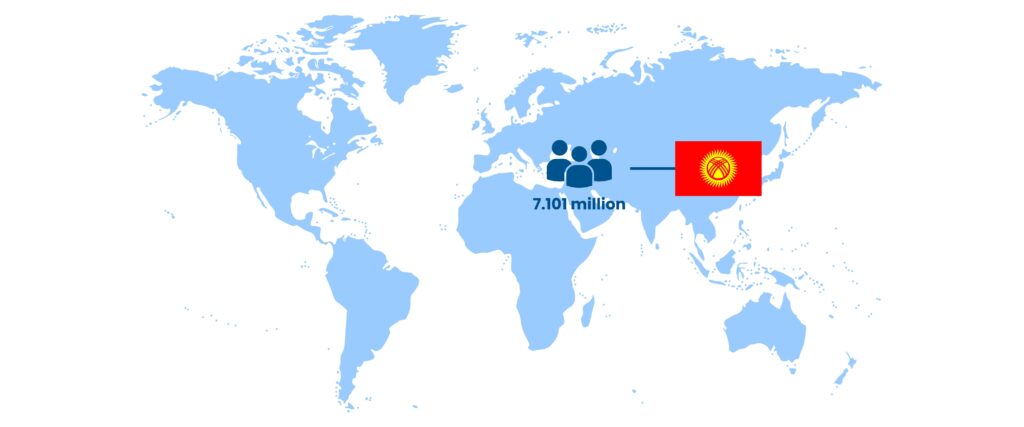
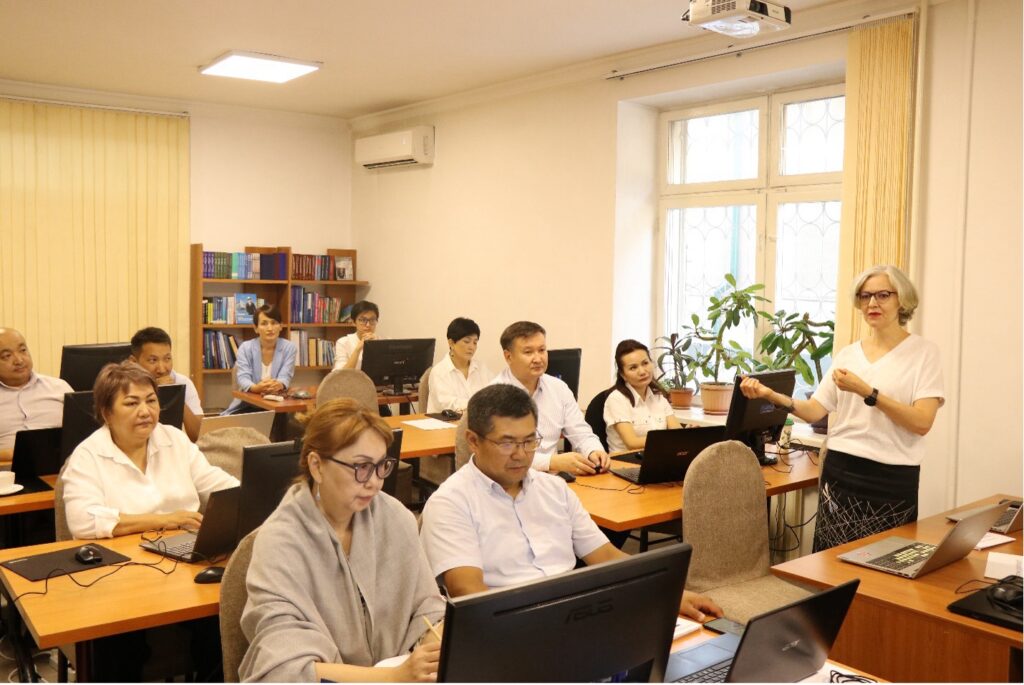
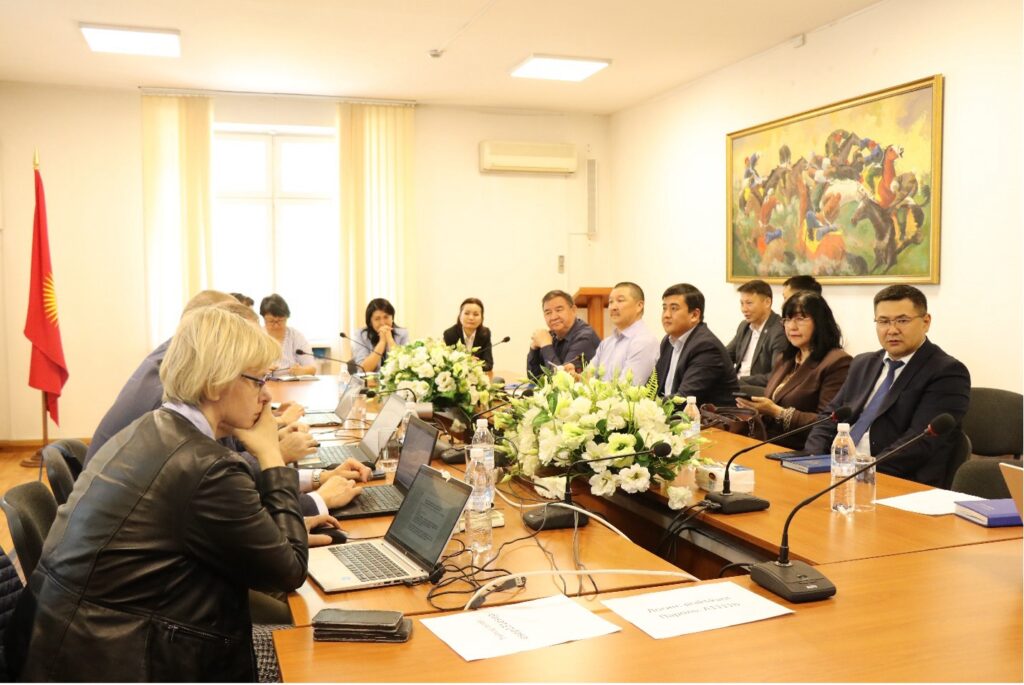
A notable aspect of the project is its emphasis on improving communication with stakeholders and adopting modern communication tools to increase transparency in the operations of the Kyrgyz SAI and in overall public resource management.
The GSAI project spans 2024-2025 and includes various activities such as developing methodological tools, conducting pilot audits, and training staff. Representatives from the CAKR, the Polish SAI, and IDI valued the first part of the project as it achieved significant milestones.. Among these key accomplishments were the revision and improvement of performance, financial, and compliance audit manuals. Based on these updated methodologies, Kyrgyz SAI staff, with advisory support from Polish SAI experts, conducted pilot audits across all three audit types. These audits are currently in the final stages.Ev
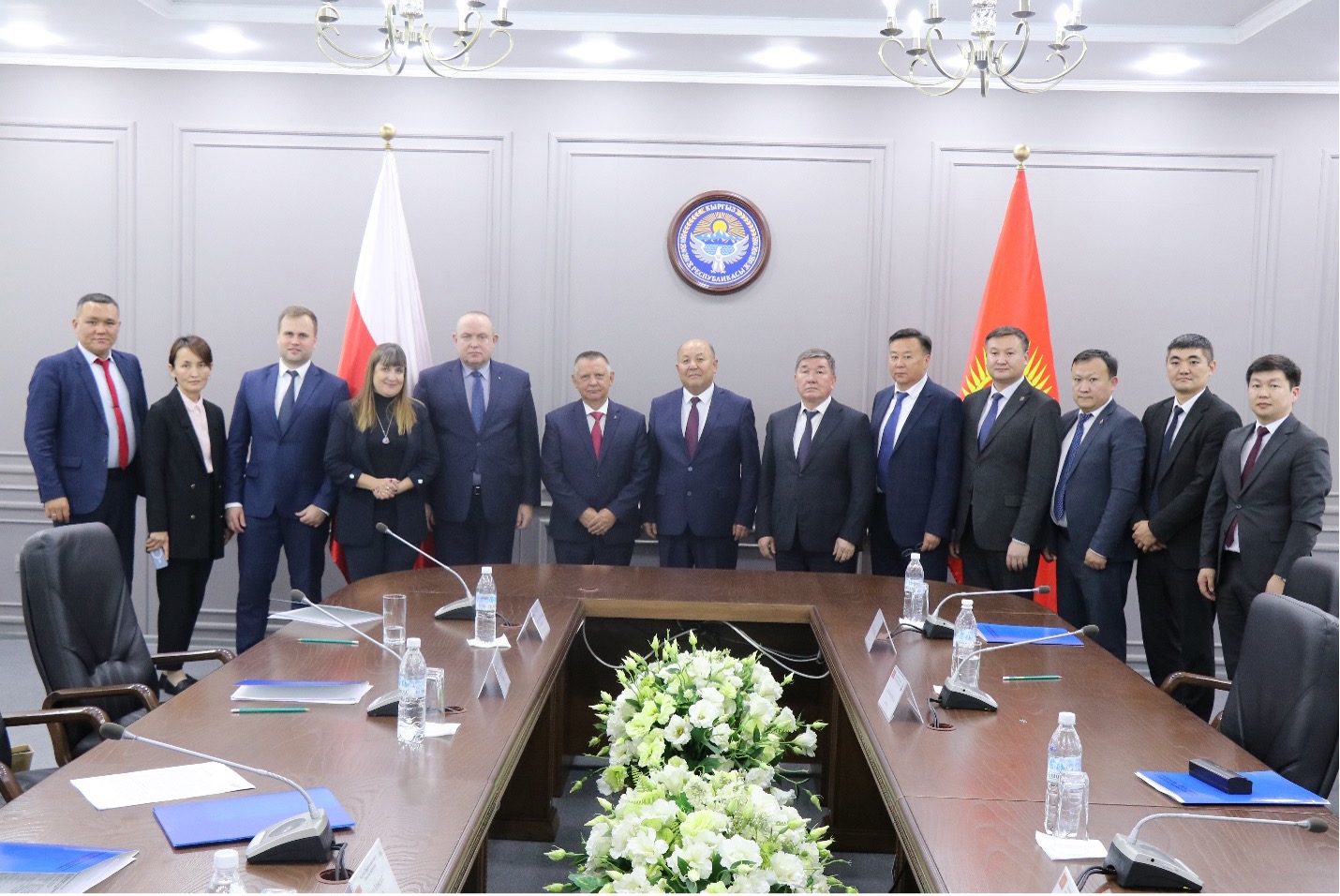
Polish SAI experts conducted training sessions for Kyrgyz SAI staff to support the implementation of the developed methodologies.. A total of 20 individuals participated, including not only inspectors but also quality control officers responsible for ensuring audit quality.
Digital transformation is another cornerstone of the project. In collaboration with IDI’s “pICTure” program, experts from the Polish SAI assessed the Kyrgyz SAI’s IT capacity, identifying strengths, weaknesses, and key development areas. Based on this assessment, they started drafting an IT Development Strategy . They held training sessions on data analysis and IT auditing, with 29 participants gaining essential skills in these areas.
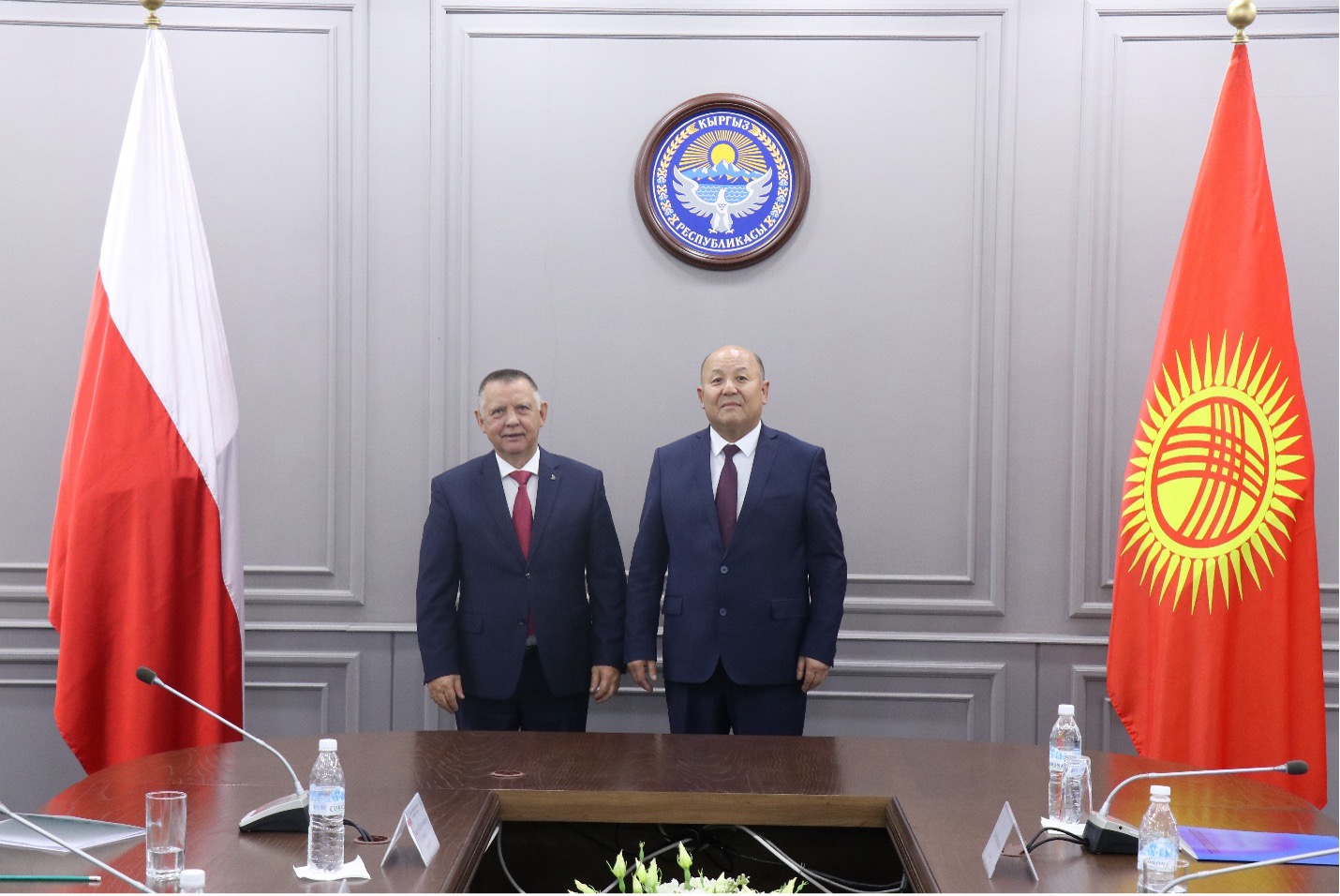
The project also addressed the Kyrgyz SAI’s communication systems. Polish experts analysed the SAI’s interactions with audited entities, parliament, government agencies, the media, and the public was carried out. With meaningful information and reporting, they provided recommendations to improve and further develop these communication mechanisms.
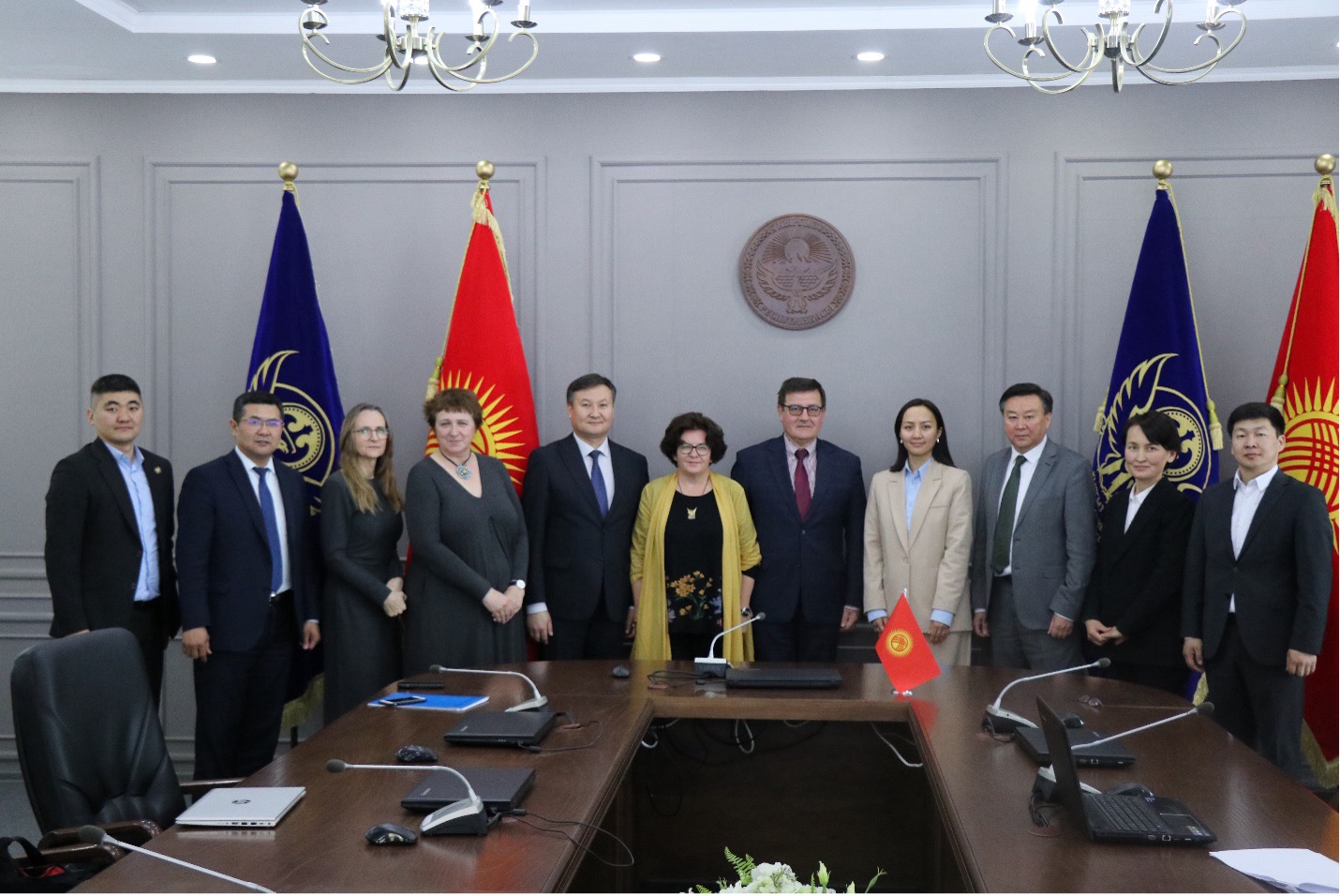
The collaboration with the Supreme Audit Institution of Poland has been a cornerstone of the GSAI project’s success. SAI Poland’s expertise and commitment have significantly enriched the project, ensuring impactful results at every stage. Their role as a partner has not only made the project more effective, but also fostered a sense of shared purpose and collaboration. The Kyrgyz SAI values this partnership immensely and looks forward to building a long-lasting relationship with SAI Poland, continuing to work together towards strengthening accountability and transparency.
Looking to 2025, the project will continue to focus on these priorities. Planned activities include additional pilot audits using refined methodologies, consultative meetings with Polish experts, and further training sessions. Efforts to improve communication will intensify, with an analysis of reporting regulations, training on report preparation, and the development of a comprehensive Communication Strategy. This strategy will outline key activities, tools, and timelines for enhancing communication and transparency.
Additionally, the Kyrgyz SAI plans to further improve public understanding and trust in its activities by hosting meetings and events with key stakeholders. By fostering transparency and accountability, the GSAI project is not only transforming the Kyrgyz SAI but also contributing to better public resource management in the Kyrgyz Republic.
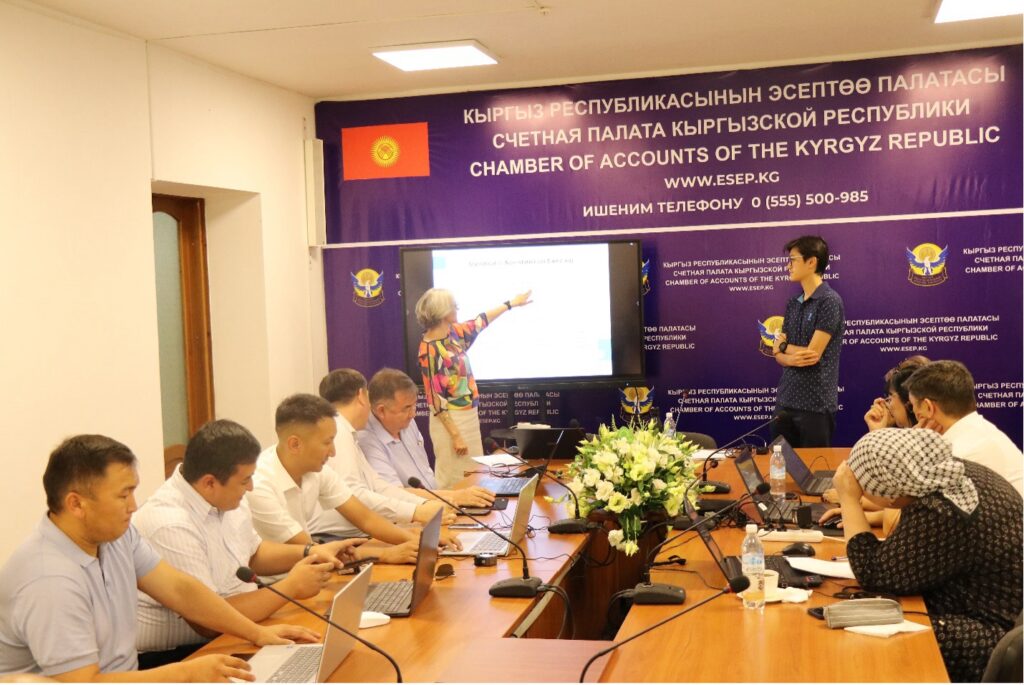
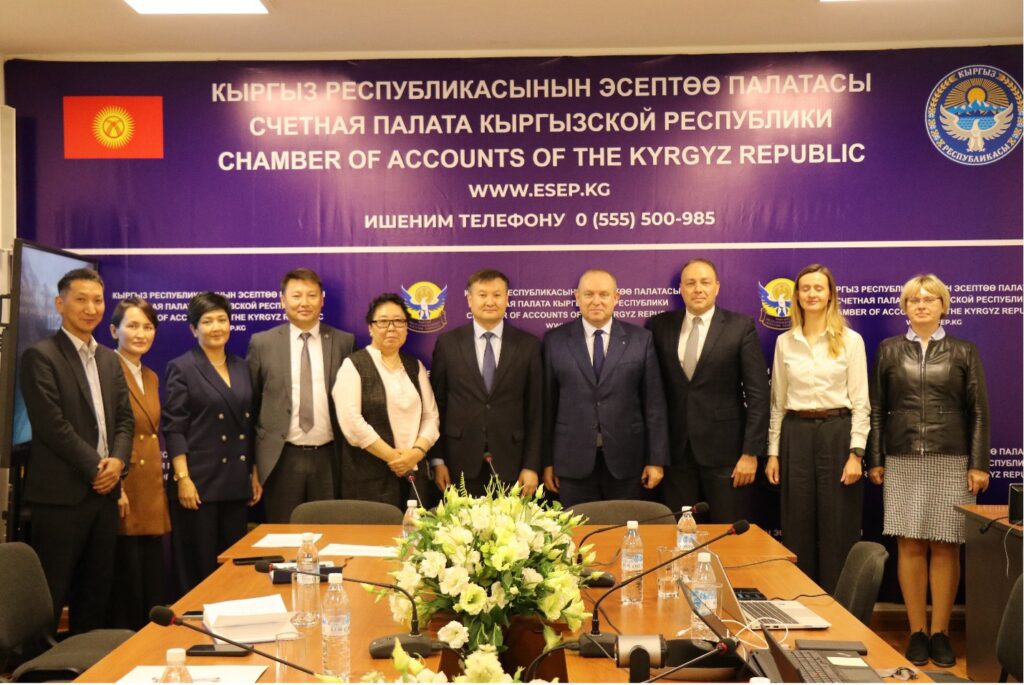
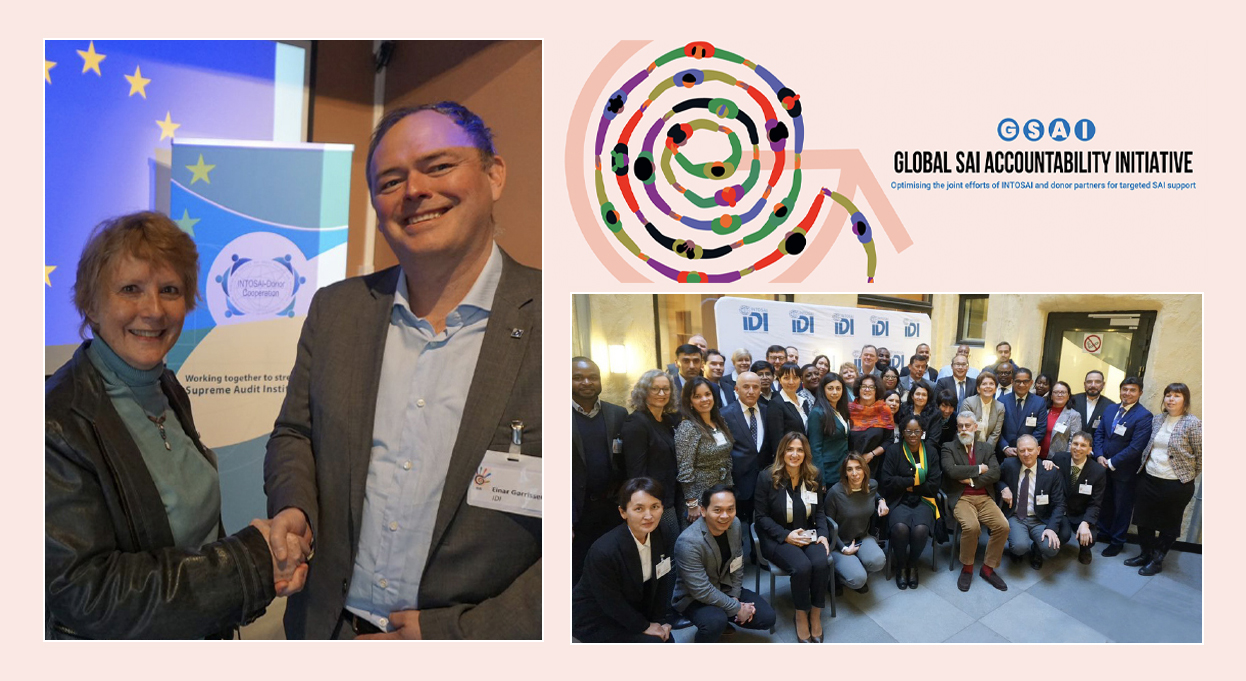
GSAI brings partners together to craft support projects for the SAIs of Belize, Benin, Dominica, Haiti, Honduras, Kyrgyzstan, Lebanon and Tajikistan
The Global SAI Accountability Initiative (GSAI) aims to mobilize effective and well-coordinated support to SAIs in challenging contexts. The SAIs of Belize, Benin, Dominica, Haiti, Honduras, Kyrgyzstan, Lebanon and Tajikistan have joined the initiative. These SAIs have unique opportunities for development and needs of support. Tailored country projects are to be developed for each of them in partnership with peer SAIs, donors and implementation partners.
The EU has stepped up as a key donor for the initiative. 2 mill Euro is provided to IDI for the period 2023 to 2026. The funding enables IDI to take a lead coordinating role and fund initial support in each country.
 The Director General of IDI, Mr Einar Gørrissen, is excited about the grant from the EC: “GSAI is an important effort by the global donor and INTOSAI community to reach out to SAIs in challenging contexts. We are proud to be taking this forward together with so many peer SAIs and partners. Within INTOSAI, we have collectively wide experience and access to resources in most areas of SAI development. When so many partners have joined the initiative this demonstrates the collective commitment in INTOSAI to mutual sharing and development. I also hope that other donors will come on board, with the goal of creating inclusive and effective SAIs that really can make a difference to their citizens. Each SAI has a unique need of support, and financial donors are encouraged to engage with the beneficiary SAI and technical providers in each country to find an effective model of funding.”
“Supreme Audit Institutions ensure accountability and good use of public resources,” says Ms Erica Gerretsen, Head of Macro-economic Analysis, Fiscal Policies and Budget Support unit in the European Commission. “These institutions are a key part of a modern and democratic governance system, providing the public with objective information on how government spends money and perform. By funding IDI we see a great potential for effective and trustful peer support for the SAIs. Ultimately we look forward to see each SAI make a difference in their country. For us, stronger SAIs lead to better governance and thereby greater progress towards the Sustainable Development Goals. We can narrow the investment gap and foster economic development – implement the European Global Gateway initiative – only in a well governed and accountable framework. Stronger SAIs create trust and willingness among donors to fund development in these countries.”
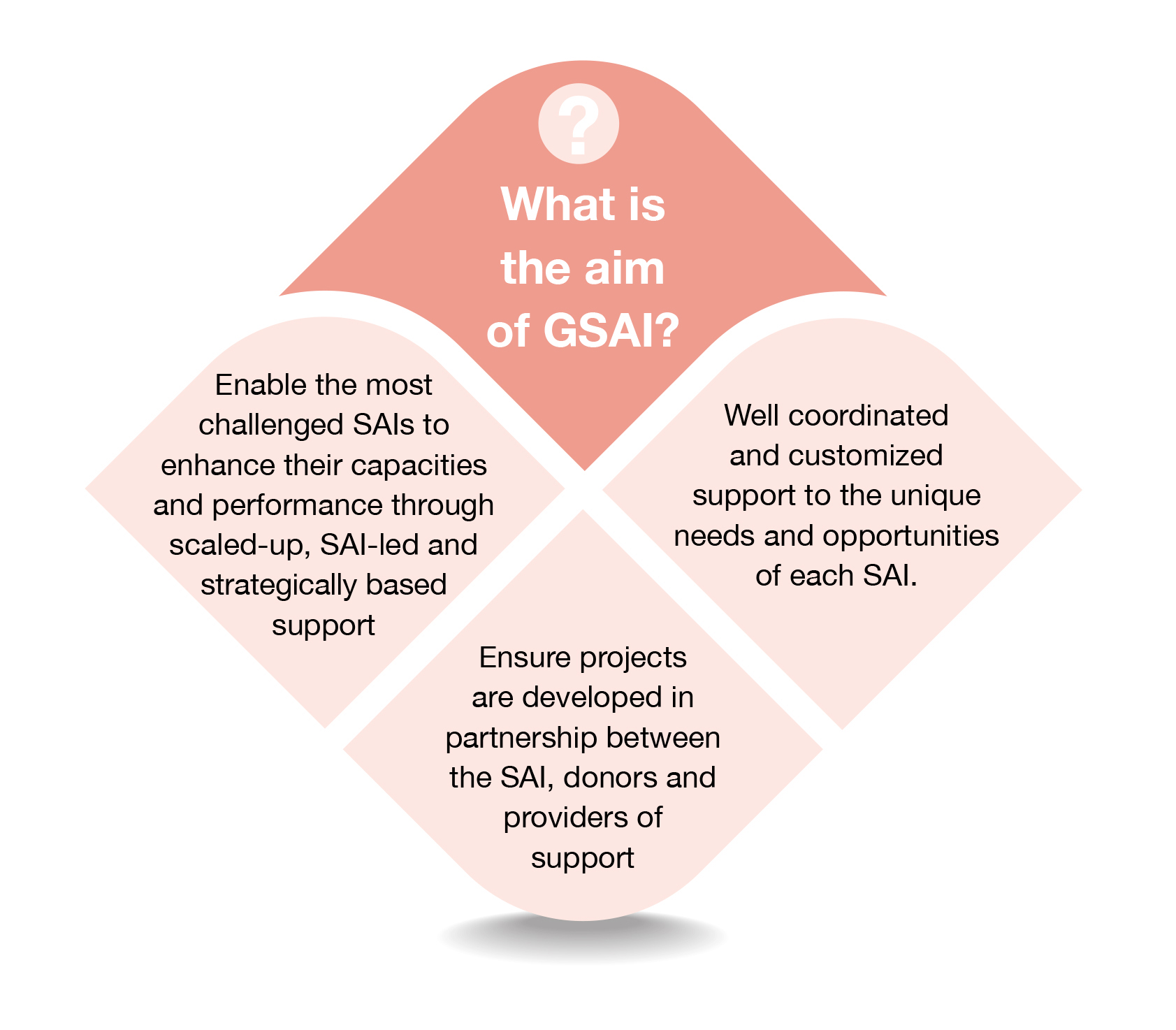 The initiative was launched in 2022 by the INTOSAI-Donor Cooperation as part of its broad work to promote support, independence, performance and benefits of SAIs in developing countries. GSAI is expected to empower the SAIs to take forward their own capacity development and reach a new level of sustained capacities and performance.
The GSAI kick-off workshop brings together key representatives of the beneficiary SAIs, donors, peer SAIs, regional INTOSAI secretariats and implementation partners ready to provide support. In the kick-off event the partners aim to develop trust, understanding and a strong collaboration in each country. During the event the partners work in country groups to draft a project design and agree a way forward to secure funding and establish projects. The aim is to enable projects to be effective and collaboration started in Q3.
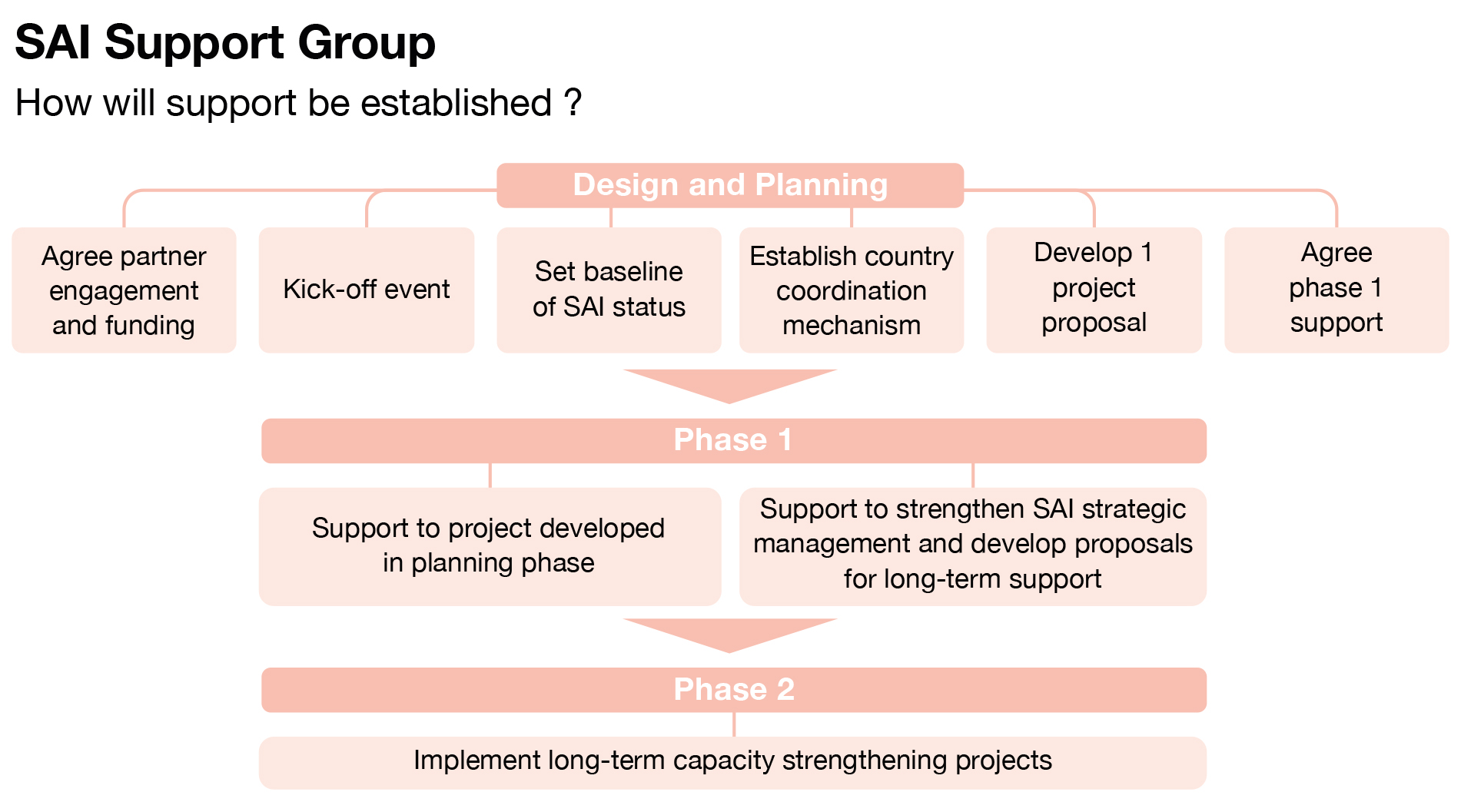
The overall process of GSAI is shown in the illustration below. In each country the SAI and interested partners are working together to develop projects. How projects will be designed depends on the requested areas of support as well as funding and technical support available. The aim of phase 1 support is to get projects started without a long planning period, while phase 2 projects can be wider and based on experiences acquired in phase 1. In each country the intention is to establish a “SAI Support Group” that brings all key partners together to clarify what can be supported and coordinate efforts.
For more information about GSAI, See the website here GSAI | INTOSAI-Donor Cooperation (intosaidonor.org) or contact programme manager Jostein F. Tellnes (Jostein.tellnes@idi.no)